


On the Sila plateau in Calabria, Hyle holds a Michelin star and a place in La Liste's top restaurants, translating one of Italy's least-documented regional larders into two tasting menus named in Calabrian dialect. Chef Antonio Biafora works with local farmers and growers across a compressed geography that spans mountain forest to coastal hills, producing a menu where walnuts, aromatic herbs, and indigenous vegetables carry the argument.
Pearl is the En Primeur Club membership app — saves, bookings, and concierge access live there. Same editors, same standards.
- Address
- SS107, 87055 Torre Garga CS, Italy
- Phone
- +39 0984 970722
- Website
- hyleristorante.it
- Directions
- Get directions
 Saves & bookings on Pearl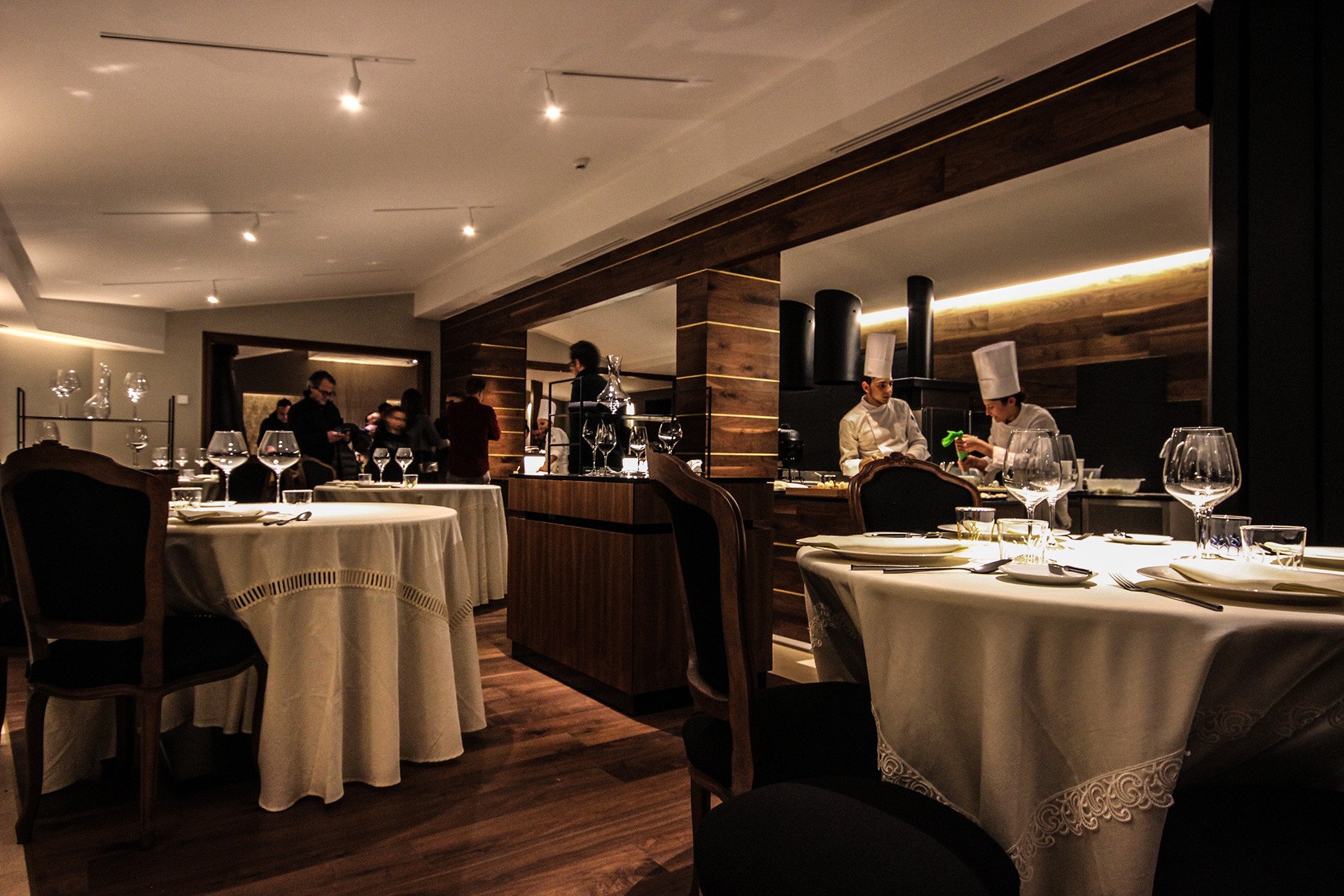
The Sila plateau sits roughly 1,200 metres above sea level in the heart of Calabria, a region that most Italian fine-dining conversations skip past entirely on their way between Naples and Sicily. The plateau itself is blanketed in Calabrian pine and silver fir, and its position means that within a short drive the terrain shifts from mountain forest to hill country angled toward the Ionian and Tyrrhenian coasts. That compressed range of altitude and microclimate is what makes the Sila larder unusually varied: wild herbs, walnuts, highland vegetables, and forest fungi sit alongside ingredients pulled from farms at lower elevations. Hyle, located on the SS107 above Torre Garga and recognised with a Michelin star, works precisely this vertical geography as its organising principle.
Calabrian Cuisine in the Context of Italy's South
To understand what Hyle is doing, it helps to set it against the broader pattern of southern Italian fine dining. The Campanian tradition, anchored around Naples and the Amalfi coast, leans on seafood and tomato-led acidity; venues like Quattro Passi in Marina del Cantone represent that coastal register at a high level. Central and southern Apennine cooking, as seen at Reale in Castel di Sangro, tilts toward the interior: mountain herbs, lamb, and aged cheeses. Calabria occupies an underrepresented position between those two poles. Its food culture is historically defined by poverty-era ingenuity with nduja, dried peppers, preserved fish, and foraged mountain produce, none of which has received the national or international critical attention granted to Tuscany, Emilia-Romagna, or even Campania. Hyle's Michelin recognition and its appearance in La Liste's leading restaurant rankings at 83.5 points in 2025, dropping slightly to 81 points in 2026, represents one of the few high-profile endorsements of Calabrian cooking as a serious fine-dining proposition.
That context matters for setting expectations. This is not the kind of destination that exists within a known cluster of starred restaurants where itinerary-building is direct. San Giovanni in Fiore is a small town, and the drive up through the Sila requires intention. The reward is a restaurant whose sourcing geography is genuinely local rather than performatively so, with relationships with farmers and growers that La Liste describes as forming an economic and socially responsible chain.
The Menus: Structure and Calabrian Naming
The menu architecture at Hyle reflects both the tasting-menu norm of contemporary Italian fine dining and a deliberate regional specificity in how those menus are labelled and organised. Two tasting menus are available alongside à la carte options: the seven-course Pùzaly and the eleven-course Chjùbica. The names are drawn from Calabrian dialect and history rather than Italian or French culinary convention. Pùzaly derives from the Greek word pisseres, meaning resinous, a reference that connects directly to the pine-forested plateau and to the plateau's pre-Roman Greek colonial history. Chjùbica references an ancient road linking Paola on the Tyrrhenian coast to Cirò Marina on the Ionian side, effectively tracing the geographic arc that the kitchen draws on for its ingredients.
This naming approach is not decorative. The Sila has been inhabited and documented since Greek settlement in Magna Graecia, and that layered history, Greek, Byzantine, Norman, Aragonese, is woven into Calabria's dialect, architecture, and food traditions in ways that rarely surface in mainstream Italian culinary narrative. By anchoring the menus in those names, chef Antonio Biafora is making an argument about identity and continuity that positions the kitchen within a long regional story rather than within the international fine-dining conversation alone. Italy's most-discussed fine-dining addresses, from Osteria Francescana in Modena to Piazza Duomo in Alba to Enoteca Pinchiorri in Florence, operate in cities with established culinary reputations. Hyle operates in a place without that scaffolding, which changes what the menu has to do.
Ingredients and the Sila Larder
Hyle's descriptions consistently foreground specific ingredient categories: vegetables, aromatic herbs, and walnuts, sourced from local farmers. The Sila plateau's altitude and climate produce aromatics, including wild thyme, oregano, and mountain-specific herbs, that differ measurably from their lowland equivalents in intensity. Sila walnuts in particular are a named DOP product in Calabria, and their inclusion in the kitchen's sourcing language signals that the menu is working with regionally specific ingredients that carry geographic identification rather than generic commodity produce.
This approach places Hyle within a broader movement in Italian fine dining toward what might be called hyper-local sourcing with vertical supply chains, a direction visible also at Atelier Moessmer Norbert Niederkofler in Brunico, where Alpine terroir defines the sourcing radius. At the northern end of the Italian peninsula, that model has received significant critical attention; at the southern end, in Calabria, equivalent approaches have had far fewer international advocates. Hyle's Opinionated About Dining ranking of 216th in Europe in 2025, up from 231st in 2024 and supported by a highly recommended designation for new restaurants in 2023, suggests a trajectory that the broader European fine-dining audience is beginning to register.
What to Expect in Practice
For the reader planning a visit, several practical dimensions shape the experience. The location on the SS107 above Torre Garga places the restaurant in genuinely rural surroundings: the drive from the town of San Giovanni in Fiore takes you through the forest plateau, and the setting is less village piazza than mountain road, which means arriving by car is the practical assumption. The price bracket sits at €€€€, consistent with the starred-restaurant tier in Italy, though La Liste's commentary flags the restaurant as offering strong value relative to its comparable set, a notable distinction at this quality level.
The eleven-course Chjùbica menu requires the kind of time allocation that tasting menus at this level always demand, and visitors combining the restaurant with broader travel will find that the Sila itself merits time: the Sila National Park, which surrounds the plateau, is one of Calabria's least-visited natural areas. For those extending a trip around the dining destination, accommodation options in San Giovanni in Fiore and the surrounding area are worth researching in advance, as the town is small and options limited. The wider restaurant scene in San Giovanni in Fiore is modest by comparison, which reinforces Hyle's position as a destination in its own right rather than one node in a broader dining itinerary. Those interested in the local drinks culture can also consult the bars guide for San Giovanni in Fiore, the wineries guide, and the experiences guide for a fuller picture of what the area offers beyond the restaurant itself.
Italy's starred dining circuit more broadly offers reference points for calibrating expectations at Hyle's level. Dal Pescatore in Runate, Le Calandre in Rubano, Enrico Bartolini in Milan, and Casa Perbellini 12 Apostoli in Verona represent the northern Italian reference tier at the €€€€ bracket. Uliassi in Senigallia offers a central-Italian coastal comparison. Hyle's position in that broader field is not as an outlier to be excused by its geography, but as a restaurant making a case for a region whose culinary depth the national conversation has been slow to credit. On current trajectory, the critical consensus across La Liste and Opinionated About Dining suggests that case is gaining traction. For those willing to make the drive up the SS107, the Sila plateau offers a version of Italian fine dining that the better-mapped circuits have not yet replicated. For further inspiration in the modern Italian register, Horto in Milan and, further afield, Le Bernardin in New York City illustrate how ingredient-led precision translates across different culinary contexts.
Comparable Venues
Comparable venues nearby, for context on price, style, and recognition.
| Venue | Cuisine | Price | Awards | Notes |
|---|---|---|---|---|
| HyleThis venue — the venue you are viewing | Modern Mediterranean Fine Dining | $$$$ | Michelin 1 Star | Not listed |
| Glicine | Modern Mediterranean Fine Dining | $$$$ | Michelin 1 Star | Amalfi |
| Don Alfonso 1890 | Modern Campanian Fine Dining | $$$$ | Michelin 1 Star | Sant'Agata sui Due Golfi |
| Abbruzzino | Modern Calabrian Fine Dining | $$$$ | Michelin 1 Star | Loc. S. Janni |
| Due Camini | Modern Puglian Fine Dining | $$$$ | Michelin 1 Star | Savelletri |
| Il Ristorante Alain Ducasse Napoli | French-Italian Fine Dining | $$$$ | Michelin 1 Star | San Ferdinando |
Recognition history
Dated appearances from independent guides and award organizations, with the underlying list record or original source where available.
La Liste Top Restaurants
La Liste
Michelin 1 Star
Michelin
Opinionated About Dining Top Restaurants in Europe Recommended
Opinionated About Dining
La Liste Top Restaurants
La Liste
Michelin 1 Star
Michelin
Opinionated About Dining Top Restaurants in Europe Ranked #216
Opinionated About Dining
Michelin 1 Star
Michelin
Opinionated About Dining Top Restaurants in Europe Ranked #231
Opinionated About Dining
Opinionated About Dining Top New Restaurants in Europe Highly Recommended
Opinionated About Dining
Continue exploring
More in San Giovanni in Fiore
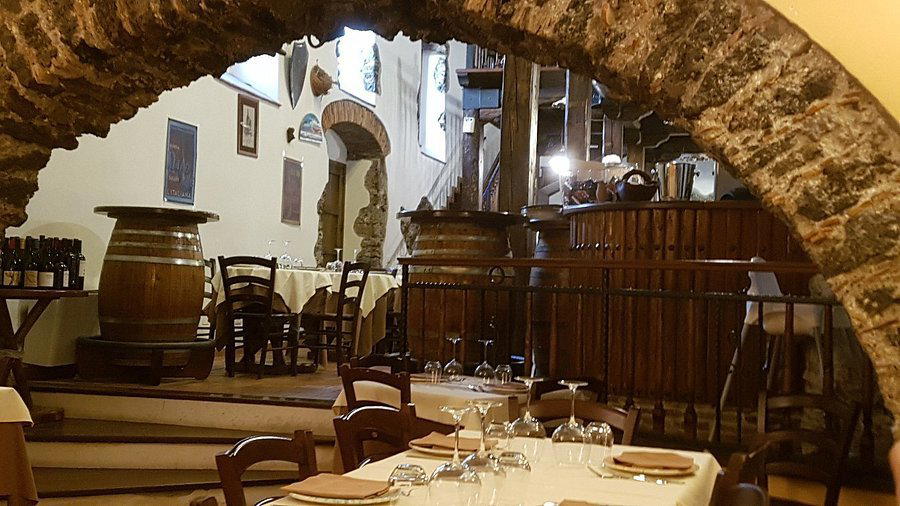
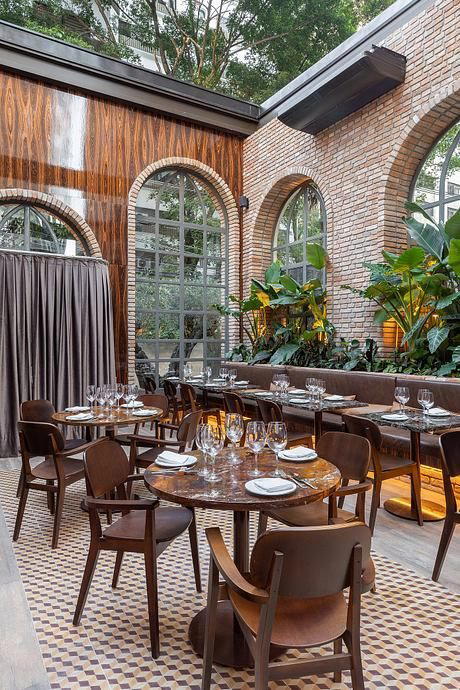
Restaurants in San Giovanni in Fiore
Browse all →
Hotels in San Giovanni in Fiore
Browse all →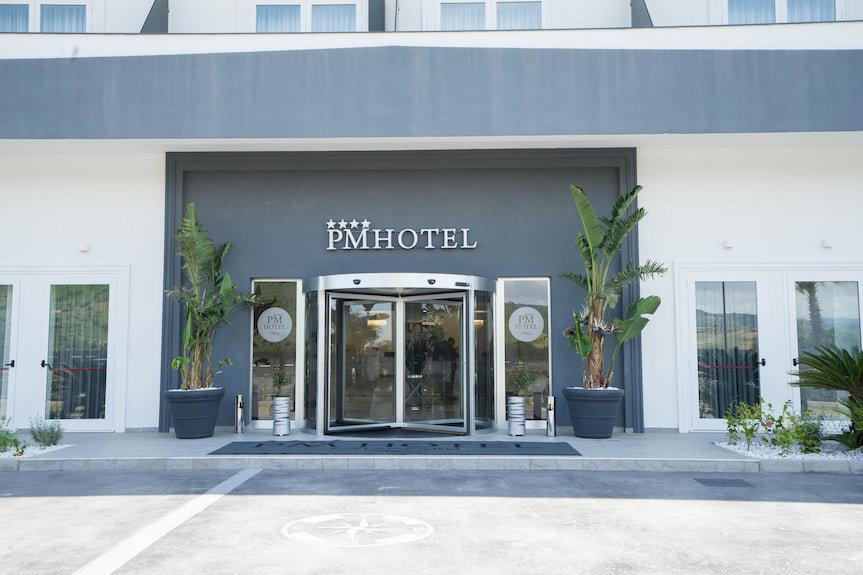
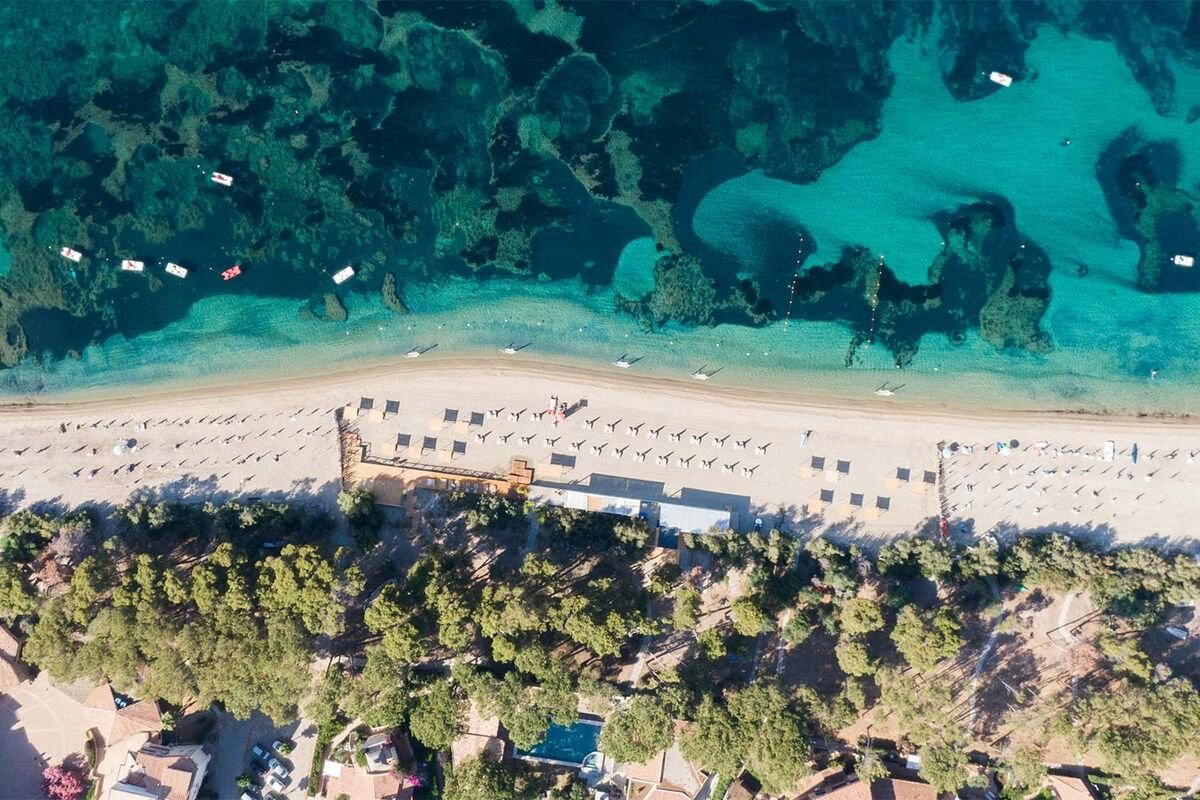
Wineries in San Giovanni in Fiore
Browse all →

At a Glance
- Intimate
- Elegant
- Cozy
- Sophisticated
- Special Occasion
- Date Night
- Celebration
- Open Kitchen
- Extensive Wine List
- Local Sourcing
Current opening hours
- Monday
- Closed
- Tuesday
- 8:15–10:30 PM
- Wednesday
- 8:15–10:30 PM
- Thursday
- 8:15–10:30 PM
- Friday
- 8:15–10:30 PM
- Saturday
- 12:30–2 PM, 8:15–10:30 PM
- Sunday
- 12:30–2 PM, 8:15–10:30 PM
Hours can change for holidays and private events. Last verified .
Warm, intimate atmosphere with fireplace for aperitif and dessert, minimalist design, open kitchen, and sober elegance.