Our verdict
Vancouver's Greek dining scene has a clear upper tier, and Hydra Estiatorio on Howe Street positions itself within it, a downtown address with the Aegean as its reference point rather than a neighbourhood taverna template. The kitchen works from a Mediterranean tradition that prizes simplicity and sourcing over technique-forward showmanship, placing it in a different register from the city's contemporary tasting-menu circuit.

Pearl is the En Primeur Club membership app, where members save venues, book tables and use the concierge.
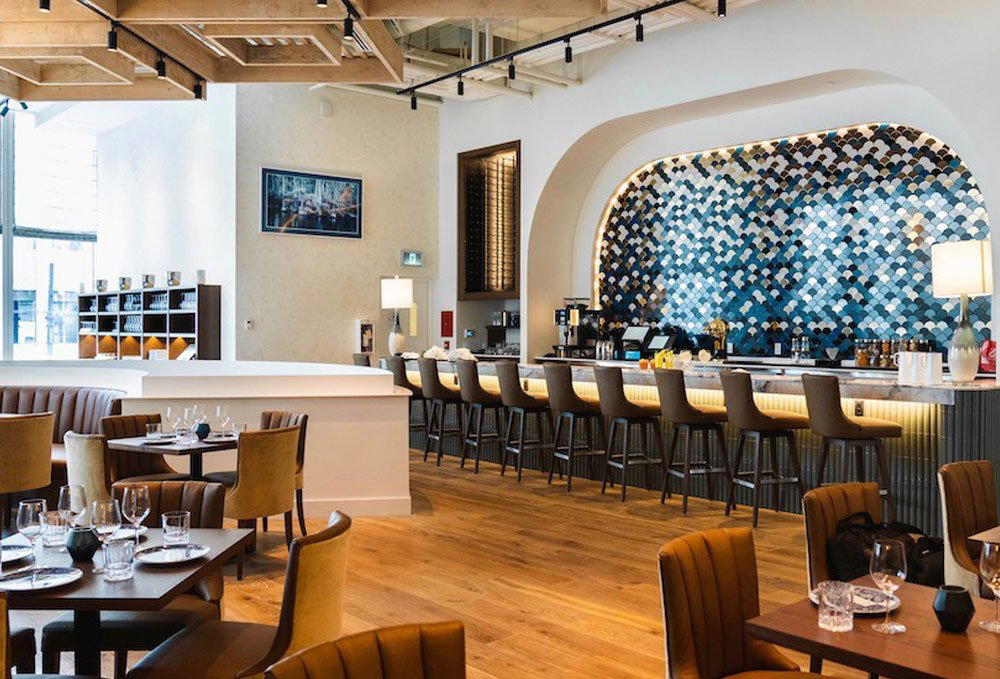
The menu
What to order
- Grilled Octopus
- Saganaki
- Lamb Chops
- Salt Baked Whole Fish
Howe Street and the Greek Dining Tier in Vancouver
Downtown Vancouver's restaurant geography sorts itself by category with reasonable predictability: sushi counters in Yaletown, izakayas on Robson, steakhouses along the financial district corridors. Greek dining occupies a narrower band, and Hydra Estiatorio at 475 Howe Street represents the format at a considered, sit-down register rather than the casual taverna model that dominates Greek food in North American cities. The address alone places the restaurant in proximity to the business and hotel district, which shapes both the clientele and the expectations the kitchen must meet on any given evening.
The broader shift in Mediterranean dining, from red-sauce generalism to sourcing-focused, ingredient-led menus, has reached Canadian cities more slowly than it has New York or London. That shift is worth noting in the context of Hydra, because estiatorio-format restaurants (the term signals a more formal Greek dining establishment as distinct from a mezedopoleio or taverna) tend to anchor their pitch on the quality of raw materials: the fish, the olive oil, the herbs. Where Vancouver's contemporary circuit, represented by places like AnnaLena and Barbara, leans into technique and tasting-menu architecture, the estiatorio tradition makes restraint the method, the argument being that excellent fish grilled over high heat and dressed with lemon and oil needs no further elaboration.
What the Estiatorio Format Actually Means
The term estiatorio carries specific implications for how a meal is structured and what the kitchen is being asked to do. Unlike the meze-heavy format, where the table fills incrementally with small plates, the estiatorio model moves toward larger shared dishes and whole preparations, most often whole fish, shoulder cuts, and seasonal vegetable preparations that reflect the Mediterranean's broader philosophical commitment to cooking what is available rather than what is permanently on a printed card. In Greek cities, the better estiatorio restaurants change their fish offering daily based on the catch; the translation of that sensibility to a landlocked-by-air-freight North American market is imperfect, but the intent is what separates this tier from casual Greek.
For Canadian diners accustomed to the Japanese-inflected sourcing conversation, the kind that drives the reputation of Masayoshi in Vancouver or, further afield, Alo in Toronto, the Greek equivalent is less visible but structurally similar: provenance matters, the menu follows availability, and the kitchen's job is to stay out of the ingredient's way.
Sustainability as a Greek Kitchen Principle
The sustainability conversation in fine dining has largely been framed through the vocabulary of Nordic and contemporary Canadian cooking, fermentation, nose-to-tail, hyper-local. What often goes unremarked is that traditional Mediterranean kitchens, including the Greek estiatorio tradition, operated on waste-reduction principles long before the vocabulary existed. Whole-fish service, offal preparation, vegetable-forward mezedes built from what the garden or market produced that week: these are structural features of the cuisine, not retrofitted ethics.
In a city like Vancouver, where the sustainable seafood conversation is unusually advanced, the Pacific fisheries and the proximity to British Columbia's aquaculture industry give local chefs and operators more to work with than most North American markets, a restaurant working from a Mediterranean seafood tradition has access to genuinely interesting raw material. British Columbia spot prawns, Pacific halibut, and wild salmon exist in a productive tension with the Aegean-origin preparations that define the estiatorio format. The question of whether a kitchen resolves that tension through sourcing decisions (using the leading available Pacific fish prepared through Greek technique) or ignores it (importing Mediterranean species at the cost of provenance integrity) is one of the more revealing things a meal at a restaurant like Hydra can answer.
The broader Canadian fine-dining circuit has moved firmly toward ethical sourcing as a baseline expectation rather than a differentiator. Tanière³ in Quebec City and Restaurant Pearl Morissette in Lincoln operate from a sourcing-first position that has shaped what the broader audience now expects from a premium meal. The estiatorio format, at its finest, sits comfortably within that expectation, not because it has adopted the language of sustainability, but because the cuisine's structural logic was always built around it.
Where Hydra Sits Relative to Vancouver's Premium Dining Field
Vancouver's upper dining tier is increasingly defined by a small number of restaurants working with tasting-menu or omakase formats: Kissa Tanto with its Japanese-Italian fusion counter, Masayoshi with its omakase discipline, iDen and QuanJuDe Beijing Duck House in the Chinese premium tier. Hydra occupies a different category, the a-la-carte Mediterranean dinner format, which means it competes on different terms. The comparison set isn't the tasting-menu rooms but rather the city's other à-la-carte premium options, and within that field, Greek dining at this register has relatively little direct competition in Vancouver.
For context on how Mediterranean fine dining translates at the top of the North American market, Le Bernardin in New York City remains the reference point for what rigorous seafood-focused cooking looks like when executed without compromise. That's a different scale and a different investment entirely, but the underlying argument, that great fish, handled with discipline and restraint, needs little more, is the same one the estiatorio format makes.
Readers building a broader Canadian dining itinerary will find useful context in our full Vancouver restaurants guide, which maps the city's current premium field with more granularity. Those tracking the national fine-dining conversation should also consider Jérôme Ferrer's Europea in Montreal and Narval in Rimouski as useful reference points for how the Mediterranean tradition adapts across Canadian regional contexts.
Planning Your Visit
Hydra Estiatorio is located at 475 Howe Street in downtown Vancouver, within walking distance of the financial district hotels and the central transit hub at Granville Station. The downtown address and estiatorio format suggest a dress expectation in line with the neighbourhood's business-dinner standard, smart casual at minimum, with the room likely trending more formal on weekday evenings. Given the format's emphasis on whole-fish preparation and shared dishes, the meal rewards groups of two to four rather than solo dining at a counter. For current hours, booking availability, and menu details, direct contact with the restaurant is the appropriate channel, as those specifics shift seasonally.
Frequently asked questions
Where exactly is Hydra Estiatorio?
Hydra Estiatorio is located at 475 Howe St, Vancouver, BC V6B 2B3, Canada, Vancouver.
Is the estiatorio format at Hydra Estiatorio different from a typical Greek restaurant in Vancouver?
Yes, in a specific way: the estiatorio format prioritises whole-fish cookery, table-side portioning, and a menu anchored by the day's catch rather than the meze-heavy, shared-plate approach most Greek restaurants in Vancouver follow. It's closer in structure to a Athenian seafood house than to a neighbourhood taverna. In downtown Vancouver, that distinction makes Hydra Estiatorio the only restaurant operating in this particular format at the Howe Street address.
What's the signature dish at Hydra Estiatorio?
Whole-fish preparations are the structural anchor of the estiatorio format, and Hydra's menu follows that tradition: grilled fish dressed with olive oil and lemon represents the kitchen's central commitment. The format is deliberately market-driven, meaning the specific catch shifts with availability rather than remaining fixed on a printed menu. At 475 Howe Street, that approach places Hydra in a different register from Vancouver's tasting-menu-forward rooms, where the chef's sequence drives the meal rather than the guest's selection.
How far ahead should I plan for Hydra Estiatorio?
Hydra Estiatorio sits at 475 Howe Street, directly in Vancouver's financial and hotel district, which means midweek evening slots fill with corporate and pre-theatre traffic at a pace that can outpace weekend demand. For Thursday and Friday dinners specifically, booking at least two weeks out is a reasonable baseline. Weekend availability tends to be more variable, but for larger parties the same lead time applies.
What makes Hydra Estiatorio worth seeking out?
The estiatorio format is genuinely underrepresented in Vancouver's premium dining field, which tilts heavily toward Asian-influenced and contemporary Canadian formats. Hydra's position on Howe Street puts it inside the downtown core where Greek fine dining at this register has no direct equivalent. The market-driven, whole-fish structure also means the menu responds to supply rather than replicating a fixed carte, which distinguishes it from most of Vancouver's upper-tier rooms.
Compact Comparison
Comparable venues nearby, for context on price, style, and recognition.
| Venue | Cuisine | Price | Awards | Notes |
|---|---|---|---|---|
| Hydra EstiatorioThis venue (the venue you are viewing) | Traditional Greek Mediterranean Seafood | $50–100 | Not listed | Not listed |
| Pax Romana | Mediterranean Tapas & Cocktails | $30–50 | Not listed | Commercial, Mediterranean Tapas & Cocktails |
| Delhi-6 Indian Bistro | Modern North Indian Bistro | $30–50 | Not listed | Fairview, Modern North Indian Bistro |
| Chambar | Modern Belgian | $50–100 | Star Wine List | Downtown, Modern Belgian with North African Influences |
| Reflections The Garden Terrace | Global Tapas with Seasonal British Columbia Ingredients | $50–100 | AHEAD Awards AHEAD Americas Restaurant Shortlist | Downtown, Global Tapas with Seasonal British Columbia Ingredients |
Continue exploring
More in Vancouver
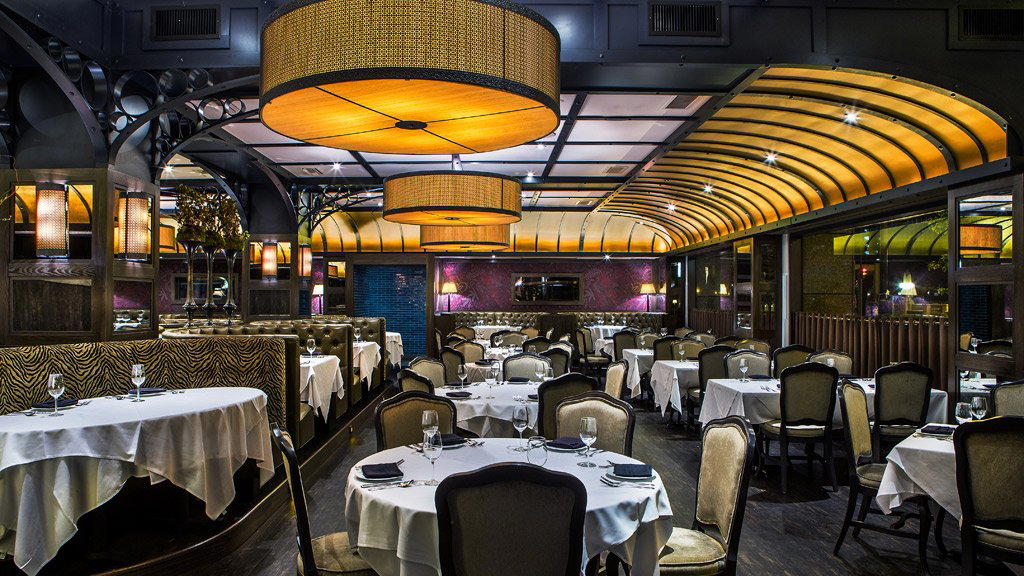
Restaurants in Vancouver
All restaurants in Vancouver →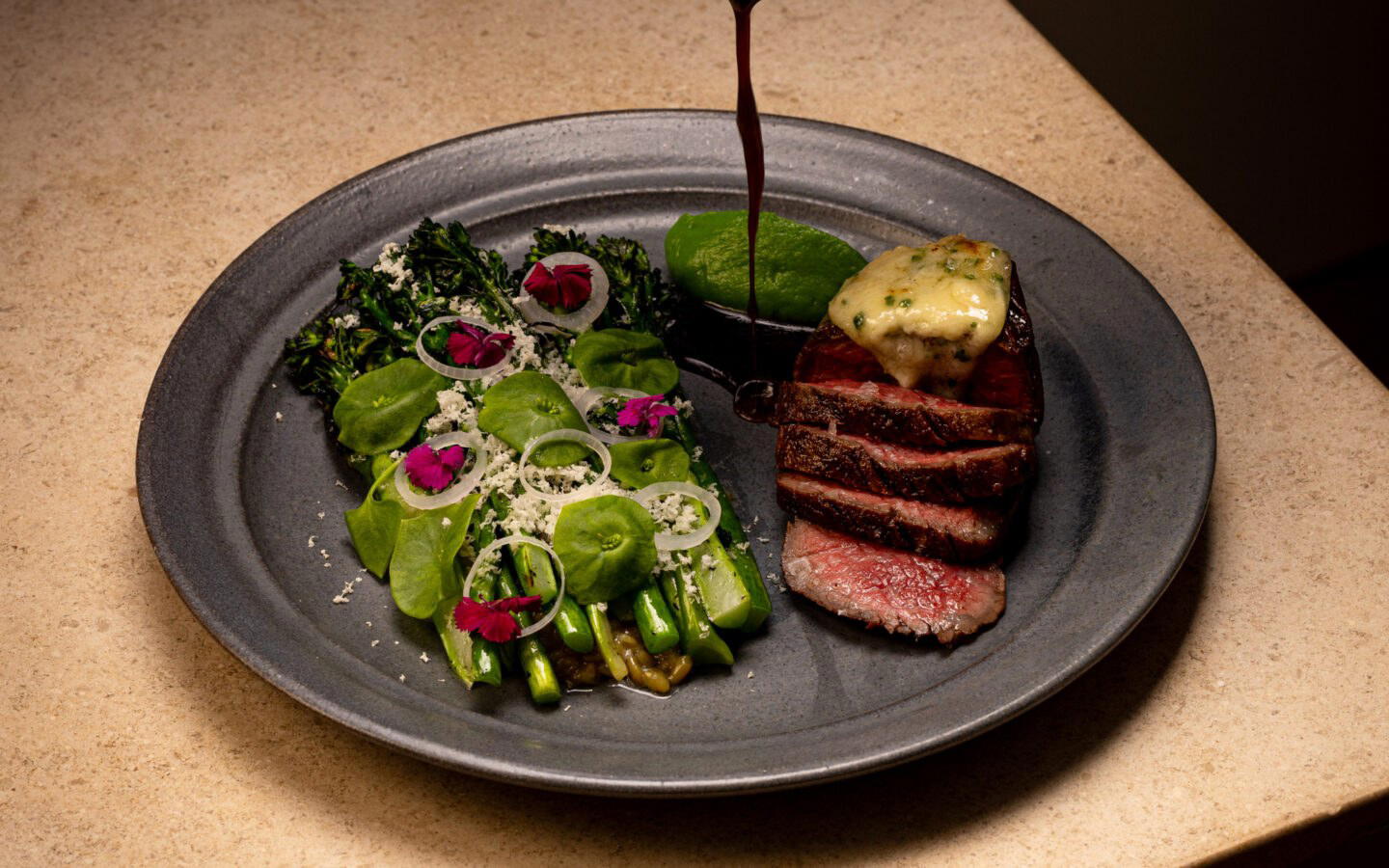
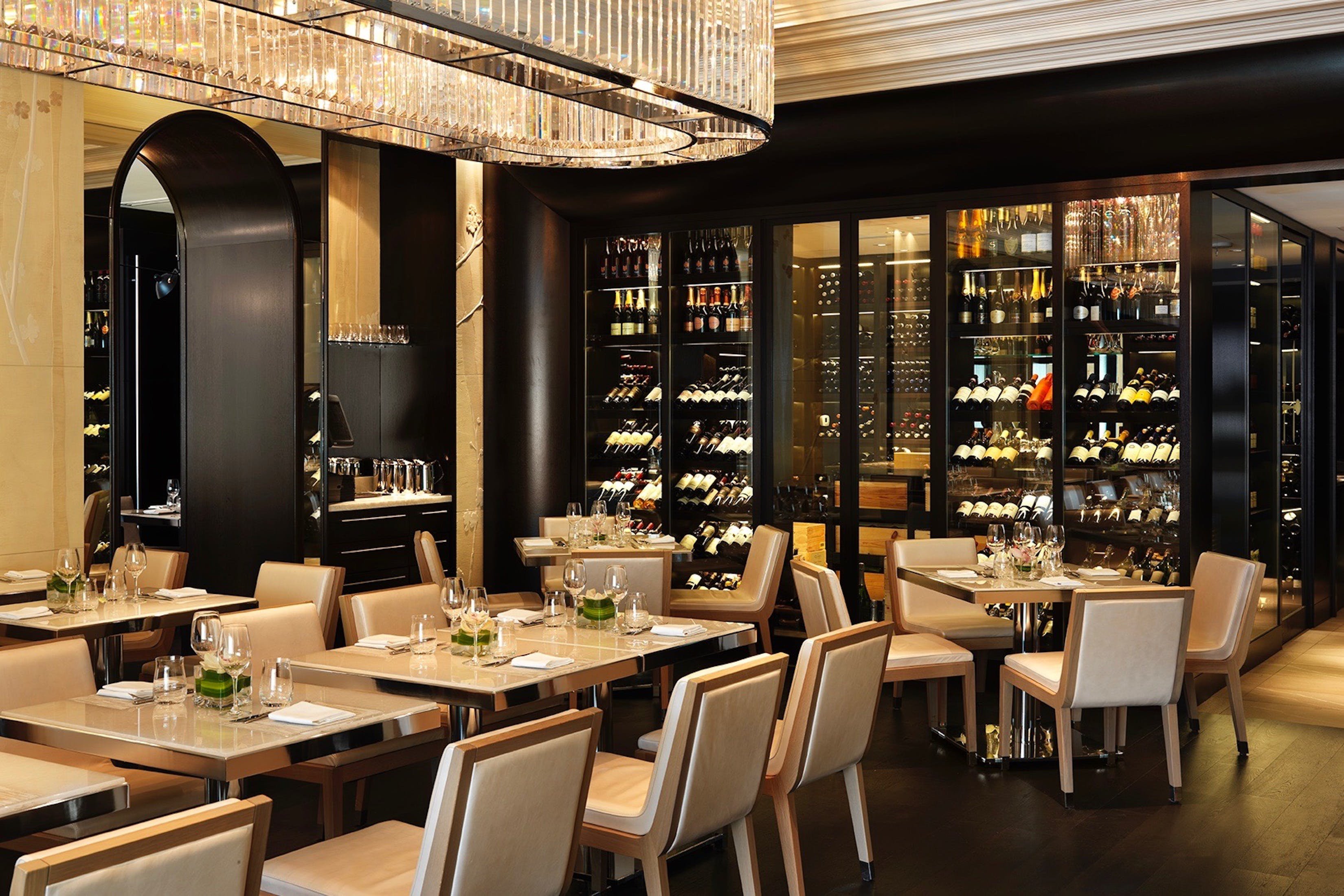
Bars in Vancouver
All bars in Vancouver →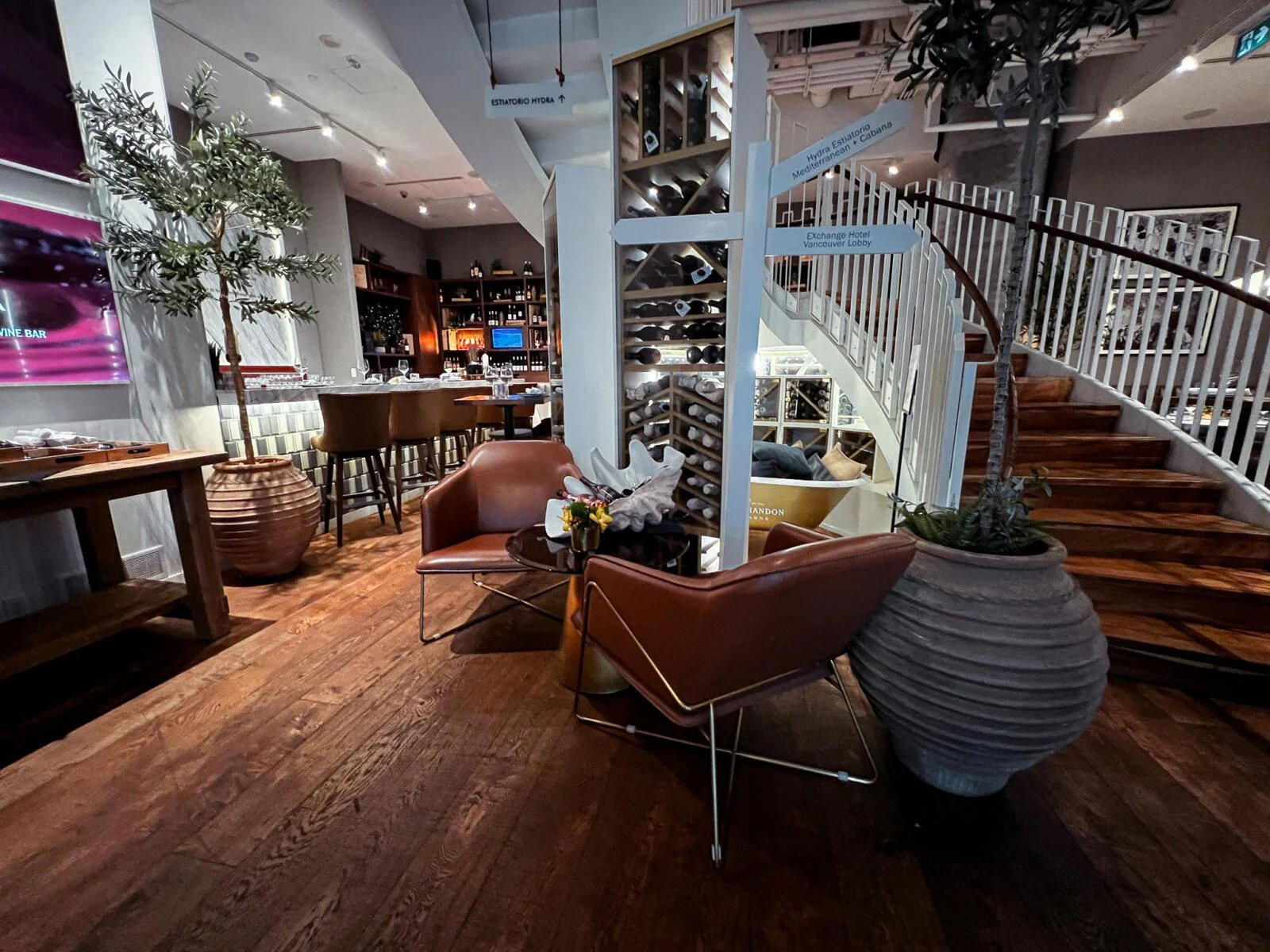

Details
- Elegant
- Lively
- Sophisticated
- Group Dining
- Special Occasion
- Date Night
- Open Kitchen
- Sake Program
- Extensive Wine List
- Local Sourcing
- Sustainable Seafood
- A La Carte
- Small Plates
- Family Style
- Pescatarian Friendly
Current opening hours
- Monday
- 7 AM–11 PM
- Tuesday
- 7 AM–11 PM
- Wednesday
- 7 AM–11 PM
- Thursday
- 7 AM–11 PM
- Friday
- 7 AM–11 PM
- Saturday
- 7–11 AM, 3–11 PM
- Sunday
- 7–11 AM, 3–11 PM
Hours can change for holidays and private events. Hours as of .
Stylish and upscale with villa decor, lively bar atmosphere, and engaging throughout day into evening.