.png)
Huto Campo Belo holds a 2024 Michelin Plate in São Paulo's competitive Japanese dining tier, operating out of the established residential neighbourhood of Campo Belo. The restaurant sits within a city that has one of the largest Japanese diaspora communities outside Japan, giving its kitchen access to a supply chain and clientele that few Brazilian cities can match. Google reviewers rate it 4.6 across 276 submissions, a signal of consistent execution at the mid-to-upper price bracket.
 Discover on Pearl
Pearl is the En Primeur Club membership app — saves, bookings, and concierge access live there. Same editors, same standards.
- Address
- R. Dr. Jesuíno Maciel, 682 - Campo Belo, São Paulo - SP, 04615-001, Brazil
- Phone
- +55 11 5041-6809
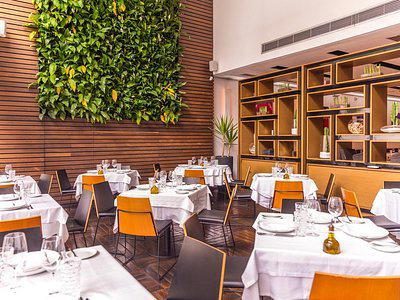
Japanese Dining in São Paulo: What the Campo Belo Address Signals
Huto Campo Belo is a modern Japanese izakaya with robata in São Paulo's Campo Belo district, at a $100 per person price point. São Paulo's Japanese restaurant scene is not a niche. The city is home to the largest Japanese-descended population outside Japan, a demographic reality that has produced a dining culture where authenticity is tested rigorously by people who know what they are comparing against. The result is a competitive tier of Japanese restaurants that in some respects rivals Tokyo's mid-market, with access to dedicated importers, Japanese-owned fishmongers in the Liberdade district, and a customer base fluent in the distinctions between a lazy hand roll and a properly constructed one. Huto operates inside that demanding context.
Campo Belo, the neighbourhood where Huto sits on Rua Dr. Jesuíno Maciel, is a prosperous residential quarter in the city's south zone. It does not carry the same foot traffic as Itaim Bibi or the density of Liberdade, but that is partly the point. Restaurants that establish themselves in Campo Belo tend to serve a loyal local clientele rather than speculative walk-ins, which places different pressure on consistency. You are not surviving on tourist novelty here. The 4.7 Google rating across 285 reviews reflects that neighbourhood accountability, where a regular crowd keeps returning and keeps scoring.
The Michelin Plate in Context
The 2024 Michelin Plate designation places Huto in a category that the guide defines as restaurants offering good cooking, above the general listing tier but below the star level. In São Paulo's Japanese segment, that bracket is occupied by a range of formats, from high-end omakase counters to casual izakaya-style operations. The Plate signals that Huto holds its own against that field without necessarily competing at the omakase counter price point of, say, Kinoshita, which has accumulated star-level recognition over many years. The $$$ price range positions Huto alongside peers such as Jun Sakamoto rather than the $$$$ bracket occupied by D.O.M. or Evvai.
For the reader calibrating where to spend, the Michelin Plate at the $$$ tier is a practical signal: this is a kitchen operating with intention and receiving external validation, at a price point that does not require committing to a full tasting-menu evening. It sits below the commitment level of a starred omakase but above the casual sushi delivery economy that makes up the base of São Paulo's Japanese food market.
São Paulo's Japanese Restaurants: The Competitive Tier
The city's Japanese dining field is broader and more internally differentiated than most international visitors expect. At one end, Liberdade's street-level teishoku restaurants operate at prices comparable to a neighbourhood pasta joint. At the other, omakase counters in Itaim Bibi and Jardins charge per-seat prices that place them alongside Europe's leading Japanese addresses. Huto sits in the productive middle tier where craft is present but the format remains accessible. Comparable addresses in the city's Japanese scene include Kan Suke, KANOE, and Kuro, each of which occupies a distinct sub-format within the same general tier.
What distinguishes São Paulo's mid-tier Japanese restaurants from their equivalents in London or New York is the supply chain specificity. The city's Japanese community has maintained direct import relationships with Japanese producers for decades. This means that the fish on a mid-tier São Paulo menu often has a provenance story that a comparable price-point restaurant in Europe cannot match. That context applies to Huto's position: the Michelin recognition reflects cooking that takes advantage of what São Paulo's Japanese supply infrastructure makes possible.
The Wine and Beverage Dimension
São Paulo's serious Japanese restaurants have increasingly moved beyond the sake-and-Sapporo default, and the city's broader dining maturity has pushed beverage programs at the $$$ tier toward considered wine lists. The pairing tradition for Japanese cuisine in South America draws on both Old World whites and South American producers, particularly from Argentina's high-altitude regions and Brazil's Serra Gaúcha, where cooler temperatures produce wines with the acidity that works against raw fish and delicate broths. Japanese cuisine's reliance on umami-forward ingredients makes wine selection a genuine technical exercise: high-tannin reds disrupt the palate, while mineral-driven whites and refined sparkling options read better against sashimi and dashi-based preparations.
In the broader context of São Paulo's restaurant scene, the venues that have separated themselves at the mid-to-upper tier are those where the beverage program has moved from an afterthought to an integral part of the offer. Brazil's growing sommelier culture, evidenced by the expansion of formal certification programs and the emergence of wine bars as a mainstream format in Pinheiros and Vila Madalena, has made this shift possible even outside the starred tier. For reference, the beverage programs at restaurants like Lasai in Rio de Janeiro and Manu in Curitiba demonstrate how seriously Brazilian fine dining has engaged with cellar depth outside the obvious wine capitals. The expectation at a Michelin-recognised Japanese address in Campo Belo would follow the same logic.
Japanese Technique in the Brazilian Context
São Paulo's longer-established Japanese restaurants have navigated a question that Tokyo addresses like Myojaku and Azabu Kadowaki do not face: whether to maintain strict classical form or to absorb some degree of local ingredient influence. The better mid-tier addresses tend to resolve this by keeping technique orthodox while allowing Brazilian protein and produce to supplement Japanese imports where the quality case supports it. Paulistano diners are sophisticated enough to recognise when local adaptation is a compromise and when it is a genuine upgrade.
Huto's Michelin Plate recognition in 2024 suggests the kitchen has landed on the right side of that line. Michelin's Brazil guide, which has been expanding its coverage of São Paulo's Japanese segment, applies consistent technical criteria across its assessments. A Plate in that guide carries the same evaluative standards as a Plate in Paris or Osaka, even if the culinary tradition being assessed is operating ten thousand kilometres from its source.
Planning Your Visit
Huto Campo Belo is located at Rua Dr. Jesuíno Maciel, 682 in Campo Belo, a neighbourhood most easily reached by taxi or ride-share from the city centre or from Itaim Bibi, which sits immediately to the north. The $$$ price positioning places a meal here in the range of São Paulo's recognised mid-tier Japanese addresses, where a full dinner for two including beverages typically falls below the commitment level of the city's starred omakase counters. Booking in advance is advisable given the Michelin Plate status and the loyalty of the local Campo Belo clientele, particularly on weekend evenings when demand from the residential catchment peaks.
Those extending their Brazil itinerary can find further editorial coverage at Manga in Salvador, Mina in Campos do Jordão, and Orixás North Restaurant in Itacaré. For the city itself, our São Paulo hotels guide, bars guide, and experiences guide cover the broader stay. The Castelo Saint Andrews in Gramado provides a useful reference point for how Brazilian regional dining operates outside São Paulo's metropolitan frame.
Peers You’d Cross-Shop
Comparable venues nearby, for context on price, style, and recognition.
| Venue | Cuisine | Price | Notes |
|---|---|---|---|
| Huto Campo BeloThis venue — the venue you are viewing | Modern Japanese Izakaya with Robata | $$$$ | |
| Huto Köhï | Modern Japanese Omakase | $$$$ | Itaim Bibi |
| Naga | Traditional Japanese Sushi and Omakase | $$$$ | Pinheiros |
| Kosushi | Modern Japanese Sushi | $$$ | Itaim Bibi |
| Amadeus | Modern Brazilian Seafood | $$$$ | Jardim Paulista |
| Nakka Jardins | Modern Japanese Omakase | $$$ | Jardim Paulista |
Continue exploring
More in São Paulo
Restaurants in São Paulo
Browse all →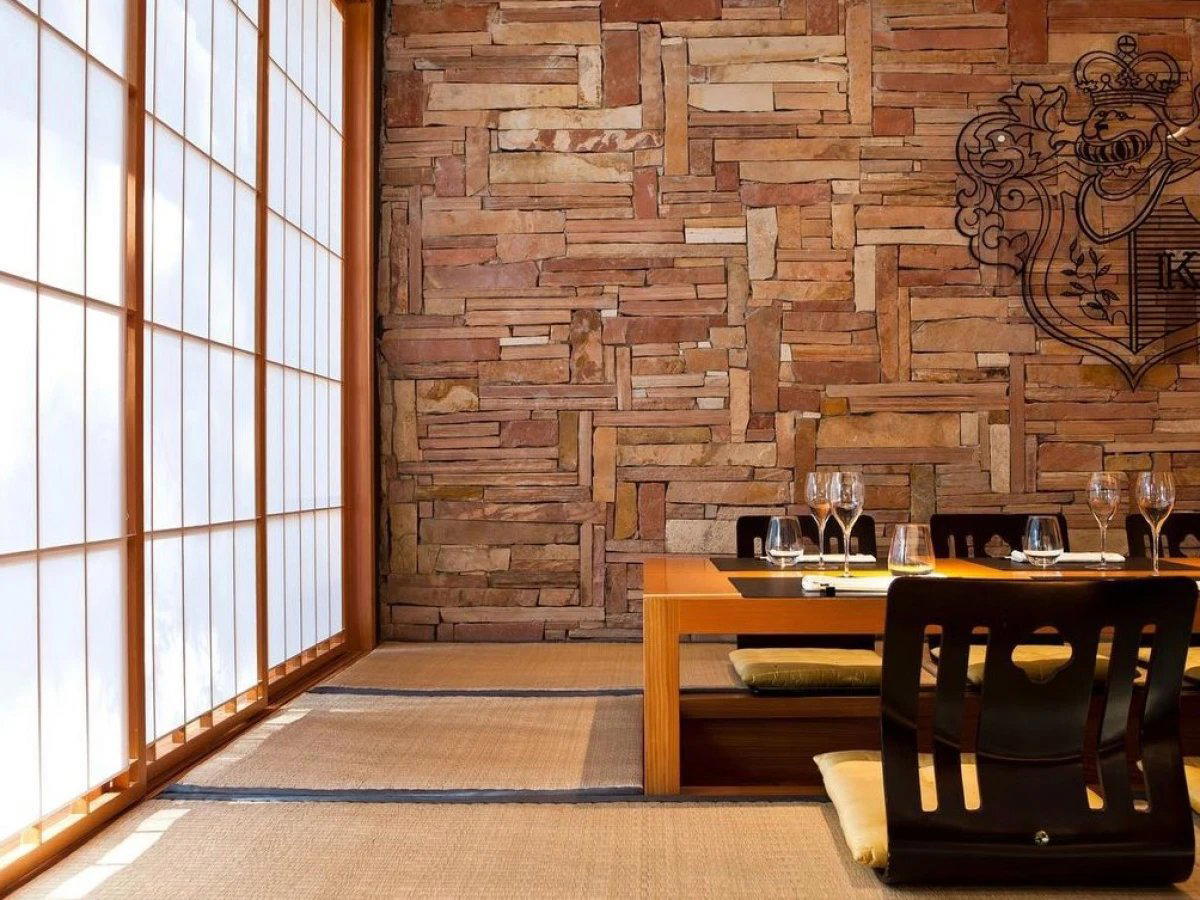
Bars in São Paulo
Browse all →
At a Glance
- Intimate
- Cozy
- Elegant
- Sophisticated
- Date Night
- Special Occasion
- Business Dinner
- Open Kitchen
- Chefs Counter
- Sake Program
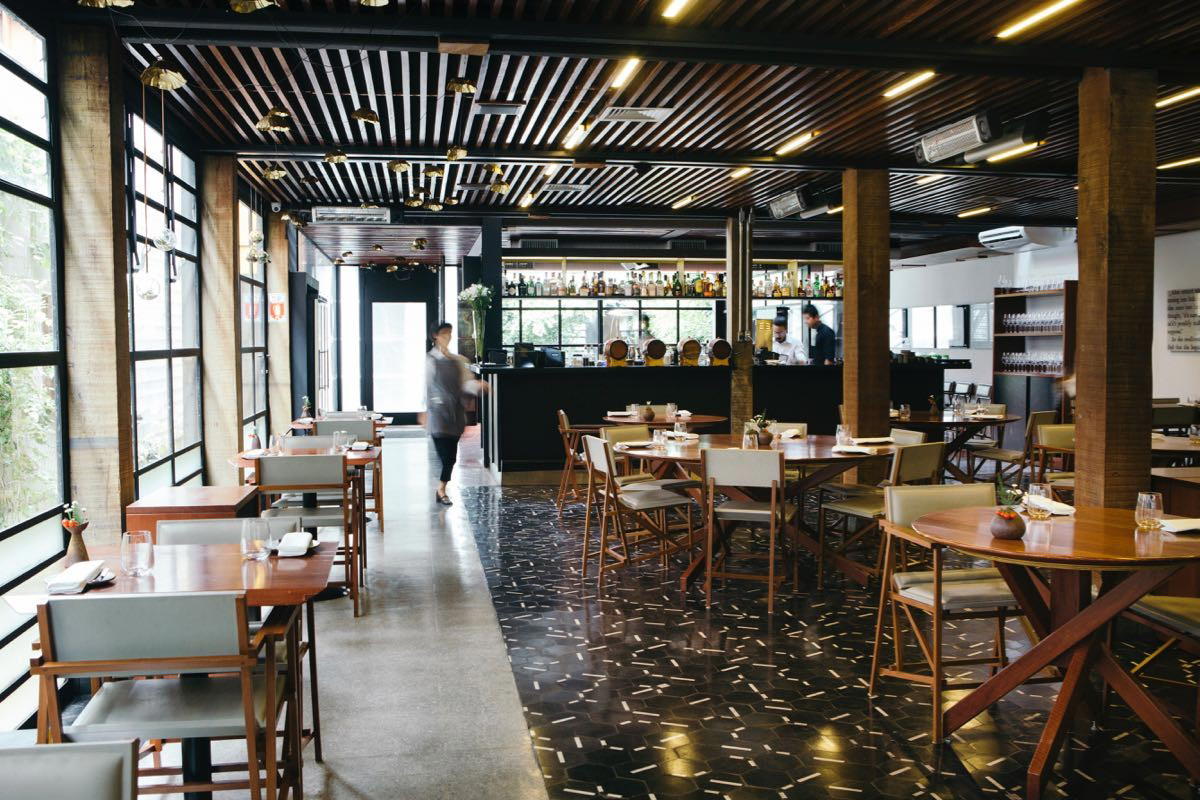
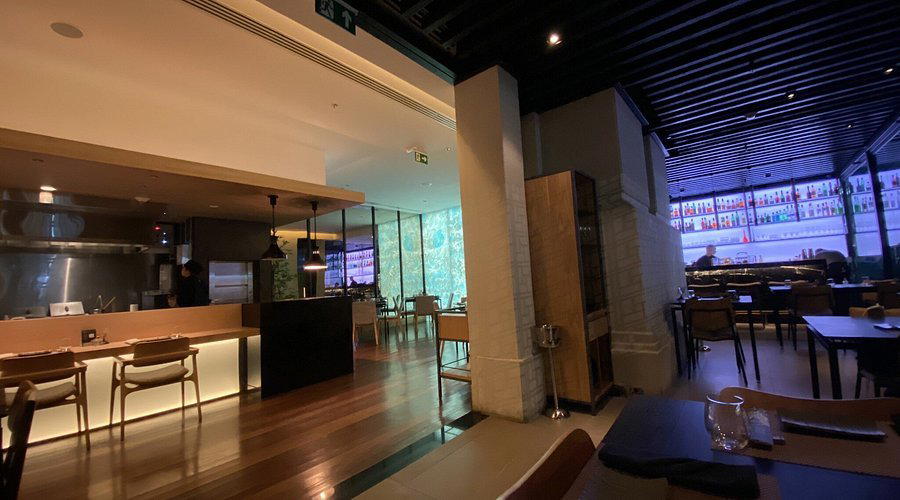
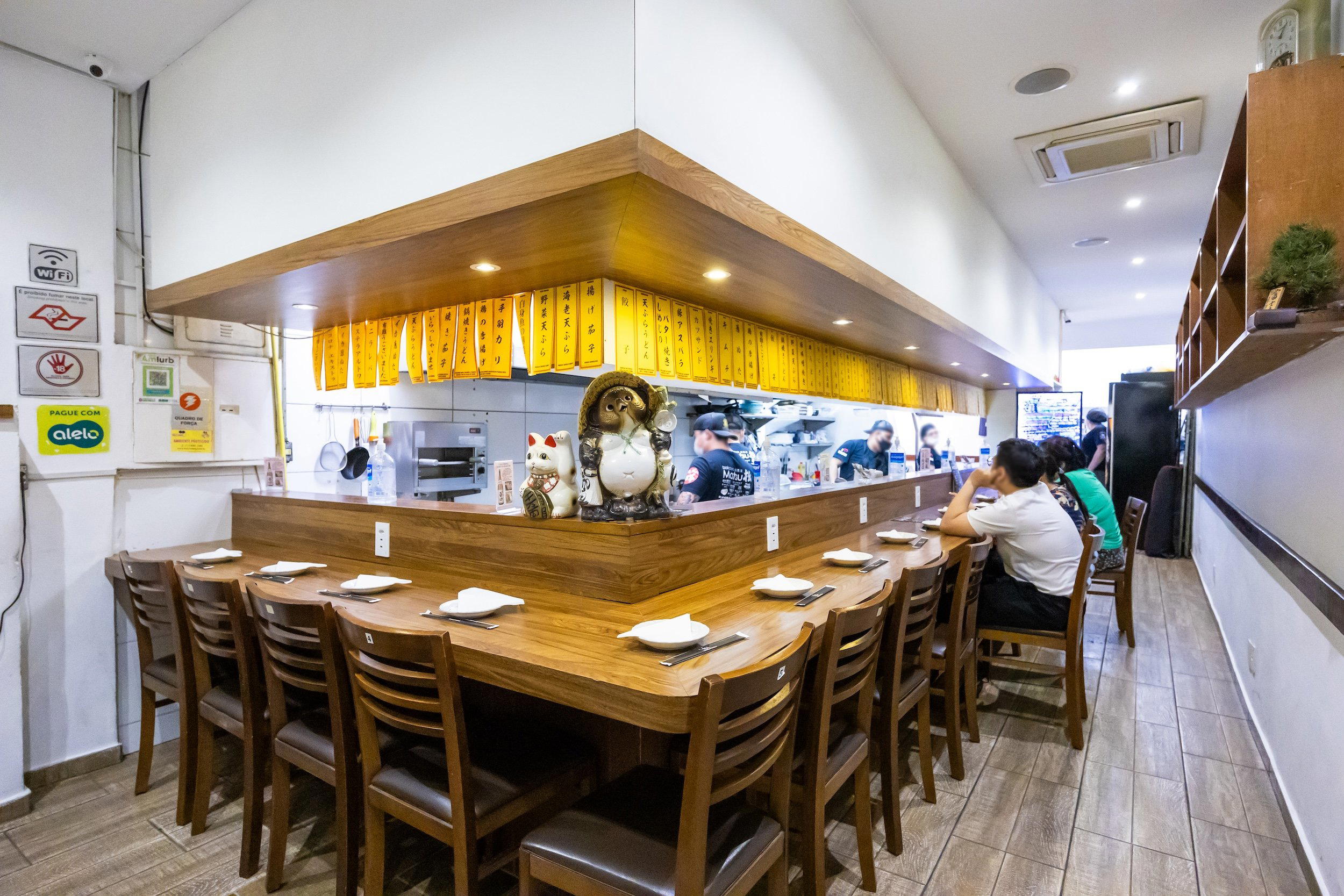
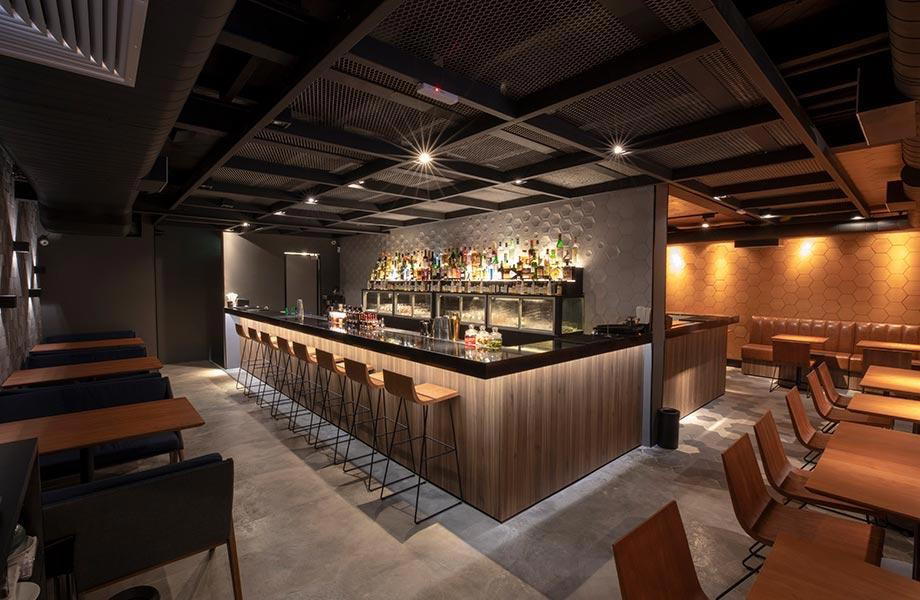
Wood-rich interiors with gentle amber lighting create an intimate, contemporary mood centered around the open grill.