
Humbachstube holds consecutive Michelin Plate recognition (2024 and 2025) for classic cuisine in Riezlern, the Austrian village at the southern end of the Kleinwalsertal valley. At a €€€ price point, it occupies a considered middle tier in a region where alpine dining ranges from hearty valley taverns to resort-facing tasting menus. The kitchen's orientation toward classic technique positions it as one of the more formally ambitious tables in the immediate area.
Pearl is the En Primeur Club membership app — saves, bookings, and concierge access live there. Same editors, same standards.
- Address
- Unterwestegg 17, 6991 Riezlern, Austria
- Phone
- +43 5517 5234
- Website
- alpenhof-jaeger.at
- Directions
- Get directions
 Saves & bookings on Pearl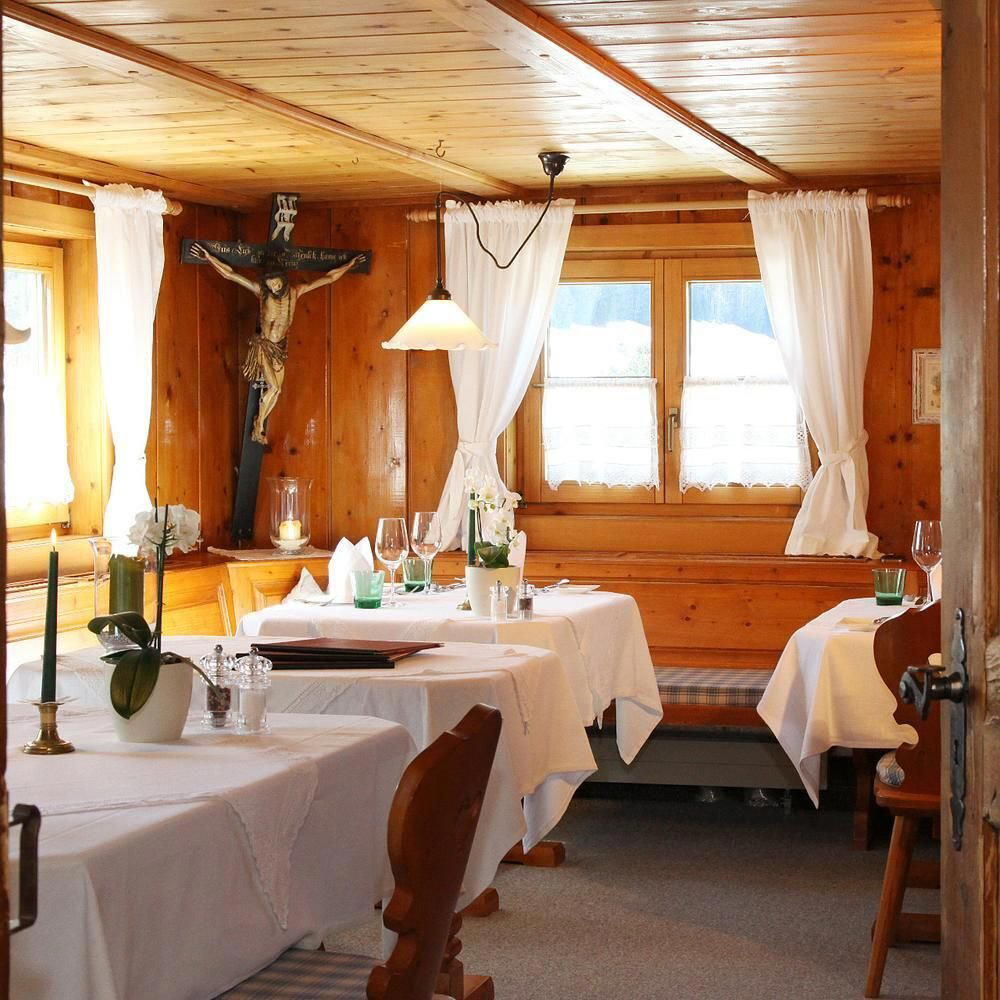
Where Alpine Geography Shapes What Ends Up on the Plate
The Kleinwalsertal sits in a curious geographical position: Austrian territory accessible by road only through Germany, enclosed by the Allgäu Alps on three sides. That enclosure has long shaped how the valley sources and cooks. Riezlern, its main settlement, sits at the valley's accessible end, and the kitchens that have earned sustained recognition here tend to share a defining characteristic: proximity to the mountain pastures, dairy farms, and forest edges that supply them. At Humbachstube on Unterwestegg 17, the classic cuisine format reflects this logic, a kitchen style that treats local provenance not as a marketing posture but as a structural commitment to what the surrounding land reliably produces.
Classic cuisine, in the Central European alpine tradition, is not a retreat from ambition. It is a discipline that prizes technique applied to ingredient quality over technique deployed to transform ingredients into something unrecognisable. In the Austrian context, this places Humbachstube in a distinct comparable set, closer to Landhaus Bacher in Mautern an der Donau, with its commitment to classical foundations, than to the experimental formats of Döllerer in Golling an der Salzach or the rotating-guest-chef structure of Ikarus in Salzburg.
The Case for Classic in an Alpine Setting
Austria's most decorated tables, Steirereck im Stadtpark in Vienna at the summit of the pyramid, and the two-star houses like Döllerer, have largely moved toward creative and contemporary frameworks. But the Michelin Plate category, which Humbachstube has held for two consecutive years (2024 and 2025), recognises something different: cooking that is technically correct, ingredients handled with care, and a menu that functions with internal coherence. Plate recognition is not a consolation prize in the Michelin framework; it identifies kitchens where the fundamentals are sound and the experience is worth the trip.
In an alpine village context, that framing matters more than it might in a city. The comparison set for Riezlern is not Vienna or Salzburg, it is the other valley restaurants and mountain-adjacent tables across the broader Vorarlberg and Allgäu region. Against that backdrop, sustained Michelin recognition across two consecutive years places Humbachstube at the more formally acknowledged end of the local spectrum. For the wider Austrian alpine dining scene, see also Griggeler Stuba in Lech and Gourmetrestaurant Tannenhof in Sankt Anton am Arlberg, which operate in similar mountain resort settings with their own distinct approaches.
Sourcing in the Kleinwalsertal
The alpine dairy tradition across the Allgäu and Vorarlberg is among the more traceable in Central Europe. Summer pasture grazing (Alpwirtschaft) produces milk, butter, and cheese with seasonal variation that registers in the kitchen. Classic cuisine formats are particularly well-suited to this supply chain: the technique is calibrated to reveal rather than override ingredient character, which means the difference between valley-sourced dairy and commodity product shows clearly on the plate.
The same logic applies to the meat and game supply available to kitchens in this valley. Alpine pasture-raised beef and lamb carry fat structure and flavour profiles that diverge from lowland equivalents. Seasonal game from the surrounding forests, a traditional component of Austrian alpine menus in autumn, slots naturally into the classic cuisine repertoire, where roasting, braising, and sauce work built over time are standard tools. This is the productive overlap between the valley's geography and the kitchen's chosen format.
For a regional comparison that leans more explicitly into herb-forward and foraged sourcing, Kräuterreich by Vitus Winkler in Sankt Veit im Pongau takes a different angle on alpine provenance. Closer to the classic tradition, Obauer in Werfen has long anchored its cooking in Salzburg region produce. In the broader European classic cuisine category, Maison Rostang in Paris offers a useful point of comparison for the format itself.
The €€€ Tier in a Mountain Resort Context
Riezlern operates on a seasonal economy, winter skiing and summer hiking drive the majority of visitor volume, and restaurant pricing in the area reflects that pattern. At €€€, Humbachstube occupies the serious dining tier without reaching the upper-end €€€€ pricing of Austria's most decorated houses. That positioning makes it accessible to visitors who want a meal that goes beyond the valley's more casual alpine options without committing to the full commitment of a tasting menu at a two-star table elsewhere in the region.
The €€€ bracket in alpine Austria typically means à la carte menus or shorter set formats, with wine lists that reflect the region's proximity to both Austrian and German wine country. Vorarlberg itself produces limited wine, but the valley's kitchen tables at this tier generally carry thoughtful selections from Wachau, Kamptal, and Burgenland producers, alongside German Riesling from the nearby Allgäu corridor.
Riezlern in Wider Context
For visitors building an itinerary around this corner of the Alps, Riezlern functions as a base for valley exploration as much as a destination in itself. The local dining scene spans a range from traditional Walser cooking, the region's indigenous cultural tradition, through to more contemporary formats. Walserstuba represents the regional cuisine end of that spectrum, rooted in the Walser culinary identity that distinguishes Kleinwalsertal from the broader Vorarlberg mainstream.
For classic cuisine in a different European city context, KOMU in Munich operates in the same format category within a short driving distance of the valley. Elsewhere in the Austrian alpine region, Restaurant 141 by Joachim Jaud in Mieming and Ois in Neufelden offer different angles on the relationship between alpine setting and kitchen ambition.
Practically, Humbachstube is located at Unterwestegg 17 in Riezlern. Reservations are recommended.
Comparable Spots, Quickly
Comparable venues nearby, for context on price, style, and recognition.
| Venue | Cuisine | Price | Awards | Notes |
|---|---|---|---|---|
| HumbachstubeThis venue — the venue you are viewing | Classic Austrian Regional | $$$$ | Michelin Plate | Not listed |
| Walserstuba | Walser Regional Austrian | $$$ | Michelin Plate | Riezlern |
| La Vallée - Das Bistro im Casino | Modern French Bistro | $$$ | Michelin Plate | Riezlern |
| Hörnlingen Wirtshaus - Fine Dine | Modern Austrian Regional Fine Dining | $$$$ | Michelin Plate | Rankweil |
| Wälder Stube 1840 | Modern Alpine Fine Dining | $$$$ | Michelin Plate | Hittisau |
| Postblick | Modern Austrian Alpine Cuisine | $$$$ | Not listed | Lech |
Recognition history
Dated appearances from independent guides and award organizations, with the underlying list record or original source where available.
Michelin Plate
Michelin
Michelin Plate
Michelin
Michelin Plate
Michelin


At a Glance
- Rustic
- Cozy
- Intimate
- Special Occasion
- Date Night
- Historic Building
- Local Sourcing
- Mountain
Current opening hours
- Monday
- 6–11 PM
- Tuesday
- Closed
- Wednesday
- Closed
- Thursday
- 6–11 PM
- Friday
- 6–11 PM
- Saturday
- 6–11 PM
- Sunday
- 6–11 PM
Hours can change for holidays and private events. Last verified .
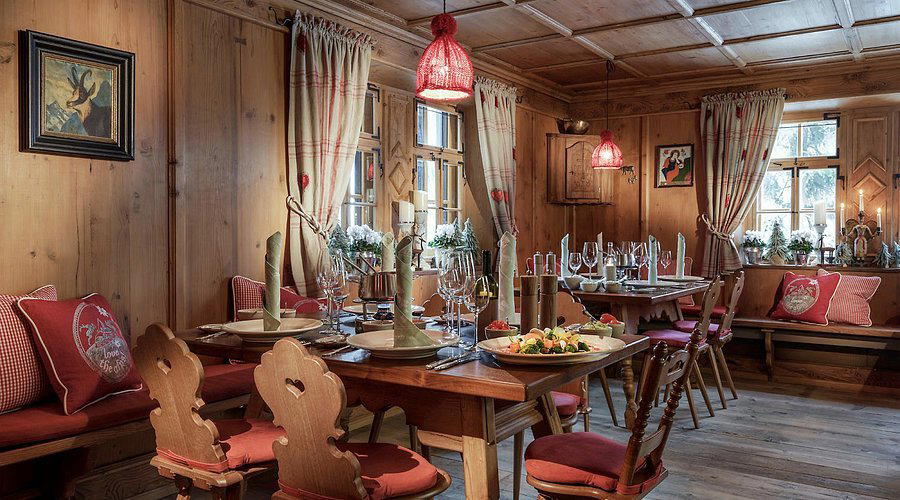
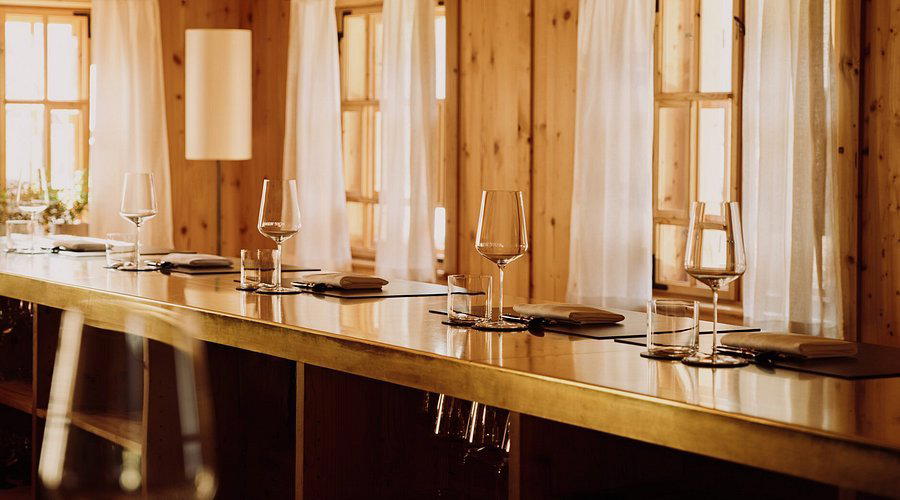
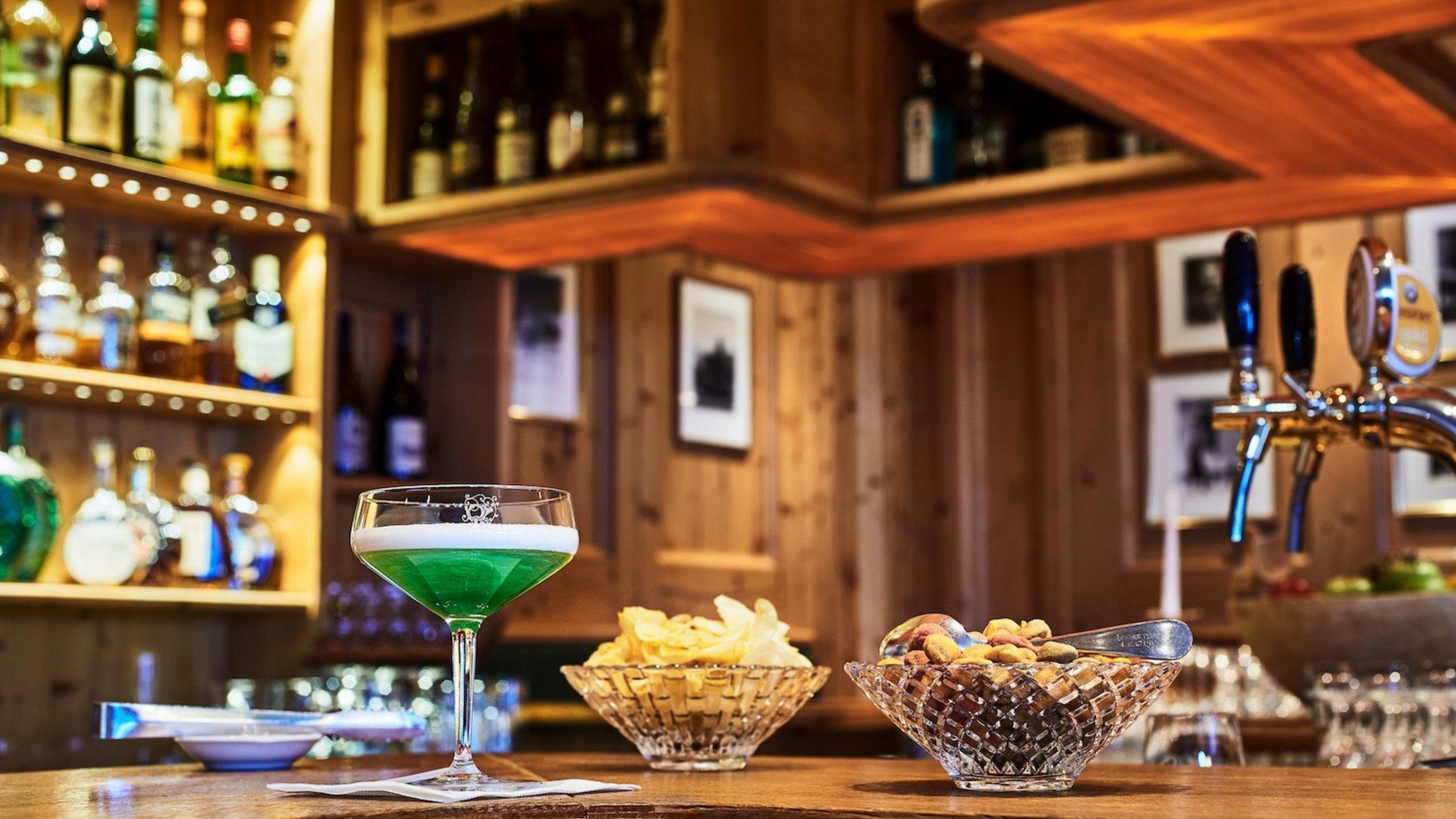
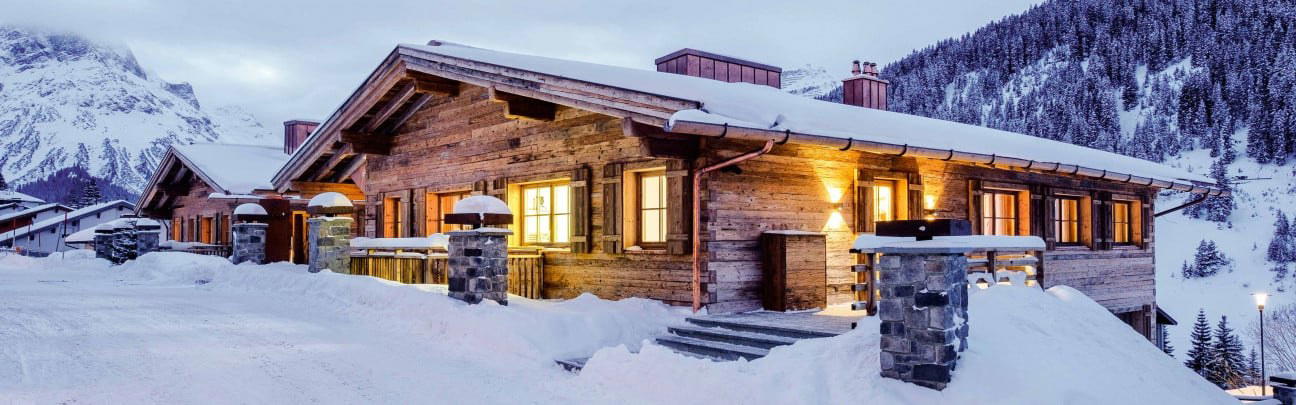
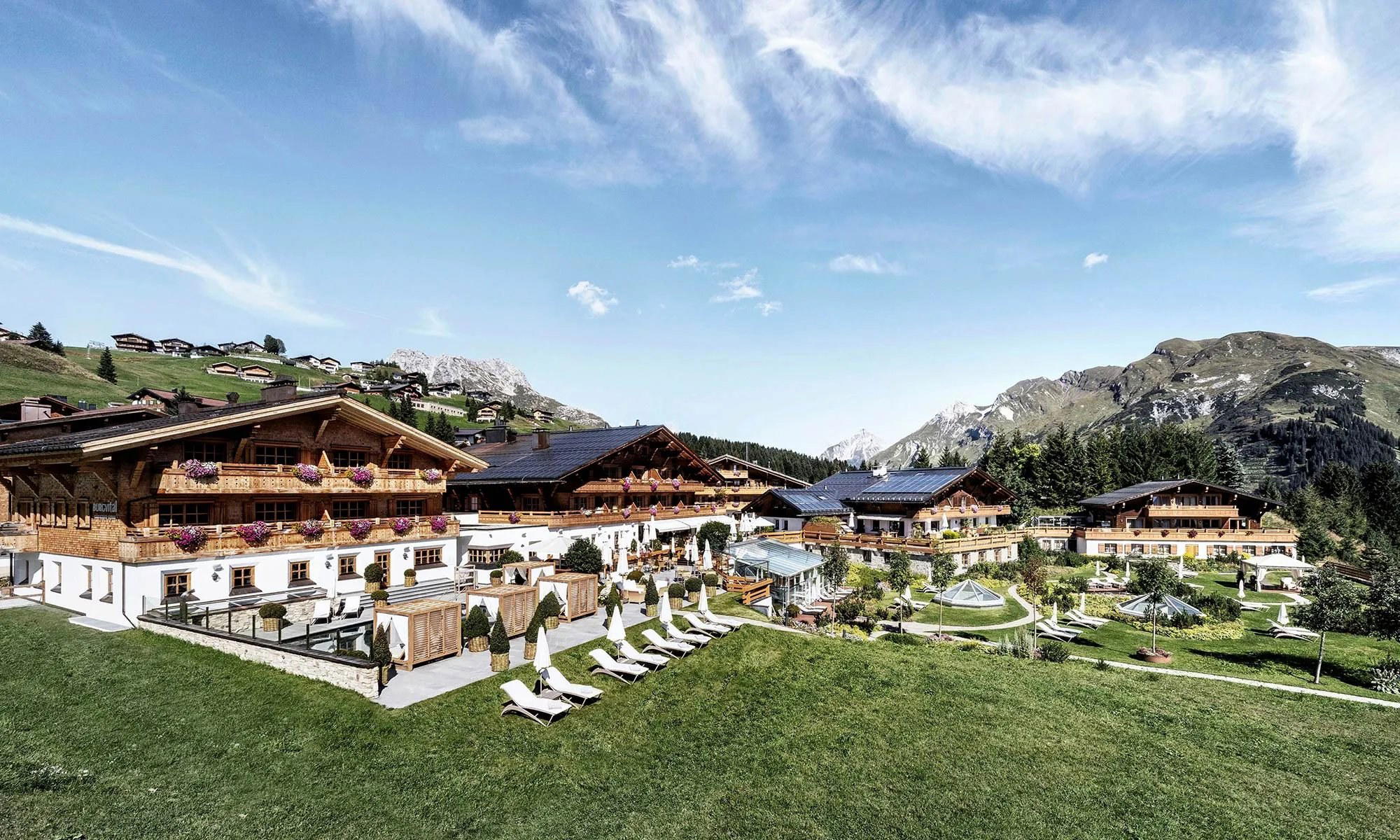
Cozy and homely with plenty of wood, tiled stove, and pretty decorations creating rustic charm.