Houlme

James Beard Award Semi Finalist
Our verdict
Houlme occupies a Main Street address in Eastsound, the commercial heart of Orcas Island, where the San Juan archipelago's agricultural and maritime resources define what ends up on the plate. The restaurant sits within a dining scene that rewards visitors willing to slow down and engage with where their food actually comes from — a proposition that carries real weight in one of the Pacific Northwest's most productive island food systems.

Pearl is the En Primeur Club membership app — saves, bookings, and concierge access live there. Same editors, same standards.
- Address
- 460 Main St, Eastsound, WA 98245
- Hours
- Mon–Tue ClosedWed–Sat 5–9 PMSun Closed
- Website
- houlme.com
- Directions
- Get directions
- Booking
- Book on OpenTable
Orcas Island and the Question of Proximity
In the Pacific Northwest, the phrase "farm-to-table" has been so thoroughly absorbed into restaurant marketing that it rarely signals anything specific anymore. Orcas Island is different. The San Juan archipelago operates something closer to a closed-loop food system: farms, fishing boats, orchards, and dairies that supply a local population year-round, not just during tourist season. When a restaurant on this island grounds itself in local sourcing, the claim carries more weight than it would in a mainland city, because the supply chain is visible — the farm is twenty minutes away, the fishing boat comes into the marina, the orchard sits at the end of a county road.
Houlme, at 460 Main St in Eastsound, sits inside that context. Eastsound is the island's commercial and social center, the point where ferries, locals, and visitors converge. Main Street functions as the island's dining corridor, and the competition for table space during summer months reflects how seriously the culinary scene here has developed over the past decade. The island's remoteness, which once limited what restaurants could reasonably serve, has become an argument in their favor: the constraints of island supply push kitchens toward specificity rather than genericism.
What Island Sourcing Actually Means
The Pacific Northwest archipelago supports a food environment that most continental American restaurants would find difficult to replicate. Dungeness crab, spot prawns, wild salmon, and geoduck move through these waters seasonally. Island farms grow heritage grains, specialty vegetables, and raise livestock at a scale that makes direct-to-kitchen relationships practical. This is the raw material context for any serious restaurant operating on Orcas — and it sets a meaningful benchmark against which kitchen ambition gets measured.
Restaurants that operate within this sourcing framework tend to structure their menus around what the season actually produces rather than what a broadline distributor can deliver on a consistent schedule. That discipline produces a different kind of menu: tighter, more seasonal, occasionally with constraints that force interesting decisions. It also puts the kitchen in conversation with producers in a way that shapes dish architecture from the ingredient outward rather than from a concept backward.
Houlme operates in a smaller market and a different price tier than those reference points, but the underlying logic of place-driven sourcing connects them. On an island where the food system is genuinely local and the supply is genuinely seasonal, a kitchen that commits to that framework is making a substantive choice, not a branding decision.
The Eastsound Dining Scene
Eastsound has developed a restaurant culture that punches above the weight of a small island town. The concentration of quality along Main Street reflects both the affluence of seasonal visitors and the commitment of year-round residents who treat eating well as part of island life rather than a tourist indulgence. Matia Kitchen is among the most discussed addresses in the corridor, and the overall tone of Eastsound dining skews toward ingredients-first cooking rather than the kind of high-concept theatrical formats associated with urban fine dining at places like Alinea in Chicago or Lazy Bear in San Francisco.
That distinction matters. Island restaurants are not competing to out-technique their urban counterparts. They are competing on a different axis entirely: access to raw materials that no amount of technique or budget can replicate in a city kitchen. A spot prawn pulled from San Juan waters and cooked within hours sits in a different category from a spot prawn that has traveled through a distribution network. The leading island kitchens understand this and build their identity around it.
For a broader map of what Eastsound has to offer across different price points and formats, our full Eastsound restaurants guide covers the scene in detail.
Across American fine dining, the sourcing-led model has produced some of the most discussed restaurants of the past decade. The French Laundry in Napa maintains its own gardens as part of the kitchen's supply infrastructure. Providence in Los Angeles has built a reputation around sustainable seafood sourcing with a precision that extends to fishing method and catch date. Le Bernardin in New York City has long demonstrated that rigorously sourced seafood, handled with restraint, needs very little else to justify its reputation.
These are reference points for a broader argument rather than direct comparisons to a Main Street restaurant in a small island town. But they share an underlying premise with what the leading Orcas Island kitchens are doing: that food quality begins before the kitchen, and that the decisions made at the sourcing stage are as consequential as any technique applied afterward. Other American restaurants that have built serious reputations on this kind of ingredient discipline include Bacchanalia in Atlanta, Addison in San Diego, and Frasca Food & Wine in Boulder.
At the more experimental end of American sourcing-led cooking, Brutø in Denver and Atomix in New York City show how ingredient provenance can become part of the formal structure of a meal rather than just background context. Meanwhile, Causa in Washington, D.C., Emeril's in New Orleans, and The Inn at Little Washington each illustrate how regional identity and sourcing specificity can function as a restaurant's most durable distinguishing feature over time. Even at the international level, restaurants like 8 1/2 Otto e Mezzo Bombana in Hong Kong demonstrate that sourcing integrity travels across formats and geographies.
Planning a Visit
Orcas Island is accessible by Washington State Ferry from Anacortes, with crossing times running roughly an hour to the Orcas Island ferry landing at Orcas Village, followed by a fifteen-minute drive north to Eastsound. Summer months compress ferry capacity significantly, and foot-passenger travel with a rental car or bicycle arranged on the island is often more practical than bringing a vehicle across during peak season. Main Street restaurants in Eastsound fill quickly on summer evenings; making a reservation ahead of arrival is the operative strategy rather than an optional precaution. The ferry schedule also means that dinner timing should account for the return crossing, particularly on weeknights when late departures are limited.
Frequently asked questions
Is Houlme suitable for children?
Eastsound's Main Street dining, where Houlme sits at 460 Main St, skews toward adult-oriented experiences, particularly at dinner. Families visiting Orcas Island in summer will find the overall scene oriented toward the seasonal visitor demographic, which tends adult-heavy. If you're travelling with young children, it's worth calling ahead to gauge the format and pacing before booking.
What's the overall feel of Houlme?
Houlme occupies a position on Main Street in Eastsound, the most concentrated and competitive dining block on Orcas Island. The address places it within walking distance of the broader Eastsound village core, where the food culture has developed well beyond what the town's size would suggest. The feel reflects the Pacific Northwest's tendency toward place-specific, produce-driven dining rather than showy formality.
How does Houlme's location in Eastsound, WA shape what ends up on the plate?
Eastsound is the commercial and culinary hub of Orcas Island, which sits within the San Juan archipelago in Washington State, one of the more self-contained local food systems in the Pacific Northwest. Proximity to working farms, crab fisheries, and small-scale producers means restaurants at 460 Main St have access to ingredients that most mainland kitchens source from considerably further away. That geographic reality is less a marketing position than a practical constraint that shapes the menu by default.
What's the best thing to order at Houlme?
On an island food system as productive as the San Juans, the short answer is whatever reflects the current season. Orcas Island supports active farming, Dungeness crab fisheries, and artisan producers, and restaurants at this address tend to rotate their offerings accordingly. Asking the kitchen what came in that week is a reasonable strategy rather than arriving with a fixed order in mind.
What part of town is Houlme in?
Houlme is located at 460 Main St, Eastsound, WA 98245, Eastsound.
Do they take walk-ins at Houlme?
Walk-in availability on Orcas Island during summer months is genuinely unpredictable. Demand from seasonal visitors in Eastsound compresses fast along Main Street, and restaurants at this address fill quickly on weekend evenings. Attempting a walk-in midweek or at an off-peak hour gives better odds; arriving without a reservation on a Friday or Saturday in July is a gamble.
Comparable Spots, Quickly
Comparable venues nearby, for context on price, style, and recognition.
| Venue | Cuisine | Price | Awards | Notes |
|---|---|---|---|---|
| HoulmeThis venue — the venue you are viewing | Contemporary American with pizzas | Not listed | James Beard Award Semi Finalist | Not listed |
| Matia Kitchen | Regenerative Farm-to-Table Tasting Menu | $150–200 | Not listed | Eastsound |
| The Colby Club | American Speakeasy Bar Snacks | Not listed | Not listed | Downtown Everett |
| FIVE Restaurant | Northwest Comfort Bistro | $30–50 | Not listed | Downtown Edmonds |
| Homeschool BBQ | Traditional BBQ | Not listed | Not listed | Bellingham |
| re:public | Modern American with French and Italian Infusions | $30–50 | Not listed | South Lake Union |
Recognition history
Dated appearances from independent guides and award organizations, with the underlying list record or original source where available.
James Beard Award Semi Finalist
James Beard Award
Continue exploring
More in Eastsound
Restaurants in Eastsound
Browse all →
Bars in Eastsound
Browse all →
Details
- Cozy
- Rustic
- Intimate
- Date Night
- Special Occasion
- Open Kitchen
- Natural Wine
- Local Sourcing
- Small Plates
- A La Carte
Current opening hours
- Monday
- Closed
- Tuesday
- Closed
- Wednesday
- 5–9 PM
- Thursday
- 5–9 PM
- Friday
- 5–9 PM
- Saturday
- 5–9 PM
- Sunday
- Closed
Hours can change for holidays and private events. Last verified .
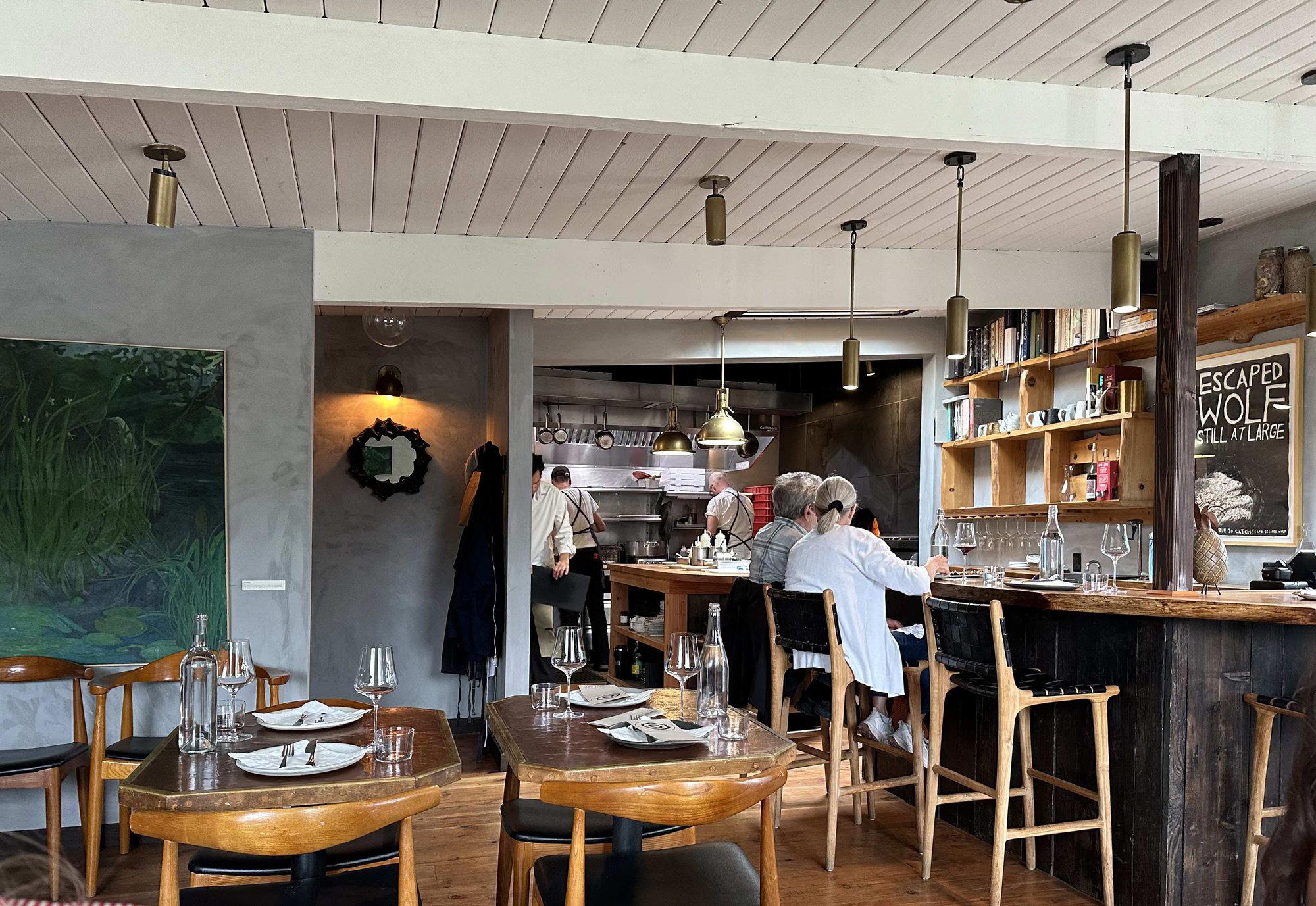
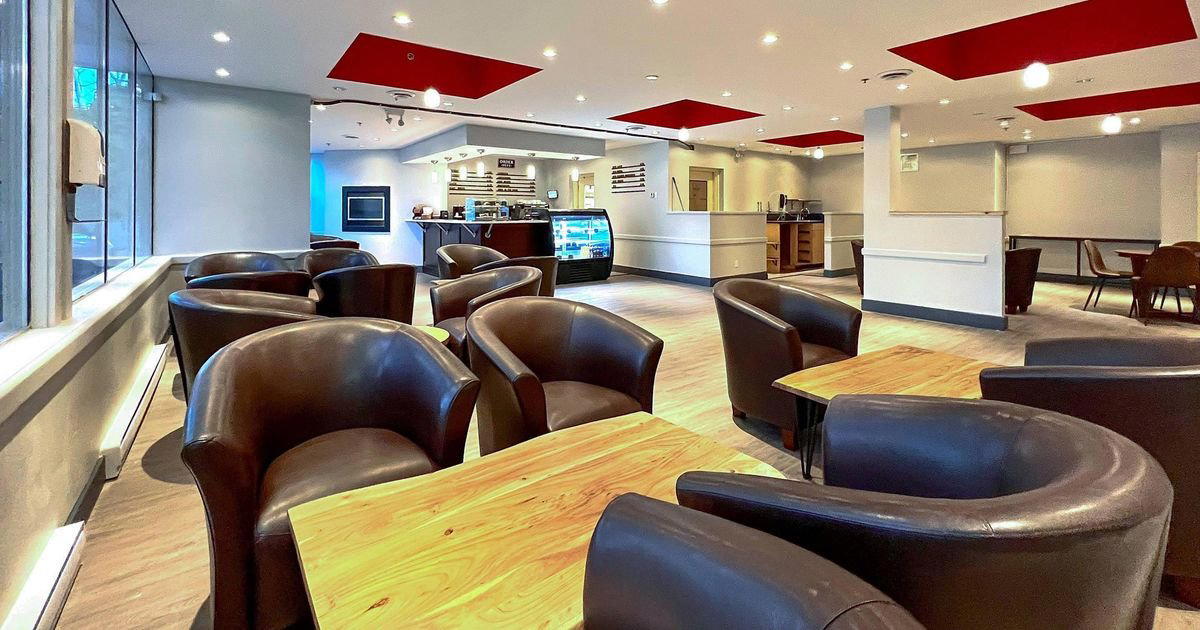
Warm and cozy with limewashed walls, live-edge wood, relaxed friendly vibe in a newly remodeled intimate space.