Matia Kitchen
Our verdict
Matia Kitchen operates out of Eastsound, the small commercial hub of Orcas Island in Washington's San Juan archipelago. The restaurant draws on the Pacific Northwest's deep larder of local seafood, foraged ingredients, and farm produce in a setting that rewards visitors who make the effort to reach one of the region's more remote dining destinations. Check directly with the restaurant for current hours, menus, and reservations.

Pearl is the En Primeur Club membership app — saves, bookings, and concierge access live there. Same editors, same standards.
- Address
- 382 Prune Alley, Eastsound, WA 98245
- Phone
- (360) 375-4350
- Hours
- Mon–Wed ClosedThu–Sun 5–9 PM
- Website
- matiakitchen.com
- Directions
- Get directions
- Booking
- Book on Tock
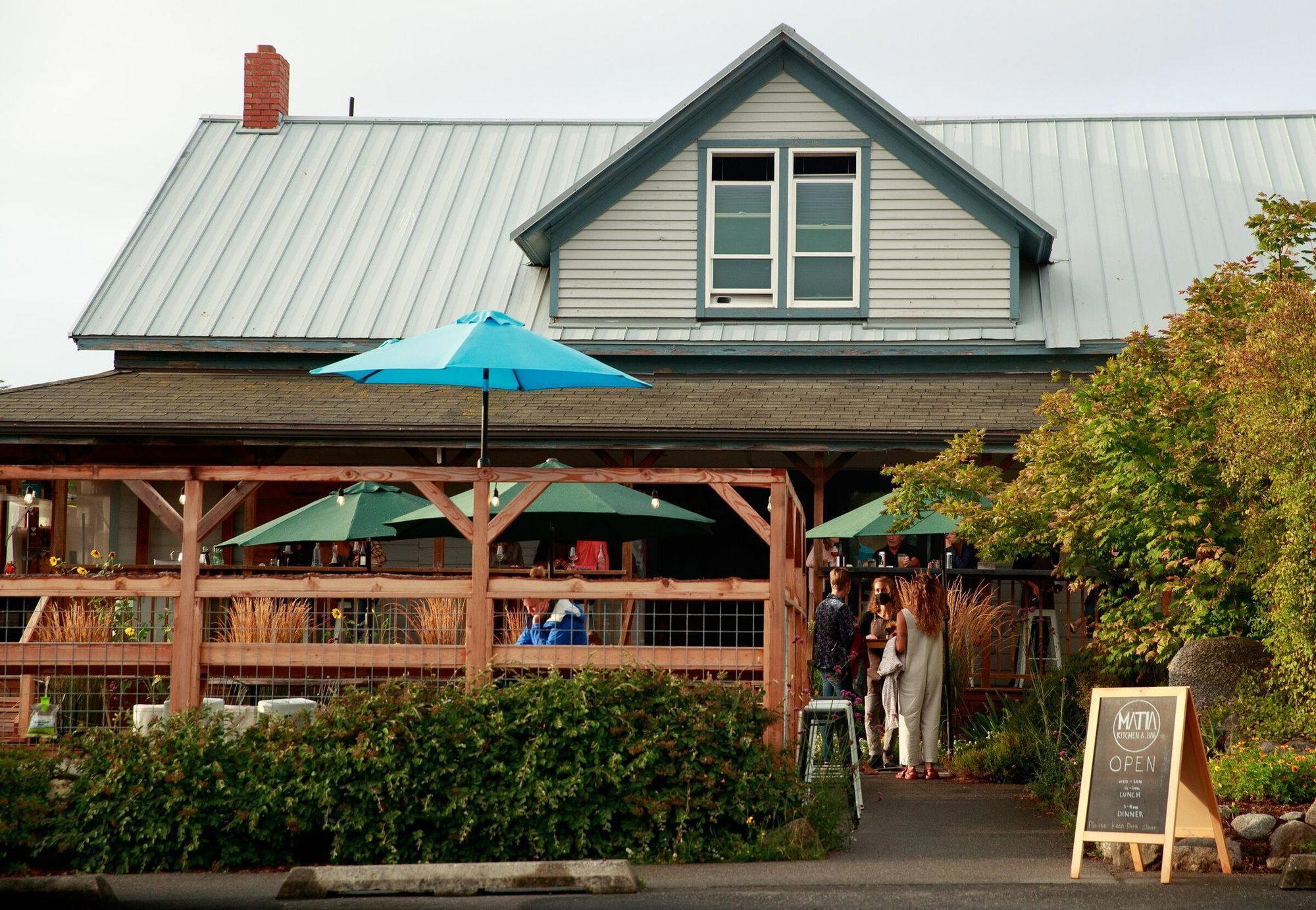
Cooking at the Edge of the Archipelago
Eastsound sits at the geographic and social center of Orcas Island, the largest of Washington State's San Juan Islands, roughly ninety miles north of Seattle by road and ferry. The town is small enough that its main commercial strip takes fewer than five minutes to walk end to end, yet it sustains a dining culture that punches well above its population. That outsized ambition has everything to do with geography: the San Juan Islands produce exceptional shellfish, wild salmon, foraged mushrooms, and some of the Pacific Northwest's most compelling small-farm vegetables, and the restaurants that anchor Eastsound have built their identities around that supply chain. Matia Kitchen, at 382 Prune Alley, sits inside this tradition.
The Pacific Northwest approach to ingredient-led cooking shares a lineage with the broader American farm-to-table movement, but the island version carries a particular intensity. Isolation enforces seasonality in ways that mainland restaurants can sidestep: when the ferry doesn't run and the weather closes in, the kitchen works with what the island has. That constraint, historically a limitation, has become a competitive advantage for chefs who understand how to read it. The same dynamic shapes celebrated destination restaurants elsewhere in the American West, from Single Thread Farm in Healdsburg to Blue Hill at Stone Barns in Tarrytown, where physical remoteness and a bounded local larder become the editorial premise of the menu rather than a logistical obstacle.
The Cultural Weight of Pacific Northwest Cooking
Understanding Matia Kitchen requires some grounding in what Pacific Northwest cuisine actually represents as a culinary tradition, rather than a marketing category. The region's cooking draws on Coast Salish and other Indigenous food systems that shaped how the archipelago's resources have been harvested and prepared for thousands of years: cold-smoked salmon, geoduck prepared simply to preserve its mineral character, nettles and fiddleheads treated as primary ingredients rather than garnish. That inheritance sits beneath every credible Northwest table, even when it isn't explicitly acknowledged.
The contemporary expression of that tradition has been codified through a generation of Pacific Northwest chefs who looked to Scandinavian restraint, Japanese technique, and French classical training as lenses through which to interpret local produce. The result is a regional idiom that prizes low-intervention cooking, clean acid, and textural contrast over richness and reduction. It places the Pacific Northwest in an interesting comparative position relative to coastal peers: the food culture here is fundamentally different from the seafood-forward formalism of Le Bernardin in New York City or the modernist ambition of Alinea in Chicago, and closer in spirit to the progressive American format of Lazy Bear in San Francisco, where the social contract between kitchen and diner is shaped by place as much as technique.
For visitors approaching Eastsound from mainland dining markets, this context matters. The San Juan Islands are not a scaled-down version of Seattle's dining scene. They operate on different terms, with different relationships to time, supply, and the rhythm of the season.
Where Matia Kitchen Sits in the Eastsound Scene
Eastsound supports a small but focused restaurant community. Houlme represents another point in the local constellation, and taken together these restaurants define what serious dining on Orcas Island looks like: small operations, menus shaped by what is available, and a guest experience calibrated to the pace of island life rather than urban service rhythms. See our full Eastsound restaurants guide for the broader picture.
This is a different competitive frame from the destination restaurants that anchor larger American food cities. That category also includes The Inn at Little Washington in Washington and, in a different register, Frasca Food & Wine in Boulder, where the remove from major urban centers has shaped rather than limited the restaurant's identity.
Visitors coming from further afield might also have on their radar restaurants working in adjacent American idioms: Providence in Los Angeles for Pacific seafood in a formal register, Bacchanalia in Atlanta for American ingredient-led cooking, Brutø in Denver for contemporary American with local sourcing discipline, and Causa in Washington, D.C. or Atomix in New York City for non-European culinary traditions given serious fine-dining treatment. Matia Kitchen occupies a more compressed, place-specific register than any of these, but the underlying commitment to sourcing and season connects them as a broader American dining movement. Other points of comparison for travelers building itineraries around ingredient-driven American cooking include Emeril's in New Orleans and 8 1/2 Otto e Mezzo Bombana in Hong Kong for how regional identity translates into international fine dining contexts.
Getting to Eastsound and Planning Your Visit
Reaching Orcas Island requires either a Washington State Ferry from Anacortes, roughly a ninety-minute crossing, or a small-plane flight into Eastsound Airport. Both options mean that dining on the island involves genuine logistical planning rather than a spontaneous reservation. The ferry schedule is seasonal and subject to weather, which means visitors who plan dinner around a specific crossing should build in time. This is the operational reality of island dining, and it shapes what the experience means: arriving at a table on Orcas Island carries a weight that an equivalent urban reservation does not.
The address is 382 Prune Alley, Eastsound, WA 98245. Given the island's compressed dining scene, tables at well-regarded Eastsound restaurants can be harder to secure than the small-town setting might suggest, particularly during summer and early autumn when ferry traffic peaks and the island's visitor population reaches its highest concentration.
Frequently asked questions
Where exactly is Matia Kitchen?
Matia Kitchen is located at 382 Prune Alley, Eastsound, WA 98245, Eastsound.
Is Matia Kitchen a good option for a special occasion dinner on Orcas Island?
Eastsound's restaurant community is small and deliberate, which means a dinner at Matia Kitchen on Orcas Island carries a different weight than a comparable meal in a city with dozens of comparable options. The effort of reaching the San Juan Islands by ferry from Anacortes tends to make visitors more present at the table. For a special occasion tied to the Pacific Northwest's island geography, the setting alone does meaningful work.
What's the must-try dish at Matia Kitchen?
Given the restaurant's location at 382 Prune Alley in Eastsound, at the geographic center of Orcas Island, the surrounding waters and farmland of the San Juan Islands make local seafood and seasonal produce the logical focus of any kitchen operating here. Ask the staff what arrived that day.
How hard is it to get a table at Matia Kitchen?
Eastsound is a small town on an island that requires a ninety-minute Washington State Ferry crossing from Anacortes to reach. That geography caps visitor volume, but it also caps restaurant capacity, so demand and supply stay in close tension during summer months. Booking ahead is the safer approach, particularly between June and September when San Juan Islands tourism peaks.
What's Matia Kitchen best at?
Without current awards data or a documented menu, a categorical verdict isn't supportable. What the Eastsound dining scene consistently delivers is cooking that reflects the direct sourcing advantages of island life, where the distance between catch, harvest, and plate is measurably shorter than in mainland cities. Matia Kitchen, operating within that same context at the center of Orcas Island, shares those structural advantages.
Can Matia Kitchen accommodate dietary restrictions?
Island kitchens typically work with supply that arrives by ferry on a set schedule, which can limit last-minute substitutions. Contacting the restaurant directly before your visit is the practical step, especially for strict dietary requirements.
Price and Recognition
Comparable venues nearby, for context on price, style, and recognition.
| Venue | Cuisine | Price | Awards | Notes |
|---|---|---|---|---|
| Matia KitchenThis venue — the venue you are viewing | Regenerative Farm-to-Table Tasting Menu | $150–200 | Not listed | Not listed |
| Houlme | Contemporary American with pizzas | Not listed | James Beard Award Semi Finalist | Eastsound, Contemporary American with pizzas |
| Hitchcock Restaurant | Winslow, Northwest Farm-to-Table | Not listed | Not listed | Not listed |
| Corson Building | Seasonal American Fine Dining | $100–150 | Not listed | Georgetown, Seasonal American Fine Dining |
| Ben Paris | Modern American | $50–100 | Not listed | Central Business District, Modern American |
| Cedar + Elm | Pacific Northwest Fine Dining | $50–100 | Not listed | Kenmore, Pacific Northwest Fine Dining |
Continue exploring
More in Eastsound
Restaurants in Eastsound
Browse all →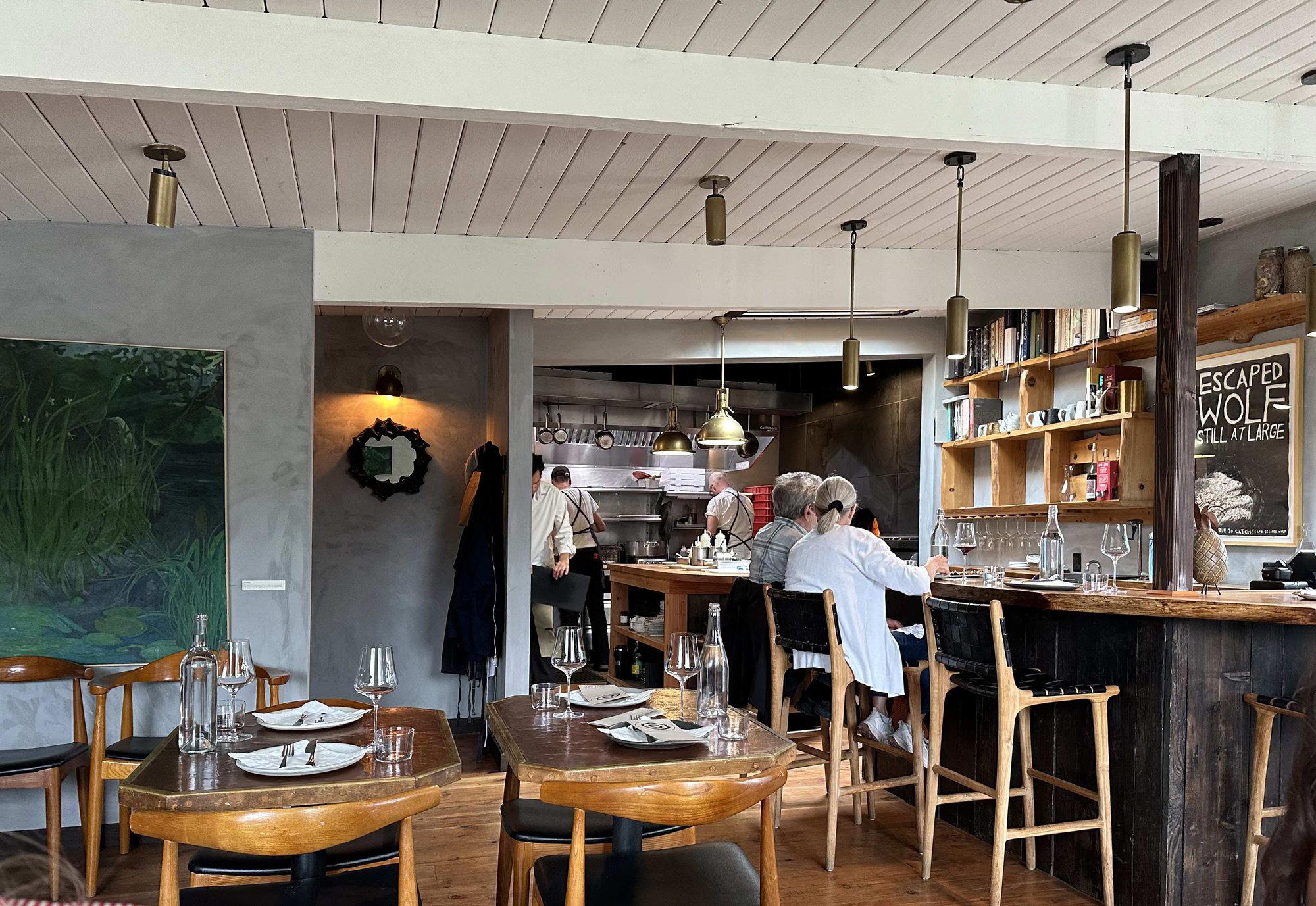
Bars in Eastsound
Browse all →
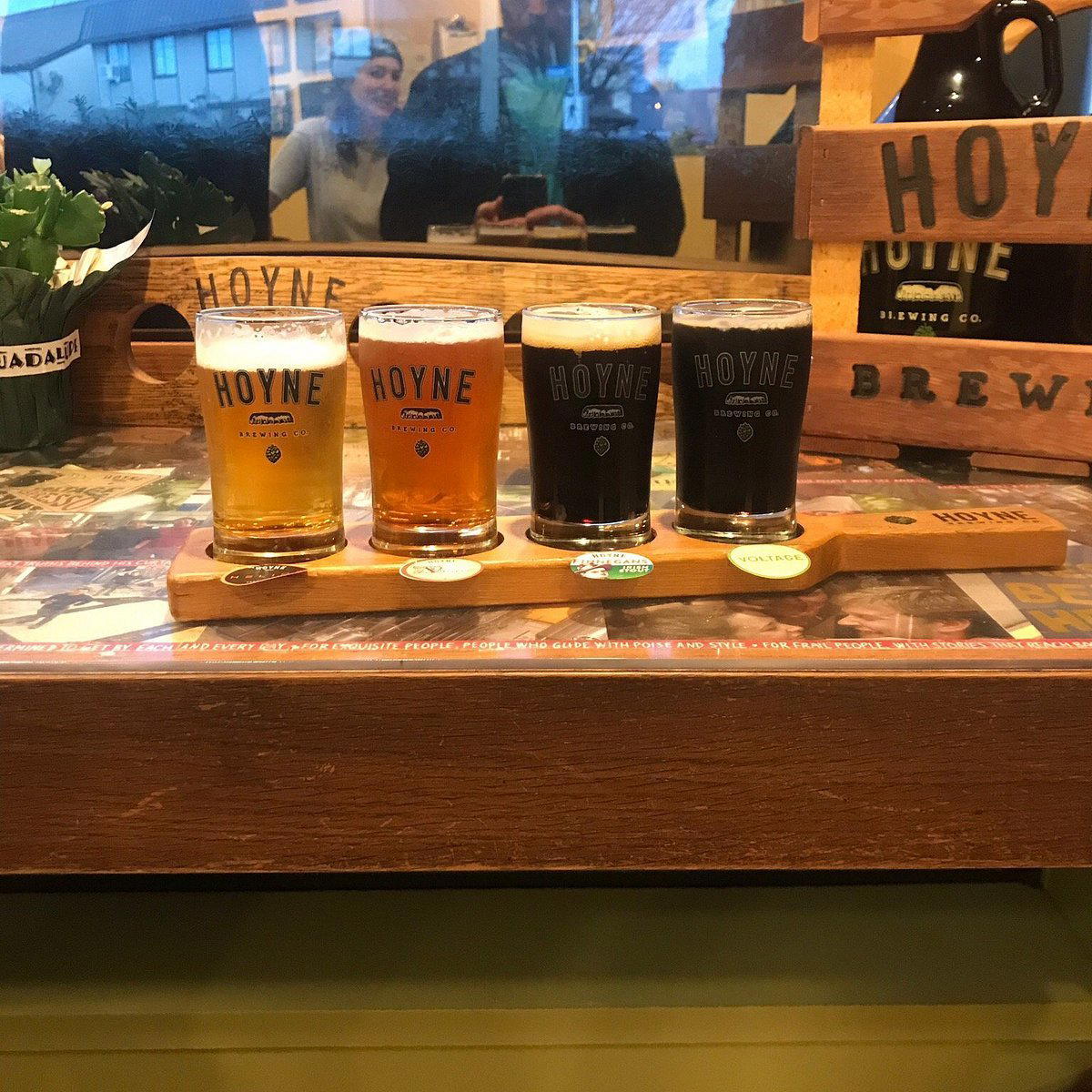
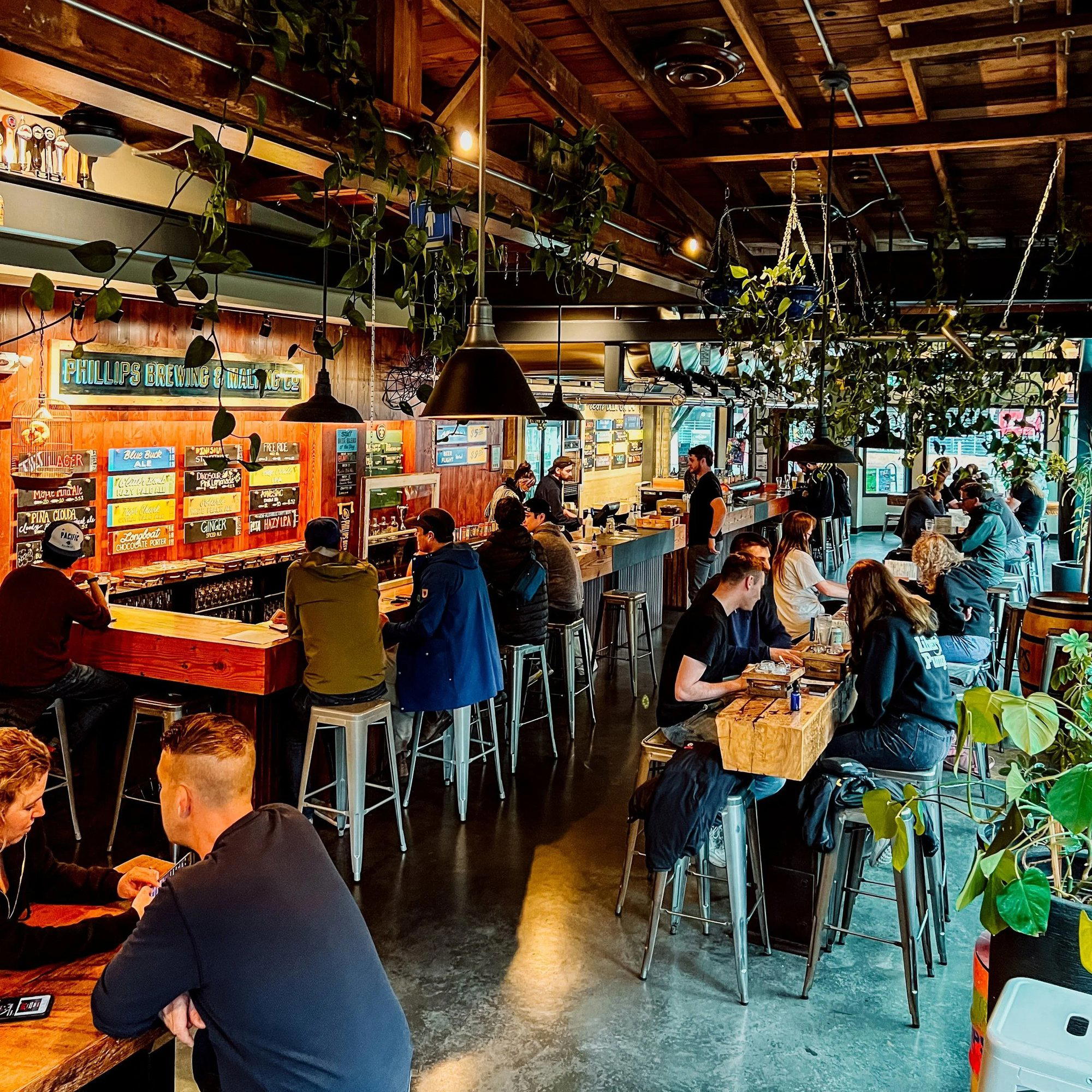
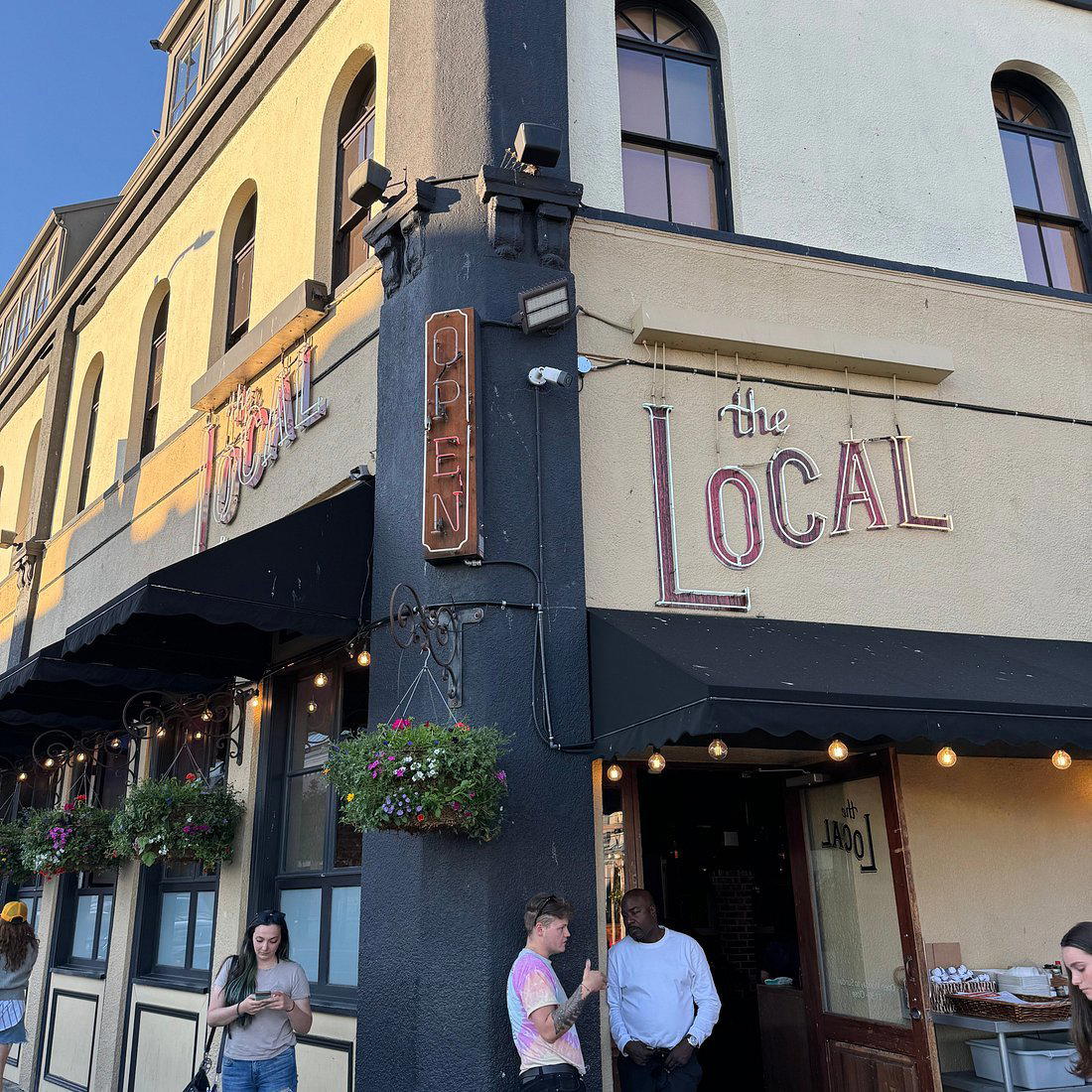
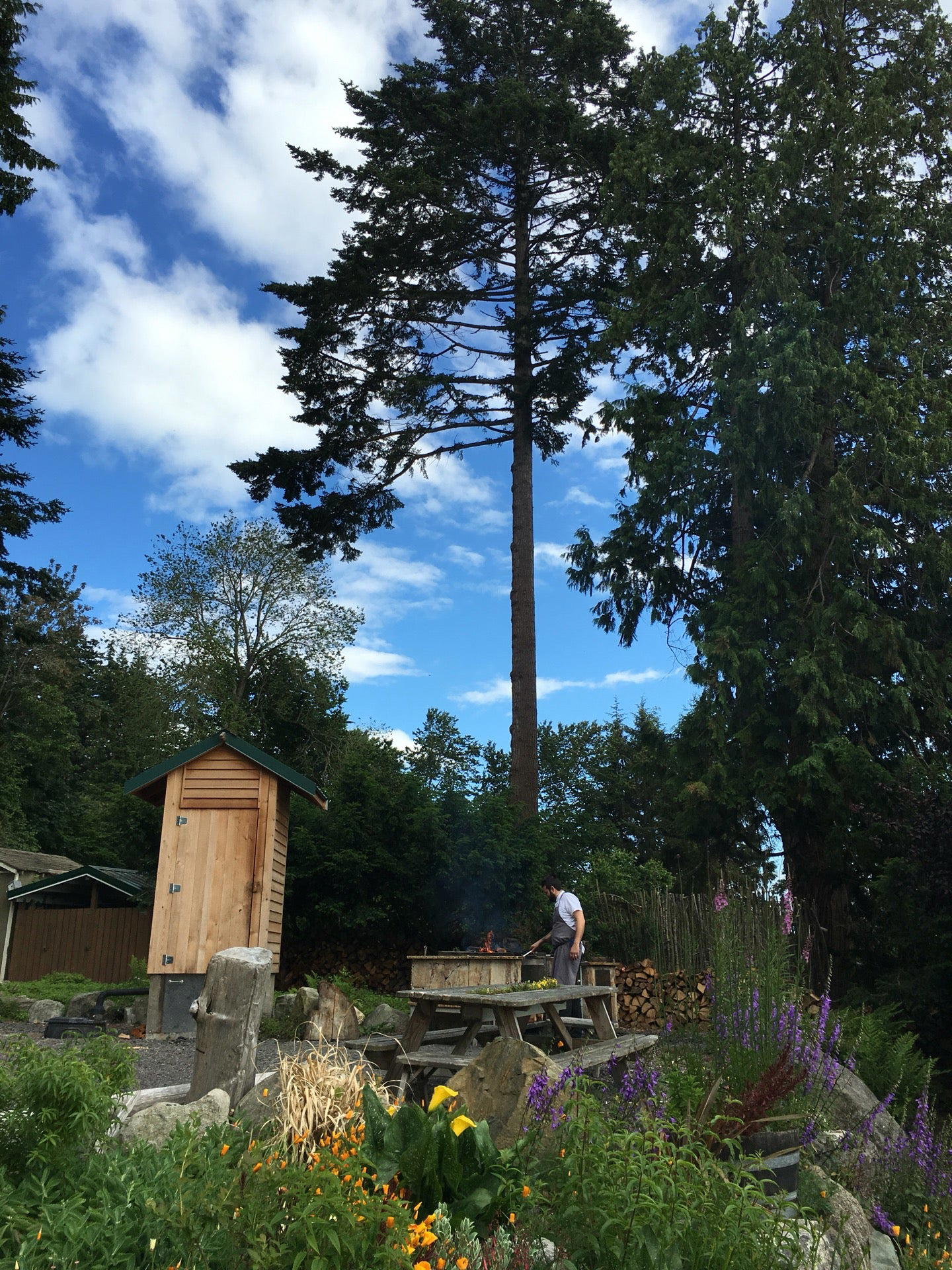
Matia Kitchen
The wine
- Wine program
- Curated wine list
- Craft cocktails
Details
- Intimate
- Cozy
- Rustic
- Sophisticated
- Special Occasion
- Date Night
- Chefs Counter
- Open Kitchen
- Historic Building
- Craft Cocktails
- Farm To Table
- Local Sourcing
- Tasting Menu
- Counter Dining
Current opening hours
- Monday
- Closed
- Tuesday
- Closed
- Wednesday
- Closed
- Thursday
- 5–9 PM
- Friday
- 5–9 PM
- Saturday
- 5–9 PM
- Sunday
- 5–9 PM
Hours can change for holidays and private events. Last verified .
Warm and inviting historic firehall with open kitchen, cozy lounge extension, and lively yet intimate atmosphere.