Hotel Valserhof

In the Pusteria Valley of South Tyrol, Hotel Valserhof sits at the intersection of Alpine hospitality and serious wine culture. The property has earned recognition for a kitchen approach that treats ingredient sourcing as a creative act rather than an afterthought, placing it alongside Italy's more rigorous gastronomic addresses. For travellers combining mountain terrain with table-focused travel, it represents a coherent reason to route through Rio di Pusteria.
Pearl is the En Primeur Club membership app — saves, bookings, and concierge access live there. Same editors, same standards.
- Address
- Via Pichl, 24, 39037 Rio di Pusteria BZ, Italy
- Phone
- +39 0472 547177
- Website
- valserhof.com
- Directions
- Get directions
 Saves & bookings on Pearl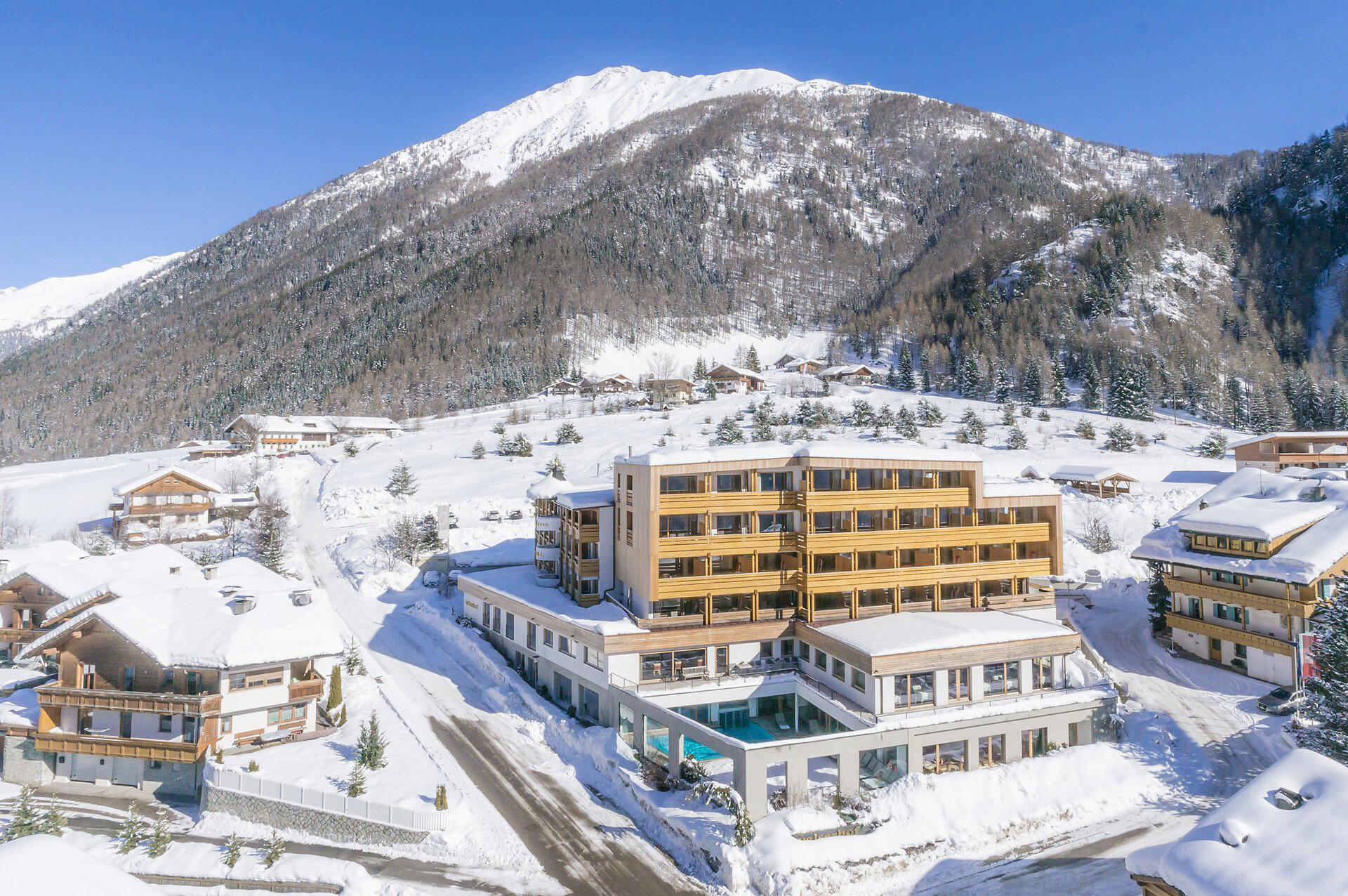
Where the Valley Sets the Table
The Pusteria Valley corridor running through South Tyrol has a particular character that shapes every serious kitchen operating within it. At altitude, the growing season is compressed, the dairy is richer, and the foraging calendar moves to a different rhythm than the Po Plain or the Ligurian coast. Restaurants and hotel dining rooms in this zone either lean into that specificity or default to generic Alpine comfort food. Hotel Valserhof, situated at Via Pichl 24 in Rio di Pusteria, is a restaurant in South Tyrolean Regional Italian dining. It belongs to the first category: a property where the sourcing logic of the surrounding terrain visibly informs what arrives at the table.
Rio di Pusteria sits roughly midway along the valley, close enough to the Brenner axis to draw visitors in transit between Austria and central Italy, but sufficiently off the main tourist circuit to retain a local orientation. The town itself is small, the surrounding landscape shaped by pasture and forest rather than resort infrastructure. Arriving at the Valserhof, you are entering a place that reads as a working property embedded in its geography rather than a destination hotel that could be lifted and relocated to any Alpine postcode.
The Sourcing Argument in South Tyrolean Kitchens
South Tyrol has become one of Italy's more interesting case studies in ingredient-led cooking, partly because its dual cultural inheritance, German-speaking traditions layered over Italian culinary frameworks, created a kitchen culture comfortable working across two different sourcing philosophies. The Germanic tendency toward precision in dairy and cured meat preparation aligns with Italian seasonal rigour in produce and wine. The result, at its leading, is a table that draws on high-altitude pasture cheese, locally smoked and cured meats, freshwater fish from valley streams, and wild plants from the surrounding slopes.
This is the broader tradition Hotel Valserhof operates within. The relationship between wine and kitchen is central to its identity: a dining room where the cellar and the plate are considered together rather than independently. That framing places it in a specific tier of Italian hotel dining, closer in ambition to the food-and-wine pairings that define properties like Atelier Moessmer Norbert Niederkofler in nearby Brunico than to the broader category of hotel restaurants where food is secondary to accommodation.
The wine component is worth treating seriously. South Tyrol produces some of Italy's most precise white wines, particularly Pinot Grigio, Gewürztraminer, and Pinot Bianco from the Alto Adige DOC, and a property that genuinely integrates wine culture into its hospitality model has access to a cellar that can represent the valley's character directly. For comparison, Italy's most wine-serious dining destinations, from Enoteca Pinchiorri in Florence to Osteria Francescana in Modena, treat the cellar as a co-equal argument alongside the kitchen. A hotel property in the Alto Adige that commits to the same logic has natural material to work with: the regional wine identity is strong enough to anchor serious selections without relying entirely on imported prestige labels.
Hotel Dining at This Tier in Italy
Italy's premium hotel dining occupies a complicated position. Some of the country's most awarded tables sit inside hotels, from Le Calandre in Rubano to the dining programs associated with Enrico Bartolini's Milan operation, but the category also contains a large volume of restaurants that exist primarily to serve in-house guests rather than to compete for destination diners. The differentiator is almost always sourcing specificity and kitchen ambition. Properties that treat ingredient procurement as a daily editorial decision, choosing producers by name, adjusting the menu to what the valley or the market delivers that week, tend to produce tables worth travelling toward. Properties that treat food as a service component produce something more generic.
Hotel Valserhof belongs in the former group. For travellers mapping a food-focused itinerary through northern Italy, the Pusteria Valley does not typically appear on the same shortlist as Modena, Alba, or the Adriatic coast destinations represented by Uliassi in Senigallia. That is partly a function of scale and visibility rather than kitchen quality. Alto Adige's serious dining rooms punch above their international profile, and routing through Rio di Pusteria specifically for a meal represents the kind of detour that rewards itinerary planning. For broader context on the Italian fine dining tier, the range runs from coastal seafood-focused addresses like Quattro Passi in Marina del Cantone and Dal Pescatore in Runate to mountain-adjacent properties in the north. Valserhof sits within that broader national conversation rather than apart from it.
Planning a Stay Around the Table
Rio di Pusteria is accessible via the A22 Brennero motorway, with the Bressanone/Brixen exit one direct approach. The valley also sits on the main Verona-Innsbruck rail line, making it reachable without a car for travellers coming from Verona, Trento, or Bolzano. Bolzano itself is approximately 40 kilometres to the southwest, which means a combination of city time in South Tyrol's regional capital and a valley stay is a logical pairing.
For travellers extending their time in the region, the broader context around Rio di Pusteria is worth considering. The valley has a concentration of smaller properties, wine producers, and mountain experiences that make multi-night stays coherent.
Seasonality matters at this altitude. The kitchen's sourcing logic changes substantially between summer, when the high pastures and alpine foraging calendar are at their fullest, and the winter ski season, when the valley draws a different visitor profile and the cellar tends to carry more of the table's weight. Either window works, but they produce different meals.
At-a-Glance Comparison
Comparable venues nearby, for context on price, style, and recognition.
| Venue | Cuisine | Price | Notes |
|---|---|---|---|
| Hotel ValserhofThis venue — the venue you are viewing | South Tyrolean Regional Italian | $$$ | Not listed |
| Roller Stube | Refined South Tyrolean and Italian fine dining in a traditional stube | $$$ | Corvara in Badia |
| Col Alt | Modern Alpine Italian | $$$ | Corvara |
| Bistro Cafè Fino | Italian Bistro | $$$ | Passeggiata Lungo Passirio |
| Garsun | Ladin Trattoria | $$$ | Marebbe |
| Renzo | Contemporary Italian | $$$ | Cadenabbia di Griante |
Recognition history
Dated appearances from independent guides and award organizations, with the underlying list record or original source where available.
Star Wine List
Star Wine List
Continue exploring
More in Rio di Pusteria
Restaurants in Rio di Pusteria
Browse all →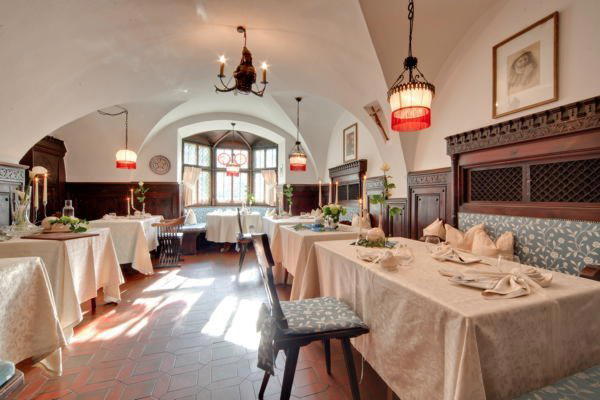
Bars in Rio di Pusteria
Browse all →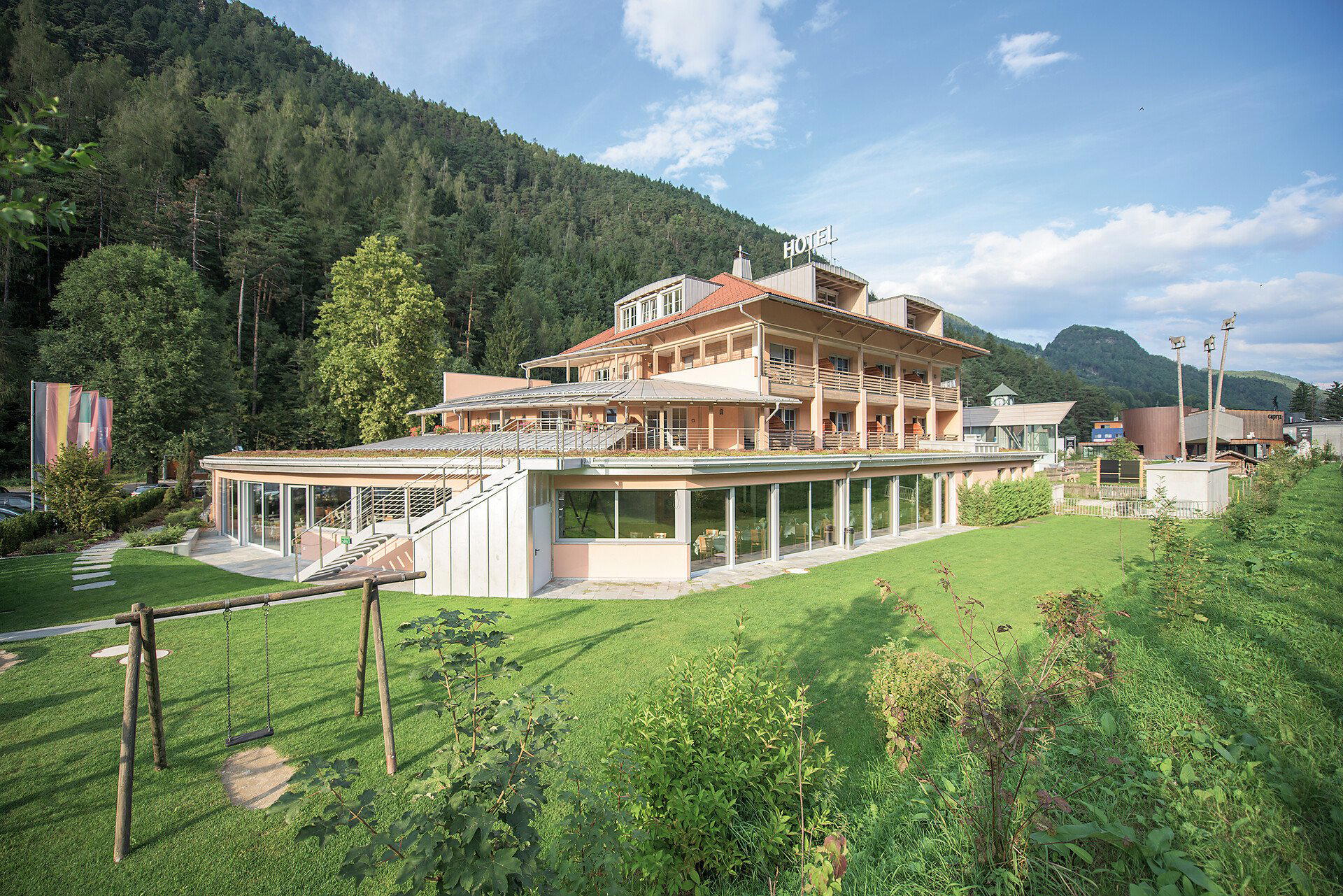
Hotels in Rio di Pusteria
Browse all →
Wineries in Rio di Pusteria
Browse all →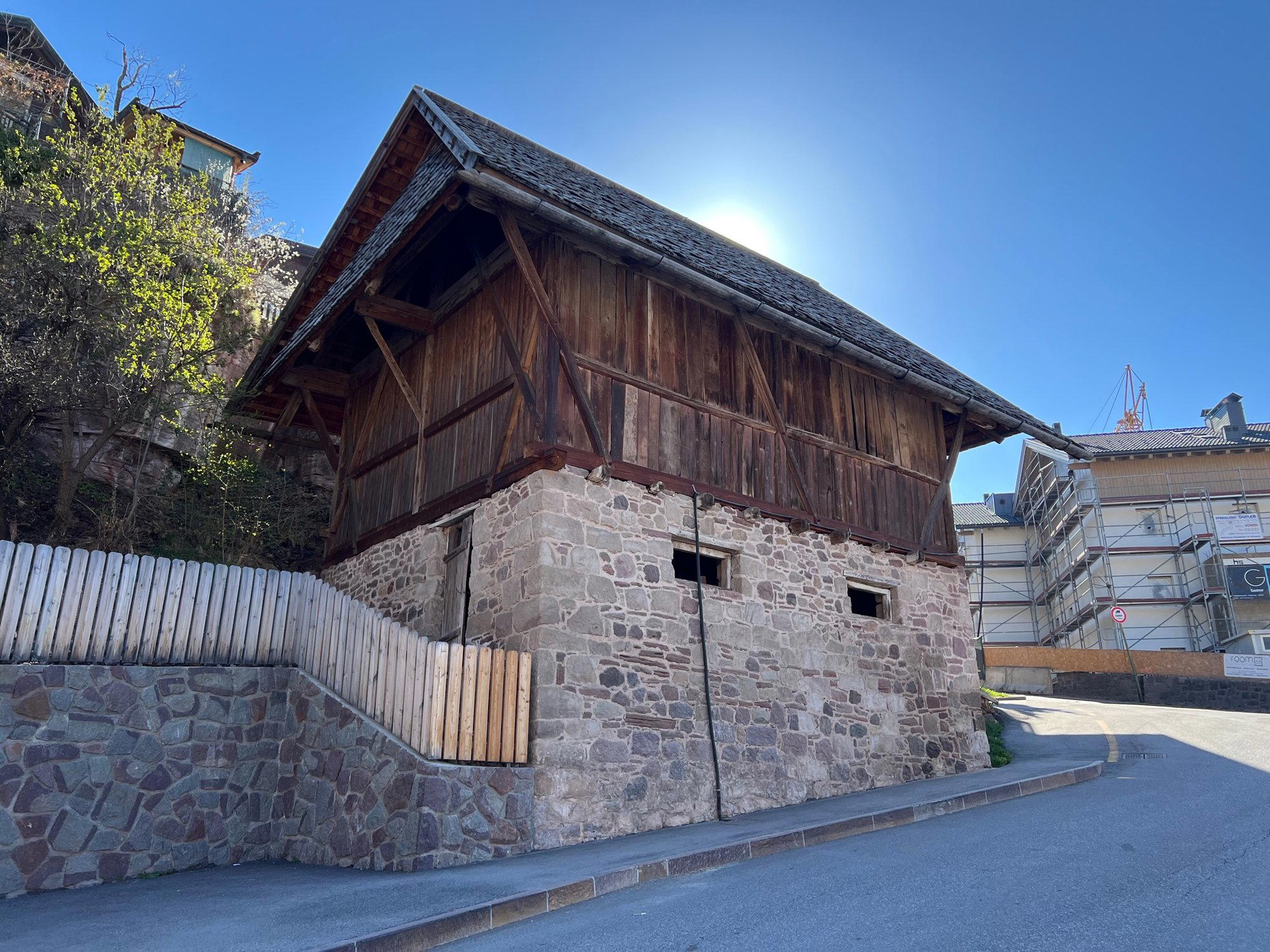

At a Glance
- Cozy
- Elegant
- Modern
- Family
- Celebration
- Hotel Restaurant
- Extensive Wine List
- Local Sourcing
- Mountain
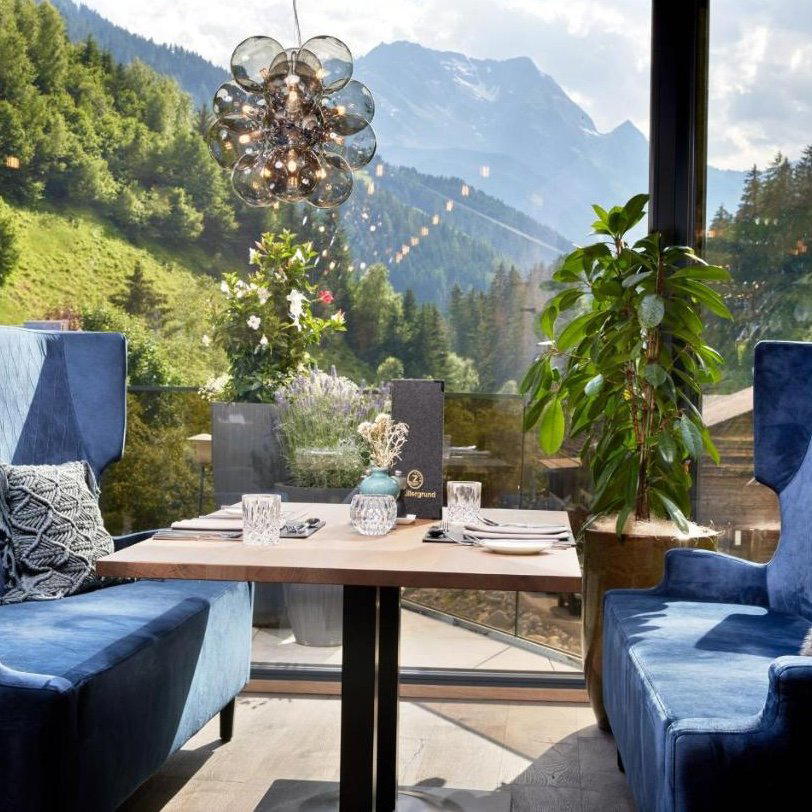
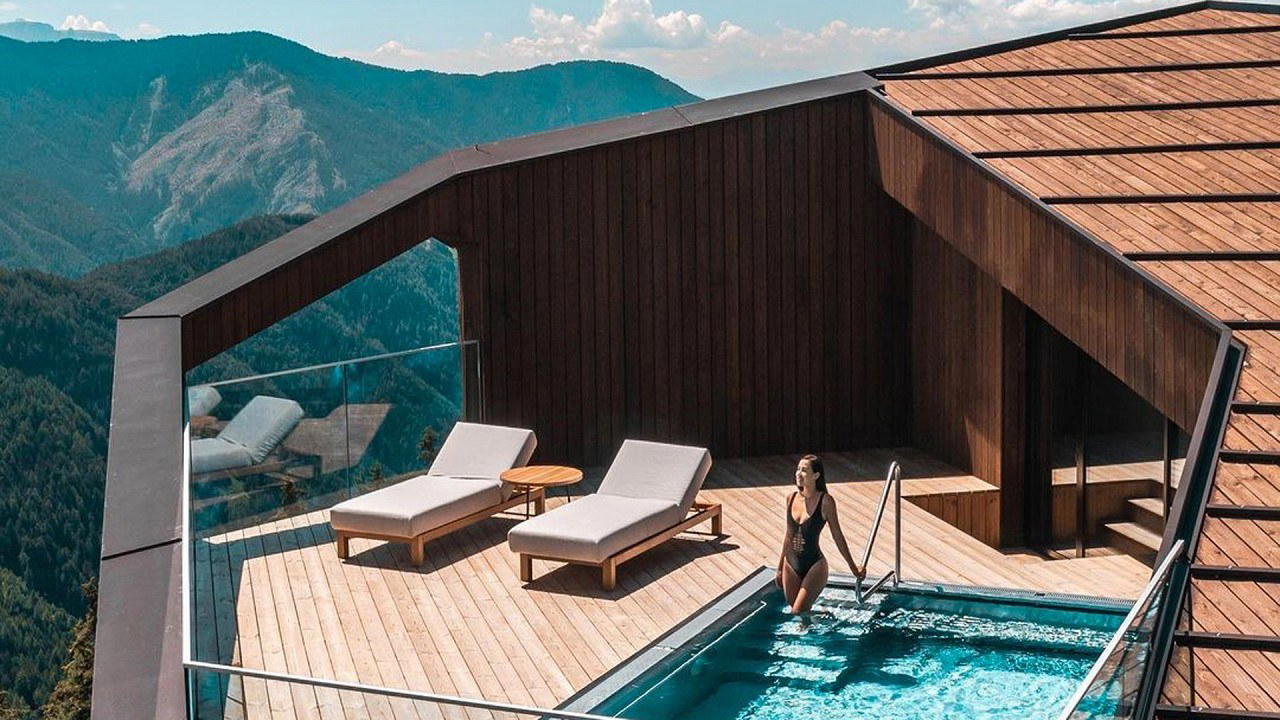
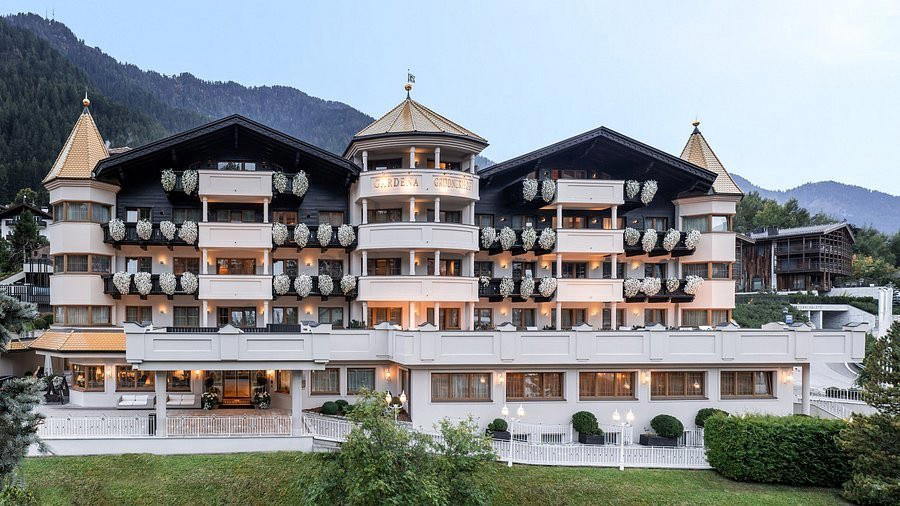
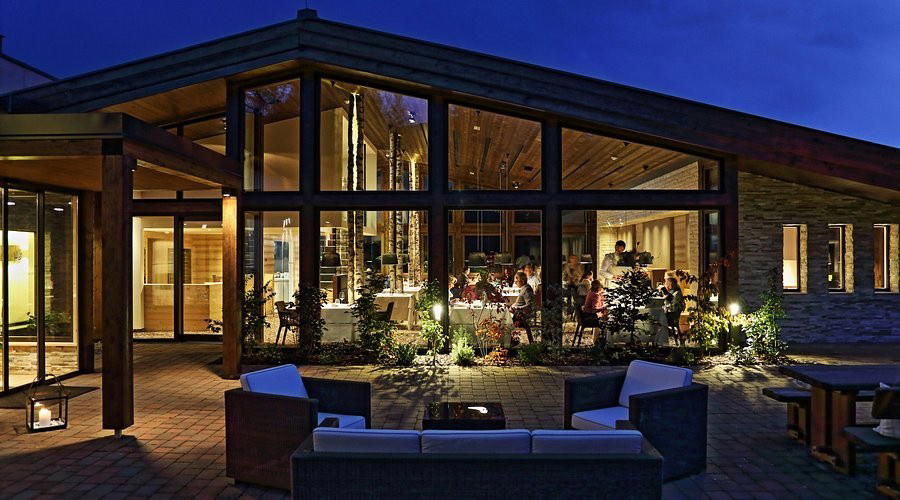
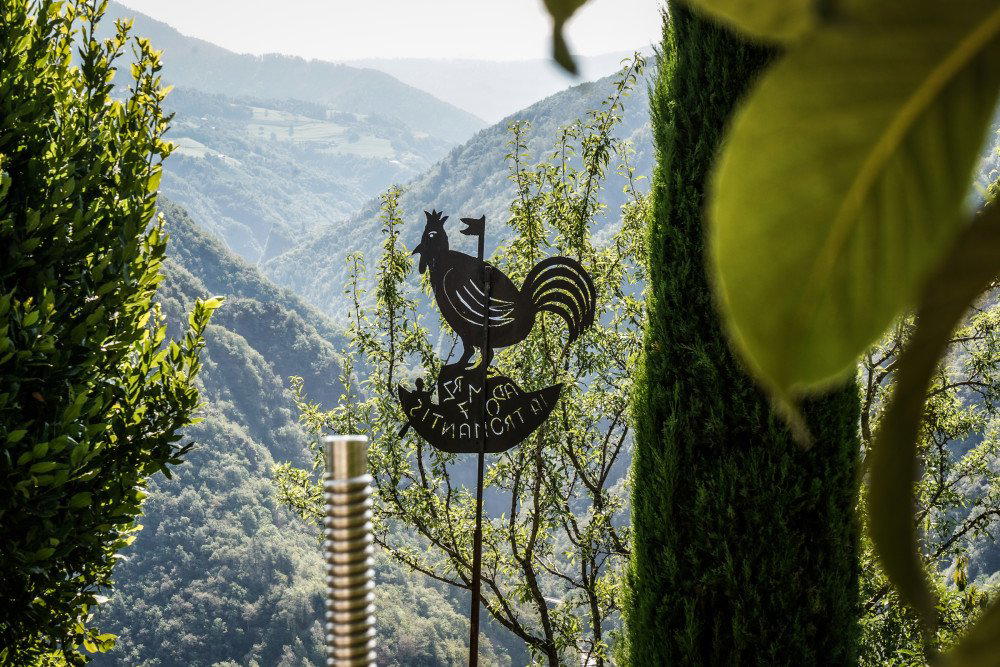
Modern and cozy atmosphere with warm staff service, beautiful mountain views from dining areas, and a welcoming family-like feel.