Hotel Hohe Linde
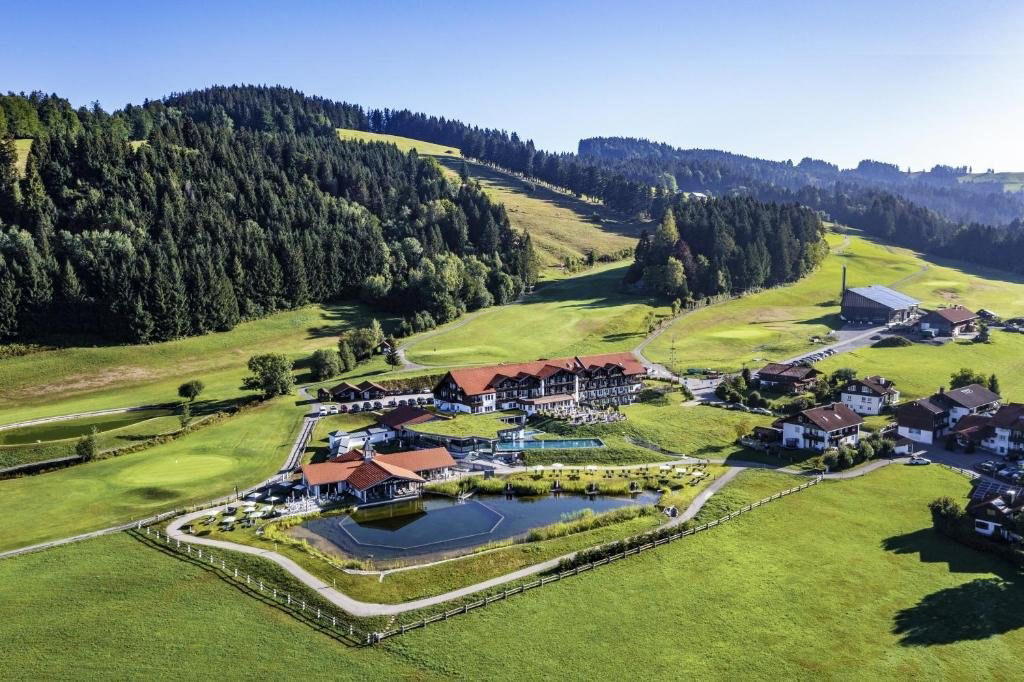
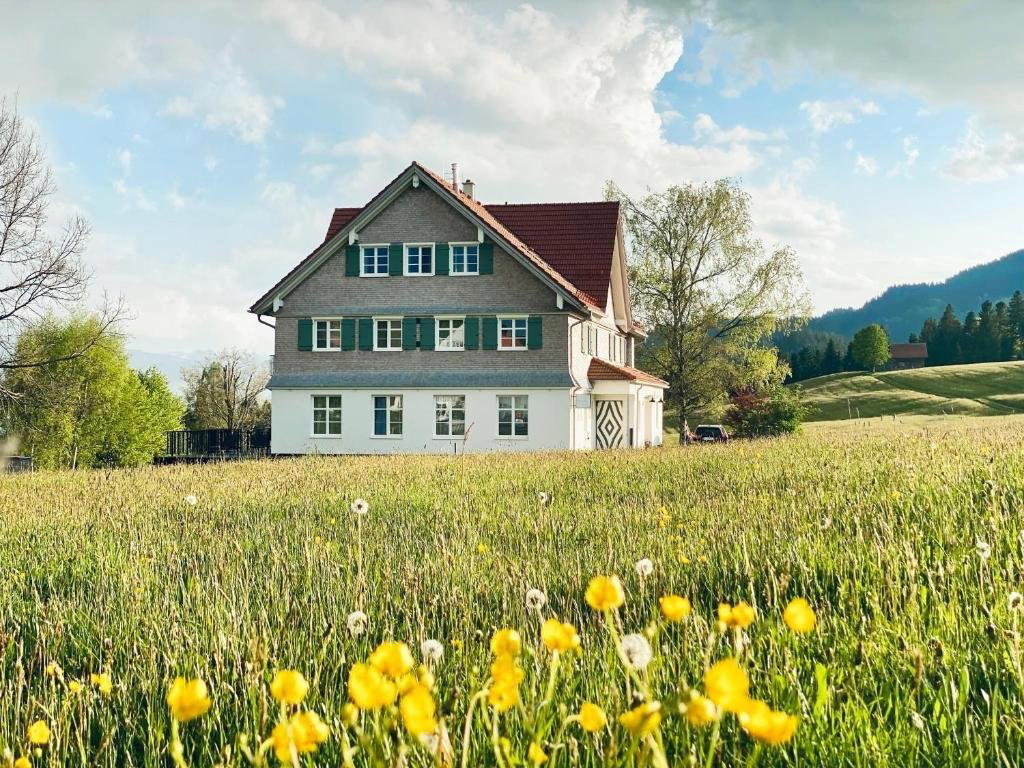
Hotel Hohe Linde sits on the edge of Isny im Allgäu, a small Swabian market town in the Bavarian-facing corner of Baden-Württemberg where the agricultural calendar still shapes what reaches the kitchen. The property connects to a broader regional tradition of farm-rooted hospitality that defines the Allgäu's more considered dining establishments. For travellers moving through the area between Ravensburg and the Austrian border, it represents a practical and culturally grounded stopping point.
Pearl is the En Primeur Club membership app — saves, bookings, and concierge access live there. Same editors, same standards.
- Address
- Lindauer Str. 75, 88316 Isny im Allgäu, Germany
- Phone
- +4949756297597
- Website
- hohe-linde.de
- Directions
- Get directions
 Saves & bookings on Pearl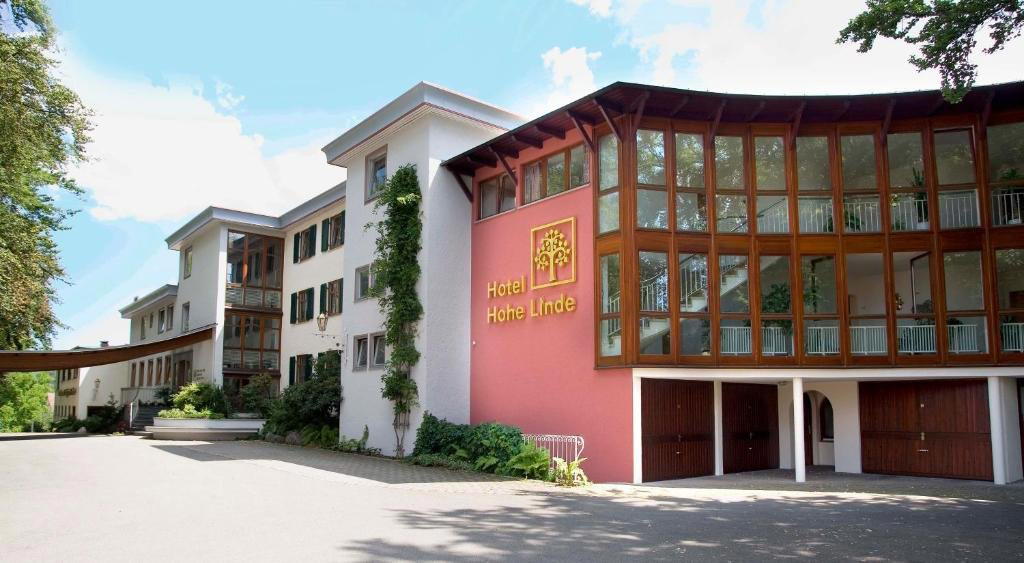
The Allgäu Table: Why Regional Provenance Shapes Dining in Isny
The Allgäu occupies a specific position in the geography of German food culture. Wedged between Lake Constance to the west, Bavaria to the east, and the Austrian Alps to the south, it is dairy country in the most literal sense: the hillside pastures that roll through this corner of Baden-Württemberg and into neighbouring Bavaria produce some of Germany's most closely identified regional ingredients, from Allgäuer Emmentaler to the raw milk that feeds a network of farm-based cheesemakers operating under cooperative structures that predate the European single market. In a region where the land itself is a food source rather than a backdrop, the better hotels and restaurants tend to frame their kitchens around what is grown or raised within an hour's drive. Our full Isny im Allgäu restaurants guide maps this ingredient geography across the town's eating options.
Isny im Allgäu, a walled market town with a population of around 14,000, sits at roughly 700 metres above sea level. That altitude has consequences for sourcing: the grazing season is shorter than in lowland Germany, livestock are fed on high-protein alpine grasses, and the rhythm of the kitchen year is compressed into a tighter seasonal window. Hotels that operate year-round in this environment either source from further afield or build menus that acknowledge those seasonal constraints. The ones that do the latter tend to produce more coherent cooking.
Hotel Hohe Linde: Position in the Regional Accommodation Tier
Hotel Hohe Linde occupies the Lindauer Strasse corridor on the western approach to Isny's old town, a road that connects the town to the Lake Constance basin and reflects the area's historical trade routes. The address places it outside the medieval centre but within easy reach of the market square, a positioning common to the mid-scale regional hotels that serve both leisure travellers and business visitors passing through the southern German countryside.
In the regional accommodation picture, properties in this tier sit between the large wellness resorts concentrated around Bad Hindelang and Oberstdorf to the east and the smaller guesthouses and Ferienwohnungen that dominate the village-level market. They are the category that tends to run dining rooms with an explicit regional identity, partly because that is what guests in this part of Germany expect, and partly because the sourcing infrastructure for local ingredients is more accessible here than in urban markets. The comparison is instructive: at the higher end of German hotel dining, venues like ES:SENZ in Grassau in neighbouring Bavaria, or Schwarzwaldstube in Baiersbronn in the Black Forest, have built Michelin-recognised programmes around the same principle of tight regional sourcing taken to a technical extreme. The Hohe Linde operates in a different register, but the underlying logic of the Allgäu's food culture applies across tiers.
The Sourcing Logic of Allgäu Hotel Kitchens
The ingredient argument for the Allgäu is not aspirational marketing. It is structural. The region holds protected designation of origin status for Allgäuer Emmentaler and Allgäuer Bergkäse, two cheeses that appear on tables throughout the area in forms ranging from the quotidian bread-and-cheese breakfast to more composed preparations in hotel dining rooms. Freshwater fish from the Iller river system, game from the surrounding forests, and the seasonal soft fruits that ripen in the valley floors between June and September are the other building blocks of local kitchen identity.
At the level of a regional hotel rather than a Michelin-tracked destination restaurant, these ingredients tend to appear in their more traditional formats: Käsespätzle made with locally aged cheese, braised game with root vegetables and Preiselbeeren, trout prepared simply with brown butter. This is the register in which Allgäu hotel cooking has operated for decades, and it represents a different category of regional food integrity than the creative transformation approaches taken at venues like AUGUST in Augsburg or AURA by Alexander Herrmann and Tobias Bätz in Wirsberg. Neither approach is superior as a category; they serve different guest expectations and operate on different budget structures.
For context on what the best of Germany's hotel dining can achieve, venues like Aqua in Wolfsburg, Vendôme in Bergisch Gladbach, and Victor's Fine Dining by Christian Bau in Perl operate at the creative and technical ceiling of what the country's hotel restaurant format can produce. The Restaurant Haerlin in Hamburg, Schanz in Piesport, and Waldhotel Sonnora in Dreis represent a parallel tier where the hotel setting anchors serious kitchen ambition. Hotel Hohe Linde does not sit in that bracket. What it shares with those venues is the logic that the hotel dining room should reflect its geographic position, even if the technical means and price points differ substantially.
Arriving and Planning Your Stay
Isny im Allgäu is served by the B12 federal road connecting Kempten to the west and Wangen im Allgäu, with the nearest mainline rail connection at Kempten (Allgäu) Hauptbahnhof, roughly 35 kilometres to the north. From Munich, the drive runs approximately 130 kilometres via the A96 motorway and takes around 90 minutes depending on traffic through Memmingen. Travellers using public transport should plan for a regional bus connection from Kempten, as direct rail service to Isny is limited. Accommodation in the town is consistently tightest during the winter sports season from December through February and during the summer walking season from late June through August, when Alpine day-trippers fill guesthouses and smaller hotels throughout the area. Booking ahead by at least four to six weeks for either peak window is advisable. The shoulder periods of May and October offer the quietest access and, from a sourcing perspective, some of the most interesting seasonal produce windows in the Allgäu calendar.
Those travelling beyond Isny for dedicated fine dining in the wider region can combine a stay here with visits to JAN in Munich, approximately two hours north, or the creative programmes at CODA Dessert Dining in Berlin, Bagatelle in Trier, ammolite in Rust, and ATAMA by Martin Stopp in Sankt Ingbert for those routing through Germany more broadly. For international reference points in creative fine dining, Le Bernardin in New York City and Atomix in New York City represent the kind of sustained excellence that sets the global benchmark against which all serious kitchens are eventually measured.
How Hotel Hohe Linde Isny im Allgäu compares with similar nearby venues.
| Venue | Cuisine | Price |
|---|---|---|
| Alpenkönig - Esslust | Regional Cuisine | €€ |
| Zum Hirschen & Gasthaus beim Stöckeler | Country cooking | €€ |
Continue exploring
More in Isny im Allgäu
Restaurants in Isny im Allgäu
Browse all →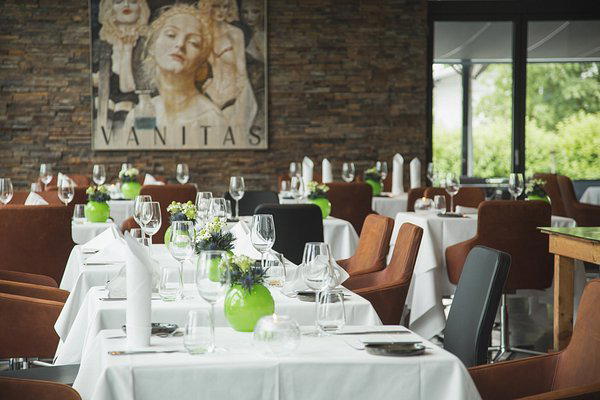
Bars in Isny im Allgäu
Browse all →
Hotels in Isny im Allgäu
Browse all →

At a Glance
- Romantic
- Cozy
- Elegant
- Classic
- Date Night
- Family
- Special Occasion
- Celebration
- Terrace
- Garden
- Hotel Restaurant
- Private Dining
- Local Sourcing
- Farm To Table
- Garden
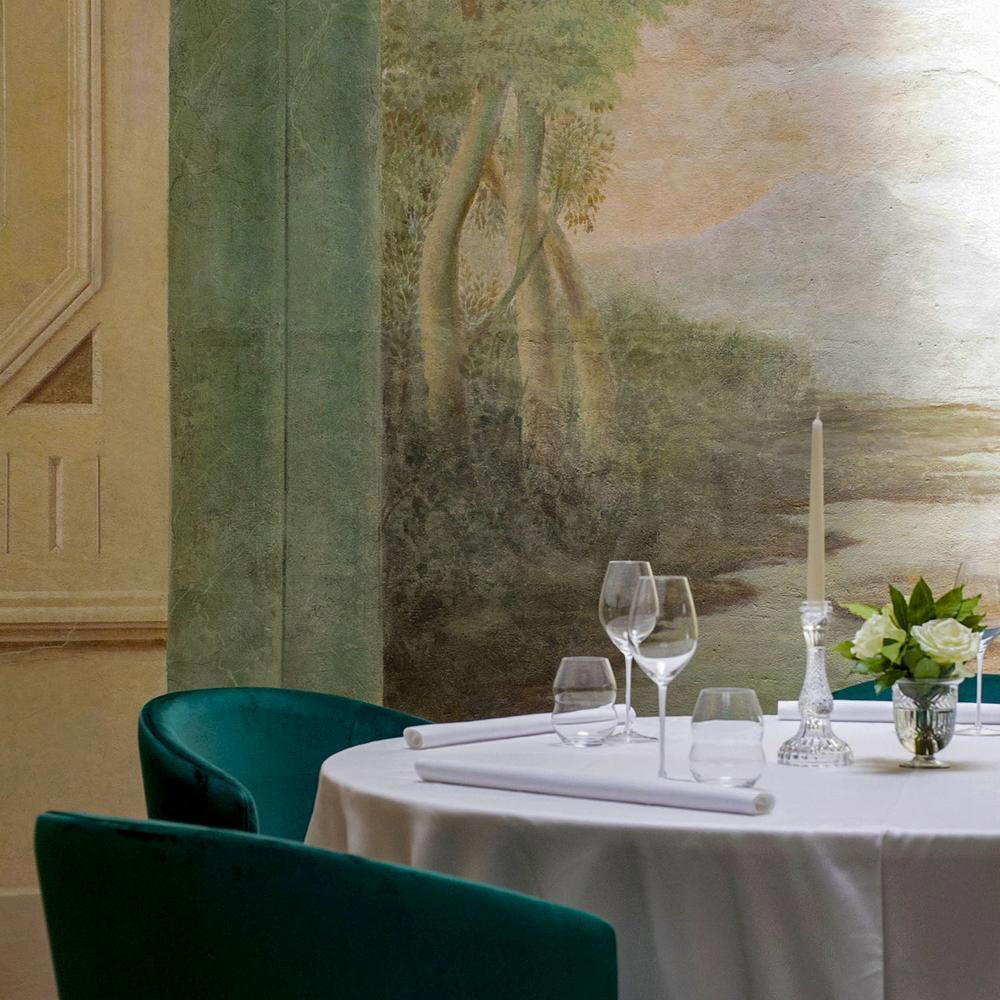
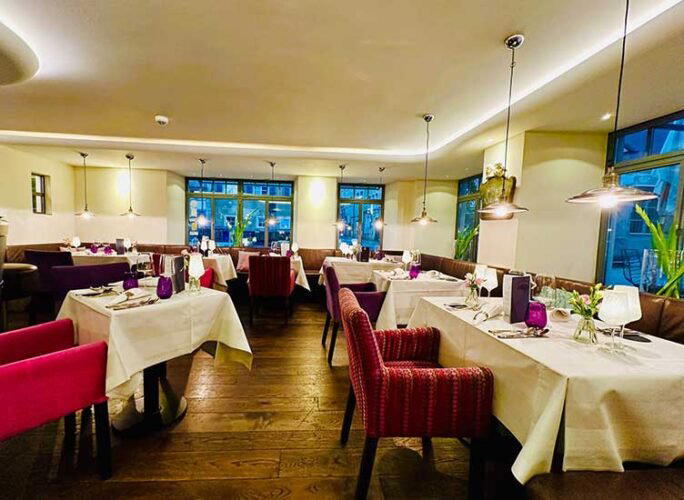
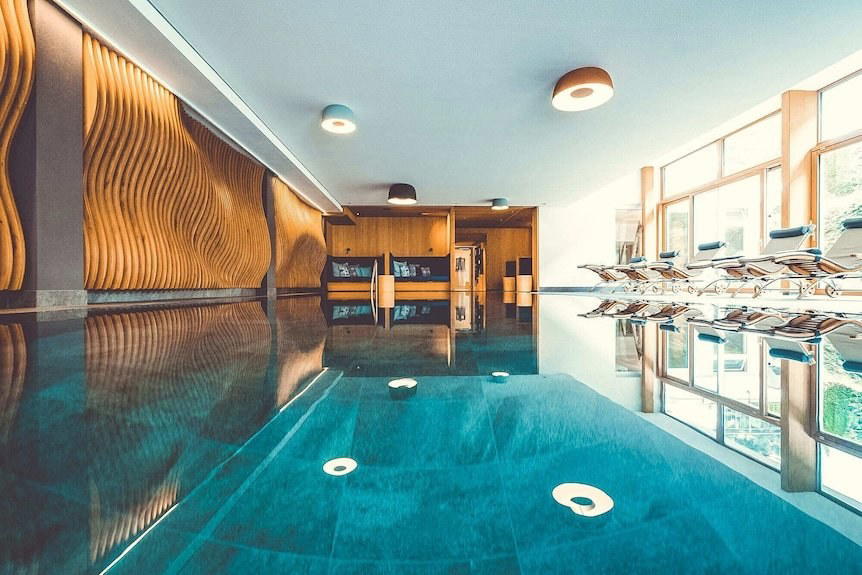
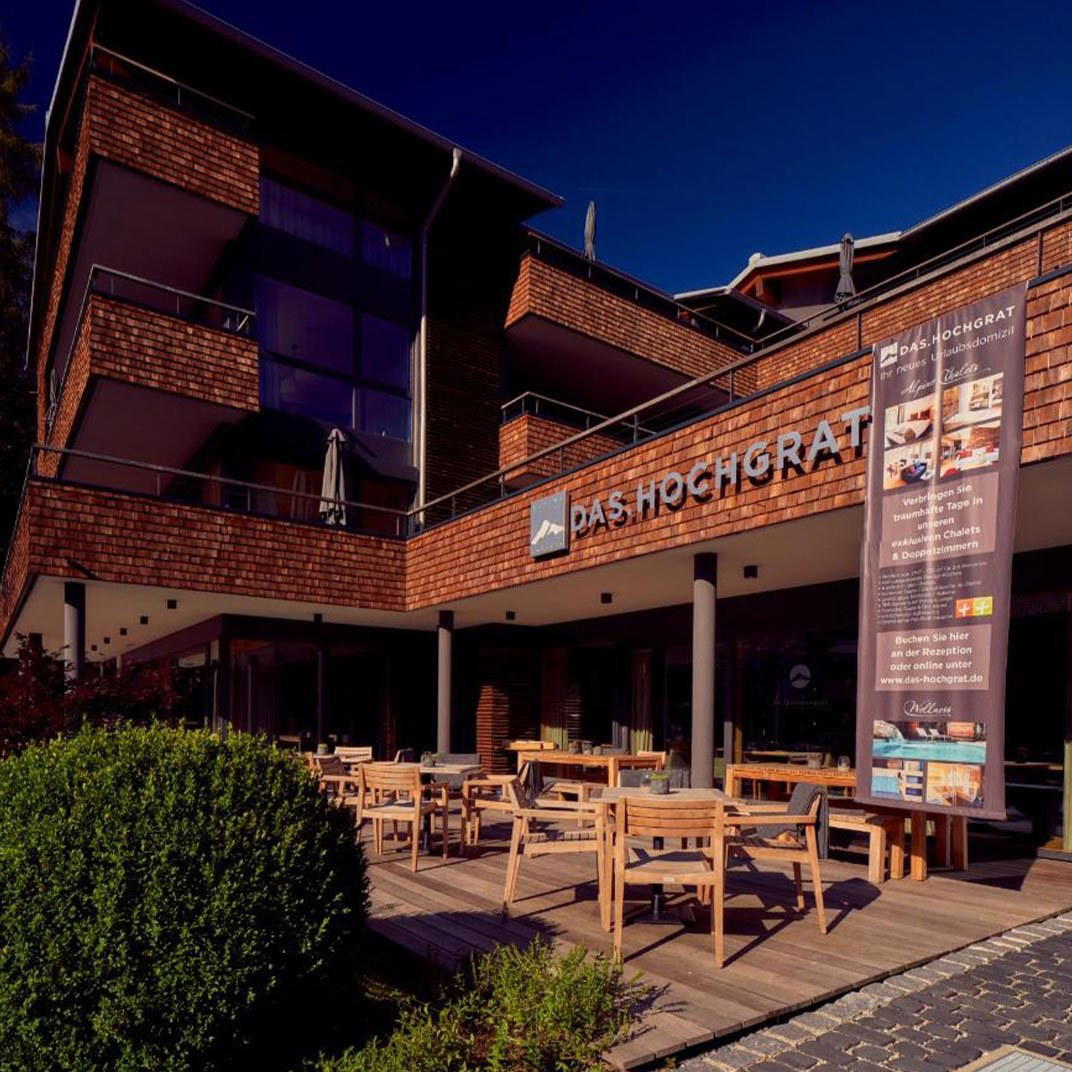
Warm, gemütlich (cozy) atmosphere with candlelit dining on Friday evenings; elegant yet welcoming setting with terrace overlooking gardens.
Know Before You Go
- Getting there
- Lindauer Str. 75, 88316 Isny im Allgäu, Germany