


Michelin Plate · Macarfi 8.2 Food Rating · Guía Repsol 1 Sol
Our verdict
A Michelin Plate-recognised family restaurant occupying a former pilgrim hospital on the Camino de Santiago, Hostería de los Palmeros serves regionally focused Castilian cuisine at a mid-range price point. The kitchen leans heavily on Palencian produce: alubia beans from Saldaña, locally grown vegetables, and a game menu that tracks the hunting seasons of the Castilian meseta.

Pearl is the En Primeur Club membership app, where members save venues, book tables and use the concierge.
The menu
What to order
- Partridge
- Pigeon
- Venison
- Lechazo
Where the Camino Sits Down to Eat
The Castilian meseta has a way of making everything feel ancient, and Frómista, a small town in the province of Palencia whose 11th-century Romanesque church of San Martín draws architectural historians as reliably as it draws pilgrims, earns that weight. The stretch of the Camino Francés that passes through here crosses flat wheat country, high and exposed, with a quality of light that is particular to this part of the Spanish interior. After walking it, or simply arriving in a town this size, the question of where to eat is more direct than in a city: the options are few, and the ones that endure do so because they serve the place honestly.
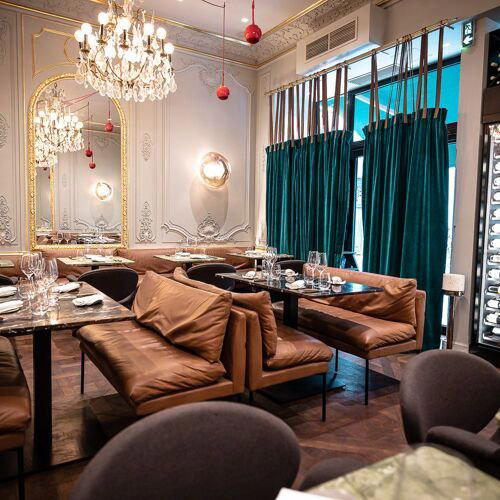
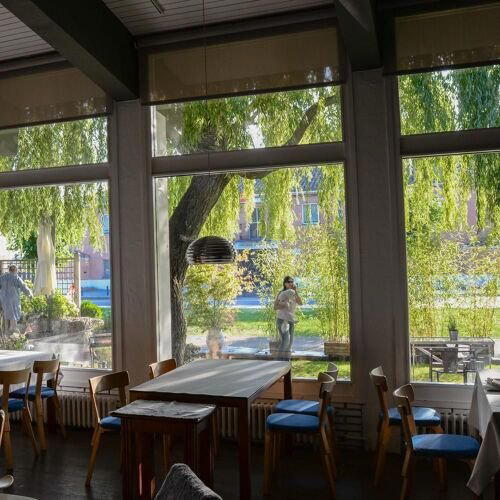
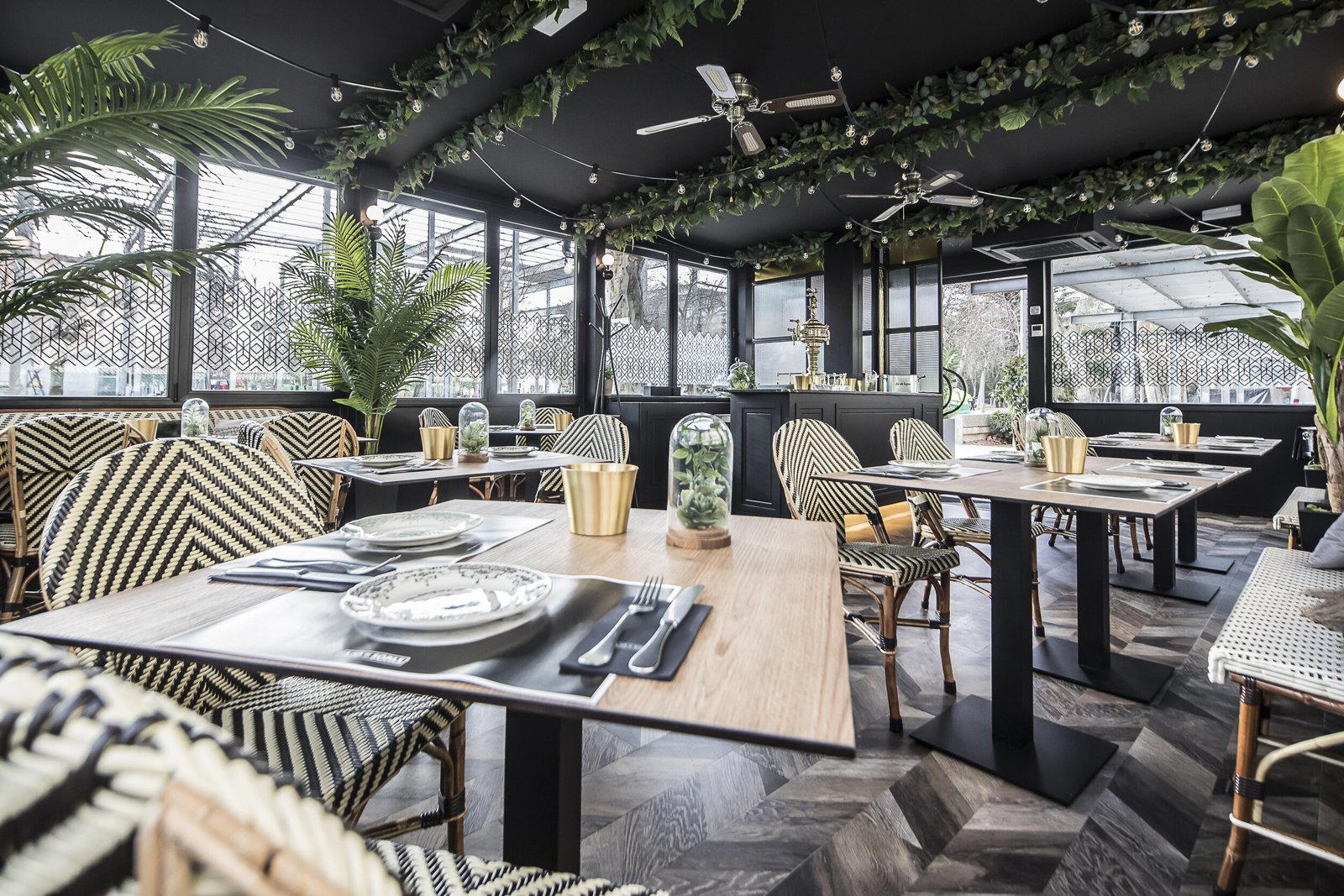
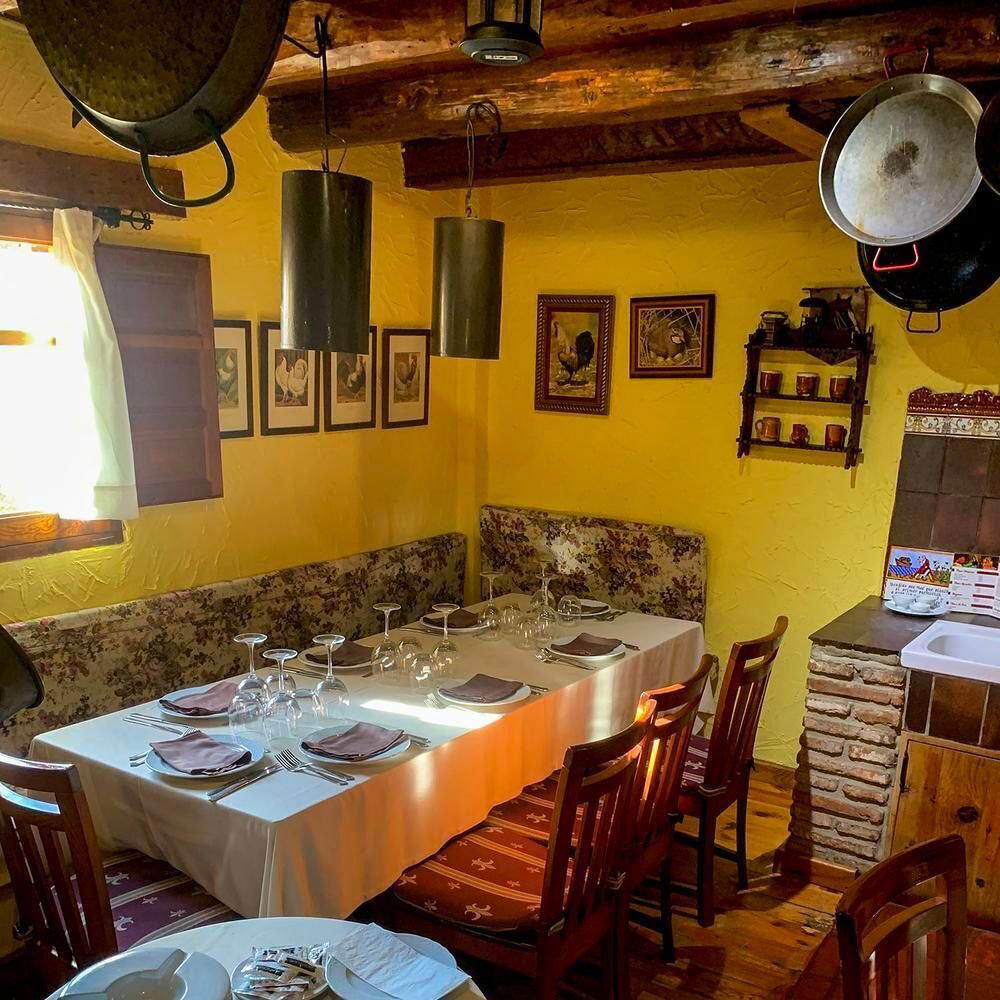
Hostería de los Palmeros occupies a building on Plaza San Telmo that was once a hospital for pilgrims, the medieval pilgrim infrastructure of the Camino included not just churches but waystations for the sick and tired, and this building is one of them. The stonework and the proportions of the dining room carry that history without theatrics. The decor reads as rustic-classic: the kind of interior that has arrived at its current state through use rather than design, which is worth more than deliberate rustication.
What the Region Puts on the Table
Castilian cuisine is built around the land's produce and its seasons, and the kitchen here works that logic with notable consistency. The ingredient sourcing is not incidental, it is the architecture of the menu. Alubia beans come from Saldaña, a town roughly 40 kilometres north in the same province, where the local legume variety has been grown for generations in alluvial soil along the Carrión river. Vegetables come from within the province of Palencia. Game, partridge, pigeon, venison, reflects what the Castilian countryside actually produces during the hunting seasons that run from October through February.
This regional specificity places the restaurant in a category that is genuinely distinct from both the tourist-facing menus of the Camino corridor and the creative-tasting-menu registers of Spain's higher-profile kitchens. Compare the operating premise here to the multi-starred ambition of, say, Arzak in San Sebastián or Azurmendi in Larrabetzu, and the contrast is instructive rather than hierarchical. Spain's most decorated kitchens, including El Celler de Can Roca in Girona, DiverXO in Madrid, and Martín Berasategui in Lasarte-Oria, operate in a register defined by technical ambition, large teams, and international sourcing strategies. The tradition at work in Frómista is older and less visible on the international stage, but it feeds a different kind of question: what does this specific piece of ground produce, and how has it been eaten here for centuries?
Michelin has recognised the kitchen with a Plate designation in both 2024 and 2025, an acknowledgment of sound cooking and ingredient quality, not a call to rethink the format. That is the appropriate framing. The Plate sits below starred recognition and signals a restaurant worth knowing about rather than one demanding a special journey. At a €€ price point, the expectation should be regional honesty at a fair cost, not transformation.
The Menu Structure
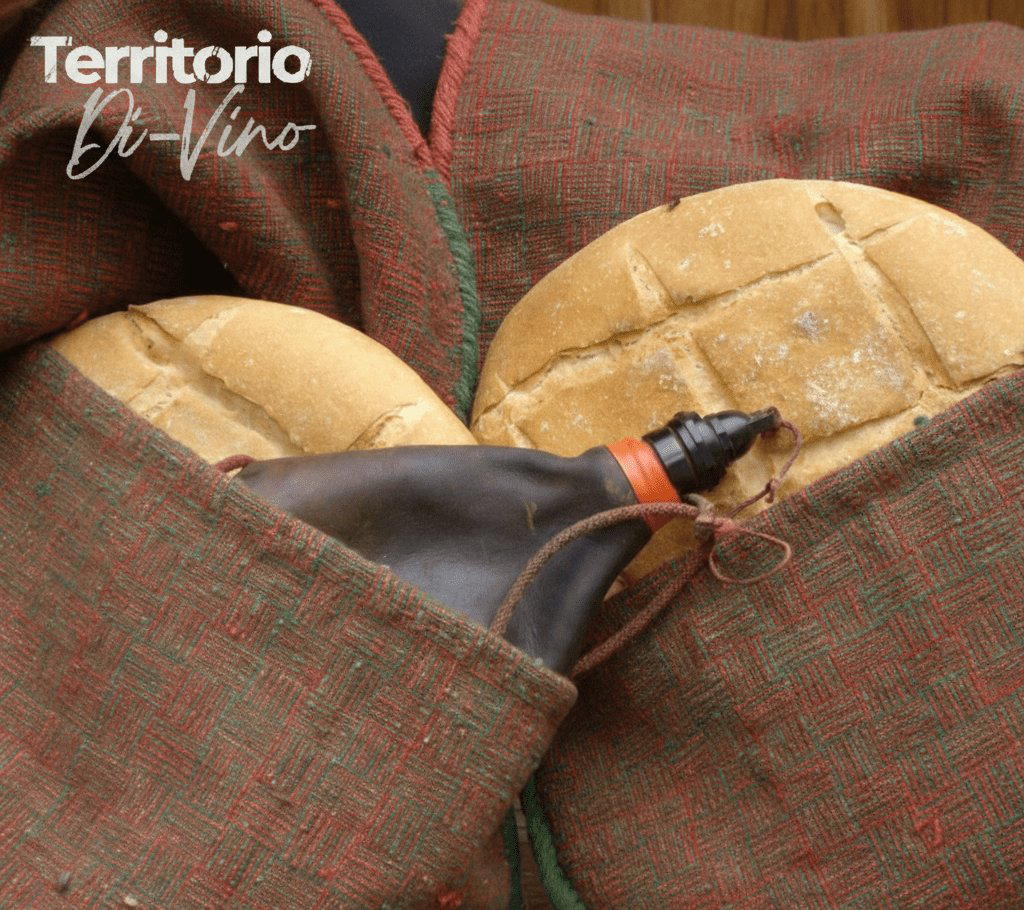
The restaurant offers an extensive à la carte alongside three named set menus: the Bordón, the Escarcela, and the Compostela, all three names drawn from the vocabulary of the Camino de Santiago (a bordón is a pilgrim's staff, an escarcela a small shoulder bag). The naming is not mere theming; it orients the offer toward the context of the route and the people walking it, without reducing the kitchen to a souvenir experience. The à la carte gives flexibility to eat around the game options or focus on them, depending on the season and personal appetite.
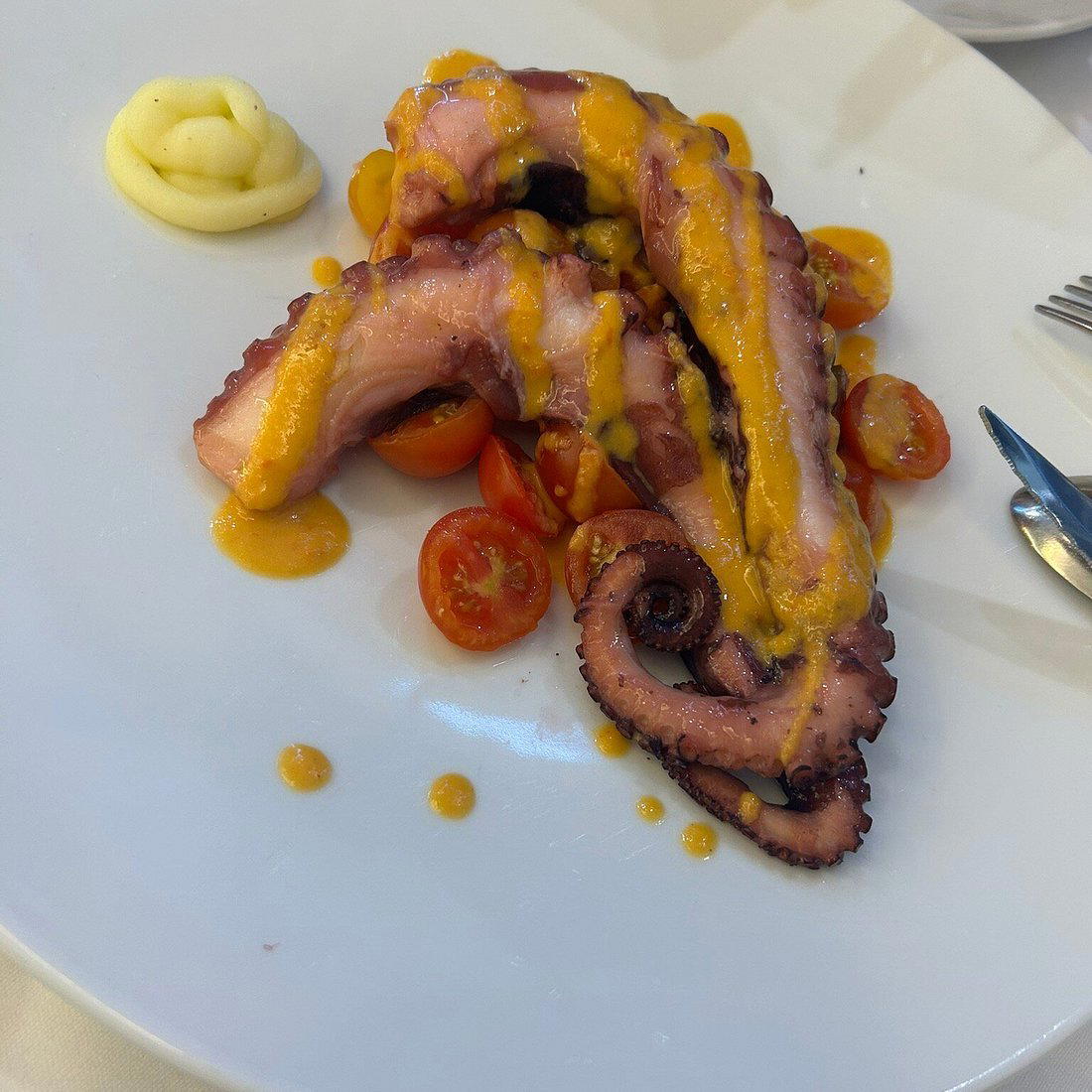
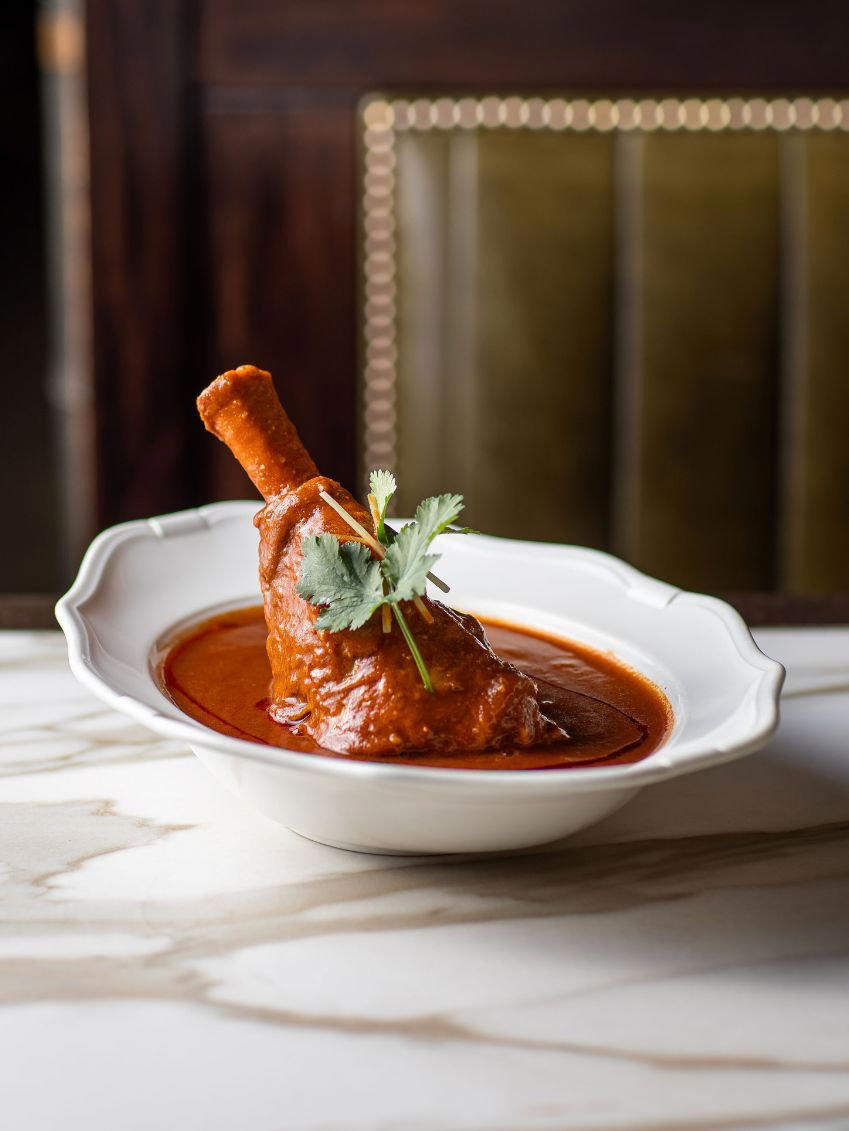
The game section of the menu is the most regionally specific element on offer. Partridge prepared in Castilian style, pigeon, venison from the Palencian countryside, these are dishes with a direct line to how this landscape has fed people for centuries. Similar game-forward regional traditions appear at Atrio in Cáceres and at traditional houses further north, but the Castilian meseta has its own game profile, shaped by the open, semi-arid terrain that is quite different from the wooded Sierra de Gredos or the Atlantic-influenced Cantabrian range. For readers exploring the broader geography of Spanish regional cooking, Auga in Gijón and Ricard Camarena in València offer useful comparative reference points for how different Spanish regions build menus around their own produce logics.
Planning a Visit
Frómista sits on the Camino Francés between Burgos and León, and the town receives a steady flow of pilgrims and visitors year-round, with peak footfall between April and October. The restaurant's position on Plaza San Telmo places it at the centre of town, immediately accessible from the route. The €€ price range makes it one of the more accessible full-service restaurants along this stretch of the Camino, and the combination of set menus and à la carte means it works for both a quick pilgrim lunch and a longer seated dinner for travellers arriving by car. For game dishes, timing a visit to the autumn and winter months aligns with when those ingredients are at their most current. Readers planning a longer stay should consult our full Frómista hotels guide, our full Frómista bars guide, and our full Frómista experiences guide for the wider picture. The full Frómista restaurants guide covers the broader dining options in the town. For those with a specific interest in regional wine, our Frómista wineries guide is the relevant starting point.
Where It Sits in the Wider Picture
Spain's dining scene, taken as a whole, skews toward the spectacular end of the register. The concentration of three-starred restaurants, Aponiente in El Puerto de Santa María, Cocina Hermanos Torres in Barcelona, Quique Dacosta in Dénia, Mugaritz in Errenteria, is genuinely high for a country of this size, and it shapes the frame through which international visitors tend to approach Spanish restaurants. That frame tends to undervalue the regional tradition working at ground level, particularly in interior Castile, which lacks the international profile of the Basque Country or Catalonia despite having a food culture of equivalent depth. Similar territory is covered, in a French regional context, by places like Auberge Grand'Maison in Mûr-de-Bretagne, Michelin-recognised, regionally grounded, operating at a price point that reflects the local economy rather than destination-restaurant ambition.
The kitchen is not trying to reposition Palencian cuisine for a metropolitan audience. It is cooking where it is, with what the land provides.
Frequently asked questions
What does dinner at Hostería de los Palmeros typically cost?
Pricing at Hostería de los Palmeros is listed as €€.
Fast Comparison
| Venue | Cuisine | Price | Awards | Notes |
|---|---|---|---|---|
| Hostería de los PalmerosThis venue (the venue you are viewing) | Traditional Castilian Regional Cuisine | $30–50 | Michelin Plate · Macarfi 8.2 Food Rating | Not listed |
| Aponiente | Avant-Garde Marine Seafood | $200–300 | 3 Michelin Stars · World's 50 Best #84 | Progressive - Seafood, Creative |
| Arzak | Contemporary Basque Fine Dining | $300–500 | 3 Michelin Stars · World's 50 Best #31 | Modern Basque, Creative |
| DiverXO | Avant-Garde Spanish Tasting Menu | $300–500 | 3 Michelin Stars · World's 50 Best #4 | Progressive - Asian, Creative |
| El Celler de Can Roca | Creative Catalan Fine Dining | $300–500 | 3 Michelin Stars · World's 50 Best #2 | Progressive Spanish, Creative |
| Quique Dacosta | Avant-Garde Spanish Fine Dining | $300–500 | 3 Michelin Stars · World's 50 Best #65 | Creative |
Recognition history
Dated appearances from independent guides and award organizations, with the underlying list record or original source where available.
Michelin Plate
Michelin
Guía Repsol 1 Sol
Guía Repsol
Macarfi 8.2 Food Rating
Macarfi
Full recognition history (5 entries)
Michelin Plate
Michelin
Michelin Plate
Michelin
Continue exploring
More in Frómista

Details
- Rustic
- Classic
- Cozy
- Historic
- Special Occasion
- Family
- Group Dining
- Historic Building
- Private Dining
- Extensive Wine List
- Local Sourcing
- Street Scene
- A La Carte
- Set Menu
- Wine
- Vegetarian Friendly
Current opening hours
- Monday
- 1–3:45 PM
- Tuesday
- Closed
- Wednesday
- 1–3:45 PM
- Thursday
- Closed
- Friday
- 1–3:45 PM, 8–10:15 PM
- Saturday
- 1–3:45 PM, 8–10:15 PM
- Sunday
- 1–3:45 PM
Hours can change for holidays and private events. Hours as of .
Rustic-classic decor in a historic building with a cozy, welcoming atmosphere.