
Tabelog 100 #96
Our verdict
Osaka’s wagashi culture is often read through department-store counters and tea rooms; this Sakaisuji Hommachi address belongs to the smaller takeaway tradition, where regulars come for a narrow sweets offer rather than a long café menu. Honneri Kwashi Suiren isshin was selected for Tabelog’s Japanese traditional sweets and sweets café WEST 100 in 2023, and its current format centers on warabimochi and takiren for takeaway.

Pearl is the En Primeur Club membership app, where members save venues, book tables and use the concierge.
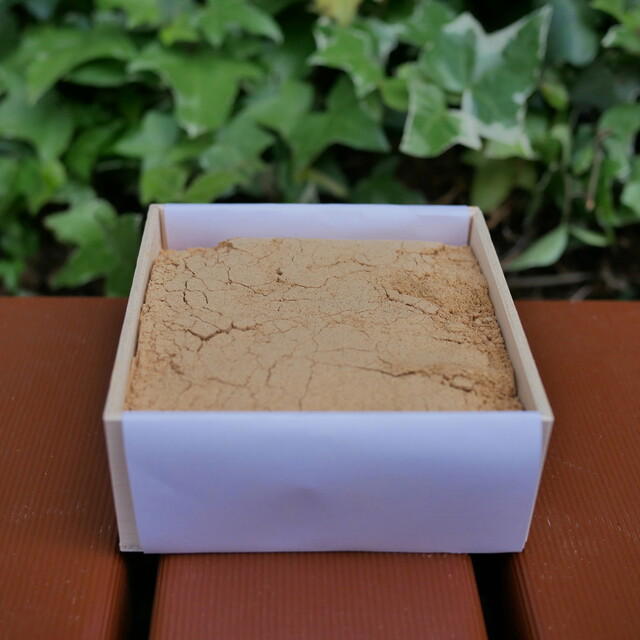
Around Osaka, the city’s confectionery scene can feel less ceremonial than Kyoto’s and less department-store polished than Tokyo’s. The rhythm is practical: small purchases, focused stops, and sweets folded into the day rather than treated only as a formal occasion. Honneri Kwashi Suiren isshin fits that register: a Japanese sweets stop defined by focus, repetition, and a clear maker-to-customer feel.
That distinction matters. Japanese sweets can read as tea-ceremony culture, gift culture, café culture, or street-adjacent snack culture, and Osaka blurs those lines well. Here, the draw is a compact offer rather than a long seated progression. The house is listed in Japanese traditional sweets and as a café featuring Japanese sweets, placing it in a narrower lane than broader dessert destinations with extended menus and elaborate seasonal sets.
A focused sweets stop in a city that rewards regular habits
For diners moving through Osaka, the appeal is knowing what the shop is for, not novelty. Osaka has plenty of casual eating within easy reach: curry, ramen, bakery runs, and counter dining share the same daily grammar. Compared with nearby low-price choices such as Sosaku Curry Tsukinowa, Hommachi Seimenjo Chukasobakobo, and Columbia8 Sakaisuji honmachi ten, this is not necessarily a meal replacement; it is a specialist sweets stop before a train ride, after lunch, or as a small gift carried across town.
The compact format sharpens that role. A sweets venue can be easy to miss when it does not announce itself like a large dining room, but in Japanese sweets the narrow format often clarifies priorities. The buyer is not paying for spectacle, a view, or a long afternoon; the transaction is about freshness, timing, and a disciplined small repertoire. Repeat visits matter in this kind of category: informed customers understand the rhythm without spectacle and judge consistency rather than abundance.
Recognition gives the address a stronger signal than its understated format suggests. It was selected for Tabelog’s 2023 Japanese traditional sweets and Japanese sweets café list, covering a competitive region where serious Japanese sweets traditions are part of the food landscape. A Tabelog score of 3.66 puts it in a measured, enthusiast-noted bracket rather than a mass-tourism one. For travelers using Osaka as a food city rather than a checklist city, that combination is useful: specific enough to justify an Osaka stop, modest enough to remain one part of a day’s eating.
Japanese sweets and the discipline of a short sweets list
Japanese traditional sweets have a particular place in Japanese food culture, where texture, balance, seasonality, and handling can matter as much as overt richness. At this level, the pleasure depends on moisture, timing, and restraint as much as flavor. A narrow sweets offer can be notable without turning the visit into theater. The limited frame tells you how to use the shop: as a focused confectionery stop, not a survey course in Japanese desserts.
That focus separates it from Osaka’s other everyday pleasures. A pork bun run, a bakery stop, coffee, or pizza answer different cravings in the same city. A more formal dinner or a high-spend Japanese meal such as Tenpura Brand Matsuba Kani Matsuyamachi Seiten sits on another axis. Japanese sweets stops are smaller decisions, but in Japan those decisions often reveal more about local food culture than one expensive reservation.
The better comparison is with specialist addresses that commit to one lane. Other dining rooms in Osaka are not comparable in cuisine, but they can share an editorial category: focused places whose format tells the informed diner how to use them. Internationally, the same logic applies to narrow Japanese food or drink concepts, where a concise vocabulary is the reason to go, not a limitation.
How to fit it into an Osaka food day
Honneri Kwashi Suiren isshin works as a planned small stop in Osaka, especially for travelers who understand sweets can be as culturally specific as a seated tasting menu. The setting is part of a city that rewards walking routes rather than taxi-to-door dining. This Osaka food errand makes most sense as one precise stop within a broader day of eating.
The practical frame is direct. The shop is recognized as a Japanese traditional sweets and Japanese sweets café address, with listed spending that sits in a modest range: dinner budget is noted as - JPY 999, while broader price information also references JPY 1,000 to JPY 1,999. With a focused sweets venue, thinking in terms of product availability and timing is wiser than treating the visit like a long table strategy. Arriving with flexibility is the conservative choice.
For a wider Osaka itinerary, use this stop as punctuation rather than centerpiece. The city runs from casual counters to polished dining rooms, and this shop keeps Japanese sweets in the everyday flow. Readers building a broader route can pair it with our full Osaka restaurants guide, then separate food planning from lodging through our full Osaka hotels guide. For later, our full Osaka bars guide covers the drinking side, while our full Osaka experiences guide gives cultural context beyond meals. Our full Osaka wineries guide is useful for wine-related options, though Osaka’s core food identity remains built around kitchens, counters, and sweets shops rather than vineyard tourism.
The editorial case is simple: this is not for a long dessert salon or an encyclopedic café spread. It is a compact Japanese sweets specialist with recognized regional standing, modest pricing, and a focused category listing. In a city where eating well often means stacking small, precise decisions across the day, that is enough.
For readers continuing beyond Osaka, EP Club’s Japan coverage also includes focused dining notes in other cities, reminders that Japan’s food culture is often legible through tightly defined formats rather than broad menus.
Frequently asked questions
How do I find Honneri Kwashi Suiren isshin?
Honneri Kwashi Suiren isshin is located in Osaka.
What's the pricing like at Honneri Kwashi Suiren isshin?
Pricing at Honneri Kwashi Suiren isshin is listed as - JPY 999 JPY 1,000 - JPY 1,999 View spending breakdown.
Is Honneri Kwashi Suiren isshin open every day?
Specific opening days and hours should be checked directly with Honneri Kwashi Suiren isshin before visiting.
What's the signature at Honneri Kwashi Suiren isshin?
Honneri Kwashi Suiren isshin is listed in Japanese traditional sweets and as a café featuring Japanese sweets. Its Tabelog recognition in 2023 is the clearest published marker of what the shop does.
Is Honneri Kwashi Suiren isshin good for vegetarians?
Its listing sits in Japanese traditional sweets and café featuring Japanese sweets. For strict vegetarian diners, a quick phone check at +81-6-6267-5022 is the sensible move before stopping by in Osaka.
Does Honneri Kwashi Suiren isshin work for a family meal?
It is best understood as a Japanese sweets stop rather than a full meal destination. Families can treat it as a brief sweets-focused visit in Osaka.
Reputation First
Nearby venues at a similar price tier for orientation.
| Venue | Cuisine | Price | Awards | Notes |
|---|---|---|---|---|
| Honneri Kwashi Suiren isshinThis venue (the venue you are viewing) | Japanese traditional sweets (wagashi) & cafe | Not listed | Tabelog 100 #96 | Not listed |
| Madam Curry | Japanese Curry | Not listed | Tabelog 100 #86 | Chūō |
| Yotsubashi Cafe | Japanese yoshoku-style cafe specializing in hamburg steak | $1–10 | Tabelog 100 #82 | Nishi |
| Daikoku | Traditional Osaka cafeteria (teishoku & obanzai) | $10–20 | Tabelog 100 #65 | Chūō |
| Spice and Curry Ougon no Kaze | Japanese spice curry | Not listed | Tabelog 100 #11 | Kita |
| Udon Bo Oosaka honten | Traditional Sanuki Udon Noodle Shop | $10–20 | Tabelog 100 #45 | Kita |
Recognition history
Dated appearances from independent guides and award organizations, with the underlying list record or original source where available.
Tabelog 100 #96 · No. 96
Tabelog · Tabelog 100 - Japanese traditional sweets / Japanese sweets cafe - WEST - 2023
Continue exploring
More in Osaka
Restaurants in Osaka
All restaurants in Osaka →




Bars in Osaka
All bars in Osaka →

Hotels in Osaka
All hotels in Osaka →




Wineries in Osaka
Browse all →
Details
- Quiet
- Cozy
- Solo
- Casual Hangout
- After Work
- Standalone
- A La Carte
- Counter Dining
Current opening hours
- Monday
- Closed
- Tuesday
- 11 AM–6 PM
- Wednesday
- 11 AM–6 PM
- Thursday
- 11 AM–6 PM
- Friday
- 11 AM–6 PM
- Saturday
- 11 AM–6 PM
- Sunday
- 11 AM–6 PM
Hours can change for holidays and private events. Last verified .
A small, non-smoking Japanese confectionery and cafe with a calm, low-key atmosphere focused on take-out and simple seating for enjoying traditional sweets.