Our verdict
Hladik sits on Via Romana in Tarvisio, a small Alpine town where the Italian, Austrian, and Slovenian borders converge and where that geographic friction has long shaped what ends up on the plate. The surrounding Friuli-Venezia Giulia borderlands produce a distinct larder, and Hladik draws from that tradition in a setting that reflects the town's Central European character rather than generic Italian restaurant convention.

Pearl is the En Primeur Club membership app, where members save venues, book tables and use the concierge.

The menu
What to order
- Frico
- Tagliolini with venison ragu
- Plum dumplings
- Tiramisu
- Goulash
- Montasio ravioli
Where Three Borders Meet the Plate
Tarvisio occupies one of the more geographically charged positions in Italy. The town sits at the junction of the Italian, Austrian, and Slovenian borders inside the Julian Alps, and that triple-border position has never been merely cartographic. It has defined the local larder for generations. The forests above town yield game and mushrooms that follow Central European preserving traditions rather than Mediterranean ones. The rivers carry trout. The pastures at altitude produce dairy with a different character from anything you find in the Po Valley. For anyone tracking how geography determines food culture, Tarvisio is an unusually legible case study, and Hladik, on Via Romana, sits inside that tradition.
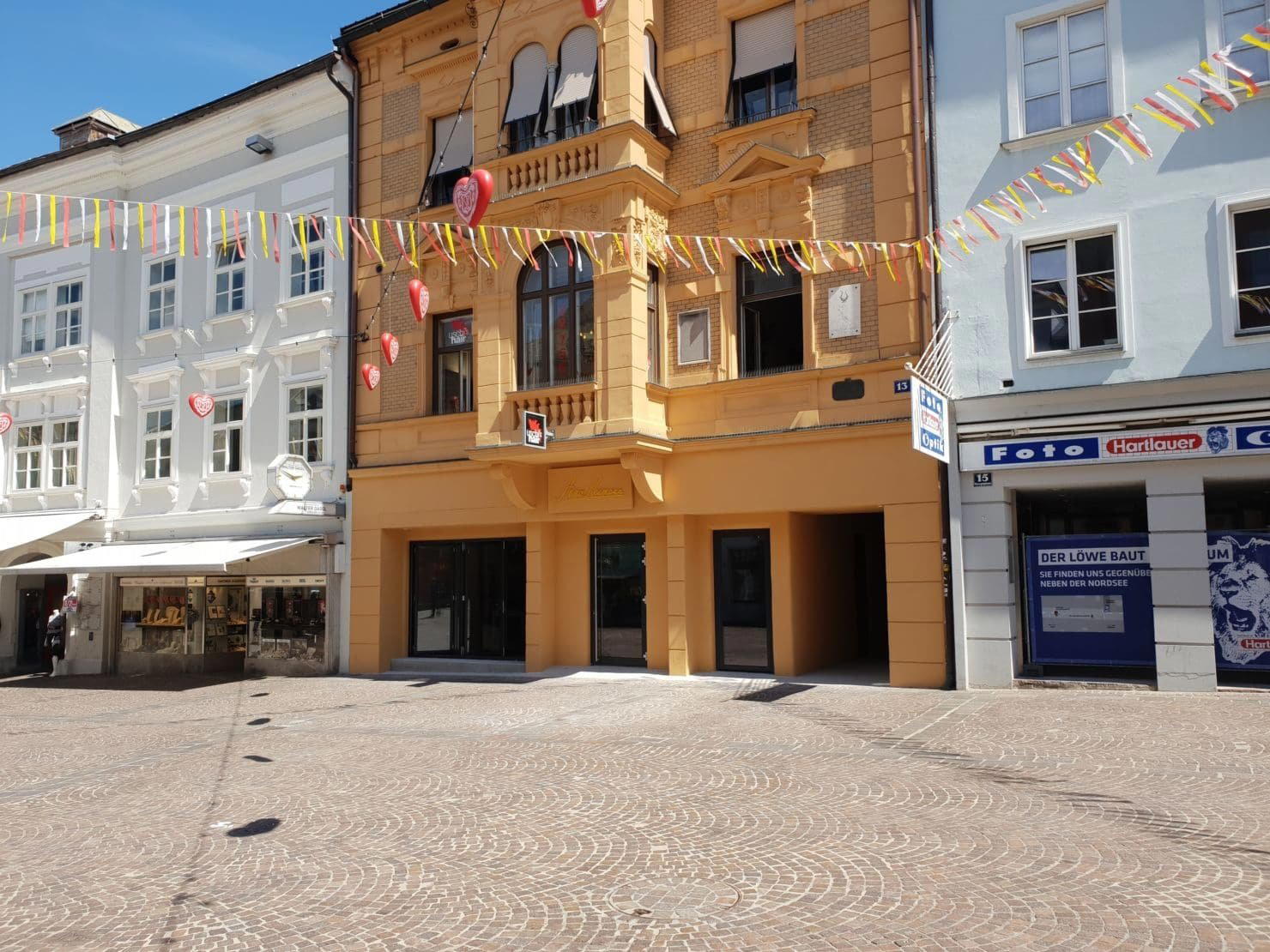
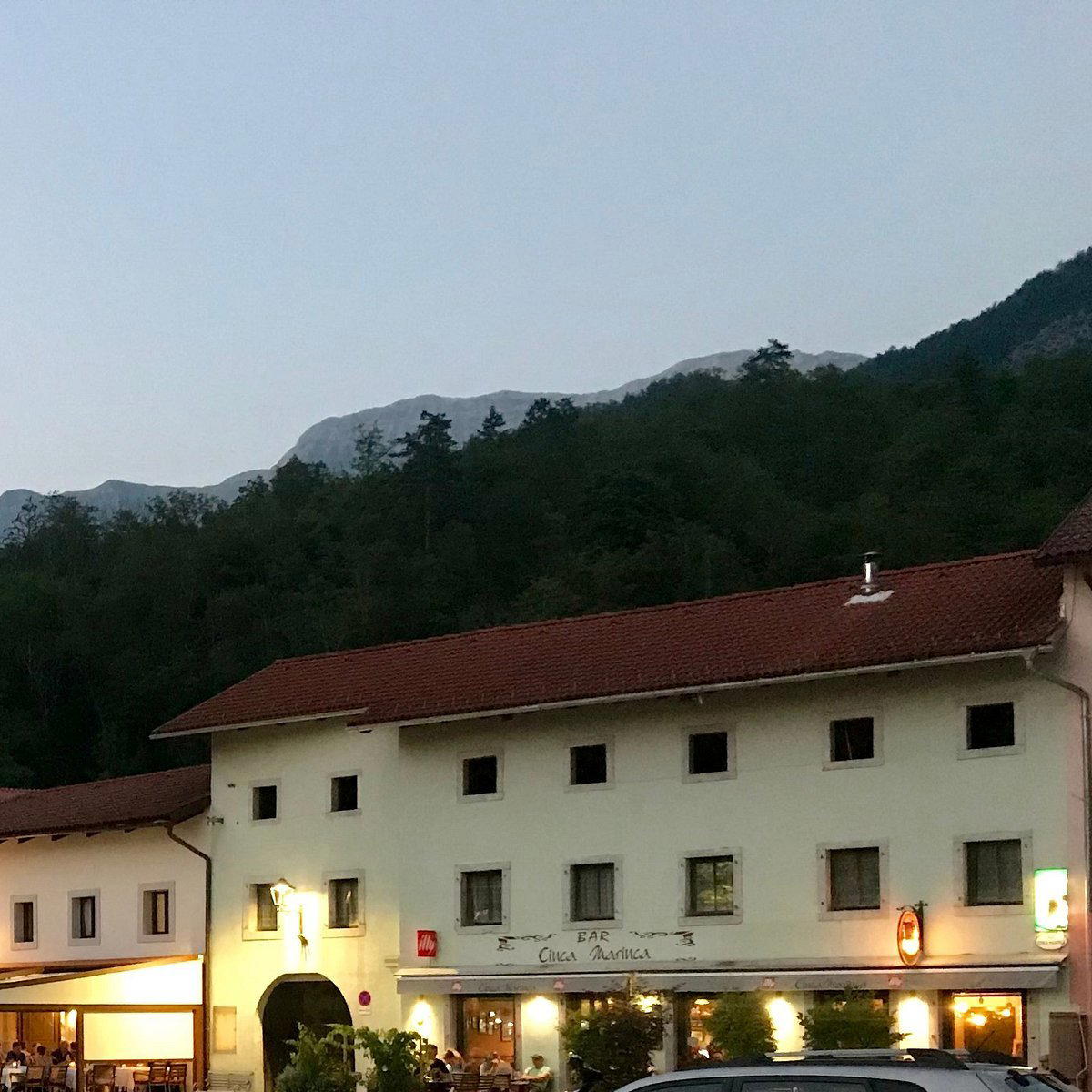
The address itself, Via Romana 33, places the restaurant on one of Tarvisio's main arteries, close enough to the town centre to be accessible but in a built environment that reads as Austrian-inflected rather than conventionally Italian. That ambience is not incidental. The whole upper Friuli corridor, from Udine north through Tarvisio and toward the Tarvisio forest basin, carries architectural and culinary DNA from the Habsburg period. Restaurants here have historically occupied a different reference world from their counterparts in Bologna or Rome, drawing on smoking, curing, and pickling techniques that reflect Central European winters rather than Mediterranean abundance. Hladik operates within that regional grammar.
A Larder Defined by Altitude and Proximity
The editorial angle that makes sense for a restaurant in this position is ingredient sourcing, and Tarvisio makes that angle unusually productive. The Tarvisio forest, one of the largest managed forests in the Alps, sits immediately above the town. Game from that forest, particularly venison and wild boar, has been a staple of local cooking since well before contemporary farm-to-table framing made sourcing a marketing category. The same forest produces chanterelles, porcini, and other fungi in quantities and quality that chefs in cities to the south have to work hard to access. At this altitude and latitude, seasonality is pronounced in a way that forces menu discipline: what is available in August is categorically different from what is available in December.
That seasonal compression is worth understanding as a visitor. Restaurants in this corner of Friuli-Venezia Giulia are not operating with the year-round produce logistics of a major city kitchen. They are working closer to what is actually growing, running, or preserved nearby, and the menu at any given moment reflects that reality. This is a feature, not a limitation. The same dynamic shapes how ambitious mountain restaurants across the Alpine arc, from Atelier Moessmer Norbert Niederkofler in Brunico to high-altitude addresses in Austria and Switzerland, have built their identities around hyper-local sourcing rather than competing with lowland kitchens on their own terms.
Cross-border proximity adds another layer. Slovenia's Soča Valley is within short reach, and the Slovenian tradition of freshwater fish preparation, particularly trout and grayling, bleeds across the border in ways that are reflected in local cooking. Austrian cured meat and bread traditions are similarly present. Hladik's name itself, a Slavic surname common across the Friuli-Slovenia border zone, signals that the restaurant belongs to this multilingual, multi-tradition context rather than presenting a single national cuisine.
How Hladik Fits the Regional Picture
Italy's most decorated restaurants, from Osteria Francescana in Modena and Le Calandre in Rubano to Dal Pescatore in Runate and Enoteca Pinchiorri in Florence, operate within dense urban or peri-urban networks where supplier relationships, wine cellars, and kitchen talent are easier to assemble. The calculus is different in a mountain border town with a small permanent population and strong seasonal visitor patterns around skiing in winter and hiking in summer. Restaurants that survive and build reputations in that context do so by anchoring to what the territory provides rather than importing a metropolitan dining model.
That is a different competitive set from Enrico Bartolini in Milan or La Pergola in Rome, and it should be assessed on different terms. The peer group is better understood as regionally rooted mountain restaurants across the Alpine arc, places where sourcing fidelity and understanding of local tradition matter more than technical avant-garde ambition. Within that frame, addresses like Villa Crespi in Orta San Giulio or Da Vittorio in Brusaporto represent the northern Italian end of that spectrum at higher price points, while Hladik represents the tradition at a more local, less institutionally celebrated level.
For context on how sourcing-first cooking plays out at the highest level in Italy, Uliassi in Senigallia, Piazza Duomo in Alba, and Reale in Castel di Sangro each demonstrate how deep territory-specific sourcing translates into sustained critical recognition. The common thread is that the kitchen's authority derives from its understanding of a specific place's produce rather than from abstract technique applied to imported ingredients.
Planning a Visit
Tarvisio is reachable by rail from Udine, roughly 60 kilometres to the south, with the journey taking under 90 minutes. By car from Venice, the drive north through Udine covers approximately 200 kilometres. The town functions as a ski resort in winter and a hiking base in summer, so accommodation and restaurant availability follow those seasonal rhythms: busier in December through March and again in July and August, quieter in the shoulder months of April, May, October, and November. Visitors planning to eat at Hladik should verify current hours and availability before arrival, as contact information is not publicly listed in standard directories. The restaurant's address, Via Romana 33, is in the town centre and accessible on foot from most accommodation in Tarvisio. For a broader picture of where Hladik sits among Tarvisio's dining options, see our full Tarvisio restaurants guide.
Those building a broader northern Italian dining itinerary from this base can reach Casa Perbellini 12 Apostoli in Verona and Quattro Passi in Marina del Cantone as part of a southward route. For those travelling internationally and comparing notes on sourcing-led restaurant programs at the global level, Le Bernardin in New York City and Atomix in New York City represent how the same ingredient-first discipline applies in very different urban contexts, while Gambero Rosso in Marina di Gioiosa Ionica shows the southern Italian end of the territory-anchored cooking tradition.
Frequently asked questions
Is Hladik suitable for children?
Tarvisio is a family-oriented Alpine town, and restaurants along Via Romana generally accommodate younger diners without issue. Nothing in Hladik's profile suggests a formal or adults-only format, though it is worth contacting the venue directly to confirm seating arrangements for groups with children.
What's the vibe at Hladik?
Hladik sits on Via Romana in Tarvisio, a town shaped by three converging national borders, which tends to give local restaurants a quietly cross-cultural character rather than a single-note regional identity. The setting is Alpine rather than urban, so expect a grounded, unhurried pace.
Why do diners travel specifically to Tarvisio for a meal at Hladik?
Tarvisio is one of the few towns in Italy where Austrian, Slovenian, and Italian culinary influences converge in a single address, and Hladik's location on Via Romana places it at the centre of that geographic intersection. For travellers arriving by rail from Udine, roughly 90 minutes to the south, the town offers a concentrated Alpine food culture that is difficult to replicate elsewhere in Friuli Venezia Giulia. That cross-border context gives a restaurant like Hladik a regional specificity that goes well beyond standard northern Italian fare.
What do people recommend at Hladik?
Tarvisio's position at the junction of Italian, Austrian, and Slovenian territory means the regional larder draws from all three culinary traditions, with Alpine ingredients, cured meats, mountain cheeses, freshwater fish, and foraged produce, recurring across restaurants of this type.
Comparable Venues
Comparable venues nearby, for context on price, style, and recognition.
| Venue | Cuisine | Price | Notes |
|---|---|---|---|
| HladikThis venue (the venue you are viewing) | Friulian Alpine Trattoria | $30–50 | Not listed |
| Ristorante da Cherubino | Traditional Venetian Trattoria | $30–50 | San Marco |
| Gastaldia D'Antro | Seasonal Friulian Trattoria | $30–50 | Pulfero |
| Al Postiglione | Traditional Italian Trattoria | Not listed | Corno di Rosazzo |
| Caffetteria Torinese | Italian Caffetteria & Wine Bar | $10–20 | Piazza Grande |
| Mulino Ferrant Di Fant Paolo | Traditional Friulian Osteria | $20–30 | Cassacco |
Continue exploring
More in Tarvisio
Restaurants in Tarvisio
All restaurants in Tarvisio →

Bars in Tarvisio
Browse all →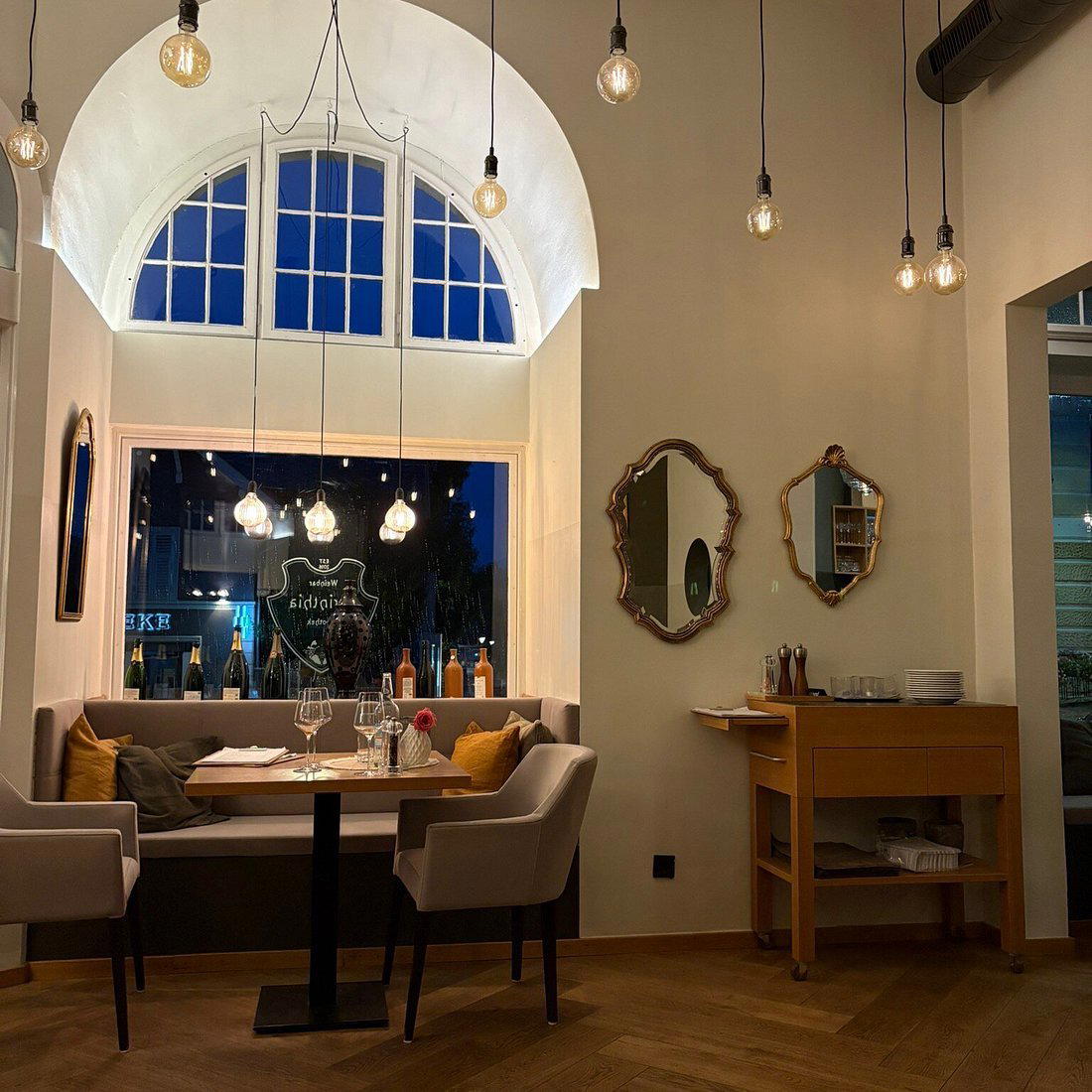

Details
- Cozy
- Rustic
- Intimate
- Date Night
- Casual Hangout
- Special Occasion
- Historic Building
- Standalone
- Extensive Wine List
- Sommelier Led
- Local Sourcing
- Farm To Table
- A La Carte
- Set Menu
- Local Wines
- Craft Beers
- Vegetarian Friendly
Current opening hours
- Monday
- 10 AM–3 PM, 6–10 PM
- Tuesday
- Closed
- Wednesday
- Closed
- Thursday
- 10 AM–3 PM, 6–10 PM
- Friday
- 10 AM–3 PM, 6–10 PM
- Saturday
- 10 AM–3 PM, 6–10 PM
- Sunday
- 10 AM–3 PM, 6–10 PM
Hours can change for holidays and private events. Hours as of .
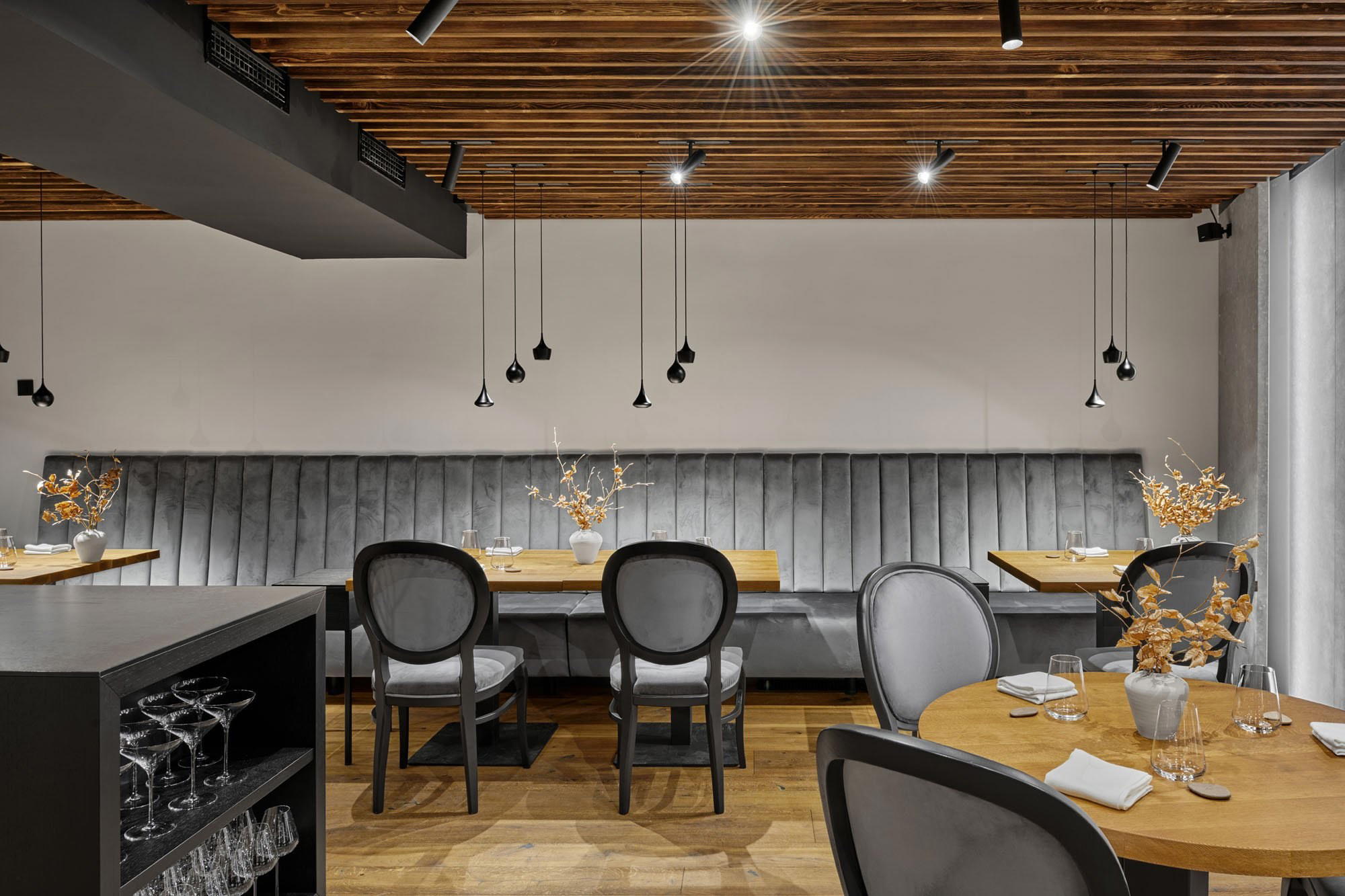
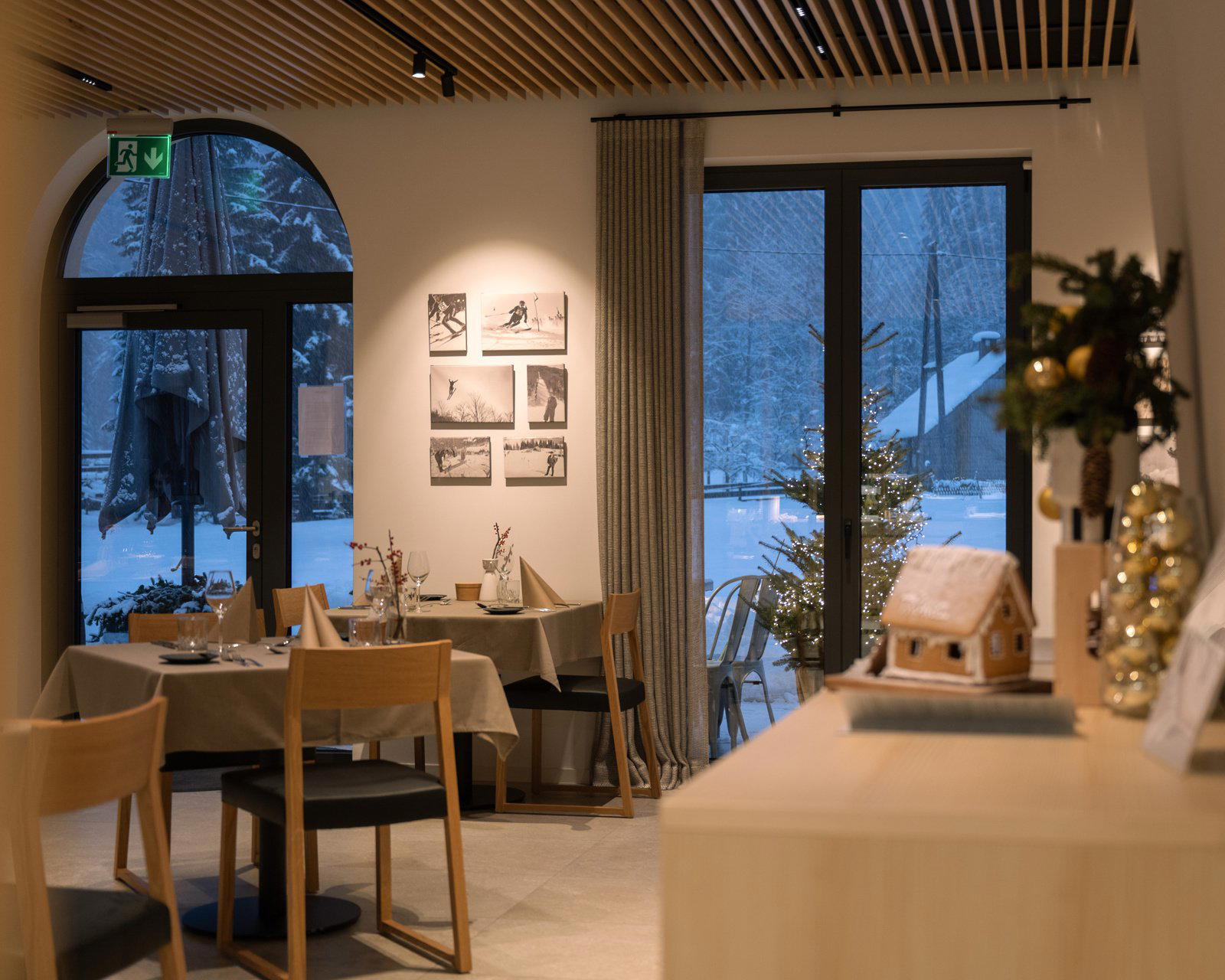
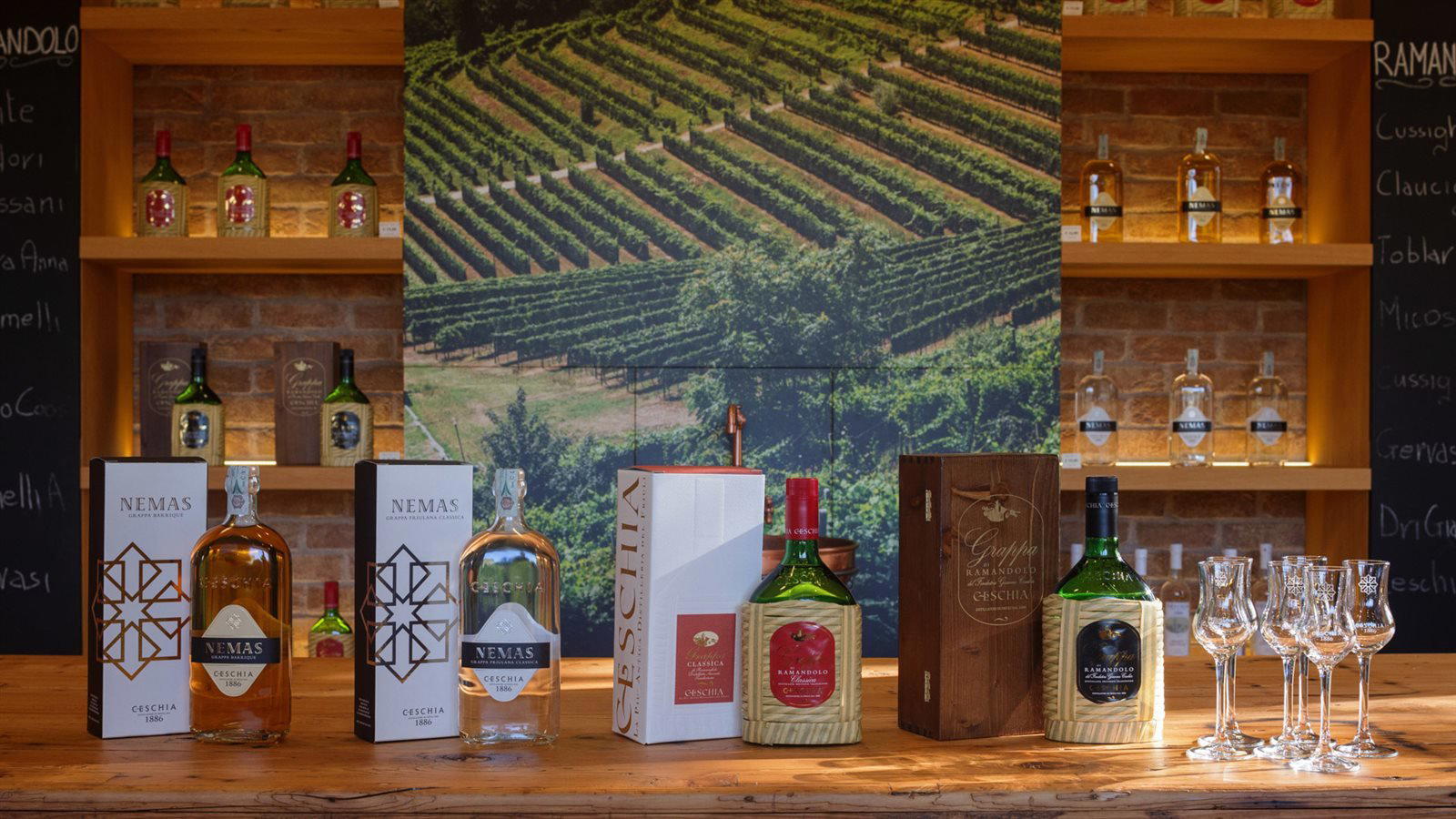
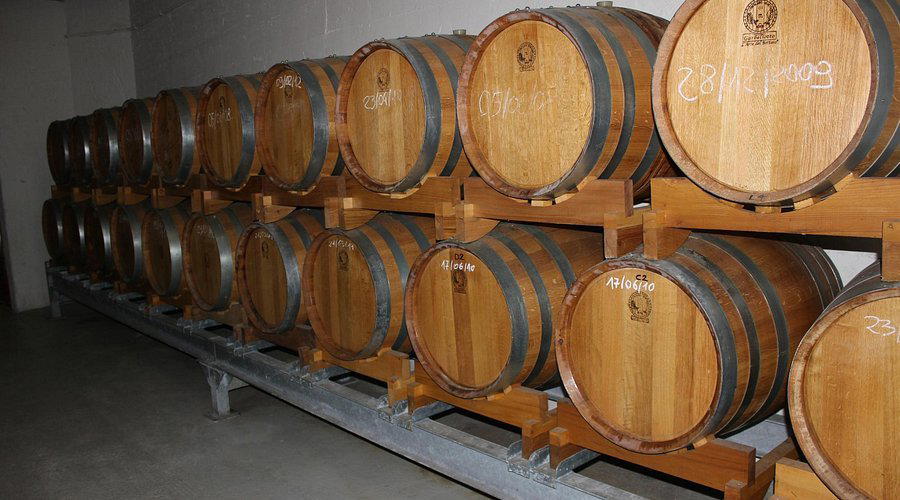
Warm and rustic with vaulted ceilings, wooden furnishings, and wooden floors creating a cozy, intimate atmosphere in a historic building just off the main street.