
Hiša Polonka brings Slovenian cooking rooted in the Soča Valley's agricultural traditions to Kobarid, where Chef Marco Zampese draws from the hyper-local larder that makes this corner of Slovenia worth visiting in its own right. Ranked among Europe's notable casual dining addresses by Opinionated About Dining in 2025, it earns a 4.5 from over 1,500 Google reviewers, a signal of consistent execution rather than occasional brilliance.
 Discover on Pearl
Pearl is the En Primeur Club membership app — saves, bookings, and concierge access live there. Same editors, same standards.
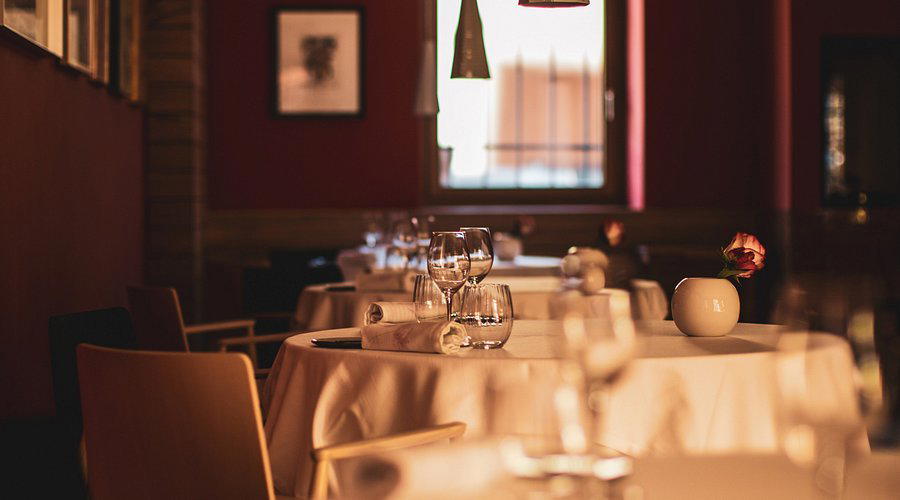
A Kobarid Table Shaped by the Soča Valley's Larder
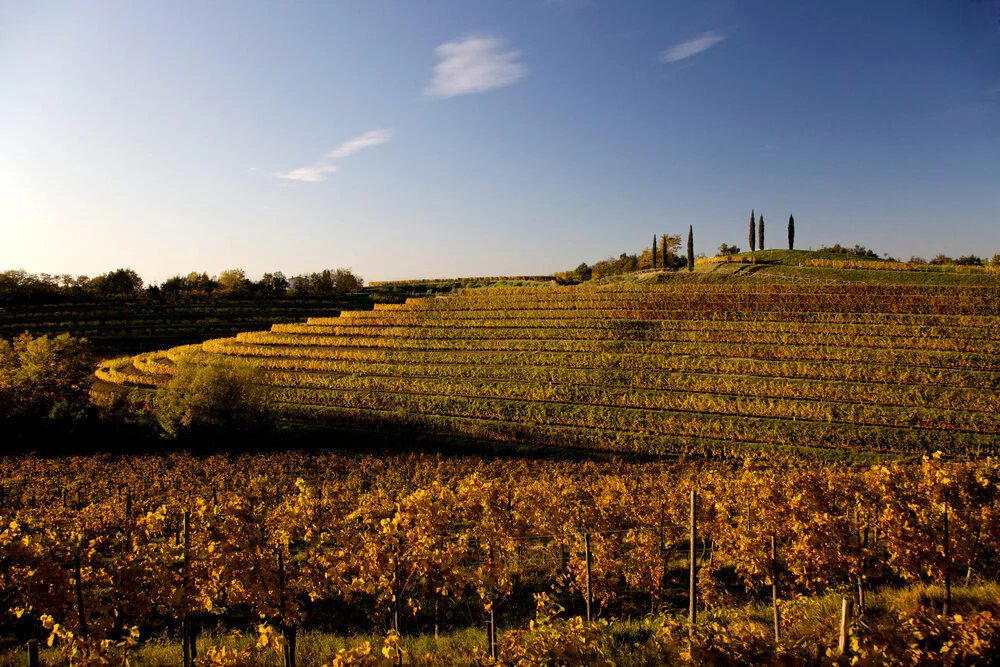
Kobarid sits at the confluence of mountains and river valley in Slovenia's Primorska region, where the Soča's glacial blue cuts through limestone gorges and the surrounding hills carry farms, beehives, and orchards that have supplied local tables for generations. The town is small, fewer than 1,500 residents, and the dining culture here operates on a scale that reflects that: intimate rooms, sourcing relationships measured in kilometres rather than supply chains, and menus that shift with what the valley produces rather than what a central purchasing office approves. Hiša Polonka sits inside that tradition, serving traditional Slovenian cooking in Kobarid, Slovenia, at a casual price point.
That framing matters because it explains what kind of restaurant this is. In Slovenia's emerging fine-casual tier, the category that sits between gostilna tradition and the tasting-menu ambition of addresses like Hiša Franko, which holds three Michelin stars and operates in the same town, Hiša Polonka occupies a register closer to the everyday without being unremarkable. The Opinionated About Dining 2025 ranking at number 875 in the European casual category places it among restaurants where the cooking is considered and consistent, but where the experience doesn't carry the ceremony of a formal tasting counter. That's a distinct position, and one that serves a real purpose in a destination like Kobarid, where not every meal needs to be an occasion.
Where the Food Comes From, and Why That Shapes the Plate
The ingredient story in this part of Slovenia is unusually direct. The Soča Valley and its surrounding highland plateaus produce trout from cold, fast-moving water, cheeses from small Alpine dairies, cured meats from farms in the Karst and Brkini hills, and seasonal produce that moves quickly from field to kitchen. This is not local sourcing as branding exercise, it's local sourcing as practical geography. The region's isolation, which made it militarily significant in World War One and culturally distinctive for centuries, also shaped a food culture that learned to work with what was available rather than import from distance.
Chef Marco Zampese works within that framework. His name signals Italian heritage, the Soča Valley's cultural boundary with the Friuli-Venezia Giulia region of Italy has always been porous, and the cooking here reflects that layered identity. Slovenian traditions of fermentation, dairy use, and game preparation sit alongside the influence of Italian technique and seasoning logic, producing a cuisine that belongs entirely to this borderland rather than to either national tradition cleanly. At Hiša Polonka, that means the plate reads as Slovenian in its sourcing and seasonal orientation while carrying structural elements that reflect the cross-border culinary exchange that has defined this valley for generations.
Across Slovenia's most-discussed restaurants, Gostilna Pri Lojzetu in Vipava, Hiša Denk in Zgornja Kungota, Grič in Šentjošt nad Horjulom, the common thread is a rigorous attachment to regional sourcing that gives Slovenian cooking a coherence and specificity that distinguishes it from broader Central European cooking categories. Hiša Polonka belongs to that lineage without occupying the same formal register as its Michelin-listed peers.
Reading the Rating, What 4.5 from 1,570 Reviews Actually Tells You
A 4.5 rating across 1,570 Google reviews is a data point worth reading carefully. At that volume, the score is statistically significant, it can't be carried by a loyal regular base or inflated by a surge of opening-week enthusiasm. It reflects what a broad, cross-demographic audience experiences over time: reliable cooking, attentive service, and a sense of place that reads as genuine rather than constructed for tourist consumption. In a town that receives visitors primarily as a staging point for outdoor activity in the Triglav National Park foothills and as a stop on the Soča Trail, that kind of consistent rating across a large sample matters more than a single critic's endorsement.
The Opinionated About Dining recognition reinforces that reading. OAD rankings are compiled from submissions by frequent restaurant visitors and travelling diners rather than a single editorial team, which means placement in the European casual list reflects sustained reputation among an audience that eats widely and compares across contexts. Ranking 875th in Europe in 2025 is a position, not a trophy, but it's a position that places Hiša Polonka inside a considered category of restaurants worth planning a meal around rather than stumbling into.
Kobarid's Dining Scene in Context
The town's most-discussed restaurant remains Hiša Franko, where Ana Roš's cooking has placed Kobarid on the international fine dining map in a way that few Slovenian addresses outside Ljubljana have managed. But Hiša Franko and Hiša Polonka are not competing for the same table. They serve different purposes in a destination where visitors often spend several days, hiking, rafting, cycling the valley, and want a range of meal formats across a stay rather than every dinner at the same register.
That Kobarid can support both a three-star tasting counter and a well-reviewed casual Slovenian table reflects the town's growing status as a serious culinary destination rather than an accidental one. Those planning broader time in Slovenia's restaurant scene will find useful points of comparison at Hiša Linhart in Radovljica, Restavracija Strelec in Ljubljana, Milka in Kranjska Gora, and Dam in Nova Gorica. The model of regional sourcing applied at a casual register also appears at Pavus in Lasko, A3 in Brestanica, and City Terasa in Maribor.
Planning Your Visit
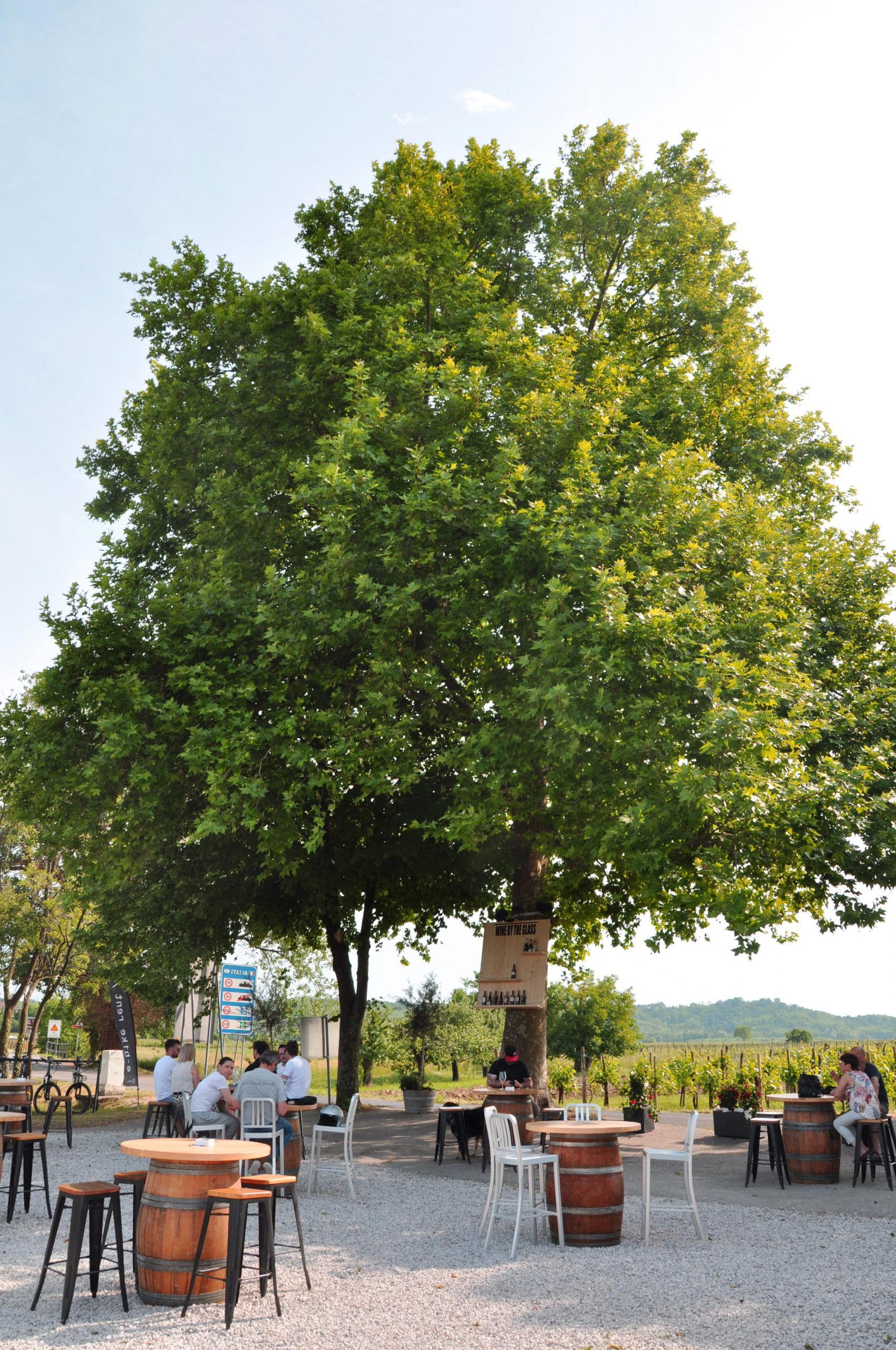
Kobarid is best accessed by car from Ljubljana (approximately two hours through the Vipava Valley or via Tolmin), or as a day extension from Nova Gorica or Trieste. The town's compact centre means Hiša Polonka is within walking distance of most local accommodation. Walk-ins are friendly, and advance booking is sensible in the summer hiking and cycling season (June through September).
Cost Snapshot
Comparable venues nearby, for context on price, style, and recognition.
| Venue | Cuisine | Price | Awards |
|---|---|---|---|
| Hiša PolonkaThis venue — the venue you are viewing | Slovenian | ||
| Dam | Mediterranean, Modern Cuisine | €€€ | Michelin 1 Star |
| Hiša Franko | Modern European, Creative | €€€€ | Michelin 3 Star |
| Milka | Creative | €€€€ | Michelin 2 Star |
| Gostilna Pri Lojzetu | Modern Cuisine | €€€€ | Michelin 1 Star |
| Hiša Linhart | Contemporary | €€€ | Michelin 1 Star |
At a Glance
- Cozy
- Rustic
- Intimate
- Casual Hangout
- Family
- Standalone
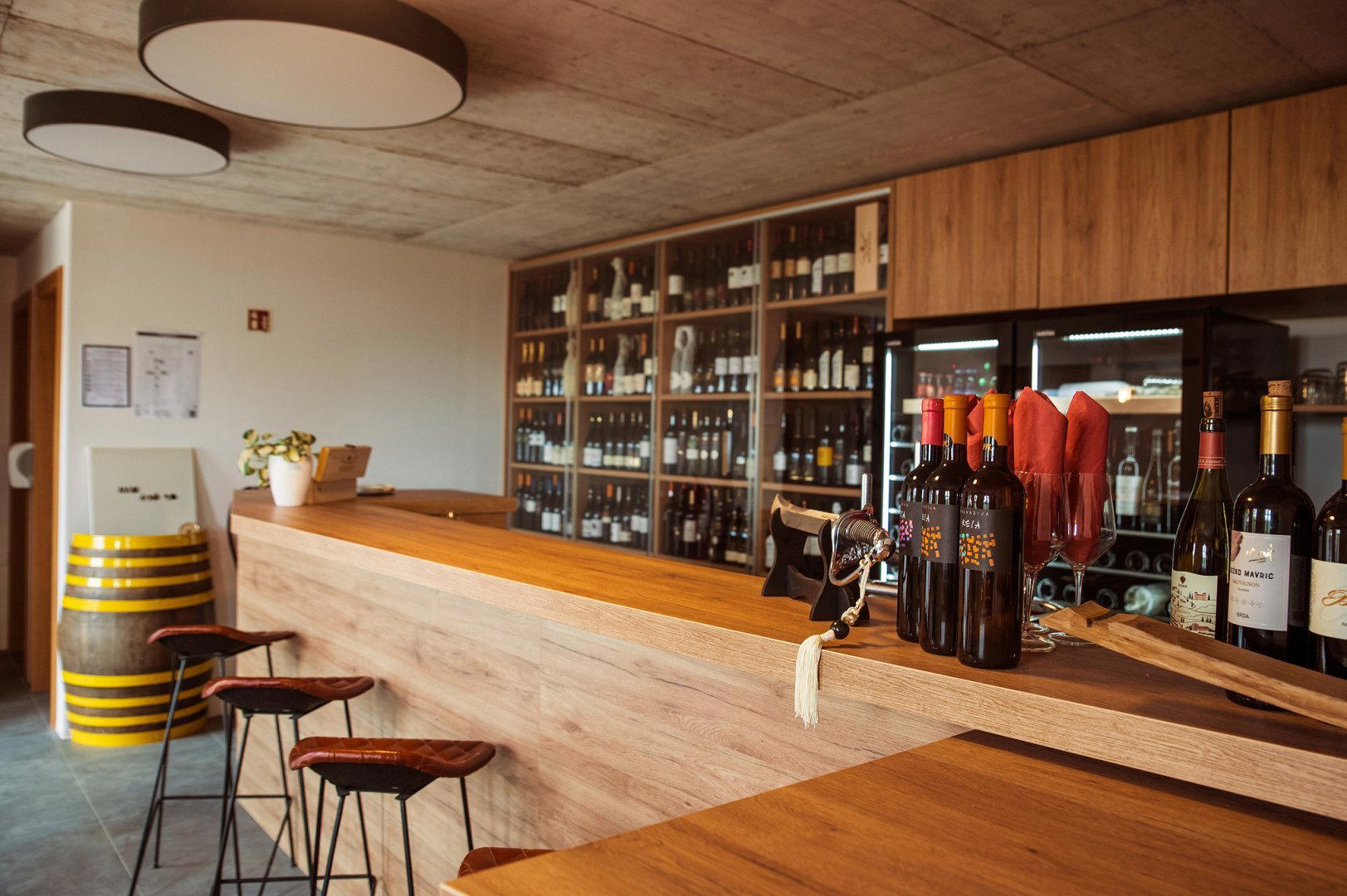
- Natural Wine
- Local Sourcing
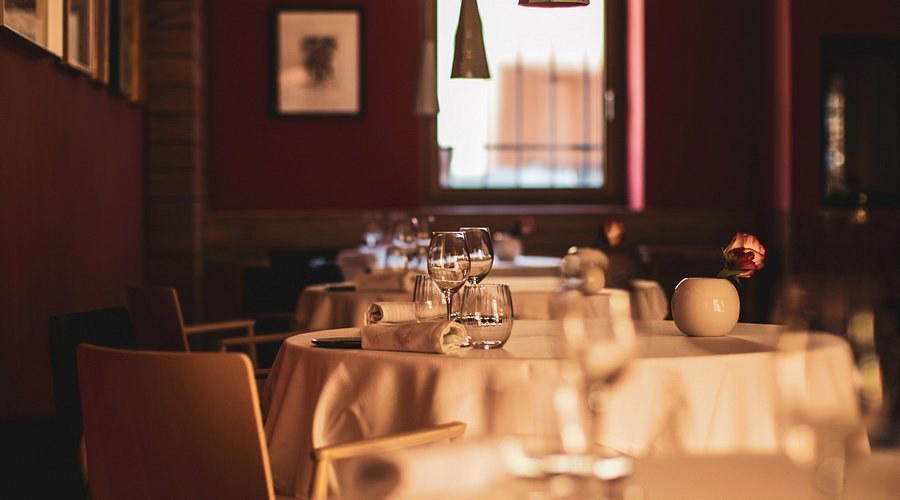
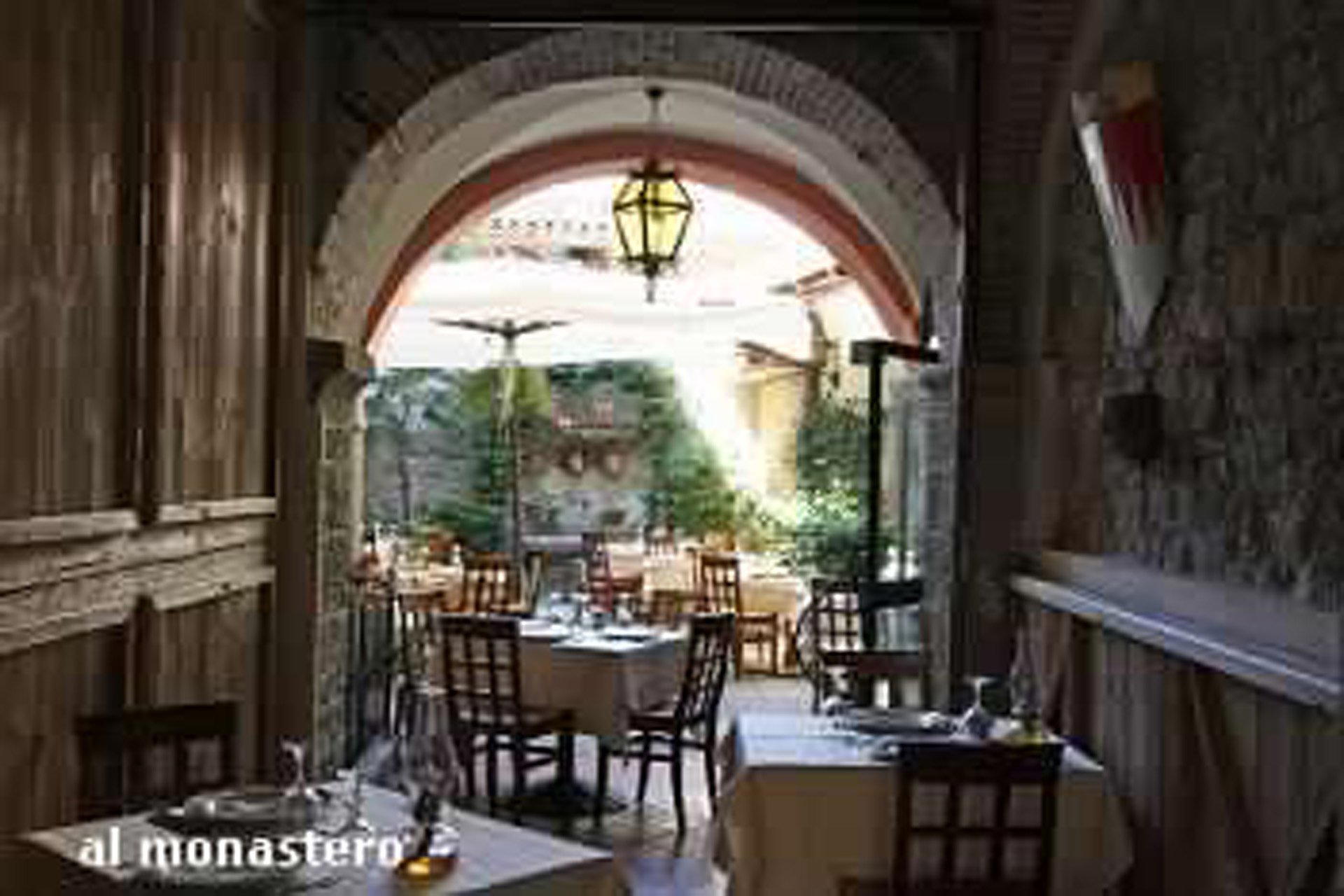
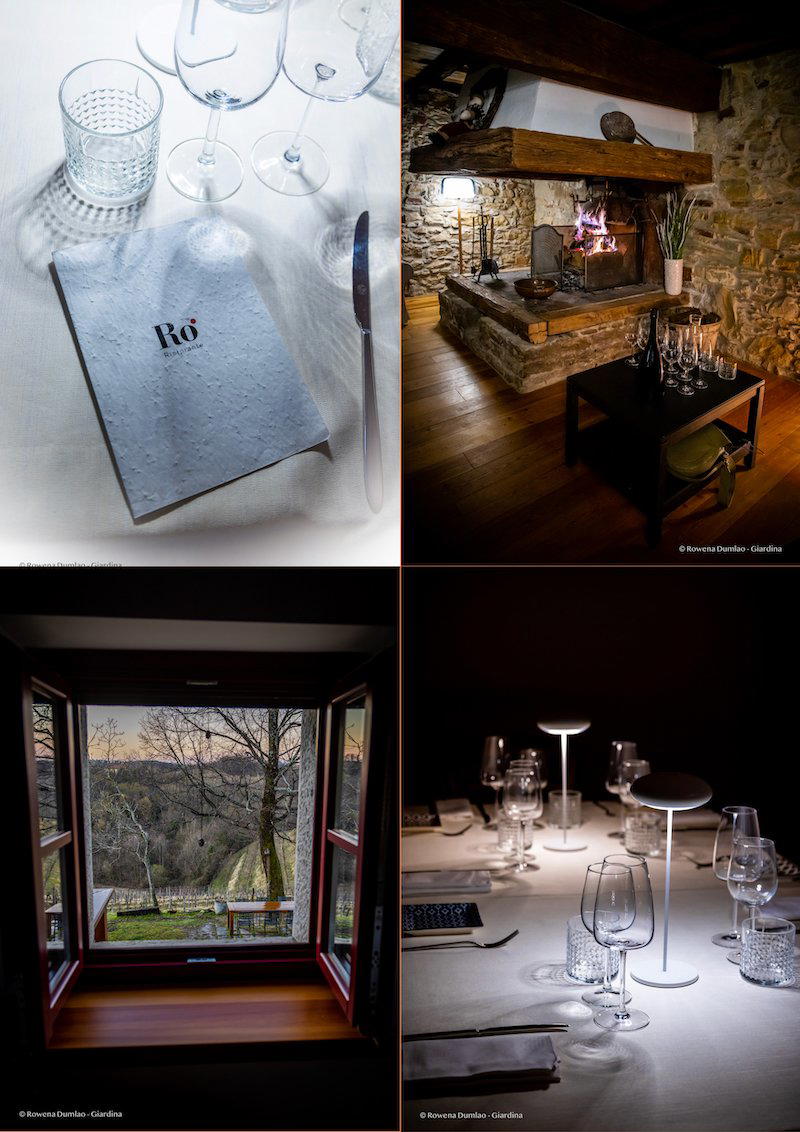
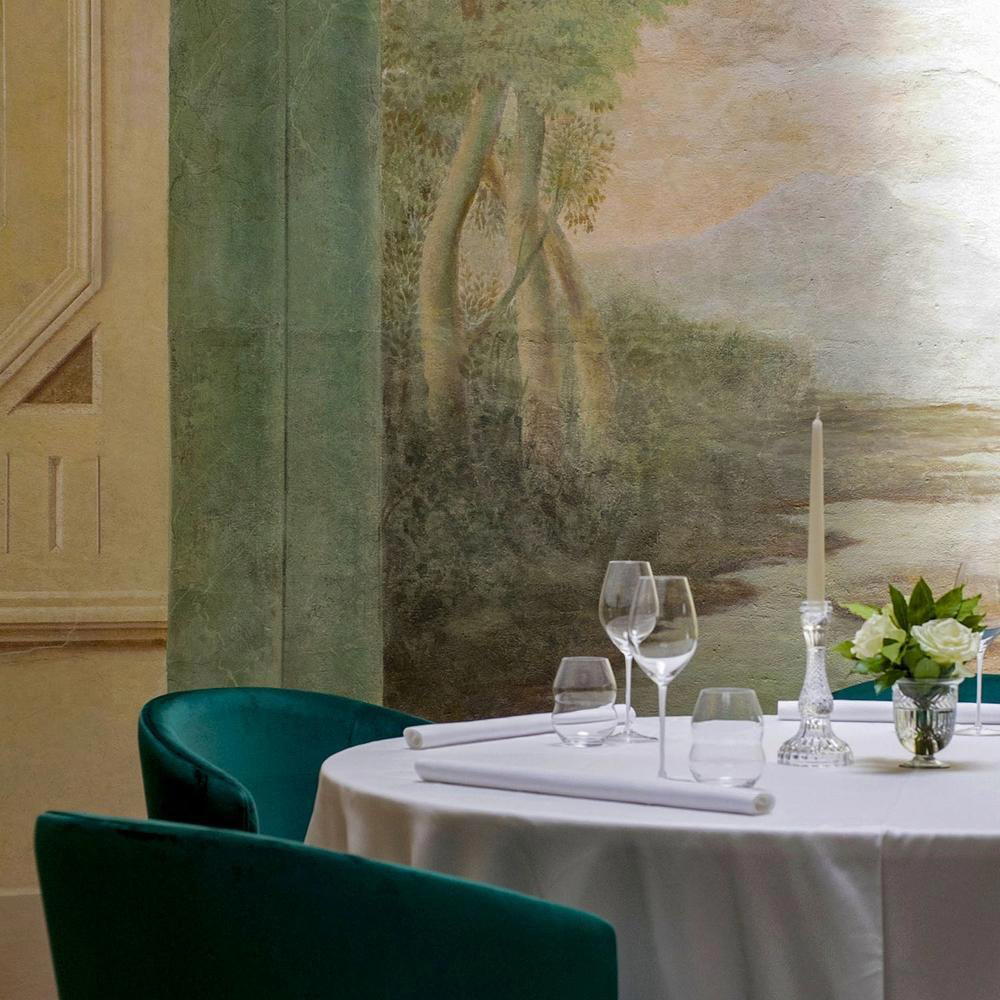
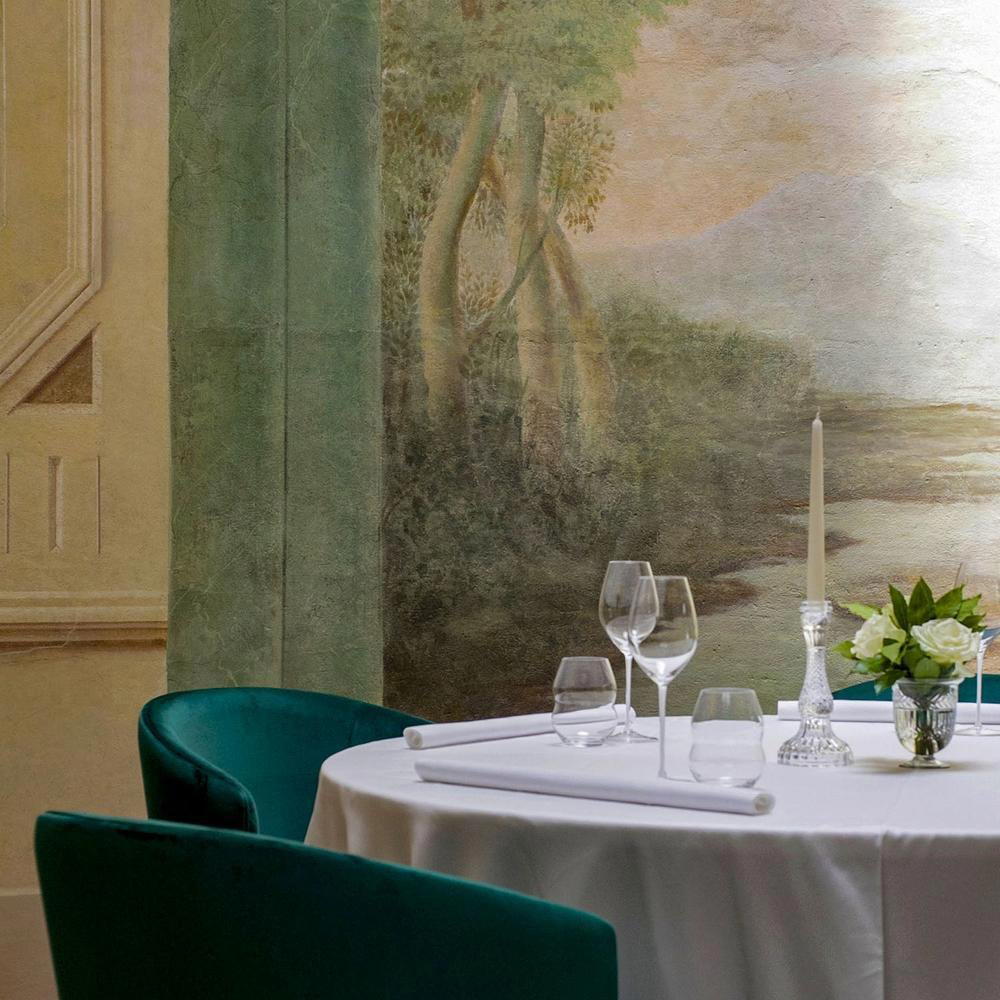
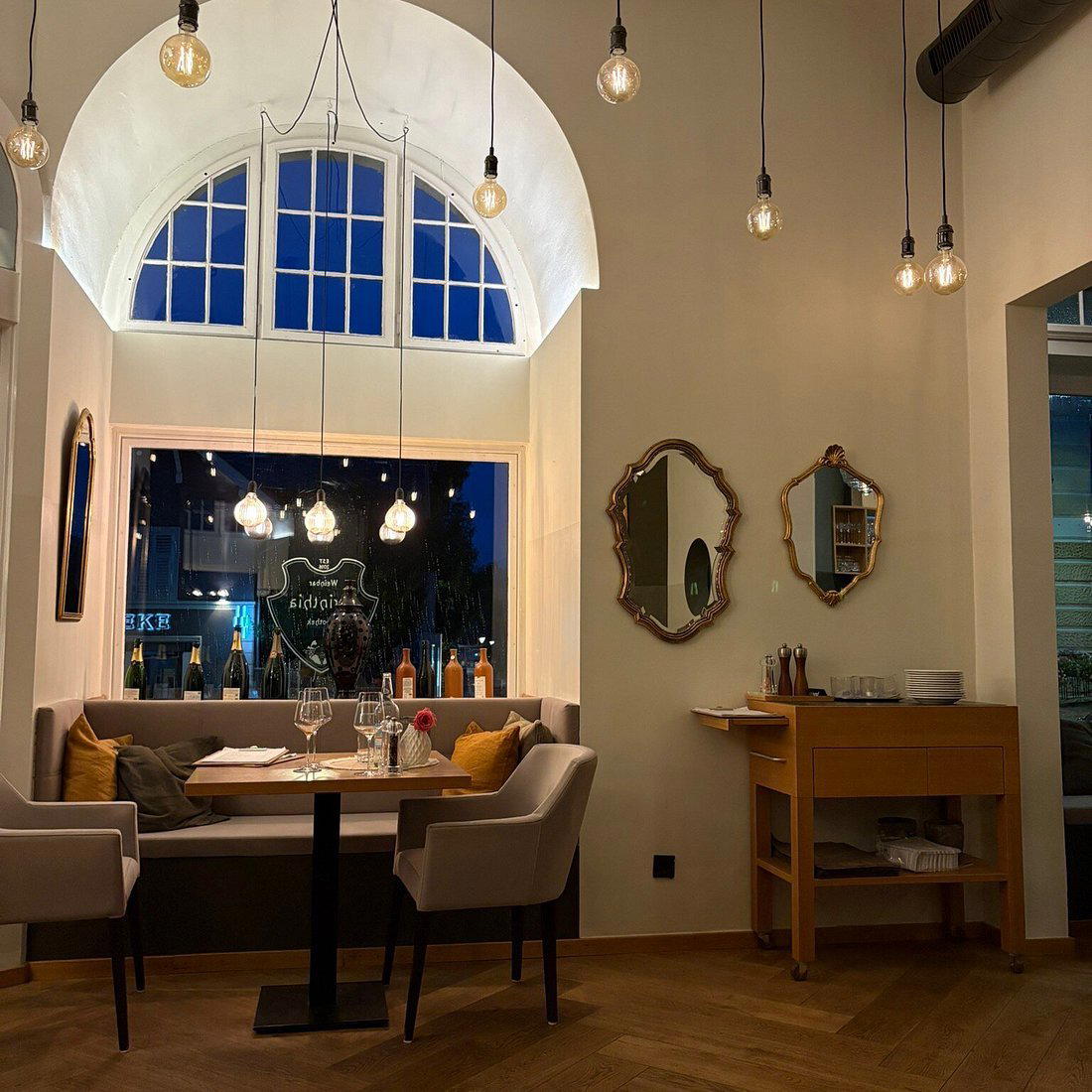
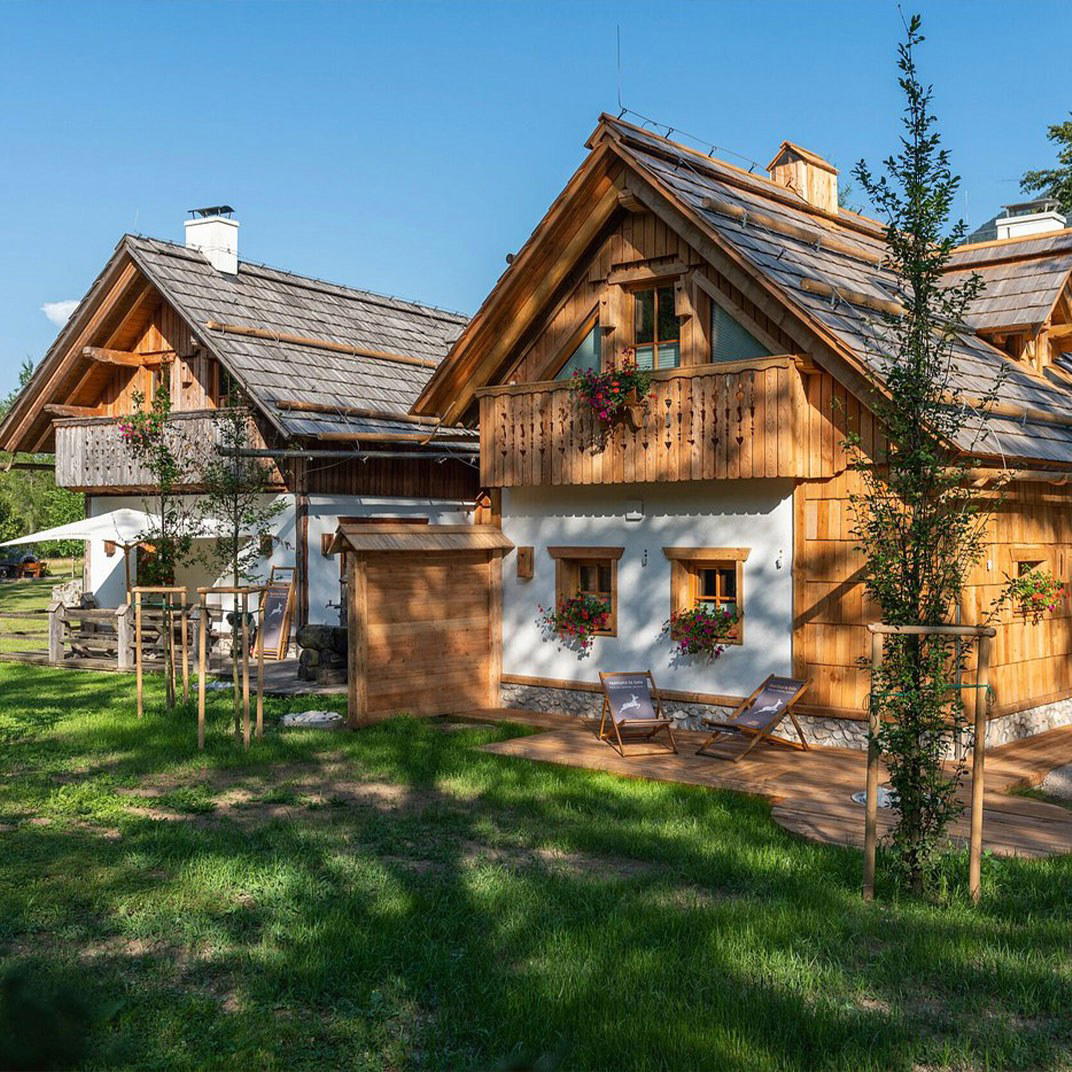
Cozy and warm with wood fire aroma, rustic home-like setting evoking a grandmother's house, tightly seated and sometimes lively.