Hirschen

Hirschen holds a Michelin Plate (2025) for farm-to-table cooking that draws directly from the Black Forest and Upper Rhine agricultural region surrounding Freiburg. The menu reads as a seasonal document rather than a fixed programme, with produce provenance shaping structure as much as technique. At the €€€ price point, it occupies a distinct position below the city's Michelin-starred tier without conceding ambition.
Pearl is the En Primeur Club membership app — saves, bookings, and concierge access live there. Same editors, same standards.
- Address
- Breisgauer Str. 47, 79110 Freiburg im Breisgau, Germany
- Phone
- +49 761 8977690
- Website
- hirschen-freiburg.de
- Directions
- Get directions
 Saves & bookings on Pearl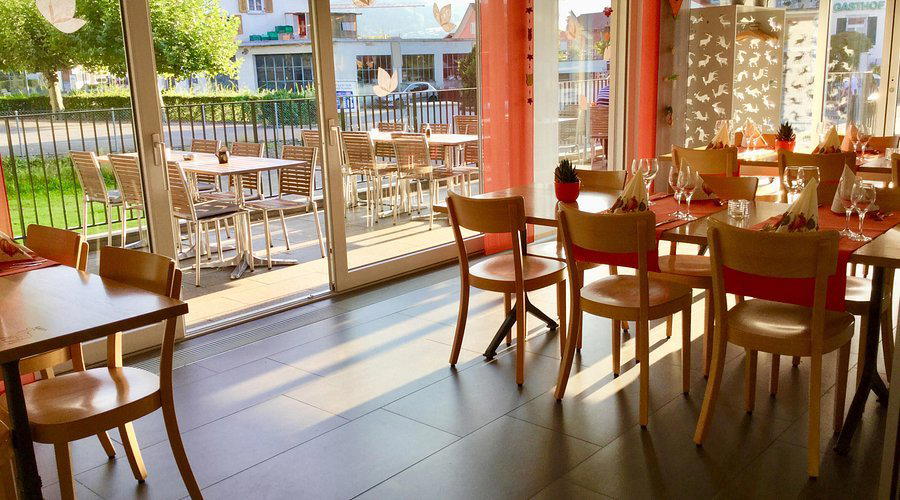
Where the Farming Region Meets the Plate
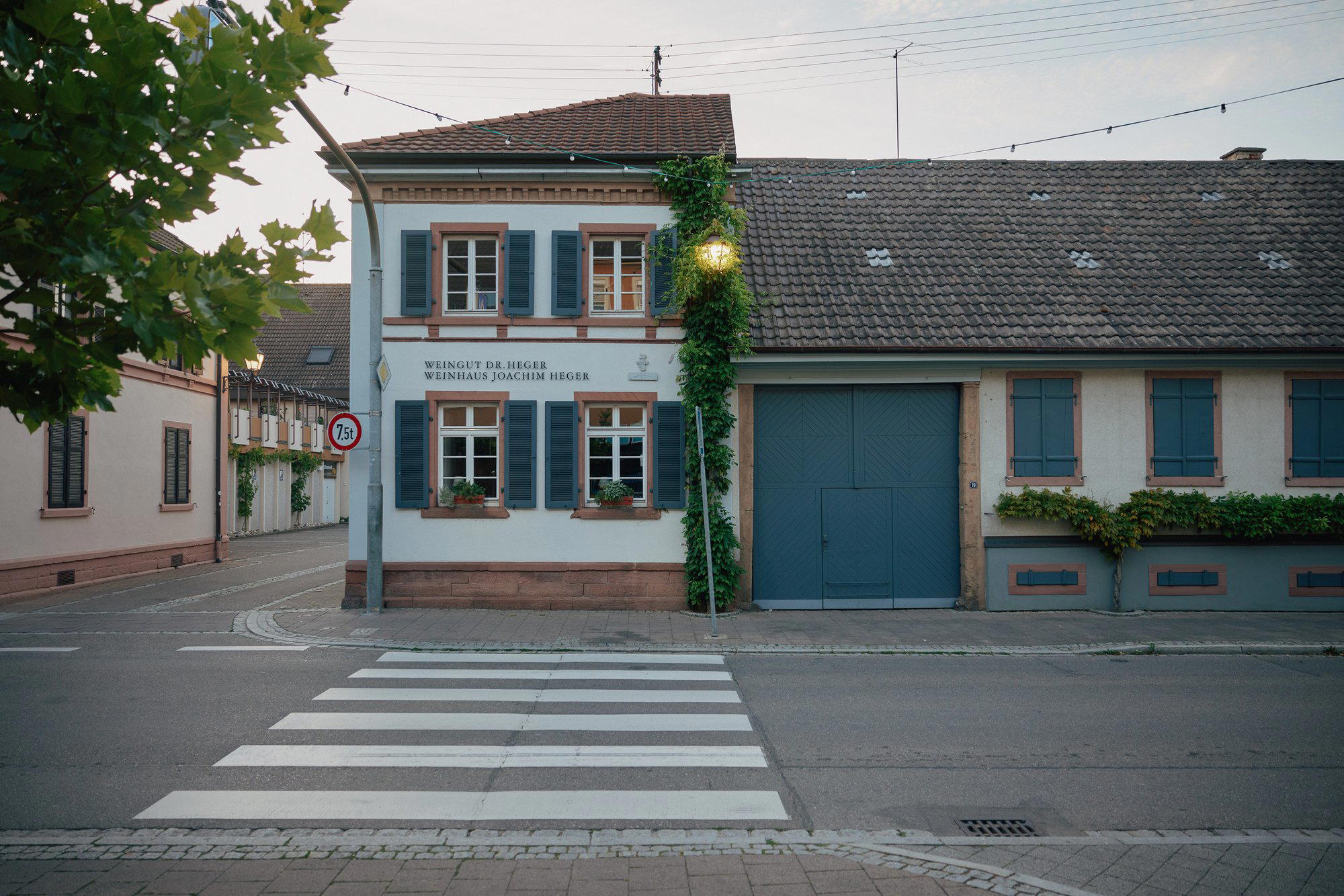
The address on Breisgauer Strasse places Hirschen outside Freiburg's historic Altstadt, in a quieter residential stretch where the urban fabric starts to open toward the agricultural flatlands of the Breisgau plain. That geography is not incidental. Farm-to-table cooking in this corner of Baden-Württemberg draws on one of Germany's most productive growing regions: the Rhine valley to the west, the Black Forest foothills to the east, and a microclimate that extends the growing season well beyond what most of central Germany can claim. Walking toward a restaurant in this setting already signals something about what the kitchen is likely to prioritise.
That distinction matters for understanding where Hirschen fits in the city's broader dining structure. For context, Freiburg's Michelin-starred tier, including Colombi Restaurant Zirbelstube (Classic French), Eichhalde (Italian), Jacobi (Innovative), and Hawara (Modern Cuisine), all price at €€€€. Hirschen operates at €€€, meaning it delivers Michelin-acknowledged quality at a price point that remains accessible for repeat visits, not just occasions.
How the Menu Is Built
Farm-to-table as a category covers a wide spectrum, from loose seasonal gestures at one end to rigorous supply-chain discipline at the other. The version practiced in the Breisgau region tends toward the latter, because the agricultural infrastructure is dense enough to sustain it. Local farms, market gardens, and forest foragers can supply a kitchen reliably across most of the year, which means the menu can be structured around what is actually available rather than what is aspirationally in season.
This approach has a direct effect on menu architecture. Rather than a static list of dishes that rotates on a quarterly schedule, a kitchen working closely with local producers tends to build menus that shift incrementally: a base of reliable regional ingredients framed by what arrived that week or that morning. The result is a menu that reads differently in early spring, when asparagus and ramps define the offer, than in late autumn, when game, root vegetables, and preserved summer produce shape the composition. For a diner making a return visit, that variability is a feature, not an inconsistency.
The €€€ pricing structure at Hirschen suggests a format that offers genuine cooking depth without the extended tasting-menu architecture that characterises the starred tier. Within the farm-to-table category, this kind of mid-tier positioning often reflects a kitchen that applies considered technique to seasonal ingredients without the ceremony or course multiplication that adds cost at higher-priced addresses.
The Farm-to-Table Tier in German Fine Dining
Germany's Michelin Plate tier has expanded significantly in recent years as the guide has moved to recognise serious cooking outside the starred brackets. Across the country, addresses like Aqua in Wolfsburg, JAN in Munich, Schwarzwaldstube in Baiersbronn, CODA Dessert Dining in Berlin, Vendôme in Bergisch Gladbach, and ES:SENZ in Grassau represent different points on the spectrum from regional bistro cooking to near-star-level precision. The farm-to-table subset within that tier carries a particular logic in Baden-Württemberg, where the proximity of agricultural land to urban restaurants makes provenance-led cooking more viable than in many German cities.
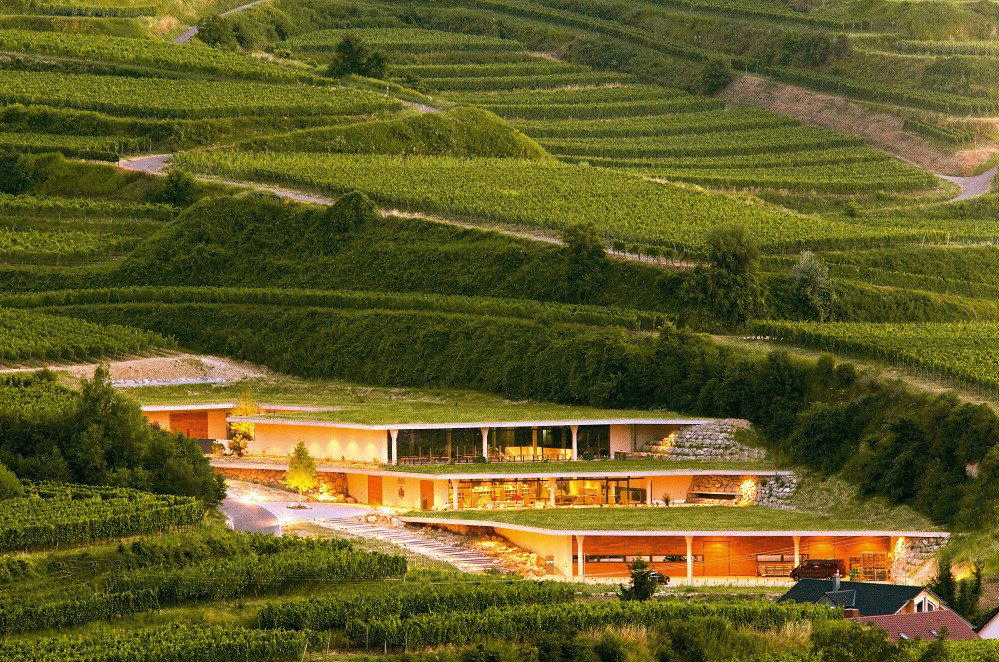
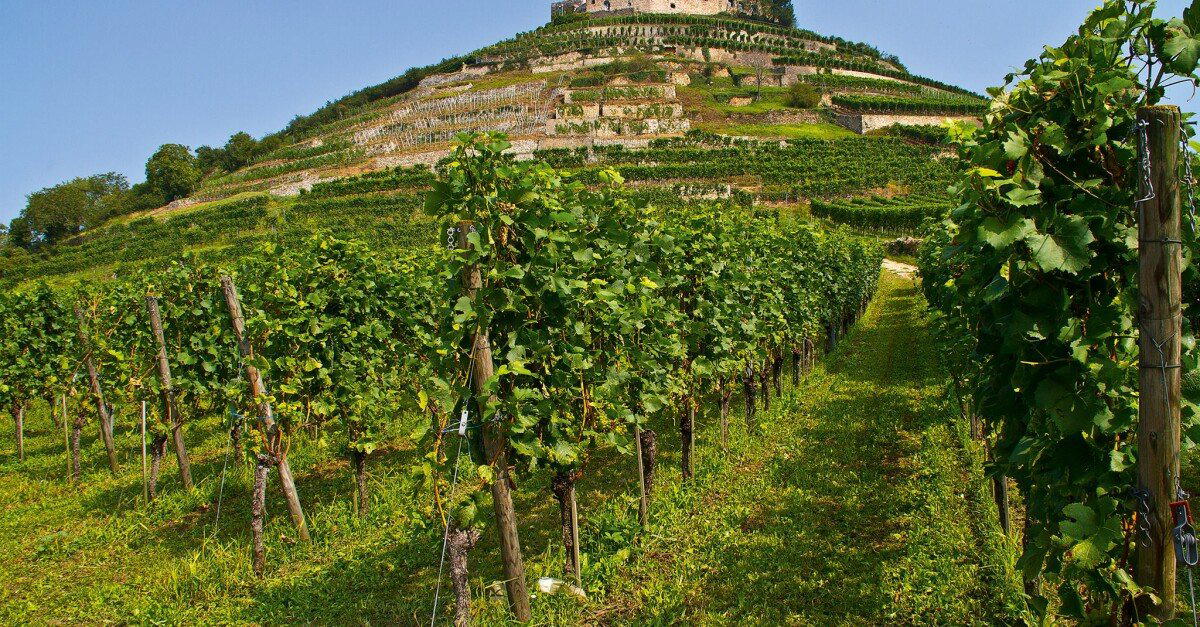
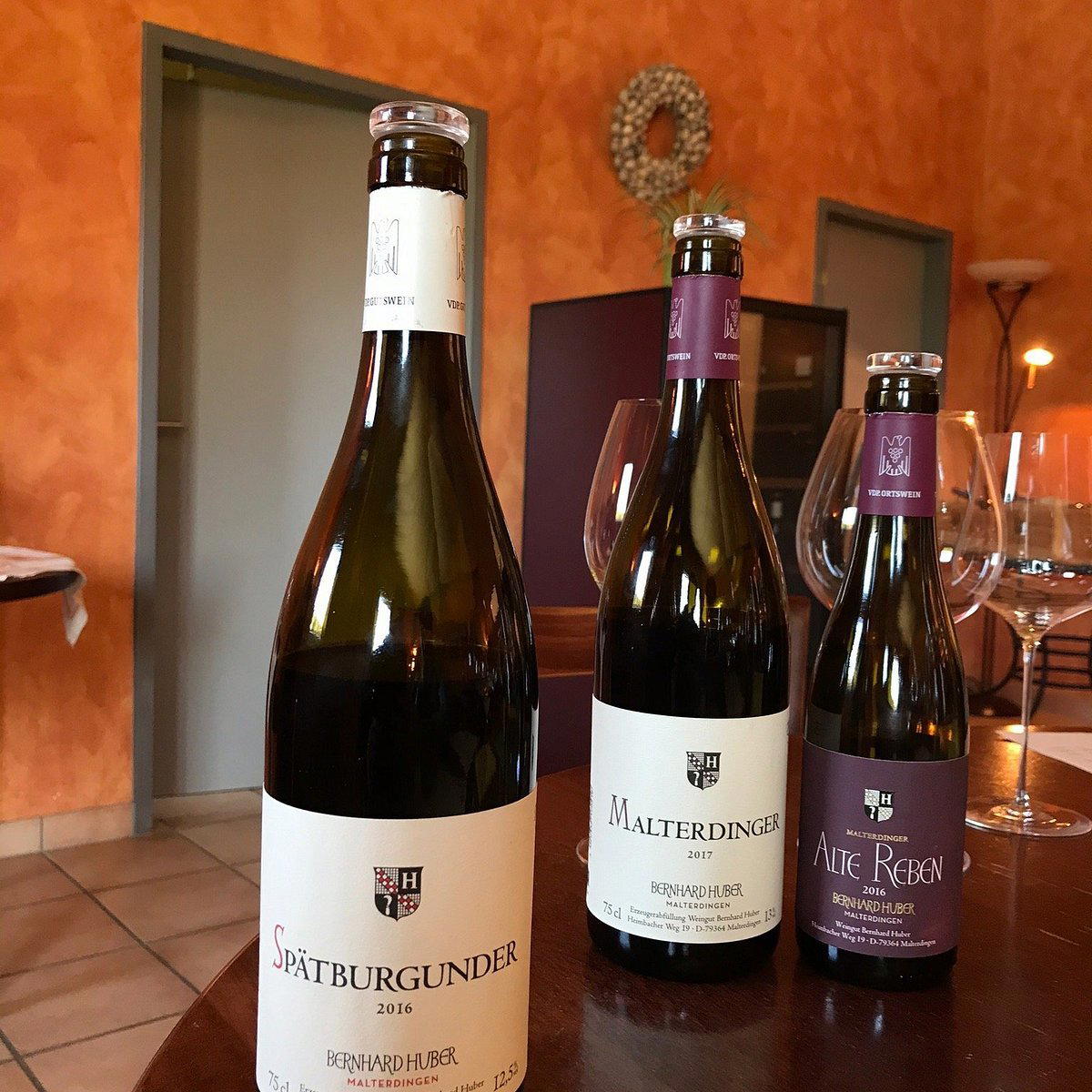
Compared to farm-to-table addresses in other European contexts, Au Gré du Vent in Seneffe or BOK Restaurant Brust oder Keule in Münster, for instance, the Freiburg version benefits from the Black Forest's foraging culture and the Kaiserstuhl wine region's viticulture, both of which feed into the table in ways that are harder to replicate further north or west. The Kaiserstuhl, one of Germany's warmest wine zones, produces Pinot Noir and Pinot Gris that pair naturally with the kind of produce-forward cooking Hirschen represents, and a knowledgeable wine list at this address would logically anchor itself there.
Seasonal Timing and When to Visit
The Breisgau's extended growing season makes late spring through early autumn the period when a farm-to-table kitchen here operates at its widest range. White asparagus from the Rhine valley arrives from mid-April and defines the early summer menu across much of southern Germany; Freiburg's restaurants treat the season seriously, and it typically runs until late June. Autumn brings game from the Black Forest and an abundance of mushroom varieties, both of which tend to anchor heavier, more structured dishes suited to the turn in temperature. A visit in either window captures the kitchen working with one concentrated seasonal output.
Winter is not dead in this region. Root vegetables, preserved summer produce, and cold-weather brassicas keep a skilled farm-to-table kitchen occupied, and the shorter days tend to push dining toward warmer, slower formats that suit the restaurant's setting outside the tourist-heavy Altstadt. For those planning around Freiburg's event calendar, the Christmas market period in December draws significant visitor numbers to the city centre; the Breisgauer Strasse address is removed enough from that footfall to remain a calmer booking through the festive weeks.
Planning Your Visit
Hirschen sits at Breisgauer Strasse 47, reachable by tram from the Altstadt, making it direct to reach without a car. At the €€€ tier, a dinner here is priced meaningfully below Freiburg's starred restaurants, which creates a case for it as either a standalone destination or a second evening option on a longer stay. Drexlers represents a comparable point in the local dining structure for those building a multi-night itinerary.
Peers in This Market
Comparable venues nearby, for context on price, style, and recognition.
| Venue | Cuisine | Price | Notes |
|---|---|---|---|
| HirschenThis venue — the venue you are viewing | Baden-German with French Influences | $$$ | Not listed |
| Drexlers | Modern German with French & Italian Influences | $$$ | Colombipark area |
| Kuro Mori | Asian-German Fusion Kaiseki Tapas | $$$ | Freiburg's old town |
| Zum Löwen | Traditional Baden German | $$ | Altstadt |
| Löwengrube | Modern Regional Mediterranean | $$$ | Old Town |
| Stadt Freiburg Hotel | Modern German | $$$ | Freiburg im Breisgau |
Recognition history
Dated appearances from independent guides and award organizations, with the underlying list record or original source where available.
Michelin Plate
Michelin · 2026 Michelin Plate
Michelin Plate
Michelin
Continue exploring
More in Freiburg im Breisgau
Restaurants in Freiburg im Breisgau
Browse all →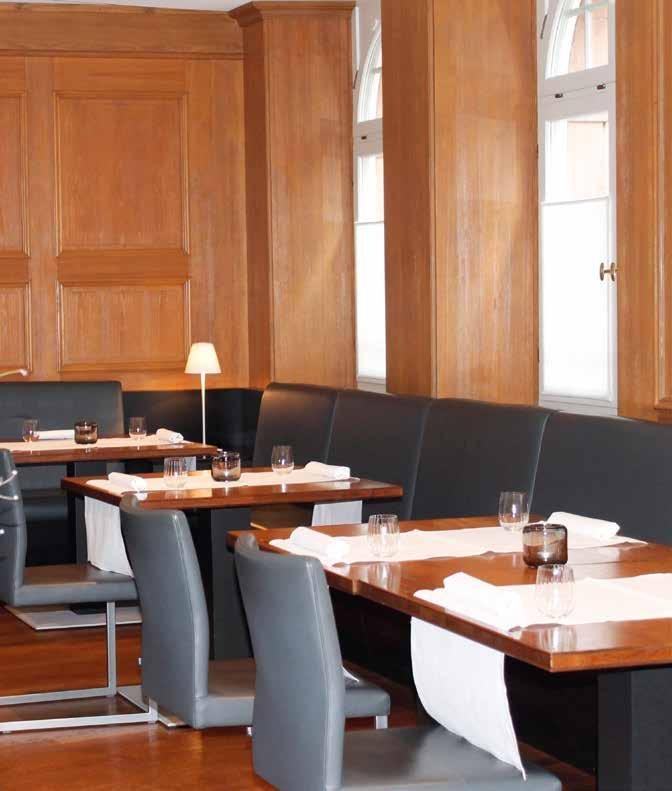
Bars in Freiburg im Breisgau
Browse all →


Hotels in Freiburg im Breisgau
Browse all →
At a Glance
- Cozy
- Rustic
- Classic
- Date Night
- Family
- Business Dinner
- Garden
- Historic Building
- Extensive Wine List
- Sommelier Led
- Local Sourcing
- Garden
Current opening hours
- Monday
- 12–4 PM, 6 PM–12 AM
- Tuesday
- 12–1:45 PM, 6–9:45 PM
- Wednesday
- Closed
- Thursday
- 6 PM–12 AM
- Friday
- 12–4 PM, 6 PM–12 AM
- Saturday
- 12–4 PM, 6 PM–12 AM
- Sunday
- 12–4 PM, 6 PM–12 AM
Hours can change for holidays and private events. Last verified .
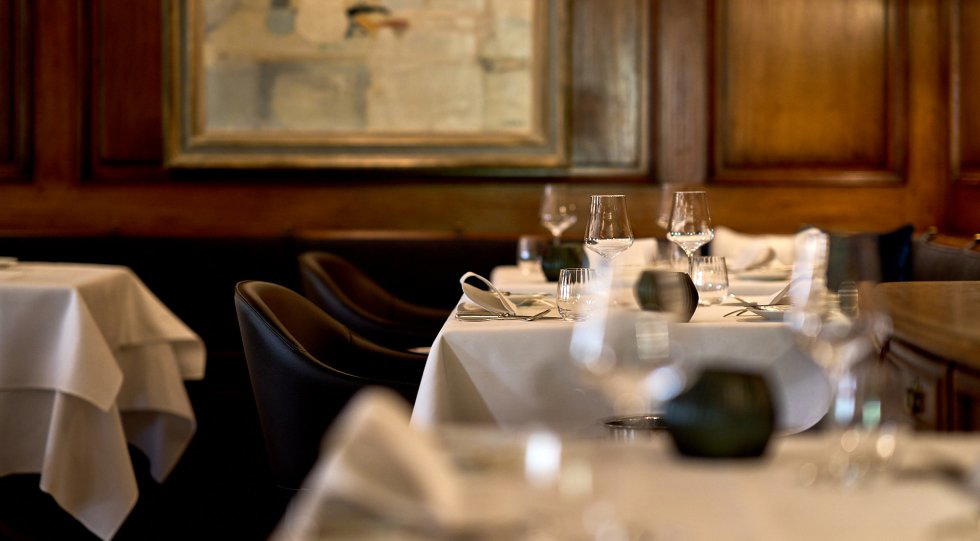
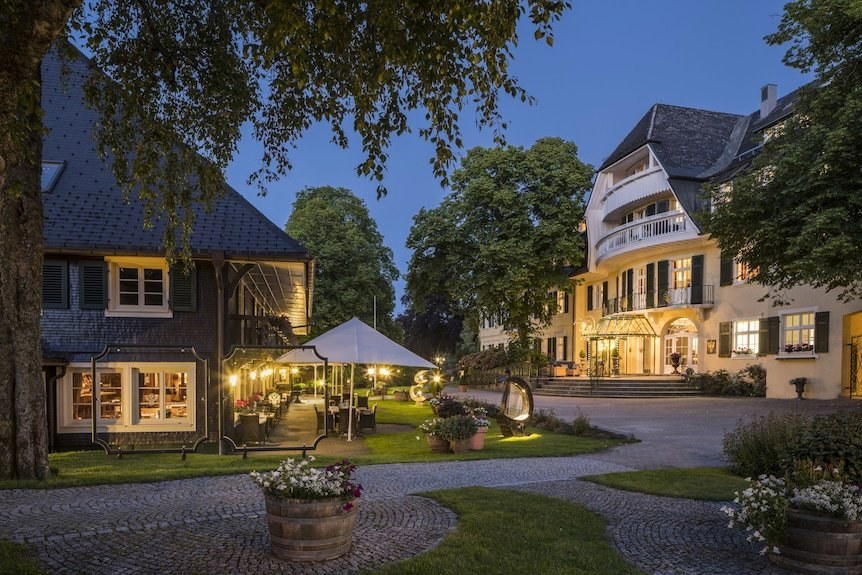
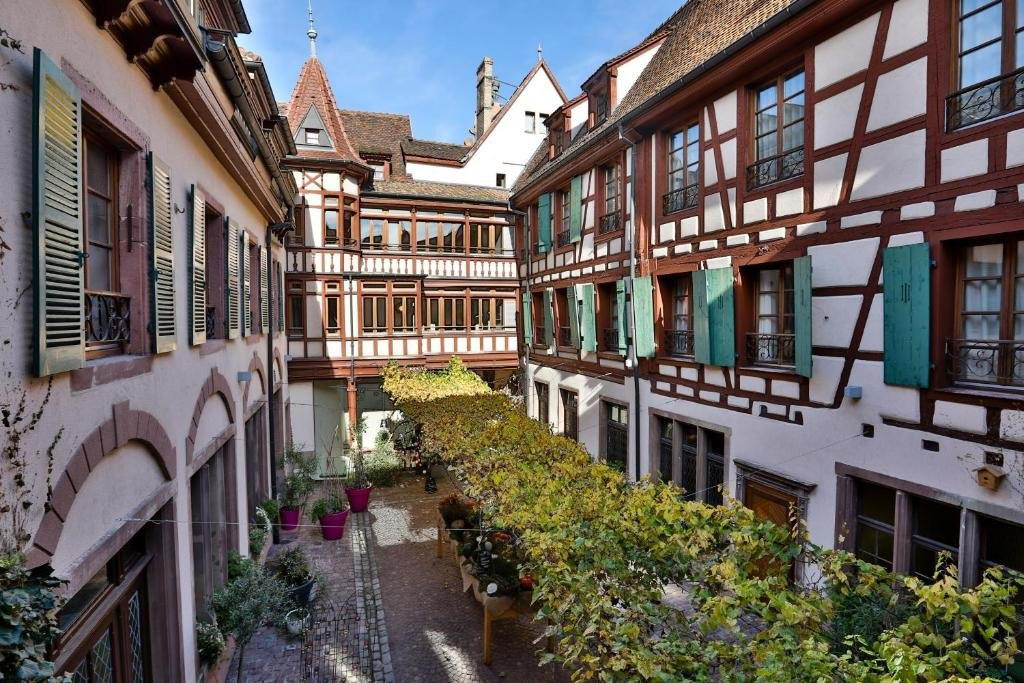
Authentic Baden coziness with deep ceilings, dark wood paneling, niche tables, and a beautiful shaded garden terrace under old trees.