
Tabelog 100 #69
Our verdict
HIROAKI puts Tomakomai into a sharper dining conversation than the city’s airport-adjacent reputation suggests: creative Sichuan cooking shaped around Hokkaido produce, fish, and a course format rather than casual Chinese dining. Its Tabelog 100 Chinese EAST 2026 selection gives the room a clear signal for travelers comparing regional Japan restaurants beyond Sapporo.

Pearl is the En Primeur Club membership app, where members save venues, book tables and use the concierge.
The menu
What to order
- Shark fin cutlet
- Phoenix platter
- Happiness Full Course
- Hokkaido Phoenix Premium Full Course
Tomakomai’s dining rhythm is usually read through ports, winter roads, and travelers moving between Hokkaido’s coast and New Chitose Airport. HIROAKI shifts that expectation. The setting is best understood through the lens of a planned meal rather than a banquet-hall occasion, and the cooking sits in the listed categories of Sichuan, Chinese, and creative rather than following a single fixed script.
That matters in Hokkaido. The island’s restaurant culture is often reduced to dairy, crab, lamb, ramen, and sushi, yet its cities also support more varied dining than the usual travel shorthand suggests. HIROAKI fits that broader picture, with public listings identifying it for Sichuan, Chinese, and creative cooking.
Creative Sichuan in Tomakomai, with Hokkaido ingredients doing the work
Chinese dining in regional Japan often splits into two tracks. One is everyday chuka: ramen, fried rice, gyoza, and dependable neighborhood comfort. The other is a smaller, deliberate tier where Sichuan or other Chinese references are approached through Japanese restaurant pacing and presentation. Tomakomai is not the obvious stage for the latter, which makes the category more interesting here than in a larger dining capital.
The useful comparison is not low-priced airport snacks or casual ramen stops around the travel corridor. Aji no Daiou Souhonten, Milk & Parfait Yotsuba White Koji Shin chitose kuukou ten, ROYCE' Shin chitose kuukou ten, and Hokkaido Gyunyu Castella serve another need: fast, familiar, and price-light. HIROAKI is a planned-meal address, where value depends on the overall restaurant experience rather than convenience alone.
HIROAKI’s 2026 Tabelog Hyakumeiten recognition gives that position a public marker. The award does not make Tomakomai a Chinese-dining capital, but it identifies a regional outlier within the site’s recognized Chinese dining field. For Hokkaido itineraries, that separates a scheduled dining stop from a convenient transit meal.
The cuisine angle is the reason to pay attention. Sichuan cooking outside China can become shorthand for numb heat, chile oil, and dramatic seasoning; broader Japanese interpretations may use those tools with a different sense of pacing and balance. The point is not authenticity theater, but how a Tomakomai restaurant listed for Sichuan, Chinese, and creative cooking can stand apart from the city’s more familiar transit-oriented options.
A small-room format changes the expectations for Chinese dining
The format changes the meal. This is not best framed as a quick convenience stop or an airport-adjacent snack. It sits closer in spirit to a planned Japanese restaurant visit than to a purely casual drop-in, affecting how travelers should think about timing, appetite, and expectations.
Private-room culture in Japan often signals formality, but HIROAKI reads more as an intentional Tomakomai dining room than a ceremonial venue. The core identity is a composed restaurant experience, not a casual drop-in canteen, and that distinction is important for travelers deciding how deliberately to plan a meal here.
Drinks and pacing can broaden the frame in a Japanese dining context rather than a narrowly conventional one. In Tomakomai, Chinese cooking is not isolated from local travel habits, and the contrast between a Hokkaido setting and a Sichuan register is part of the appeal. The restaurant’s interest lies in how those elements meet without needing to become a generic “fusion” pitch.
The broader Tomakomai question is what kind of dining stop justifies a detour. For a quick city scan, Our full Tomakomai restaurants guide gives wider restaurant context, while TONCINI offers a local comparison point. Travelers pairing dinner with an overnight stay can check Our full Tomakomai hotels guide, and those planning the rest of the evening can use Our full Tomakomai bars guide. The city’s broader trip-planning pages, including Our full Tomakomai wineries guide and Our full Tomakomai experiences guide, help decide whether Tomakomai is a pass-through stop or a deliberate Hokkaido base.
How to read it within Japan's regional dining map
Japan’s strongest regional meals often come from places that do not over-explain themselves. A restaurant does not need a capital-city address to enter a serious conversation if the format is disciplined and the recognition specific. Here, the signal is clear: creative Sichuan and Chinese cooking, a Tomakomai setting, a planned-meal format, and 2026 Tabelog Hyakumeiten recognition.
For readers comparing across Japan, separate cuisine from occasion. Other dining rooms in Japan answer different travel appetites, from specialist counters to city restaurants built around local ingredients or a single everyday dish. The point is not ranking, but matching the meal to the city, format, and planning level it asks from the traveler.
International readers looking at Japanese dining from abroad may find useful contrasts in the way Japanese ingredients and formats travel overseas. Tomakomai’s case is different: Chinese and Sichuan references appear in a Hokkaido city context, and the result belongs less to fusion rhetoric than to the disciplined regional dining that makes Japan’s smaller cities worth studying.
Frequently asked questions
Is HIROAKI good for families?
HIROAKI is a Tomakomai restaurant best approached with advance planning, especially for families, because the experience is more structured than a casual drop-in meal.
Is HIROAKI formal or casual?
It sits between the two: the restaurant is in Tomakomai and is better understood as a planned dining address than a casual neighborhood Chinese spot, while still feeling grounded in its regional setting.
What does dinner at HIROAKI typically cost?
Dinner at HIROAKI is listed at JPY 15,000 - JPY 19,999, with lunch listed at JPY 6,000 - JPY 7,999.
What is HIROAKI known for?
HIROAKI is known in Tomakomai for Sichuan, Chinese, and creative cooking, and for its 2026 Tabelog Hyakumeiten recognition.
Comparison Snapshot
Comparable venues by cuisine and price in the same metro.
| Venue | Cuisine | Price | Awards | Notes |
|---|---|---|---|---|
| HIROAKIThis venue (the venue you are viewing) | Creative Sichuan Chinese | $50–100 | Tabelog 100 #69 | Not listed |
| TONCINI | Italian Pizza | Not listed | 50 Top Pizza Asia-Pacific #49 | Tomakomai |
| Chen Kenichi Mapo Tofu Restaurant (陳建一麻婆豆腐店) | Sichuan Mapo Tofu Specialist | Not listed | Not listed | Minatomirai |
| China Kitchen | Cantonese & Sichuan Chinese with Dim Sum Brunch and Hot Pot | $50–100 | Not listed | Hanazono |
| Chinese Bed | Innovative Chinese Chef’s Counter | $150–200 | Tabelog 100 #81 | Shibuya |
| 中国料理 獅子 | Traditional Chinese Cuisine | Not listed | Not listed | 志賀高原 (Shiga Kogen) |
Recognition history
Dated appearances from independent guides and award organizations, with the underlying list record or original source where available.
Tabelog 100 #69 · No. 69
Tabelog · Tabelog 100 - Chinese cuisine - EAST - 2026
Continue exploring
More in Tomakomai
Restaurants in Tomakomai
All restaurants in Tomakomai →
Bars in Tomakomai
Browse all →


Details
- Sophisticated
- Elegant
- Quiet
- Intimate
- Date Night
- Business Dinner
- Group Dining
- Special Occasion
- Standalone
- Open Kitchen
- Sake Program
- Local Sourcing
- Set Menu
- Prix Fixe
- Sake
Current opening hours
- Monday
- 12–10 PM
- Tuesday
- 12–10 PM
- Wednesday
- 12–10 PM
- Thursday
- 12–10 PM
- Friday
- 12–10 PM
- Saturday
- 12–10 PM
- Sunday
- 12–10 PM
Hours can change for holidays and private events. Hours as of .
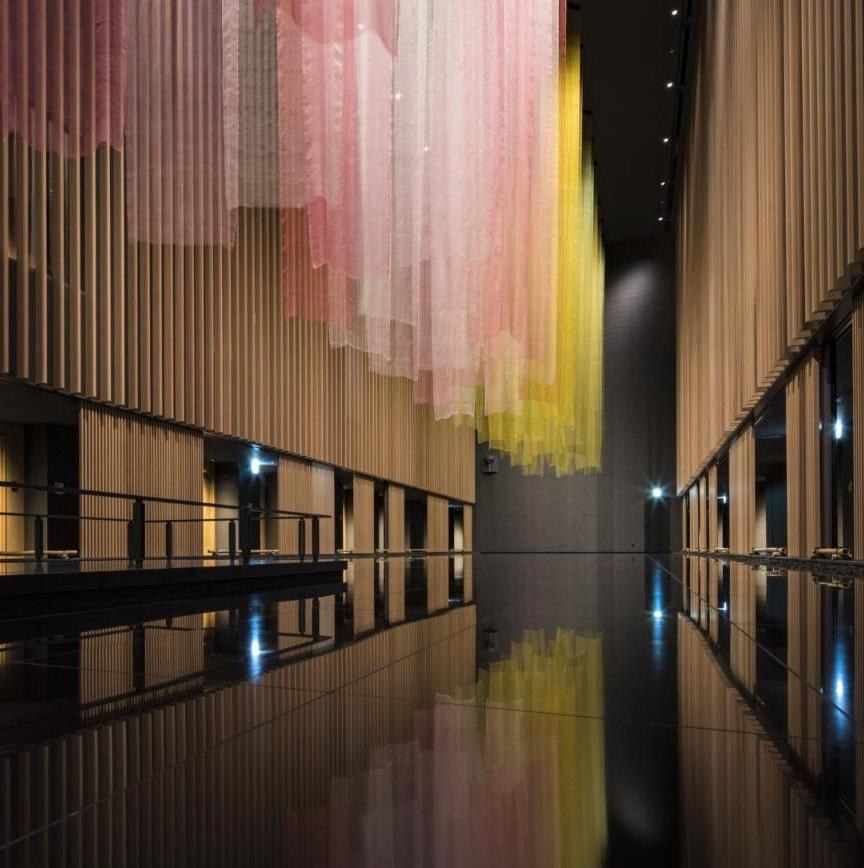
An understated, adult-oriented dining room with a calm, elegant mood designed to let the aromas of the Sichuan料理 stand out.