
Tabelog 100 #15
Our verdict
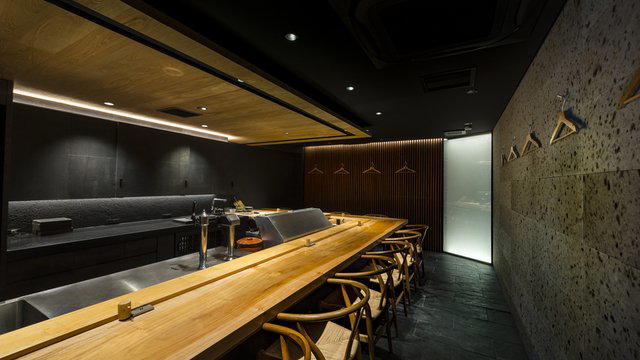
Hinai Matomi gives Fukuoka’s soba culture a quieter address in Takasago, away from the city’s ramen shorthand and Tenjin dining traffic. Its Tabelog 100 Soba WEST 2025 selection, 33-seat format, counter seating, private rooms, and soba-led Japanese cooking place it in a more deliberate bracket than casual noodle shops.

Pearl is the En Primeur Club membership app, where members save venues, book tables and use the concierge.
The menu
What to order
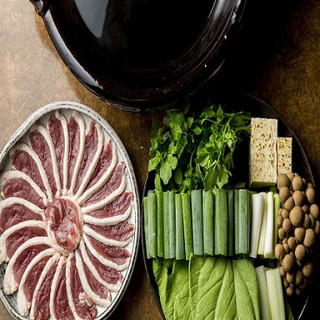
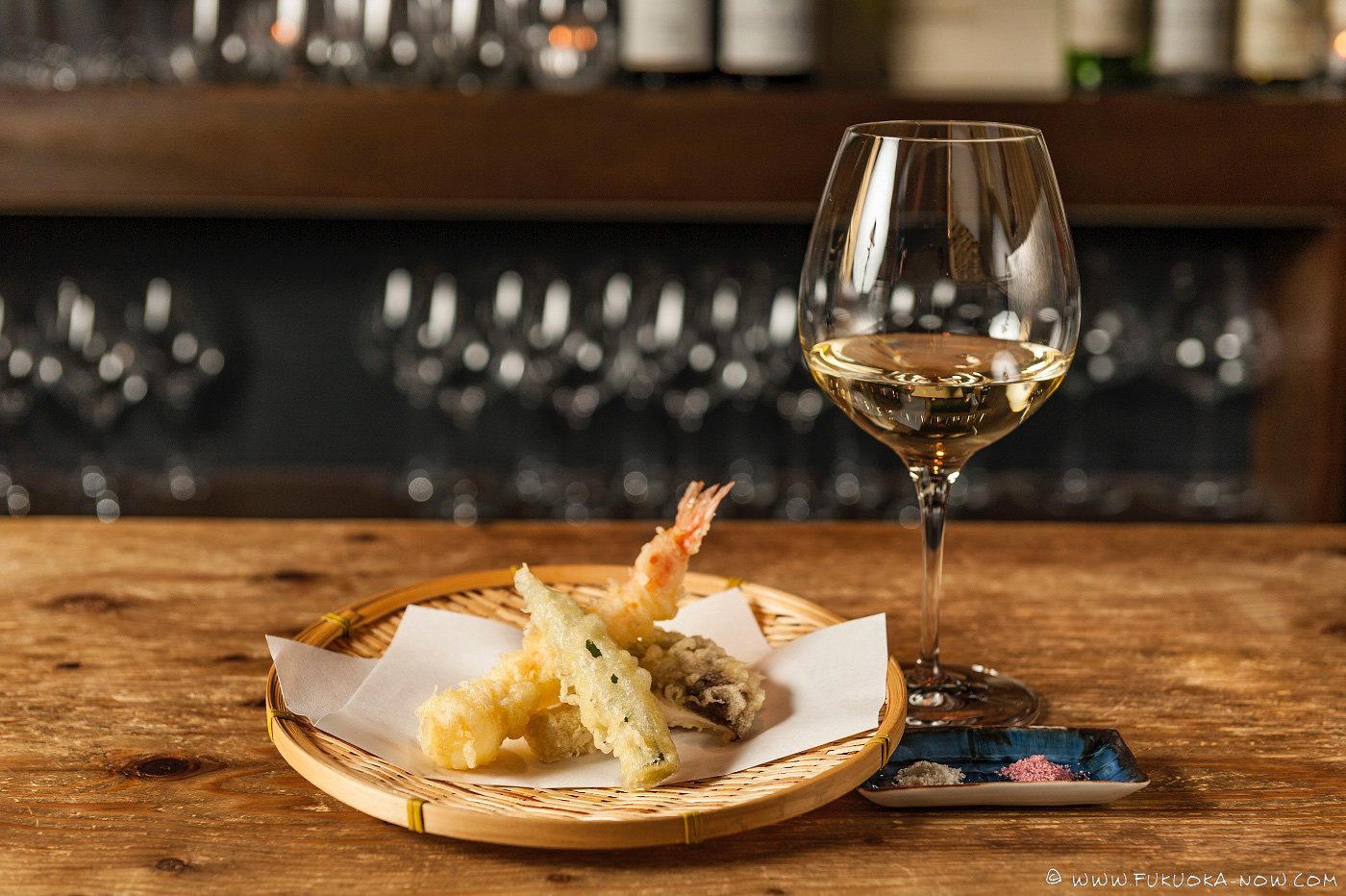
- Tenzaru (tempura with cold seiro soba)
- Kamo seiro (duck hot soba)
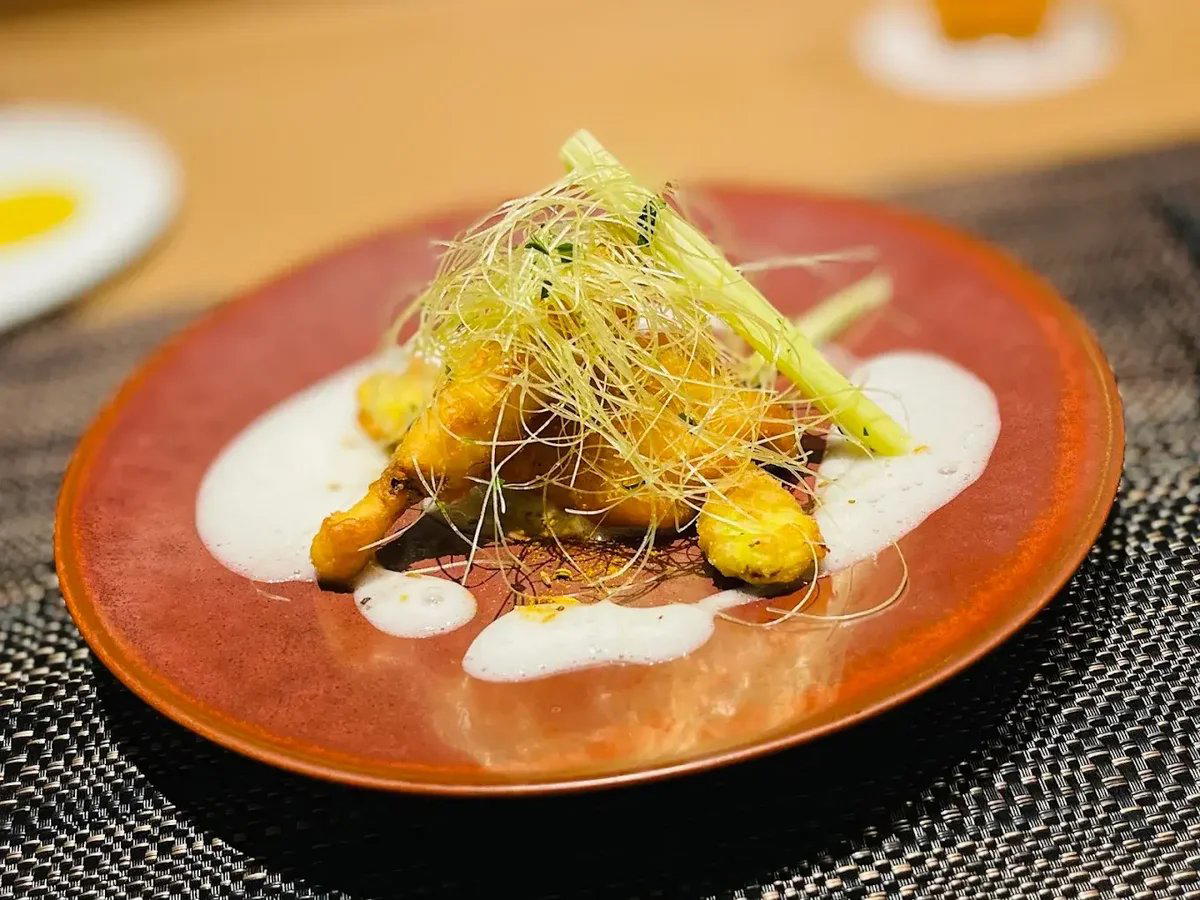
- Soba kaiseki omakase courses
- Nabe hot pot with soba finish
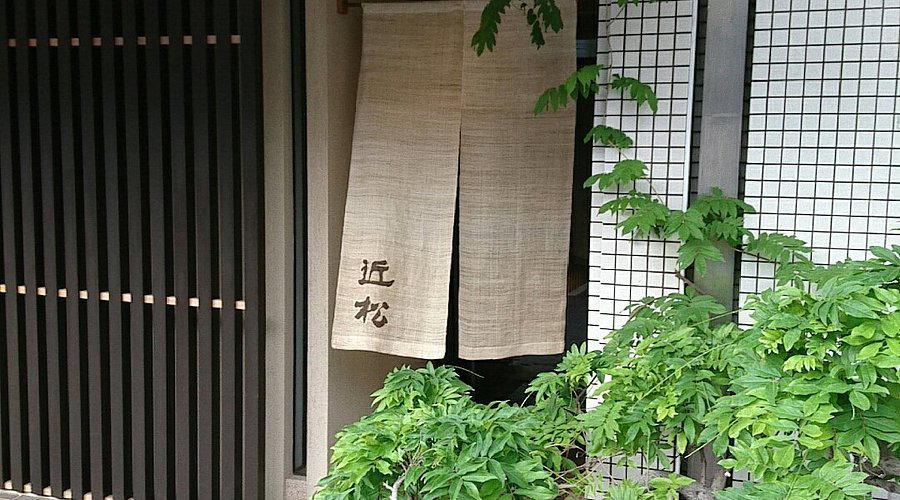
Approaching Hinai Matomi in Fukuoka, the city starts to feel less like a station-to-station food crawl and more like a residential city with serious rooms tucked between offices, apartments, and small local businesses. That setting matters for soba. The category rewards concentration rather than spectacle: a focused lunch, a more considered evening format, and a room where the meal is shaped by pacing rather than volume.
Fukuoka is often read through tonkotsu ramen, yatai, motsunabe, and seafood, but its stronger restaurant culture is broader than that shorthand. Soba in this city sits in a smaller lane, especially when judged against Tokyo’s density of specialist shops. Hinai Matomi belongs to that narrower Fukuoka conversation: soba, Japanese cuisine, and nabe rather than a single-dish fast meal. Its inclusion in Tabelog 100 Soba WEST 2025 gives the restaurant a clear credential within western Japan’s soba field, not just within the city’s neighborhood dining circuit.
Fukuoka gives soba a slower rhythm than the busiest dining routes
The value of this setting is distance from the most obvious dining grid without leaving Fukuoka. The city’s busiest routes pull travelers toward department-store dining floors, ramen queues, and late-night counters; Hinai Matomi shifts the pace toward planned meals, small-group dinners, and local repeat custom. That makes a soba meal feel less like a checklist stop and more like part of the city’s everyday hierarchy of restaurants.
Within that hierarchy, soba specialists play a different role from ramen shops. Ramen compresses the meal into speed, fat, and turnover. Soba asks for attention to grain, dipping sauce, temperature, and pacing, then can expand into broader Japanese cooking. Hinai Matomi’s category spread, soba with Japanese cuisine and nabe, places it closer to a considered noodle-focused Japanese restaurant than to a quick lunch counter. That distinction explains the price gap between lunch and dinner: the daytime bracket sits at JPY 2,000 to JPY 2,999, while dinner moves into JPY 10,000 to JPY 14,999.
The comparison inside Fukuoka is instructive. Tokishirazu, Tatsu Sho, and Hatchan Ramen all point to different parts of the city’s dining spectrum. Those contrasts show how far Fukuoka’s food culture stretches: noodle culture here is not one category, and soba at this level competes less with quick ramen than with controlled Japanese dining built around pacing and drink.
The format is focused enough for soba, broad enough for full meals
The restaurant’s identity is telling. Soba keeps the meal in specialist territory, while the broader Japanese-cuisine and nabe categories make it workable for business dinners, family meals, and small celebrations. Soba restaurants can be austere; this one is positioned for a wider range of occasions without abandoning the noodle-house spine.
The category mix also signals the evening identity. Soba is the anchor, but Japanese cuisine and nabe suggest a kitchen that is not limited to a single bowl-and-go model. For travelers, that means the restaurant makes more sense as a planned lunch or a full dinner than as a spontaneous snack between sightseeing stops.
Recognition matters here because soba evaluation can be opaque to visitors. Tabelog’s Hyakumeiten lists are not Michelin, and they do not claim the same inspection model, but in Japan they function as a useful signal of category depth and local diner attention. A 2025 Soba WEST selection places Hinai Matomi among western Japan addresses that diners actively seek out for soba rather than among general Japanese restaurants that happen to serve noodles.
How to place it within a Fukuoka eating itinerary
Fukuoka rewards category switching. A visitor can build one trip around ramen, market seafood, izakaya counters, curry, and specialist Japanese rooms without repeating the same mood twice. For a soba-led meal in Fukuoka, this restaurant works as the quieter counterpoint to higher-traffic dining routes. It is also useful for travelers who want Japanese cooking with structure but do not want the formality or tariff of the city’s upper-end rooms.
For broader planning, Our full Fukuoka restaurants guide gives the clearest view of how this soba address fits alongside local categories. Nearby and citywide alternatives point in different directions: other Fukuoka dining rooms for regional Japanese comfort, casual fry-focused meals, spice-driven cooking, and different local registers.
Travel logistics around the meal can be built through the wider city guides rather than around the restaurant alone: Our full Fukuoka hotels guide, Our full Fukuoka bars guide, Our full Fukuoka wineries guide, and Our full Fukuoka experiences guide. For readers comparing Japanese regional dining beyond Kyushu, useful contrasts include other dining rooms across Japan that show how regional Japanese, casual, and specialist formats shift from city to city. Outside Japan, unnamed Japanese drinking and casual-food formats show how those ideas translate abroad, though Fukuoka’s soba rhythm remains its own local proposition.
Frequently asked questions
Is Hinai Matomi open every day?
Current opening days and hours for Hinai Matomi should be confirmed directly with the restaurant before visiting.
What's the price range at Hinai Matomi?
Pricing at Hinai Matomi is listed as dinner: JPY 10,000 - JPY 14,999; lunch: JPY 2,000 - JPY 2,999.
What part of town is Hinai Matomi in?
Hinai Matomi is located in Fukuoka.
What's Hinai Matomi best at?
Hinai Matomi is most notable for soba, Japanese cuisine, and nabe, and earned selection in Tabelog 100 - Soba - WEST - 2025.
Can Hinai Matomi accommodate dietary restrictions?
The menu centres on soba, Japanese cuisine, and nabe, so diners with allergies or gluten-related restrictions should plan carefully around those categories and confirm details with the restaurant in advance.
Can I bring kids to Hinai Matomi?
Families should confirm the current child policy with Hinai Matomi before booking or visiting.
A Tight Comparison
Comparable venues in the metro at similar price points.
| Venue | Cuisine | Price | Awards | Notes |
|---|---|---|---|---|
| Hinai MatomiThis venue (the venue you are viewing) | Seasonal Soba & Nabe Kaiseki | $50–100 | Tabelog 100 #15 | Not listed |
| Tokishirazu | Creative Japanese Izakaya-style Dining | $30–50 | Tabelog 100 #30 | JPY 6,000 - JPY 7,999 |
| Tatsu Sho | Sushi Omakase | Not listed | Tabelog 100 #30 | JPY 20,000 - JPY 29,999 JPY 10,000 - JPY 14,999 |
| Hatchan Ramen | Traditional Fukuoka Tonkotsu Ramen | $10–20 | Tabelog 100 #89 | JPY 999 |
| 嗣味 | Modern Japanese Omakase | $200–300 | Not listed | Not listed |
Recognition history
Dated appearances from independent guides and award organizations, with the underlying list record or original source where available.
Tabelog 100 #15 · No. 15
Tabelog · Tabelog 100 - Soba - WEST - 2025
Continue exploring
More in Fukuoka
Restaurants in Fukuoka
All restaurants in Fukuoka →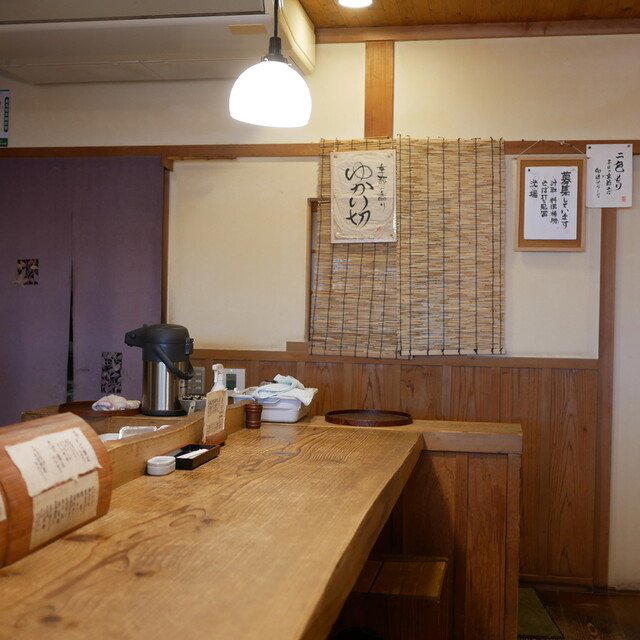
Details
- Cozy
- Quiet
- Intimate
- Rustic
- Elegant
- Date Night
- Business Dinner
- Group Dining
- Special Occasion
- After Work
- Private Dining
- Standalone
- Sake Program
- Beer Program
- Farm To Table
- Local Sourcing
- Tasting Menu
- Set Menu
- Sake
- Beer
- Pescatarian Friendly
Current opening hours
- Monday
- 11:30 AM–1 PM, 5:30–9 PM
- Tuesday
- 11:30 AM–1 PM, 5:30–9 PM
- Wednesday
- 11:30 AM–1 PM, 5:30–9 PM
- Thursday
- 11:30 AM–1 PM, 5:30–9 PM
- Friday
- 11:30 AM–1 PM, 5:30–9 PM
- Saturday
- 11:30 AM–1 PM, 5:30–9 PM
- Sunday
- 11:30 AM–1 PM, 5:30–9 PM
Hours can change for holidays and private events. Hours as of .
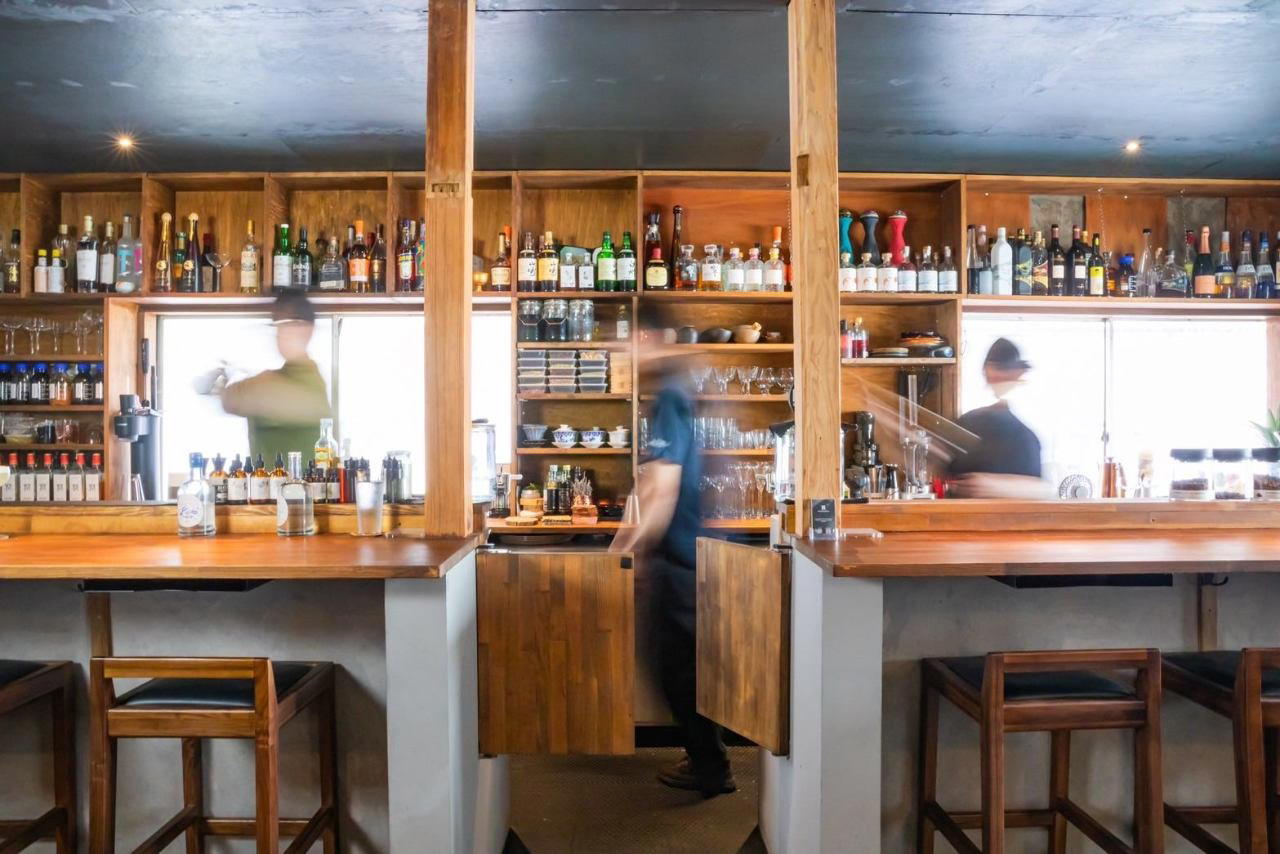
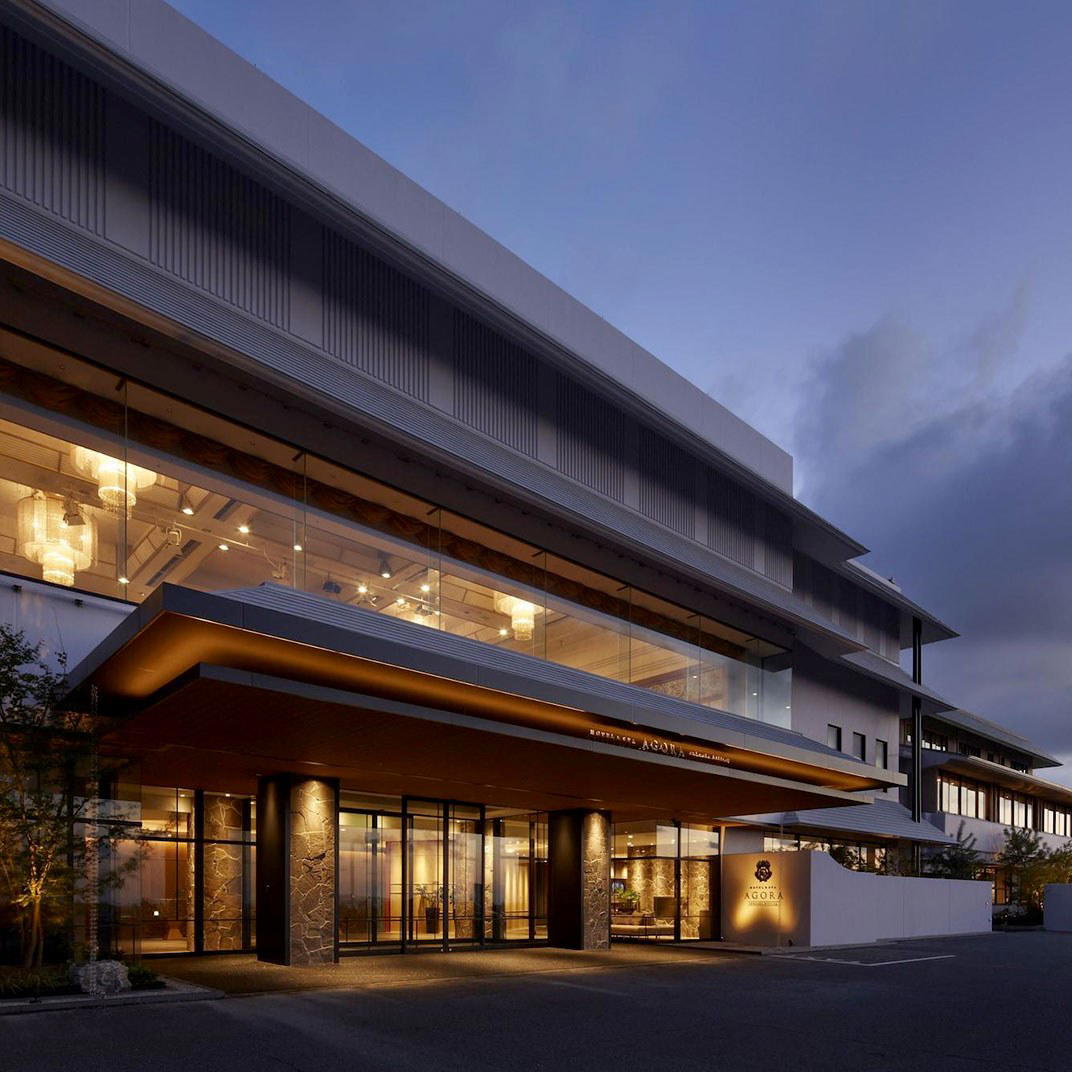
A quiet, warm and residential hideaway with private rooms and partitioned tables, creating a relaxed, intimate atmosphere suited to unhurried meals, celebrations and hosting close friends or family.