
Tabelog 100 #89
Our verdict
Hatchan Ramen is a Fukuoka counter ramen shop with Tabelog Ramen WEST 100 selections in 2023, 2024, and 2025. Its reputation sits in the city’s late-night, low-friction ramen culture rather than the reservation-led dining tier, making it a useful contrast to Fukuoka’s higher-budget counters and formal regional restaurants.

Pearl is the En Primeur Club membership app, where members save venues, book tables and use the concierge.
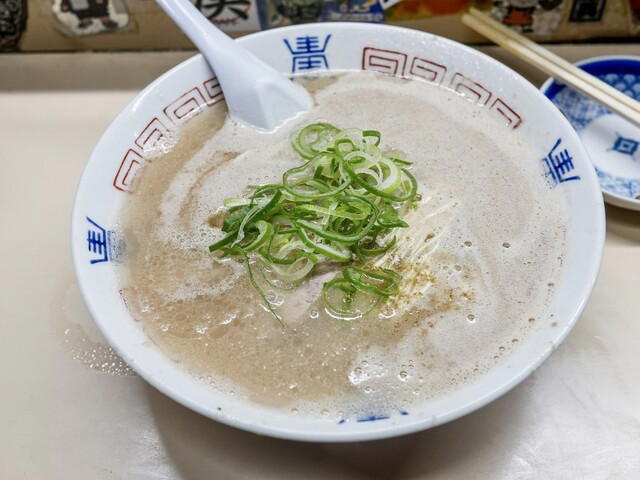
Fukuoka ramen is not built around ceremony. The city’s strongest bowls often live in casual settings, with a rhythm closer to everyday eating than a staged tasting menu. That matters because ramen here competes on repetition: broth style, noodle handling, value, and whether a shop can hold local attention after the novelty has gone. Hatchan Ramen sits inside that tradition, with a reputation reinforced by Tabelog Hyakumeiten recognition in 2025.
The format tells the reader how to read the meal. A ramen-focused shop compresses the experience into a direct exchange: orders move efficiently, solo diners often fit the category naturally, and the meal belongs to the short-form end of Fukuoka dining rather than the long, wine-paired evening. That distinction is useful in a city where the same night can stretch from quick ramen to more polished Japanese, Italian, or seafood-led meals. Ramen is not a lesser category; it is a different social contract.
A counter ramen address judged by recognition, not theatrics
Tabelog’s Hyakumeiten lists matter in Japan because they reward a narrow kind of consistency. For ramen, the list covers a competitive field, where local loyalty and obsessive category comparison are both unforgiving. A place selected for the 2025 edition has passed a different test from a restaurant built around international guidebook visibility. It signals category authority in a field where diners compare broth concentration, noodle texture, dumplings, side dishes, and value with little patience for decorative storytelling.
Fukuoka’s ramen identity is strong, but the city is not a museum of one style. Its stronger casual dining scene includes specialist shops, izakaya formats, and quick meals, alongside more formal dining. For a broader read on that spread, Our full Fukuoka restaurants guide is the better map; within it, other Fukuoka dining rooms show how much of the city’s serious eating happens outside grand dining rooms.
The comparison inside Fukuoka is less about cuisine than tempo. Tokishirazu and Hinai Matomi occupy higher-spend territory, while Pizzeria Da Gaetano Yakuin ten belongs to another casual but more meal-length format. Ramen at this level asks a narrower question: does the shop justify being chosen when the city offers countless fast bowls? Hyakumeiten selection is the strongest public answer available here, especially when paired with a menu range that also includes dumpling and oden categories.
Fukuoka's ramen culture rewards speed, clarity, and a narrow brief
Ramen criticism can become sloppy when every admired bowl is described as a revelation. The sharper way to judge the category is by constraints. The diner is usually not buying a long narrative, a chef’s autobiography, or elaborate service choreography. The value is in a focused bowl, a short dwell time, and the confidence of a place that does not need to behave like a formal restaurant. In that frame, a low-budget ramen shop with public recognition can carry more editorial weight than a far more expensive room with weaker category authority.
The side categories matter because Fukuoka ramen shops can work as part of a broader casual meal as much as a standalone stop. Dumplings and oden point to that wider grammar: hot food, quick decisions, small groups, and solo-friendly eating. The format remains anchored in ramen rather than becoming a different kind of restaurant. That practical, low-ceremony ramen culture keeps the focus on the food and the pace.
For travelers, the question is not whether this is the grand meal of a Fukuoka trip. It is where it belongs in the itinerary. The answer may be before or after other plans, or on a night when a full restaurant reservation would feel like the wrong use of appetite. Fukuoka rewards that kind of sequencing. Use Our full Fukuoka bars guide for the drinking side, Our full Fukuoka hotels guide for where to base the trip, Our full Fukuoka experiences guide for daytime structure, and Our full Fukuoka wineries guide if the trip extends into wine-led planning.
How to place it in a Japan dining itinerary
Japan’s casual dining categories are often more specialized than visitors expect. A ramen shop should not be judged by the metrics used for sushi, tempura, kaiseki, or modern tasting menus. The relevant questions are narrower: category discipline, local demand, public recognition, and whether the format makes sense for the time of day. Hatchan Ramen works because it belongs clearly to that system. Its public reputation comes from category-specific recognition, not from importing fine-dining language into a fast casual meal.
That framing also helps avoid the common travel mistake of treating every meal as a single hierarchy. A low-cost ramen shop in Fukuoka and specialist casual formats in other cities may all be worth attention for different reasons. For cross-city context, compare the way casual Japanese formats travel and adapt through other focused dining rooms. For broader Japan planning, the same category logic applies across different rooms, from quick meals to more composed dining, without forcing every address into the same fine-dining scale.
The editorial case is clean: this is a Fukuoka ramen shop with Tabelog Hyakumeiten recognition, a narrow category focus, and a place in the city’s casual meal culture. It is not trying to compete with high-budget dining rooms. It competes where ramen is actually judged, against other shops that live or fail on consistency.
Frequently asked questions
Is Hatchan Ramen okay with children?
Hatchan Ramen is in Fukuoka. Check the venue's official channels for the latest details on children and seating.
What's the vibe at Hatchan Ramen?
It is a ramen-focused Fukuoka shop, with dumpling and oden also listed among its categories. The setting suits a quick, casual meal rather than a long formal dinner.
How much does it cost to eat at Hatchan Ramen?
Pricing at Hatchan Ramen is listed as - JPY 999.
When can I go to Hatchan Ramen?
Check Hatchan Ramen's official channels for current opening hours before you go.
Price and Recognition
Comparable venues to calibrate price, style, and recognition.
| Venue | Cuisine | Price | Awards | Notes |
|---|---|---|---|---|
| Hatchan RamenThis venue (the venue you are viewing) | Traditional Fukuoka Tonkotsu Ramen | $10–20 | Tabelog 100 #89 | Not listed |
| Yayoi (やよい軒 筑紫口店) | Japanese Teishoku | $1–10 | Not listed | Hakata, Japanese Teishoku |
| Aji Furai Shokudo Kaba | Japanese fried mackerel shokudo | $10–20 | Tabelog 100 #1 | Jōnan, Japanese fried mackerel shokudo |
| Asahi Ken Ekimae honten | Hakata gyoza & chicken wings izakaya | $20–30 | Tabelog 100 #4 | Hakata, Hakata gyoza & chicken wings izakaya |
| Hakata Daruma (博多だるま) | Traditional Hakata Tonkotsu Ramen | $10–20 | Not listed | Chuo (Watanabedori) / Hakata, Traditional Hakata Tonkotsu Ramen |
| Maki no Udon (牧のうどん 空港店) | Traditional Fukuoka Kamaage Udon | $1–10 | Not listed | Hakata, Traditional Fukuoka Kamaage Udon |
Recognition history
Dated appearances from independent guides and award organizations, with the underlying list record or original source where available.
Tabelog 100 #89 · No. 89
Tabelog · Tabelog 100 - Ramen - WEST - 2025
Continue exploring
More in Fukuoka
Restaurants in Fukuoka
All restaurants in Fukuoka →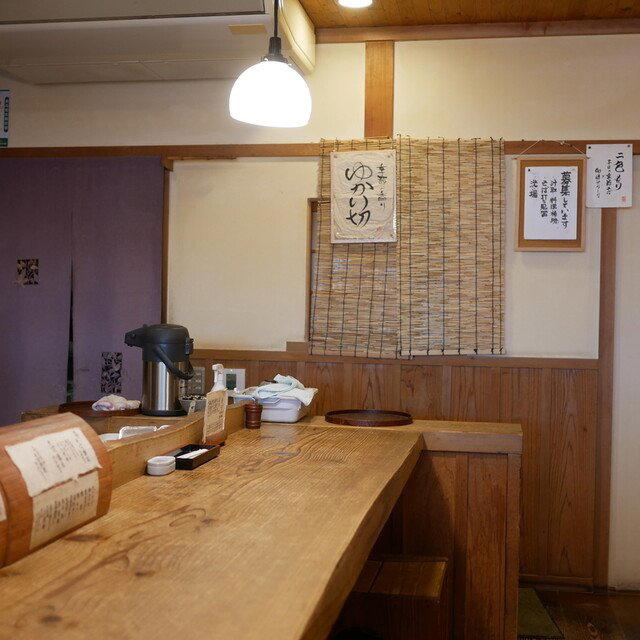
Details
- Classic
- Well Known
- Lively
- Solo
- Casual Hangout
- Late Night
- After Work
- Family
- Chefs Counter
- Standalone
- Sake Program
- Beer Program
- A La Carte
- Counter Dining
- Sake
- Beer
Current opening hours
- Monday
- 6 PM–2 AM
- Tuesday
- 6 PM–2 AM
- Wednesday
- 6 PM–2 AM
- Thursday
- 6 PM–2 AM
- Friday
- 6 PM–2 AM
- Saturday
- 6 PM–2 AM
- Sunday
- Closed
Hours can change for holidays and private events. Hours as of .
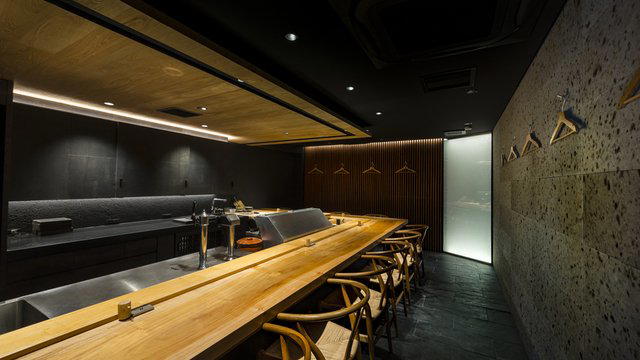
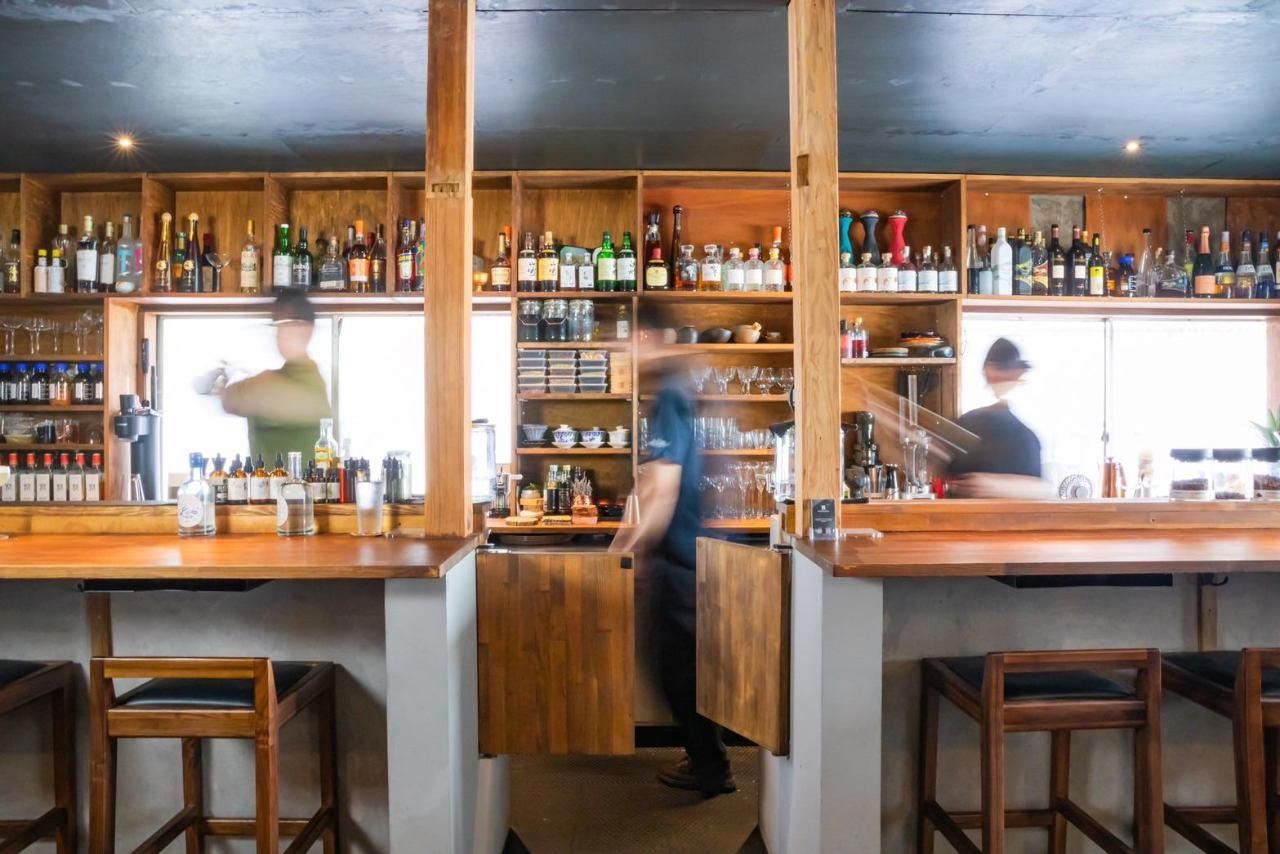
A compact, counter-only ramen-ya with a no-frills, classic Hakata feel: bright but simple interior, tightly packed 15 seats, lively turnover into the late night hours, and a focus on fast bowls of rich pork-bone ramen rather than decor.