Himlen sits on Götgatan 78 in Stockholm's Södermalm district, operating at the quieter end of the city's fine-dining tier where collaborative kitchen-to-floor service models have become a defining feature. The address places it well south of the Old Town tourist circuit, in a neighbourhood that has developed a credible independent restaurant culture over the past decade.
Pearl is the En Primeur Club membership app — saves, bookings, and concierge access live there. Same editors, same standards.
- Address
- Götgatan 78, 118 30 Stockholm, Sweden
- Phone
- +4686606068
- Website
- restauranghimlen.se
- Directions
- Get directions
 Saves & bookings on Pearl
Södermalm and the Case for Fine Dining South of Slussen
Stockholm's fine-dining geography has long tilted north and central: the grand rooms of Operakällaren in Gamla Stan, the Östermalm corridor that runs through AIRA, and the Michelin-heavy addresses clustered near the waterfront. Södermalm has historically been the borough of neighbourhood bistros, natural wine bars, and the kind of informal eating that Stockholmers prefer on a Tuesday. That geography is shifting. A smaller cohort of more serious rooms has taken root south of Slussen, and Himlen on Götgatan 78 belongs to that cohort, occupying a position that is notably less obvious than its peers at the top of the city's dining conversation.
What that positioning means in practice is a room that draws from a local clientele rather than the international tasting-menu tourist circuit that sustains places like Frantzén and a handful of others. It also means the pressure to perform is different: more repeat guests, less tolerance for the kind of theatrics that make a single memorable evening but wear thin across multiple visits.
The Götgatan Address: What the Street Tells You
Götgatan is one of Södermalm's main arteries, running north from Medborgarplatsen toward the Slussen interchange. At number 78 you are far enough south to be clear of the busiest stretch near Medborgarplatsen's bar cluster, in a section of the street where independent retail and quieter restaurant fronts dominate. Approaching in the evening, the block has none of the marquee theatrics associated with Stockholm's most publicised fine-dining addresses. The building itself does the work of a street sign rather than a spectacle.
That restraint in setting is actually consistent with how a particular tier of Stockholm dining presents itself. The rooms that earn the most sustained critical attention in this city tend toward understatement in their exteriors and concentration in their interiors. Aloë and Adam / Albin both operate on the principle that the quality signal should come from what happens inside rather than from a notable postcode or a dramatic façade.
Collaboration as the Operating Model
Among Stockholm's more serious kitchens, the dominant service model of the last several years has moved away from the single-auteur format, where a named chef functions as both brand and creative authority, toward something more distributed. The front-of-house team carries more interpretive weight, the sommelier operates as an editorial voice rather than a logistics function, and the kitchen itself works through collective decision-making rather than top-down prescription.
This shift is partly generational and partly economic: the pressure on restaurants post-pandemic to retain skilled staff pushed kitchens toward flatter hierarchies and more shared creative ownership. The result, where it works, is a room where the service experience has the same depth as the plate. The sommelier can explain not just what a wine is but why it sits against a specific dish, and the floor team can navigate a menu with the same fluency a knowledgeable guest might expect from reading an interview with the kitchen.
Himlen operates within this collaborative framework. The address on Götgatan places it in a part of the city where the dining audience tends to be locally sophisticated rather than internationally briefed, which raises the floor for what the team needs to deliver: these guests know what good service looks like, and they return often enough to notice inconsistency.
Across Sweden more broadly, this team-led approach has become a signature of addresses that have built reputations without necessarily collecting the major international hardware. Vollmers in Malmö, VYN in Simrishamn, and Signum in Mölnlycke all demonstrate how collaborative kitchen-floor models produce consistent guest experiences that sustain loyalty across years rather than generating the single-visit peak that award campaigns often chase.
Where Himlen Sits in Stockholm's Competitive Set
Stockholm's fine-dining tier is more layered than its international reputation suggests. The very leading, led by Frantzén, operates at a price and booking difficulty that places it in a different category from nearly everything else in the city. Below that, a mid-upper tier includes addresses like AIRA, Aloë, and Adam / Albin, all of which carry Michelin recognition and operate tasting-menu formats with serious wine programs. Himlen competes within or just adjacent to this tier from a Södermalm base, which gives it a geographic differentiation that is increasingly meaningful as that part of the city develops its own fine-dining identity.
The relevant comparison for understanding Himlen's positioning is less the three-star circuit and more the wider Swedish restaurant scene at the level where craft and consistency define the peer group. Places like 28+ in Gothenburg, ÄNG in Tvååker, and Knystaforsen in Rydöbruk represent the kind of regional seriousness that Stockholm's leading mid-tier rooms need to match if they want to hold the attention of guests who travel specifically to eat well across Scandinavia.
Internationally, the collaborative team model that Himlen represents has parallels at restaurants like Le Bernardin in New York, where front-of-house is treated as a professional discipline with its own standards, and Atomix in New York, where the entire service format is built around the idea that every team member carries the narrative of the meal. Stockholm's better rooms have absorbed this thinking, and it shows in how they train and retain their floor staff.
Planning a Visit: What to Know Before You Go
The Götgatan 78 address is accessible by T-bana from Medborgarplatsen station on the green line, a short walk south. Södermalm's dining quarter is dense enough that pairing an evening at Himlen with a pre-dinner drink at one of the area's natural wine bars is direct. For guests coming from elsewhere in Sweden, PM & Vänner in Växjö, Adrian Restaurang in Borås, Brasserie Park in Jonköping, and Enoteket in Norrköping represent strong regional options if you are building a wider Swedish dining itinerary around a Stockholm visit. Full coverage of Stockholm's dining options, including neighbourhood-by-neighbourhood breakdowns, is available in our full Stockholm restaurants guide.
Specific booking windows, pricing, and hours for Himlen are best confirmed directly through current reservation channels, as these details can shift seasonally. For Stockholm's more serious rooms generally, booking several weeks ahead is standard practice, particularly for Thursday through Saturday evenings.
How Himlen Stockholm compares with similar nearby venues.
| Venue | Cuisine | Price |
|---|---|---|
| Symbios | Modern Cuisine | €€ |
Continue exploring
More in Stockholm
Restaurants in Stockholm
Browse all →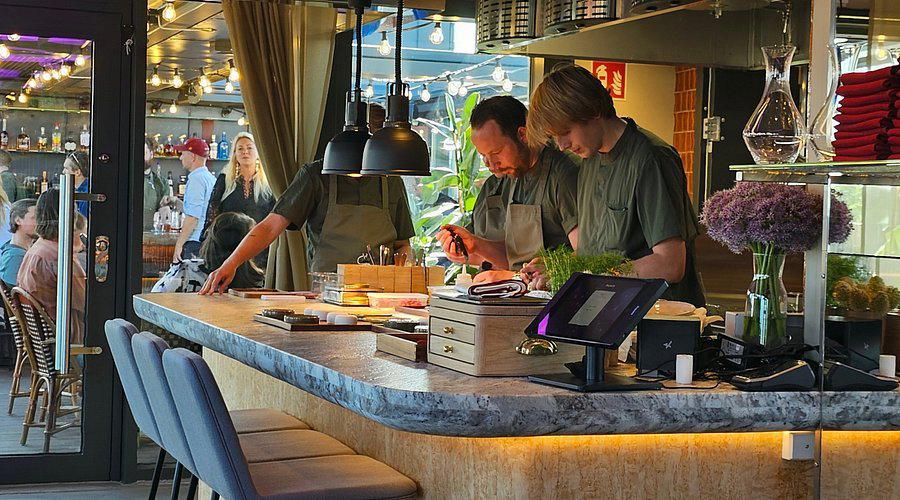
Bars in Stockholm
Browse all →
At a Glance
- Modern
- Sophisticated
- Elegant
- Trendy
- Date Night
- Special Occasion
- Business Dinner
- Rooftop
- Panoramic View
- Craft Cocktails
- Extensive Wine List
- Local Sourcing
- Skyline
Current opening hours
- Monday
- 11:30 AM–11 PM
- Tuesday
- 11:30 AM–12 AM
- Wednesday
- 11:30 AM–12 AM
- Thursday
- 11:30 AM–12 AM
- Friday
- 11:30 AM–3 AM
- Saturday
- 12 PM–3 AM
- Sunday
- Closed
Hours can change for holidays and private events. Last verified .
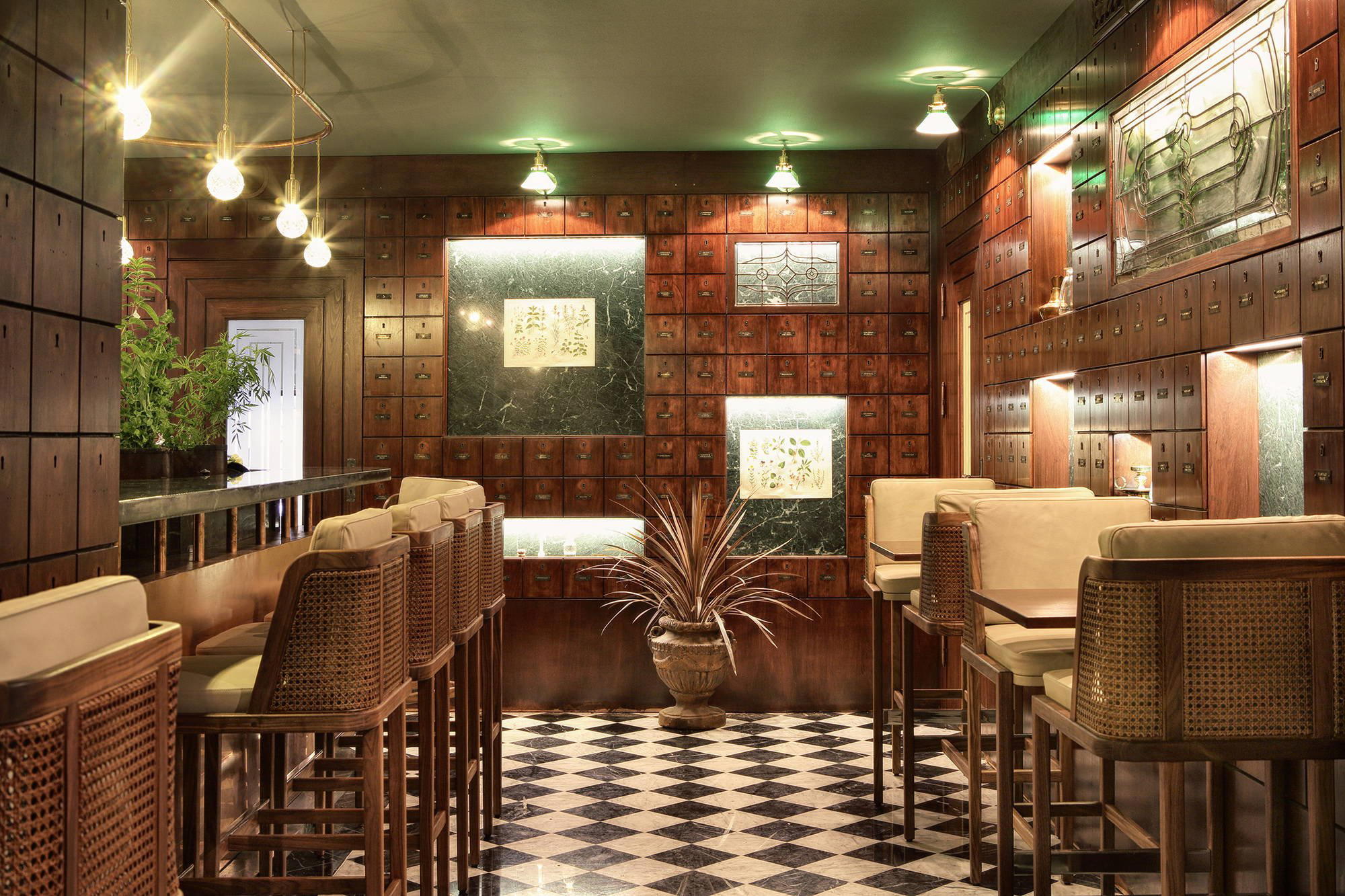
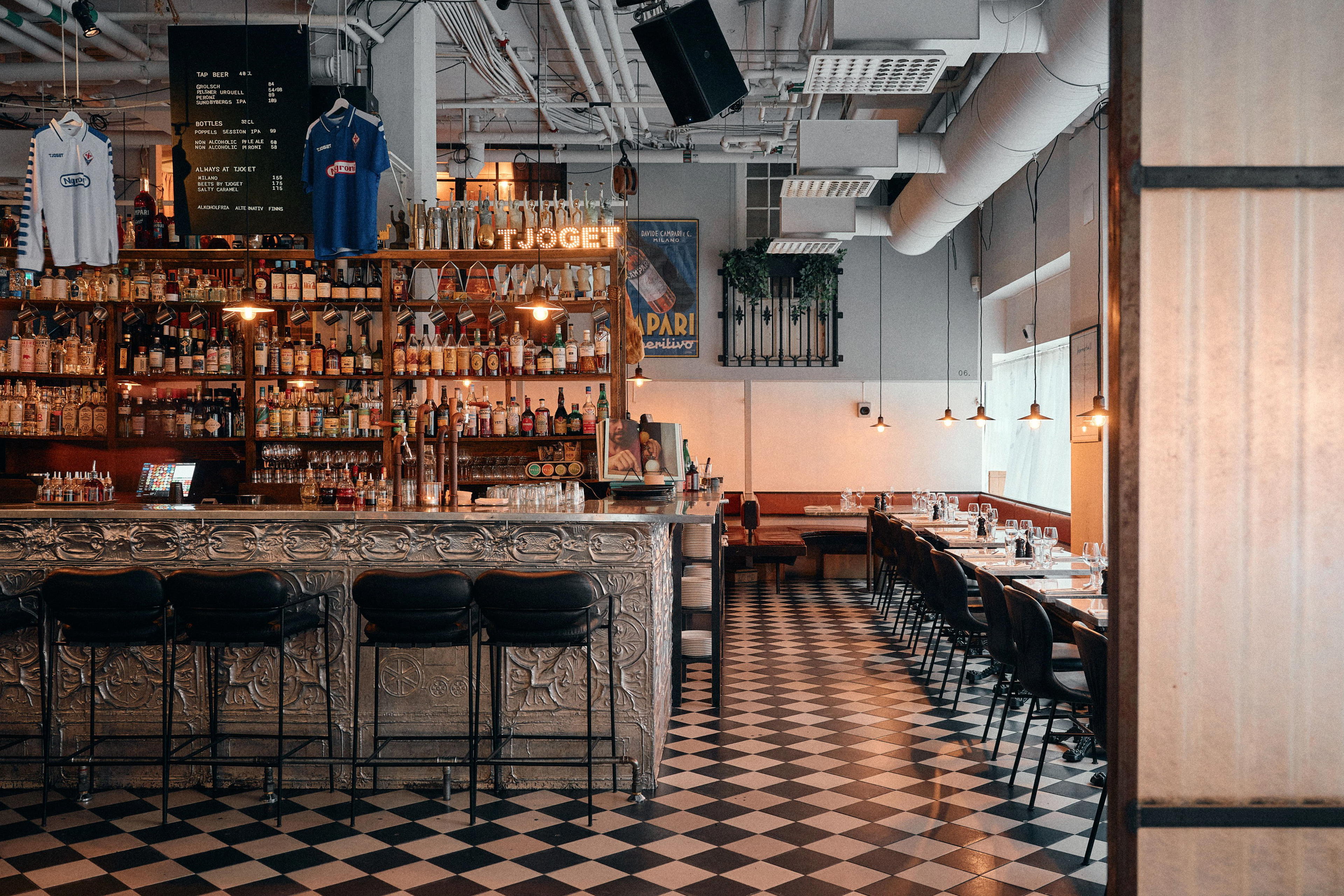
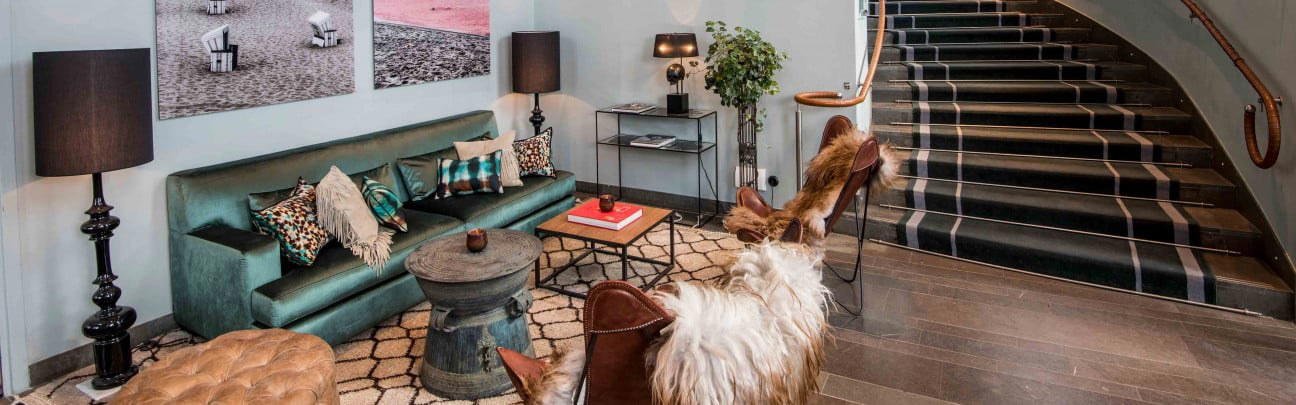
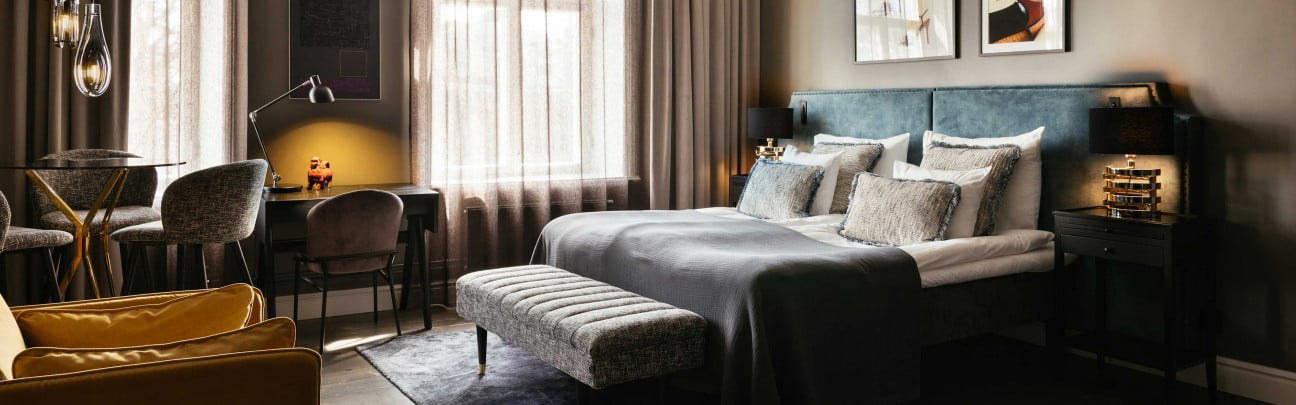
Sophisticated with dynamic lighting transitioning from serene to lively, floor-to-ceiling glass walls, and curated artwork.
Know Before You Go
- Getting there
- Götgatan 78, 118 30 Stockholm, Sweden