

Star Wine List · White Guide Nordic Restaurants - Very Fine Level
Our verdict
Portal has occupied a corner of Sankt Eriksplan since 2016, when Swedish Chef of the Year 2012 Klas Lindberg traded haute-cuisine kitchens for a neighbourhood bistro format rooted in modern Nordic cooking. The wine program has ranked first on Star Wine List twice (2024 and 2025), placing Portal in a narrow tier of Stockholm restaurants where the cellar competes as seriously as the kitchen. Reservations are the sensible approach.

Pearl is the En Primeur Club membership app — saves, bookings, and concierge access live there. Same editors, same standards.
- Address
- Sankt Eriksplan 1, 113 20 Stockholm, Sweden
- Phone
- +46 8 30 11 01
- Hours
- Mon–Thu 11:15 AM–11 PMFri 11:15 AM–12 AMSat 4 PM–12 AMSun Closed
- Website
- portalrestaurant.se
- Directions
- Get directions
- Booking
- Book on the venue's website
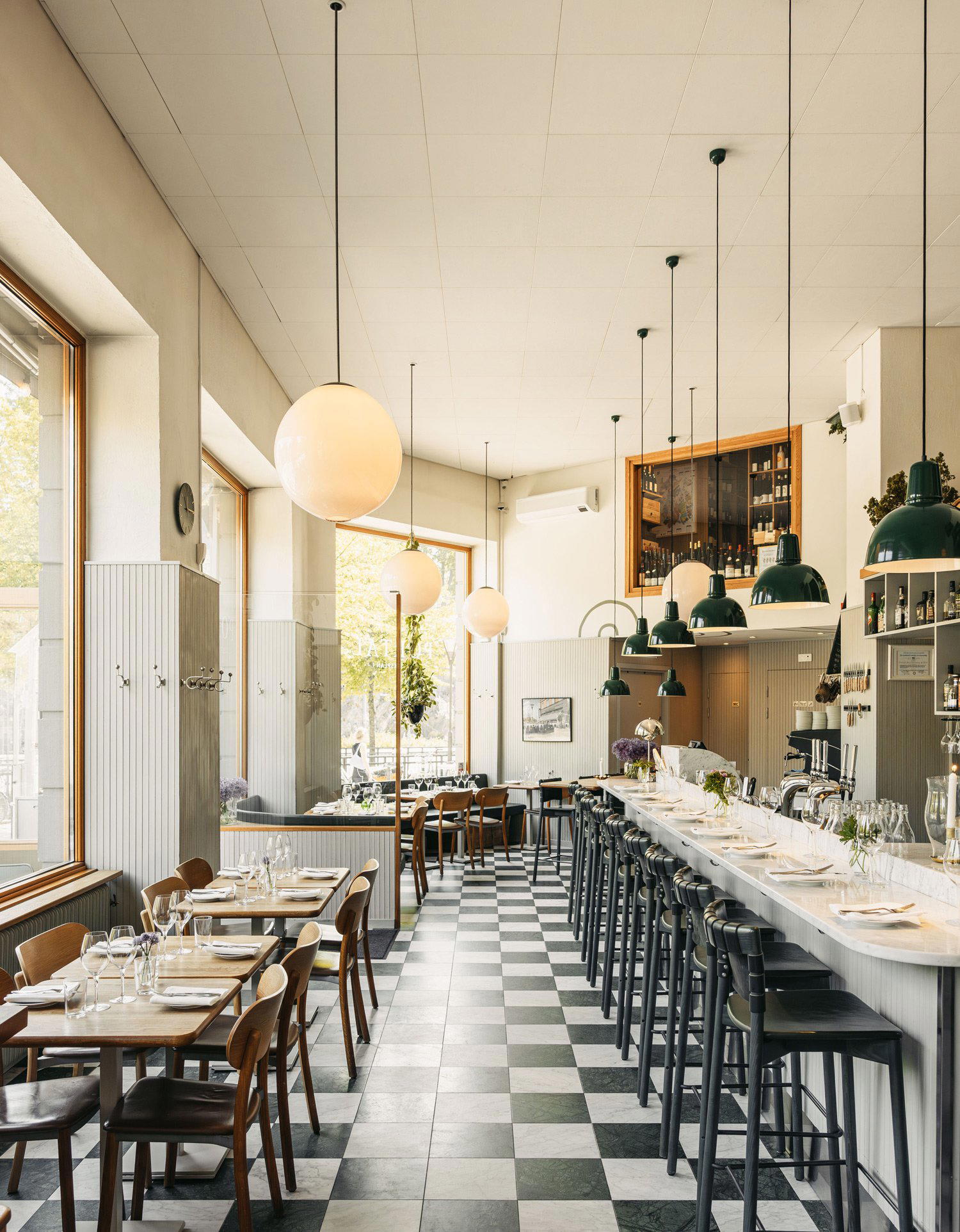
Sankt Eriksplan and the Bistro Question
Stockholm's dining geography has long organised itself around a familiar axis: the grand rooms of Gamla Stan and Östermalm at one end, the more restless neighbourhood spots of Vasastan and Södermalm at the other. Portal sits at Sankt Eriksplan 1, a corner address in Vasastan that signals intent before you reach the door. The square itself is an everyday node — a metro stop, a roundabout, a cluster of locals moving between errands — and a serious restaurant choosing to plant itself here rather than on a prestige street says something about what kind of place it wants to be. This is a bistro that takes the word seriously: it aims to be used regularly, not only for occasions.
That positioning matters because it clarifies the competitive set. Portal does not belong to the same conversation as Frantzén or AIRA, where multi-course tasting menus and extensive pre-booking rituals define the experience. It sits closer to the tier where neighbourhood loyalty and weekly return visits are the real measure of success, even if the kitchen credentials behind it belong to a different register entirely.
Modern Nordic in a Bistro Register
The modern Nordic movement has passed through several phases since it became an international reference point in the early 2000s. The first wave was defined by foraging rhetoric and laboratory-adjacent technique, concentrated in a handful of destination restaurants that positioned themselves as research projects as much as places to eat. By the mid-2010s, a quieter counter-movement was already underway: chefs trained in that tradition who wanted to cook the same way but without the performance architecture around it. Portal arrived in 2016 as part of that shift.
The cooking described as modern Nordic here works in the register of mixing classics with contemporary technique rather than abandoning one for the other. That approach has cultural logic behind it: Swedish food tradition is not shallow. Preserved fish, root vegetables, fermented dairy, foraged herbs, and a seasonal calendar that rotates sharply between abundance and scarcity have shaped a distinct pantry over centuries. The most interesting version of modern Nordic cooking uses that pantry as constraint and inspiration rather than as décor. Dishes that reference herring or root cellar vegetables but apply contemporary preparation carry a different kind of meaning than dishes that simply import foreign ingredients with Nordic garnishes.
Klas Lindberg, who held the Swedish Chef of the Year title in 2012 before opening Portal in 2016, brings professional credentials that place the kitchen well above the neighbourhood bistro average. But the credential functions here as context for understanding the kitchen's range rather than as the main event. The format is deliberately approachable, and that is the harder achievement: cooking at a high technical level while keeping the room feeling like somewhere you come on a Tuesday.
For comparison, Operakällaren represents the older tradition of Swedish formal dining in a heritage setting, and Aloë and Adam / Albin occupy the creative and New Nordic ends of the premium market. Portal reads as none of those things, which is precisely its position.
The Wine Program as a Serious Signal
Star Wine List ranked Portal's wine program first in Sweden in both 2024 and 2025, and second in 2024's separate ranking cycle. That consistency across two consecutive years of independent assessment puts the cellar in a category that very few neighbourhood restaurants anywhere in Scandinavia occupy. Wine programs at this recognition level typically share certain characteristics: depth across regions rather than a curated-for-show list, a team with genuine understanding of the selection rather than a sommelier as decoration, and pricing that suggests the wine is meant to be drunk rather than preserved as a status signal.
The wine is not an afterthought appended to a food concept. It functions as a co-equal reason to visit, which also changes how the bistro ambition reads: this is a room where you can drink seriously alongside a kitchen that matches that seriousness.
For those exploring Swedish wine culture more broadly, the regional scene extends beyond Stockholm. Signum in Mölnlycke, Vollmers in Malmö, and VYN in Simrishamn each operate in that same space where kitchen ambition and wine depth reinforce each other. ÄNG in Tvååker and Knystaforsen in Rydöbruk extend that pattern further into the Swedish countryside. For a different point of reference internationally, the pairing of serious wine programs with neighbourhood-scale ambition is a format that restaurants like PM & Vänner in Växjö have also pursued with distinction, as have, in their own way, establishments like Le Bernardin in New York and Emeril's in New Orleans, where beverage programs carry independent critical weight alongside the kitchen.
Planning a Visit
Portal is located at Sankt Eriksplan 1, accessible directly from the Sankt Eriksplan metro station on the blue line, which makes it direct to reach from most of central Stockholm without needing a taxi or a long walk. Given the wine program's profile and the kitchen's credentials, this is a room that books. Reservations are the practical approach, particularly for weekend evenings or if you intend to work through the wine list at length. The bistro format suggests a setting that can accommodate various levels of occasion, from a longer weekday dinner to something more deliberately planned. For broader orientation around Stockholm's dining options, our full Stockholm restaurants guide maps the full range by neighbourhood and format. The Stockholm bars guide, hotels guide, wineries guide, and experiences guide complete the picture for visitors planning time in the city.
Frequently asked questions
What's the signature dish at Portal?
No single dish has been confirmed from verified sources as Portal's signature, and the modern Nordic approach, shaped by Swedish seasonal rhythm and a kitchen that mixes classical technique with contemporary preparation, means the menu changes with the calendar. What defines the cooking at Portal is the combination of that technical register with a bistro format: the goal is food that rewards attention without requiring ceremony. The wine program, ranked first in Sweden by Star Wine List in both 2024 and 2025, is arguably as defining a feature of the experience as any individual dish.
Do they take walk-ins at Portal?
In Stockholm's mid-to-upper dining tier, restaurants with Portal's award profile tend to fill most of their covers through advance bookings, particularly on weekends. That said, a bistro format built for neighbourhood regularity, rather than the locked-down reservation systems of tasting-menu destinations like Frantzén, often keeps some capacity available for walk-ins, especially earlier in service or on weekday evenings. The prudent approach for first visits or if you have a specific table preference is to book ahead. If you find yourself at Sankt Eriksplan without a reservation, arriving at opening time gives you the leading chance of being seated.
Price Lens
| Venue | Cuisine | Price | Awards | Notes |
|---|---|---|---|---|
| PortalThis venue — the venue you are viewing | Modern Swedish Bistro | $50–100 | Star Wine List · White Guide Nordic Restaurants - Very Fine Level | Not listed |
| Operakällaren | Modern Scandinavian Fine Dining | $150–200 | 1 Michelin Star · World's 50 Best #27 | Swedish, Modern Cuisine |
| AIRA | Modern Nordic Seasonal Tasting Menu | $200–300 | 2 Michelin Stars · La Liste Top Restaurants | Modern European, Modern Cuisine |
| Adam / Albin | Modern Scandinavian Fine Dining | $100–150 | 1 Michelin Star · La Liste Top Restaurants | New Nordic |
| Ekstedt | Wood-Fire Nordic Fine Dining | $200–300 | 1 Michelin Star · La Liste Top Restaurants | Progressive Asador, Grills |
| Etoile | Creative International Fine Dining | $300–500 | 1 Michelin Star · Star Wine List | Contemporary French, Creative |
Recognition history
Dated appearances from independent guides and award organizations, with the underlying list record or original source where available.
Star Wine List
Star Wine List
White Guide Nordic Restaurants - Very Fine Level
White Guide
Full recognition history (5 entries)
White Guide Sweden Restaurants - Very Fine Level
White Guide
Star Wine List
Star Wine List
Star Wine List
Star Wine List
Continue exploring
More in Stockholm
Restaurants in Stockholm
Browse all →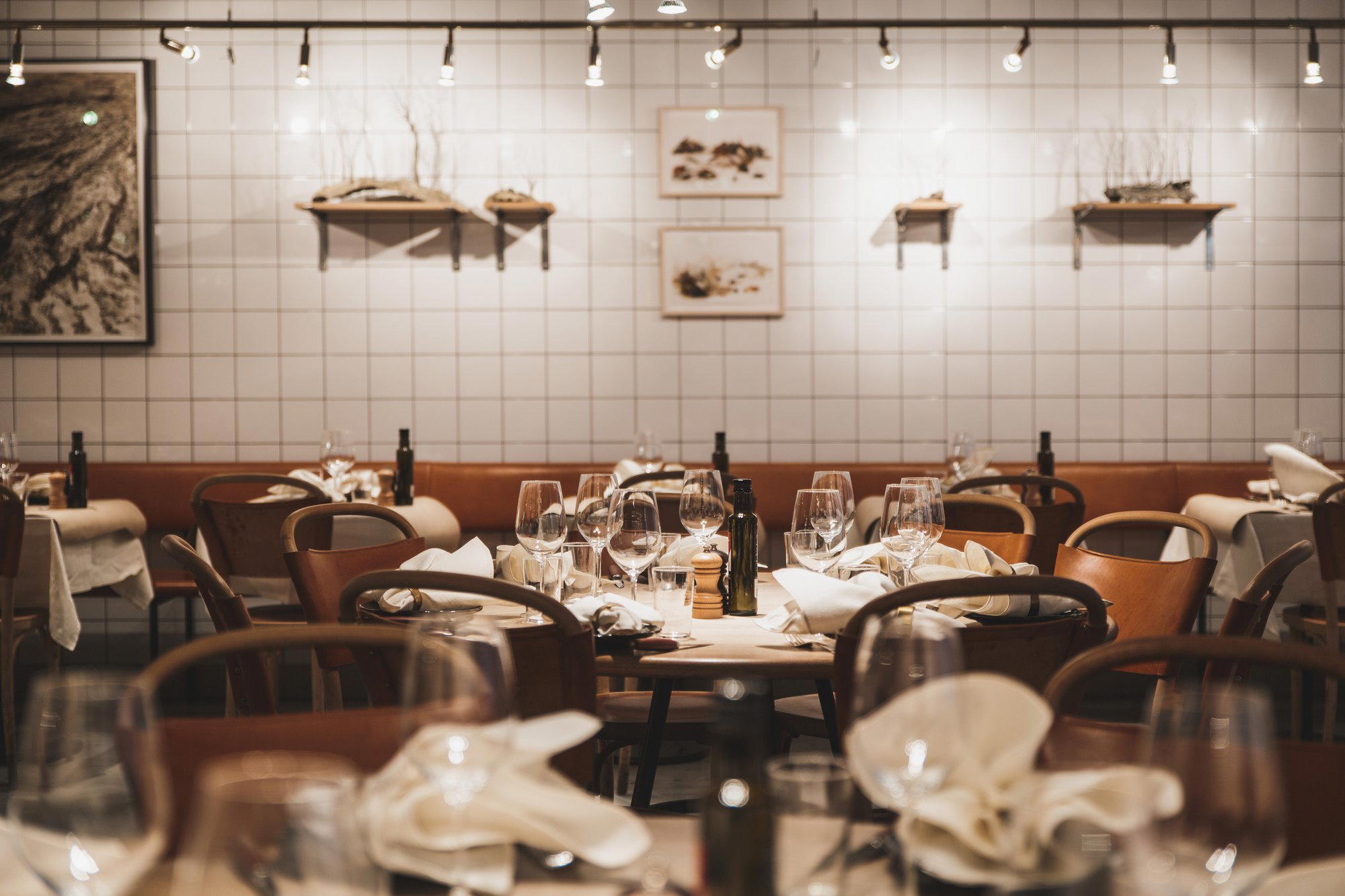
Bars in Stockholm
Browse all →
Details
- Cozy
- Modern
- Intimate
- Trendy
- Date Night
- Group Dining
- Casual Hangout
- Open Kitchen
- Extensive Wine List
- Local Sourcing
- Organic
- Street Scene
- A La Carte
- Craft Beer
- Wine
- Vegetarian Friendly
- Vegan Options
- Gluten Free Options
Current opening hours
- Monday
- 11:15 AM–11 PM
- Tuesday
- 11:15 AM–11 PM
- Wednesday
- 11:15 AM–11 PM
- Thursday
- 11:15 AM–11 PM
- Friday
- 11:15 AM–12 AM
- Saturday
- 4 PM–12 AM
- Sunday
- Closed
Hours can change for holidays and private events. Last verified .
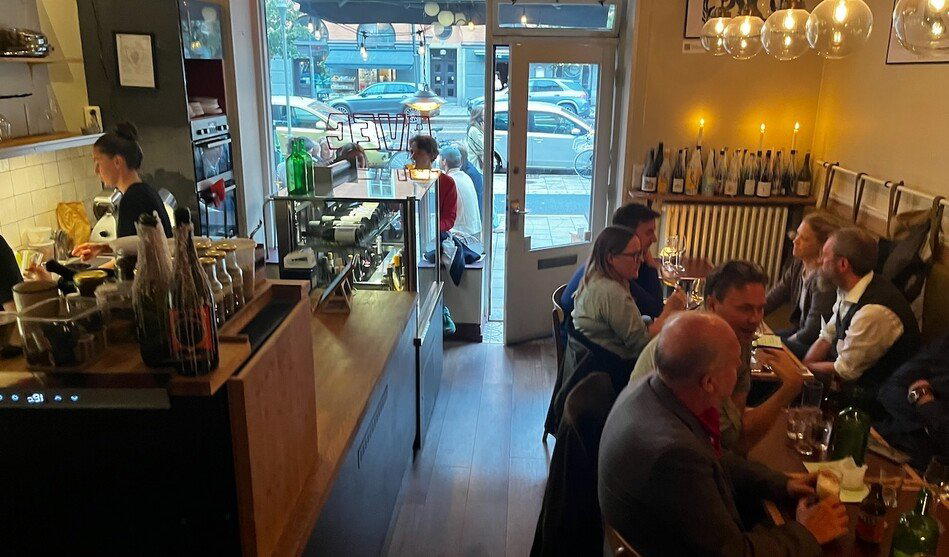
Pleasantly unpretentious light wood decor with natural light from huge windows creating a cozy, warm, and welcoming atmosphere.