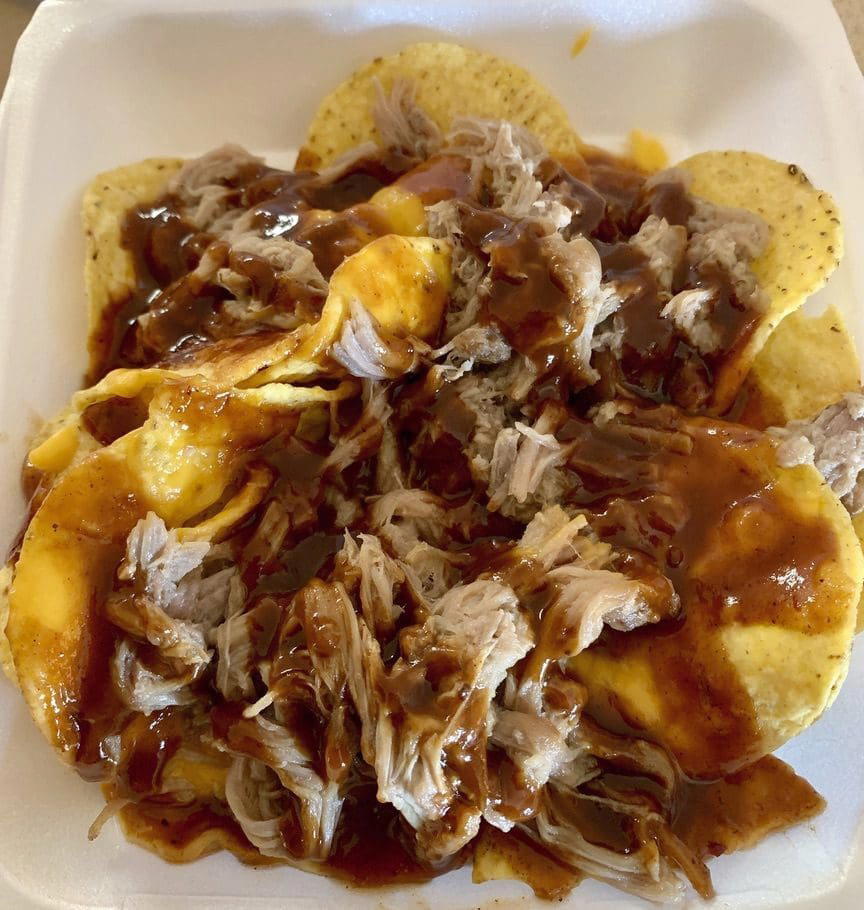
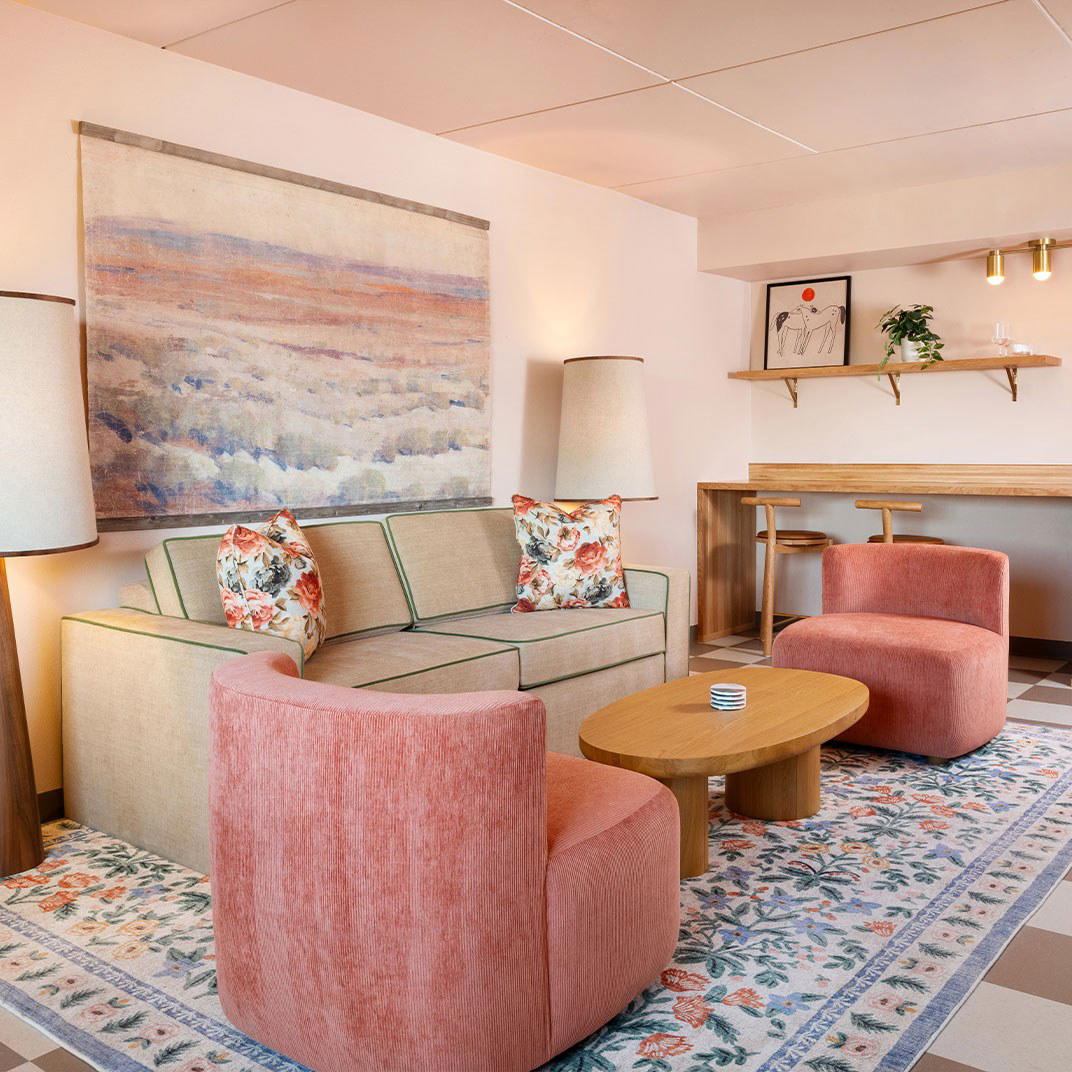
The Front-of-House as Interpretive Layer
In dining rooms with strong regional identities, the collaboration between the kitchen, any wine or beverage program, and the front-of-house team tends to carry more interpretive weight than it does in tasting-menu formats where a printed card does most of the explaining. The dining rooms of Old Town are largely in that first category. A server who can speak specifically about the difference between red and green chile harvest windows, or who can articulate why a particular New Mexico-grown ingredient appears on the plate, is doing work that no menu description fully replaces. This is a territory where team dynamics between the kitchen and the floor become the primary mechanism through which a venue communicates its seriousness to the table.
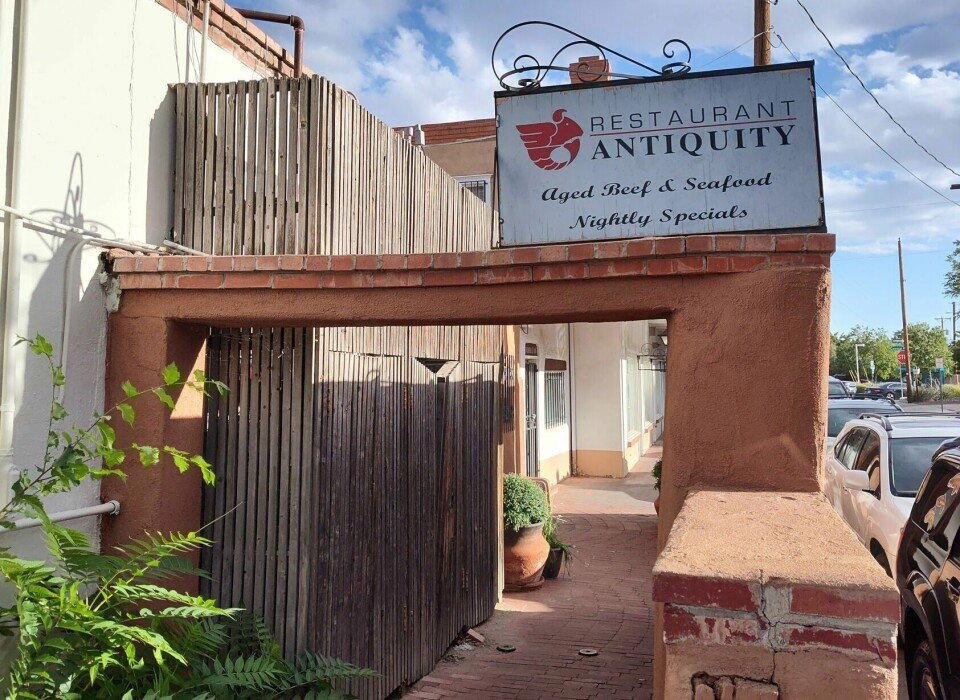
Across Albuquerque's more attentive mid-range operations, from the Continental-leaning rooms like Antiquity Restaurant to the ingredient-focused approach at Artichoke Cafe, the front-of-house training level is one of the clearest signals of where a kitchen's ambitions actually sit. A room where servers answer questions about sourcing and preparation with specificity, rather than deflecting to the menu card, is operating with a unified sense of purpose. High Noon's position on San Felipe places it in a part of the city where that kind of floor-level fluency in regional identity is both expected and tested regularly by visitors who arrive with real knowledge of New Mexican food traditions.
New Mexico's Regional Dining Tradition as Context
New Mexican cuisine occupies a genuinely distinct position within American regional cooking. It is not Tex-Mex, not generic southwestern, and not simply Mexican food adapted for a northern market. The chile-centered cooking that developed across the Rio Grande corridor, from Hatch in the south to Chimayó in the north, represents a culinary lineage with its own internal grammar: the Christmas plate (red and green chile together), posole made with dried hominy, carne adovada braised in red chile paste, sopapillas served as bread rather than dessert. Visitors who have encountered New Mexican food only in airports or in states where the cuisine travels badly are often recalibrated by the density and specificity of what good Old Town cooking can deliver.
For reference, the American fine dining operations that receive sustained national attention, venues like Le Bernardin in New York City, Alinea in Chicago, or The French Laundry in Napa, tend to operate in contexts where the regional food tradition is either well-documented nationally or actively constructed through the venue's programming. New Mexico's tradition is the former: extensively documented, deeply rooted, and capable of supporting serious cooking without theatrical intervention. The challenge for Old Town venues is deciding how faithfully to work within that tradition versus how much to reframe it for a contemporary dining audience. That decision is visible in every component of a meal, from the chile sourcing to the beverage pairings to the way the floor team describes the food.
Albuquerque's Broader Restaurant Scene
Albuquerque's dining conversation extends well beyond Old Town's regional anchors. The city supports a range of formats and cuisines that reflect both its multicultural demography and its position as a regional hub. Azuma Sushi and Teppan represents the Japanese-format operations that have established a genuine foothold in the city, while Afghan Kebab House points to the Central Asian and Middle Eastern traditions that the city's immigrant communities have made available to a wider dining public. At the casual end, 5 Star Burgers has carved out a specific niche in the quality-casual bracket. High Noon's Old Town address situates it within a distinct tier of that ecosystem, one where heritage of place is the primary editorial premise.
For those building a broader picture of the city's dining options, the full Albuquerque restaurants guide covers the range of formats and neighborhoods in detail. Nationally, readers who track American regional cooking alongside more internationally oriented fine dining might compare the New Mexico tradition to the farm-anchored approaches at Blue Hill at Stone Barns in Tarrytown or Single Thread Farm in Healdsburg, where regional ingredient specificity is the foundational editorial premise of the whole operation. In those contexts, what New Mexico's leading kitchens are doing with local chile and heirloom corn is recognizably part of the same American conversation about place-based cooking, even if it receives less coastal media attention.
Other notable American dining references that help frame the tier discussions in fine dining include Lazy Bear in San Francisco, Providence in Los Angeles, Addison in San Diego, The Inn at Little Washington, Emeril's in New Orleans, and Atomix in New York City. Internationally, the tier framework extends to operations like 8 1/2 Otto e Mezzo Bombana in Hong Kong. High Noon operates in a different register than all of these, but understanding where it sits within Albuquerque's own dining hierarchy is the more immediately useful framing for any visitor.
Planning a Visit
High Noon is located at 425 San Felipe St NW in Old Town Albuquerque, 87104. Old Town is accessible from downtown Albuquerque by a short drive west along Central Avenue, or on foot for visitors staying in the nearby hotel corridor. Parking along San Felipe and the surrounding Old Town streets is available, though weekend afternoons bring heavier visitor traffic to the district as a whole. The Old Town district generally sees its highest foot traffic from late morning through early evening, particularly on weekends when the plaza and museum circuit draws a combined visitor and local audience.