Farina Pizzeria & Wine Bar Downtown
On Central Avenue in Albuquerque's downtown corridor, Farina Pizzeria & Wine Bar occupies the intersection between serious pizza craft and a thoughtfully assembled drinks list. The format, wood-fired pies paired with wines and cocktails curated to match, fits a growing tier of American casual-fine venues where the bar programme carries equal weight to the kitchen. A reliable address for Route 66-adjacent dining with genuine depth in the glass.

Pearl is the En Primeur Club membership app, where members save venues, book tables and use the concierge.
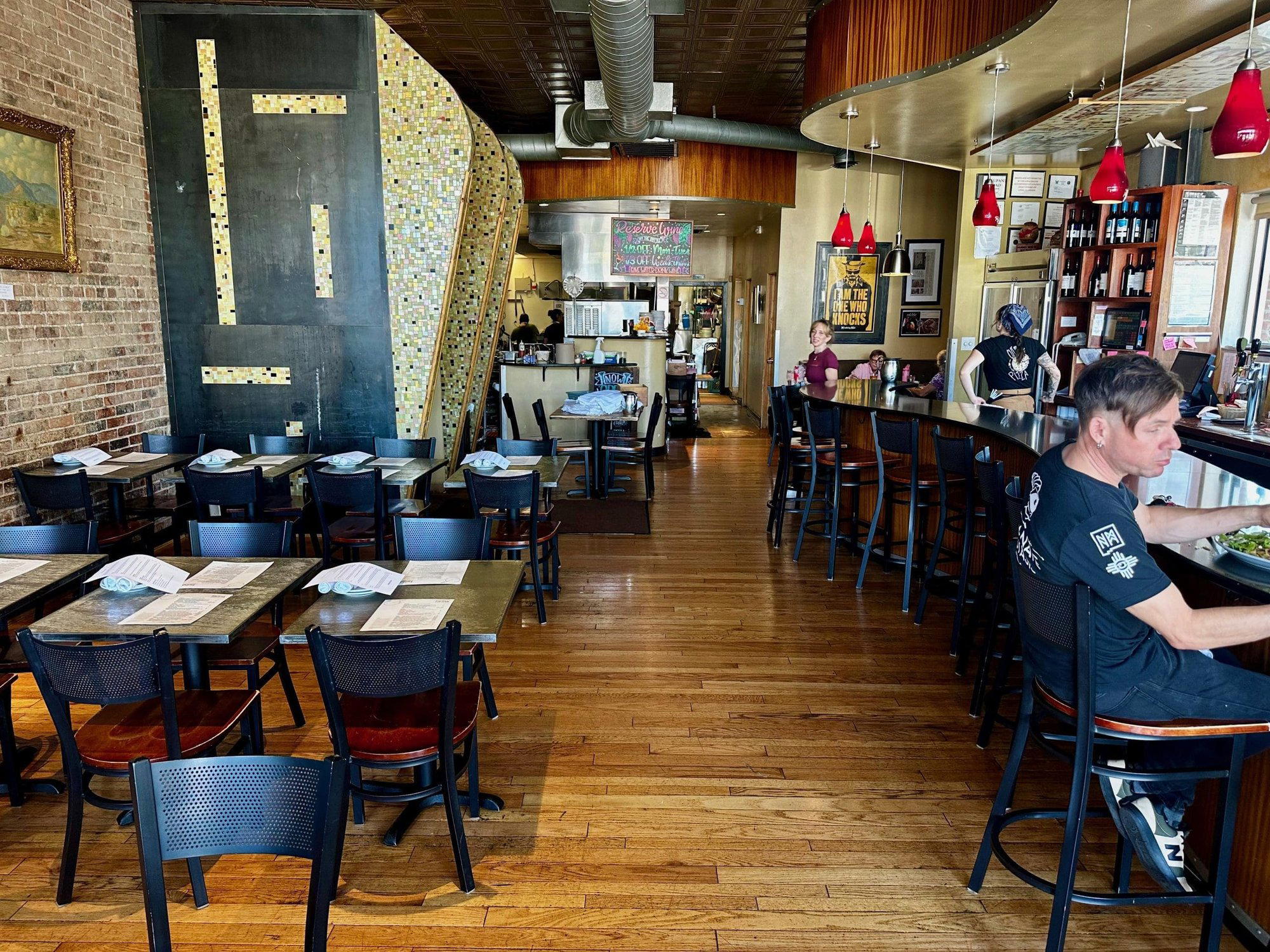
Where Central Avenue Meets the Wine List
Central Avenue SE is Albuquerque's spine: the old Route 66 corridor that connects the university district to downtown, lined with a mix of independent operators, legacy diners, and the newer wave of concept-driven restaurants that have followed revitalization investment into the area. At 510 Central Ave SE, Farina Pizzeria & Wine Bar sits squarely in that latter category, a pizzeria that takes its wine programme seriously enough to put both words in the name, which in the American casual-dining context is still a meaningful editorial statement. The combination positions the venue between a neighbourhood pizza spot and a wine-bar-with-food, a format that has become increasingly common in mid-sized American cities as operators realize the profit and experience logic of treating the drinks list as a first-class citizen rather than an afterthought.
The approach reflects a broader shift in how American pizza restaurants are positioning themselves. The old domestic model, a pizza-and-beer operation with a short, unremarkable wine list, has given way, at the more considered end of the market, to venues where the wine selection is curated rather than populated, and where the kitchen output is designed to pair rather than simply fill. Farina's name and format signal that orientation clearly.
The Pairing Logic: Food That Earns Its Wine Programme
The editorial interest in a venue called a wine bar is always whether the food programme is strong enough to justify the billing. In the pizza-and-wine format specifically, this is a genuine tension: the assertive flavours of wood-fired or stone-baked dough, tomato, cheese, and cured meat can either work with a wine list or overwhelm it, depending on how both sides of the equation are calibrated. The venues that get this right, and there is a growing cohort of them across American cities, tend to treat acidity, fat, and char as matching variables rather than fixed inputs.
Wine bars anchored by a pizza programme have precedent in both Italian tradition and in the American craft-food movement. In New York and Chicago, the format has produced some of the more interesting drink-food relationships in casual dining; in smaller Western cities with active food cultures, like Albuquerque, it tends to occupy a more distinctive position because the competition thins out. Venues like Kumiko in Chicago demonstrate what depth in the glass can do for a food-forward hospitality concept, while Jewel of the South in New Orleans shows how a serious drinks programme can anchor an entire dining experience when kitchen and bar are conceived together.
At Farina, the name and format suggest that same intent, that the bar programme is not a supplement to the pizza but a co-equal draw. For the visitor making decisions about where to spend an evening in downtown Albuquerque, that framing matters: this is a place you can come for a glass of something well-chosen and stay for a full meal, or reverse the order without feeling like either half of the visit was compromised.
Downtown Albuquerque's Drinking Scene in 2025
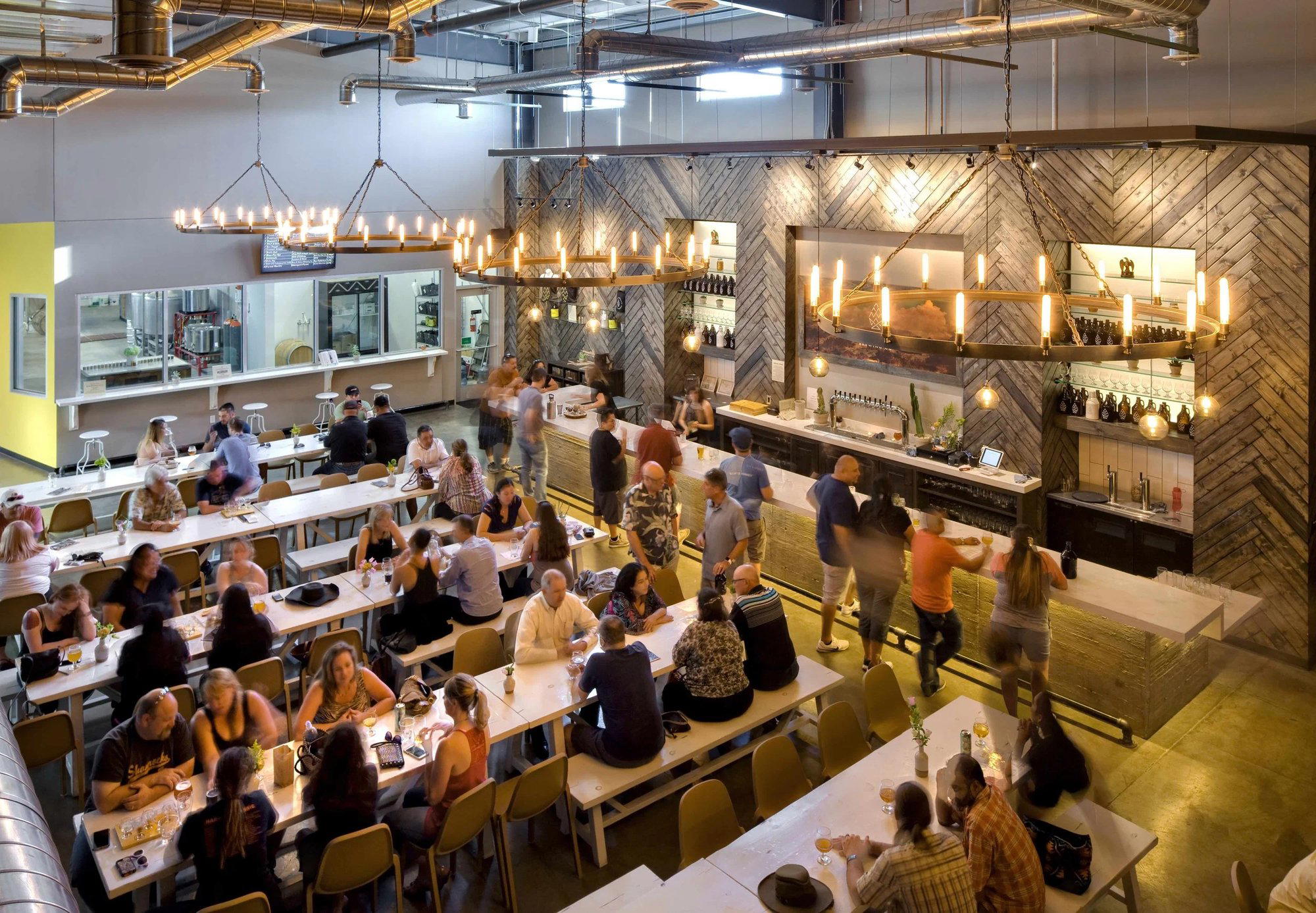
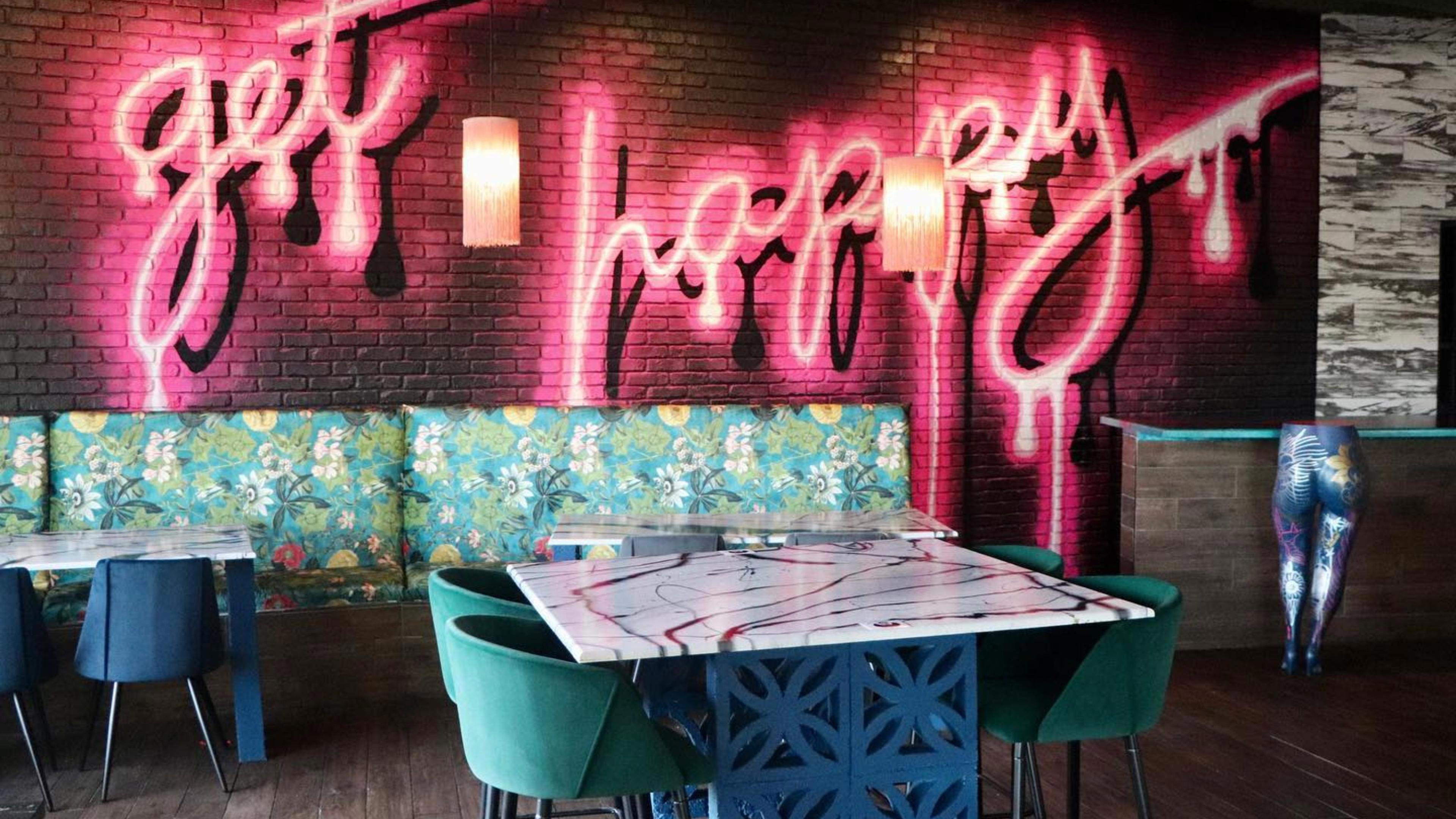
Understanding where Farina sits requires a read of what else the downtown corridor offers. Albuquerque has developed a genuinely layered drinks scene over the past decade, with craft brewing, cocktail bars, and wine-forward venues occupying distinct but overlapping niches. Bow & Arrow Brewing Co. anchors the brewing side of that conversation, while Apothecary Lounge represents the city's cocktail ambition at a higher perch, literally, given its rooftop position at Hotel Parq Central. Happy Accidents brings a different register of creativity to the local bar conversation.
Within that spread, a wine-bar-anchored pizza venue like Farina occupies a particular gap: it offers the conviviality and relative informality of a pizza restaurant with a drinks selection that rewards the kind of attention you'd bring to a bar with a proper list. That is a useful format for a city where evenings often begin at one type of venue and finish at another, and where the Central Avenue corridor's walkability makes multi-stop dining logical.
For visitors arriving from elsewhere in New Mexico or from out of state, the comparable formats in other American cities offer a useful reference point. ABV in San Francisco built its reputation on exactly this model: a serious wine and cocktail list inside a space that feeds you well without the formality of a full-service restaurant. Julep in Houston and Superbueno in New York City both illustrate how the bar-plus-food format can serve as a primary dining destination rather than a prelude to one. Bar Leather Apron in Honolulu and The Parlour in Frankfurt on the Main extend the same logic internationally, confirming that the wine-bar-with-serious-food format is a durable global pattern rather than a trend.
Planning Your Visit
Farina Pizzeria & Wine Bar Downtown is at 510 Central Ave SE, placing it in the heart of Albuquerque's walkable downtown core, accessible from the Rail Runner and within easy range of the main hotel corridor. Central Avenue's density of independent venues makes this a natural anchor point for an evening that might extend to Kimo's Hawaiian BBQ or the cocktail programmes nearby. For those building a broader picture of the city's food and drink options, our full Albuquerque restaurants guide maps the scene across neighbourhoods and formats. The late-autumn and winter months suit the format well: heavier reds pair logically with baked-dough dishes as temperatures drop, and the indoor conviviality of a wine-bar setting earns its keep when the high-desert evenings cool quickly after sunset.
Peers in This Market
Comparable venues nearby, for context on price, style, and recognition.
| Venue | Cuisine | Price | Notes |
|---|---|---|---|
| Farina Pizzeria & Wine Bar DowntownThis venue (the venue you are viewing) | wine_bar | $20–30 | Not listed |
| Restoration Pizza | beer_bar | $20–30 | Journal Center |
| Tully's Italian Deli | Bar | $10–20 | San Mateo Blvd NE |
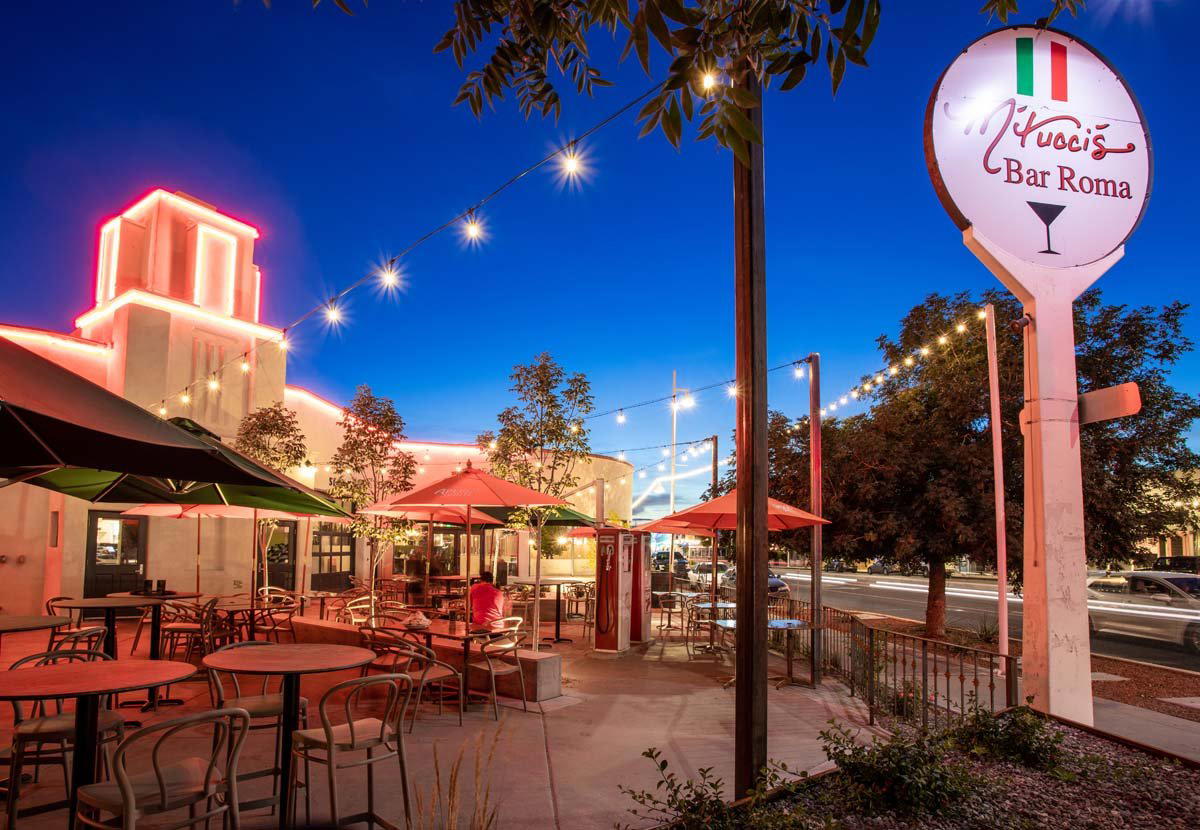
| M'tucci's Bar Roma | wine_bar | $30–50 | Nob Hill |
| Bow & Arrow Brewing Co. | beer_bar | Not listed | Wells Park |
| Amore | Bar | Not listed | Not listed |
Continue exploring
More in Albuquerque
Bars in Albuquerque
All bars in Albuquerque →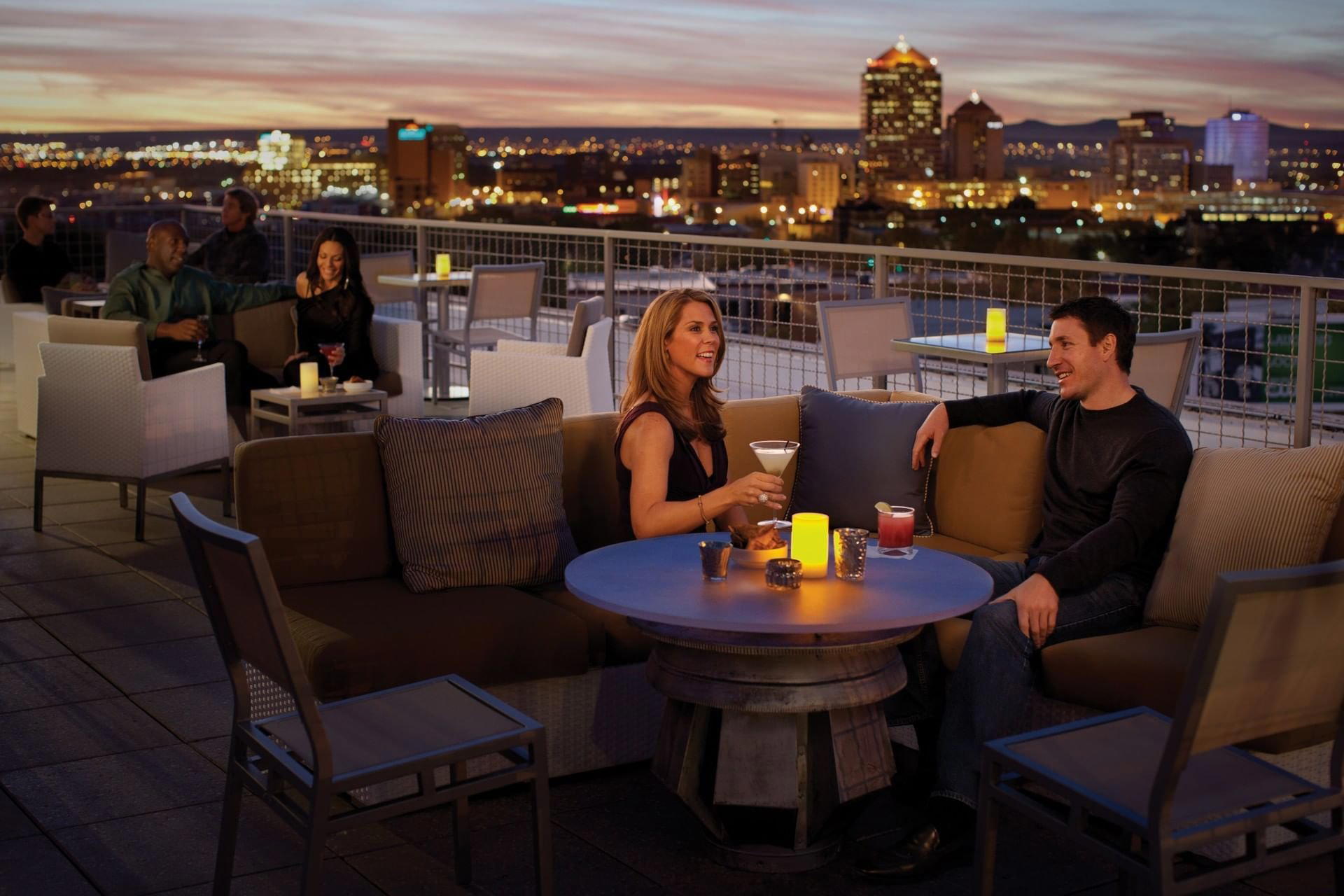
Details
- Cozy
- Modern
- Trendy
- Date Night
- Casual Hangout
- Standalone
- Seated Bar
- Booth Seating
- Conventional Wine
Current opening hours
- Monday
- 11 AM–9 PM
- Tuesday
- 11 AM–9 PM
- Wednesday
- 11 AM–9 PM
- Thursday
- 11 AM–9 PM
- Friday
- 11 AM–9 PM
- Saturday
- 11 AM–9 PM
- Sunday
- Closed
Hours can change for holidays and private events. Last verified .
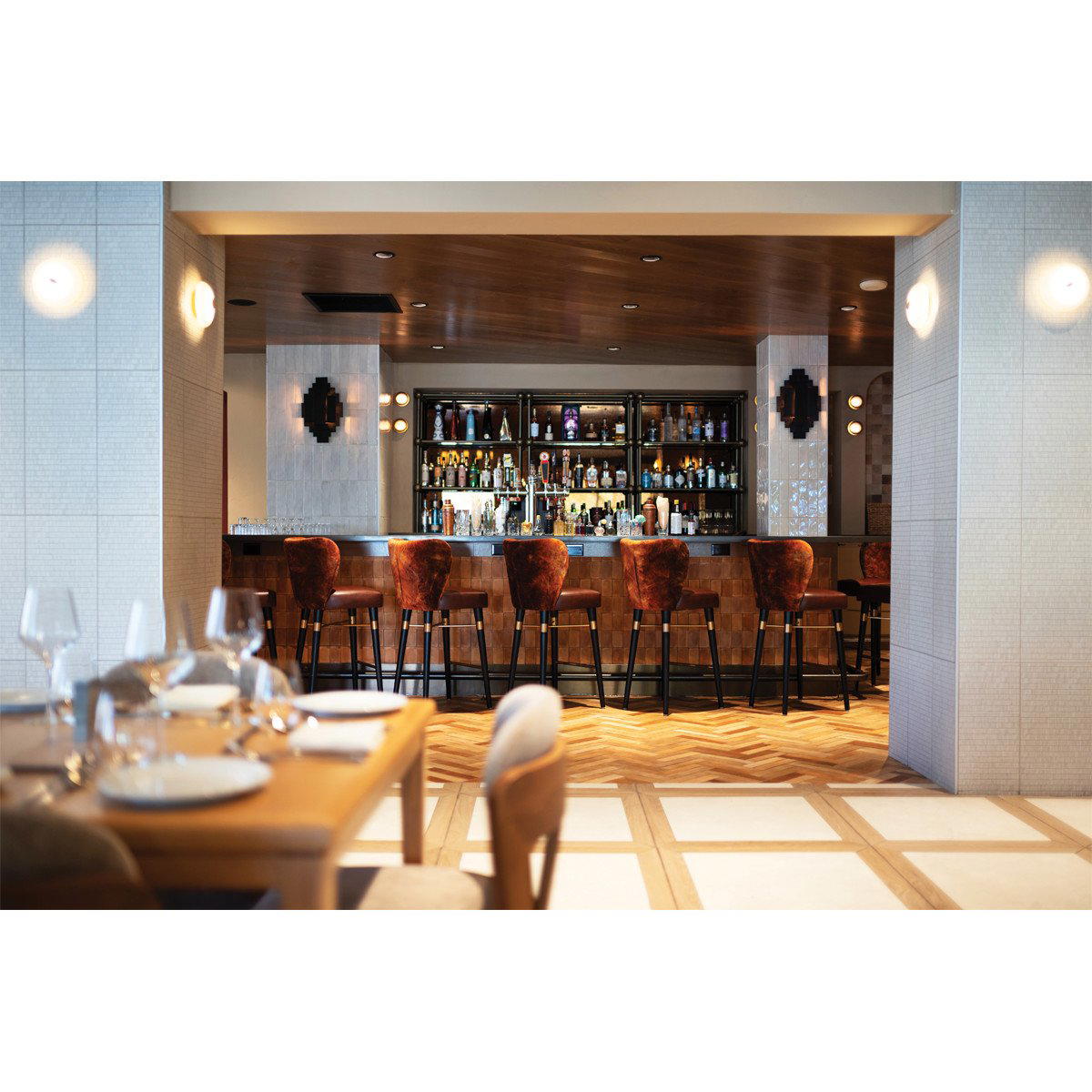
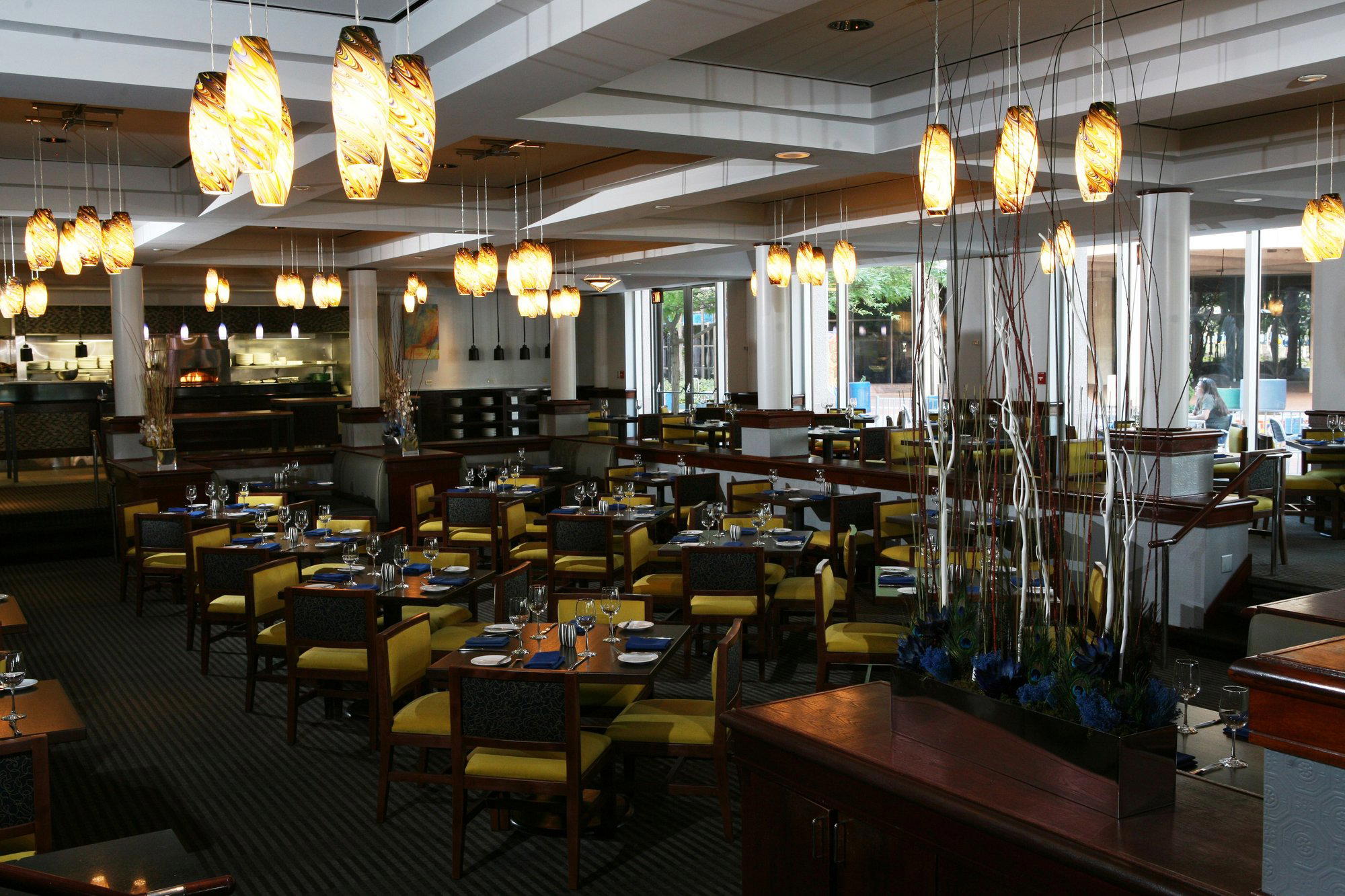
Trendy and inviting with exposed brick walls, local art, serpentine bar, and cozy convivial atmosphere.