Skip to Main Content

Google: 4.7 · 2,338 reviews

← Collection
Price≈$45
Dress CodeSmart Casual
ServiceUpscale Casual
NoiseConversational
CapacitySmall

Campo at Los Poblanos sits on one of the Rio Grande's most storied agricultural properties, where the bar programme draws on New Mexico's lavender farms, heritage chile cultivation, and high-desert botanicals to produce drinks that read as genuinely local rather than generically Southwestern. The setting — a working historic farm in Los Ranchos de Albuquerque — frames a cocktail experience that few programmes in the Mountain West can match for regional specificity.

Pearl is the En Primeur Club membership app — saves, bookings, and concierge access live there. Same editors, same standards.

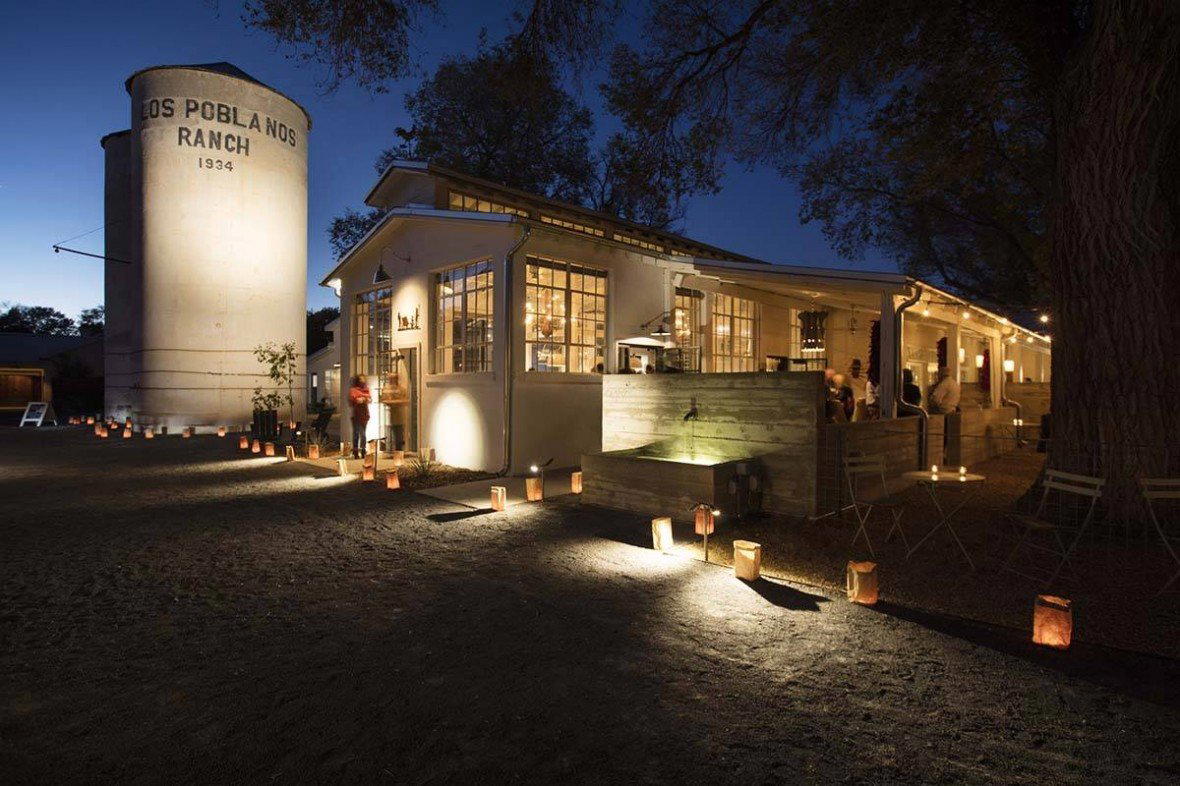
Campo at Los Poblanos bar in Los Ranchos de Albuquerque, United States
About

Where the High Desert Meets the Bar Counter

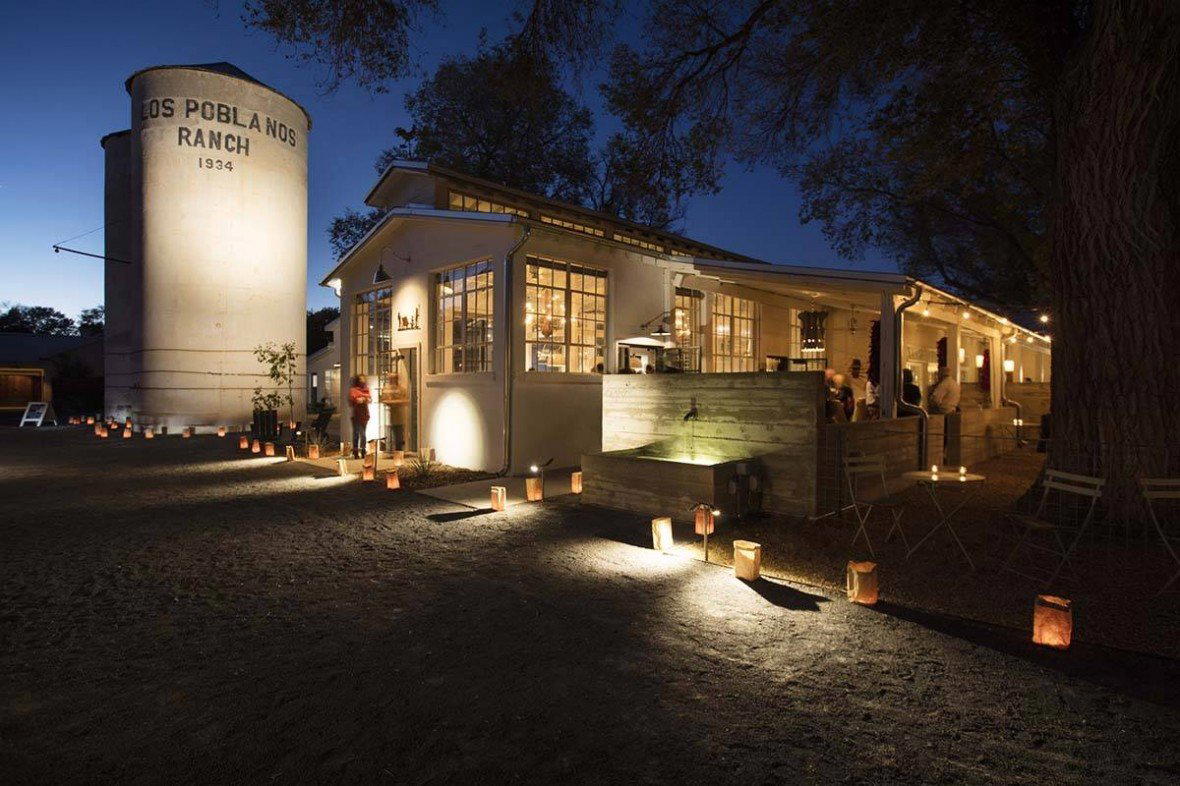
The drive north along Rio Grande Boulevard already signals a shift in register. The suburban grid of Albuquerque proper gives way to cottonwood canopy, adobe walls, and the slower pace of Los Ranchos de Albuquerque, a village-within-a-city that has retained its agricultural identity against considerable development pressure. By the time you reach the Los Poblanos Historic Inn and Organic Farm at 4803 Rio Grande Boulevard NW, the context is unmistakable: this is a working lavender farm set on land with a continuous agricultural history stretching back centuries, and Campo is the restaurant and bar that grows out of that land — sometimes literally.

For a city like Albuquerque, which sits in the broader constellation of American bar culture without always receiving the attention of a Denver, Austin, or Santa Fe, Campo represents something meaningful: a cocktail programme with genuine terroir logic rather than borrowed desert aesthetic. That distinction matters when you consider how many Southwestern bars reach for turquoise, pottery, and chile pepper imagery without connecting those signifiers to what is actually growing within fifty miles. Campo's approach, rooted in the farm's own lavender harvest and the surrounding region's chile, herb, and grain production, earns its sense of place through supply chain rather than decoration.

The Cocktail Programme: Farmhouse Precision

The bar programmes that earn sustained editorial attention in the contemporary American market tend to fall into two camps: the technically obsessive city programmes — think the clarified-drink architecture at venues like Kumiko in Chicago or the ingredient-depth at ABV in San Francisco , and the place-specific programmes that anchor their identity in regional agriculture, seasonal availability, and local producer relationships. Campo belongs firmly to the second category, and in that sense it competes more directly with programmes like Julep in Houston, where Southern botanical heritage drives menu logic, than with the technique-forward urban bars.

New Mexico's agricultural calendar gives Campo's bar programme structural advantages that few American farm-to-glass operations can replicate. The Los Poblanos lavender harvest, which runs through high summer, provides both ingredient inventory and a seasonal rhythm that shapes what appears in the glass. The state's chile culture , rooted in Hatch to the south and the heritage Chimayó varieties to the north , offers a heat and complexity register that differs markedly from the cayenne shortcuts common in cocktail menus elsewhere. When a bar has genuine access to fresh Hatch green chile at its peak, the resulting drink carries a vegetal brightness and a slow-building heat that dried powder cannot approximate.

Farm-driven bar programmes across the American Southwest have proliferated over the past decade, but the ones that sustain critical interest are those with genuine production depth behind them. Los Poblanos operates one of New Mexico's most established organic lavender operations, which means the bar's access to lavender is not a seasonal purchase from a distributor but an ongoing relationship with a harvest happening yards from the bar counter. That operational reality translates into a programme with the confidence to build around a single botanical across multiple applications rather than deploying it as a single novelty garnish.

In the broader context of American cocktail geography, bars like Jewel of the South in New Orleans and Allegory in Washington, D.C. demonstrate how a strong editorial identity , rooted in historical reference or seasonal narrative , can refine a bar programme above its geographic market. Campo's version of that editorial identity is more agricultural than historical, but the principle is the same: a clear point of view, consistently executed, communicated through what arrives in the glass.

Setting and Atmosphere: The Farm as Context

The physical setting at Los Poblanos does considerable work in establishing how a drink lands. Dining and drinking within sight of the fields that supplied the ingredients is an experience that tilts perception in documentable ways , the lavender in a cocktail reads differently when you can see lavender rows through the window, or when the aromatic of the plant is present in the outdoor air. This is less a marketing point than a sensory fact, and it distinguishes Campo from urban farm-to-table operations where the farm is a concept invoked on the menu rather than a visible presence outside.

The property's historic structures , designed in part by New Mexico architect John Gaw Meem, who shaped the Pueblo Revival vocabulary that defines much of the state's institutional architecture , give the setting a material weight that newer hospitality developments in the region cannot replicate. Drinking in a space with genuine architectural heritage and agricultural continuity produces a different quality of experience than drinking in a space designed to simulate those qualities. That distinction is worth naming plainly.

For visitors arriving from outside New Mexico, Los Ranchos de Albuquerque is not a neighbourhood that announces itself from the highway. Planning around Campo requires treating it as a destination rather than a stop, which in practice means building an evening rather than a quick visit. The farm's accommodation offers the most coherent approach for those travelling specifically for the experience; arriving as a hotel guest removes the practical calculus around transport and allows for a longer engagement with both the bar and the surrounding property at dusk, when the light on the cottonwoods and the Sandia Mountains to the east sets a register that is specific to this latitude and elevation.

Campo in the Mountain West Bar Conversation

The Mountain West has produced a growing number of bar programmes worth tracking alongside the coastal concentrations. Bitter and Twisted in Phoenix and Canon in Seattle represent the technically ambitious end of the regional spectrum. Campo occupies a different position: less about collection depth or technique signalling, more about the specificity of place and the credibility that comes from operating within a genuine agricultural ecosystem. For readers who have covered bars like Bar Leather Apron in Honolulu or Bar Kaiju in Miami, where strong regional identity shapes a bar's competitive position, Campo fits a recognisable pattern: a programme defined by where it is, not despite it.

The our full Los Ranchos de Albuquerque restaurants guide maps the broader dining and drinking context around this part of the Rio Grande corridor. Campo is the anchor, but understanding the village's agricultural character and its relationship to Albuquerque proper adds useful framing for building an itinerary around the property.

For those tracking American bar programmes with a strong sense of regional identity, Superbueno in New York City and The Parlour in Frankfurt demonstrate how that identity can operate across very different scales and geographies. Campo's particular version , small-farm, high-desert, working organic property , sits at one end of that spectrum, where the physical and agricultural context does as much editorial work as anything that happens at the bar counter itself.

Planning Your Visit

Campo operates within the Los Poblanos Historic Inn and Organic Farm, located at 4803 Rio Grande Boulevard NW in Los Ranchos de Albuquerque. Given the property's position outside the walkable core of Albuquerque, driving or arranging a car service is the practical default for most visitors. Arriving at the property as part of an overnight stay is the most coherent approach: it removes transport friction and allows engagement with the farm at morning and dusk, when the property reads most fully. Bookings and current hours are leading confirmed directly with the property before visiting, as seasonal programming and farm events shape availability across the year.

Signature Pours
Campo Lavender MargaritaThe Three GuineasRGB (Rio Grande Boulevardier)
Frequently asked questions

At-a-Glance Comparison

These are the closest comparables we have in our database for quick context.

At a Glance
Vibe
  • Scenic
  • Rustic
  • Elegant
  • Romantic
Best For
  • Date Night
  • Special Occasion
  • Group Outing
Experience
  • Garden
  • Historic Building
  • Live Music
Format
  • Seated Bar
  • Lounge Seating
  • Outdoor Terrace
Drink Program
  • Craft Cocktails
  • Gin
  • Tequila
Views
  • Garden
Dress CodeSmart Casual
Noise LevelConversational
CapacitySmall
Service StyleUpscale Casual

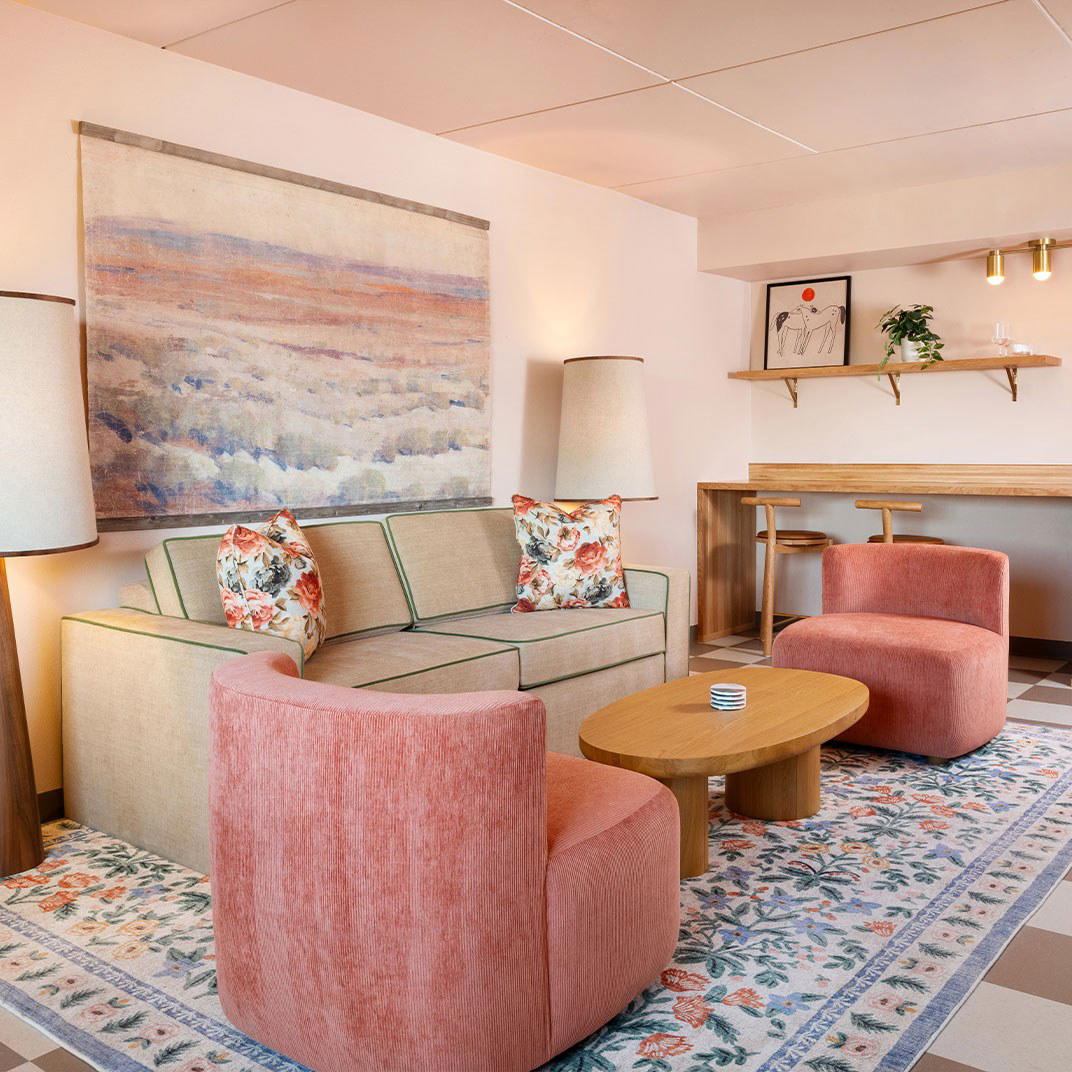
Casual fine-dining atmosphere blending rustic farm setting with elegant service, set within restored dairy buildings overlooking the Rio Grande Valley.

Signature Pours
Campo Lavender MargaritaThe Three GuineasRGB (Rio Grande Boulevardier)