
Kasuga’s Indian Spice Factory gives Fukuoka’s suburban dining map a sharper regional accent: East Indian, Kolkata and Bengali cooking built around vegetables, fish and dietary flexibility rather than generic curry-house shorthand. Its Tabelog 100 Asian and Ethnic Cuisine WEST selection in 2023 and 2024 places a compact 18-seat room in a serious regional conversation.
Pearl is the En Primeur Club membership app — saves, bookings, and concierge access live there. Same editors, same standards.
- Address
- Japan, 〒816-0851 Fukuoka, Kasuga, Noborimachi, 4 Chome−24 稲生ビル 1階
- Phone
- +81 92-586-6665
- Website
- indianspicefactory.co.jp
 Saves & bookings on Pearl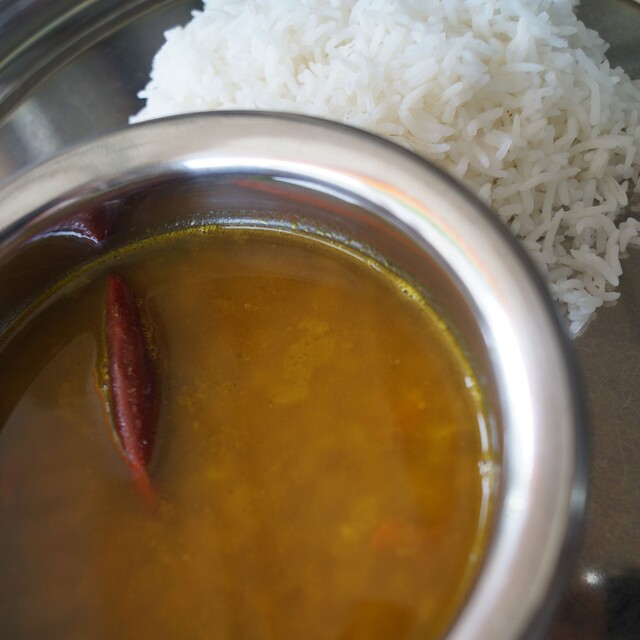
Approach in Noborimachi and the cue is scale, not spectacle: a compact ground-floor room with counter seats beside tables, in a suburban rhythm far from the station-front restaurant clusters that shape many Fukuoka itineraries. That modest footprint matters. In Japan, regional Indian cooking is often flattened into “curry,” but sharper addresses now define themselves by origin, sourcing and format. Higashi India Bengal Ryori Senmon Ten Indian Spice Factory belongs to that narrower conversation, presenting East Indian, Kolkata and Bengali cooking as a specific cuisine, not a loose category.
The recognition is deliberate. Selection for Tabelog 100 Asian and Ethnic Cuisine WEST in both 2023 and 2024 places the restaurant in a competitive western-Japan bracket, judged against specialist Asian restaurants rather than local curry shops alone. In Kasuga, that gives the city a second kind of destination dining: not only sushi counters such as 菊鮨, but also a small-format Indian restaurant with a defined regional lens. Readers can place it within Our full Kasuga restaurants guide, while wider trip planning sits in Our full Kasuga hotels guide, Our full Kasuga bars guide, Our full Kasuga wineries guide and Our full Kasuga experiences guide.
Bengal as a sourcing argument, not a curry label
Bengali cooking has a different center of gravity from the North Indian restaurant model familiar across Japan. Fish, vegetables, rice, mustard, lentils and lighter spice calibration often carry the meal, and leading versions depend on produce more than theatrical heat. Here, homegrown Indian vegetables, seasonal local ingredients, fish and vegetable-led cooking give the restaurant its editorial interest. It is not chasing the all-purpose curry set; it uses local supply to translate a regional food culture with specificity outside its original geography.
That sourcing angle explains the broad dietary frame. Vegan, vegetarian, gluten-free, halal and Hindu options are listed not only for mixed groups, but as proof that Indian regional cooking can accommodate eating rules without reducing the table to substitutions. In Japan, where allergy and dietary requests can be difficult in small restaurants, that flexibility matters. A children’s menu and allergy-friendly family notes further move the restaurant away from the adult-only destination model common to many award-tracked rooms.
Biryani is the logistical clue to the kitchen’s structural discipline. Weekend pre-orders ask diners to choose the main ingredient, with chicken, mutton, shrimp or fish changing the base; weekday biryani requires advance arrangement. This is not a casual rice special added for volume, but preparation-led cooking, with the base adjusted to the protein rather than treated as one template. For diners who care about regional Indian food, that distinction is the point.
A small Kasuga room with a specialist's discipline
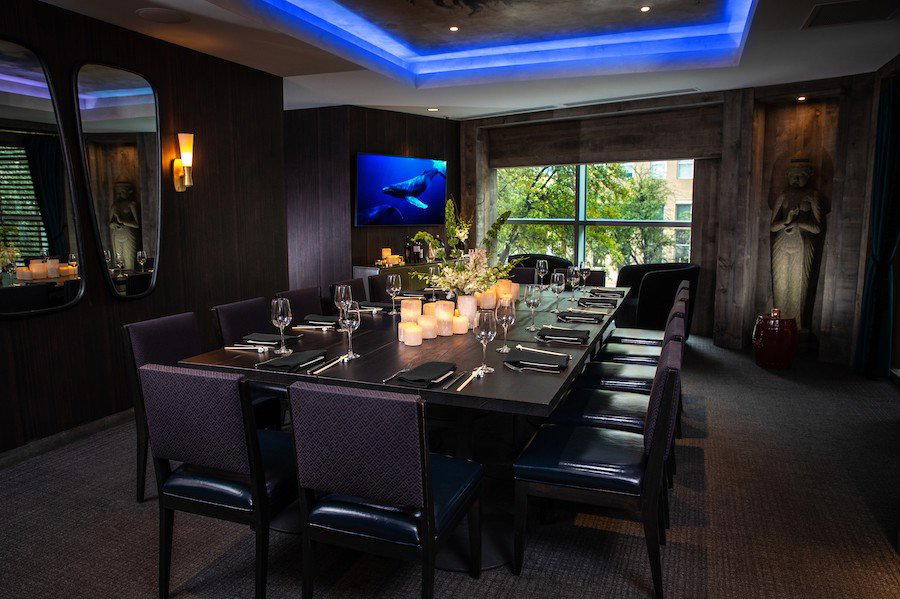
The room runs on an 18-seat scale, with four counter seats and 14 table seats. That size creates expectations different from larger ethnic-dining rooms in city centers: less anonymity, more dependence on timing, and a format where reservations have practical value. Private room use is available for small children by reservation, and private use can extend to groups of up to 20, so the space is more flexible than its footprint suggests. Non-smoking policy, wheelchair accessibility, counter seating, sofa seating, power outlets and free Wi-Fi make it more functional than a destination-only restaurant needs to be.
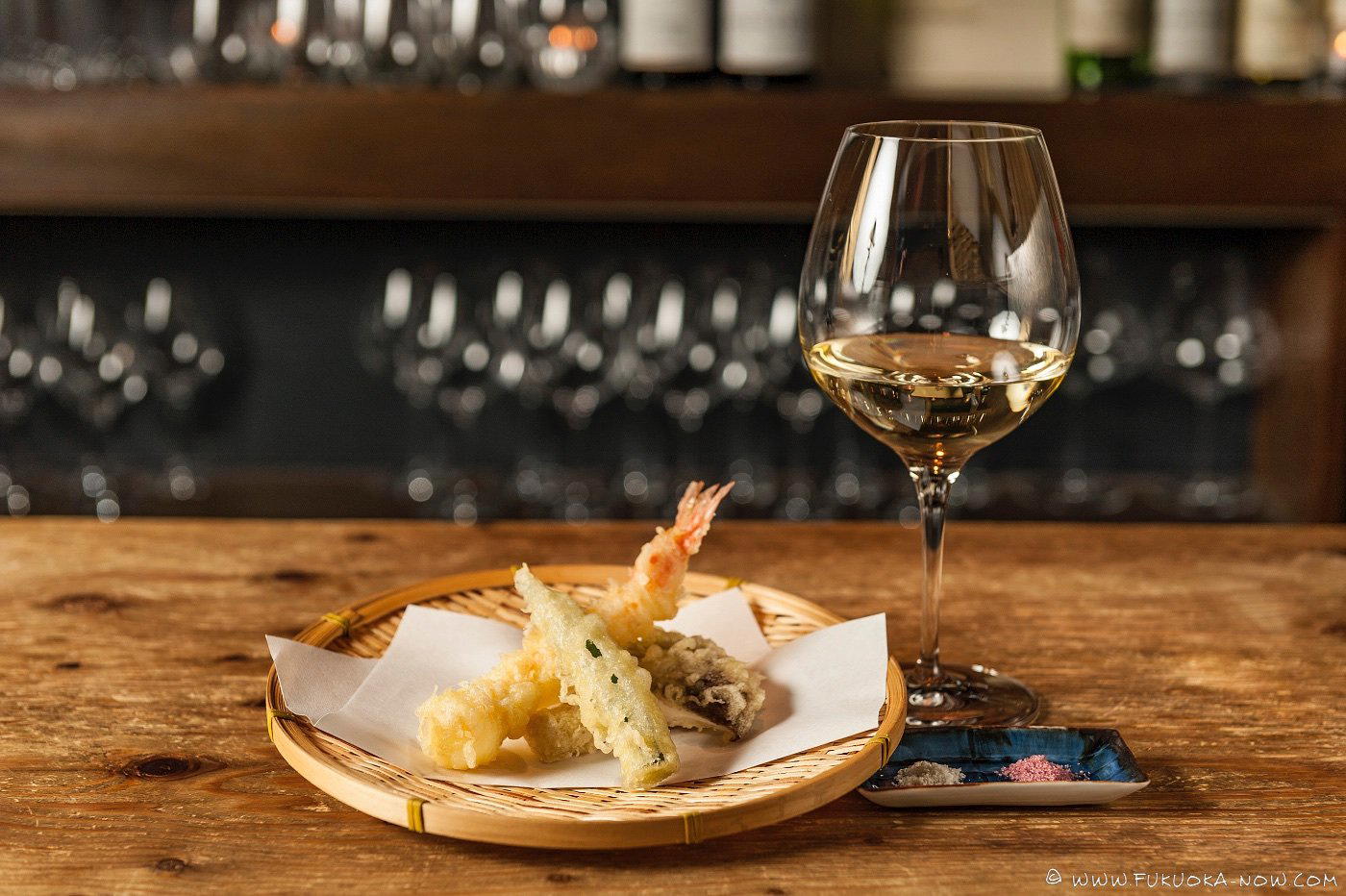
The beverage note is worth reading carefully. Wine is specifically called out, including attention to wine, and BYO is listed among the services. That places the restaurant closer to a small modern dining room than to the usual curry-and-lassi shorthand. In Japan’s non-Japanese dining scene, wine service often signals a wish to be read alongside contemporary restaurants rather than casual canteens. It also suits fish and vegetable-led Bengali cooking, where acidity and texture can matter as much as spice.
Kasuga sits outside the standard Fukuoka visitor circuit, so a Tabelog 100 selection here carries different weight from one in a dense downtown district. It asks diners to think beyond convenience and consider why a suburb can support a specialist kitchen. Across Japan, serious restaurants increasingly operate outside obvious metropolitan dining corridors, sometimes because lower overheads allow narrower menus and more personal sourcing. The comparison is not only local. Across EP Club’s Japan coverage, category-specific addresses range from beef-focused formats such as -Grilled beef Sukiyaki- KAMAKURA TANUKIAN 鎌倉 たぬき庵 in Kamakura to casual precision at .cafe in Osaka, .know in Kumamoto and (Shoku) Vietnam in Kawasaki. The thread is not cuisine type; it is how smaller restaurants define themselves tightly enough to justify a detour.
How to read the category before choosing the table
Indian restaurants in Japan often sit in three overlapping lanes: everyday curry shops, regional specialists and contemporary dining rooms using Indian technique with Japanese produce. Indian Spice Factory is closest to the second lane, with enough dining-room polish to touch the third. Its categories are Indian and Indian curry, but the fuller identity is East Indian, Kolkata and Bengali. That distinction changes the ordering logic. Diners seeking generic butter chicken and naan are reading the room incorrectly; the better approach is to treat vegetables, fish, biryani planning and dietary structure as the signals.
Within Kasuga, the restaurant’s role is complementary rather than competitive with sushi. 菊鮨 speaks to the Japanese counter tradition; this address speaks to regional Indian tradition translated through local ingredients. That makes the city more interesting than a single-category dining stop. It also connects to a broader national pattern visible in places as different as [Curry Senmon Ten] Maruyama Kyoju. in Sapporo, [ki:] in Kyoto, #肉といえば松田 奈良本店 in Kashihara, 1/3 HAMBURGER FACTORY in Kanazawa and 1000 in Yokohama: narrow concepts can carry more authority than broad menus when the kitchen has a clear frame.
The planning case is simple: go for lunch for the regular rhythm; treat dinner and biryani as advance-planning meals rather than spontaneous choices. The price band sits above everyday curry-shop territory and below luxury tasting-menu dining, aligned with a small, specialist restaurant with award recognition, dietary range and ingredient-led cooking. For travelers linking Fukuoka with a wider food trip, it pairs conceptually with other compact, identity-led rooms outside Japan too, from Jōdo Saké Bar in Los Angeles to Onigiri Time in Pasadena, where specificity is the draw. Kasuga’s case is quieter, but no less instructive: serious dining does not always announce itself through scale.
Side-by-Side Snapshot
Comparable venues by cuisine and price in the same metro.
| Venue | Cuisine | Price | Notes |
|---|---|---|---|
| Higashi India Bengal Ryori Senmon Ten Indian Spice Factory | East Indian / Bengali Cuisine | $$ | Noborimachi |
| 菊鮨 | Edomae Omakase | $$$ | Kasuga |
| Kamal (カマル) | Indian & Thai Curry Fusion | $$ | Sanjo |
| ナマステネパール 稚内店 | Authentic Indian-Nepalese Curry | $$ | 港 |
| Dharmasagara | Authentic South Indian Restaurant | $$ | Tanushimaru-machi |
| Masala Curry Shop | Indian Curry House | $$ | Shunan |
Recognition history
Dated appearances from independent guides and award organizations, with the underlying list record or original source where available.
Tabelog 100 #52 · No. 52
Tabelog · Tabelog 100 - Asian cuisine / Ethnic cuisine - WEST - 2024



At a Glance
- Cozy
- Quiet
- Family
- Group Dining
- Special Occasion
- Casual Hangout
- Standalone
- Private Dining
- Zero Proof
- Local Sourcing
- Farm To Table
Current opening hours
- Monday
- Closed
- Tuesday
- Closed
- Wednesday
- 11:30 AM–3 PM
- Thursday
- 11:30 AM–3 PM
- Friday
- 11:30 AM–3 PM
- Saturday
- 11:30 AM–3 PM
- Sunday
- 11:30 AM–3 PM
Hours can change for holidays and private events. Last verified .
Warm, intimate, and home-style, with a focus on a small dining room and a family-run feel rather than a large, loud restaurant.