Het Pomphuis occupies a converted industrial pumping station on Antwerp's left bank, giving it one of the most architecturally striking dining rooms in the city. The venue sits within a broader Antwerp dining scene that ranges from Michelin-decorated Flemish kitchens to focused contemporary formats, and draws visitors who prioritise setting as much as plate.
Pearl is the En Primeur Club membership app — saves, bookings, and concierge access live there. Same editors, same standards.
- Address
- Siberiastraat, 2030 Antwerpen, Belgium
- Phone
- +32 3 770 86 25
- Website
- hetpomphuis.be
- Directions
- Get directions
 Saves & bookings on Pearl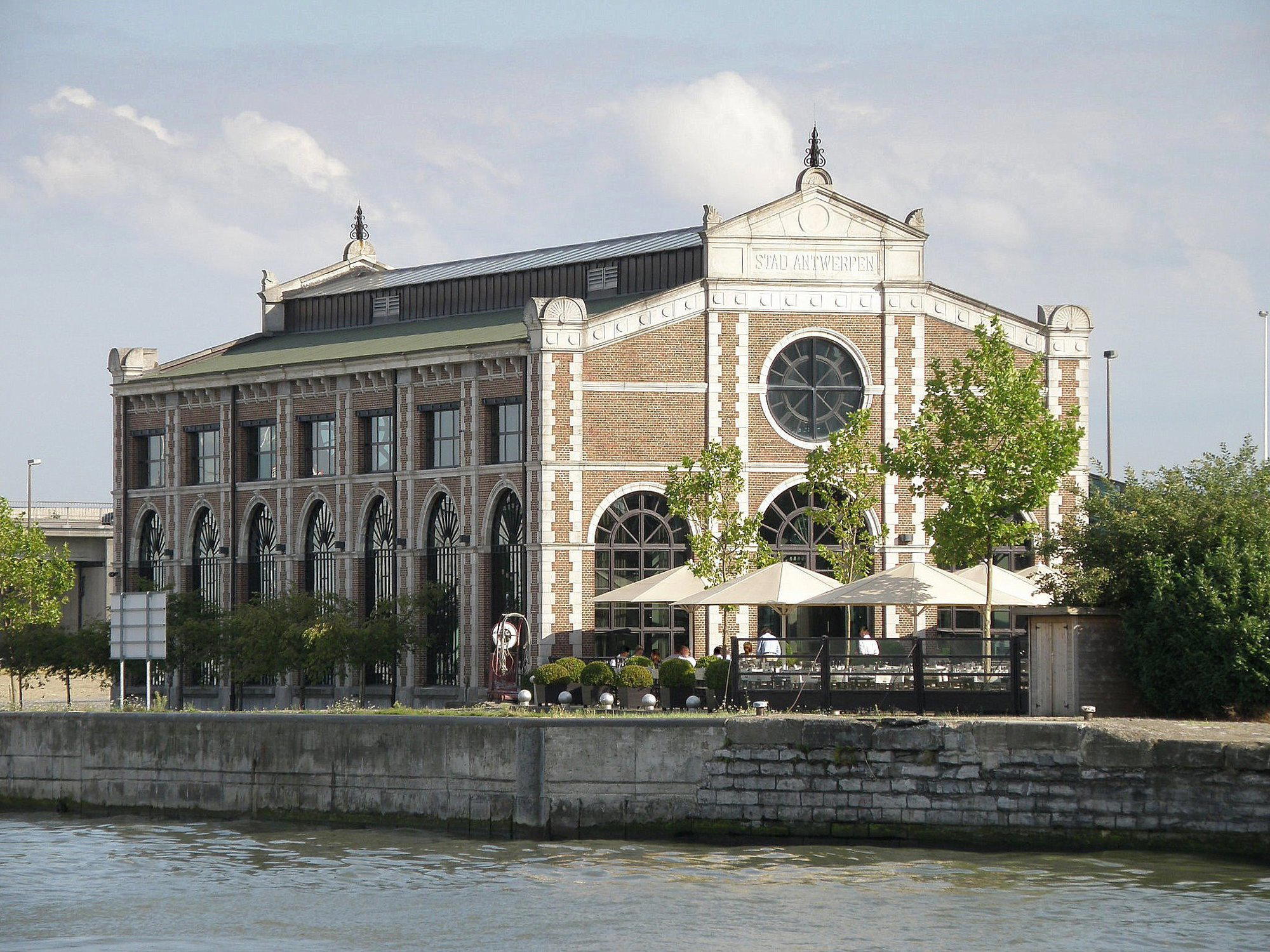
An Industrial Nave on the Scheldt's Edge
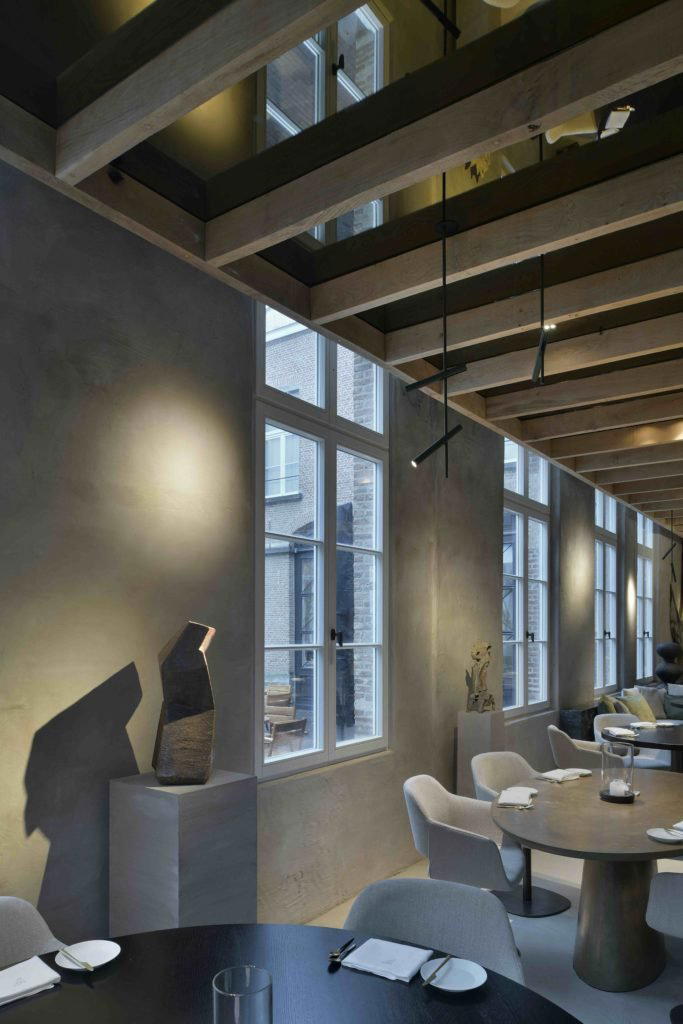
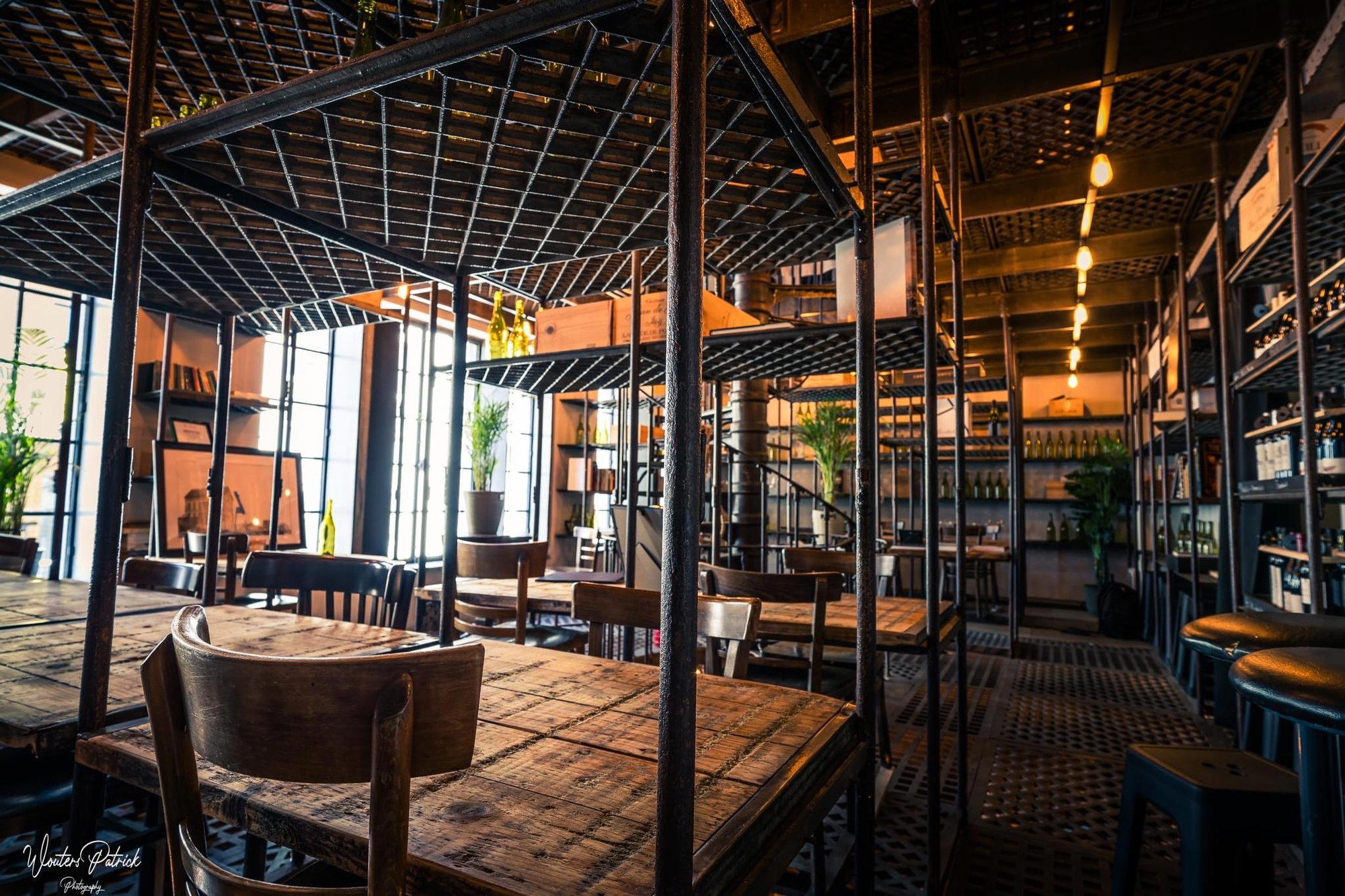
Antwerp has always converted its industrial past into cultural currency. The city's port heritage — cranes, warehouses, dry docks — has been absorbed into its residential and commercial fabric in ways that other European port cities are still attempting. Het Pomphuis, housed in a former steam-powered pumping station on the Siberiastraat in the Eilandje district, is among the most architecturally arresting examples of that transformation. The building's iron vaulting, towering nave, and preserved machinery create a dining environment that operates on a different register from the low-lit, intimate rooms that define most of Antwerp's serious restaurant scene.
The Eilandje quarter itself is worth contextualising. Long a derelict buffer zone between the active port and the city centre, it has been steadily reintegrated over the past two decades, anchored by the Museum aan de Stroom (MAS) and a cluster of redeveloped warehouses. Dining in this part of Antwerp carries a different social grammar from the compact streets around the Grote Markt or the fashion-district restaurants of the Nationalestraat corridor. The scale is larger, the architecture more assertive, and the audience tends toward visitors and design-conscious locals rather than the neighbourhood regulars who fill the older dining rooms further south.
Where Het Pomphuis Sits in the Antwerp Dining Spectrum
Antwerp's restaurant scene has become one of the more stratified in northern Europe. At the apex sit a handful of kitchens operating at the Michelin multi-star level, with Zilte and Hertog Jan at Botanic representing the creative Flemish tradition in its most technically demanding form. Below that, a mid-tier of assured brasseries and European-inflected kitchens, venues like 't Fornuis and Bistrot du Nord, holds a loyal local following built on consistency rather than spectacle. Then there are the experience-led venues, where the setting does significant work alongside the kitchen, and where the decision to visit is as much about the space as about any particular culinary programme.
Het Pomphuis belongs to that third tier in terms of its primary draw. The converted pumping station format places it in a pan-European category of heritage-industrial dining rooms, spaces where the architecture is the first thing a guest photographs and the last thing they remember. This is not a criticism; it is a positioning observation. In cities from London to Copenhagen, these spaces have proven that context shapes taste perception, and that a well-executed kitchen in a genuinely arresting room can deliver an experience that a technically equivalent kitchen in a conventional space cannot replicate.
For visitors cross-referencing Antwerp's dining options with Belgium's broader fine-dining circuit, the country's reputation rests on kitchens like Hof van Cleve in Kruishoutem, Boury in Roeselare, and Willem Hiele in Oudenburg, all of which sit closer to the Flemish culinary tradition's technical edge. Bozar Restaurant in Brussels and Vrijmoed in Gent represent how Belgian cities other than Antwerp are positioning themselves at the serious end of European dining. Het Pomphuis operates in a different register, less about competing with those kitchens and more about offering a complete spatial experience that those kitchens, by design, do not prioritise.
The Cultural Logic of Eating Inside a Monument
Belgium's relationship with its industrial heritage is complicated and, in recent decades, increasingly celebratory. Flemish cities in particular have invested in adaptive reuse at a scale that reflects both genuine civic pride and a pragmatic tourism strategy. Eating inside a preserved steam pumping station is, in this context, not mere novelty, it is a participation in a cultural act of reclamation. The same instinct that drives visitors to Lazy Bear in San Francisco or to heritage-converted dining rooms in London is at work here: the meal becomes inseparable from the architectural memory embedded in the walls around it.
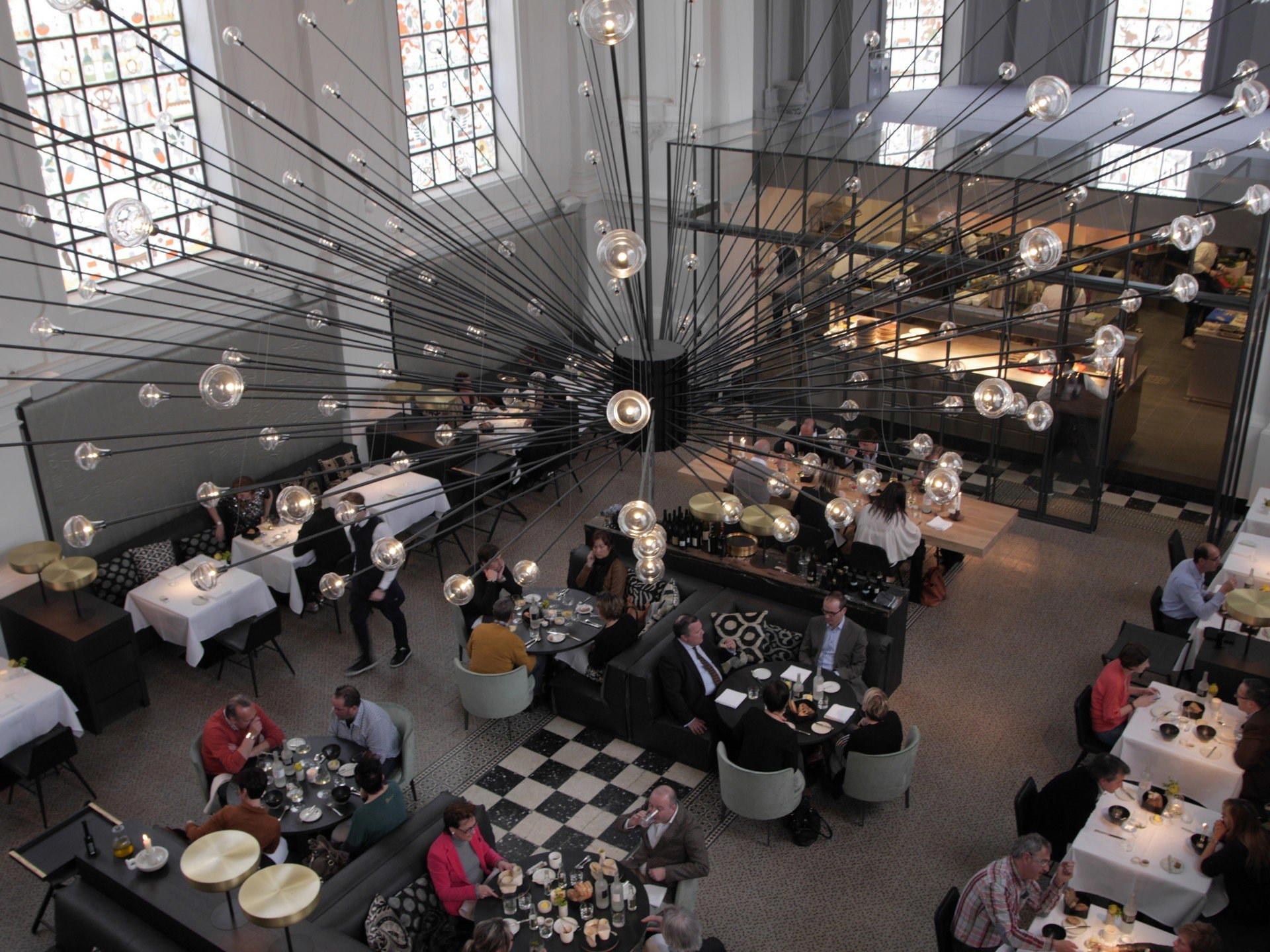
The pumping station format also creates a particular acoustics and light quality that no purpose-built restaurant can manufacture. High iron ceilings scatter sound differently from plaster. Natural light enters through industrial glazing at angles calculated for function rather than atmosphere. These are not incidental details, they shape the rhythm of a meal, the energy of a room, and the ease with which a table of guests settles into a long evening. For visitors arriving from fine-dining formats in New York or from the more intimate rooms that define Antwerp's Michelin tier, the scale of Het Pomphuis reads as genuinely distinctive.
Antwerp's broader dining geography rewards visitors who plan across multiple evenings. The city is compact enough to walk between the Eilandje district and the older restaurant neighbourhoods near the cathedral and the Vlaeykensgang, and sufficiently varied in its offer, from the pan-Asian focus of DIM Dining to the regional French tradition at Bistrot du Nord, that a three-night stay can absorb meaningfully different dining registers without repetition. Elsewhere in Belgium, kitchens like d'Eugénie à Emilie in Baudour, La Durée in Izegem, Cuchara in Lommel, and Ralf Berendsen in Neerharen extend the country's range well beyond its two or three headline names, and are increasingly on the itinerary of serious food travellers crossing Flanders. The full picture of what Antwerp specifically offers is mapped in our Antwerp restaurants guide.
Planning a Visit
Het Pomphuis is located at Siberiastraat in the 2030 postal district of Antwerp, placing it in the Eilandje quarter within walkable distance of the MAS museum and the redeveloped north harbour area. The Eilandje district is accessible by tram from the city centre, and the area's waterfront position makes it a natural anchor for an afternoon or evening that takes in the wider harbour regeneration zone before or after a meal. As with any dining room where the setting is integral to the experience, timing a visit for a period when the room operates at close to full capacity, typically weekend dinner service in venues of this scale, generally produces the intended atmosphere.
Cost Snapshot
A quick peer list to put this venue’s basics in context.
| Venue | Cuisine | Price | Awards |
|---|---|---|---|
| Het PomphuisThis venue — the venue you are viewing | Not listed | Not listed | Not listed |
| Hertog Jan at Botanic | Modern Flemish, Creative | €€€€ | Michelin 2 Star |
| Bistrot du Nord | French, Traditional Cuisine | €€€ | Michelin 1 Star |
| DIM Dining | Japanese, Asian | €€€€ | Michelin 1 Star |
| Dôme | Modern French, Classic French | €€€€ | Michelin 1 Star |
| Fine Fleur | Modern European, Creative | €€€€ | Michelin 1 Star |
At a Glance
- Romantic
- Elegant
- Industrial
- Historic
- Scenic
- Date Night
- Business Dinner
- Special Occasion
- Waterfront
- Terrace
- Historic Building
- Extensive Wine List
- Sommelier Led
- Waterfront
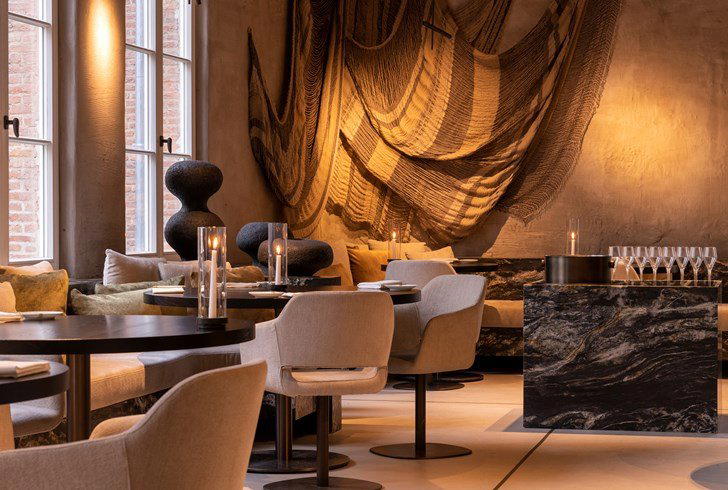
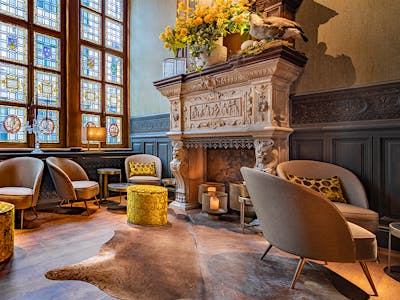
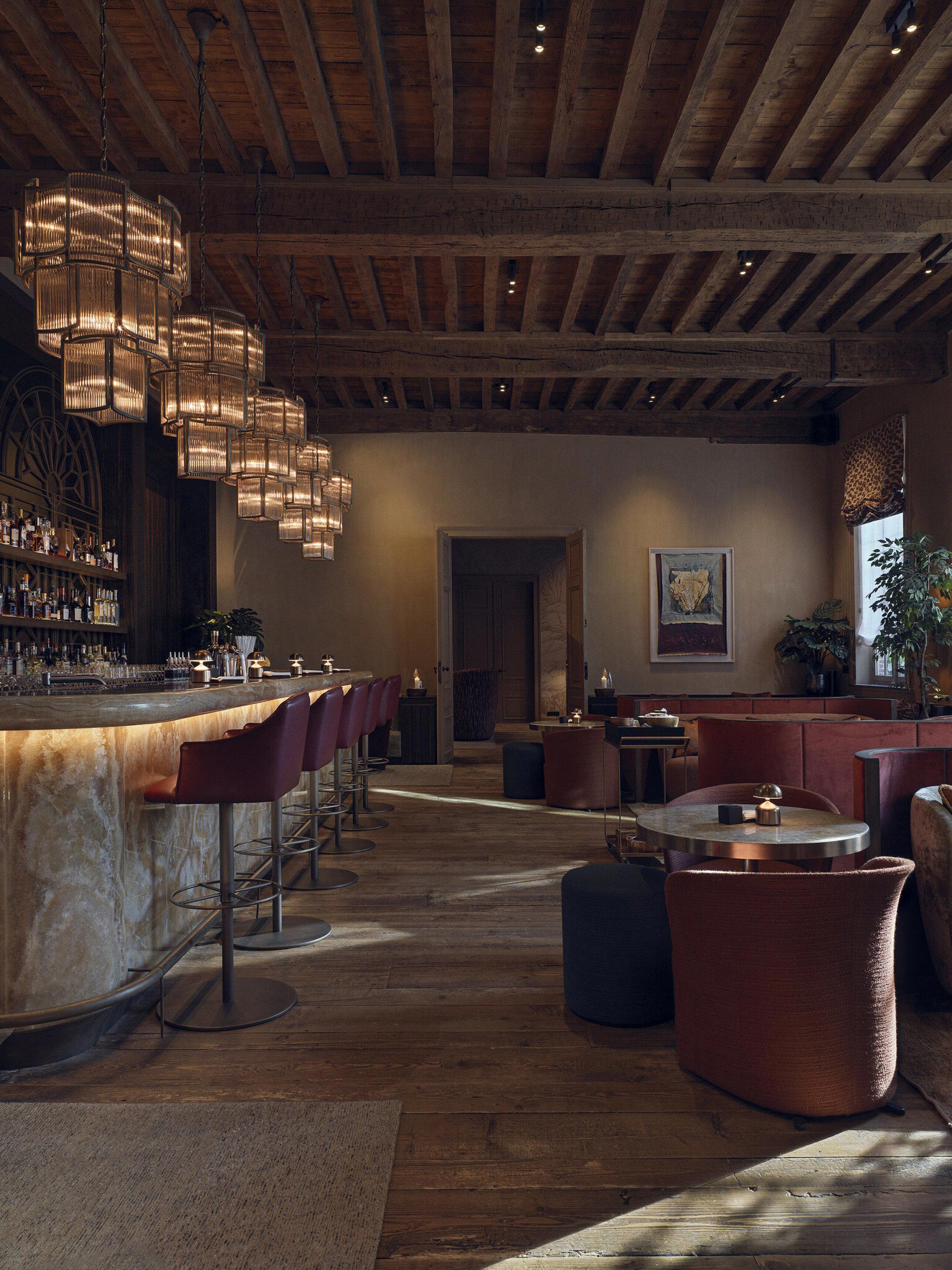
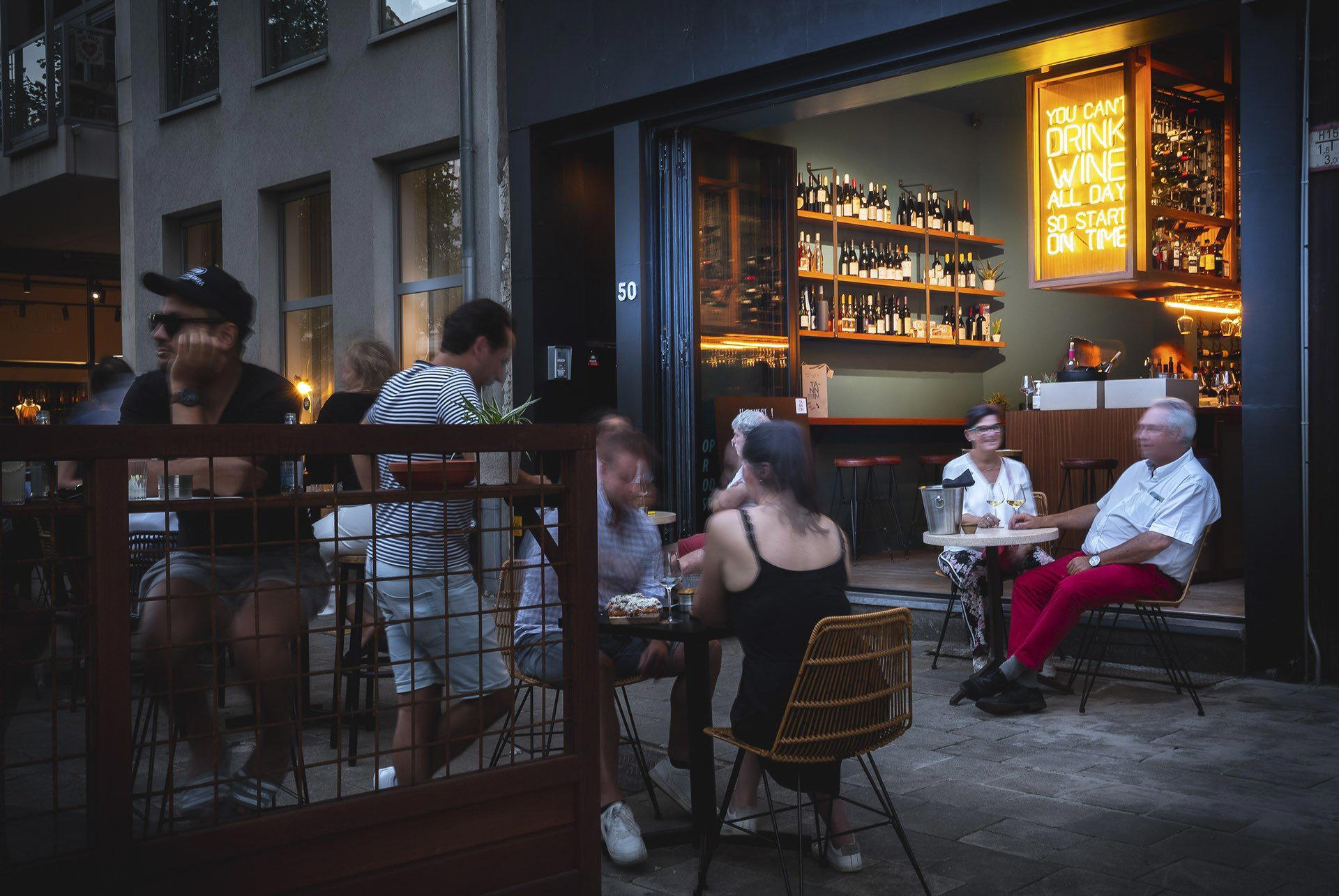
Industrial-chic haven blending historic architecture with modern elegance, featuring high ceilings, arch windows, and waterside terrace.
Know Before You Go
- Getting there
- Siberiastraat, 2030 Antwerpen, Belgium