Hello Vietnam
Hello Vietnam occupies a shopping centre address in Winterthur's Neuwiesen district, bringing Vietnamese cooking to a city where the format sits in a distinct niche among casual international restaurants. The setting is practical and accessible, placing it within easy reach of everyday diners rather than the fine-dining tier that defines Swiss restaurant culture at its upper end. For Winterthur residents seeking Southeast Asian flavours without travelling to Zurich, it fills a clear gap.
Pearl is the En Primeur Club membership app — saves, bookings, and concierge access live there. Same editors, same standards.
- Address
- Einkaufszentrum Neuwiesen, Strickerstrasse 3, 8400 Winterthur, Switzerland
- Phone
- +41783479888
- Directions
- Get directions
 Saves & bookings on Pearl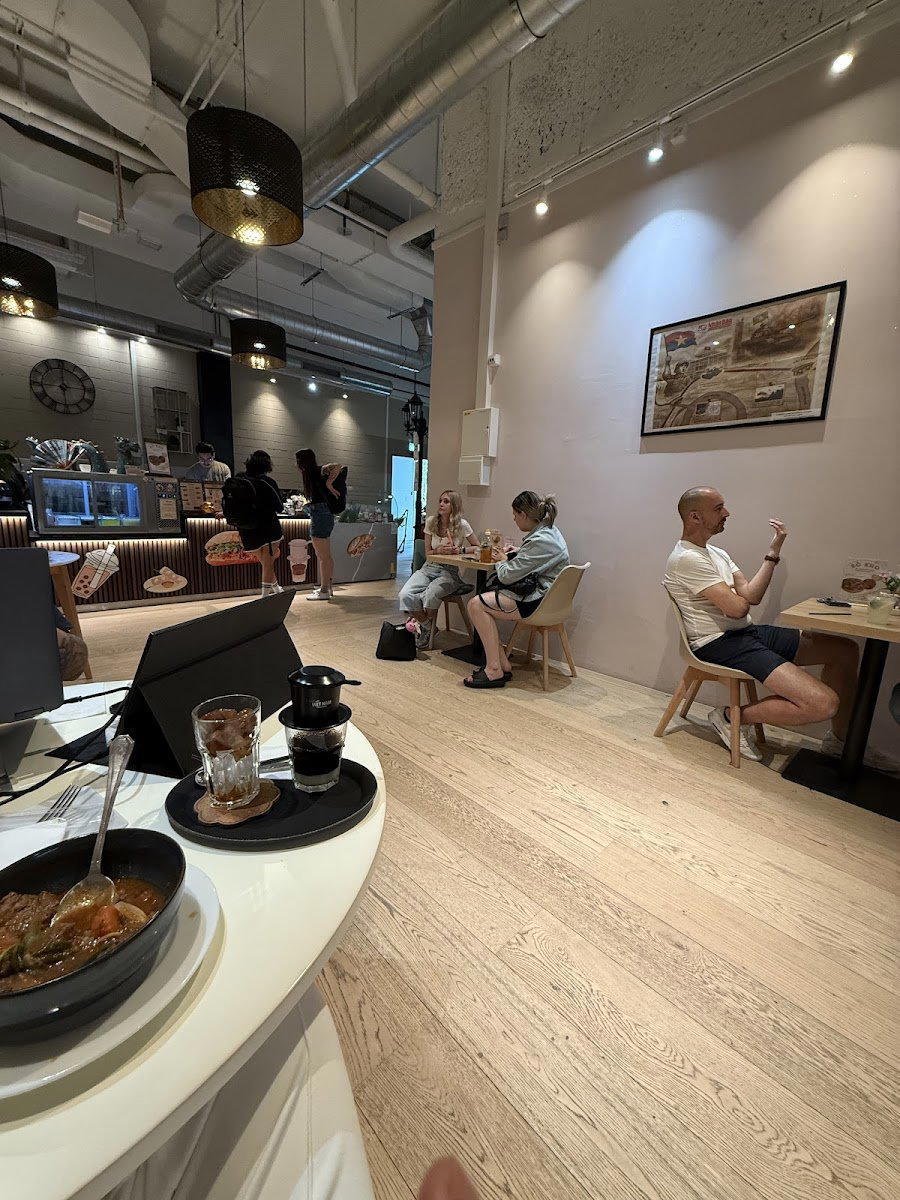
Vietnamese Dining in a Swiss Shopping Centre Context
Shopping centre restaurants in Swiss cities occupy a specific tier: accessible, often underestimated, and shaped by foot traffic rather than destination dining logic. Hello Vietnam, located at Einkaufszentrum Neuwiesen on Strickerstrasse 3 in Winterthur, operates within that framework. The setting is a retail complex rather than a standalone address, which sets expectations clearly before the meal begins. Winterthur is not a city with a deep bench of Southeast Asian restaurants, so even a pragmatically located Vietnamese kitchen fills a genuine gap in the local dining map.
To understand what Hello Vietnam represents, it helps to place it against Winterthur's broader restaurant scene. The city's more formal dining options tend toward European cuisine: Italian-influenced addresses like Cantinetta Bindella, contemporary Swiss cooking at places like Bloom, and the kind of seasonal-European positioning found at Bolero Club. The casual end runs through burger concepts such as Big Burger Winterthur and BurgerChuchi. Vietnamese cooking sits in a different category from all of these, and in a city of Winterthur's size, that category has limited representation.
The Ritual of a Vietnamese Meal and How It Translates Abroad
Vietnamese restaurant culture, at its most considered, is built around sharing and sequencing. A typical meal moves from lighter, aromatic beginnings — fresh spring rolls, broth-based soups, herb-heavy salads — through to richer, longer-cooked dishes. The pace is not the structured progression of a European tasting menu, nor the simultaneous service of a Chinese banquet; it sits somewhere between the two, with dishes arriving as they are ready and diners assembling their own combinations of flavour, texture, and heat at the table.
This approach to eating travels well when the fundamentals are in place: quality broth, fresh herbs, and the structural logic of dishes that are designed to be completed by the diner rather than finished in the kitchen. Pho, the slow-cooked bone broth soup with rice noodles that has become one internationally recognised Vietnamese dish, is a clear example. The bowl arrives with the broth and noodles, but the diner adjusts it with bean sprouts, fresh basil, lime, chilli, and hoisin at the table. The kitchen provides the foundation; the diner finishes the work. That participatory quality is what distinguishes Vietnamese dining from more chef-controlled formats.
Outside Vietnam, the fidelity of that ritual depends heavily on sourcing and technique. Swiss cities have seen Vietnamese restaurants grow steadily over the past two decades, with Zurich hosting a more competitive field than smaller cities like Winterthur. For context on how Swiss dining operates at its most precise end, where kitchen control and sourcing are pursued at the highest level, properties like Hotel de Ville Crissier in Crissier and Schloss Schauenstein in Fürstenau represent a different tier entirely, one where three Michelin stars and deep local sourcing define the benchmark. Hello Vietnam operates nowhere near that register, nor does it position itself there.
What the Shopping Centre Address Implies for the Experience
A retail complex setting generally means certain things: accessible parking, daytime-oriented trading hours, a format designed for speed and turnover alongside families and shoppers rather than extended table sittings. The dining ritual in this context tends toward efficiency. For Vietnamese food, that is not necessarily a disadvantage. A well-executed bowl of pho or a plate of bun cha does not require extended ceremony; it requires accurate broth, the right noodle texture, and herbs served fresh rather than wilted. The format suits the cuisine.
The Neuwiesen district sits to the east of Winterthur's main centre. For visitors exploring the city's dining options, the address requires intent: this is not a walk-past discovery in the old town, but a deliberate choice. That positioning, combined with the shopping centre context, places Hello Vietnam in the everyday-use category for local residents rather than the destination category for visitors. Our full Winterthur restaurants guide maps the broader scene for those planning a longer visit.
Swiss Vietnamese Dining Against a Wider Backdrop
Switzerland's fine-dining scene draws international attention through addresses like Cheval Blanc by Peter Knogl in Basel, Memories in Bad Ragaz, and Einstein Gourmet in Sankt Gallen. These represent the end of the spectrum where Swiss hospitality investment and culinary technique converge at the highest price points. Equally, addresses like IGNIV Zürich by Andreas Caminada in Zurich, focus ATELIER in Vitznau, 7132 Silver in Vals, Colonnade in Lucerne, and Da Vittorio - St. Moritz in St. Moritz demonstrate how international cuisine traditions get filtered through Swiss hospitality standards at premium price points.
Vietnamese cooking at the casual end operates at a different scale of investment and expectation, but it serves a real function in any city's food ecology. Particularly globally recognised examples of Vietnamese-influenced cooking reaching fine-dining registers, such as the precision seafood work at Le Bernardin in New York City or the Korean-American fine dining at Atomix in New York City, show that Asian culinary traditions can occupy any tier when the investment and intent are there. At the everyday end, the question is simpler: does the broth taste right, and are the herbs fresh?
Planning Your Visit
The restaurant is located at Einkaufszentrum Neuwiesen, Strickerstrasse 3, 8400 Winterthur. The shopping centre setting means the venue is accessible by car with on-site parking, and public transport connections to Winterthur's broader network make it reachable without a vehicle. Given the retail context, visiting during standard shopping hours is a reasonable working assumption, though confirming current opening times directly before travelling is advisable, as hours in retail-complex restaurants can shift with the centre's schedule. No booking information is currently listed for the restaurant; walk-in dining at a shopping centre address of this type is typically the default format.
Continue exploring
More in Winterthur
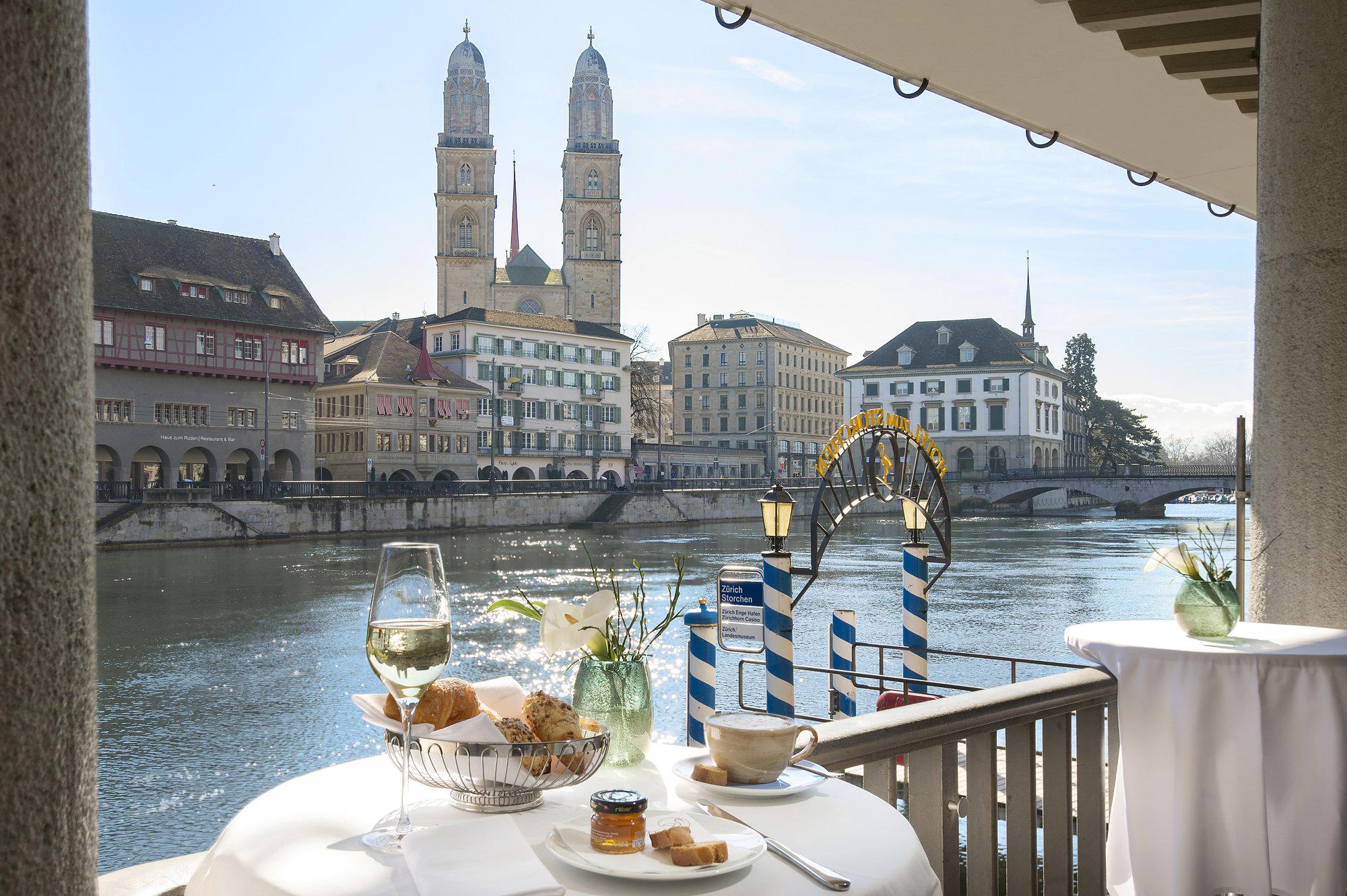
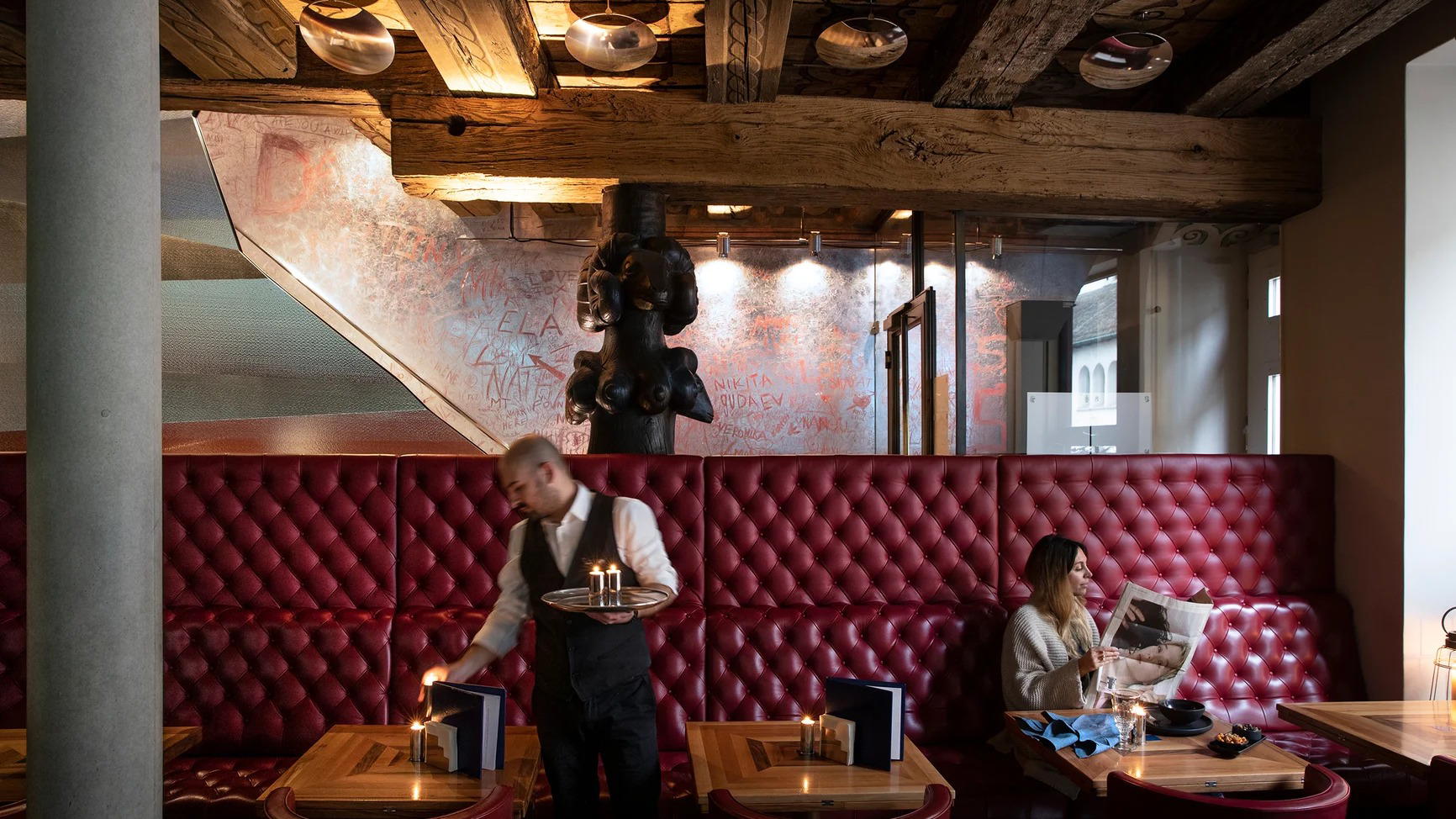
Restaurants in Winterthur
Browse all →
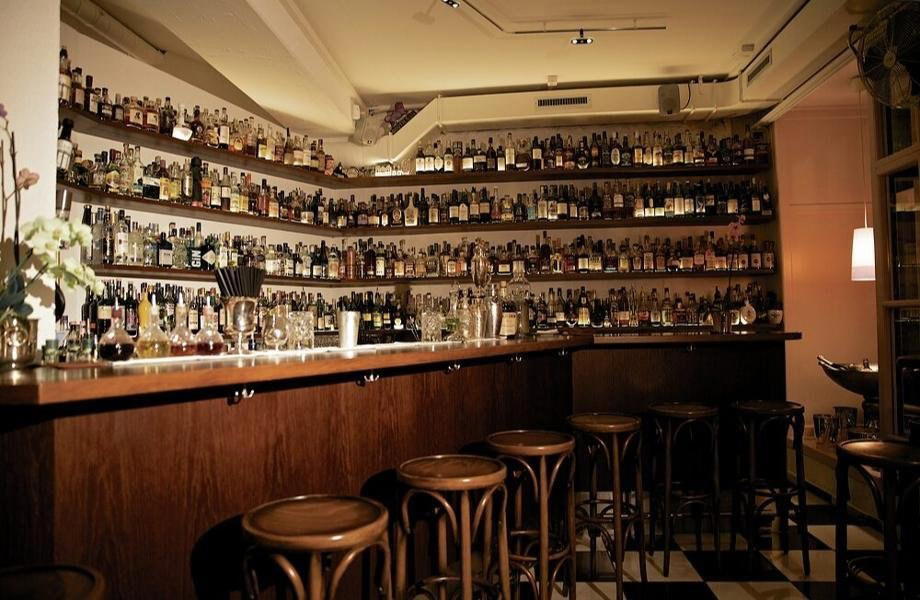
Bars in Winterthur
Browse all →
Hotels in Winterthur
Browse all →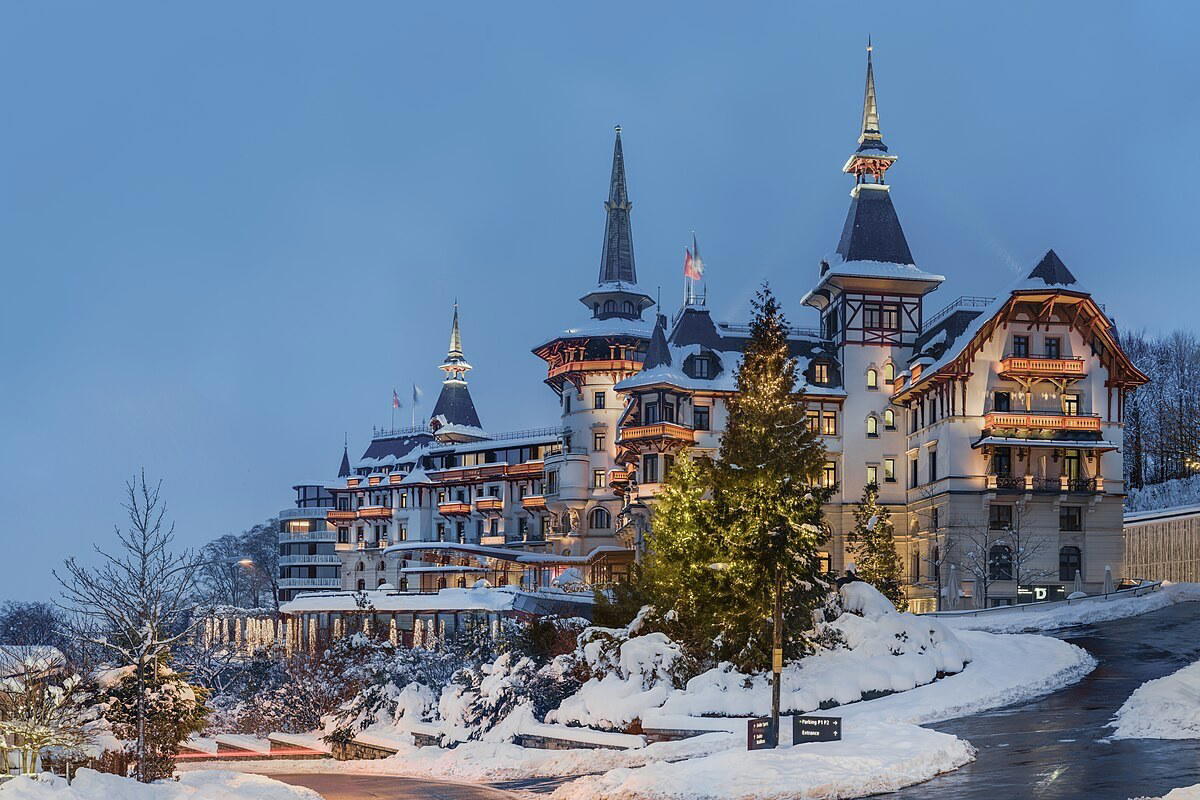


At a Glance
- Trendy
- Lively
- Casual Hangout
- Standalone
Current opening hours
- Monday
- 8:30 AM–8 PM
- Tuesday
- 8:30 AM–8 PM
- Wednesday
- 8:30 AM–8 PM
- Thursday
- 8:30 AM–8 PM
- Friday
- 8:30 AM–8 PM
- Saturday
- 8:30 AM–6 PM
- Sunday
- Closed
Hours can change for holidays and private events. Last verified .