Pulcinella
Pulcinella operates out of Metzggasse 11 in Winterthur's old town, occupying a position in the city's mid-to-upper Italian dining tier alongside venues like Cantinetta Bindella. With the name invoking the commedia dell'arte tradition and an address in one of Winterthur's more characterful pedestrian lanes, it draws a local crowd that takes its Italian cooking seriously.
Pearl is the En Primeur Club membership app — saves, bookings, and concierge access live there. Same editors, same standards.
- Address
- Metzggasse 11, 8400 Winterthur, Switzerland
- Phone
- +41522129862
- Website
- pulcinella-winterthur.ch
- Directions
- Get directions
 Saves & bookings on Pearl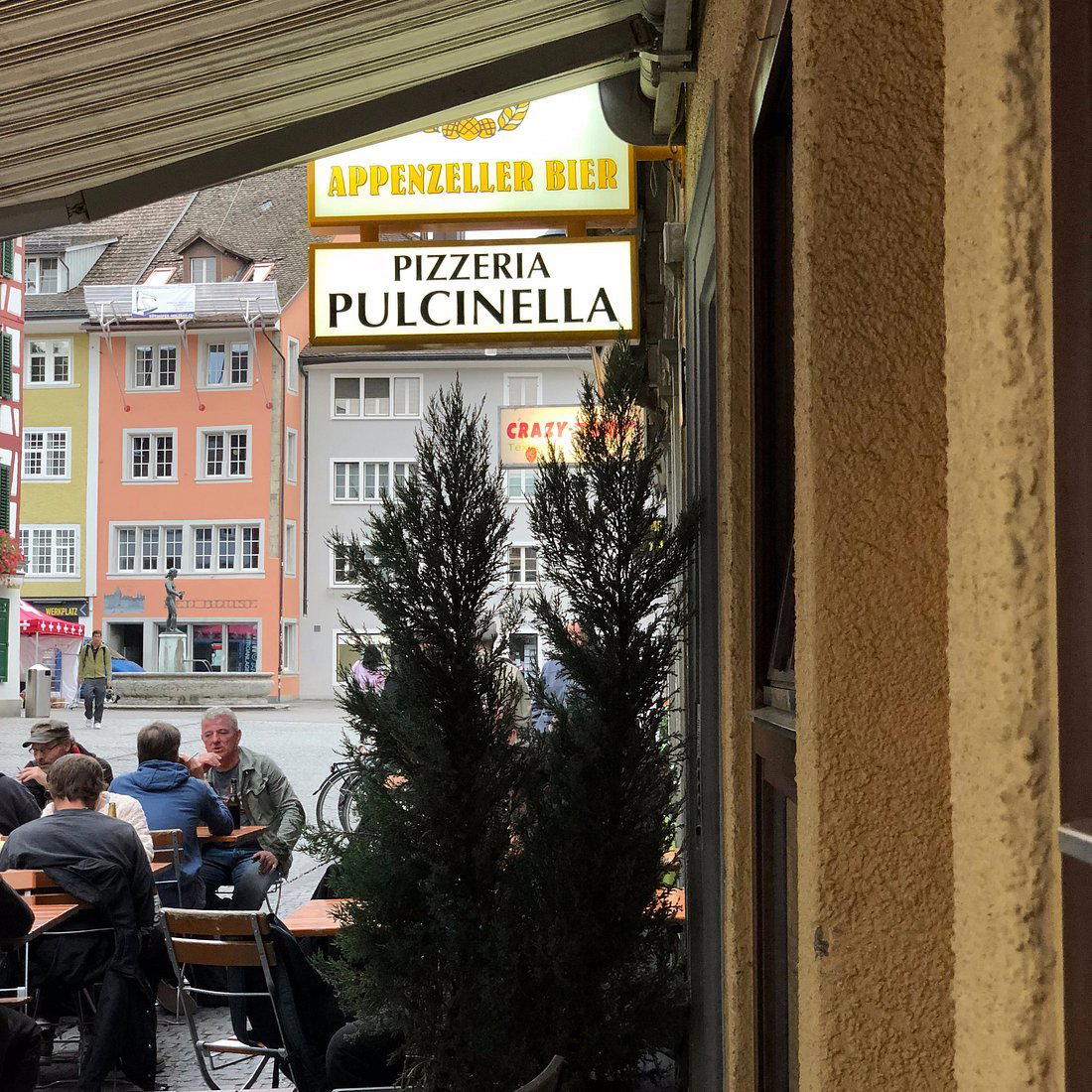
Italian Dining in Winterthur's Old Town: Where Pulcinella Sits
Pulcinella is a classic Italian pizzeria and trattoria at Metzggasse 11 in Winterthur's old town. The city's dining culture runs on neighbourhood loyalty and a preference for rooms that feel earned rather than designed. Metzggasse, the butcher's lane threading through the Altstadt, is exactly that kind of address: cobbled, slightly narrow, and lined with buildings whose ground floors have housed food and drink operations for generations. It is into this context that Pulcinella fits, and the name itself carries a signal. Pulcinella, the hunchbacked trickster of Neapolitan commedia dell'arte, is a figure associated with appetite, irreverence, and a certain southern Italian energy. Restaurants invoking that tradition tend to position themselves against the more restrained, north-Italian-leaning trattorie that dominate Swiss Italian dining.
The Scene in the Room
Walking Metzggasse toward the address at number 11, the setting does the editorial work before you reach the door. The lane sits within walking distance of the Stadthaus and the main pedestrian zone, making it accessible without being tourist-facing in the way that more prominent Winterthur addresses can feel. Italian restaurants in Swiss cities of this scale typically split between casual pizza-pasta operations and a smaller cohort that takes its wine list and service seriously enough to compete with Zurich's mid-market Italian rooms. Pulcinella's positioning on this street places it in conversation with both registers, and the name suggests it leans toward the latter without abandoning the warmth that defines southern Italian hospitality at its most functional.
For context on what the broader Winterthur dining market looks like, venues such as Bloom and Bolero Club occupy different registers of the same mid-sized city scene, while the burger end of the spectrum is covered by Big Burger Winterthur and BurgerChuchi. Italian specifically has a dedicated competitor in Cantinetta Bindella, which operates with the institutional confidence of the Bindella group behind it. That competitive context matters: Pulcinella sits in the same cuisine category but operates independently, which in Swiss dining usually implies either a sharper focus on a particular regional Italian tradition or a more personal approach to the room.
Team Dynamics and the Italian Service Tradition
The editorial angle on Italian restaurants in smaller Swiss cities often comes down to what the front-of-house communicates about the kitchen's intentions. In the Italian dining tradition, the relationship between the person running the floor and the person running the pass is the primary mechanism through which a restaurant's identity reaches the guest. A sommelier who understands the gap between northern Italian whites and Campanian reds, and a front-of-house team that can narrate that distinction without condescension, will position a room quite differently than one that simply moves plates. The commedia dell'arte reference built into Pulcinella's name implies a certain theatricality, which in dining terms usually means a room where the service is present rather than invisible, and where the exchange between guest and staff is considered part of the offer.
Swiss Italian dining has a structural peculiarity worth noting: the workforce often bridges Italian-speaking Switzerland and German-speaking Switzerland, and the leading rooms use that bilingual, bicultural fluency as an asset. At the premium end of the national market, tables like Hotel de Ville Crissier in Crissier and Schloss Schauenstein in Fürstenau have built their reputations partly on exactly this kind of team coherence. Further afield, Cheval Blanc by Peter Knogl in Basel, Memories in Bad Ragaz, and 7132 Silver in Vals demonstrate how Swiss fine dining uses team discipline as a core differentiator. Pulcinella operates at a different scale, but the principle applies across price tiers: in a room this size, in a city this size, service is not decoration.
Italian Cuisine in the Swiss Context
Switzerland's relationship with Italian food is structurally different from most other European countries' equivalent relationships. The country shares a border and a cultural seam with northern Italy, and the Ticino region provides a domestic Italian-speaking reference point that shapes expectations even in German-speaking Winterthur. Guests at Italian restaurants in this city are often comparing what they eat against a baseline set either by travel to Italy or by weekends in Ticino, which raises the evidentiary bar for what counts as credible. This is distinct from, say, the dynamics facing Italian restaurants in London or New York, where the Italian canon is mediated primarily through diaspora cooking. For Winterthur's Italian tables, the regional Italian tradition, whether Neapolitan, Roman, or northern, needs to hold up against a relatively informed local palate.
The Pulcinella name anchors the restaurant in a southern Italian cultural frame, which carries implications for what should be on the plate. Neapolitan cooking is one technically demanding regional Italian tradition to execute in Switzerland: the flour, the water temperature, and the wood-fire protocol for pizza are each subject to strong orthodoxy among the Neapolitan purist community, while the broader southern Italian pasta and seafood canon demands sourcing relationships that are harder to maintain at distance from the Italian south.
Planning Your Visit
Pulcinella is located at Metzggasse 11, 8400 Winterthur, placing it in the heart of the pedestrianised old town and within easy reach of Winterthur Hauptbahnhof on foot. Comparable Italian venues in this city tier tend to be busiest Thursday through Saturday evenings, with midweek lunch representing the lower-pressure window for a first visit.
Those using Winterthur as a base for exploring eastern Switzerland's restaurant scene will find additional reference points in Einstein Gourmet in Sankt Gallen and Colonnade in Lucerne. For Italian specifically at the upper end of the Swiss market, Da Vittorio in St. Moritz sets the regional benchmark, while focus ATELIER in Vitznau and IGNIV Zürich by Andreas Caminada in Zurich show the range of what Swiss fine dining can look like beyond the Italian frame.
Cost and Credentials
Comparable venues nearby, for context on price, style, and recognition.
| Venue | Cuisine | Price | Notes |
|---|---|---|---|
| PulcinellaThis venue — the venue you are viewing | Not listed | $$ | Not listed |
| La Pergola | Not listed | $$ | Winterthur, Traditional Italian Pizza & Pasta |
| Fredi | Not listed | $$ | Old Town, Modern Swiss with Mediterranean influences |
| Hans Im Glück | Rosenberg, Burger Grill | $$ | Not listed |
| Rhulo Çiğköfte | old town, Vegan Turkish Çiğköfte | $$ | Not listed |
| Restaurant Asia King | Töss, Authentic Nepalese | $$ | Not listed |
Continue exploring
More in Winterthur
Restaurants in Winterthur
Browse all →
Bars in Winterthur
Browse all →
Hotels in Winterthur
Browse all →

At a Glance
- Classic
- Cozy
- Casual Hangout
- Family
- Open Kitchen
Current opening hours
- Monday
- 5:30–11 PM
- Tuesday
- 5:30–11 PM
- Wednesday
- 5:30–11 PM
- Thursday
- 5:30–11 PM
- Friday
- 5:30–11 PM
- Saturday
- 5:30–11 PM
- Sunday
- 5:30–11 PM
Hours can change for holidays and private events. Last verified .
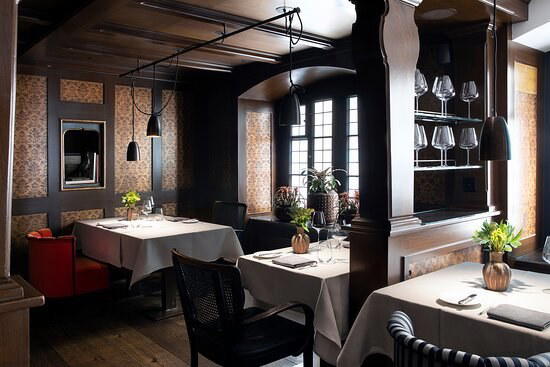
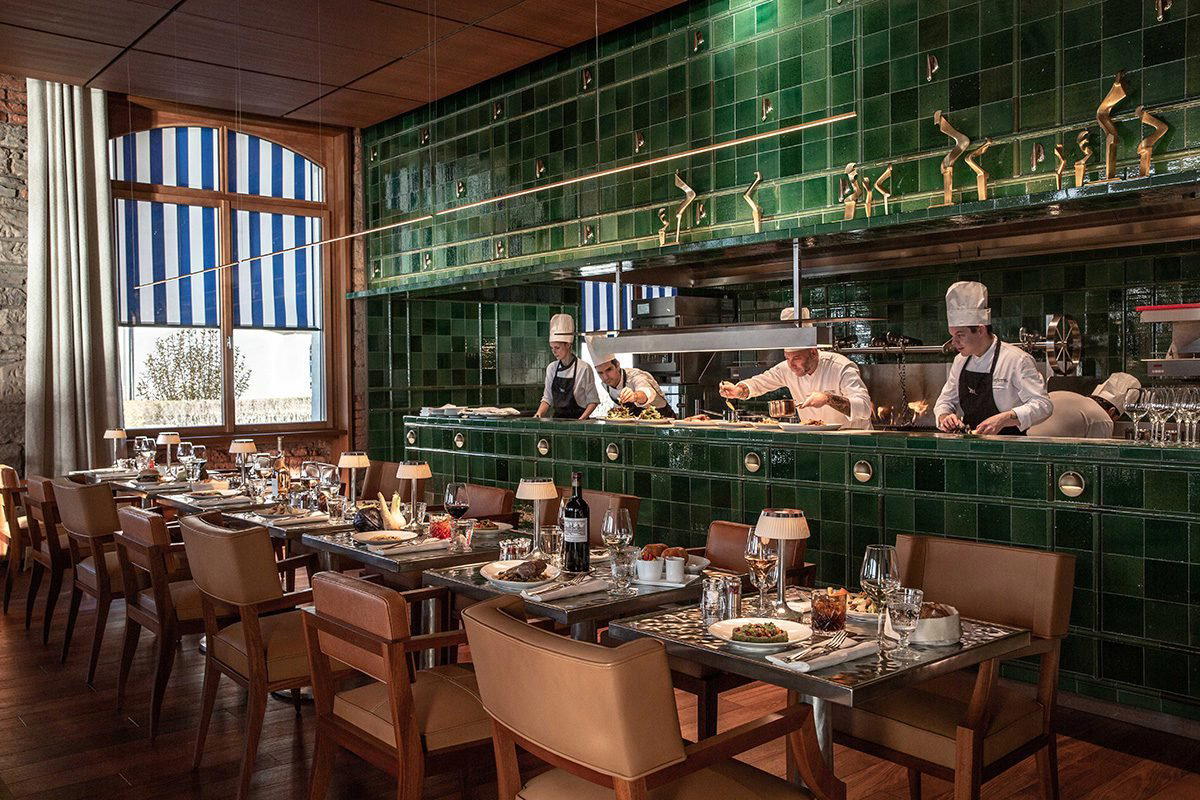
Classically furnished with lots of wood, cozy Mediterranean décor, open kitchen, and inviting trattoria-style setting.