Heimat




Michelin Plate · Star Wine List · Wine Spectator Award of Excellence
Our verdict
On a nondescript stretch of Biltstraat, Heimat makes the case that Utrecht's most serious plant-forward cooking doesn't require a prestigious address. Chef Niels van Zijl, trained at De Librije and Kadeau, runs a fully seasonal menu earning four Radishes from the We're Smart Green Guide and a 2025 Michelin Plate. The wine list spans 320 selections across 1,525 inventory items, with sommelier Bas Janssen steering pairings.

Pearl is the En Primeur Club membership app, where members save venues, book tables and use the concierge.
The menu
What to order
- Watermelon tartar
- Infoiessible (vegan foie gras)
A Biltstraat Address That Earns the Trip
Biltstraat is not where Utrecht's restaurant industry concentrates its ambitions. The street running east from the city centre through the Wittevrouwen neighbourhood is a practical, mixed-use corridor: a steak house on one side, a shoarma grillroom nearby, a construction market and a music store filling in the gaps. Against that backdrop, the decision to strip a building back to its bones and rebuild it with care reads as a statement about what the restaurant trade in the Netherlands has been doing quietly for the better part of a decade. The leading plant-forward cooking in the country has rarely chosen prominent real estate. It has chosen conviction.
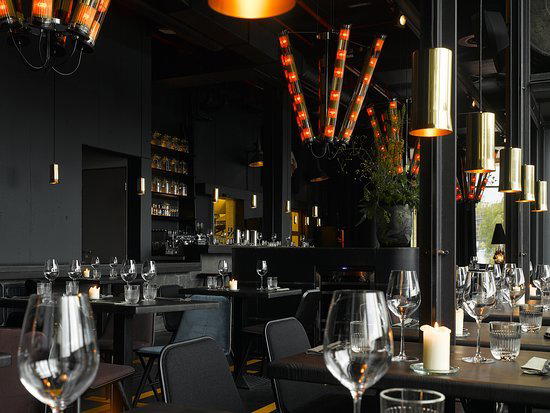
Heimat occupies this unlikely position on Biltstraat 48 with a renovated interior that the team behind it designed from scratch. The result, according to those who have documented it, is a space that has been stripped and rebuilt with deliberate intention rather than decorated on top of an existing shell. In a city where the dining tier between casual brasserie and formal creative tasting menu has grown considerably in recent years, that physical commitment signals where Heimat positions itself in Utrecht's competitive set.
Where Heimat Sits in Utrecht's Restaurant Tier
Utrecht's upper-mid restaurant range has become genuinely interesting to map. Maeve operates at €€€ with a Creative French orientation. Karel 5 pushes into €€€€ territory with a broader creative format. Concours holds the €€€ Modern Cuisine slot. Bistro Madeleine and Brasserie Goeie Louisa anchor the €€ classic end. Heimat, rated €€€ and categorised as farm to table, occupies a specific niche in that spread: the only restaurant in the city's recognised tier whose entire menu is structured around plant-based cooking with a formal fine-dining framework.
That distinction matters because the plant-forward fine-dining category in the Netherlands is small and, for much of its recent history, has clustered outside major cities. Heimat brings that register into Utrecht's residential east, which changes the calculus for local diners who previously needed to travel for this kind of cooking. For visitors consulting our full Utrecht restaurants guide, it represents a category addition rather than an overlap with what already exists in the city centre.
The Menu: Seasonal Structure and the We're Smart Recognition
The We're Smart Green Guide, which rates restaurants on plant-forward commitment using a radish system rather than Michelin's star hierarchy, placed Heimat at four Radishes. Four Radishes is not handed to restaurants that simply offer a vegetarian option or rotate a plant-based tasting menu alongside an omnivore alternative. It signals that the kitchen's entire intellectual and technical energy is oriented around plants.
Stages at De Librije in Zwolle, which holds three Michelin stars and has long been one of the most technically demanding kitchens in the Netherlands, and at Kadeau, the Copenhagen-linked restaurant known for extreme seasonality and preservation-focused Nordic technique, represent two distinct but complementary influences on how a kitchen thinks about ingredients and structure. A passage at De Zusters, a We're Smart-recognised restaurant, adds specific context for the plant-forward approach. These are not interchangeable training environments; the combination shapes a kitchen that can work at fine-dining technical depth while staying strictly within a plant-centred brief.
Michelin's 2025 Plate recognition confirms that inspectors have visited and found the cooking worthy of attention, even without awarding a star. In the Netherlands, where plant-forward restaurants have earned Michelin recognition at several addresses, the Plate is a baseline acknowledgement that the standard is there. It places Heimat in a documented peer conversation that includes addresses like De Groene Lantaarn in Staphorst, which holds a full Green Star, and other farm-to-table focused kitchens such as De Woage in Gramsbergen and Spetters in Breskens.
The kitchen's stated commitments, zero waste, low ecological footprint, and deep seasonal alignment, are the operational version of what the We're Smart rating codifies. They are also the kind of commitments that create recurring logistical constraints: the menu changes with genuine seasonal pressure, which means what's on the table in October bears no resemblance to what's served in April. For a restaurant working at this price tier, that variability is a deliberate choice to keep the cooking tethered to what is actually growing rather than to a fixed repertoire.
The Wine Programme
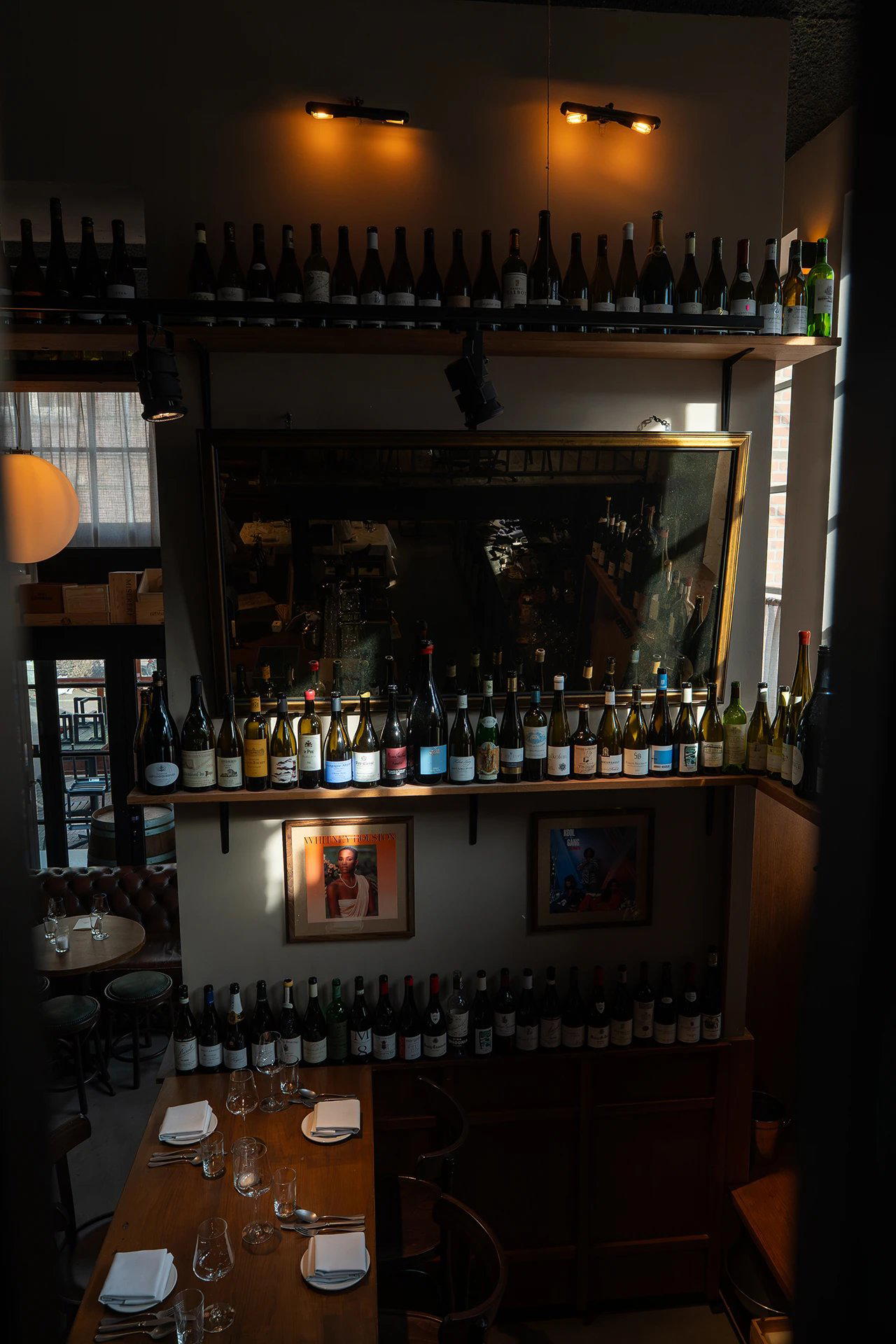
A plant-forward kitchen at the €€€ tier without a serious wine programme is a structural gap that undermines the meal. Heimat does not have that gap. Sommelier Bas Janssen oversees a list of 320 selections backed by a cellar inventory of 1,525 bottles. The list's strength lies in France, and it prices in the middle band: not a cheap-bottle list, but with sufficient range that the upper end does not dominate. The corkage fee is set at 40 euros for those bringing their own bottles, which is competitive for a restaurant operating at this level in the Netherlands.
Wine lists at plant-forward fine-dining restaurants face a particular challenge: the flavour profiles being assembled at the table, often herbaceous, fermented, or rooted in umami-adjacent vegetable preparations, demand different pairing logic than protein-anchored menus. A list with 320 selections and a France-weighted focus suggests enough breadth to navigate that challenge rather than defaulting to safe neutral pairings.
Planning a Visit
Heimat is at Biltstraat 48 in the Wittevrouwen district, east of Utrecht's centre. The restaurant serves both lunch and dinner, which is worth noting at the €€€ tier, where lunch access at this standard is not universal in Dutch cities. The pricing for a typical two-course meal without beverages falls in the €€ cuisine band (€40 to €65), making the lunch option a lower-commitment entry point than a full dinner service.
For visitors building a wider Utrecht itinerary, our full Utrecht bars guide, Utrecht hotels guide, and Utrecht experiences guide map the rest of the city. Those with a broader interest in the Netherlands' plant-forward restaurant scene will find useful comparisons in addresses like Aan de Poel in Amstelveen, De Bokkedoorns in Overveen, De Lindehof in Nuenen, and De Lindenhof in Giethoorn. For wineries and wine-focused travel in the region, our Utrecht wineries guide covers the options.
Frequently asked questions
What does dinner at Heimat typically cost?
Pricing at Heimat is listed as €€€.
The Essentials
| Venue | Cuisine | Price | Awards | Notes |
|---|---|---|---|---|
| HeimatThis venue (the venue you are viewing) | Modern Dutch Vegetable-Led Fine Dining | $100–150 | Michelin Plate · Star Wine List | Not listed |
| Maeve | Modern French with Dutch influences | $100–150 | 1 Michelin Star · We're Smart World 4 Radishes | Creative French |
| Restaurant Blauw | Modern Indonesian Rijsttafel | $50–100 | Michelin Bib Gourmand · We're Smart World 2 Radishes | Indonesian |
| Hemel & Aarde | Modern Dutch Seasonal Fine Dining | $50–100 | Michelin Plate · Star Wine List | Modern French |
| Karel 5 | Modern French Fine Dining | $150–200 | 1 Michelin Star · We're Smart World 4 Radishes | Creative |
| Bistro Madeleine | Modern French Bistro | $50–100 | Michelin Plate | Classic French |
Recognition history
Dated appearances from independent guides and award organizations, with the underlying list record or original source where available.
Michelin Plate
Michelin
Star Wine List
Star Wine List
Wine Spectator Award of Excellence
Wine Spectator
We're Smart World 4 Radishes
We're Smart World
Full recognition history (5 entries)
Wine Spectator Award of Excellence
Wine Spectator
Continue exploring
More in Utrecht
Restaurants in Utrecht
All restaurants in Utrecht →
Bars in Utrecht
All bars in Utrecht →
Hotels in Utrecht
All hotels in Utrecht →
Wineries in Utrecht
All wineries in Utrecht →
Heimat
The wine
Heimat holds the Wine Spectator Award of Excellence, which Wine Spectator gives to lists of usually 90 or more selections.
- Wine Spectator
- Wine Spectator Award of Excellence
- Extensive wine list
Details
- Cozy
- Relaxed
- Modern
- Intimate
- Date Night
- Special Occasion
- Open Kitchen
- Extensive Wine List
- Local Sourcing
- Farm To Table
- Tasting Menu
- Vegetarian Friendly
Current opening hours
- Monday
- Closed
- Tuesday
- Closed
- Wednesday
- 6 PM–12 AM
- Thursday
- 6 PM–12 AM
- Friday
- 12:30–5 PM, 6:30 PM–12 AM
- Saturday
- 12:30–5 PM, 6:30 PM–12 AM
- Sunday
- 12:30–5 PM
Hours can change for holidays and private events. Hours as of .
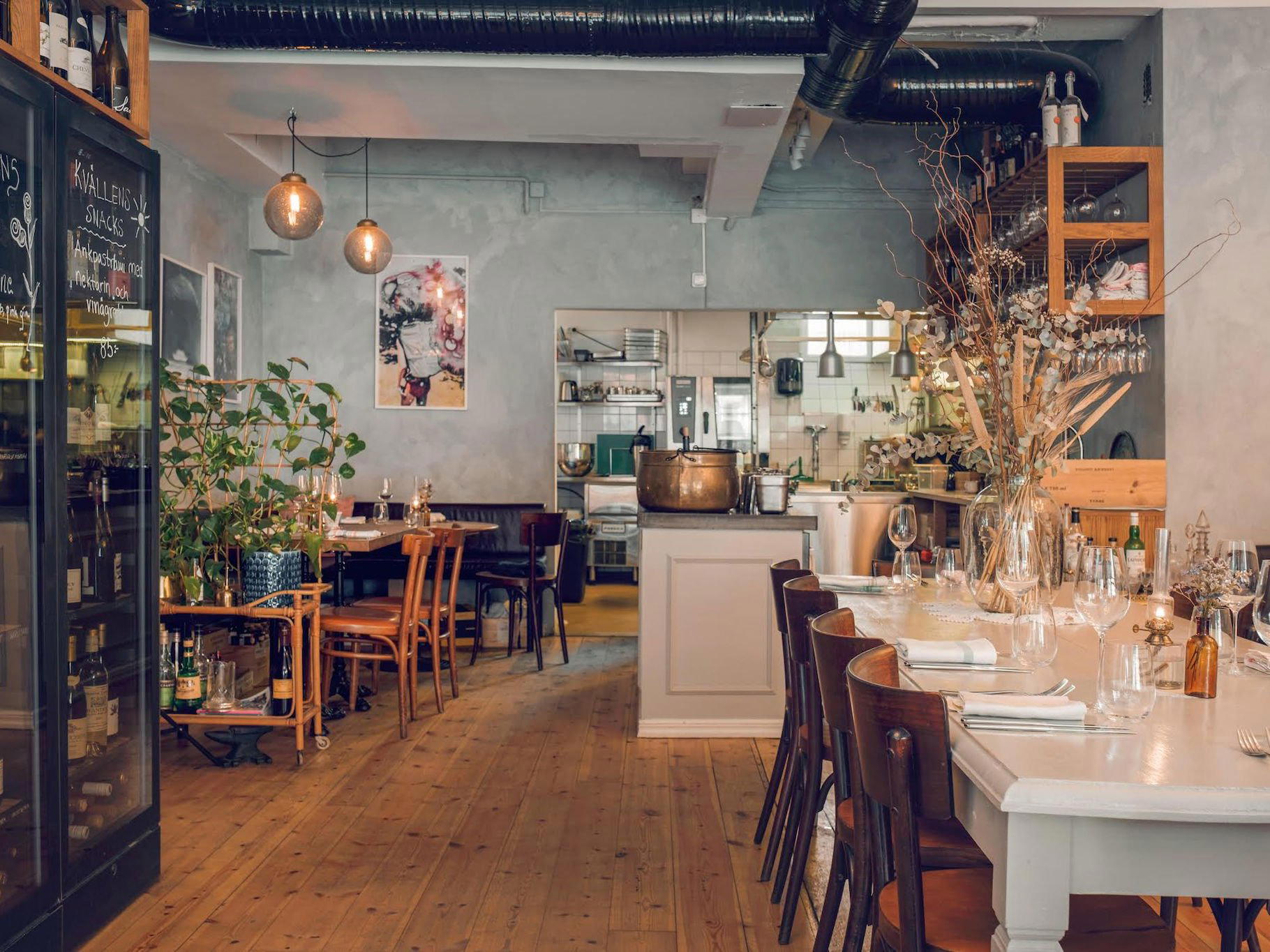
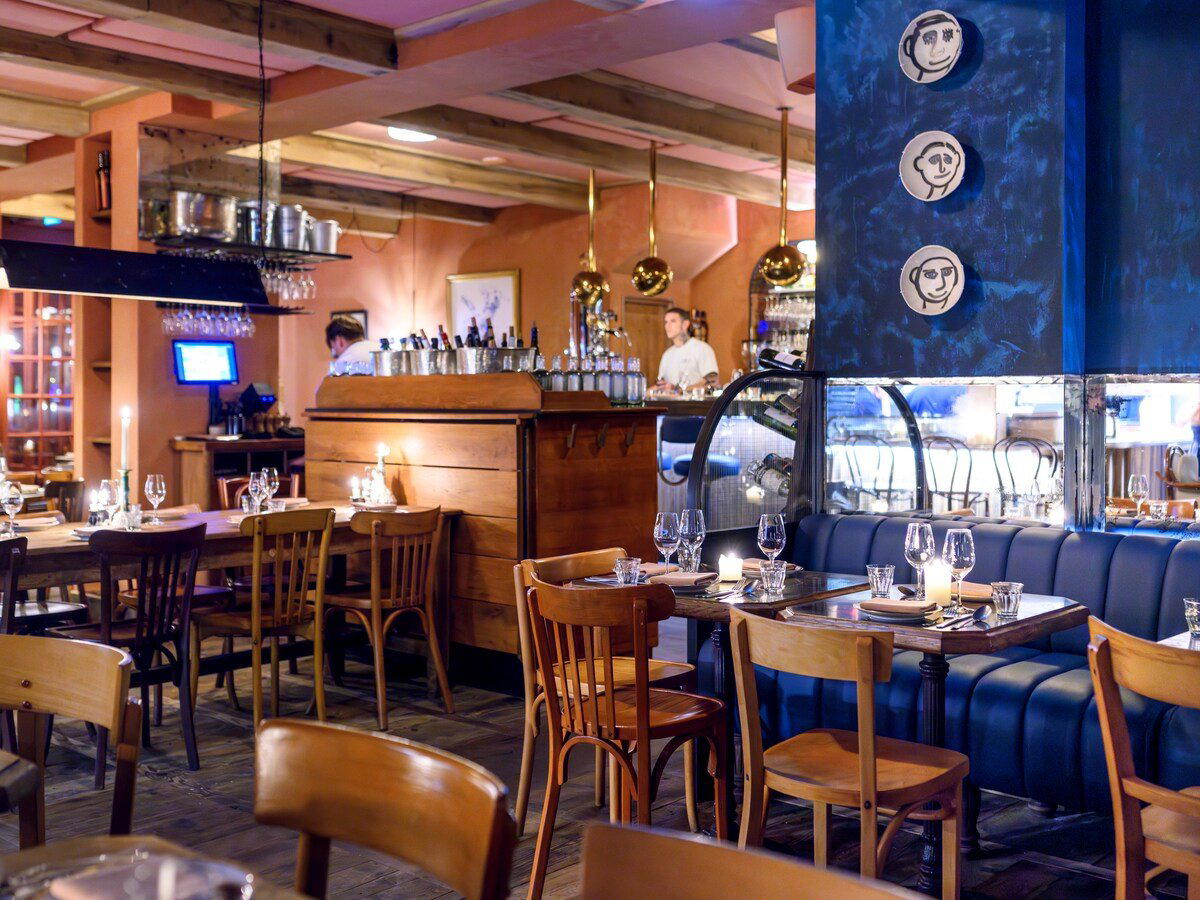
Relaxed, cozy atmosphere with warm, natural lighting and a modern Scandinavian style.