
On the eighth floor of LKF Tower in Central, Heimat brings a vegetable-forward, provenance-driven approach to German cooking that sits at an angle to Hong Kong's fine dining mainstream. Chef Niels van Zijl holds a 2024 Michelin Plate and draws on European fermentation and preservation techniques, letting produce lead while keeping the format relaxed. It occupies a distinct niche in a city where the dominant European reference points remain French and Italian.
Pearl is the En Primeur Club membership app — saves, bookings, and concierge access live there. Same editors, same standards.
- Address
- 8/F LKF Tower, 33 Wyndham St, Central, Hong Kong
- Website
- heimat.hk
- Directions
- Get directions
 Saves & bookings on Pearl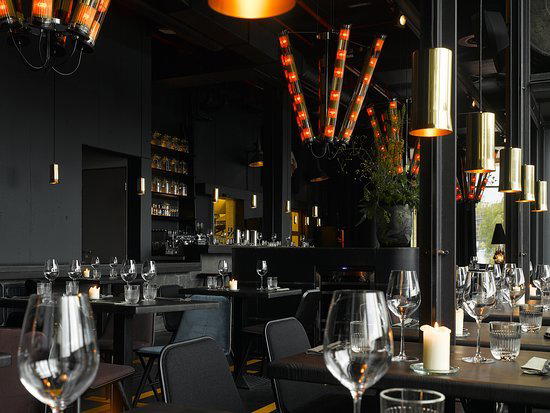
A Different European Register in Central
Hong Kong's European fine dining has long been anchored by French and Italian kitchens. At the summit of the Central market, venues like Caprice, Amber, and 8 1/2 Otto e Mezzo Bombana have defined what serious European cooking looks like in the city for over a decade. German cuisine, by contrast, has had almost no formal representation at the table-service level across Asia's major dining cities.
Heimat, on the eighth floor of LKF Tower on Wyndham Street, operates in that open space. The name translates roughly as homeland or home place in German, and it signals an approach that is more about rootedness and ingredient provenance than technical spectacle. In a building and neighbourhood where the density of bars and restaurants can feel relentless, the kitchen's register is quieter and more considered than its surroundings might suggest.
The Vegetable-Forward Shift in European Kitchens
Across European fine dining broadly, the shift toward vegetable-led menus has moved from fringe positioning to a mainstream structural choice over the past ten years. What was once a niche stance associated with a handful of Nordic or Californian kitchens now appears across price brackets and cuisines. German cooking, historically associated with meat, preserved fish, and starch-heavy plates, has been slower to absorb this shift than French or Italian counterparts, which makes Heimat's positioning worth examining as a statement about where the cuisine can go.
Chef Niels van Zijl, whose background connects to Utrecht in the Netherlands, places vegetables at the centre of the menu rather than as accompaniment. Fish and meat appear, but as supporting characters rather than the organising logic of the plate. The approach aligns Heimat less with the Central European brasserie tradition and more with the restrained, produce-led school of cooking that has gained traction in Amsterdam, Copenhagen, and parts of the London scene over the past decade. In that sense, the kitchen is translating a broader European evolution into a specifically German-adjacent idiom.
The fermentation work at Heimat illustrates how this evolution operates in practice. Roasted potato skins are fermented to produce a dashi, a preparation that borrows Japanese technique and applies it to a Central European ingredient, then uses the result as the base for a steamed chawanmushi. The chawanmushi itself is finished with stewed leeks, ramson oil, chive florets, and tobiko. That dish maps the kitchen's logic precisely: German and Dutch ingredient instincts, Japanese structural technique, a light and airy result that reads as neither fusion nor convention. Hong Kong's dining culture, shaped by decades of cross-cultural kitchen exchange, is a natural audience for this kind of thinking. Compare this with the French-Japanese axis at work in Ta Vie, and it becomes clear that Central is home to several kitchens working in the space between European tradition and Asian technique.
Where Heimat Sits in the German Dining Map
German restaurants operating at a serious table-service level outside Germany remain rare. In Asia, the clearest peer reference is Sühring in Bangkok, which holds two Michelin stars and has established German cuisine as a credible fine dining format in the region. Heimat operates at a different scale and price point, but the comparison is instructive: both kitchens are making an argument that German cooking can carry the structural weight of serious restaurant formats without defaulting to schnitzel and sausage clichés.
The Michelin Signal and What It Does Not Say
Heimat holds a Michelin Plate for 2024. In Hong Kong, where three-star restaurants like Forum, Caprice, and 8 1/2 Otto e Mezzo Bombana set the upper benchmark, the Plate functions differently from how it might in a less densely awarded city. It signals a kitchen that the Guide has noticed and found credible.
For a German restaurant in Hong Kong, the Plate carries added significance.
The Atmosphere at LKF Tower
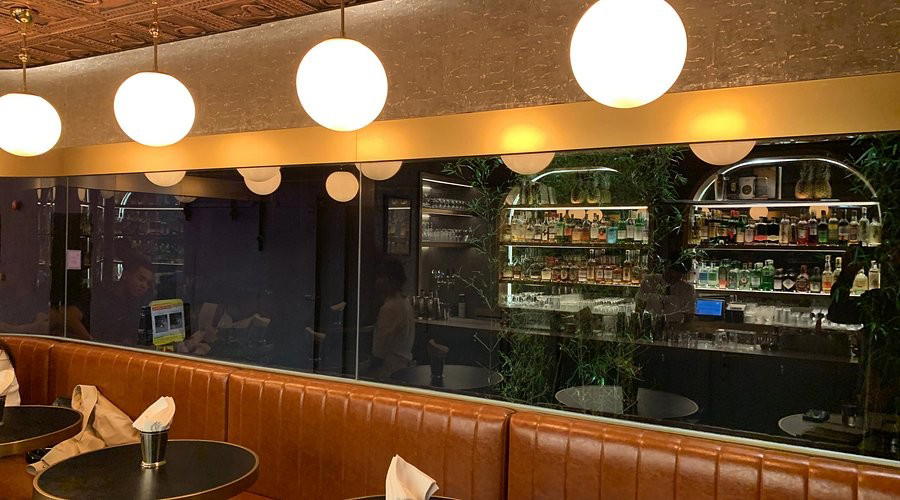
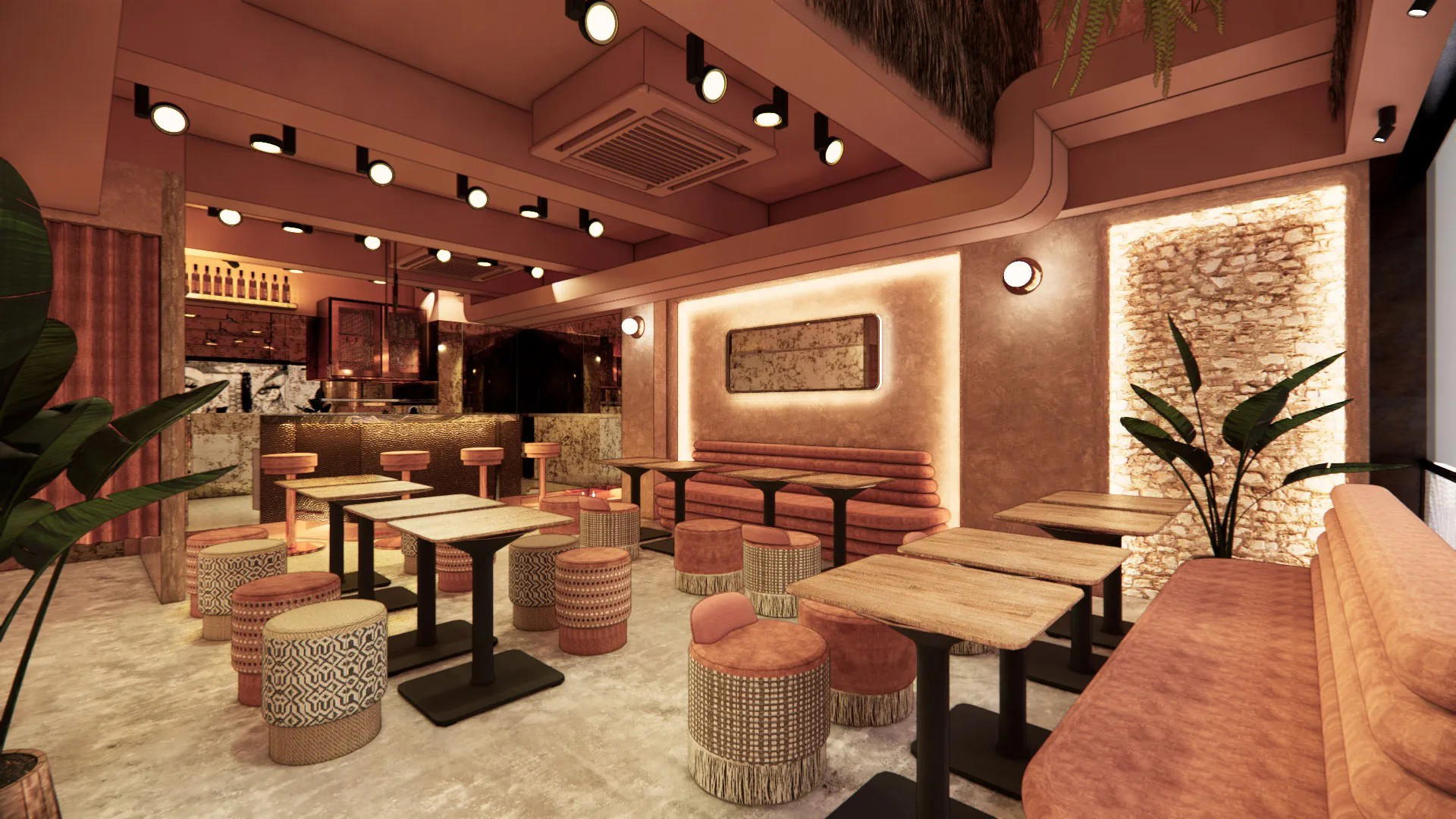
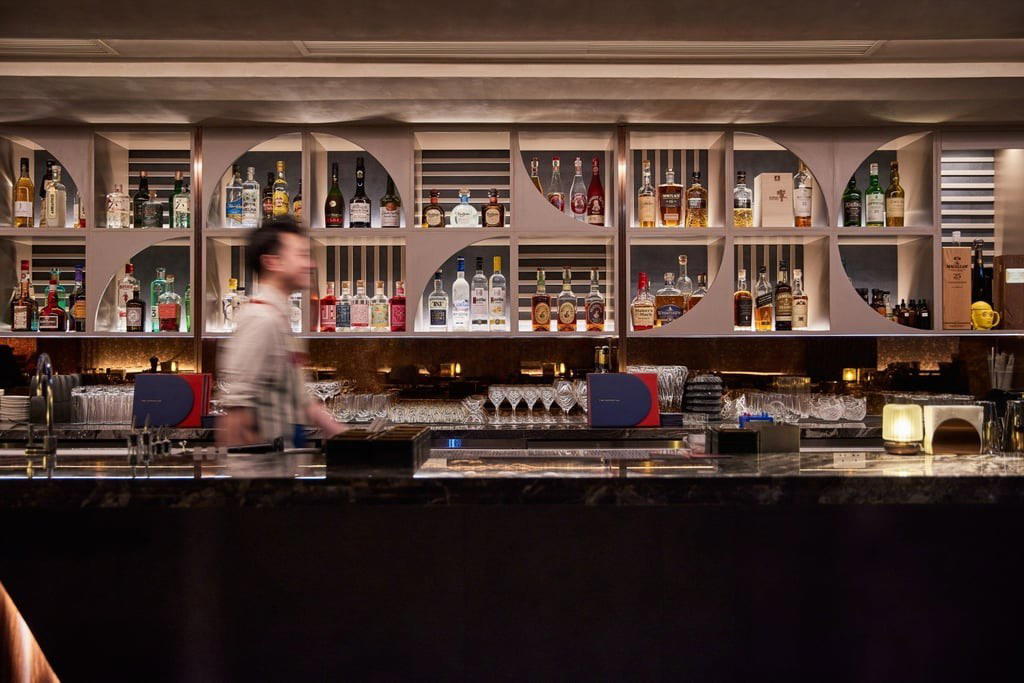
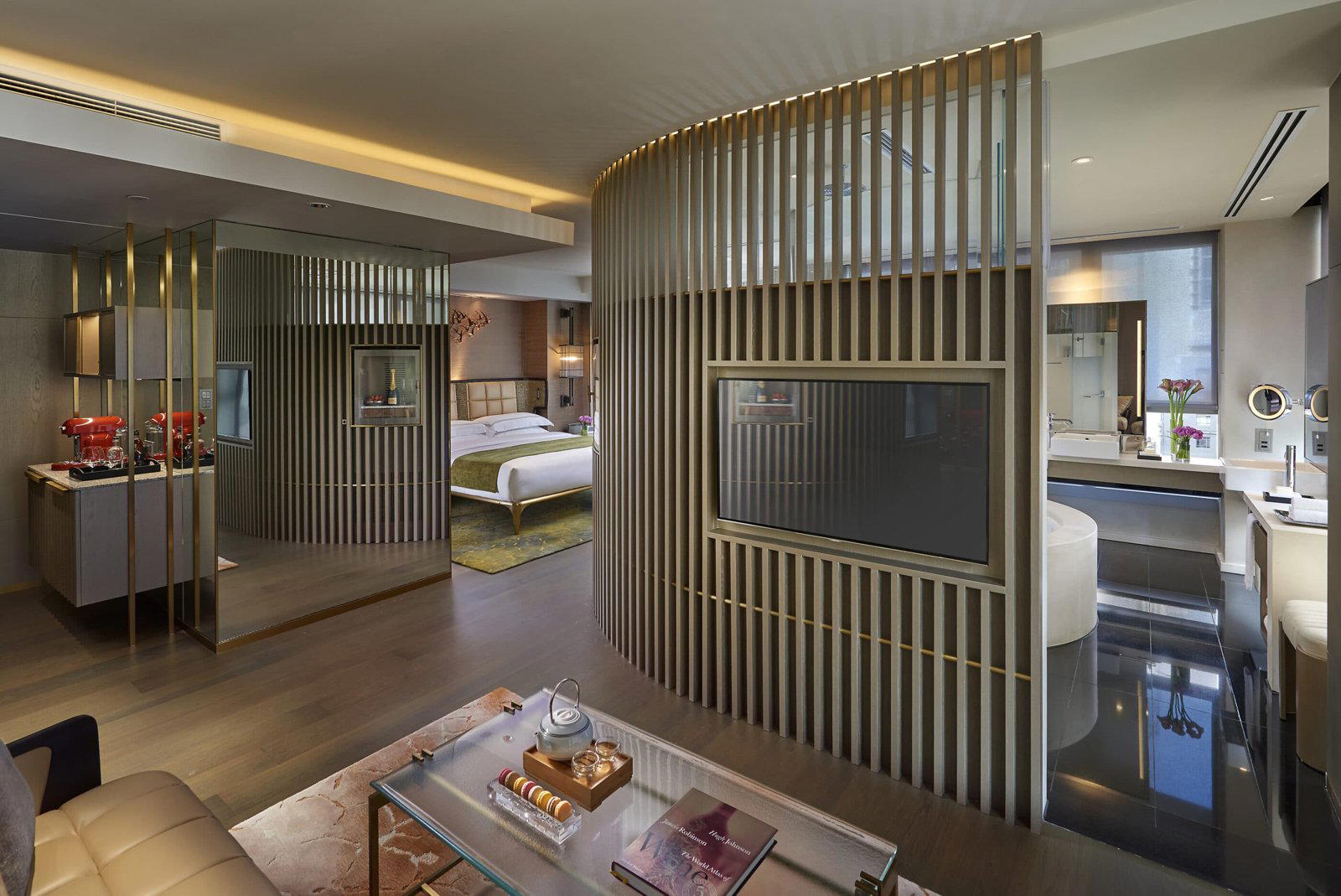
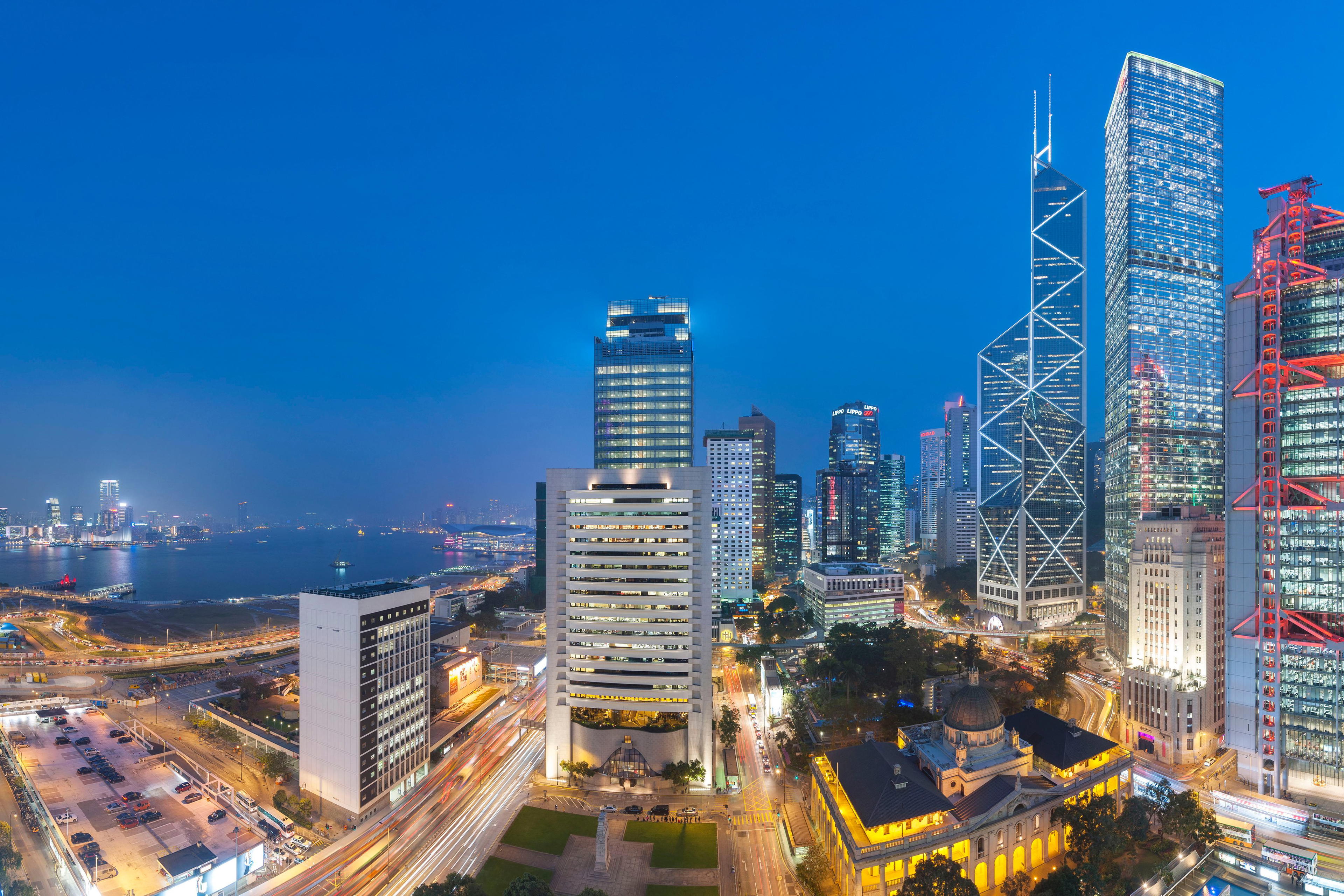
LKF Tower sits on Wyndham Street in Central, a short walk from the Lan Kwai Fong entertainment district. The eighth floor removes Heimat from the street-level noise of the neighbourhood without creating the studied grandeur of a high-floor hotel dining room. The kitchen's described feel is laid-back and natural, a register that aligns with the vegetable-forward menu philosophy and separates it from the more formal European dining rooms operating at comparable price points in the city. At $100 per person, it sits in Hong Kong's upper price tier.
Where the Accolades Land
Comparable venues nearby, for context on price, style, and recognition.
| Venue | Cuisine | Price | Awards | Notes |
|---|---|---|---|---|
| HeimatThis venue — the venue you are viewing | Modern German Fine Dining | $$$$ | Michelin Plate | Not listed |
| Sushi Zo Hong Kong | Traditional Japanese Omakase | $$$$ | Not listed | Central |
| The Krug Room | Modern Fusion Fine Dining with Krug Pairing | $$$$ | Not listed | Central |
| Kicho | Omakase-style Tori Kappo | $$$$ | Michelin Plate | Central |
| Ming Court (Cordis, Hong Kong) | Authentic Cantonese Fine Dining | $$$$ | Michelin Plate | Yau Tsim Mong North |
| Sushi Kuu | Modern Japanese Sushi and Omakase | $$$$ | Not listed | Central |
Recognition history
Dated appearances from independent guides and award organizations, with the underlying list record or original source where available.
Michelin Plate
Michelin
Michelin Plate
Michelin
Michelin Plate
Michelin
Continue exploring
More in Hong Kong
Restaurants in Hong Kong
Browse all →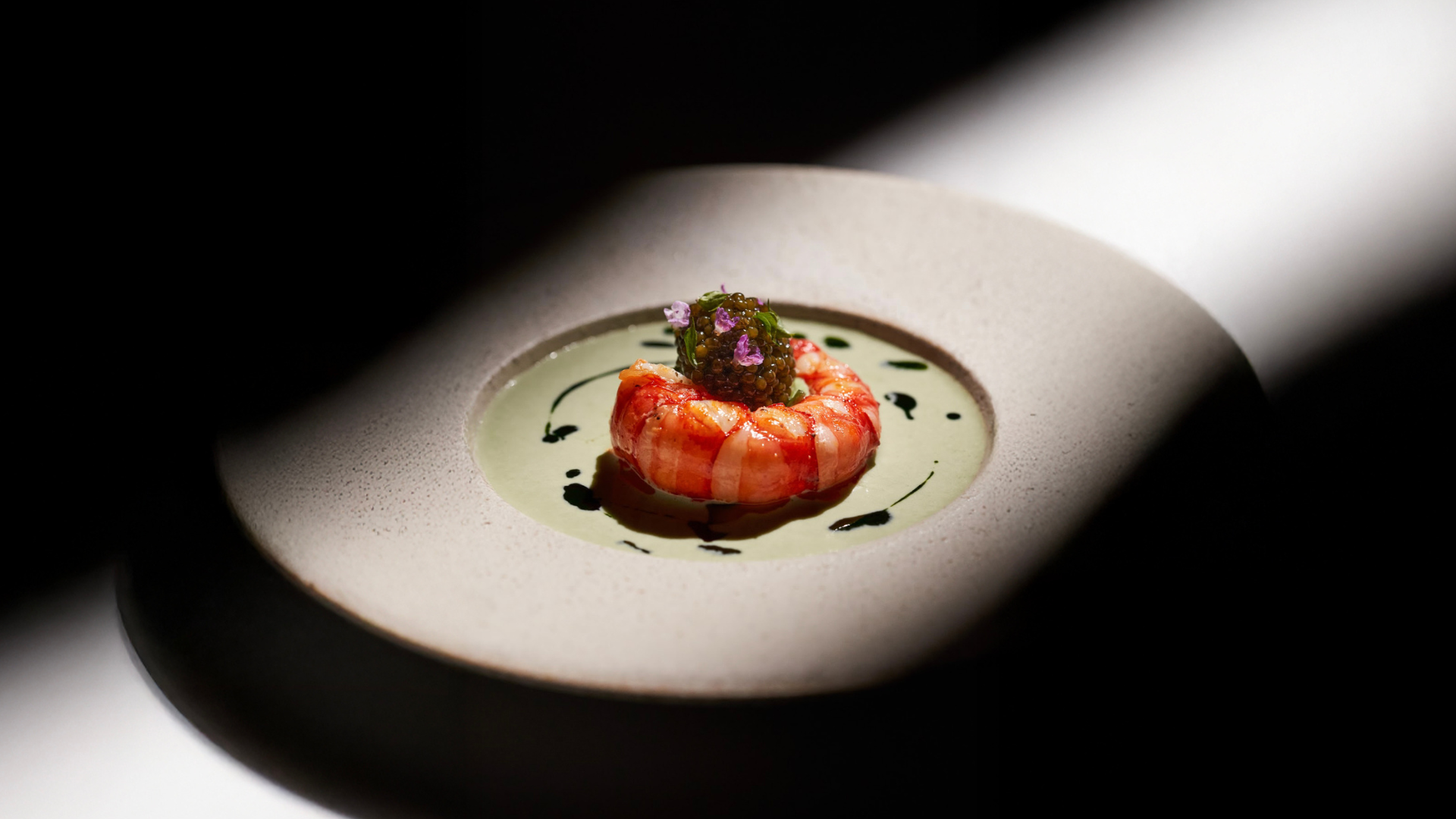
Bars in Hong Kong
Browse all →
At a Glance
- Cozy
- Elegant
- Sophisticated
- Intimate
- Date Night
- Special Occasion
- Celebration
- Open Kitchen
- Private Dining
- Extensive Wine List
Current opening hours
- Monday
- 12–3 PM, 6–11 PM
- Tuesday
- 12–3 PM, 6–11 PM
- Wednesday
- 12–3 PM, 6–11 PM
- Thursday
- 12–3 PM, 6–11 PM
- Friday
- 12–3 PM, 6–11 PM
- Saturday
- 12–3 PM, 6–11 PM
- Sunday
- Closed
Hours can change for holidays and private events. Last verified .
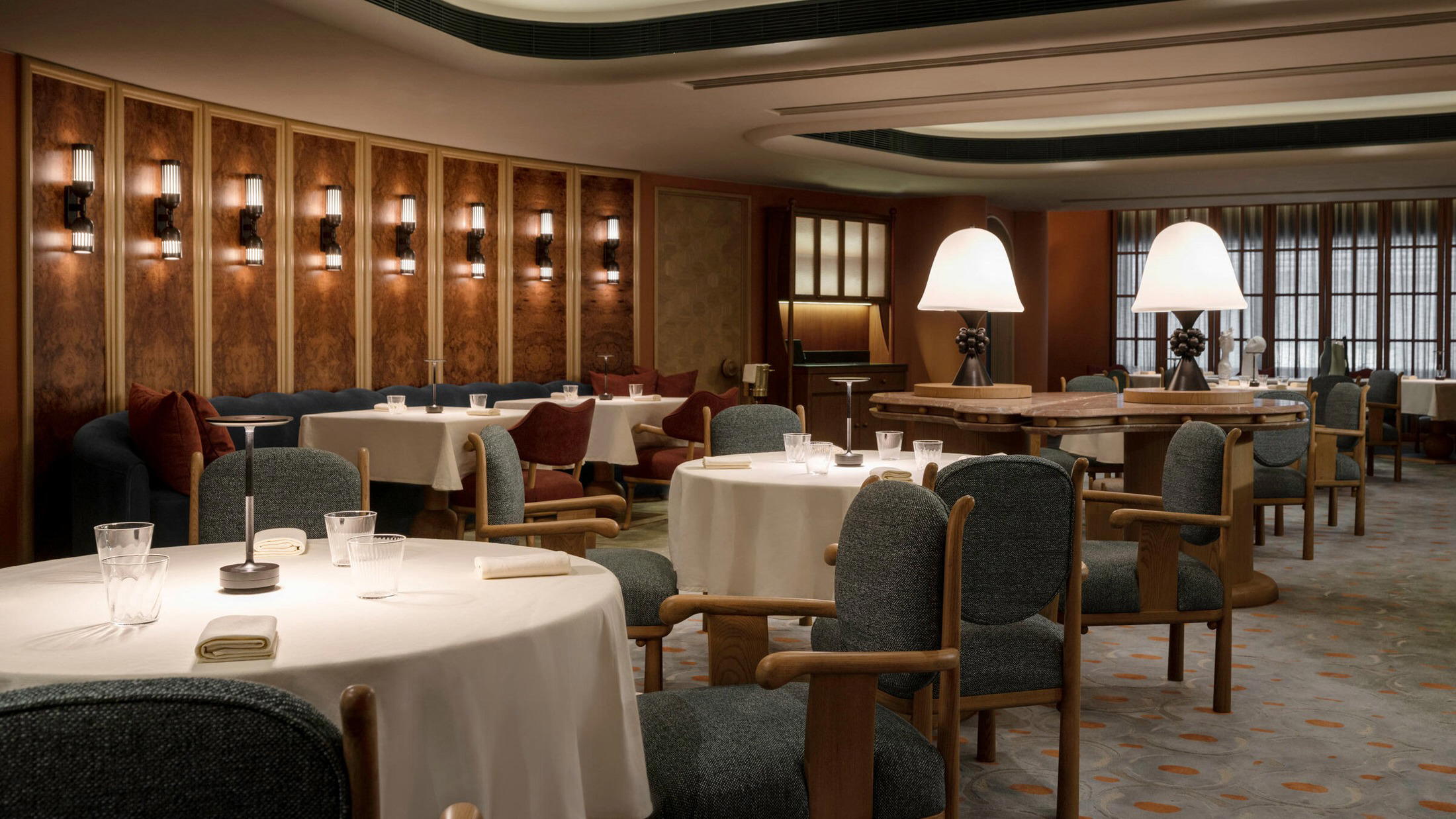
Cozy and soothing with soft ocean hues, mellow beiges, oaky wood tones, and Bauhaus decor creating a relaxed yet elegant atmosphere.