
Hebelstube holds a Michelin Plate for 2024 and 2025, placing it among the recognised farm-to-table addresses in Müllheim's Markgräflerland wine country. The kitchen works within the €€ price tier, making it one of the more accessible Michelin-acknowledged tables in this corner of Baden.8 across 237 reviews points to consistent delivery rather than occasional brilliance.
Pearl is the En Primeur Club membership app — saves, bookings, and concierge access live there. Same editors, same standards.
- Address
- Bundesstraße 3, 79379 Müllheim im Markgräflerland, Germany
- Phone
- +49 7631 17870
- Website
- alte-post.net
- Directions
- Get directions
 Saves & bookings on Pearl
Where Markgräflerland's Agriculture Meets the Plate
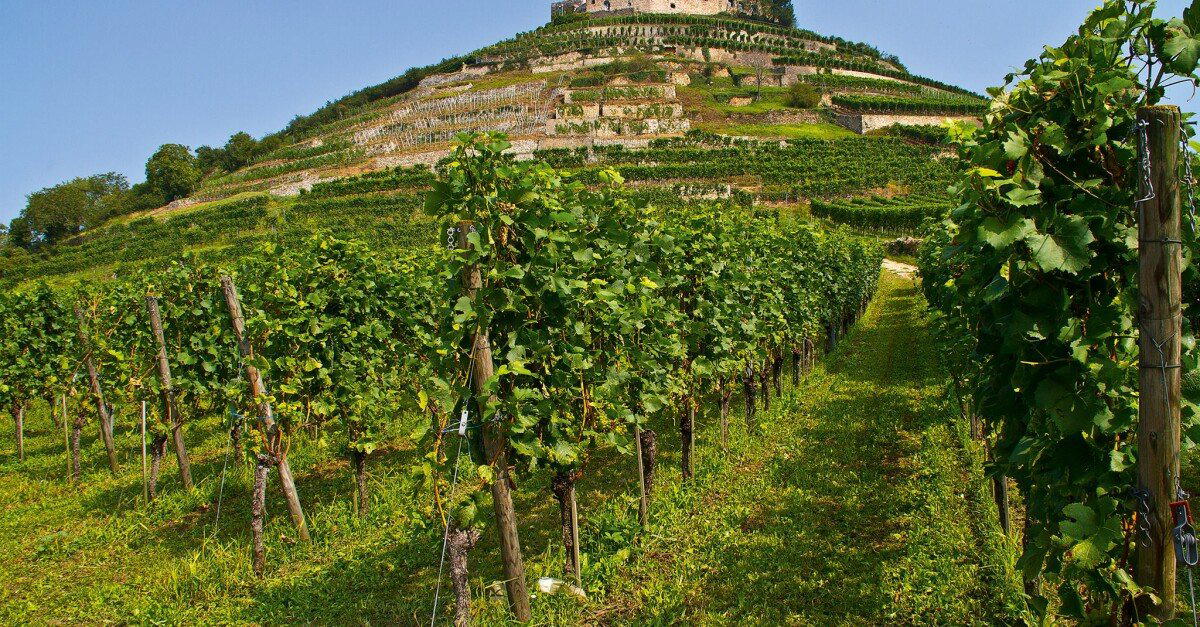
The southwestern corner of Baden-Württemberg has a culinary identity shaped almost entirely by what grows around it. The Markgräflerland, the stretch of low hills and Rhine plain running south from Freiburg toward Basel, sits at a latitude where Gutedel grapes ripen on gentle slopes, market gardens supply towns year-round, and the proximity of Alsace has, over generations, pushed local cooking toward a lighter, produce-led register than the heavier traditions of central Germany. Hebelstube is a restaurant in Müllheim im Markgräflerland, Germany, serving Modern German Regional cuisine at about $60 per person. Hebelstube, set on the Bundesstraße in Müllheim, operates inside this tradition. It is named, as many establishments in the region are, after Johann Peter Hebel, the early 19th-century writer who is the defining cultural figure of the Markgräflerland, a detail that signals a conscious claim to rootedness rather than a reaching toward metropolitan trends.
Farm-to-table as a category now covers considerable ground internationally, from the self-conscious locavore menus of Scandinavian capitals to the quieter, less theorised practice of sourcing from the farms that have always been neighbours. The second type tends to be less declarative about its sourcing and more fluent in it, the vegetables arrive because that is what the cook knows, not because proximity has been turned into a menu concept. Hebelstube sits recognisably in this second category, and that distinction matters for understanding what the Michelin Plate recognition means here. The award does not imply the theatrical ambition of, say, Aqua in Wolfsburg or the classical French architecture of Schwarzwaldstube in Baiersbronn. It implies quality in a different register: confident execution within a regional tradition, consistent enough to be recognised two years running.
The Michelin Plate in Context
Germany's Michelin Plate tier, rebranded from the former Bib Gourmand criteria in some interpretations, though technically a distinct mark for quality cooking that does not yet reach star level, has become a meaningful signal in mid-market and regional dining precisely because it filters against volume and habit. and sustained scores at that level generally indicate a kitchen that performs reliably rather than one that impresses occasionally.
For comparison within Germany's award-tracked dining tier, the distance between a Michelin Plate and the starred tables is significant. JAN in Munich, Vendôme in Bergisch Gladbach, and Restaurant Haerlin in Hamburg operate at price points and ambition levels that would make the €€ bracket at Hebelstube feel like a different conversation entirely. The Plate designation places Hebelstube in a category where the value proposition is central to the recognition, good cooking at accessible prices within a defined regional tradition. That is not a consolation prize; it is a specific category with its own competitive logic.
Farm-to-Table as Regional Practice, Not Trend
The farm-to-table movement arrived in Germany later than in the United Kingdom or the United States and, in Baden, was met with a degree of local bemusement: the region had been doing it without naming it for decades. The Kaiserstuhl volcanic soils to the north produce some of Germany's most expressive Pinot Noir and Pinot Gris; the Rhine plain between Freiburg and Basel supports asparagus, berries, and stone fruit at a scale that keeps local kitchens supplied through most of the growing season. Restaurants working in this territory, and there is a useful parallel in how Au Gré du Vent in Seneffe or BOK Restaurant in Münster function within their own regional supply lines, can credibly claim that their menus reflect geography rather than ideology.
Hebelstube's position in Müllheim, a town of around 19,000 with the Markgräflerland wine route running through it, means the sourcing infrastructure exists close at hand. Müllheim itself sits on the western edge of the Black Forest foothills, which adds a foraging and game dimension to the produce palette that flatter, more urban settings cannot replicate. The price point suggests the kitchen is not importing luxury ingredients to layer over regional cooking but working directly with what the area provides.
Müllheim's Place in Baden Dining
Freiburg, 30 kilometres to the north, carries most of the regional restaurant reputation and draws the food-focused visitors. Müllheim operates at a quieter frequency, a wine town on the B3 that rewards visitors who have already spent time in the better-known centres and are ready to eat where the locals eat. The Markgräflerland as a dining destination functions differently from the showpiece restaurant corridors in the Black Forest proper: the ambition here is horizontal rather than vertical, spread across a number of mid-market addresses rather than concentrated in a few high-profile rooms.
Hebelstube's nearest category peer in the immediate area is Gasthof Ochsen, which represents the country cooking tradition, heavier, inn-based, rooted in the Gasthaus format that defines rural German dining. The two represent the range available within Müllheim's smaller restaurant pool: traditional Gasthaus cooking on one side, a produce-led kitchen with external recognition on the other.
For visitors building a wider itinerary across Germany's recognised dining addresses, the southern Baden region sits within reasonable distance of significant starred tables: ES:SENZ in Grassau, Schanz in Piesport, Victor's Fine Dining by Christian Bau in Perl, and Waldhotel Sonnora in Dreis all sit further north and west, in a different wine region and at a different price tier. CODA Dessert Dining in Berlin represents a creative register so removed from Hebelstube's register that it functions as a useful contrast rather than a comparison.
Planning a Visit
Hebelstube is located at Bundesstraße 3 in 79379 Müllheim im Markgräflerland, on the main road through the town. Müllheim is served by the Freiburg–Basel rail corridor, which makes it accessible without a car, though the Markgräflerland wine route is more naturally explored by vehicle. At the €€ price point, the restaurant sits within comfortable reach without advance financial planning, though booking ahead is advisable given the Michelin Plate profile and the review volume that suggests a steady local following. For further planning across the town and region, EP Club's full Müllheim restaurants guide, hotels guide, bars guide, wineries guide, and experiences guide cover the wider options in the area.
What Dish Is Hebelstube Known For?
Hebelstube's kitchen works within a farm-to-table format anchored in the Markgräflerland's seasonal produce, and the Michelin Plate recognition in both 2024 and 2025 points to consistent quality rather than a single signature preparation. In a regional kitchen of this type, the answer to what drives the menu shifts with the growing season: asparagus in late spring, stone fruit and berries through summer, game and root vegetables in autumn.
Pricing, Compared
Comparable venues nearby, for context on price, style, and recognition.
| Venue | Cuisine | Price | Awards | Notes |
|---|---|---|---|---|
| HebelstubeThis venue — the venue you are viewing | Müllheim, Modern German Regional | $$$ | Michelin Plate | Not listed |
| Gasthof Ochsen | Not listed | $$ | Michelin Plate | Müllheim, Traditional German Baden Country Cooking |
| Zum Goldenen Engel | Not listed | $$$ | Michelin Plate | Glottertal, Traditional German Black Forest Cuisine |
| Rebstock | Not listed | $$$ | Michelin Plate | Durbach, Traditional German Black Forest Cuisine |
| Berghotel Wiedener Eck | Wieden, Regional German Country Cooking | $$$ | Michelin Plate | Not listed |
| Die Achkarrer Krone | Not listed | $$ | Michelin Plate | Achkarren, Traditional Badische with French Accents |
Recognition history
Dated appearances from independent guides and award organizations, with the underlying list record or original source where available.
Michelin Plate
Michelin · 2026 Michelin Plate
Michelin Plate
Michelin
Michelin Plate
Michelin
Continue exploring
More in Müllheim
Restaurants in Müllheim
Browse all →
Bars in Müllheim
Browse all →
Hotels in Müllheim
Browse all →
At a Glance
- Cozy
- Elegant
- Classic
- Special Occasion
- Business Dinner
- Garden
- Historic Building
- Extensive Wine List
- Organic
- Local Sourcing
- Garden
Current opening hours
- Monday
- 12–9 PM
- Tuesday
- 12–9 PM
- Wednesday
- 12–9 PM
- Thursday
- 12–9 PM
- Friday
- 12–9 PM
- Saturday
- 12–9 PM
- Sunday
- 12–9 PM
Hours can change for holidays and private events. Last verified .
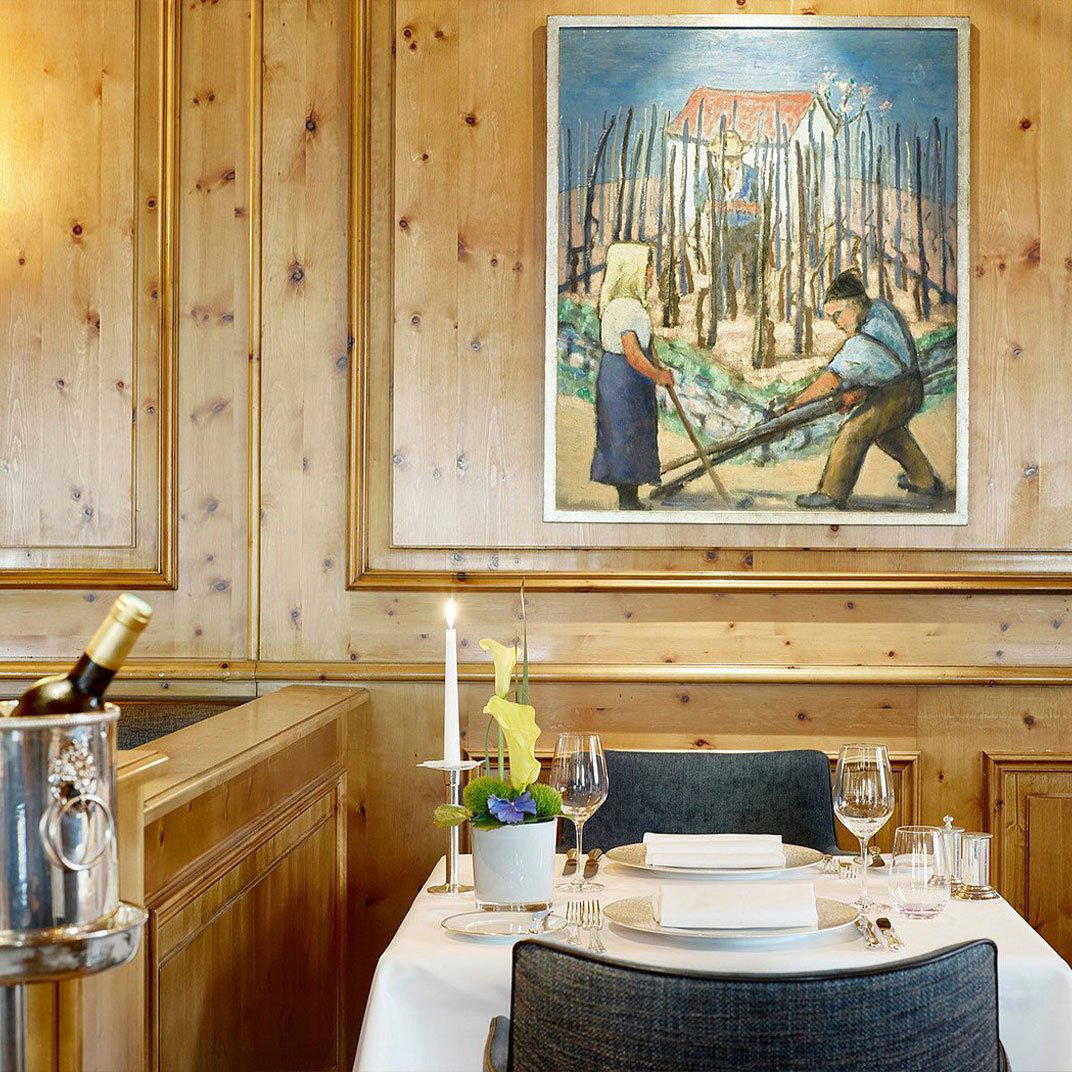
Friendly and charming atmosphere with attentive service; cozy interior rooms offering an almost private dining experience and a delightful summer terrace.