Our verdict
Hébé occupies a quietly serious address on Rue Frédéric Sauton in the 5th arrondissement, a part of Paris where the restaurant scene rewards patience over profile. The address places it in the same Latin Quarter corridor that has long sustained serious independent tables, and the wine program is the clearest lens through which to read what this restaurant is doing.

Pearl is the En Primeur Club membership app, where members save venues, book tables and use the concierge.

The menu
What to order
- Pan-fried foie gras
- Roasted duckling
- Sea bass fillet
The Latin Quarter's Quieter Register
Paris's 5th arrondissement has never operated on the same promotional frequency as the 8th or the 1st. The Latin Quarter accumulates serious restaurants the way academic neighborhoods tend to: gradually, without fanfare, sustained by a local clientele that returns rather than one that arrives for the occasion. Rue Frédéric Sauton sits inside that rhythm. Hébé, at number 15, is part of a broader pattern of independently minded tables in this part of the city that position themselves against the grand-dining establishment rather than alongside it.
That positioning matters when you consider the competitive field in Paris. At the top of the market, addresses like Alléno Paris au Pavillon Ledoyen and Le Cinq at the Four Seasons George V operate with full brigade infrastructure, palatial rooms, and price structures to match. A few rungs below that, places like Kei hold Michelin recognition while threading a more contained, focused format. Hébé occupies a different register entirely: the kind of address where the room is modest in scale, the offering is considered, and the wine list does a disproportionate amount of the intellectual work.
Reading the Wine List as a Critical Document
In a city where the sommelier's role has been professionalized to the point of near-performance at the leading houses, smaller independent restaurants sometimes produce the more interesting wine programs precisely because they are not constrained by a cellar built for theatre. Paris's Latin Quarter has a history of this: wine lists assembled with genuine curiosity rather than commercial logic, weighted toward producers that the mainstream circuit has not yet fully absorbed.
The editorial angle at Hébé is the cellar. A wine list, read carefully, tells you what a restaurant actually believes about hospitality. It tells you whether the kitchen and the floor are working toward the same table, or whether the wine program is an afterthought grafted onto a food concept. In the leading cases, and this corridor of the 5th arrondissement has produced several, the list carries a curatorial point of view that functions as a second menu: specific in its regional commitments, selective in its producers, and capable of steering a meal in directions the food alone cannot.
This is the context in which Hébé deserves to be read. The address alone, 15 Rue Frédéric Sauton, places it within walking distance of the Seine and the Île de la Cité, in a neighborhood that has sustained serious independent tables for decades. What sets this category of restaurant apart from the grander houses, whether that is L'Ambroisie on the Place des Vosges or Arpège on the Rue de Varenne, is the deliberateness of scale. Smaller rooms, shorter menus, and wine lists that require the diner to engage rather than simply choose.
Where Hébé Sits in France's Broader Restaurant Map
Paris concentrates most of France's internationally visible restaurant attention, but serious dining in France has always distributed itself unevenly across the country. Restaurants like Mirazur in Menton and Flocons de Sel in Megève demonstrate that the provinces sustain their own serious traditions. The legacy houses, from Troisgros in Ouches to Auberge de l'Ill in Illhaeusern and Bras in Laguiole, have built their reputations across generations and outside the capital entirely.
The Paris independent scene operates against that backdrop. It does not have the landscape drama of Auberge du Vieux Puits in Fontjoncouse or the regional identity marker that anchors somewhere like Assiette Champenoise in Reims. What it has instead is proximity to one of the world's deepest concentrations of wine knowledge, a professional dining public that reads menus with genuine attention, and a critical infrastructure that rewards substance. For a restaurant like Hébé, that is the operating environment: demanding, literate, and difficult to impress with form alone.
Internationally, the comparison point shifts. Technically accomplished restaurants at a similar scale, like AM par Alexandre Mazzia in Marseille, show how a tight format and a strong point of view can generate significant critical attention. The contrast with larger formats, such as Le Bernardin in New York or Atomix, is instructive: scale and ambition are not synonymous, and the most interesting cellars are often in the smaller rooms.
Know Before You Go
- Address: 15 Rue Frédéric Sauton, 75005 Paris, France
- Neighbourhood: Latin Quarter (5th arrondissement)
- Nearest Metro: Maubert-Mutualité (Line 10), approximately 3 minutes on foot
- Booking: Contact details not currently listed; check the restaurant directly for reservations
- Walk-ins: Status not confirmed; given the format and neighbourhood norm, advance contact is advisable
- Dress code: Not specified; the 5th arrondissement independent table norm runs toward smart casual
- Pricing: Not published at time of writing; budget in line with serious independent Paris restaurants of this type
For a fuller picture of where Hébé sits within Paris's restaurant geography, see our full Paris restaurants guide. For historical context on what sustained serious French cooking looks like at multi-generational scale, Paul Bocuse's Auberge du Pont de Collonges and Au Crocodile in Strasbourg offer useful reference points. For contemporary creative French work at the other end of the scale spectrum, Kei remains one of the city's more interesting Michelin-recognised rooms.
Frequently asked questions
What is Hébé known for?
Hébé is an independent restaurant at 15 Rue Frédéric Sauton in Paris's 5th arrondissement. Within the Latin Quarter's independent dining scene, it is read as a wine-forward table: a restaurant where the cellar carries as much editorial weight as the kitchen. The format sits at a distance from the grand Parisian houses, operating in a register more common to focused, room-scale independents than to multi-Michelin establishments like L'Ambroisie or Arpège.
What do people recommend at Hébé?
In this category of Paris restaurant, the wine pairing or sommelier-led selection is typically the most distinctive element of the meal. For verified recommendations, check recent visitor reviews or contact the restaurant directly before visiting.
Do they take walk-ins at Hébé?
In the 5th arrondissement's independent restaurant tier, which includes some of Paris's more quietly serious addresses, demand at smaller rooms often outpaces capacity even on quieter evenings. Contacting the restaurant ahead of your visit is the more reliable approach, particularly on weekends or during peak Paris dining periods such as September and October.
Is Hébé good for vegetarians?
If vegetarian options are a requirement, contact the restaurant directly via their current booking channel before visiting. Paris's independent fine dining sector has moved steadily toward plant-forward flexibility over the past several years, but confirmation directly from the venue is the only reliable source here.
Is a meal at Hébé worth the investment?
In Paris, that cohort, independent, wine-driven, Latin Quarter in character, has a track record of delivering meals with more intellectual texture than their price points often suggest. The appropriate reference frame is not the grand boulevard palaces but rather the focused independent rooms that the city's most experienced diners tend to protect quietly.
How does Hébé's wine program compare to other serious Paris independents?
Hébé's position on Rue Frédéric Sauton places it in a neighbourhood with a long history of sustaining wine-serious independent tables. In this tier of the Paris market, the wine list functions as a primary differentiator: producers selected outside the mainstream allocation circuit, regional depth beyond the obvious appellations, and a floor team whose recommendations shape the meal rather than simply support it. For comparison within the broader French fine dining context, cellars at houses like Assiette Champenoise in Reims or Auberge de l'Ill operate with regional anchoring as their core logic; the leading Paris independents tend instead toward a more eclectic curation that reflects the city's access to producers across all of France.
Price Lens
Comparable venues nearby, for context on price, style, and recognition.
| Venue | Cuisine | Price | Notes |
|---|---|---|---|
| HébéThis venue (the venue you are viewing) | Modern French-Mediterranean Fusion | $50–100 | Not listed |
| Le Petit Canard | Traditional French Duck Bistro | Not listed | 9th arrondissement, Traditional French Duck Bistro |
| CACTUS by La Finca | Seasonal French Bistro | $30–50 | 11th Arrondissement, Seasonal French Bistro |
| Le Layon | Modern French Fusion | $50–100 | 14th Arrondissement, Modern French Fusion |
| L'Ascension | Modern French Bistro | $30–50 | Saint-Georges, Modern French Bistro |
| Esens'all | Organic French Fine Dining | $50–100 | Batignolles-Monceau, Organic French Fine Dining |
Continue exploring
More in Paris
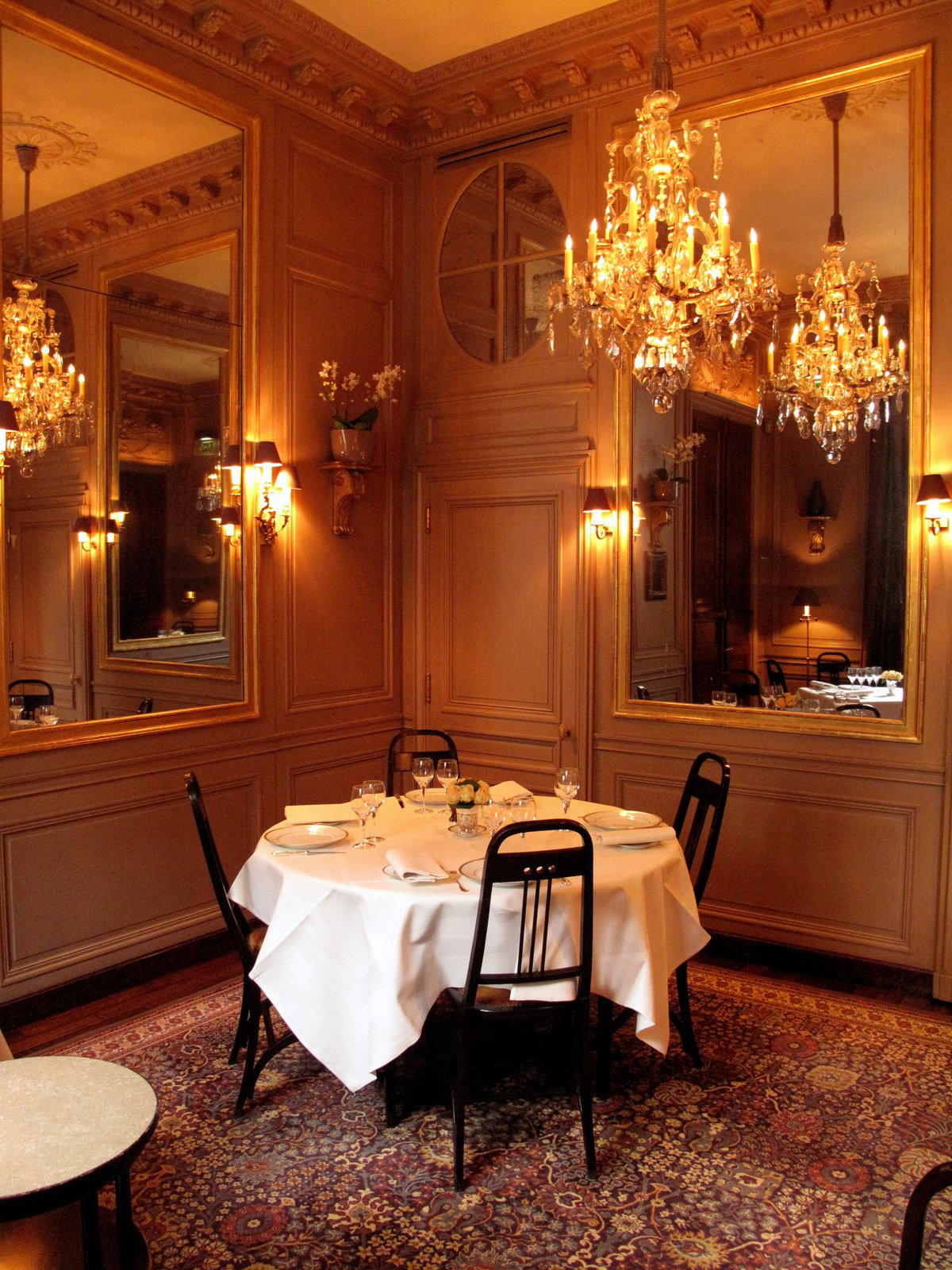
Restaurants in Paris
All restaurants in Paris →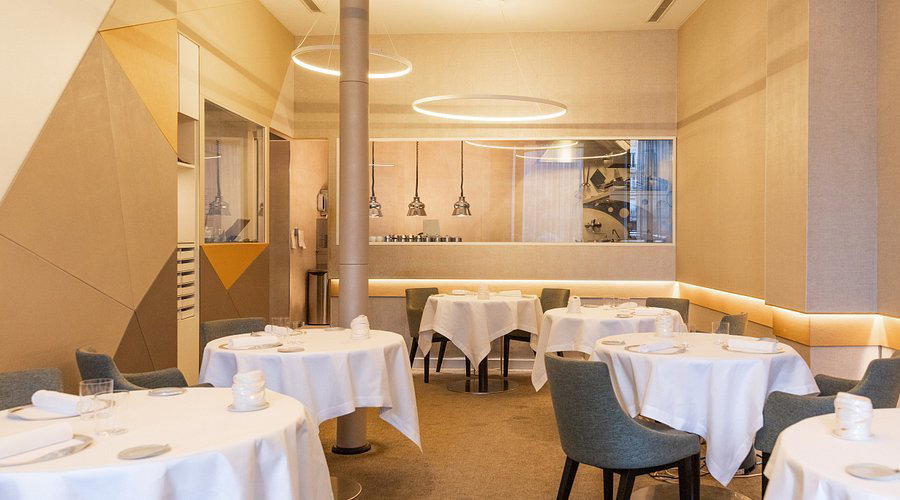
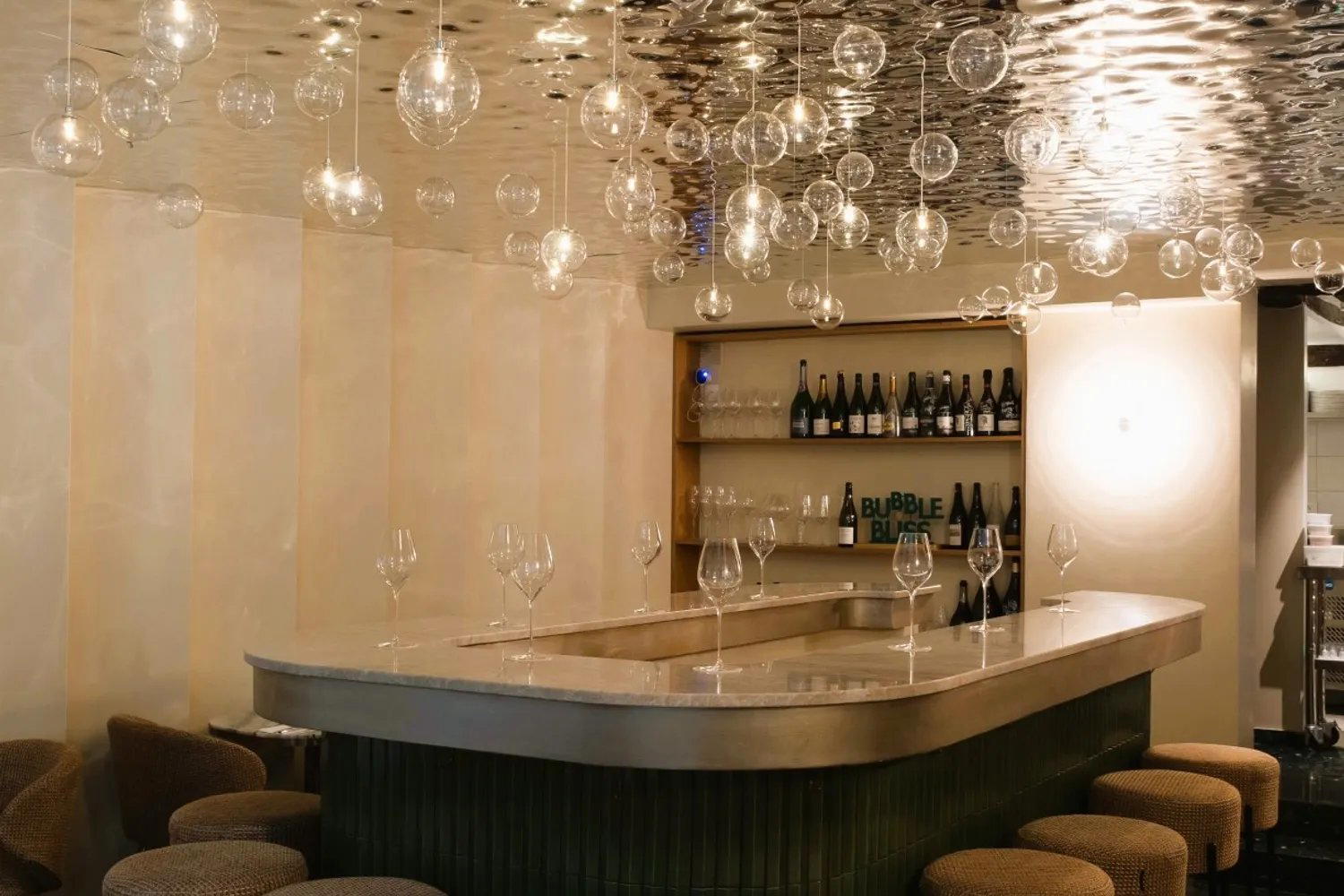
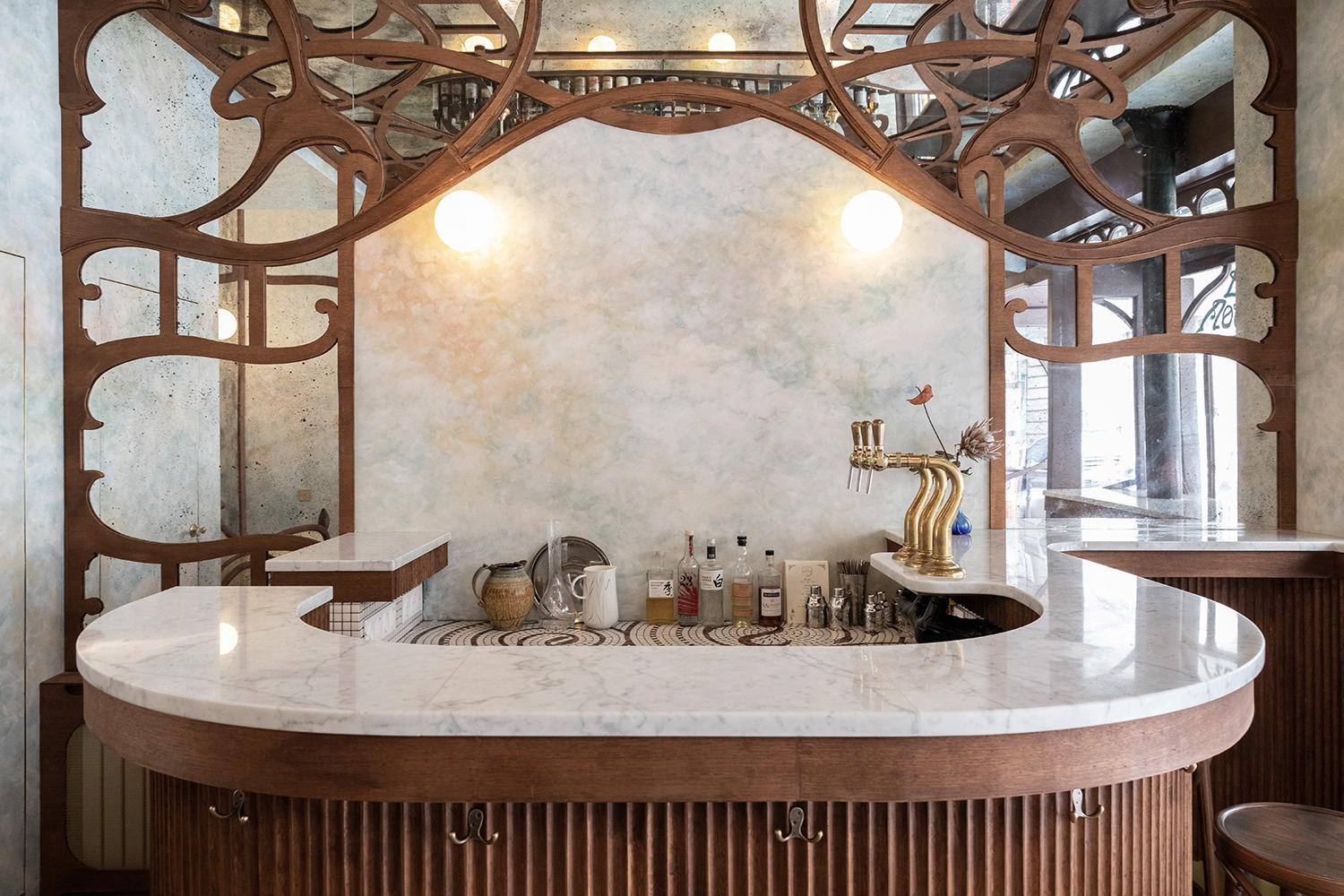
Bars in Paris
All bars in Paris →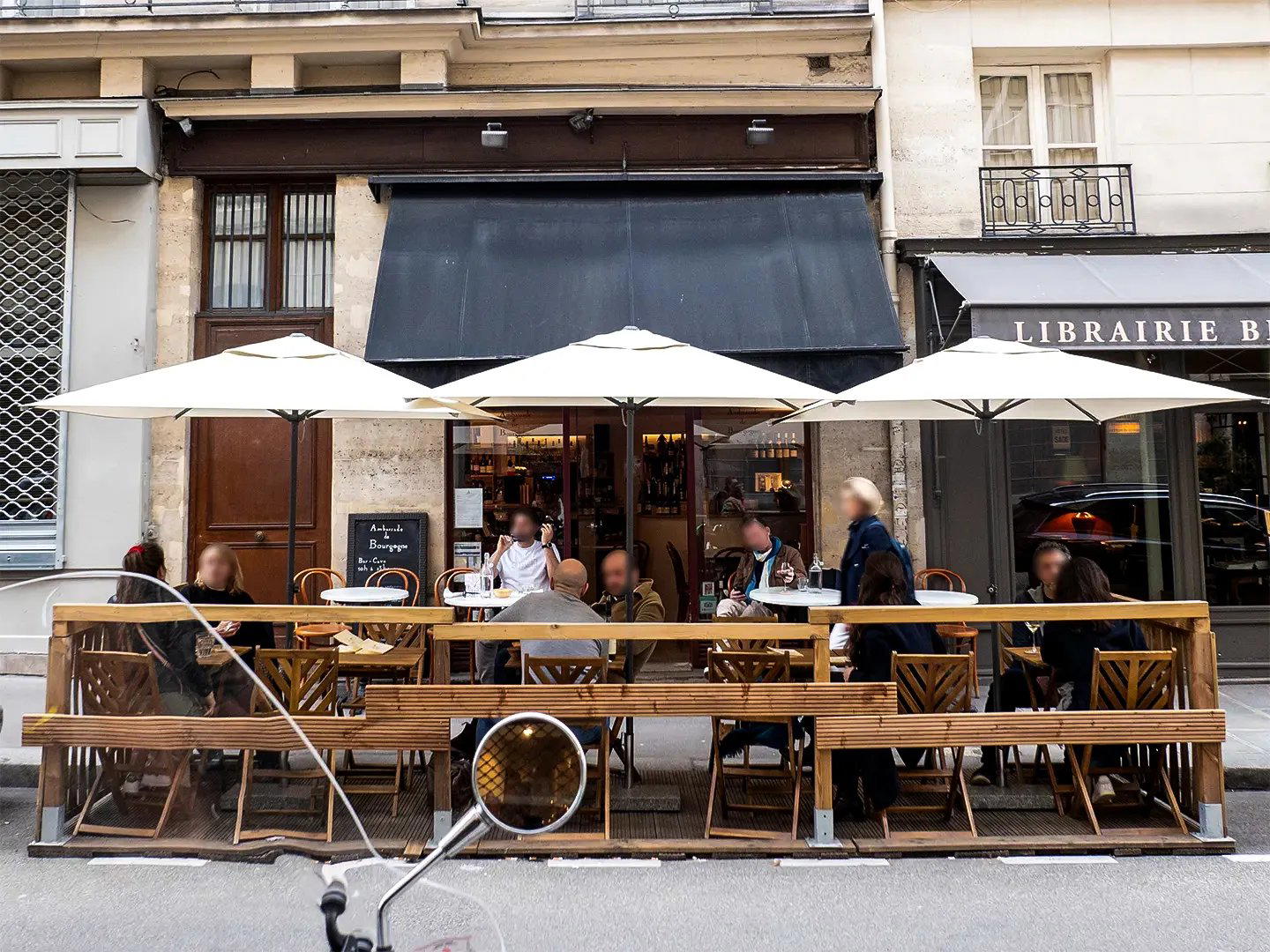
Details
- Elegant
- Modern
- Intimate
- Sophisticated
- Date Night
- Special Occasion
- Group Dining
- Open Kitchen
- Extensive Wine List
- A La Carte
- Small Plates
- Wine
- Vegetarian Friendly
- Vegan Options
- Gluten Free Options
Current opening hours
- Monday
- 7–10:30 PM
- Tuesday
- 12–2 PM, 7–10:30 PM
- Wednesday
- 12–2 PM, 7–10:30 PM
- Thursday
- 12–2 PM, 7–10:30 PM
- Friday
- 12–2 PM, 7–11 PM
- Saturday
- 12–2:30 PM, 7–11 PM
- Sunday
- 12–2:30 PM, 7–11 PM
Hours can change for holidays and private events. Hours as of .
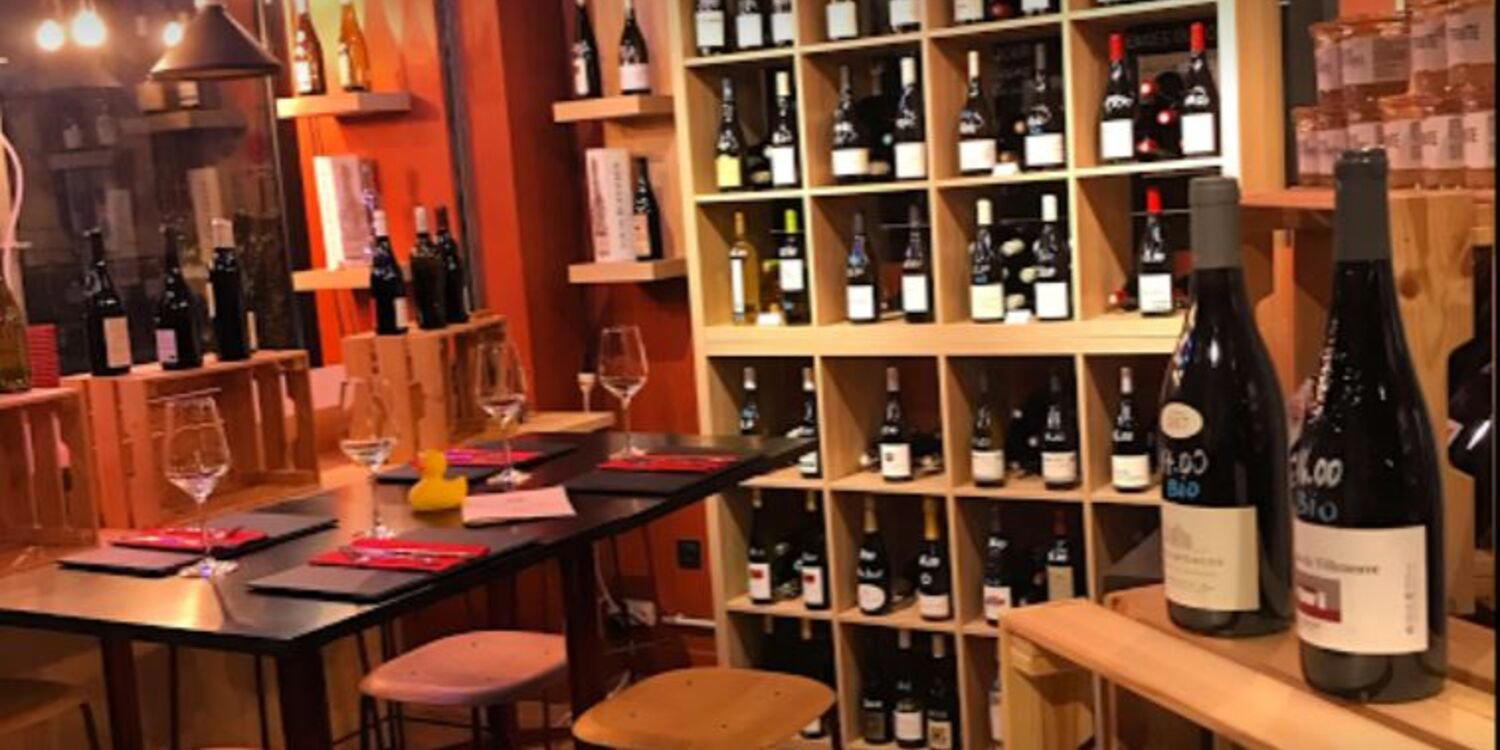
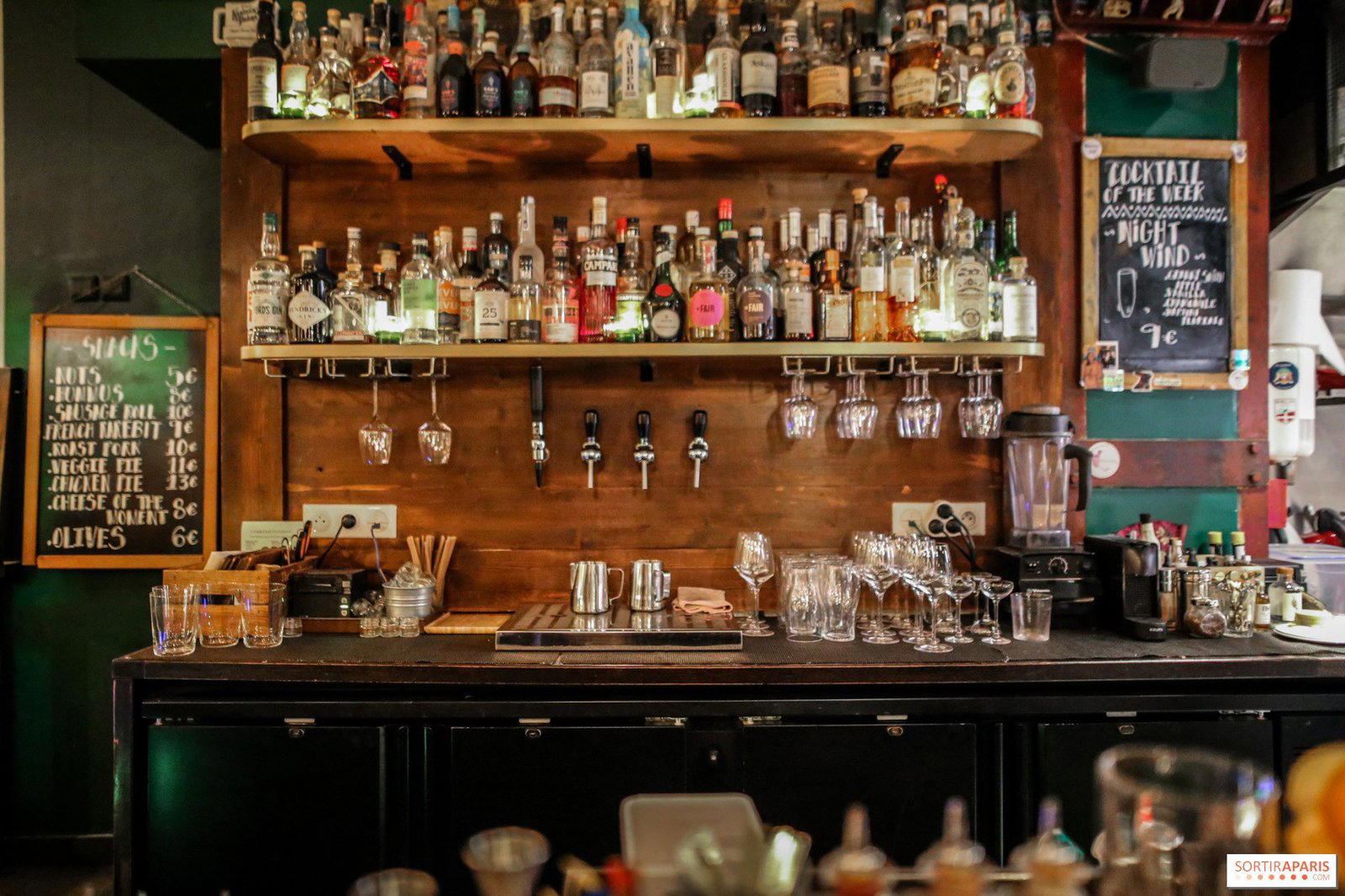
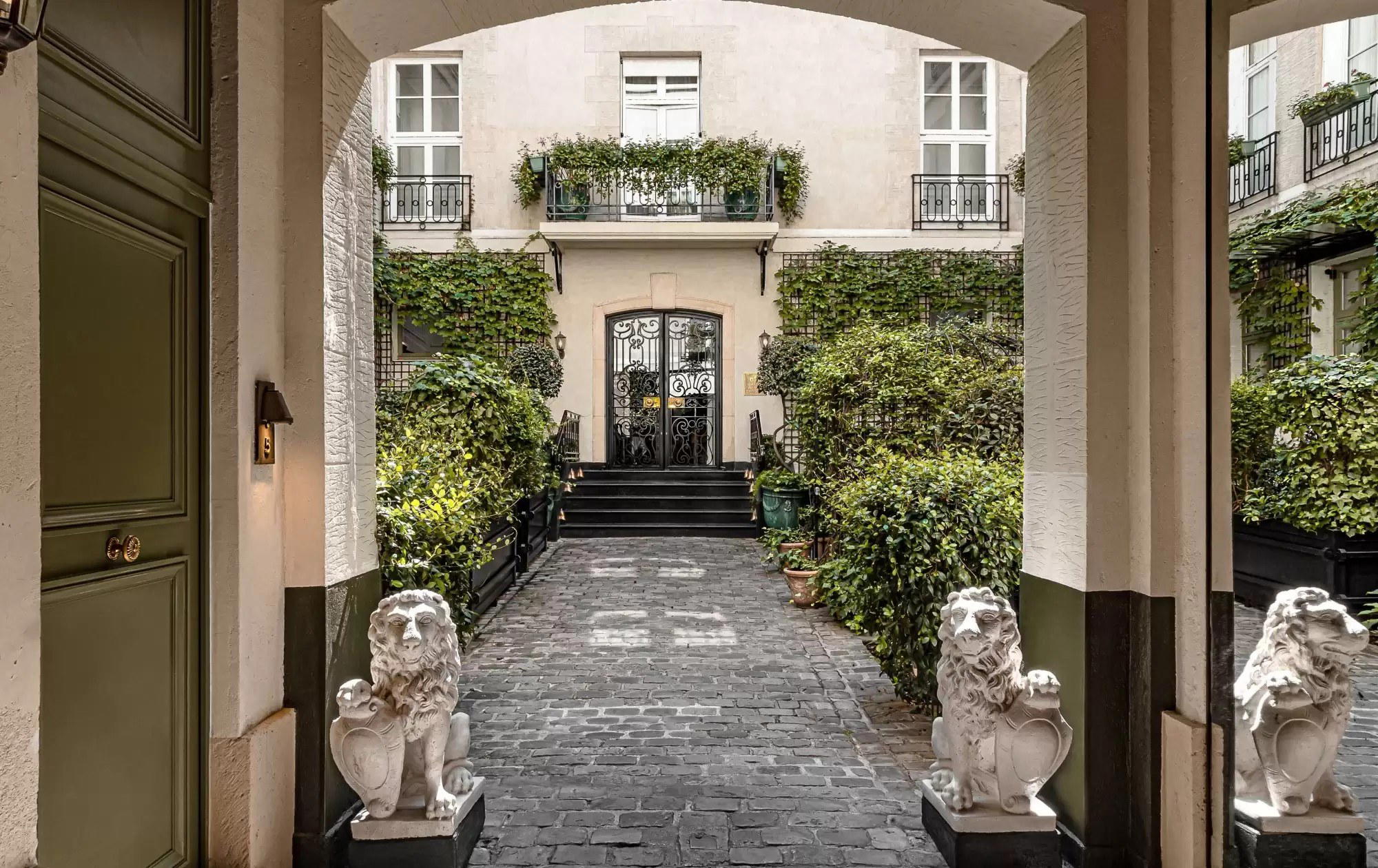
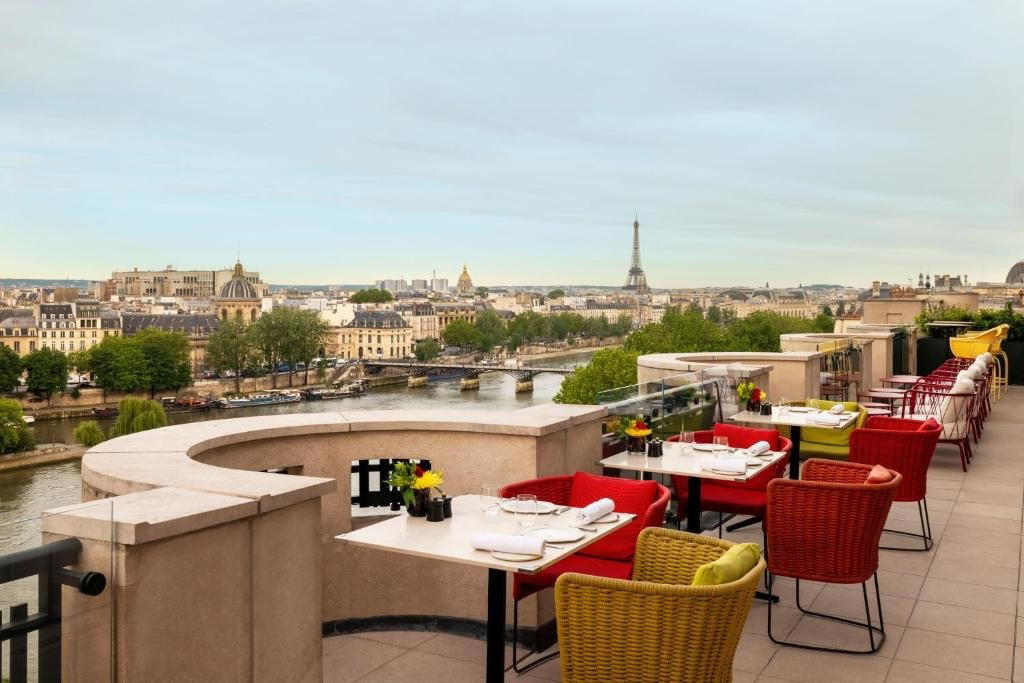
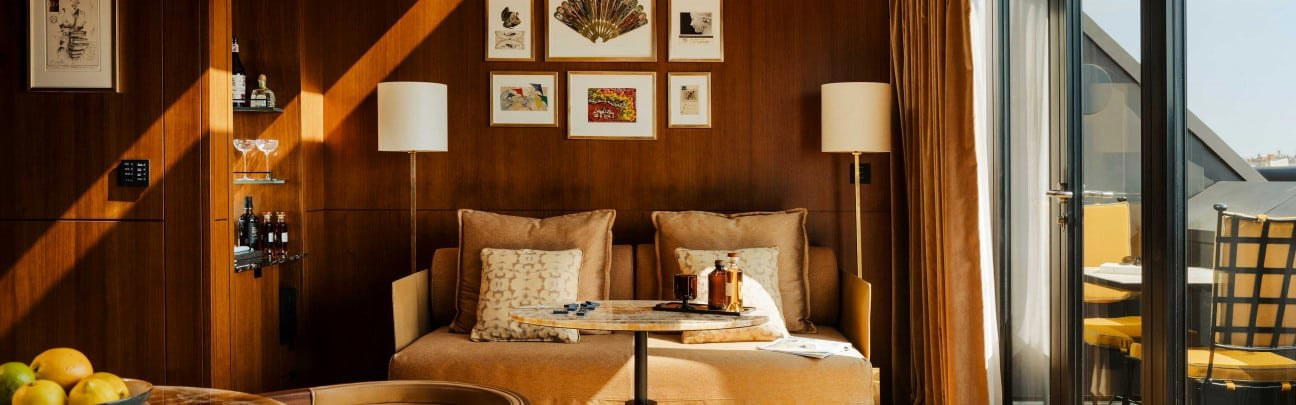
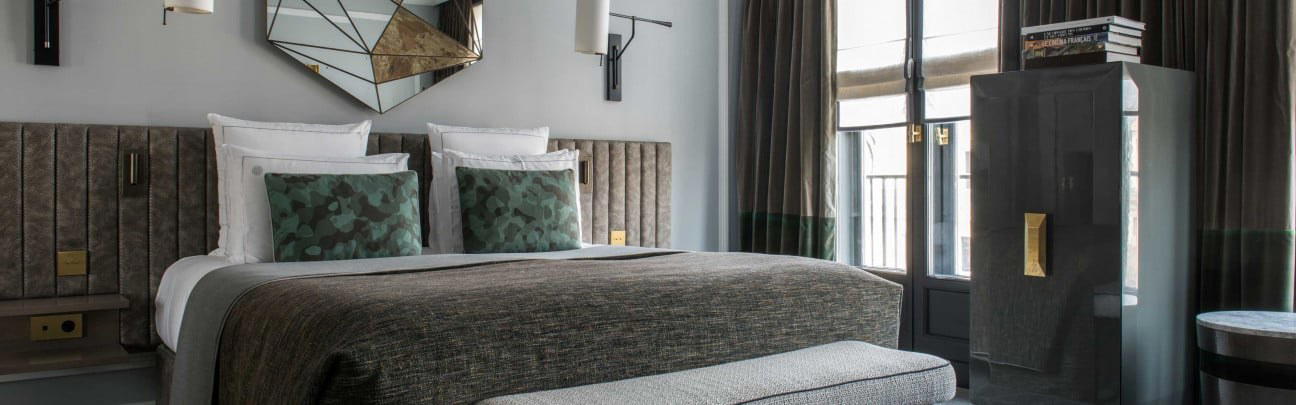
Elegant and modern with soft lighting, warm tones, and refined furnishings creating an intimate, welcoming atmosphere.