Hayato






2 Michelin Stars · La Liste Top Restaurants · Food & Wine Top 10 US Restaurants #6
Our verdict
A seven-seat kaiseki counter in Downtown L.A.'s Row DTLA, Hayato holds two Michelin stars and ranked second on the LA Times 101 Best Restaurants list in 2024. Reservations open at the start of each month and close within minutes. Chef Brandon Hayato Go prepares each course in full view of diners, with commentary on provenance and seasonality that turns the counter into something closer to a seminar than a service.

Pearl is the En Primeur Club membership app — saves, bookings, and concierge access live there. Same editors, same standards.
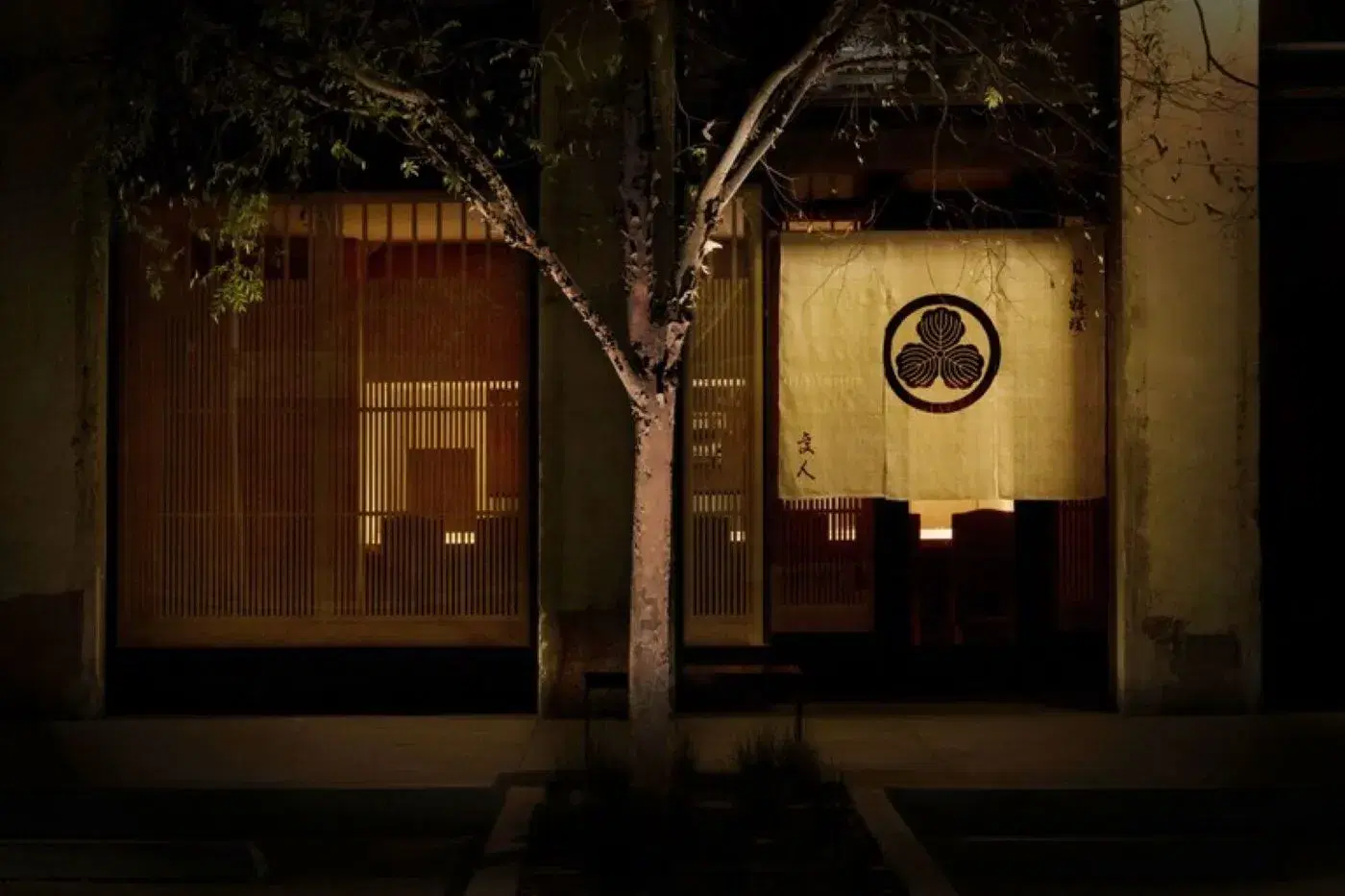
The approach to Hayato tells you nothing. Row DTLA is a repurposed warehouse complex on the eastern edge of downtown Los Angeles, and suite 126 sits inside it without ceremony: no signage designed to impress, no velvet rope, no theatrical entrance. What waits inside is a seven-seat counter, and the kind of stillness that serious kitchens impose on a room simply by operating at a high level. Los Angeles has spent the better part of a decade building a fine dining identity sophisticated enough to hold its own against New York and San Francisco, and the kaiseki format has been central to that argument. Hayato is where that argument lands hardest.
A Counter That Reshaped the City's Fine Dining Conversation
When Los Angeles critics began making the case that the city deserved to be taken seriously as a fine dining destination, they were pointing, in part, at what was happening at the kaiseki and omakase tier. The format, with its fixed progression, its reliance on seasonal produce, and its demand for technical precision, offers a harder test than à la carte. There is nowhere to hide a weak course inside a multi-course meal built around restraint. Hayato arrived into that conversation and accelerated it. Two Michelin stars, a ranking of second on the LA Times 101 Best Restaurants list in 2024, a placement at number ten in Opinionated About Dining's North America ranking for 2025 (up from thirteenth in 2023 and 2024), and 75.5 points in the La Liste Leading Restaurants 2025 edition represent a sustained period of recognition, not a single year of good press. The trajectory is editorial confirmation that the restaurant has not held a position so much as continued to earn one.
That upward movement in the OAD rankings — thirteenth in both 2023 and 2024, tenth in 2025 — is worth reading carefully. OAD aggregates opinion from a community of serious restaurant travelers, not general consumers, which means the shift reflects specialist consensus rather than tourist traffic. The two-star bracket in L.A. also includes Vespertine, though that restaurant operates in a deliberately alienating register; Hayato's warmth at the counter is a structural counterpoint to Vespertine's cold conceptualism, even at the same Michelin level.
The Format and What It Demands of a Diner
Kaiseki, at its formal end, is a sequential cuisine built around the Japanese calendar. Courses map to seasonal produce, preparation methods shift with temperature and harvest cycles, and the overall arc of a meal is meant to reflect a moment in the year as much as a kitchen's technical range. The format arrived in Los Angeles through several channels, fine dining Japanese restaurants, high-end sushi houses, the influence of Kyoto-trained chefs working stateside, but it has rarely been executed at this price and precision tier outside a handful of addresses. Globally, the tradition anchors restaurants like Myojaku and Azabu Kadowaki in Tokyo, where the kaiseki lineage runs deeper and the reference pool is wider. What makes the L.A. version of the conversation interesting is that it has developed its own character rather than simply importing a Tokyo template.
At Hayato, the counter format concentrates the experience. Seven seats means every diner is within conversation range of the kitchen, and Chef Brandon Hayato Go uses that proximity deliberately, discussing the provenance and seasonality of each ingredient as courses are prepared. The LA Times documented specific dish details, kinmedai golden eye snapper prepared to soften flesh without compromising skin texture, grilled shiro amadai breaking the surface of a light dashi with junsai plant floating in the broth, that suggest a kitchen working at the level where technique is in service of ingredient rather than the reverse. Onion petals darkened over hot embers for ninety minutes is not a cooking flourish; it is the kind of process-over-shortcut decision that defines how seriously a kitchen takes its own standards.
The sake program extends the editorial point. A selection described as including bottles rarely seen outside the restaurant itself positions the beverage program as a curatorial project rather than a wine list assembled for margin. In the context of a kaiseki progression, sake pairing functions differently from wine pairing at a French or contemporary American counter: it connects a diner more directly to Japanese regional brewing traditions and creates a second parallel narrative alongside the food. For diners approaching from the tradition of The French Laundry or Le Bernardin, the sake program at this level represents a different mode of engagement with a beverage program rather than a lesser one.
The Evolution: From Reservation Rarity to Sustained Critical Consensus
In its early years, Hayato's reputation rested heavily on scarcity. Slots opening at the start of each month and disappearing before most people could load the page created the kind of demand narrative that can carry a restaurant's profile independent of what is actually served. The risk with that narrative is that it substitutes access for quality: a restaurant that is hard to book is not automatically a restaurant worth the effort. What has shifted over the period covered by the awards record is that the critical consensus has caught up to and reinforced the demand signal, rather than puncturing it. The OAD community, which is skeptical of hype and rewards consistency, has moved the restaurant progressively upward over three consecutive years. Michelin has held its two-star assessment across multiple cycles. La Liste has maintained a score in the 75-point range. That pattern does not describe a restaurant coasting on early momentum; it describes one that has continued to perform at the level that earned initial recognition.
In a city where the fine dining tier has grown considerably since 2018, with new openings at the $$$$ level including addresses like 715, Hinoki & The Bird, and IMA, holding critical position requires continuous performance. Hayato has not been a static reference point; the OAD trajectory suggests active improvement rather than a coasting reputation. For a seven-seat counter operating four nights a week, that kind of sustained upward movement in specialist rankings is a meaningful signal.
Nationally, the restaurant belongs to a specific cohort: small-format, chef-driven tasting counters that have earned two Michelin stars through consistency and concept clarity rather than scale. Alinea in Chicago and Lazy Bear in San Francisco represent different expressions of that same small-format ambition, and Single Thread Farm in Healdsburg applies comparable seasonal philosophy to a different regional context. Emeril's in New Orleans operates at a different scale entirely, but the national fine dining conversation that includes all these addresses is the one in which Hayato has earned a consistent position.
Practical Planning
Hayato operates Wednesday through Sunday, 6:30 to 10:30 pm, and is closed Monday and Tuesday. The address is 1320 E 7th St, Suite 126, inside the Row DTLA complex. Reservations open at the start of the month for that month's availability; the waitlist is the practical route for most diners. Price range is $$$$.
| Venue | Format | Seats | Michelin | OAD N. America (2025) | Price |
|---|---|---|---|---|---|
| Hayato | Kaiseki counter | 7 | 2 Stars | #10 | $$$$ |
| n/naka | Kaiseki | Limited | 2 Stars | Ranked | $$$$ |
| Vespertine | Progressive tasting | Limited | 2 Stars | Ranked | $$$$ |
| Kato | Tasting menu | Limited | 1 Star | Ranked | $$$$ |
For further reading on where Hayato sits within the broader Los Angeles dining picture, see our full Los Angeles restaurants guide. For hotels near Row DTLA and across the city, see our full Los Angeles hotels guide. The city's bar scene is covered in our full Los Angeles bars guide, including Bar Sawa. Additional context on wine and experiences in the city is available through our full Los Angeles wineries guide and our full Los Angeles experiences guide.
Frequently asked questions
What's the vibe at Hayato?
The counter seats seven, which means the room functions as a single shared experience rather than a collection of separate tables. Chef Brandon Hayato Go cooks in full view and narrates each course — its origin, its season, its preparation — so conversation is part of the format. By the midpoint of the meal, the LA Times notes, separate parties tend to fold into one, trading sake pours and reservation war stories. This is not a room for background dining.
What should I budget for a meal at Hayato?
Pricing at Hayato is listed as $$$$.
What's Hayato known for in terms of accolades?
Hayato has received recognition including: La Liste Top Restaurants (2026): 75pts; Chef: Brandon Hayato Go document.addEventListener("DOMContentLoaded", function { var el = document.getElementById("Achievements_chefs"); if (el && el.parentNode) { el.parentNode.removeChild(el); } }….
What should I eat at Hayato?
There is no menu to choose from. Hayato serves a fixed kaiseki progression, and the kitchen determines every course based on what is in season. The awards record across Michelin, Opinionated About Dining (ranked #10 in North America in 2025), and the LA Times — which placed Hayato #2 on its 101 Best Restaurants list in 2024 — points consistently to the precision of technique and the quality of seasonal sourcing as the defining elements of the meal.
Peers You’d Cross-Shop
A short peer table to compare basics side-by-side.
| Venue | Cuisine | Price | Awards | Notes |
|---|---|---|---|---|
| HayatoThis venue (the venue you are viewing) | Traditional Japanese Kaiseki | $300–500 | 2 Michelin Stars · La Liste Top Restaurants | Not listed |
| Kato | Modern Taiwanese Fine Dining | $300–500 | 2 Michelin Stars · World's 50 Best #49 | New Taiwanese, Asian |
| Vespertine | Avant-Garde Tasting Menu | $200–300 | 2 Michelin Stars · La Liste Top Restaurants | Progressive, Contemporary |
| Camphor | Modern French with Southeast Asian influences | $150–200 | Michelin Plate · World Best Burgers World's 101 Best Burgers #15 | French-Asian, French |
| Gwen | Contemporary American Steakhouse | $50–100 | Michelin Plate · Wine Spectator Best of Award of Excellence | New American, Steakhouse |
| Holbox | Modern Mexican Seafood | $30–50 | 1 Michelin Star · World's 50 Best #26 | Mexican Seafood, Mexican |
Recognition history
Dated appearances from independent guides and award organizations, with the underlying list record or original source where available.
Michelin 2 Stars
Michelin
La Liste Top Restaurants
La Liste
Food & Wine Top 10 US Restaurants #6
Food & Wine
Opinionated About Dining Top Restaurants in North America Ranked #13
Opinionated About Dining
LA Times 101 Best Restaurants #5
LA Times
Full recognition history (13 entries)
La Liste Top Restaurants
La Liste
Michelin 2 Stars
Michelin
Opinionated About Dining Top Restaurants in North America Ranked #10
Opinionated About Dining
The Best Chef One Knife
The Best Chef
LA Times 101 Best Restaurants #2
LA Times
Michelin 2 Stars
Michelin
Opinionated About Dining Top Restaurants in North America Ranked #13
Opinionated About Dining
Opinionated About Dining Top Restaurants in North America Ranked #13
Opinionated About Dining
Continue exploring
More in Los Angeles
Restaurants in Los Angeles
All restaurants in Los Angeles →
Bars in Los Angeles
All bars in Los Angeles →
Hotels in Los Angeles
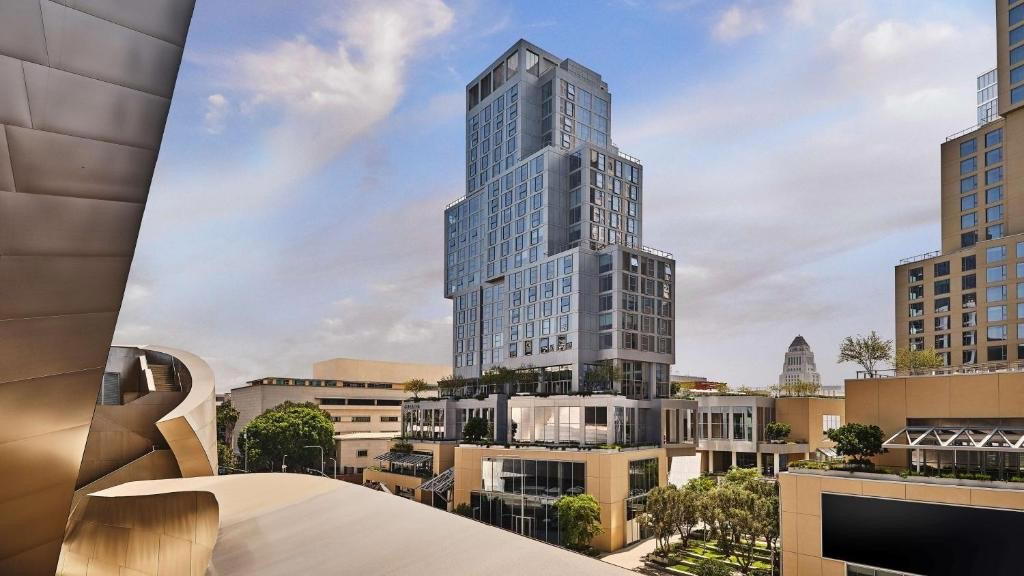
All hotels in Los Angeles →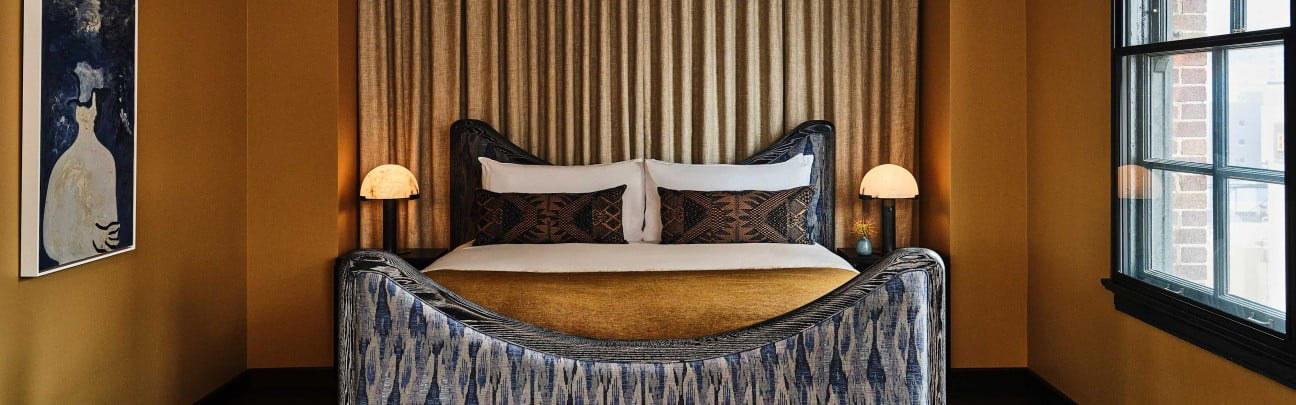
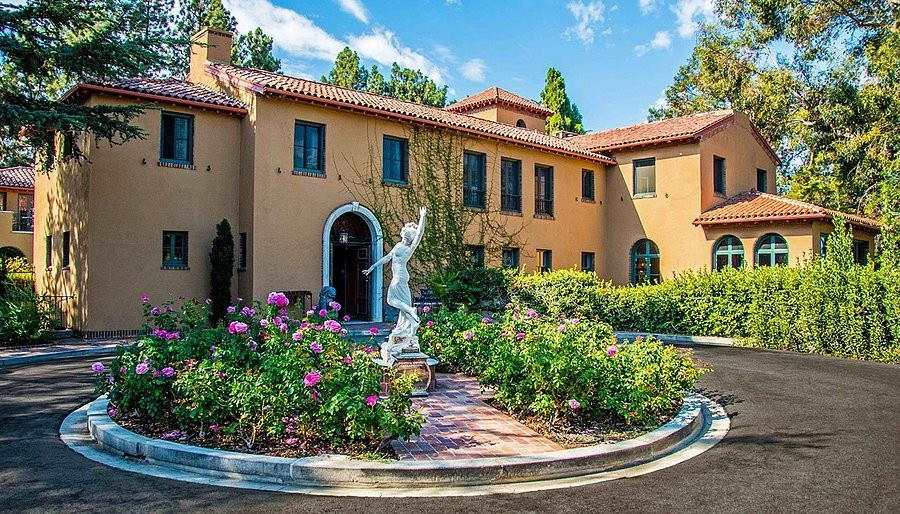
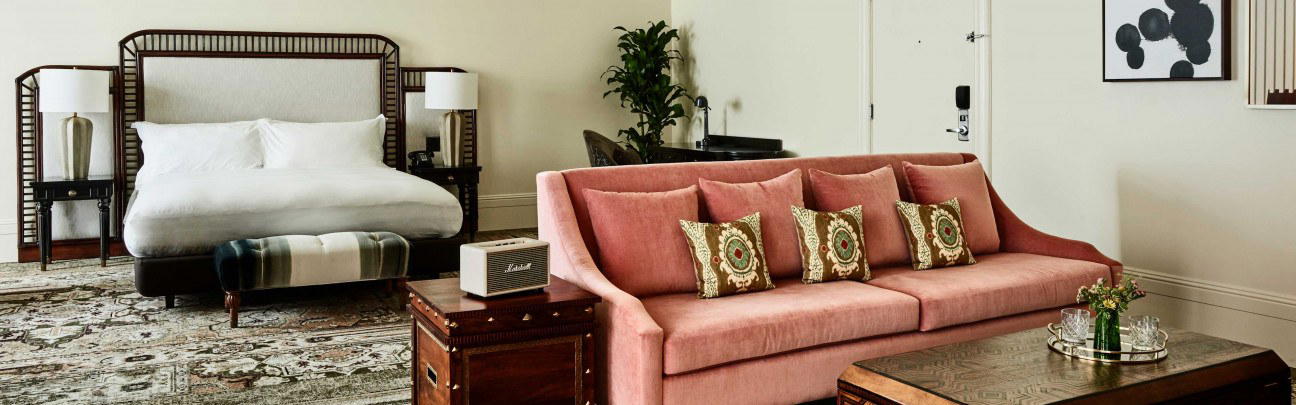
Wineries in Los Angeles
All wineries in Los Angeles →
Details
- Intimate
- Elegant
- Quiet
- Sophisticated
- Minimalist
- Special Occasion
- Date Night
- Chefs Counter
- Open Kitchen
- Sake Program
- Tasting Menu
- Counter Dining
- Sake Program
Current opening hours
- Monday
- Closed
- Tuesday
- Closed
- Wednesday
- 6:30–10:30 PM
- Thursday
- 6:30–10:30 PM
- Friday
- 6:30–10:30 PM
- Saturday
- 6:30–10:30 PM
- Sunday
- 6:30–10:30 PM
Hours can change for holidays and private events. Last verified .
Peaceful and calm with well-lit space, light wood counter facing open kitchen, no music, low light, and mellow atmosphere fostering easy conversations.