Vespertine






2 Michelin Stars · La Liste Top Restaurants · LA Times 101 Best Restaurants #33
Our verdict
Vespertine occupies architect Eric Owen Moss's steel-and-glass Culver City structure known as the Waffle, where Jordan Kahn's two-Michelin-starred menu unfolds over roughly four hours. The cooking draws on wild-foraged and regenerative ingredients mapped to California's four regions, producing a dining format that sits closer to performance art than conventional tasting menu. Ranked #98 in North America by Opinionated About Dining in 2025 and awarded 76 points by La Liste in 2026.

Pearl is the En Primeur Club membership app — saves, bookings, and concierge access live there. Same editors, same standards.
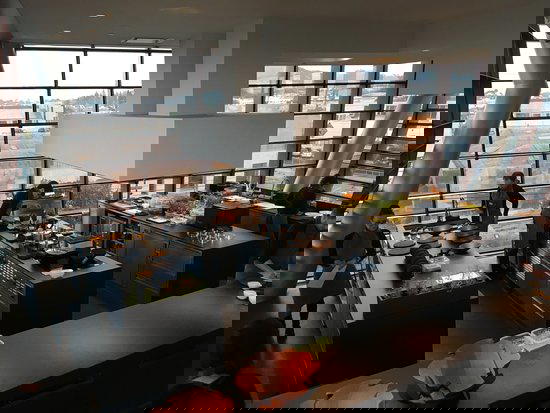
The Architecture of an Evening
A single descriptor anchors Vespertine before the food arrives: the building. Architect Eric Owen Moss's structure in Culver City, widely known as the Waffle, is a lattice of twisted steel and glass that reads less like a restaurant than a proposition. That formal decision, housing a tasting menu inside a piece of public sculptural architecture, sets the interpretive frame for everything that follows. In American progressive dining, very few operations have committed to the building itself as part of the content. Alinea in Chicago altered dining room experience across services; The French Laundry in Napa used a heritage stone building to anchor a sense of Californian classicism. Vespertine uses architecture differently: the Waffle is confrontational, and that confrontation is the point.
Within Los Angeles's tier of $$$$ progressive restaurants, Vespertine occupies its own classification. Kato draws from New Taiwanese identity to give abstraction cultural grounding; Somni works within a molecular framework with European references. Vespertine positions itself against both, leaning into California regionalism as raw material and performance art as method.
What Vespertine Is Actually Doing
The menu at Vespertine is organized around the four geographic regions of California, using wild-foraged and regenerative ingredients as primary sources. This is not farm-to-table in the conventional sense. California's diverse microclimates, coastal zones, high deserts, and mountain forests produce ingredients that resist standard fine-dining classification, and the kitchen at Vespertine exploits that resistance deliberately. Where a menu at Single Thread Farm in Healdsburg uses hyper-local sourcing to create warmth and specificity, Vespertine uses similar sourcing inputs to arrive at alienation and wonder simultaneously.
The LA Times, in ranking Vespertine #50 on its 101 Best Restaurants list in 2024, described the experience directly: one course arrives in an earthen vessel called the Obsidian Mirror, its surface shimmering black. Diners are handed an iridescent shell to eat from, excavating layers of mussel gel, smoked mussel cream, fileted mussels, salted plum, and water chestnut. The textures are described as slippery and smooth with occasional crunch. That account, from a named critic, is more useful than any adjective: it illustrates how the kitchen translates California coastal materials into something that references shellfish pâté while refusing to resemble one.
LA Times review also noted a meaningful shift in the restaurant's post-reopening character. Jordan Kahn reopened Vespertine in April 2024 after a pandemic closure, and the critical assessment noted that while the cooking continues to push food toward the edges of abstraction, there are now more moments of warmth and relatability than in the pre-pandemic version. Earlier iterations of the restaurant were described as alien and occasionally hostile in their rejection of comfort. The current version appears to have found a more considered balance: still conceptual, still demanding, but more willing to reward rather than simply challenge. Four hours and $395 per person requires that the experience delivers more than provocation.
Standing in the North American Progressive Tier
Vespertine holds two Michelin stars as of 2025, a rating it has maintained across consecutive guides. Opinionated About Dining placed it at #26 in North America in 2024 and #98 in 2025, a shift that reflects the competitive density of the tier rather than any obvious decline in execution. La Liste awarded 78.5 points in 2025 and 76 points in 2026. Pearl listed it as a recommended restaurant in 2025. Across these systems, the restaurant sits in the upper bracket of American progressive dining without the consistent dominance of a restaurant like Le Bernardin in New York City or Atomix in New York City, both of which carry more stable cross-platform rankings. What Vespertine trades in stability it recovers in distinctiveness: no other restaurant in the North American rankings operates with this specific combination of theatrical format, regional sourcing philosophy, and architectural concept.
Compared to international peers working in similar conceptual registers, such as Dina in Gussago, Vespertine is notable for rooting its abstraction in a specific geography rather than a chef's internal logic alone. California's biodiversity gives the kitchen a subject matter that most avant-garde restaurants do not have: a region with enough ecological range to sustain an entirely non-European ingredient vocabulary.
Where Vespertine Sits in Los Angeles Dining
Culver City is not the obvious location for a two-Michelin-starred tasting menu operation. The neighborhood's dining character is weighted toward casual and mid-range formats, and the address at 3599 Hayden Ave places the restaurant within a light-industrial block that offers no ambient luxury cues before entry. This is consistent with the restaurant's design logic: context is stripped away so that the building and the meal can construct their own context from scratch.
Within the broader Los Angeles fine dining scene, Vespertine operates at a remove from the city's other serious tasting menus. Providence works within contemporary seafood with a more classical hospitality frame. Osteria Mozza represents Italian fine dining with strong institutional recognition. Somni shares the experimental tier but with a different cultural register. None of these restaurants are meaningfully competing for the same diner in the same mood. Vespertine requires a specific readiness: you are not attending dinner in a conventional sense, and the evening will not unfold as one.
For visitors assembling a broader LA itinerary, Jordan Kahn's daytime operation Destroyer, also in Culver City, offers a calibrated point of contrast: the same sourcing sensibility and visual precision applied to a fast-casual format. It is a useful way to understand what the kitchen values before committing to the full evening format at Vespertine itself.
Planning the Visit
Vespertine opens Tuesday through Saturday, with seatings between 6:00 and 8:30 pm. The restaurant is closed Sunday and Monday. The tasting menu is priced at $395 per person, and the LA Times review placed the duration of the evening at approximately four hours. Given the format, this is not an experience where arrival timing is flexible: the service structure is choreographed, and late arrival compresses the intended sequence.
For visitors building around a full Los Angeles trip, the city's dining, hotel, bar, and experience options are covered across EP Club's city guides. Our full Los Angeles restaurants guide covers the range of the scene; our full Los Angeles hotels guide addresses where to stay relative to each neighborhood; our full Los Angeles bars guide, our full Los Angeles wineries guide, and our full Los Angeles experiences guide provide coverage beyond restaurants. For context on the West Coast progressive dining tier, Lazy Bear in San Francisco offers a useful comparison point: a similarly high-commitment format with a different cultural and hospitality register. And if California progressive cooking interests you outside the LA metro, Emeril's in New Orleans illustrates how another American city has built an entirely separate progressive tradition from different regional ingredients entirely.
Frequently asked questions
What should I order at Vespertine?
Vespertine operates a single set tasting menu; there is no à la carte selection. The menu is structured around Jordan Kahn's four-region California framework, using wild-foraged and regenerative ingredients, and it changes with sourcing availability rather than on a fixed seasonal calendar. The kitchen holds two Michelin stars and has received consistent recognition from Opinionated About Dining and La Liste, which means the current menu reflects a high level of execution regardless of what specific courses are running. The most useful preparation is not researching specific dishes but rather understanding the format: approximately four hours, a choreographed service sequence, and a cooking approach that prioritizes conceptual coherence over conventional comfort. Go without a fixed expectation of what a dish should resemble, and the experience delivers considerably more than it would otherwise.
Style and Standing
| Venue | Cuisine | Price | Awards | Notes |
|---|---|---|---|---|
| VespertineThis venue (the venue you are viewing) | Avant-Garde Tasting Menu | $200–300 | 2 Michelin Stars · La Liste Top Restaurants | Not listed |
| Kato | Modern Taiwanese Fine Dining | $300–500 | 2 Michelin Stars · World's 50 Best #49 | New Taiwanese, Asian |
| Hayato | Traditional Japanese Kaiseki | $300–500 | 2 Michelin Stars · La Liste Top Restaurants | Japanese |
| Camphor | Modern French with Southeast Asian influences | $150–200 | Michelin Plate · World Best Burgers World's 101 Best Burgers #15 | French-Asian, French |
| Gwen | Contemporary American Steakhouse | $50–100 | Michelin Plate · Wine Spectator Best of Award of Excellence | New American, Steakhouse |
| Holbox | Modern Mexican Seafood | $30–50 | 1 Michelin Star · World's 50 Best #26 | Mexican Seafood, Mexican |
Recognition history
Dated appearances from independent guides and award organizations, with the underlying list record or original source where available.
Michelin 2 Stars
Michelin
La Liste Top Restaurants
La Liste
Opinionated About Dining Top Restaurants in North America Ranked #93
Opinionated About Dining
LA Times 101 Best Restaurants #33
LA Times
The Best Chef Two Knives
The Best Chef
Full recognition history (13 entries)
La Liste Top Restaurants
La Liste
Michelin 2 Stars
Michelin
Opinionated About Dining Top Restaurants in North America Ranked #98
Opinionated About Dining
LA Times 101 Best Restaurants #50
LA Times
Michelin 2 Stars
Michelin
Opinionated About Dining Top Restaurants in North America Ranked #26
Opinionated About Dining
Opinionated About Dining Top Restaurants in North America Ranked #33
Opinionated About Dining
Robb Report 100 Greatest American Restaurants of the 21st Century #71
Robb Report
Vespertine
Featured Guides
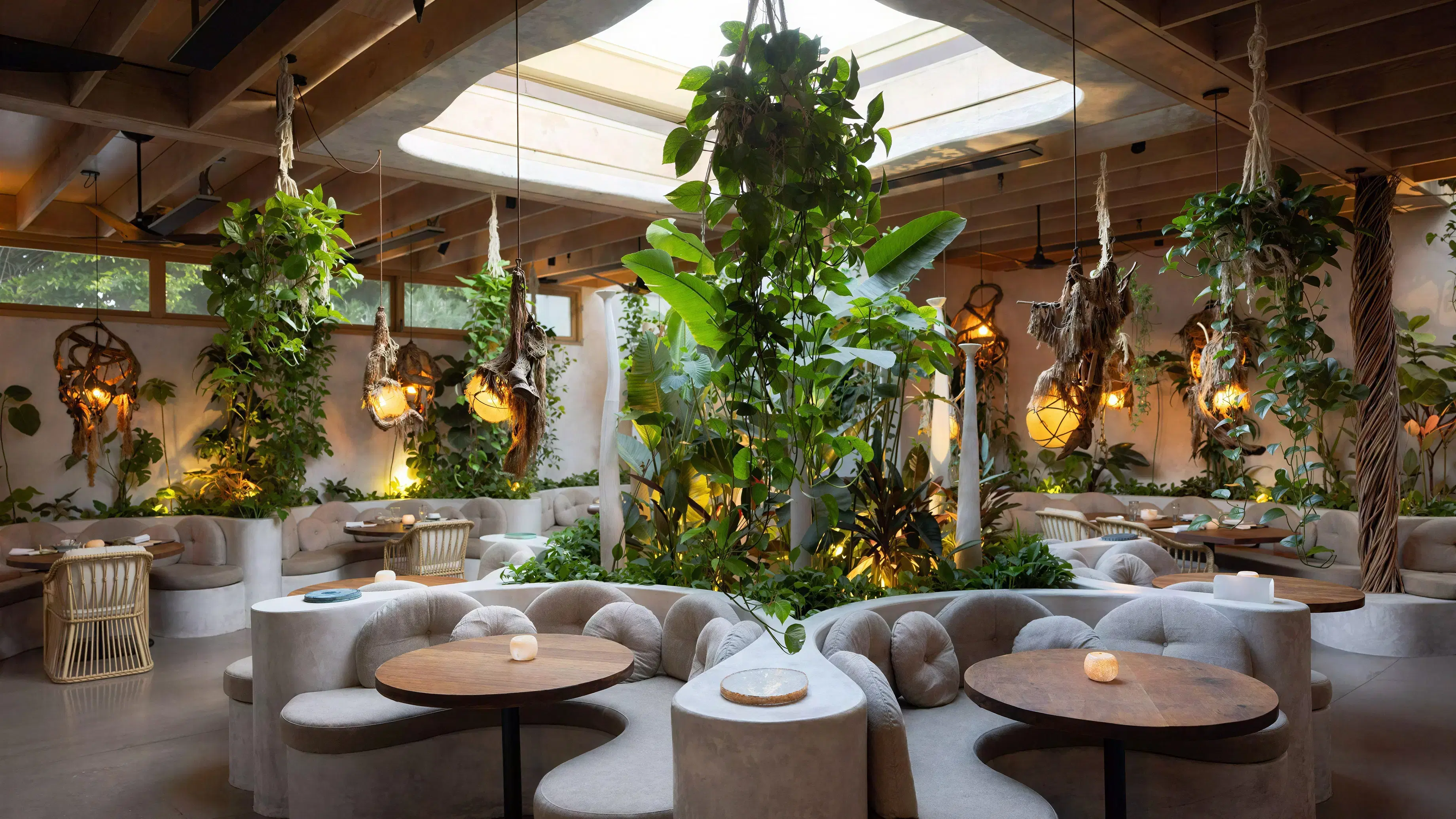
Continue exploring
More in Los Angeles
More from Chef Jordan Kahn
Browse all →
Restaurants in Los Angeles
All restaurants in Los Angeles →
Bars in Los Angeles
All bars in Los Angeles →
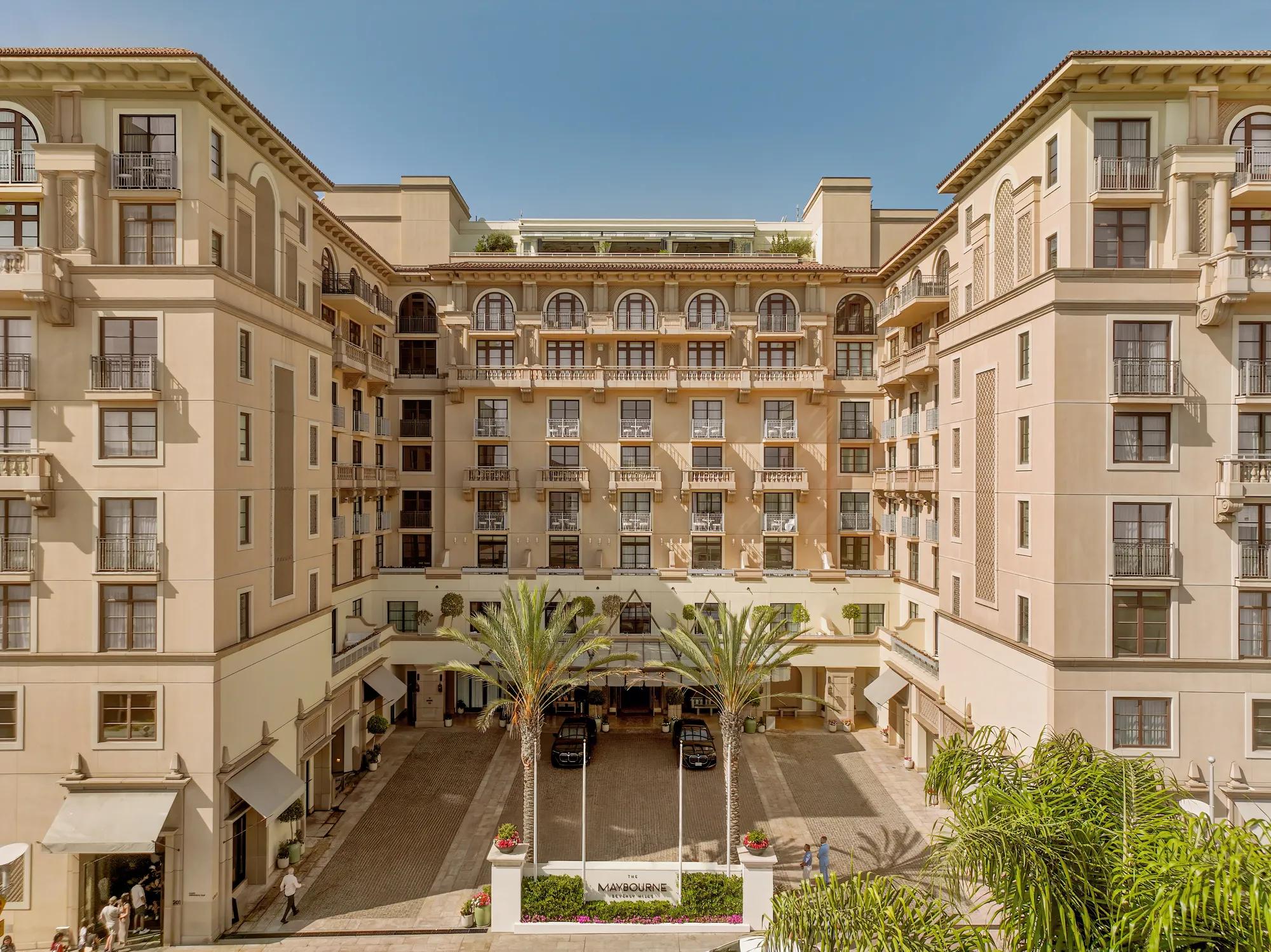
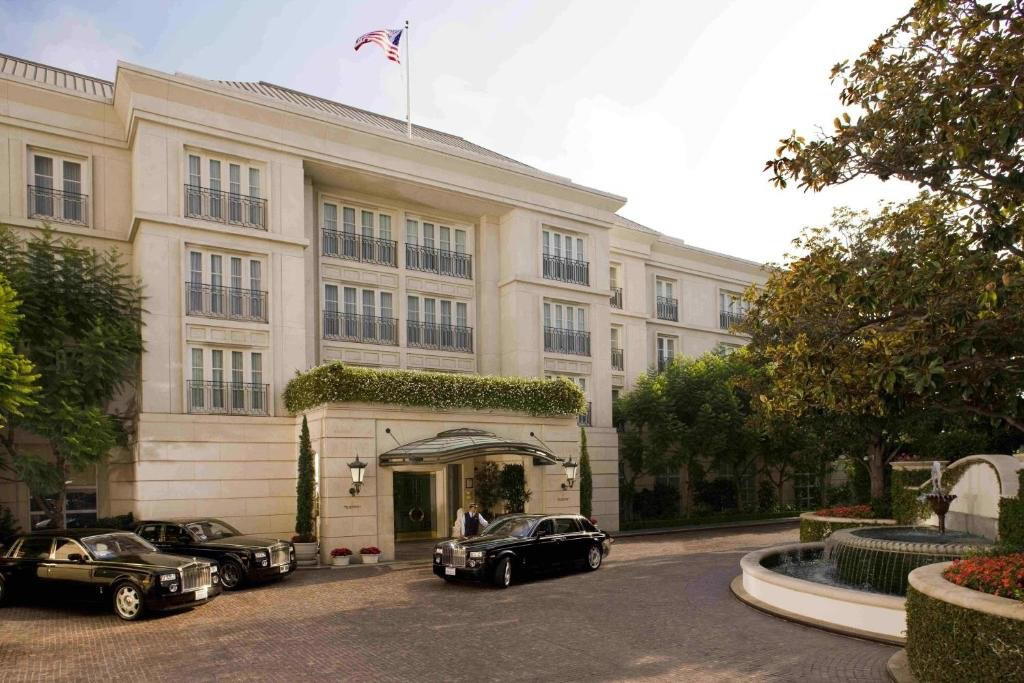
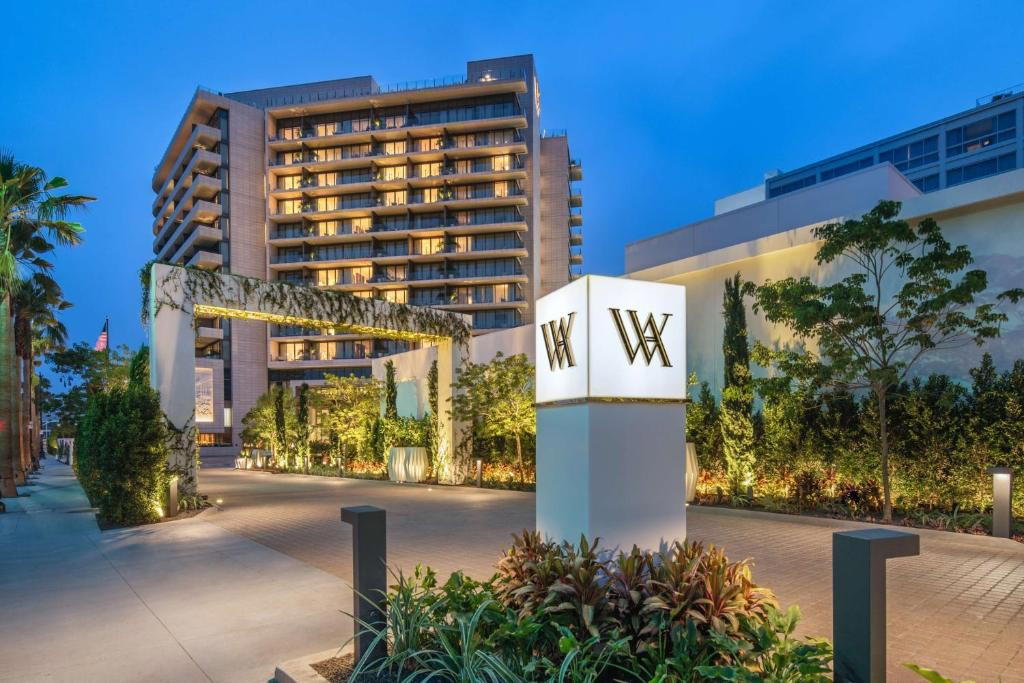
Hotels in Los Angeles
All hotels in Los Angeles →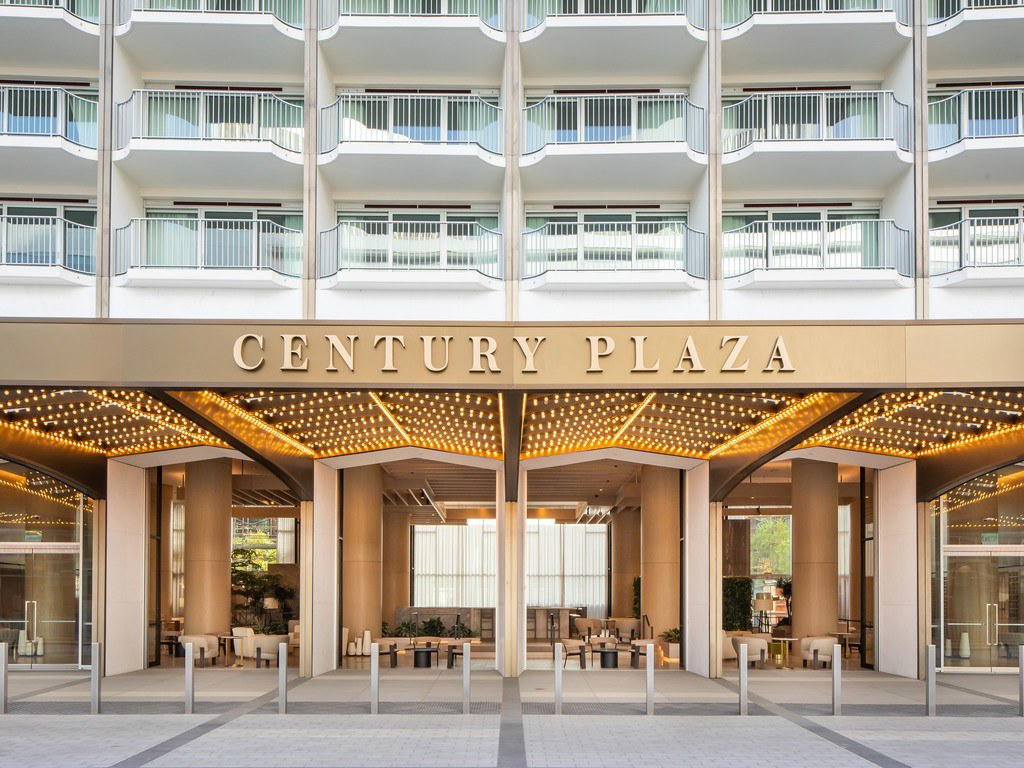
Wineries in Los Angeles
All wineries in Los Angeles →
Vespertine
The wine
- Wine program
- Curated wine list
- Extensive wine list
- Sommelier-led
- Craft cocktails
Details
- Sophisticated
- Elegant
- Whimsical
- Modern
- Intimate
- Special Occasion
- Date Night
- Celebration
- Design Destination
- Open Kitchen
- Extensive Wine List
- Craft Cocktails
- Sommelier Led
- Local Sourcing
- Tasting Menu
- Vegetarian Friendly
Current opening hours
- Monday
- Closed
- Tuesday
- 6–8:30 PM
- Wednesday
- 6–8:30 PM
- Thursday
- 6–8:30 PM
- Friday
- 6–8:30 PM
- Saturday
- 6–8:30 PM
- Sunday
- Closed
Hours can change for holidays and private events. Last verified .
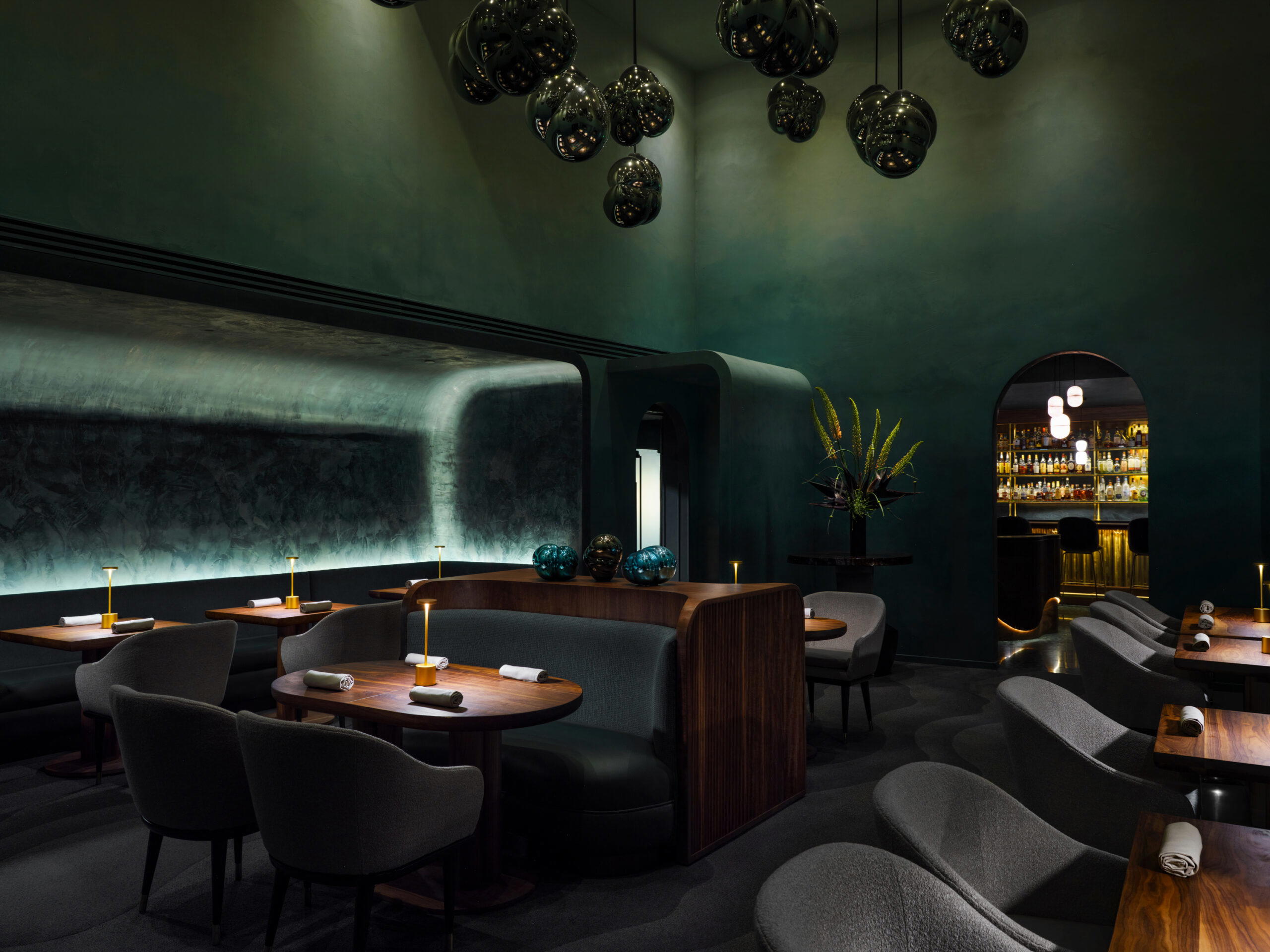
Mysterious and immersive with dramatic lighting, minimalist design, and a formal yet theatrical atmosphere described as a place of shadows and whispers.