Havre 77
Havre 77 sits on a quiet street in Colonia Juárez, one of Mexico City's most architecturally layered neighbourhoods, and occupies a position that rewards attention from anyone tracing the city's current direction in responsible dining. Against Mexico City's established heavyweights, it operates at a different register, closer in spirit to the considered, produce-led ethos gaining ground across the country's serious restaurant tier.
Pearl is the En Primeur Club membership app — saves, bookings, and concierge access live there. Same editors, same standards.
- Address
- Havre 77, Juárez, Cuauhtémoc, 06600 Ciudad de México, CDMX, Mexico
- Phone
- +52 55 5208 1070
- Website
- havre77.mx
- Directions
- Get directions
 Saves & bookings on Pearl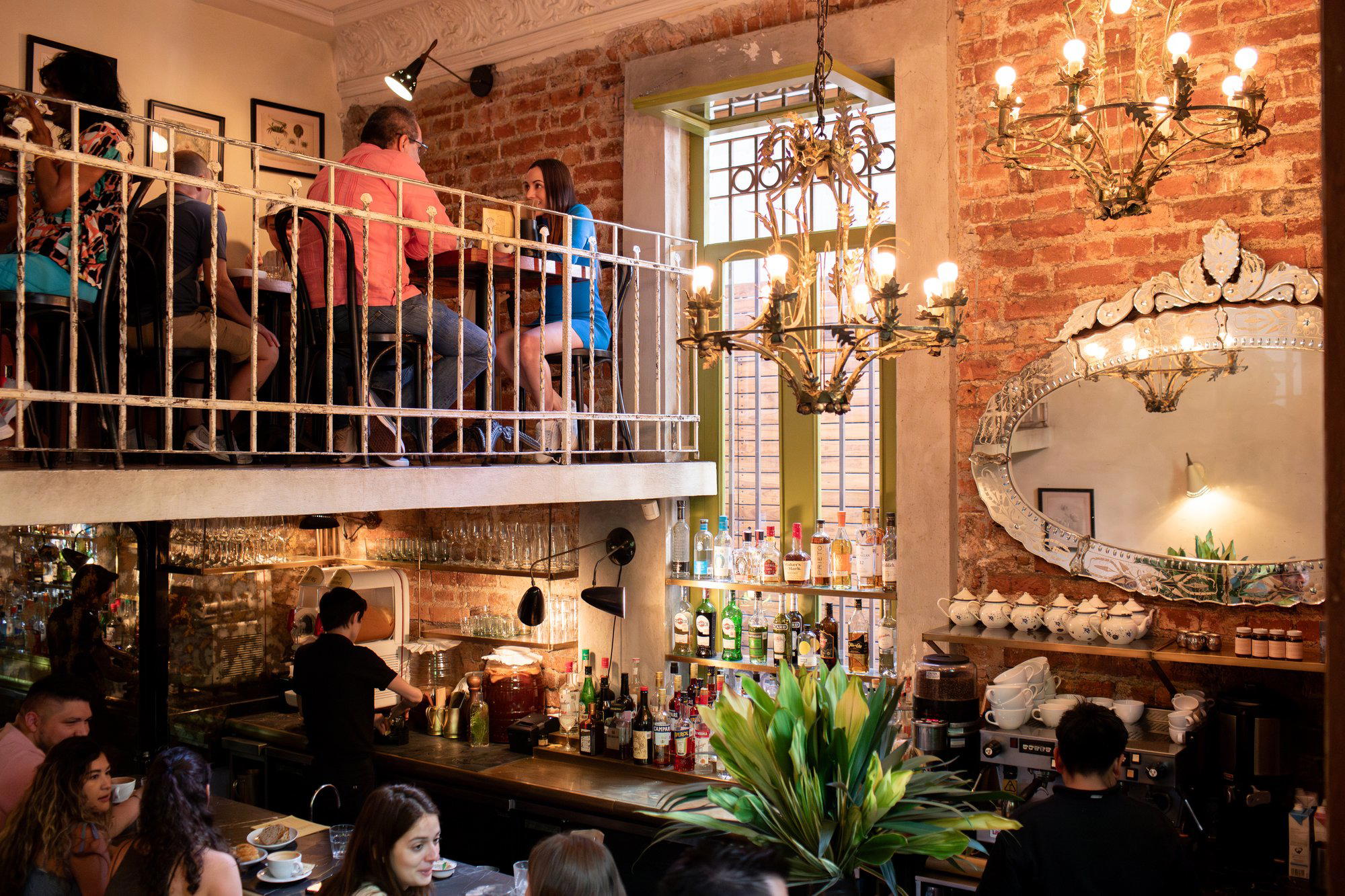
Colonia Juárez and the Quiet Shift in Mexico City Dining
Colonia Juárez has spent the better part of a decade absorbing the overflow of dining energy that once concentrated almost entirely in Polanco and Roma Norte. The neighbourhood's Art Deco apartment buildings and tree-lined calles now shelter a range of restaurants that operate outside the city's most publicised circuits, drawing a clientele more interested in what's on the plate than in being seen at the right address. Havre 77, a Traditional French Brasserie in Juárez, sits within this quieter current in Mexico City's dining evolution.
The broader shift matters here. Mexico City's upper-tier restaurant scene has long been defined by the pull of a handful of globally recognised names: Pujol in Polanco, Quintonil a few streets away, Rosetta in Roma. These are the restaurants that anchor the city's reputation abroad. But below and alongside that tier, a different kind of restaurant has been gaining ground: smaller in footprint, less concerned with international recognition, and increasingly focused on the sourcing decisions and environmental accountability that a new generation of Mexican chefs treats as foundational rather than supplementary.
A Street-Level Approach to Sustainability
Across Mexico, particularly credible sustainability arguments in fine dining are structural, not decorative. They show up in supplier relationships, in waste protocols, in how a kitchen handles the parts of an ingredient that never reach the pass. Restaurants like Animalón in Valle de Guadalupe and Olivea Farm to Table in Ensenada have built their identities around direct producer access and low-intervention cooking, a model that is becoming a reference point for urban restaurants attempting the same orientation without the immediate proximity to farms. In Mexico City, achieving this requires more deliberate logistics: sourcing from specific regions, establishing relationships with small-scale producers in Oaxaca, Puebla, or the central valleys, and building menus around ingredient availability rather than fixed format.
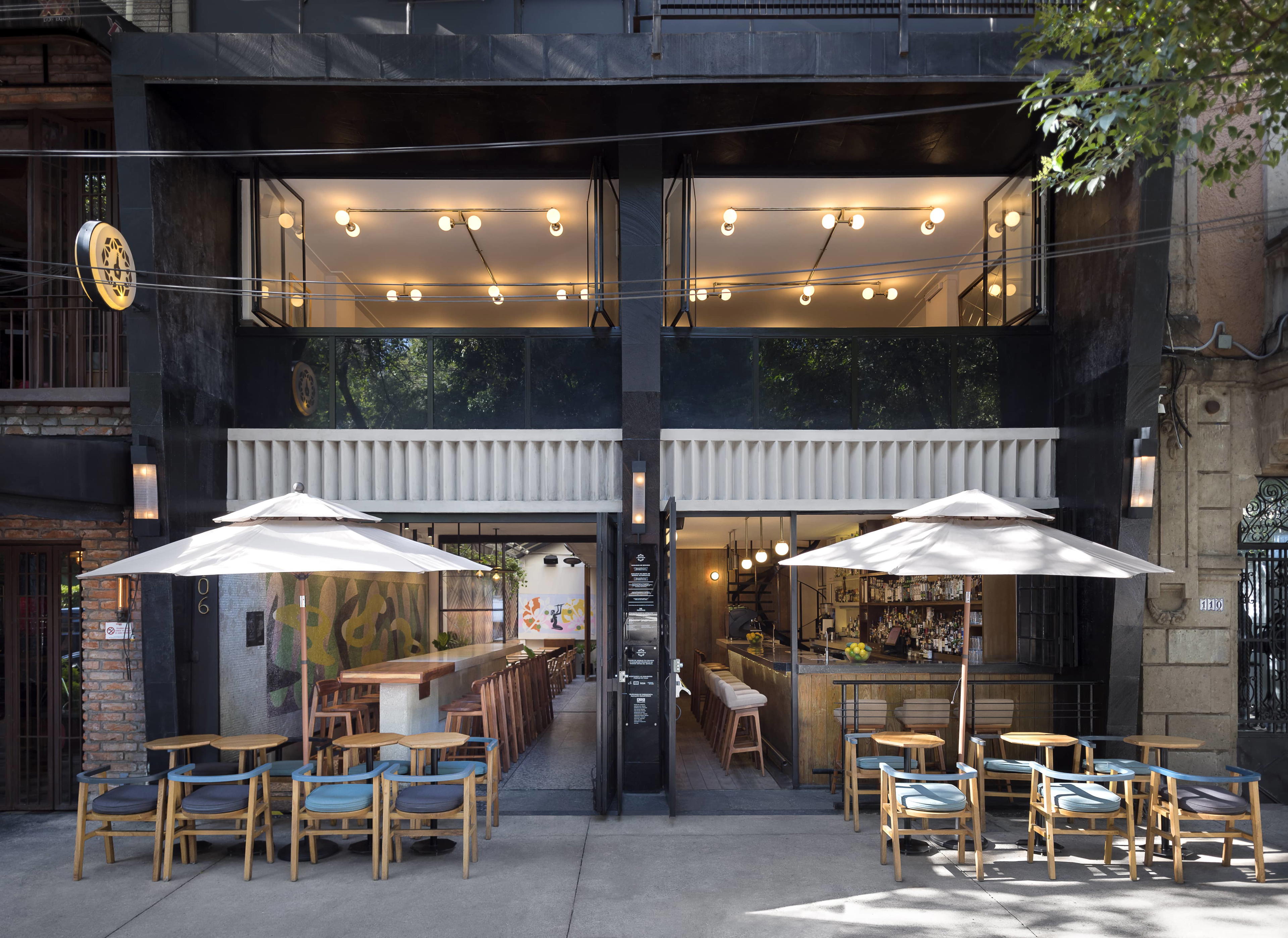
Havre 77 operates within this framework. The address in Juárez places it close to a concentration of restaurants making similar commitments, and the neighbourhood's scale, more walkable and less commercially saturated than Polanco, suits a dining room that asks for attention rather than spectacle. The physical approach along Calle Havre signals this register before you reach the door: the street is residential in character, the building fronts modest, the energy closer to a working neighbourhood than a dining district.
Where Havre 77 Sits in the City's Current comparable set
Positioning matters in a city with Mexico City's competitive density. At the price tier where serious tasting-menu restaurants operate, the reference points are well established. Em in Roma Norte and Sud 777 in Pedregal both represent the serious, produce-conscious end of Mexico City dining, each with distinct sourcing philosophies and menu structures that have earned them sustained critical attention. The restaurant shares some of the same underlying orientation without occupying exactly the same bracket.
This is relevant for readers making reservation decisions. The city's restaurant tier that prioritises ethical sourcing and seasonal produce-led menus has become substantial enough to require internal distinctions. Some operations in this space run formal tasting menus with long lead times on reservations; others function more like confident neighbourhood restaurants where the sourcing rigour is present but the format is less prescribed. Understanding where a specific address sits within that range shapes both how you book and what you should expect on arrival.
Comparisons further afield are also useful: the ethical-sourcing argument that restaurant engages with is not distinctive to Mexico City. KOLI Cocina de Origen in Monterrey, Levadura de Olla in Oaxaca, and Alcalde in Guadalajara all represent regional variations of the same structural commitment to origin-transparent cooking, each inflected by local produce and producer relationships specific to their state.
The Colonia Juárez Context for Planning
Arriving at the restaurant from the city centre is direct on the Metro (the Insurgentes station on Line 1 places you within a short walk of Calle Havre) or by rideshare from Roma or Condesa, journeys that typically run under fifteen minutes outside peak traffic hours. The neighbourhood merits time before or after a meal. Juárez contains some of the city's better wine-focused bars and a concentration of independent coffee operations that reflect the same produce-conscious sensibility as the restaurants drawing attention to the area.
Mexico City restaurant dining in this tier rewards advance planning regardless of specific address. The restaurants in Juárez operating at a considered level tend to fill midweek as well as weekends, and the shorter tables, fewer than the large-format Polanco operations, mean availability tightens quickly. Checking reservation availability in advance is a reasonable baseline, though the booking window varies by format and season. Restaurants in this tier typically slow slightly in January and February relative to the high-traffic October-to-December period, when the city's dining scene operates at full pressure ahead of the holiday break.
Lazy Bear in San Francisco built its reputation partly on a similar structural commitment to supplier relationships and zero-waste kitchen discipline. Le Bernardin in New York represents the older, technique-first model that newer ethical-sourcing restaurants are, in some ways, in dialogue with. In Mexico specifically, the farm-adjacent approach visible at Arca in Tulum, HA' in Playa del Carmen, and Lunario in El Porvenir shows how broadly the produce-first argument has dispersed across the country's restaurant scene. Pangea in San Pedro Garza García and Le Chique in Puerto Morelos complete a picture of a national restaurant culture where sourcing transparency has moved from point of difference to near-baseline expectation in serious dining.
The restaurant's position in Juárez places it within that national current while operating in a city that remains the densest and most contested arena for these arguments. That density is what makes Mexico City's dining scene worth sustained attention.
A Tight Comparison
Comparable venues nearby, for context on price, style, and recognition.
| Venue | Cuisine | Price | Notes |
|---|---|---|---|
| Havre 77This venue — the venue you are viewing | Juarez, Traditional French Brasserie | $$$$ | Not listed |
| Au Pied de Cochon | Not listed | $$$$ | Polanco Chapultepec, Classic French Brasserie |
| L' Entrecote Polanco | Not listed | $$$ | Polanco Chapultepec, Classic French Steak Frites Bistro |
| Arturo's | Not listed | $$$ | Los Morales Secc Palmas, Traditional French Bistro |
| Les Moustaches | Cuauhtemoc, Classic French Fine Dining | $$$$ | Not listed |
| Tres - Lomas | Lomas Virreyes, Franco-Mediterranean | $$$$ | Not listed |
Continue exploring
More in Mexico City
Restaurants in Mexico City
Browse all →
Bars in Mexico City
Browse all →
At a Glance
- Romantic
- Cozy
- Elegant
- Classic
- Date Night
- Special Occasion
- Historic Building
- Extensive Wine List
Current opening hours
- Monday
- Closed
- Tuesday
- 2–11 PM
- Wednesday
- 2–11 PM
- Thursday
- 2–11 PM
- Friday
- 2–11 PM
- Saturday
- 2–11 PM
- Sunday
- 2–6 PM
Hours can change for holidays and private events. Last verified .
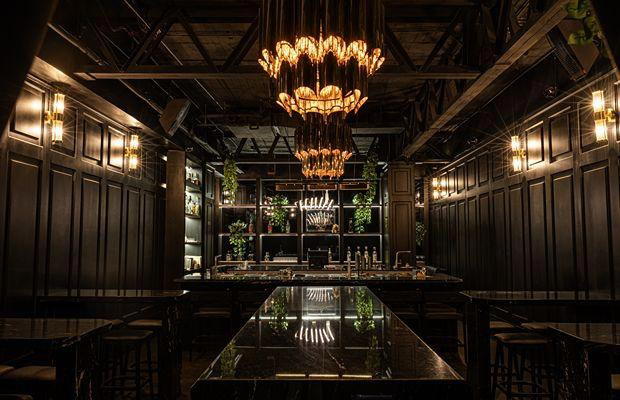
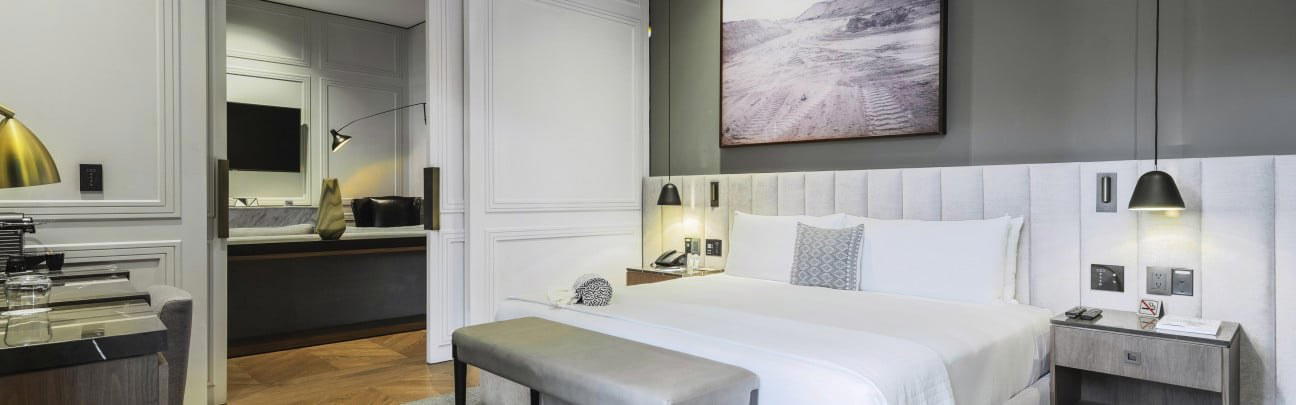
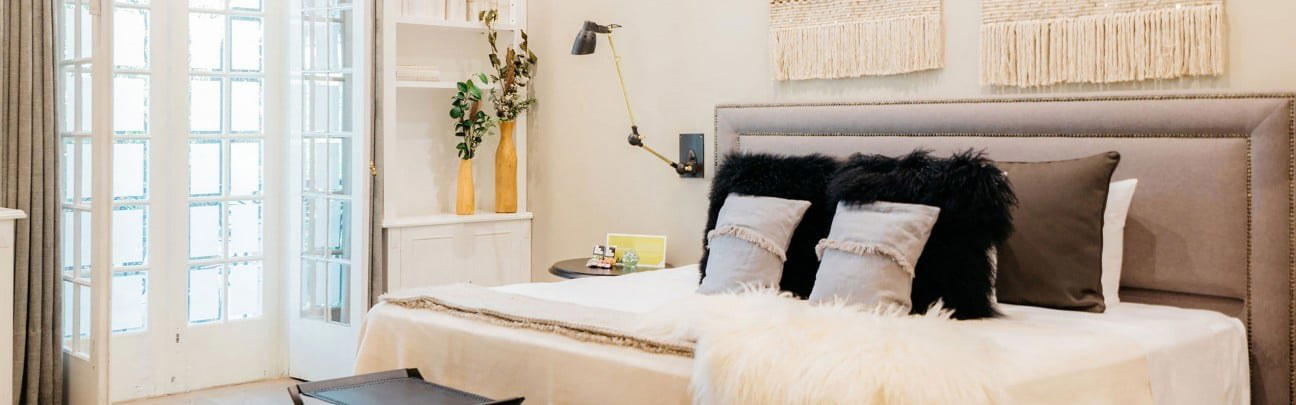
Warm lighting in a cozy, romantic atmosphere within a fin de siècle mansion that feels genuinely Parisian and contemporary.