Positioned on Barangaroo Avenue in one of Sydney's most deliberate urban precincts, Haven Coffee occupies a corner of the waterfront development where the surrounding architecture sets a clear tone: considered, purposeful, and oriented toward the harbour. The café slots into a neighbourhood that has made sustainability a structural commitment, not an afterthought, placing it in a comparable set where sourcing choices and environmental practice carry weight.
 Discover on Pearl
Pearl is the En Primeur Club membership app — saves, bookings, and concierge access live there. Same editors, same standards.
- Address
- Shop 1/88 Barangaroo Ave, Barangaroo NSW 2000, Australia
- Phone
- +61456437851
- Website
- havencoffee.com.au
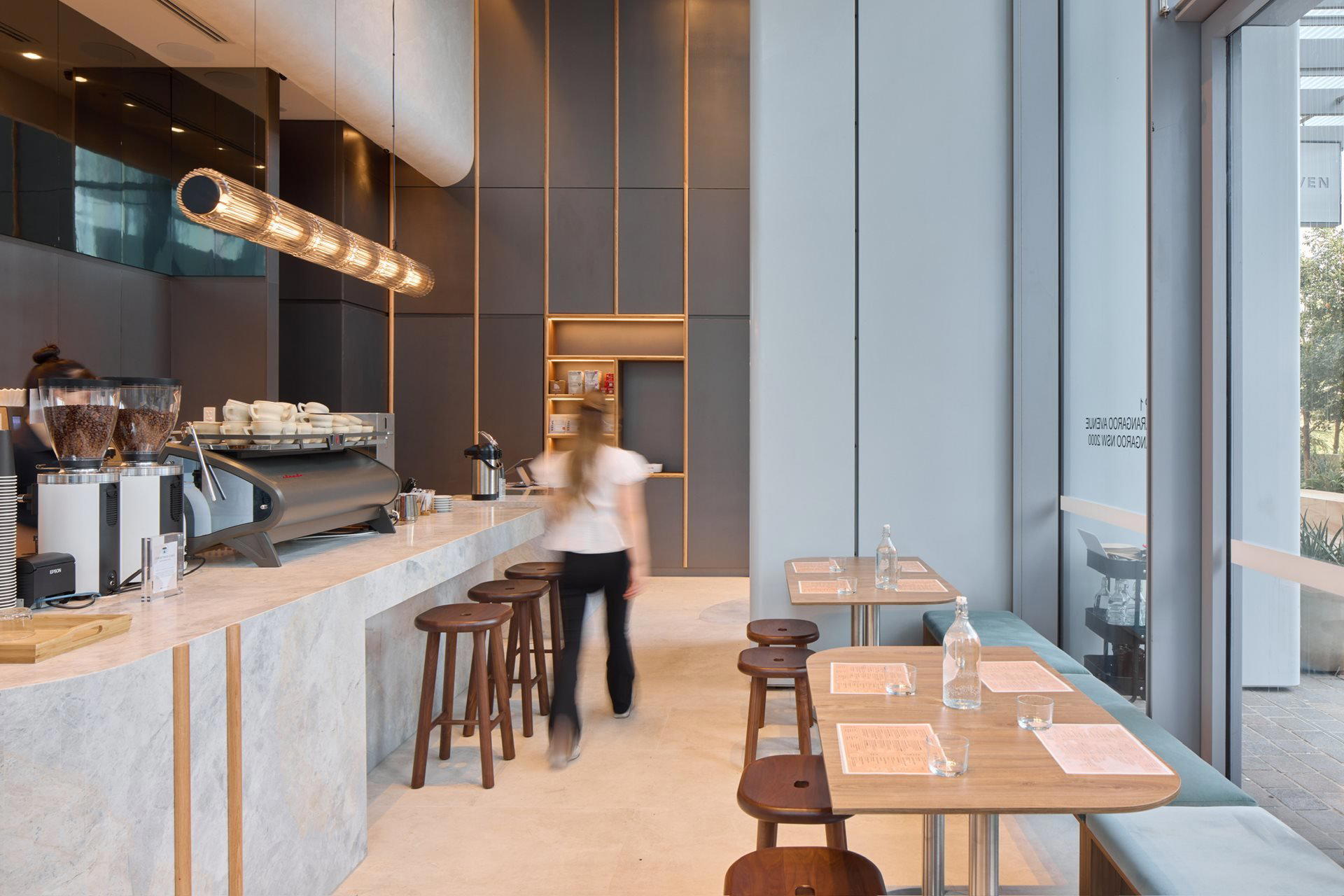
Barangaroo's Approach to the Morning Ritual
The Darling Harbour precinct used to own the waterfront-commuter café trade by sheer volume; Barangaroo changed that calculus when it opened as a planned urban quarter with environmental credentials baked into its zoning requirements. The buildings are LEED-rated, the public realm prioritises pedestrian movement, and the tenancies that filled the ground-floor retail strips were selected with that framework in mind. Haven Coffee, an Asian Fusion Brunch Cafe at Shop 1/88 Barangaroo Ave, sits inside that logic. The surrounding context is not incidental, it shapes the kind of coffee operation that makes sense here.
Sydney's specialty coffee scene has matured considerably from the early-2010s third-wave expansion. The city now has a recognisable upper tier of independent cafés where sourcing transparency, roast provenance, and waste management are baseline expectations rather than differentiators. Barangaroo's demographic, predominantly finance-sector professionals, architects, and the design-led businesses that moved into the precinct, supports operations that treat coffee as a considered product. Haven Coffee operates within that context, in a part of the city where the morning coffee run carries a particular set of expectations about quality and accountability.
Sustainability as Structure, Not Marketing
Australian café culture has been running ahead of most of the world on sustainability practice for nearly a decade. The reusable cup movement gained mainstream traction in Melbourne and Sydney well before European markets made it standard, and the compostable packaging conversation, along with its limits, has been a live debate in the industry since at least 2018. What has emerged from that conversation is a more sophisticated understanding: genuine waste reduction is structural, not cosmetic. It is about supply chain decisions, portion discipline, and the relationship between a café and its roaster, not just the material the cup is made from.
Barangaroo as a precinct has applied that structural thinking at the urban scale. The development's environmental management framework covers energy, water, and waste across the entire site, which means tenancies operate inside a system rather than making isolated green claims. For a café in this context, the relevant question is how its daily operations align with that framework. The sourcing of beans, the handling of coffee grounds, the dairy and milk-alternative supply chain, and the approach to single-use materials all carry more scrutiny in a precinct where environmental performance is formally tracked. Haven Coffee's address places it squarely inside that accountability structure.
Across Sydney's more conscientious café operators, the comparison set here includes independent roaster-connected cafés in Surry Hills, Newtown, and the CBD fringe, the trend has been toward directness: naming the farm or cooperative, publishing the roast date, and acknowledging the carbon cost of certain supply decisions. That directness is not a branding strategy so much as a response to a customer base that reads labels and asks questions. In the Barangaroo context, where the office towers above are occupied by organisations with published sustainability commitments of their own, that expectation is arguably more concentrated than in any other Sydney precinct.
The Waterfront Precinct and Its Café Tier
It is worth placing Barangaroo's café offer in the broader Sydney hierarchy. The CBD's coffee provision splits between chain operations serving pure volume at major transport nodes and a smaller tier of independents that compete on quality and sourcing. Barangaroo's position on the western waterfront, away from the pedestrian crush of Martin Place or the QVB, means its café tenancies serve a more contained and repeat-heavy customer base. The same faces appear on the same stools across months, which creates different dynamics than a location dependent on tourist or transient trade.
For context, Sydney's most discussed dining addresses are concentrated elsewhere: Rockpool (Australian Cuisine) and Saint Peter (Australian Seafood) represent the city's fine-dining credentials; 10 William St and 10 Pounds sit in the natural wine and contemporary casual register; 1021 Mediterranean operates in a different part of the city's hospitality map entirely. Haven Coffee is not competing in any of those categories. Its comparable set is the neighbourhood café with a considered sourcing position, the kind of operation that earns its regulars through consistency and transparency rather than through awards or editorial attention.
That positioning has parallels elsewhere in Australia. Attica in Melbourne and Brae in Birregurra have made sustainability practice central to their restaurant identities at the fine-dining tier. Barry Cafe in Northcote and Bar Carolina in South Yarra operate in Melbourne's café and casual-dining register with similar community-facing sensibilities. Across the Tasman comparison, or even across the Pacific to Le Bernardin in New York City or Atomix in New York City, the principle holds: the most durable hospitality operations embed values into operating practice rather than appending them as communications. Sydney's café tier is no different.
Other Sydney-adjacent venues worth mapping for context include Bayly's Bistro in Kirribilli, bills in Bondi Beach, and Johnny Bird in Crows Nest, each of which anchors a distinct neighbourhood café tradition in the city. Further afield, Kulcha Restaurant Wollongong in Wollongong, Hungry Wolfs Italian Restaurant in Newcastle, and Jaani Street Food in Ballarat demonstrate how the values-led hospitality model has spread well beyond Sydney's postcode.
Know Before You Go
Address: Shop 1/88 Barangaroo Ave, Barangaroo NSW 2000, Australia
Precinct: Barangaroo waterfront, western edge of the Sydney CBD
Getting There: Wynyard Station is the closest rail connection; the Barangaroo Ferry Wharf serves direct harbour routes from Circular Quay and Parramatta
Timing: Barangaroo's weekday morning foot traffic is concentrated between 7:30am and 9:30am; midday and weekend visits are considerably quieter
Phone: Not listed
Website: Not listed
Bookings: Walk-in café format; no reservation infrastructure expected at this category
Parking: Limited street parking; the precinct is designed for pedestrian and public transport access
In Context: Similar Options
Comparable venues nearby, for context on price, style, and recognition.
| Venue | Cuisine | Price | Awards | Notes |
|---|---|---|---|---|
| Haven CoffeeThis venue — the venue you are viewing | Asian Fusion Brunch Cafe | $$ | , | |
| Cartel | Modern Latin American | $$ | , | Ultimo |
| Reaghs | Contemporary Australian with Asian Influences | $$ | , | Sydney |
| Auvers Dining Darling Square | Modern Australian with Asian Fusion | $$ | , | Sydney |
| Calle Rey | Vegan Mexican-Peruvian Fusion | $$ | , | Newtown |
| ONICE | Modern Australian & Vibrant Southeast Asian | $$$ | , | Mosman |
Continue exploring
More in Sydney
Restaurants in Sydney
Browse all →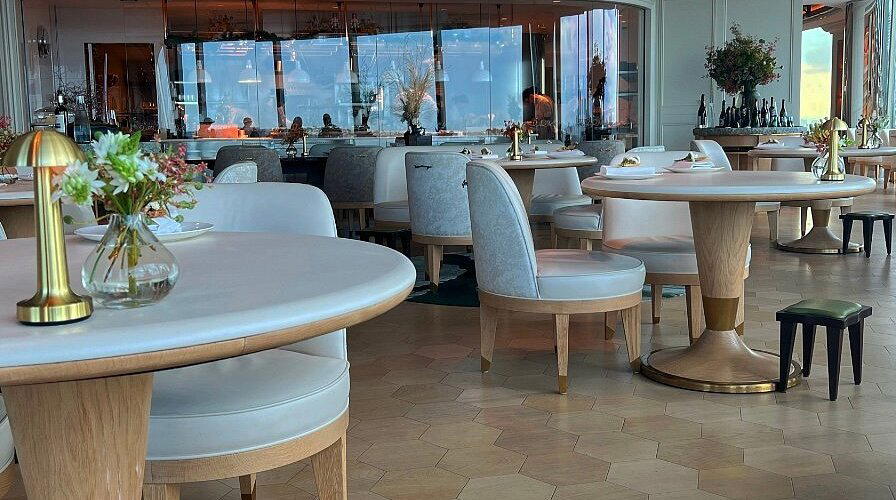
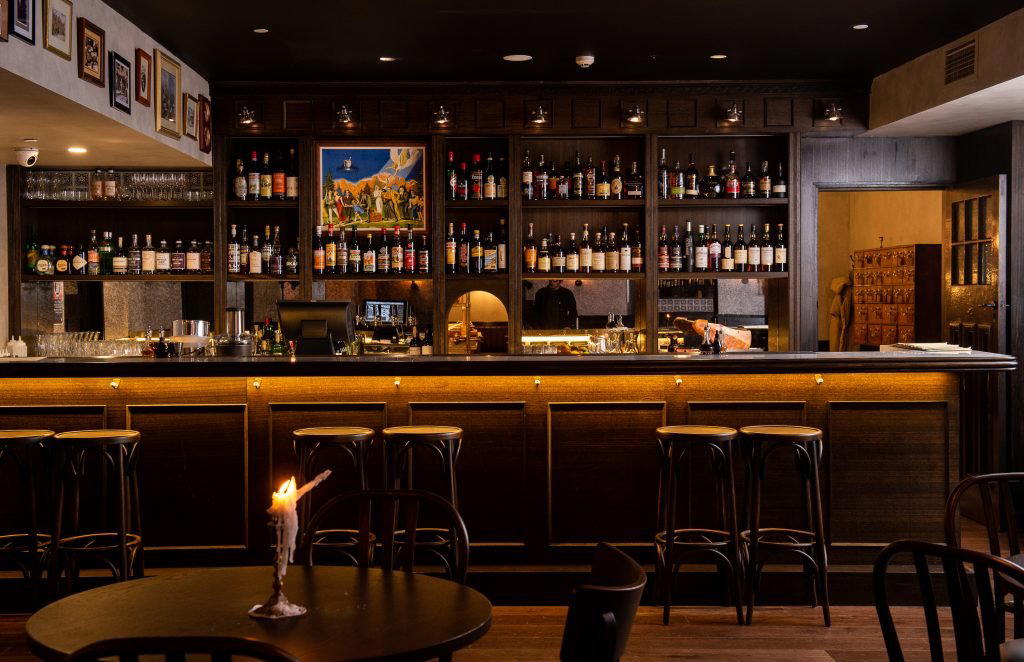
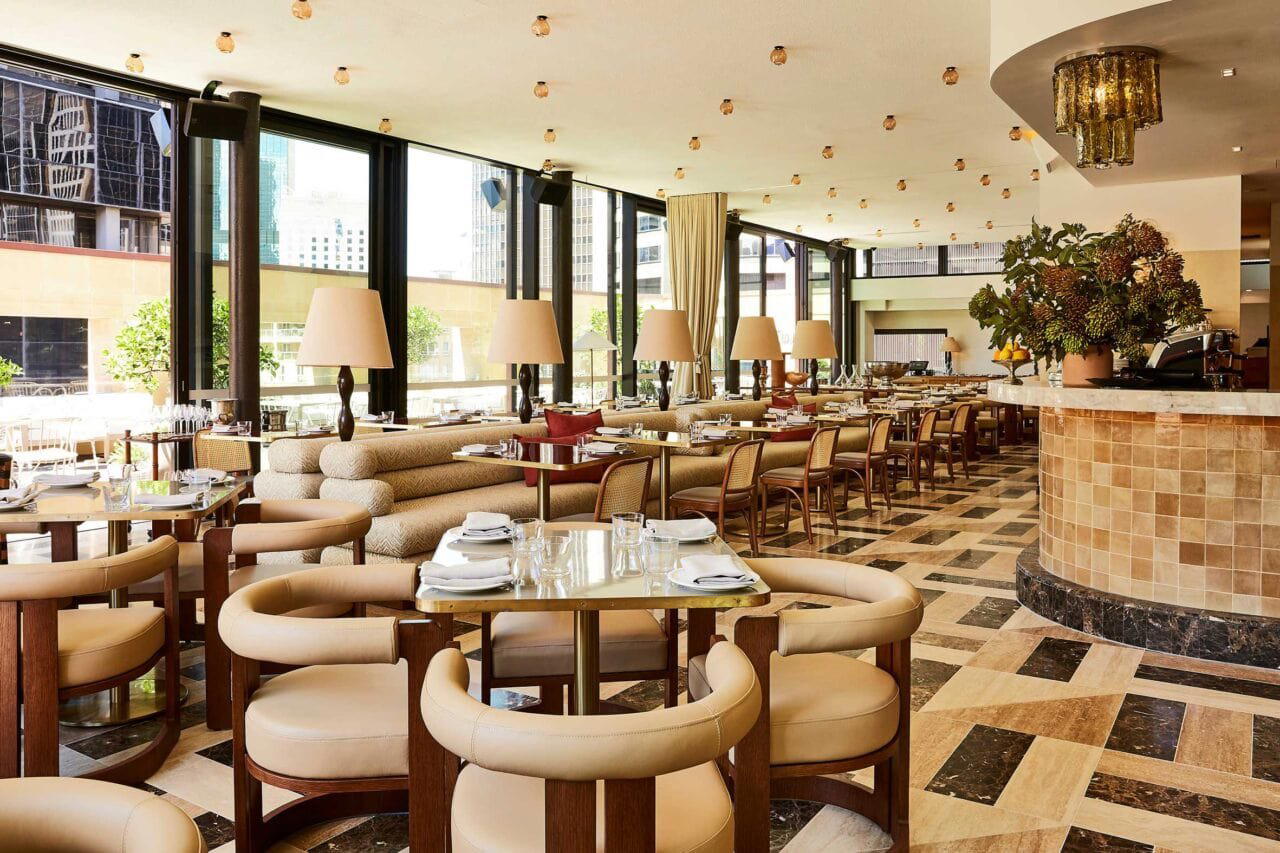
Bars in Sydney
Browse all →
Hotels in Sydney
Browse all →
At a Glance
- Trendy
- Cozy
- Modern
- Minimalist
- Brunch
- Casual Hangout
- Open Kitchen
- Local Sourcing
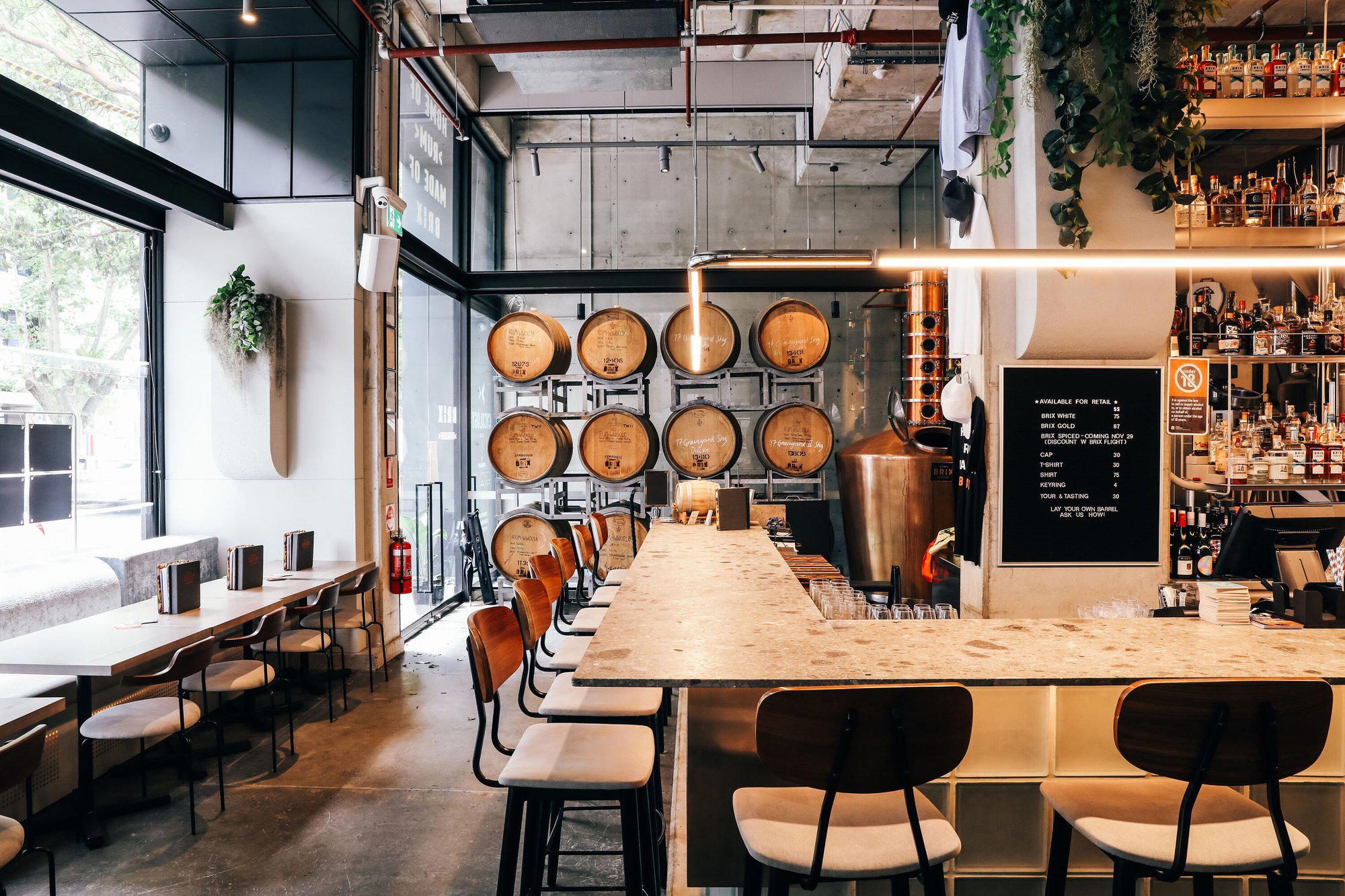
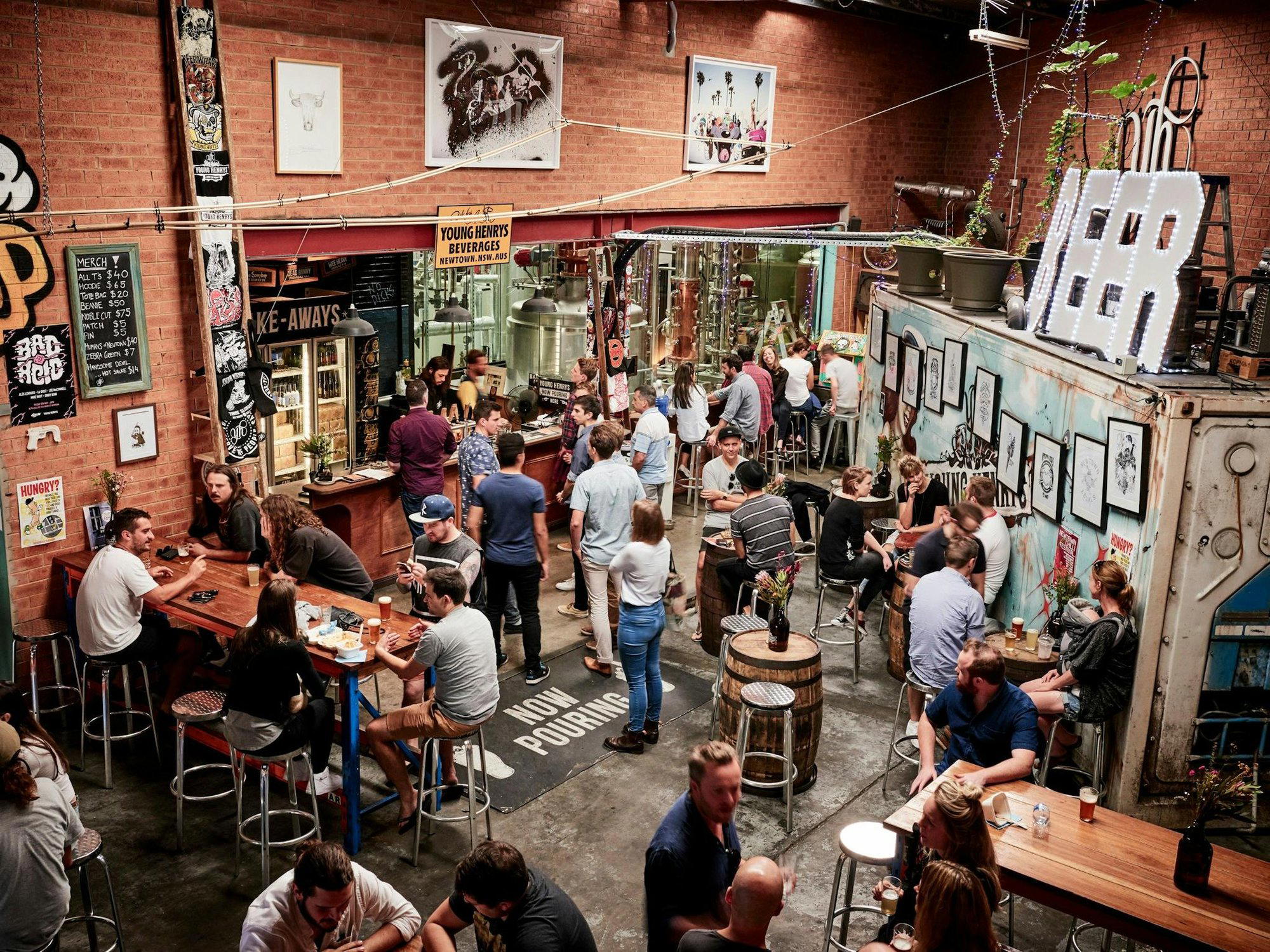
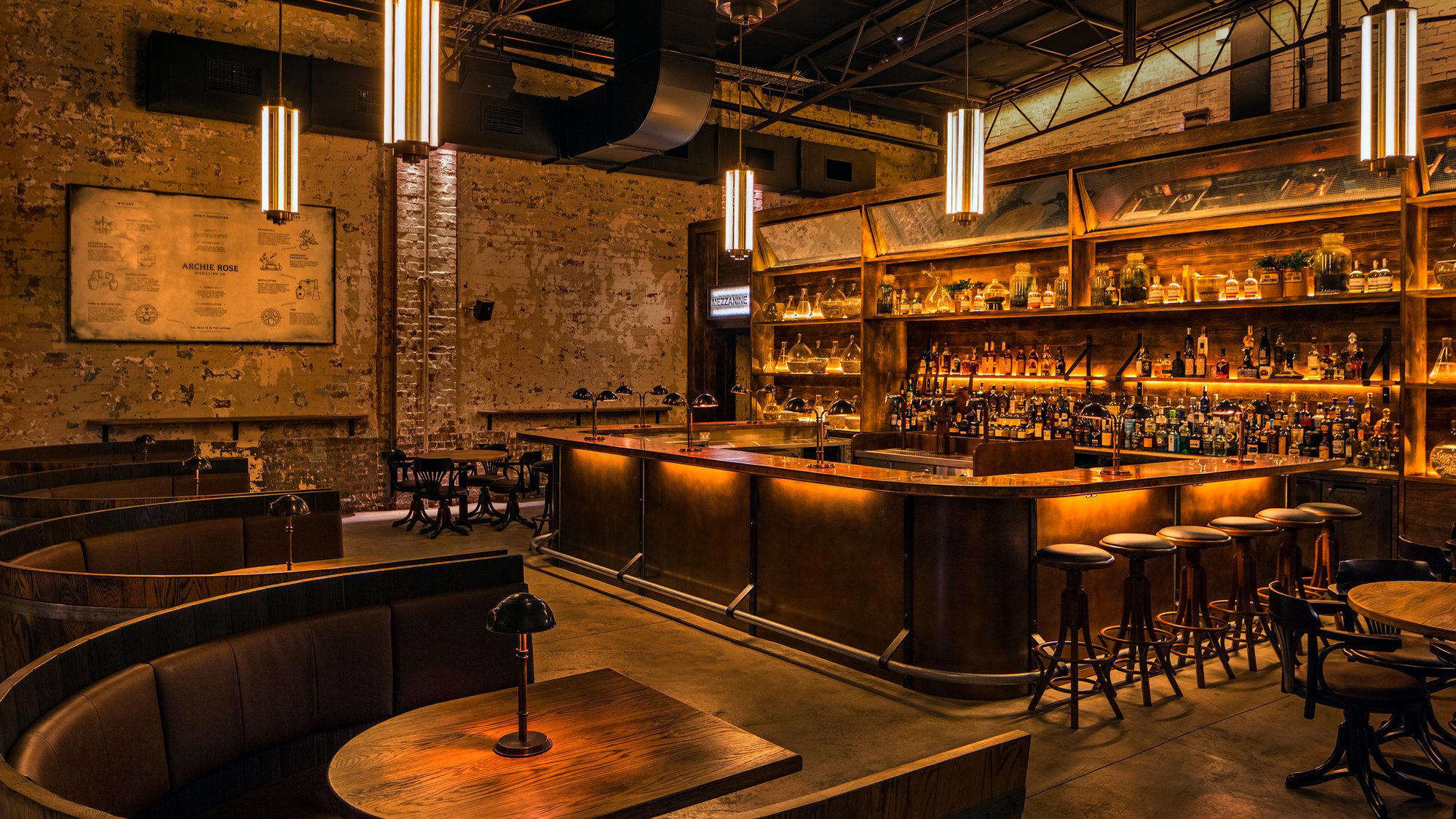
Stripped-back interior with rustic decor and sleek minimalism creating a trendy, cozy, and sophisticated atmosphere.