
Tabelog 100 #58
Our verdict
Tsugaru Kappou Mirai is a compact Aomori counter for Japanese and regional cooking, with fish, junmai sake, and Japanese wine defining the point of view. Its Tabelog Japanese Cuisine EAST 100 selections in 2021, 2023, and 2025 place it in a tighter regional bracket than casual izakaya dining, while the room’s 18 seats keep the experience intimate rather than theatrical.

Pearl is the En Primeur Club membership app, where members save venues, book tables and use the concierge.
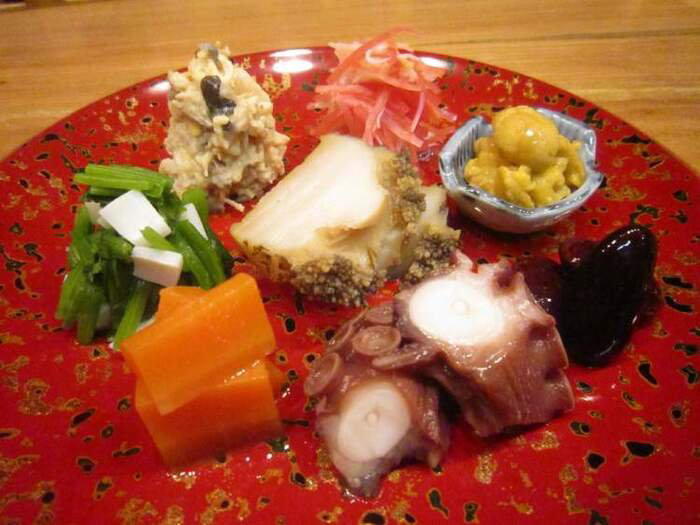
The menu
What to order
- Atka mackerel sashimi
- Tsugaru Strait squid
- Handmade soba from local buckwheat
Aomori dining is not only its showy side. Tsugaru Kappou Mirai takes a quieter route: an Aomori setting and a focus that makes regional Japanese cooking accountable to ingredients rather than spectacle. The city has deep claims on northern produce and local food culture; the sharper question is how those products are translated indoors. Here the answer is Japanese and regional cuisine, close enough to the kitchen’s point of view to keep place central without making dinner theatre.
Price and intent are the useful context. Aomori has casual seafood and izakaya rooms where dinner can sit below special-occasion territory; Sushi Izakaya Taru is one comparison. Hata Zen occupies another local tier, while Tsugaru Kappou Mirai is listed at Dinner: JPY 15,000 - JPY 19,999; Lunch: JPY 10,000 - JPY 14,999, putting it firmly in planned-meal territory. That spread matters because northern regional cuisine is too often treated as rustic by default. Here the expectation is not abundance for its own sake, but selection, pacing, and a sense of purpose around Japanese cooking.
Regional Japanese cooking in a compact kappou room
Tsugaru Kappou Mirai belongs to the logic of a northern regional food culture: seasonality, local taste, and a clear relationship to Aomori. Aomori’s position in northern Japan gives restaurants a strong regional vocabulary. At Tsugaru Kappou Mirai, the editorial interest is not a named signature dish but the documented brief: Japanese and regional cuisine presented with place kept central.
The format supports that reading. The restaurant is best understood through its kappou identity rather than as a broad, generic dining room. That is focused enough in feeling to suit regional cooking, but not so performative that the experience becomes detached from place. It suits Aomori’s business-dining and travel-dining culture, where serious regional restaurants serve both visiting diners and local hosts. The appeal is the controlled setting: a meal framed around regional Japanese cooking rather than decorative luxury.
The broader signal is clear for a regional Japanese restaurant: this is a place where product selection and the rhythm of the meal matter. Local or national sake may be part of how many diners think about this style of cooking, but the central point is simpler: Tsugaru Kappou Mirai is positioned around Japanese and regional cuisine, not a generic tourist menu. That gives the restaurant a more contemporary feel without severing it from Aomori.
Recognition without the Tokyo gravity
Tabelog’s Japanese Cuisine EAST 100 selection in 2025 gives Tsugaru Kappou Mirai a public marker that matters outside Japan’s dominant restaurant circuits. Aomori is not short on good eating, but national attention often flattens northern Japan into a few familiar categories. Hyakumeiten recognition places a regional Japanese-cuisine address inside an eastern Japan conversation, not just a local recommendation list.
That does not make it a Tokyo-style luxury counter transplanted north. It reads more persuasively as an Aomori answer to the pressures shaping serious Japanese dining nationwide: clearer specialization, stronger sense of place, and regional ingredients presented with enough discipline to justify a higher spend. Compared with Strauss or casual local options, this is not about convenience. Compared with Hata Zen, the choice turns on the specific appeal of Tsugaru Kappou Mirai’s regional Japanese cooking rather than a general high-end meal.
For travellers building a broader Aomori itinerary, it works as the serious Japanese anchor rather than the whole story. Pair it mentally with other local dining rooms and with Hata Zen. The broader map is better handled through Our full Aomori restaurants guide, with sleep, drinking, wine, and local programming covered separately in Our full Aomori hotels guide, Our full Aomori bars guide, Our full Aomori wineries guide, and Our full Aomori experiences guide.
Who should choose this table
Choose this address if you want Aomori expressed through Japanese and regional cooking rather than a market crawl or casual seafood counter. Lunch and dinner both sit in special-occasion territory for the city, with listed budgets of Lunch: JPY 10,000 - JPY 14,999 and Dinner: JPY 15,000 - JPY 19,999. The trade-off is planning: this is the kind of meal to organize deliberately rather than treat as a casual stop. The Aomori setting keeps it relevant for travellers, but it rewards treating dinner as the evening’s main commitment.
Several details sharpen the decision. The useful facts are not decorative: Tsugaru Kappou Mirai is a Japanese and regional-cuisine restaurant in Aomori, listed by Tabelog with a 2025 Hyakumeiten recognition and a score of 3.74. For a Japanese restaurant in a regional city, those details matter more than inflated language: they show how the place is positioned and why it belongs on a serious Aomori dining shortlist.
In Aomori, Tsugaru Kappou Mirai is more specific: a regional Japanese restaurant with enough recognition to justify planning around it, and enough local grounding to avoid feeling interchangeable.
Frequently asked questions
Is Tsugaru Kappou Mirai expensive?
Pricing at Tsugaru Kappou Mirai is listed as Dinner: JPY 15,000 - JPY 19,999; Lunch: JPY 10,000 - JPY 14,999.
Where do I go for Tsugaru Kappou Mirai?
Aomori.
Do they take walk-ins at Tsugaru Kappou Mirai?
Walk-in details are not provided. For planning, call ahead before visiting Tsugaru Kappou Mirai in Aomori.
What's the defining dish or idea at Tsugaru Kappou Mirai?
The clearest brief is Japanese and regional cuisine in Aomori. It was selected for Tabelog Japanese Cuisine EAST 100 in 2025, which places the room in a documented tier of regional Japanese dining.
Can Tsugaru Kappou Mirai adjust for dietary needs?
Those details are not published. The most practical step is to call 017-775-2005 before booking and state any restrictions clearly. Check the venue's official channels for the latest details.
In Context: Similar Options
Side-by-side context: comparable cuisine and price.
| Venue | Cuisine | Price | Awards | Notes |
|---|---|---|---|---|
| Tsugaru Kappou MiraiThis venue (the venue you are viewing) | Tsugaru kappo / kaiseki using local Aomori ingredients | $100–150 | Tabelog 100 #58 | Not listed |
| Hata Zen | Aomori seafood-focused Japanese izakaya | $50–100 | Tabelog 100 #37 | Yasukata |
| Sushi Izakaya Taru | Sushi Izakaya & Seafood Tavern | $50–100 | Tabelog 100 #90 | Shimmachi |
| Kaikyo So | Traditional Japanese Seafood | Not listed | Tabelog 100 #91 | Oma Town |
| Ikeda Farm | Takko wagyu yakiniku restaurant & butcher | $20–30 | Tabelog 100 #65 | Takko |
| Sumibi Yakiniku Daijun | Traditional Japanese Yakiniku | $20–30 | Tabelog 100 #7 | Tsutsumimachi |
Recognition history
Dated appearances from independent guides and award organizations, with the underlying list record or original source where available.
Tabelog 100 #58 · No. 58
Tabelog · Tabelog 100 - Japanese cuisine - EAST - 2025
Continue exploring
More in Aomori
Restaurants in Aomori
All restaurants in Aomori →
Bars in Aomori
Browse all →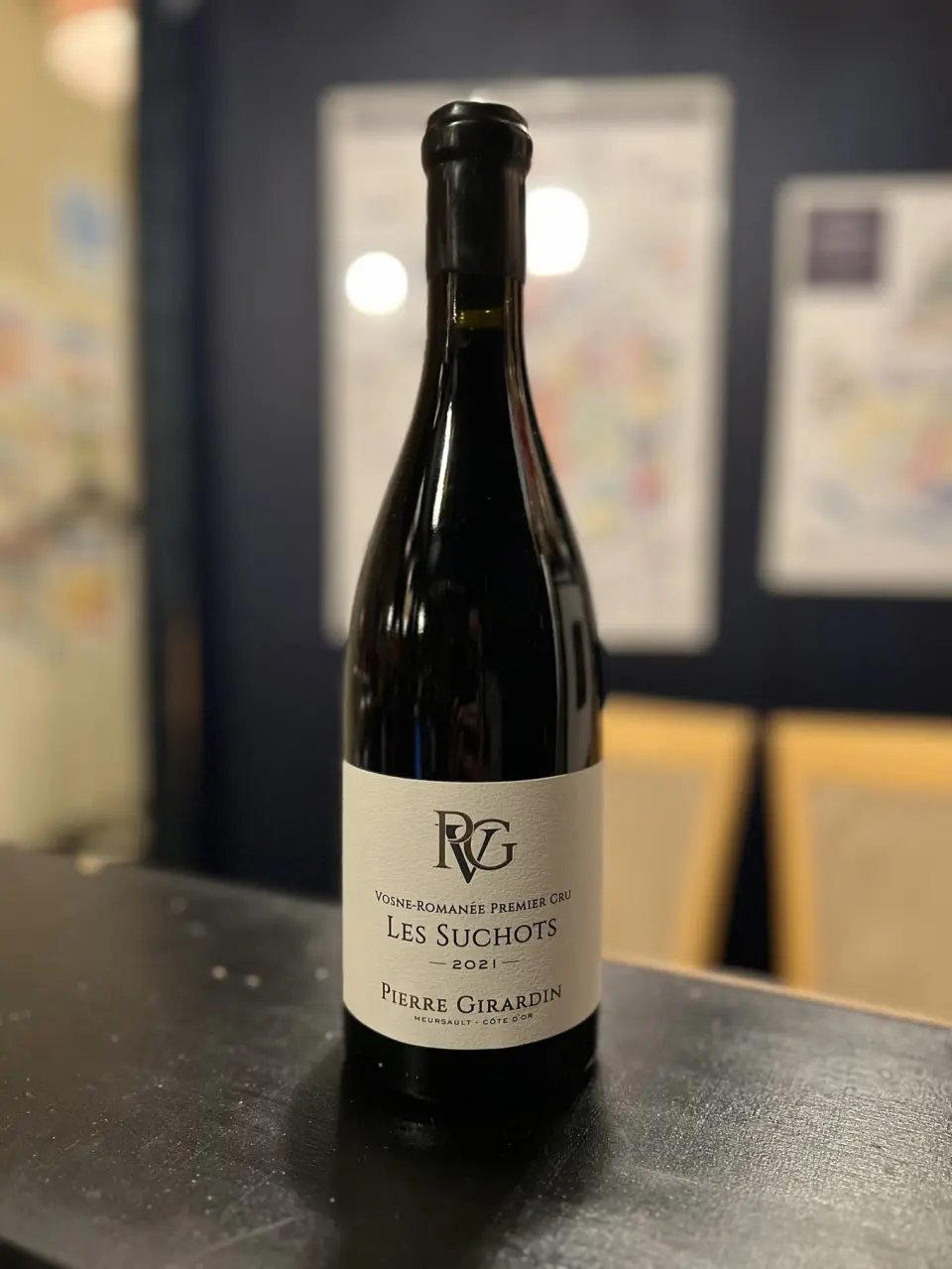
Tsugaru Kappou Mirai
The wine
- Wine program
- Deep wine list
- Extensive wine list
- Natural wine
- Sake program
Details
- Cozy
- Elegant
- Intimate
- Sophisticated
- Business Dinner
- Group Dining
- Special Occasion
- Date Night
- Solo
- Private Event
- Chefs Counter
- Private Dining
- Standalone
- Natural Wine
- Sake Program
- Extensive Wine List
- Natural Wine
- Local Sourcing
- Tasting Menu
- Counter Dining
- Set Menu
- Sake
- Wine
- Natural Wine
- Pescatarian Friendly
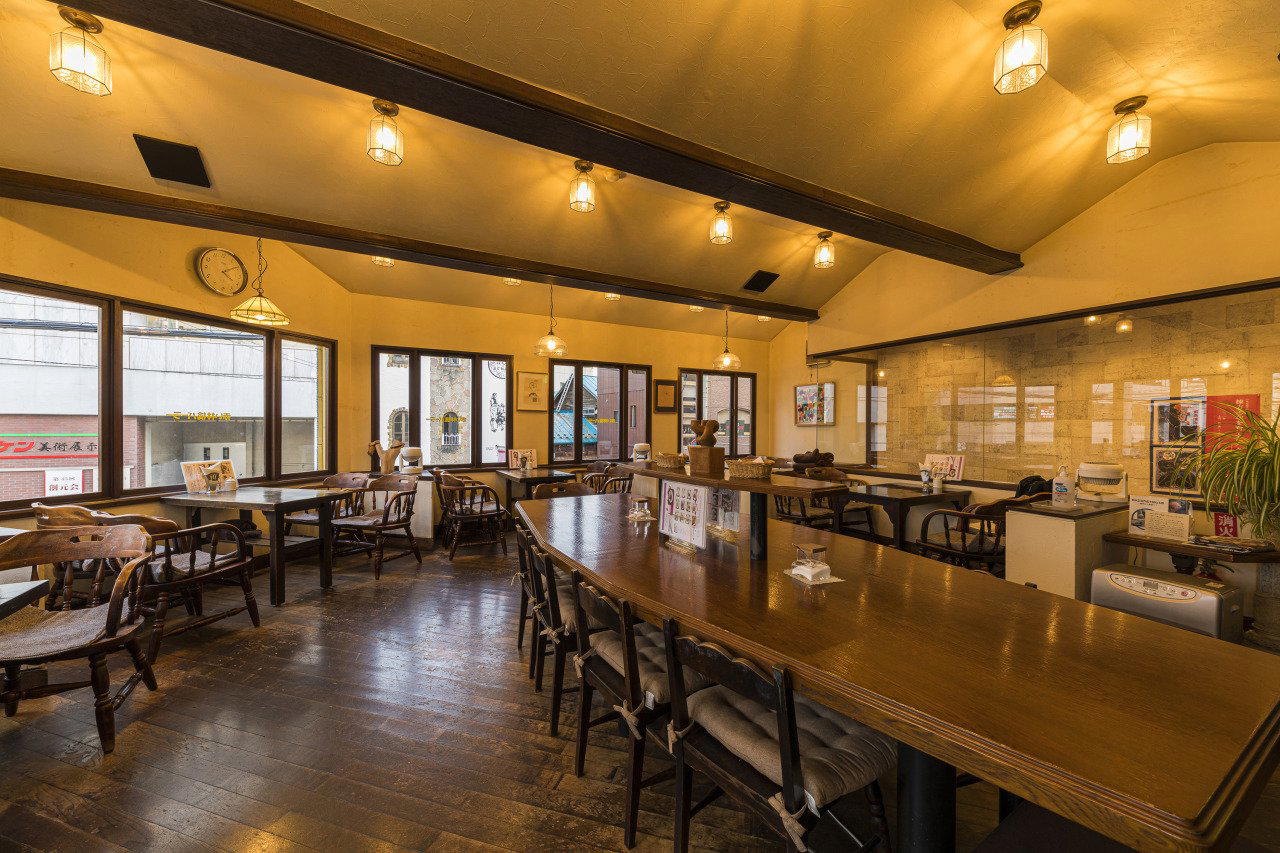
A small, non-smoking hideout with a stylish yet relaxing interior, centered on counter seats and a tatami room, offering a calm, elegant atmosphere suited to business meals and small groups rather than families.