
Hasegawa belongs to Tokyo’s serious tonkatsu tier, where the meal is built around cut, set structure, rice, cabbage, miso soup and pacing rather than chef theatrics. Its repeated Tabelog Tonkatsu 100 selections, including 2026, place it among the city’s recognized pork-cutlet specialists, with Ryogoku giving the experience a more local register than Ginza or Aoyama dining rooms.
Pearl is the En Primeur Club membership app — saves, bookings, and concierge access live there. Same editors, same standards.
- Address
- 3 Chome-24-1 Ryogoku, Sumida City, Tokyo 130-0026, Japan
- Phone
- +81 3-5625-2929
- Website
- tonkatsu-hasegawa.com
 Saves & bookings on Pearl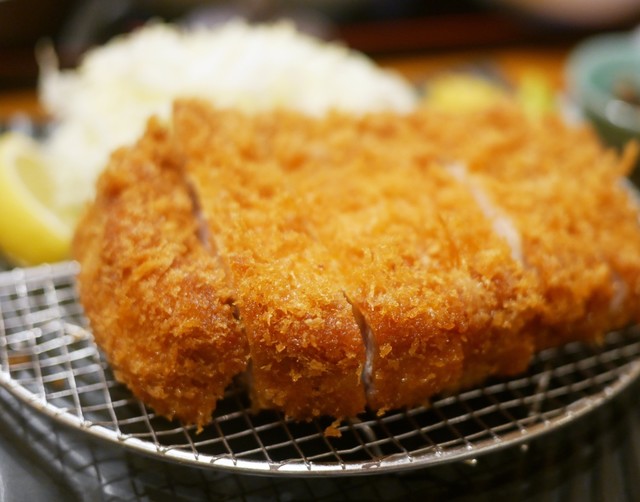
Ryogoku changes the tone of a tonkatsu meal before the first order is placed. The area’s sumo associations, low-rise backstreets and station-side dining rhythm give pork cutlet a working-neighbourhood context rather than a luxury-district frame. In that setting, Hasegawa reads less as a destination staged for visitors and more as part of Tokyo’s precise everyday food culture: a restaurant category where small differences in cut selection, frying control and set composition carry the argument.
Tonkatsu in Tokyo has moved into two parallel lanes. One lane treats the dish as accessible comfort food, quick enough for lunch and familiar enough for families. The other has become a specialist field, with branded pork, controlled frying temperatures, cabbage refills, rice quality and sauce discipline scrutinised with the seriousness usually reserved for sushi counters. Hasegawa sits in the second lane without abandoning the first. Its recognition in Tabelog’s Tonkatsu 100 for 2026, with prior selections across multiple years, signals consistency in a category where repeat execution matters more than novelty.
A set-meal format that makes the cutlet the argument
The useful way to read a tonkatsu menu is not as a long list of fried pork options, but as a hierarchy of decisions. Loin versus fillet is the central split: fat, chew and richness on one side; leaner texture and restraint on the other. Around that choice sits the architecture that defines the meal, typically rice, shredded cabbage, pickles and soup. The cutlet is the headline, but the set is the grammar. A weak set exposes itself quickly because fried food needs contrast and pacing.
That structure explains why serious tonkatsu houses compete differently from tempura counters or kaiseki rooms. The format is narrow, so the margins become visible. Batter thickness, pork juiciness, resting time and cabbage volume are not decorative details; they determine whether the meal feels heavy or calibrated. Hasegawa’s category listing as tonkatsu, rather than a broader yoshoku or teishoku restaurant, matters because it places the kitchen inside a specialist tradition where repetition is the standard of judgment.
Tokyo’s pork-cutlet scene also rewards restraint in pricing and format. Unlike omakase sushi, where scarcity and counter intimacy can push prices into a separate economic tier, tonkatsu remains legible as an everyday luxury. The meal can be serious without becoming ceremonial. That is part of its appeal for travellers who already understand Tokyo’s high-end dining codes and want a meal that shows another form of precision: less theatre, more craft under pressure.
The drinks context reinforces that middle register. Sake, shochu and wine are listed, which places the meal beyond a purely utilitarian lunch stop while keeping the focus on the plate. Tonkatsu does not require an elaborate pairing logic; it needs drinks that can sit beside fat, salt, sauce and rice without taking over. In Tokyo, that modesty is often a strength.
Ryogoku gives the meal a different Tokyo accent
Ryogoku is not a neutral backdrop. It is an old east-side district with a dining culture shaped by office workers, residents, sumo visitors and station traffic. That makes it a useful counterpoint to central-west Tokyo’s design-led restaurant culture. A pork-cutlet meal here carries the feeling of a local routine refined over time rather than a concept built for a tasting-menu audience.
The nearby comparison set sharpens the point. Kameido Gyoza Ryougoku shiten represents the district’s quick, single-specialty side; Edosoba Hosokawa points to the area’s handmade noodle tradition; Teuchi Ren keeps the soba conversation at a more everyday spend; Echigoya Wakasa sits in the sweet-shop register; Shiki no Aji Fujiyoshi occupies a much higher dinner bracket. Against those neighbours, tonkatsu functions as the bridge category: more deliberate than a fast snack, less formal than a full-course Japanese meal, and easier to fold into a Tokyo day than a reservation-heavy counter.
This is where Hasegawa’s long operating history becomes relevant. Open since 2004, it belongs to a generation of Tokyo specialists that predate the current global obsession with curated food itineraries. The restaurant’s repeated Tonkatsu 100 selections in 2017, 2018, 2019, 2021, 2022, 2024 and 2026 show durability across changing dining cycles. In a city where attention shifts quickly, that kind of category recognition is not about fashion; it is about a kitchen continuing to meet a narrow brief.
For travellers, the decision is simple. This is not the place to seek a chef narrative or a sprawling menu. It is a place to understand how Tokyo turns an apparently familiar dish into a study of proportion. The value lies in seeing how much of the experience is carried by format: the set, the cut, the accompaniments and the rhythm of service. That makes it especially useful for diners building a broader Tokyo food map beyond sushi, ramen and tasting menus.
For wider context across the city, EP Club’s Tokyo coverage connects this kind of specialist meal with other formats: Our full Tokyo restaurants guide, Our full Tokyo hotels guide, Our full Tokyo bars guide, Our full Tokyo wineries guide and Our full Tokyo experiences guide. Other restaurant entries worth reading for contrast include. 鮪と炭火焼き うお炭 秋葉原店, 12/10 Shinjuku ten, 124. KAGURAZAKA (Yakitori), 2D Cafe and 3 Chome no Curry Ya San. Beyond Tokyo, useful comparisons in Japanese dining formats include -Grilled beef Sukiyaki- KAMAKURA TANUKIAN 鎌倉 たぬき庵 in Kamakura.cafe in Osaka.know in Kumamoto, (Shoku) Vietnam in Kawasaki, [Curry Senmon Ten] Maruyama Kyoju. in Sapporo, [ki:] in Kyoto, Jōdo Saké Bar in Los Angeles and Onigiri Time in Pasadena.
Fast Comparison
Comparable venues at a similar level for quick context.
| Venue | Cuisine | Price | Notes |
|---|---|---|---|
| HasegawaThis venue — the venue you are viewing | Tonkatsu (Japanese Pork Cutlet) | $$ | Not listed |
| Tsukiji Nagaya 6-7-7 | Fugu-focused Japanese Tachinomi | $$ | Chūō |
| Senju Takeyabu | Traditional Soba Noodle Shop | $$ | Adachi |
| 隼 | Japanese Cuisine | Not listed | Minato |
| Nihon Saisei Sakaba | Traditional Japanese Grilled Offal Izakaya | $$ | Shinjuku |
| 甚六 | Shinjuku Private Room Izakaya | Not listed | Shibuya |
Recognition history
Dated appearances from independent guides and award organizations, with the underlying list record or original source where available.
Tabelog 100 #57 · No. 57
Tabelog · Tabelog 100 - Tonkatsu - 2026








At a Glance
- Classic
- Cozy
- Solo
- Family
- Casual Hangout
- After Work
- Group Dining
- Standalone
- Local Sourcing
Current opening hours
- Monday
- 11:30 AM–2:30 PM, 5–10 PM
- Tuesday
- 11:30 AM–2:30 PM, 5–10 PM
- Wednesday
- 11:30 AM–2:30 PM, 5–10 PM
- Thursday
- 11:30 AM–2:30 PM, 5–10 PM
- Friday
- 11:30 AM–2:30 PM, 5–10 PM
- Saturday
- 11 AM–2:30 PM, 5–10 PM
- Sunday
- 11 AM–2:30 PM, 5–10 PM
Hours can change for holidays and private events. Last verified .
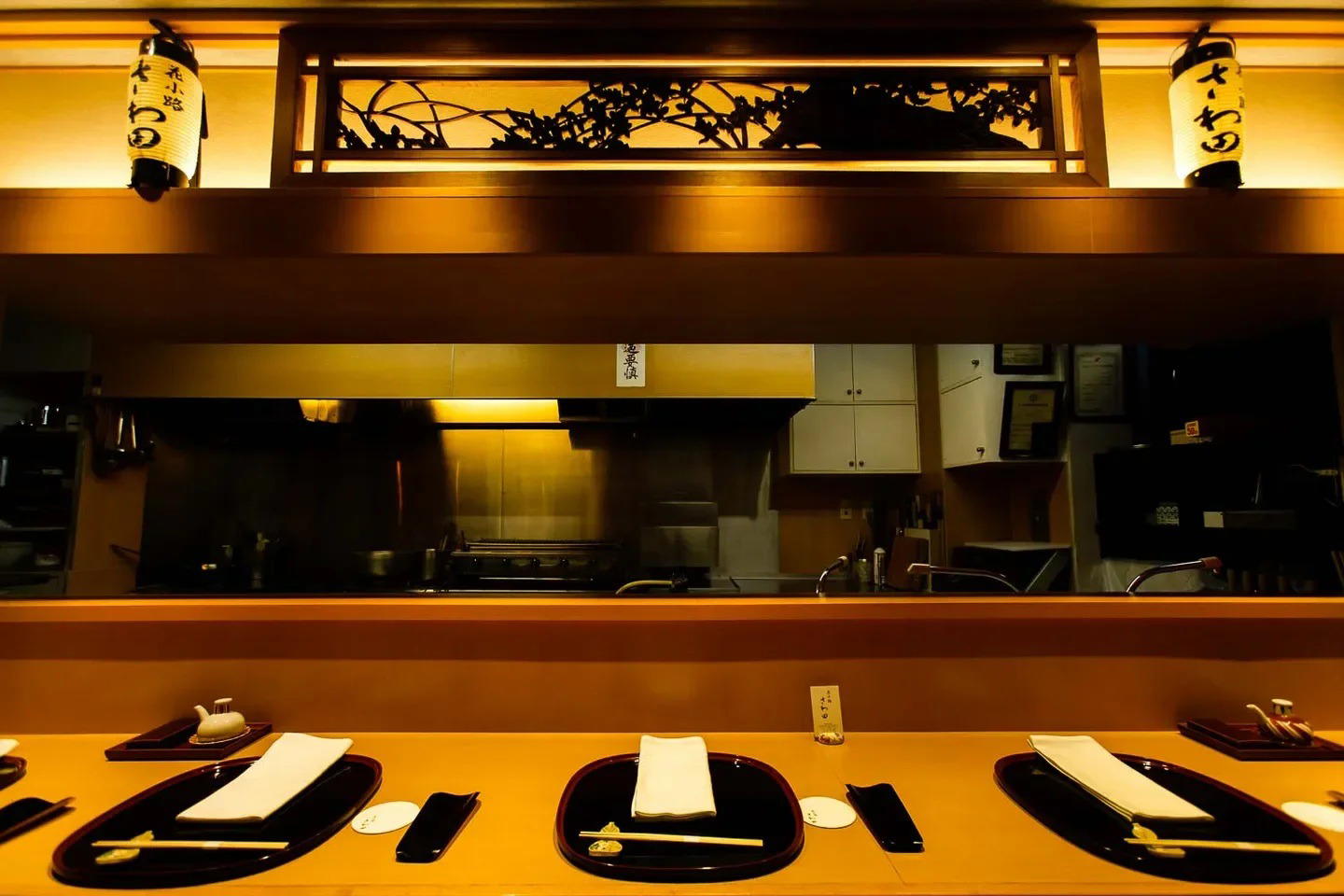
A small, traditional tonkatsu restaurant with a warm, low-key atmosphere, where the focus is on the counter-style craft of frying and serving pork cutlets rather than design flourishes.