Hart Bageri


Hart Bageri sits inside Copenhagen’s serious bakery culture rather than its restaurant theatre: a bread-and-pastry address shaped by Richard Hart’s transatlantic training and the city’s appetite for technical, everyday food. Its repeated Opinionated About Dining Cheap Eats in Europe rankings place it in a category where craft, access and value matter more than ceremony.
Pearl is the En Primeur Club membership app — saves, bookings, and concierge access live there. Same editors, same standards.
- Address
- Galionsvej 41, 1437 København, Denmark
- Phone
- +45 31 11 18 50
- Website
- hartbageri.com
- Directions
- Get directions
 Saves & bookings on Pearl
Approaching a serious Copenhagen bakery is different from approaching a dining room. The signals are smaller: a queue that moves in bursts, the smell of grain before sugar, the quiet calculation of what will survive a walk through the city without losing its structure. In that setting, Hart Bageri belongs to a wider Copenhagen pattern: bakeries have become part of the city’s critical food conversation, not merely a breakfast errand before the restaurants take over.
This is where the city’s dining culture has shifted in the last decade. Copenhagen no longer treats bread as supporting cast. The bakery counter has become a serious format, especially in a city where fermentation, dairy, rye, cardamom and seasonal restraint already sit close to the national palate. Hart Bageri, led by Richard Hart, sits in that space with unusual international weight: the chef-baker’s background connects Nordic baking to the broader Anglo-American sourdough revival, but the Copenhagen context keeps the work disciplined rather than showy.
Copenhagen's bakery counter has become a critical format
The useful way to read this address is not as a pastry stop in isolation, but as part of a competitive Copenhagen bakery tier that includes Juno the Bakery, KØBENHAVNS BAGERI, Lille bakery, Seks and the more commercial citywide presence of Lagkagehuset. That spread matters. Copenhagen bakery culture now runs from neighbourhood utility to chef-led craft, with different expectations around lamination, sourdough, buns, cakes and take-away pacing.
Hart Bageri’s repeated placement in Opinionated About Dining’s Cheap Eats in Europe list gives it a clear external signal: ranked #3 in 2023, #3 in 2024 and #4 in 2025. That is not the same conversation as Michelin dining, and it should not be read as such. It is better understood as recognition for a category where precision has to meet repeatable daily production. A bakery can have critical credibility only if it can perform before lunch, at volume, without the shelter of tasting-menu choreography.
The Copenhagen comparison is useful because the city’s bakery scene is crowded with strong identities. Bageriet Benji reads through a neighbourhood lens; Bageriet BRØD speaks more directly to local bakery tradition; Andersen Bakery carries a different international bakery lineage. Hart’s position is sharper: it is a bakery that attracts restaurant-level scrutiny while remaining structurally closer to an everyday counter than a destination dining room.
Richard Hart's route matters because the city already knew how to take bread seriously
Chef-led bakery culture can become biography too quickly. The more interesting point is how Richard Hart’s presence intersects with Copenhagen’s existing food grammar. The city had already built a reputation for fermentation, grain, dairy and seasonal austerity through its restaurant culture; a baker with international experience could plug into that system without turning the counter into performance. The result is a format that reads as technical but not precious.
That distinction is important. In many cities, premium bakeries drift toward spectacle: oversized pastries, viral fillings, heavy branding. Copenhagen’s stronger bakeries tend to reward structure, temperature, fermentation and restraint. The queue is not only for sweetness; it is for the kind of everyday craftsmanship that can hold its shape under repeat visits. This is why the awards signal carries weight. A Cheap Eats ranking rewards the intersection of quality and access, not luxury theatre.
For travellers, the decision is less about replacing a restaurant reservation and more about understanding how Copenhagen eats between formal meals. A bakery visit here can explain as much about the city as a long dinner: the importance of morning routines, the seriousness of coffee-adjacent food, the way Danish baking traditions sit beside imported techniques, and the local preference for precision over excess. Readers planning a broader itinerary can place it alongside akmē in Nordhavn for a more contemporary restaurant view, then use Our full Copenhagen restaurants guide to build the rest of the dining map.
How to use the bakery scene in a Copenhagen itinerary
The smartest use of the restaurant is as a benchmark, not a checklist stop. Visit it to understand the city’s higher bakery register, then compare it with nearby and neighbourhood-led counters. KØBENHAVNS BAGERI and Juno the Bakery make natural reference points because they sit within the same city conversation while expressing different bakery instincts. That comparison teaches more than ordering one pastry and moving on.
Copenhagen also rewards category mixing. A morning bakery run, a casual lunch, a sharper dinner and a serious bar can reveal more of the city than stacking only formal tables. Use Our full Copenhagen bars guide for the drinking side, Our full Copenhagen hotels guide for where to base the trip, Our full Copenhagen experiences guide for cultural pacing and Our full Copenhagen wineries guide for the wine lens. The bakery belongs in that itinerary because it compresses Copenhagen’s taste for craft into a low-ceremony format.
Seen against Denmark beyond the capital, the contrast is sharper. The country’s dining map includes regional addresses such as 2takt Café & Brasserie in Frederikshavn, A-Kin Thai in Aarhus, Aagaard Kro in Egtved, Aalekroen in Silkeborg and Aji Sushi in Roskilde, each showing a different relationship between locality and format. Copenhagen’s bakery strength is that it turns a short, inexpensive meal category into something critics can credibly discuss.
The international comparison also helps. London and the United States have their own bakery cultures, from grain-led cafés such as 26 Grains, Bakery in London to Southern American baking references such as Annie Mae's Bakeshop, Bakery in Charleston. Copenhagen’s version is leaner and more design-conscious, with less tolerance for excess. The restaurant’s relevance sits there: in the gap between everyday bread and serious culinary judgment.
Snapshot
Comparable venues by cuisine and price in the same metro.
| Venue | Cuisine | Price | Notes |
|---|---|---|---|
| Hart BageriThis venue — the venue you are viewing | Modern Danish Bakery & Café | $$ | Not listed |
| Det Vide Hus | Cozy Artisan Café | $$ | Indre By |
| Alice Ice Cream & Coffee | Artisanal Ice Cream & Pastry Cafe | $$ | Amager Øst |
| Coffee Collective | Specialty Coffee Shop | $$ | Indre By |
| Frk. Barners Kælder | Traditional Danish | $$ | Vesterbro-Kongens Enghave |
| Inferno | Cocktail Bar | $$ | Vesterbro-Kongens Enghave |
Recognition history
Dated appearances from independent guides and award organizations, with the underlying list record or original source where available.
La Liste Pastry: Bakery Innovation Award
La Liste
Opinionated About Dining Cheap Eats in Europe Ranked #4
Opinionated About Dining
Opinionated About Dining Cheap Eats in Europe Ranked #3
Opinionated About Dining
Opinionated About Dining Cheap Eats in Europe Ranked #3
Opinionated About Dining
Continue exploring
More in Copenhagen
More from Chef Richard Hart
Browse all →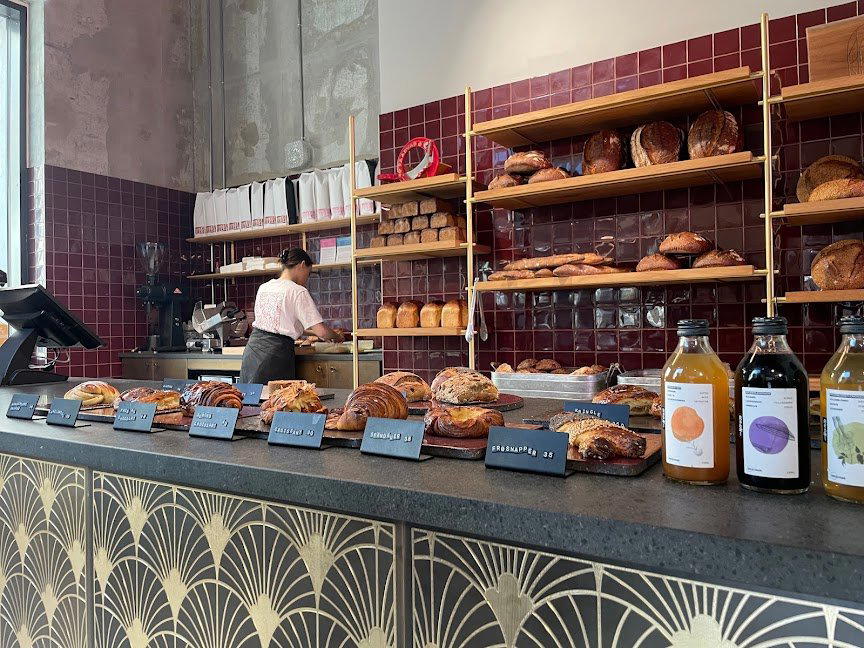
Restaurants in Copenhagen
Browse all →
Bars in Copenhagen
Browse all →


At a Glance
- Cozy
- Modern
- Trendy
- Minimalist
- Brunch
- Casual Hangout
- Solo
- Open Kitchen
- Standalone
- Beer Program
- Organic
- Local Sourcing
- Farm To Table
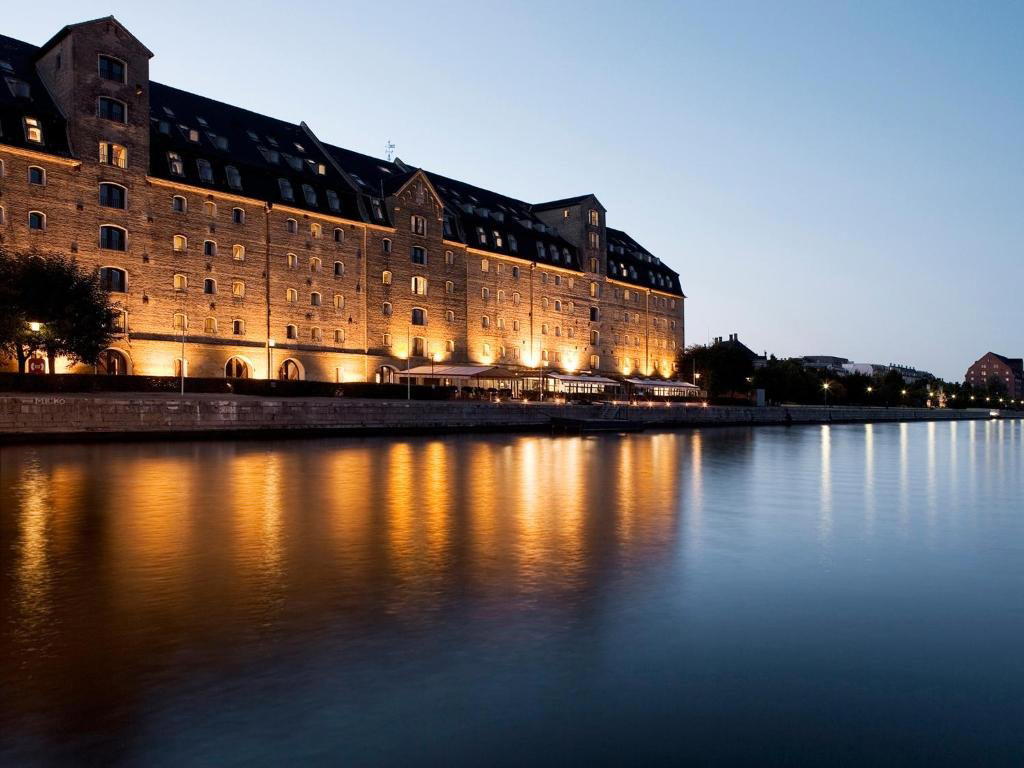
- Waterfront
- Street Scene
Current opening hours
- Monday
- 7:30 AM–6 PM
- Tuesday
- 7:30 AM–6 PM
- Wednesday
- 7:30 AM–6 PM
- Thursday
- 7:30 AM–6 PM
- Friday
- 7:30 AM–6 PM
- Saturday
- 7:30 AM–6 PM
- Sunday
- 7:30 AM–6 PM
Hours can change for holidays and private events. Last verified .
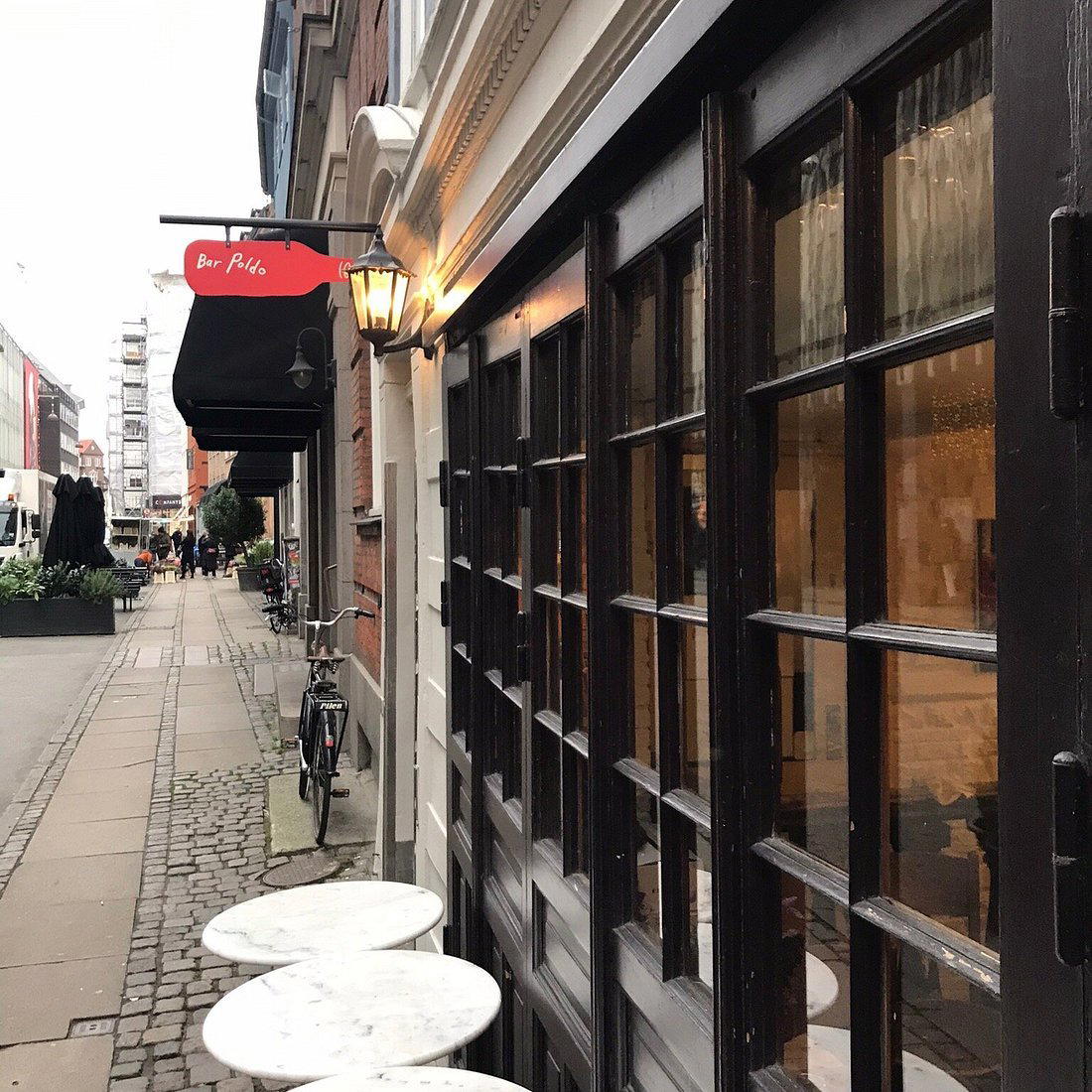
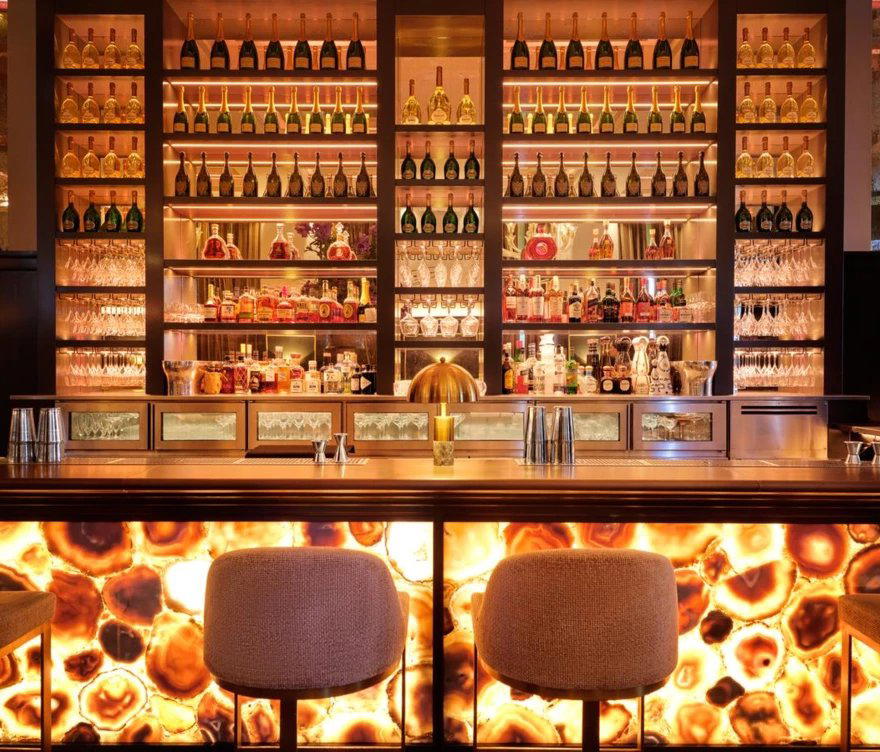
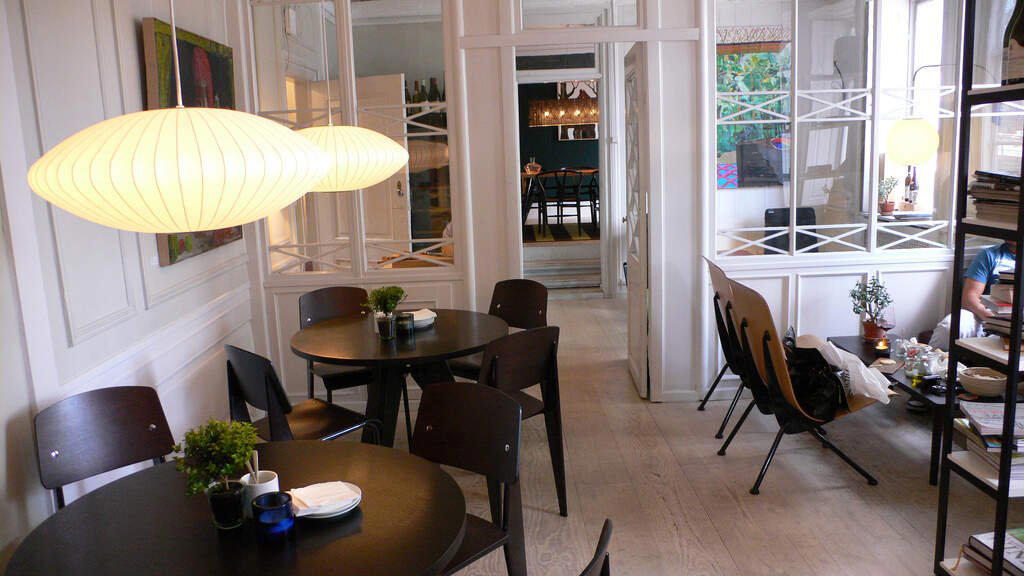
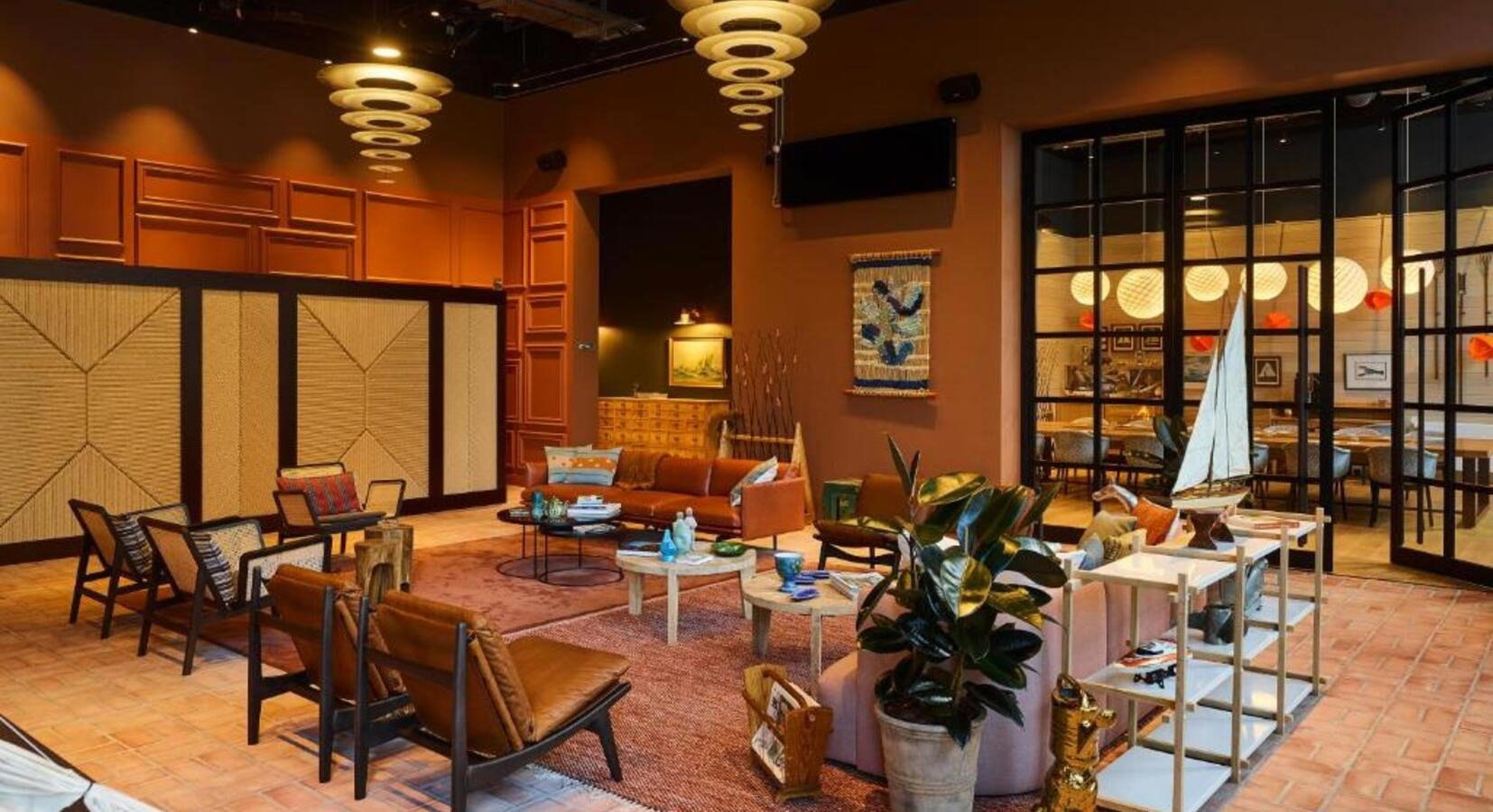
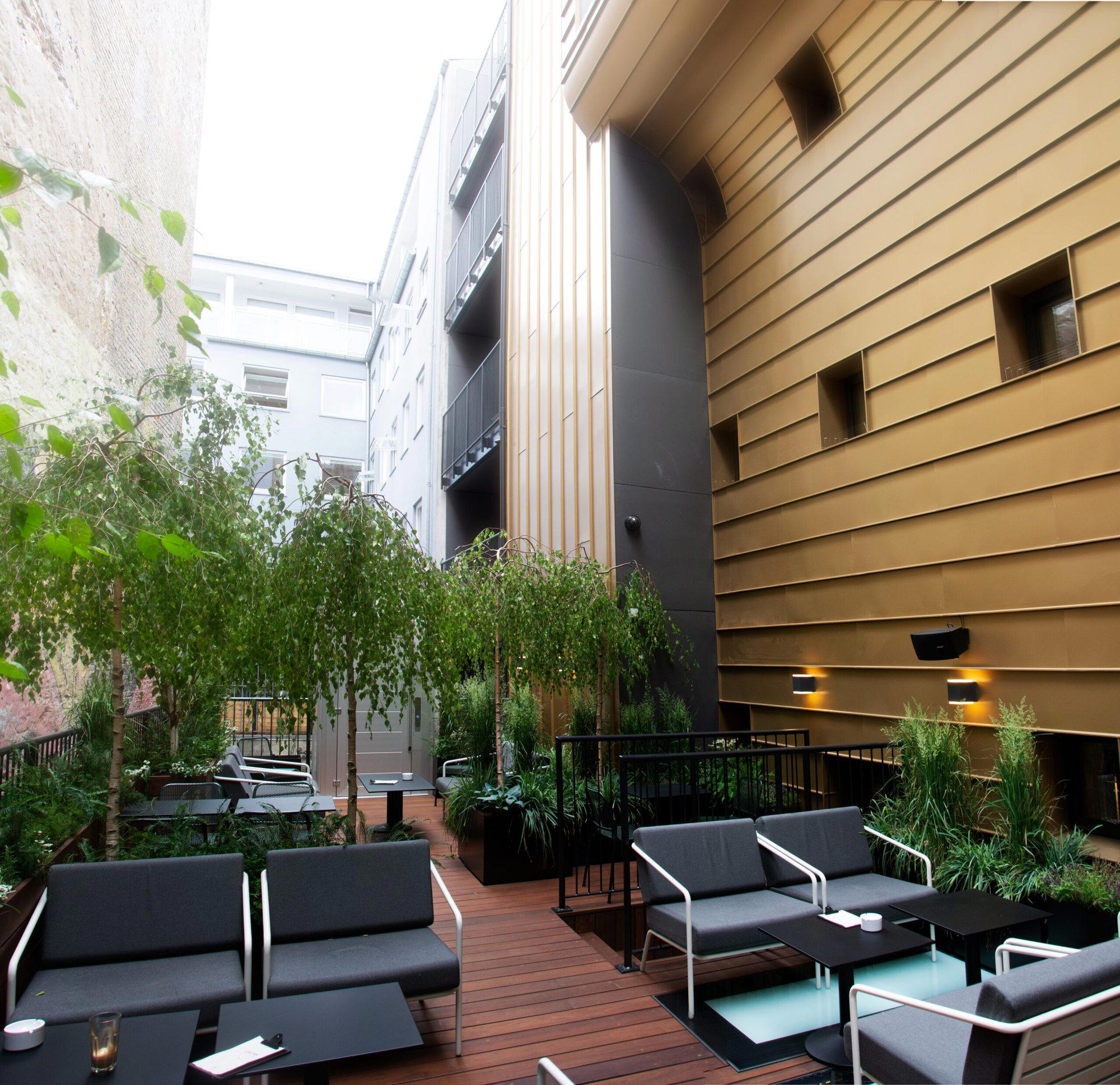
Bright, welcoming atmosphere with fresh-baked aroma; small intimate space with limited seating (2-3 tables inside) but charming Scandinavian aesthetic; busy with morning crowds.