Juno the Bakery

Ranked third among Europe's cheap eats by Opinionated About Dining in 2025, Juno the Bakery in Copenhagen's Nordhavn district has held a top-six position on that list for three consecutive years. Open Tuesday through Sunday from Århusgade 48, it represents the city's serious commitment to bread as a craft rather than a commodity.
 Discover on Pearl
Pearl is the En Primeur Club membership app — saves, bookings, and concierge access live there. Same editors, same standards.
- Address
- Århusgade 48, 2100 København, Denmark
- Website
- junothebakery.com
Bread as a Cultural Argument
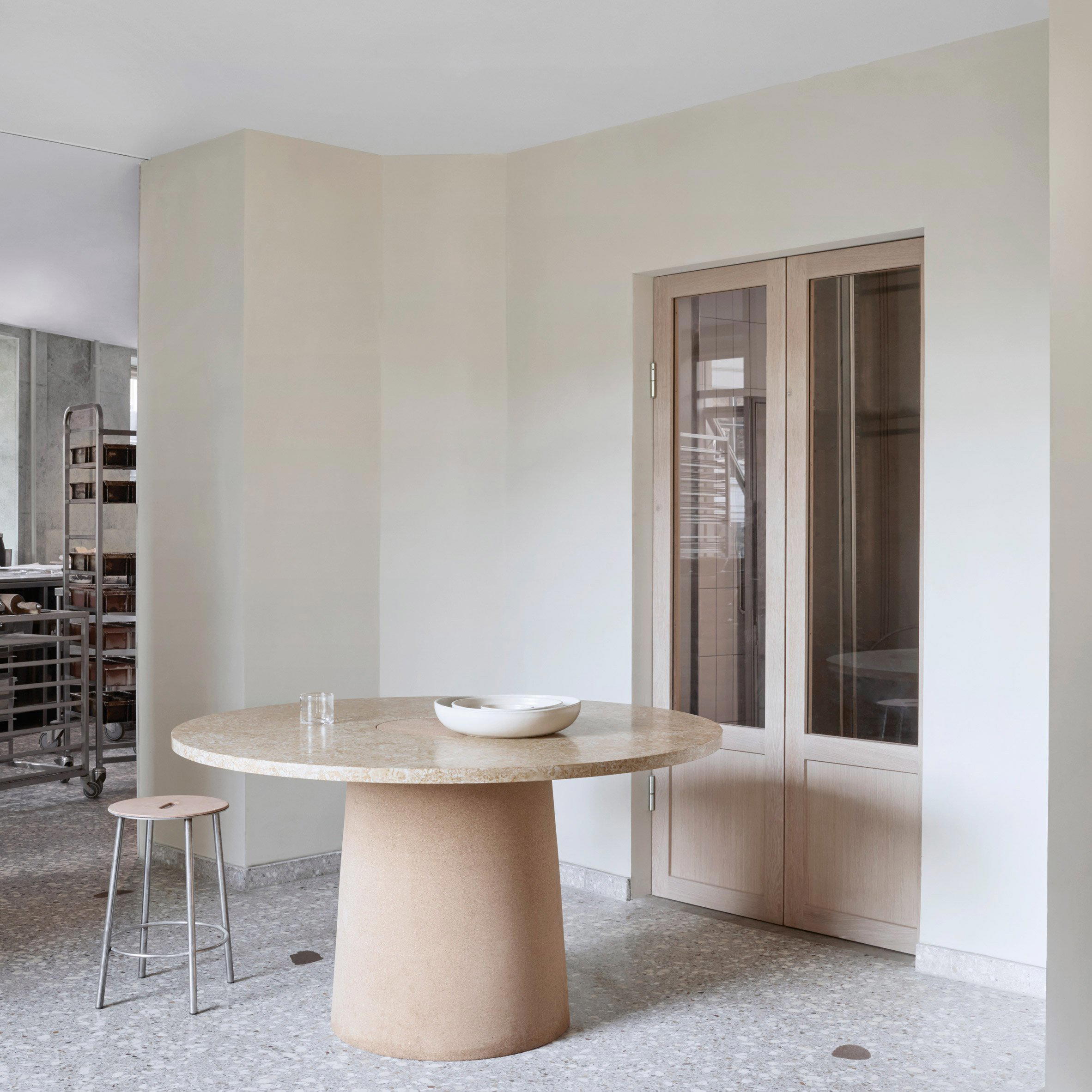
Juno the Bakery is a Modern Scandinavian Bakery at Århusgade 48 in Copenhagen, known for its walk-in-friendly counter service and accessible price point. The queue outside Juno the Bakery onÅrhusgade in Nordhavn is not incidental. It is the point. Copenhagen has developed one of Europe's most considered bread cultures over the past decade, shaped partly by the same New Nordic thinking that remade fine dining at Geranium and Noma but expressed at street level, in the morning hours, through sourdough and laminated dough rather than tasting menus. In that context, the line outside a bakery is a legible cultural signal: this is a city that treats its morning bread with the same seriousness it applies to its three-Michelin-starred restaurants. Juno sits at the centre of that argument.
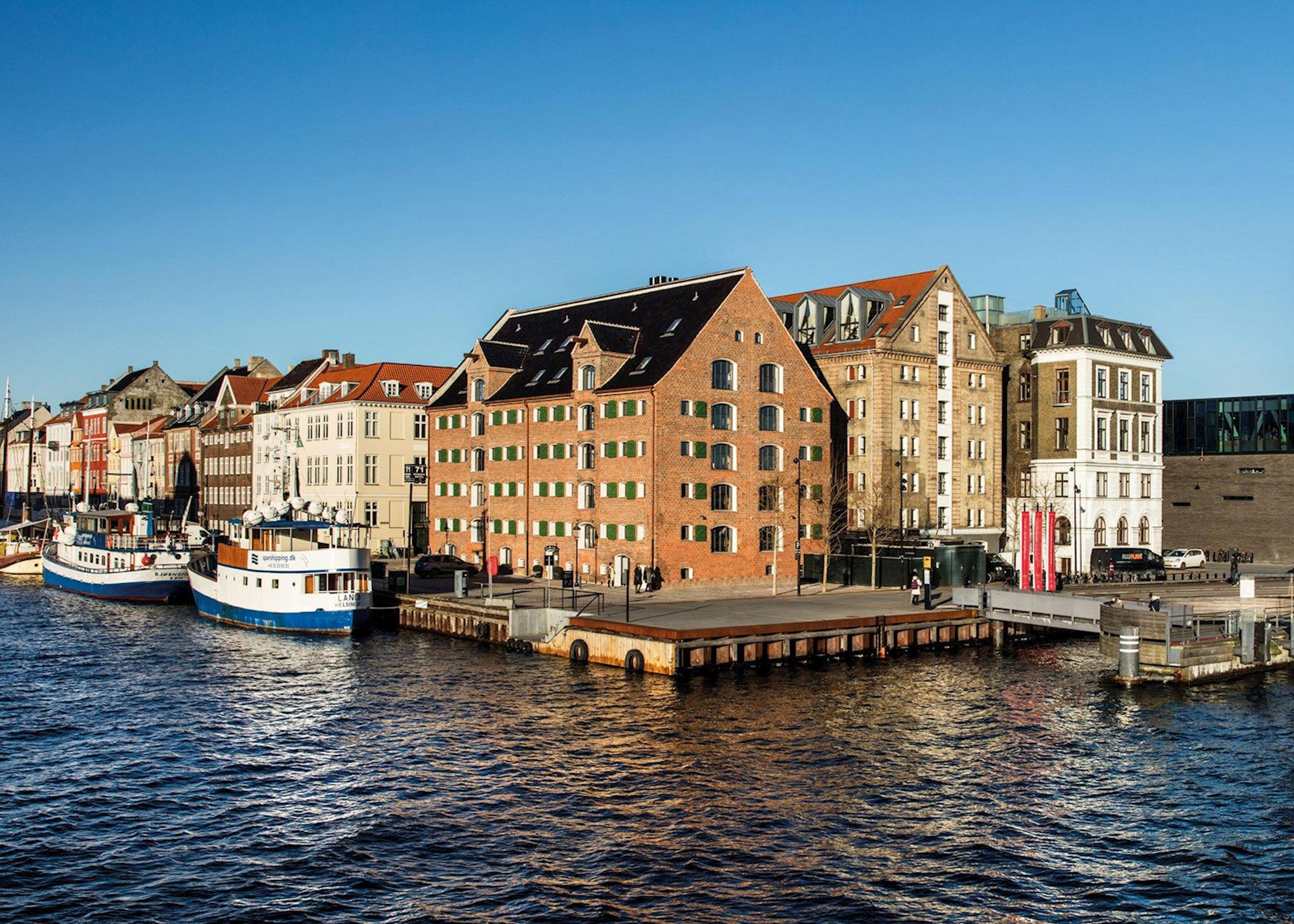
The address itself carries meaning. Nordhavn, Copenhagen's post-industrial harbour district, has become the city's most interesting neighbourhood for independent food businesses, drawing producers and craft operations that find the older central districts too expensive or too finished. A bakery in this part of the city is not hiding from attention. It is making a statement about where the real energy in Copenhagen's food scene currently lives, and that statement has been heard well beyond Denmark.
Three Years of Recognition
Opinionated About Dining, the data-led European restaurant guide with a particular focus on accessible-price eating, ranked Juno sixth in its Cheap Eats in Europe list in 2023, fifth in 2024, and third in 2025. That trajectory, three consecutive top-six placements on a pan-European list that covers thousands of establishments, places Juno in a very specific tier: Copenhagen bakeries that have moved from local reputation to continental standing. A Google rating of 4.7 across more than 3,200 reviews reinforces the consistency. These are not numbers that fluctuate; they are numbers that have been pressure-tested across years and thousands of individual visits.
For a city whose fine-dining credentials are well-established through venues like Jordnær in Gentofte and Frederikshøj in Aarhus, the emergence of a bakery as a nationally and internationally discussed destination represents something worth noting. The conversation about Danish food has historically centred on tasting-menu innovation, but the cheap-eats recognition signals that the culture runs deeper than that, down to the daily bread counter.
The Copenhagen Bakery Scene and Where Juno Sits
Copenhagen's bakery field is genuinely competitive. Hart Bageri, Bageriet BRØD, Bageriet Benji, Andersen Bakery, and KØBENHAVNS BAGERI each occupy a distinct position within a city that has consistently high expectations for fermentation, lamination, and grain sourcing. What distinguishes Juno within this competitive set is its sustained external validation: while several Copenhagen bakeries have strong local followings, Juno is the one that has climbed a pan-European ranking for three years in sequence.
That external recognition matters because it reflects something beyond local loyalty. OAD's Cheap Eats methodology aggregates assessments from a broad base of experienced eaters travelling across Europe, which means a sustained high ranking requires performing well for visitors who can compare directly against Parisian boulangeries, London sourdough bakeries like 26 Grains, and New York operations like Radio Bakery. Juno's position in that company is earned, not assumed.
What Drives the Bakery's Standing
Danish baking tradition draws on two distinct threads: the enriched, laminated dough of the wienerbrød family, which the rest of the world calls Danish pastry, and the darker, denser sourdough rye tradition that has fed Scandinavian households for centuries. Contemporary Copenhagen bakeries have largely rejected the industrialised version of both and returned to longer fermentation, higher-quality grain, and more considered shaping. Juno's chef, Emil Glaser, operates within that framework. His name is attached to a bakery that has improved its competitive ranking each year for three years. That is the relevant fact.
The morning hours are when the work is most visible. The bakery opens at 7:30 am on Tuesdays through Saturdays, and 7:30 am on Sundays as well, with Sunday closing earlier at 4:00 pm. Monday is closed. The opening hours reflect a bread-first operation rather than an all-day café: the serious window is the morning, which is also when bread culture most honestly declares itself.
Context Within Copenhagen's Wider Food Scene
It would be reductive to discuss Juno without acknowledging the broader scene it inhabits. Copenhagen's food identity was reshaped in the 2000s and 2010s by fine-dining innovation, and venues like Alchemist and Koan continue that work. But the city's current energy is more distributed, spreading through neighbourhood-level food businesses that apply the same craft principles at different price points. The bakery boom is the most visible expression of that distribution, and Juno's rankings are evidence that the distribution has produced real quality, not just aesthetic imitation.
Planning Your Visit
Juno the Bakery is at Århusgade 48, 2100 Copenhagen, in the Nordhavn district. The bakery is open Tuesday through Saturday from 7:30 am to 6:00 pm, and Sunday from 7:30 am to 3:00 pm. It is closed on Mondays. Arriving early in the morning on a weekday gives you the best chance of finding the full range before popular items sell through.
What is the signature dish at Juno the Bakery?
Juno does not publicly designate a single signature item, and the specific menu is not detailed in the available record. The OAD rankings and Google review volume confirm consistent quality across the range. In Copenhagen's competitive bakery field, that consistency across both enriched pastry and fermented bread traditions is itself the answer to what defines the bakery's standing.
Awards and Standing
Comparable venues nearby, for context on price, style, and recognition.
| Venue | Cuisine | Price | Awards | Notes |
|---|---|---|---|---|
| Juno the BakeryThis venue — the venue you are viewing | Modern Scandinavian Bakery | $$ | ||
| Lagkagehuset | Danish Bakery & Café | $$ | Indre By | |
| Apotek 57 | Danish Bakery Brunch | $$ | Indre By | |
| Restaurant Tight | Nordic with International Influences | $$ | , | Indre By |
| Parterre Christianshavn | Danish Café | $$ | , | Indre By |
| Donda Deli | Mexican-Peruvian Fusion Deli | $$ | , | Vesterbro-Kongens Enghave |
Continue exploring
More in Copenhagen
Restaurants in Copenhagen
Browse all →

Bars in Copenhagen
Browse all →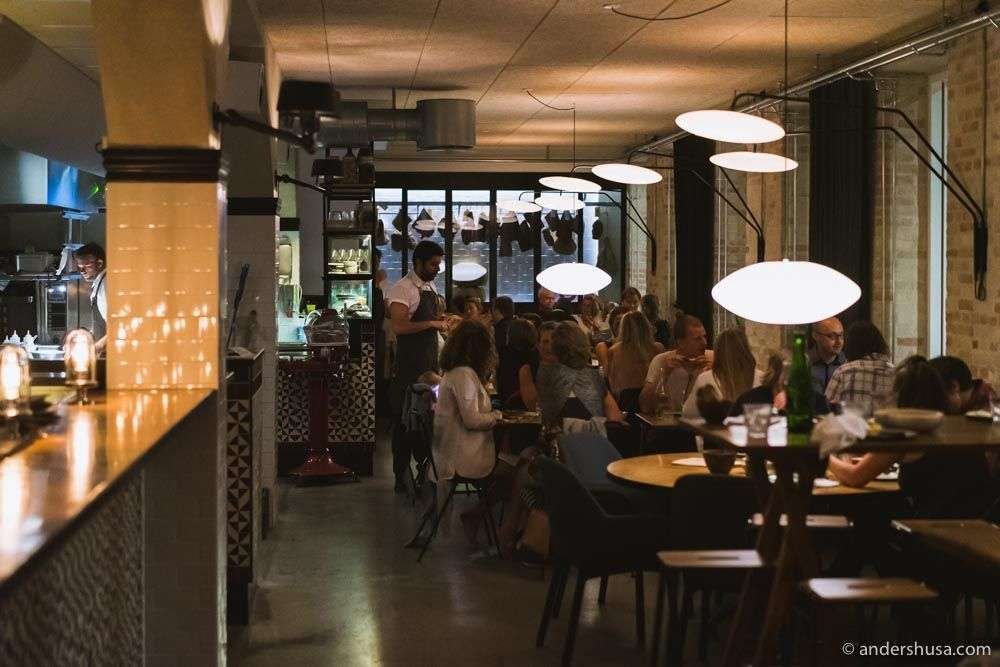

At a Glance
- Cozy
- Modern
- Trendy
- Minimalist
- Brunch
- Casual Hangout
- Open Kitchen
- Organic
- Local Sourcing
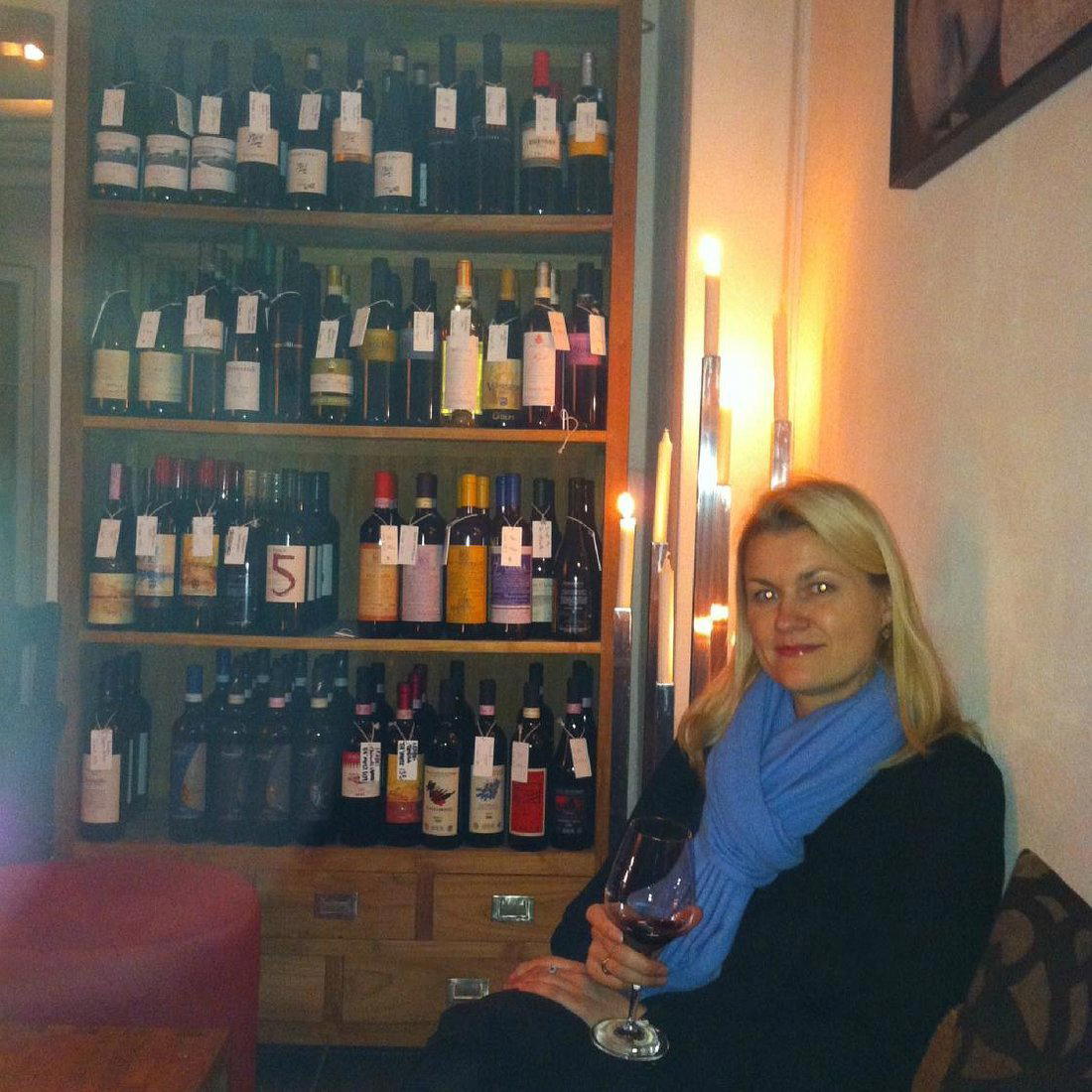
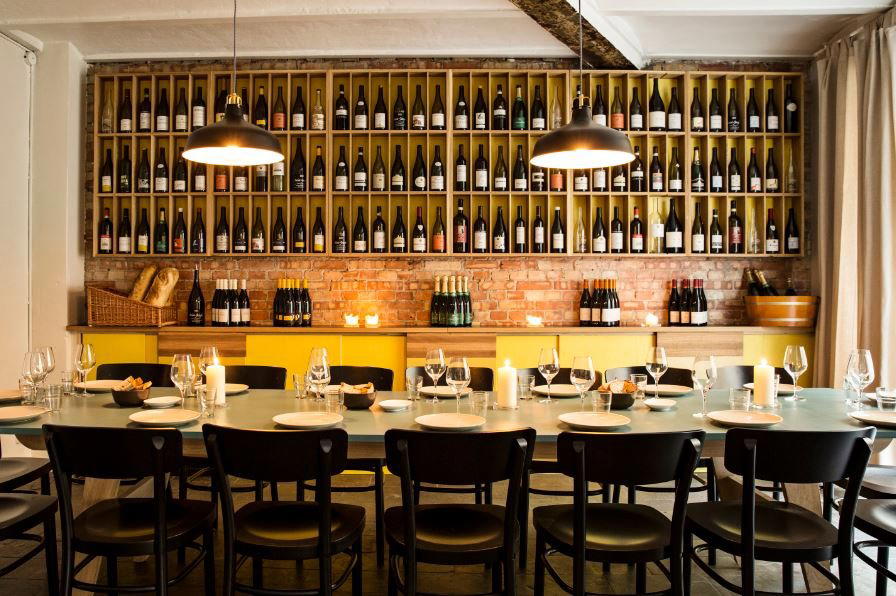
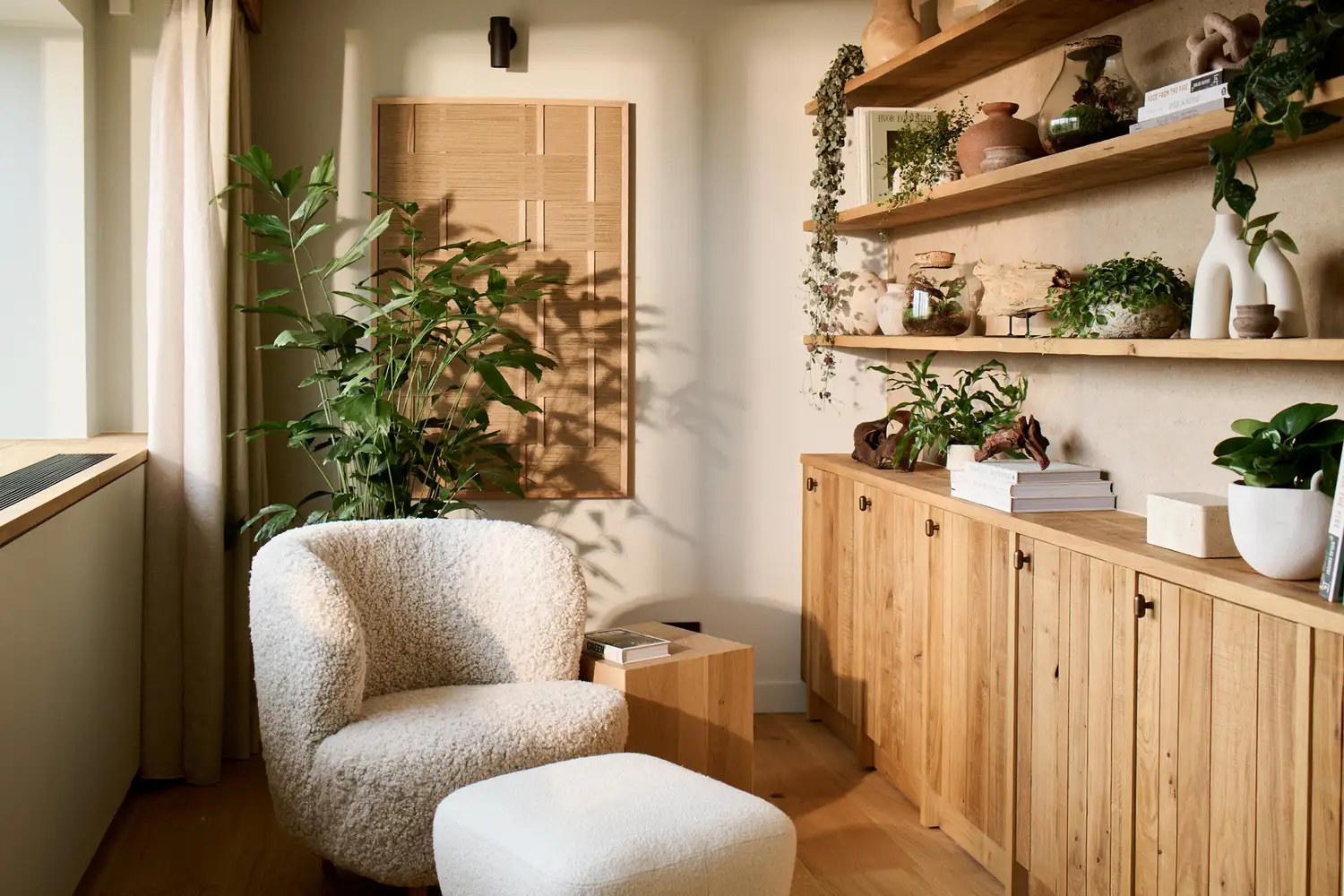
Bright, cozy, and inviting with an open kitchen allowing views of the baking process.