1897 Market
1897 Market occupies a distinctive address on Josh Birmingham Parkway in Charlotte, positioned within a city where airport-adjacent dining has historically meant concession-stand compromise. The venue's name anchors it to a specific historical register, suggesting a format built around market-style abundance rather than single-concept restraint. For travelers passing through Charlotte Douglas International Airport, it represents a different kind of stop.
Pearl is the En Primeur Club membership app — saves, bookings, and concierge access live there. Same editors, same standards.
- Address
- 5501 Josh Birmingham Pkwy, Charlotte, NC 28208
- Phone
- +17043594013
- Website
- maps.cltairport.com
- Directions
- Get directions
 Saves & bookings on Pearl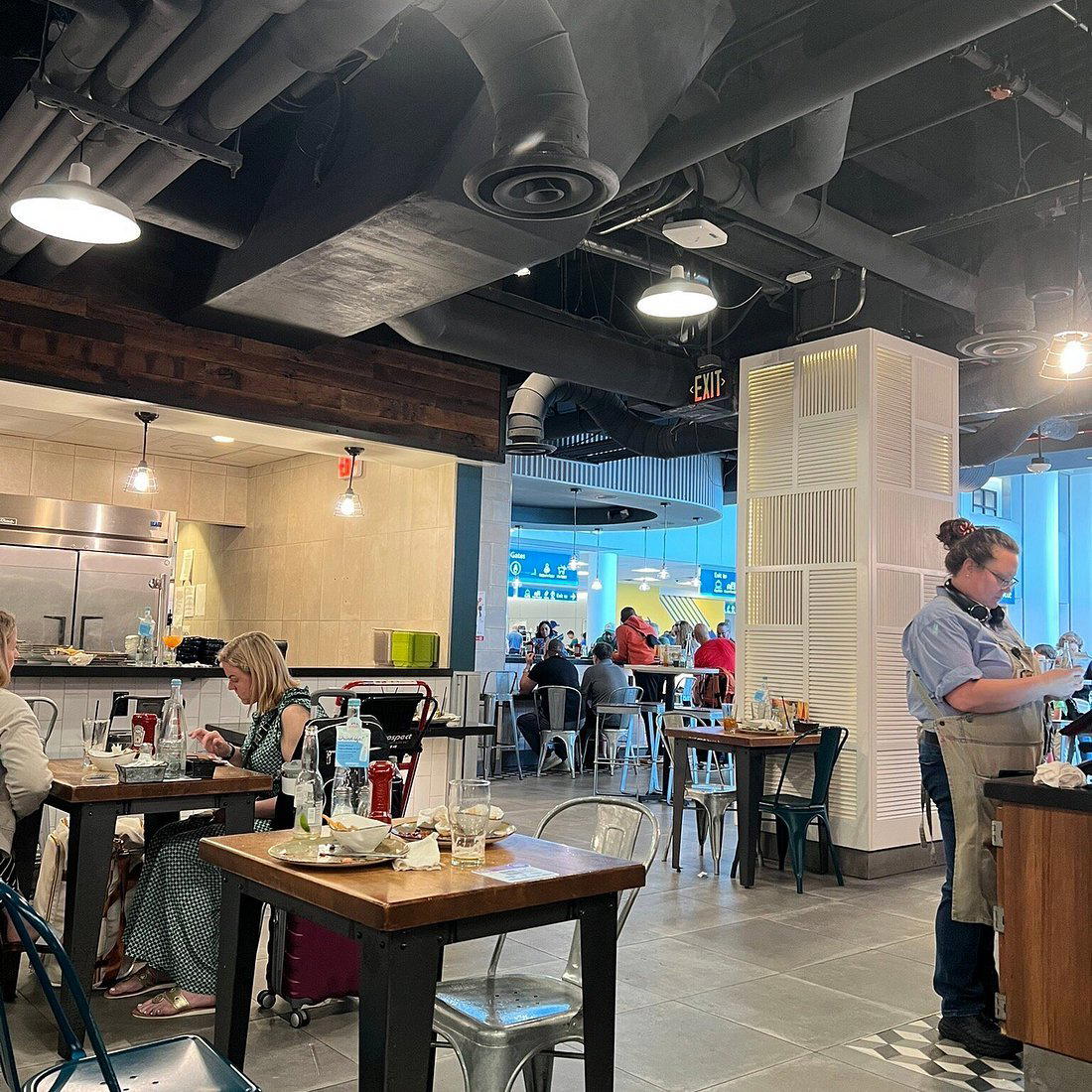
Airport Dining in Charlotte Has a Context Problem
American airport food has long operated on a simple premise: captive audience, compressed time, lowered expectations. The structural logic of terminal dining pushes nearly every venue toward high throughput and low friction, which means most travelers at Charlotte Douglas International Airport face the same abbreviated menu of grab-and-go sandwiches and sports bar predictability they would encounter at any comparable hub. Against that backdrop, 1897 Market is a market-format restaurant at 5501 Josh Birmingham Pkwy in Charlotte, North Carolina.
Charlotte's broader dining scene has been reshaping itself over the past decade. Venues like Customshop have established that the city can support contemporary fine dining at the $$$ tier, while the New American register has found a foothold through operators like 204 North Kitchen & Cocktails. Southern-inflected formats, from the steakhouse variation at Supperland to the gallery-adjacent dining at Gallery Restaurant, reflect a city that has moved past regional cliché toward something more considered. What has been slower to follow is the airport perimeter, which still lags the city proper in both ambition and execution. 1897 Market is one of the few venues in that geography attempting to close the gap.
What the Name Implies About the Format
Market-format dining in the United States follows a recognizable architecture. The model, popularized in urban food halls from Atlanta to Seattle, disaggregates a traditional restaurant into stations or counters: proteins handled separately from sides, a broader selection at each node, less rigidity about the sequence in which you eat. The year 1897 as a naming device places the concept in a register of American market history, evoking the kind of general-store abundance that preceded the supermarket era. Whether the format fully honors that reference or uses it loosely as brand texture is a question the menu itself would answer, but the structural implication is clear: this is not a single-concept, single-throughline kitchen.
That matters for a traveler making a decision under time pressure. A market structure allows for faster calibration. You scan the offer across multiple stations, identify what suits your window, and commit without negotiating a full menu. For a departure-side venue at a major hub, that architecture is genuinely better suited to the context than a traditional seated format. The design premise, if executed well, removes the principal anxiety of airport dining: the question of whether you have enough time to order, eat, and still make the gate.
Charlotte Douglas as a Dining Geography
Charlotte Douglas International processes tens of millions of passengers annually, making it one of the busiest airports in the American Southeast. The Josh Birmingham Parkway address places 1897 Market in the immediate airport corridor, a geography that functions differently from either the city center or the airport's landside terminal. Travelers coming from uptown Charlotte, where Aura Rooftop and BAKU anchor the premium end of the dining spectrum, are crossing into a different register when they reach this corridor.
The comparison set for a venue at this address is not the fine dining tier of uptown Charlotte or the white-tablecloth southern American formats that venues like Angeline's represent. It is more usefully compared to airport-adjacent market concepts in other hub cities, or to the better hotel dining that occasionally appears in this kind of in-between geography. At the national level, the gap between what a traveler can eat at an airport-adjacent venue and what a city's leading operators are producing has narrowed most sharply at airports that have actively recruited chef-driven concepts. Charlotte Douglas has not reached that tier yet, placing 1897 Market in a context where the bar is lower but the opportunity is correspondingly clearer.
Menu Architecture and What It Signals
The editorial logic of the market format itself does the work of framing expectations. Market-style venues at this address and price geography in American cities typically organize around a few load-bearing categories: proteins (often roasted, carved, or smoked), sides in the Southern or Mid-Atlantic tradition, and a grab-and-go component for travelers who cannot commit to seated time. The name's historical register suggests the sides and provisions may carry more weight than in a standard cafeteria format, leaning toward market staples rather than fast-casual shortcuts.
For context on what serious market-format dining can look like at the high end of the American spectrum, venues like Blue Hill at Stone Barns in Tarrytown have demonstrated that the farm-to-table sourcing logic can be built into a multi-station format without losing coherence. At the opposite end of the formality register, the comparison is more instructive: the question for a venue like 1897 Market is whether the market architecture is used to give the kitchen flexibility and the guest agency, or whether it is simply a thematic frame over a conventional cafeteria operation. The answer to that question is what separates a useful stop from a forgettable one.
How 1897 Market Sits in Charlotte's Broader Scene
Charlotte's dining conversation tends to happen in the uptown corridor and in neighborhoods like South End and NoDa, where the independent restaurant density is highest. The airport perimeter rarely enters that conversation, which means venues in the Josh Birmingham corridor operate with less critical scrutiny and less word-of-mouth infrastructure than their city-center peers. That relative obscurity cuts both ways: it insulates average operators from accountability, but it also means that a venue genuinely doing something well in this geography is likely to be underreported relative to its actual quality.
For a fuller picture of what Charlotte's dining scene is producing across all neighborhoods, the EP Club Charlotte restaurants guide maps the city's current offer from the formal end, including Afternoon Tea at Ballantyne at the hotel-dining tier, through to the more casual formats that define everyday eating in the city's growing neighborhoods. The restaurant occupies a different node in that map, one defined by geography and format rather than ambition tier, but a node that matters for the significant share of Charlotte visitors whose engagement with the city begins and ends at the airport perimeter.
For those planning longer visits and seeking reference points for what serious American dining looks like nationally, the EP Club covers the full range from Le Bernardin in New York City and Alinea in Chicago to West Coast operators like Lazy Bear in San Francisco, Providence in Los Angeles, and Addison in San Diego, as well as farm-driven formats like Single Thread Farm in Healdsburg. Southern cooking's more formal expressions are tracked through venues like Emeril's in New Orleans. For destination dining, The French Laundry in Napa, The Inn at Little Washington, and Atomix in New York City remain reference points, with international names like 8 1/2 Otto e Mezzo Bombana in Hong Kong providing a broader frame.
Planning Your Visit
The restaurant is located at 5501 Josh Birmingham Pkwy in Charlotte, placing it in the immediate airport corridor and most accessible to travelers either arriving or departing via Charlotte Douglas International. Given the market format, which favors self-pacing over reservation-led timing, walk-in access is likely the operative model here.
Accolades, Compared
Comparable venues nearby, for context on price, style, and recognition.
| Venue | Cuisine | Price | Notes |
|---|---|---|---|
| 1897 MarketThis venue — the venue you are viewing | Dining | Not listed | Not listed |
| Basil Thai Charlotte | Refined Thai Cuisine | $$ | Uptown |
| Hawkers Asian Street Food | Dining | $$ | Brookhills |
| Dolce Osteria | Authentic Italian Trattoria | $$ | Dilworth |
| 204 North Kitchen & Cocktails | New American | $$$ | Uptown |
Continue exploring
More in Charlotte
Restaurants in Charlotte
Browse all →
Bars in Charlotte
Browse all →
At a Glance
- Modern
- Energetic
- Trendy
- Industrial
- Business Dinner
- Group Dining
- Solo
- Casual Hangout
- Open Kitchen
- Design Destination
- Standalone
- Craft Cocktails
- Beer Program
- Local Sourcing
Current opening hours
- Monday
- 6 AM–10 PM
- Tuesday
- 6 AM–10 PM
- Wednesday
- 7 AM–10 PM
- Thursday
- 6 AM–10 PM
- Friday
- 6 AM–10 PM
- Saturday
- 6 AM–10 PM
- Sunday
- 6 AM–10 PM
Hours can change for holidays and private events. Last verified .
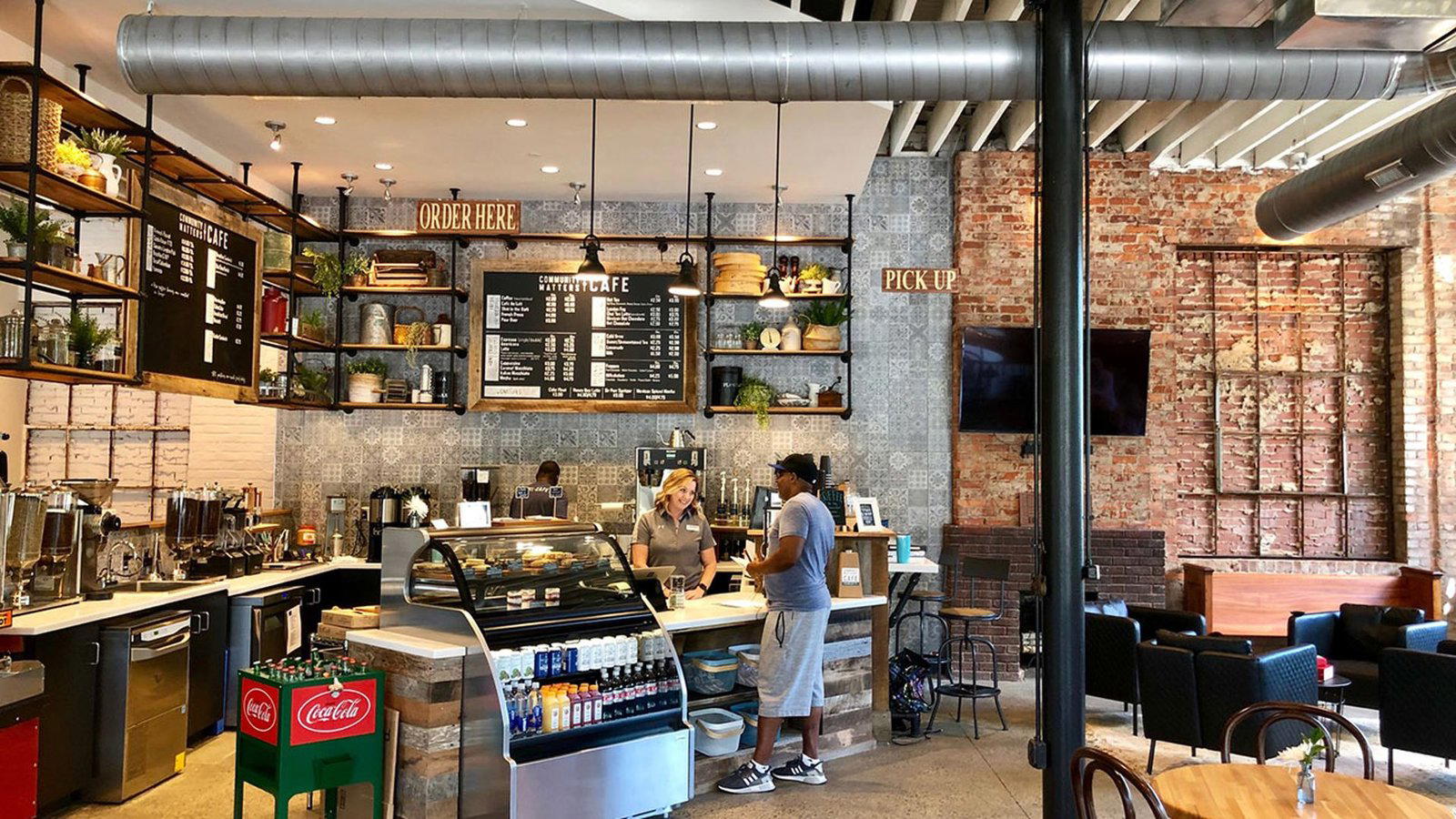
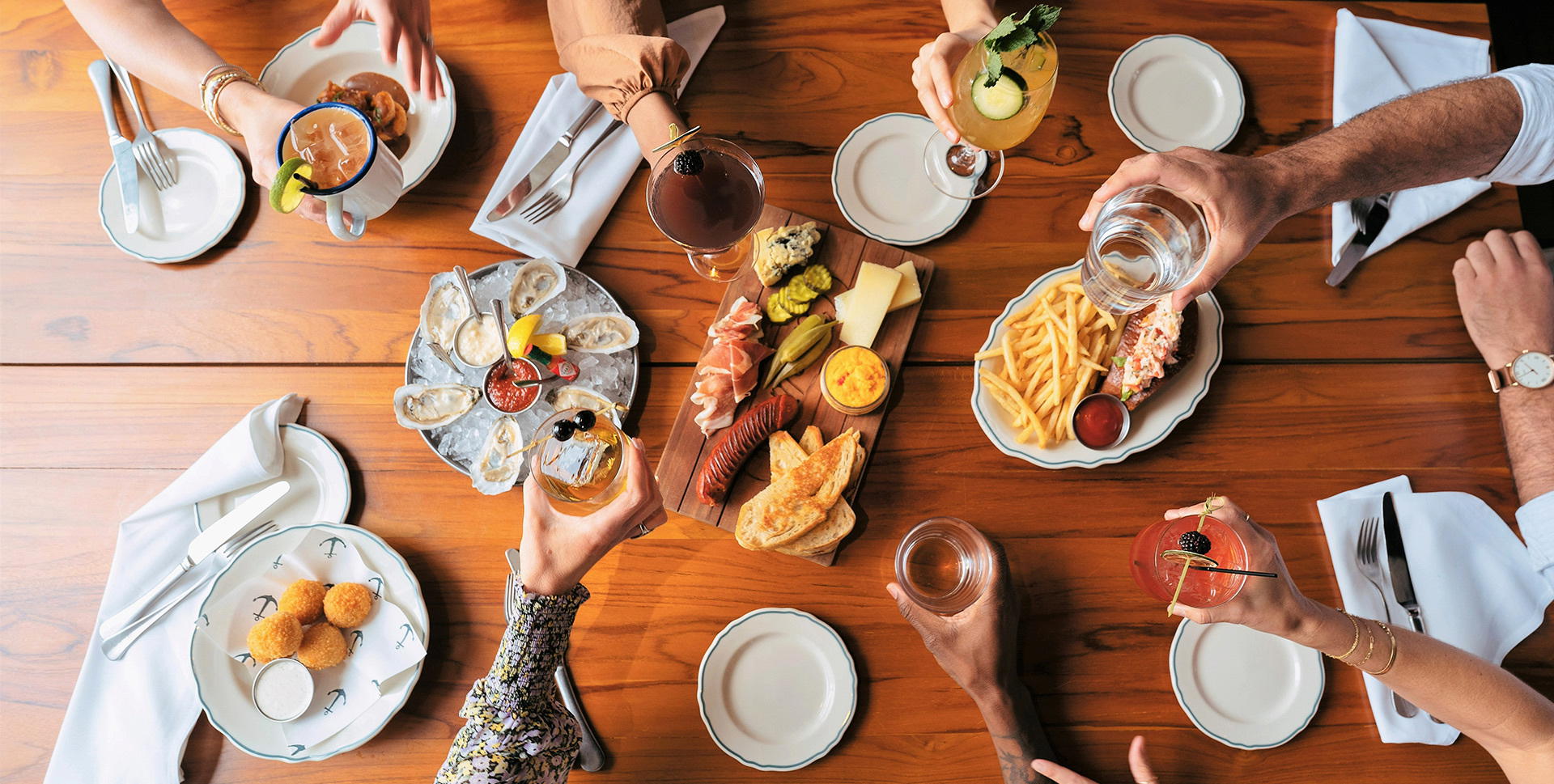
A busy, airport-market atmosphere with an urban-gourmet feel, featuring a raw bar, open/exhibition kitchen, woodstone pizza oven, and a lively yet polished dining room.