

Haranita brings Asian fusion cooking to Madrid's Centro district, earning back-to-back recognition from Opinionated About Dining in 2024 and 2025. Under chef Fernando Moreno, the kitchen navigates pan-Asian reference points with a European sensibility, positioning Haranita within a city that has made room for serious casual dining alongside its fine-dining tier..
Pearl is the En Primeur Club membership app — saves, bookings, and concierge access live there. Same editors, same standards.
- Address
- C. de Víctor Hugo, 5, Centro, 28004 Madrid, Spain
- Phone
- +34 652 60 37 06
- Website
- haranita.com
- Directions
- Get directions
 Saves & bookings on Pearl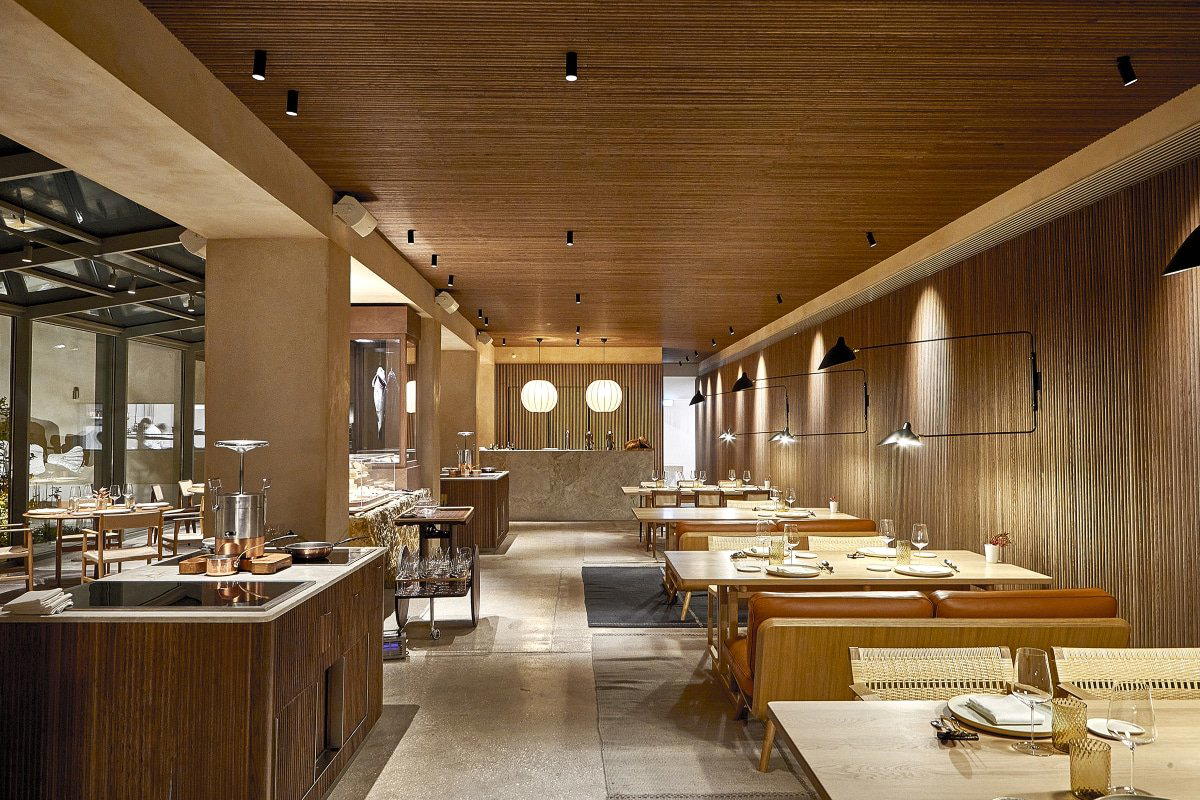
A Casual Counter in a City That Takes Dining Seriously
Madrid's Centro district does not typically announce itself as the setting for considered Asian cooking. The streets around Chueca and Malasaña draw crowds for their neighbourhood bars and Spanish kitchens, and international cuisine here has long operated in the background, filling a practical gap rather than making a culinary argument. Haranita, on Calle de Víctor Hugo, sits in that context and pushes against it. The restaurant has earned back-to-back placement on the Opinionated About Dining Casual Europe list, ranked 667th in 2024 and climbing to 581st in 2025.
That OAD recognition carries weight in this context. The Opinionated About Dining survey draws from a pool of frequent, experienced diners rather than a single editorial board, which makes consistent improvement across consecutive years a meaningful signal. For a casual Asian fusion address in a city where the conversation about serious dining is dominated by Spanish creative kitchens, appearing twice on that list places Haranita in a wider dining context.
Where Haranita Sits in Madrid's Dining Hierarchy
Madrid's upper tier is anchored by Spanish creative cooking. Restaurants like DiverXO, with three Michelin stars and a progressive Asian-Spanish idiom, Coque, and Deessa operate in the €€€€ bracket with tasting menus and formal service structures. DSTAgE and Paco Roncero occupy similar territory. Haranita operates in a different register entirely: casual format, Asian reference points, and a price positioning that keeps it accessible relative to that tasting-menu tier. The gap between those two worlds in Madrid has historically been wide, with little serious mid-market cooking landing between a neighbourhood bar and a Michelin-starred room. Haranita occupies that middle ground and does so with enough consistency to attract repeat OAD recognition.
The Asian fusion category carries its own complications in a European city. Done carelessly, it defaults to a pan-Asian grab-bag with no coherent culinary logic. Done with intent, it can draw from specific regional traditions, Japanese knife technique, Korean fermentation, Southeast Asian spice frameworks, while placing them in conversation with European produce and palate expectations. Chef Fernando Moreno's kitchen at Haranita works within that second approach. The sustained reviewer recognition across two consecutive years points to a menu with structural coherence rather than novelty-driven improvisation.
For a wider picture of how Asian fusion cooking is being handled at the serious end of the European casual market, Dos Palilos in Barcelona offers an instructive comparison, anchoring its menu in Japanese izakaya tradition with Spanish ingredients. Aalto in Milan takes a different path through a more Scandinavian-Asian axis. Haranita's Madrid positioning is its own proposition, shaped by a city that brings strong Spanish produce logic to whatever kitchen it encounters.
The Chef and the Context
The editorial angle around chef Fernando Moreno matters here, but not as a biographical narrative. What counts is what his presence implies about the kitchen's ambitions. In a casual format, the chef's hand is often more visible than in a large brigade operation: the menu is shorter, the sourcing decisions are more direct, and the cooking style more legible. A restaurant like Haranita, operating without the institutional infrastructure of a hotel group or a multi-restaurant empire, stands or falls on the consistency of its kitchen leadership. Two years of OAD recognition suggest that consistency is present.
Spain's broader restaurant culture provides useful context for understanding what kind of chef builds a casual Asian fusion address in Madrid rather than pursuing a Spanish creative tasting menu. The country's serious dining has long been dominated by the Basque and Catalan traditions. Restaurants like Arzak in San Sebastián, Azurmendi in Larrabetzu, Martin Berasategui in Lasarte-Oria, El Celler de Can Roca in Girona, Cocina Hermanos Torres in Barcelona, and Aponiente in El Puerto de Santa María define what the high end of Spanish cooking looks like internationally. Choosing to work outside that tradition, in a casual format with an Asian reference frame, is a deliberate positioning decision. It signals a kitchen more interested in a specific culinary argument than in accumulating formal recognition through the Spanish fine-dining route.
Reading the Numbers
Haranita holds. That volume matters as much as the score: more than 600 data points from general diners represents a broad sample that smooths out outlier experiences in either direction. A 4.5 across that volume is a reliable indicator of consistent delivery rather than a handful of notable meals inflating the average. Combined with two consecutive OAD Casual Europe placements, the picture is of a kitchen that performs reliably across a range of diner types, from casual neighbourhood visitors to the more demanding survey respondents who contribute to OAD rankings.
The improvement from rank 667 to rank 581 between 2024 and 2025 is worth noting not as a trophy but as a directional signal. OAD rankings shift based on accumulated survey data, so upward movement generally reflects either an expanding base of informed diners discovering the restaurant or an improvement in kitchen output, or both. Either reading is positive for a casual address in a city where the conversation about quality dining defaults quickly to the fine-dining tier.
Know Before You Go
Address: C. de Víctor Hugo, 5, Centro, 28004 Madrid, Spain
Cuisine: Asian Fusion
Chef: Fernando Moreno
Recognition: Opinionated About Dining Casual Europe, ranked #581 (2025), #667 (2024)
5 from 493 reviews
Price: around $25 per person. Hours: Mon closed; Tue to Thu 1:30 to 5 PM and 7:30 to 11 PM; Fri and Sat 1:30 to 11 PM; Sun closed. Booking: walk-ins are welcome.
Explore more: Full Madrid restaurants guide | Madrid hotels | Madrid bars | Madrid wineries | Madrid experiences
Nearby-ish Comparables
Comparable venues nearby, for context on price, style, and recognition.
| Venue | Cuisine | Price | Notes |
|---|---|---|---|
| HaranitaThis venue — the venue you are viewing | Asian Fusion Bao and Dim Sum | $$ | Not listed |
| Babel Terraza Restaurante | Modern Fusion International | $$ | Corralejos |
| Canaima Grill Fusión | Venezuelan Fusion Grill | $$ | Butarque |
| Nakeima | Asian-Iberian Fusion Omakase | $$$ | Gaztambide |
| Bolboreta | Modern Market Fusion Bistro | $$$ | Lavapies |
| El Social | International Fusion | $$ | Chueca |
Recognition history
Dated appearances from independent guides and award organizations, with the underlying list record or original source where available.
Macarfi 7.3 Food Rating
Macarfi
Opinionated About Dining Casual in Europe Recommended
Opinionated About Dining
Opinionated About Dining Casual in Europe Ranked #581
Opinionated About Dining
Opinionated About Dining Casual in Europe Ranked #667
Opinionated About Dining




At a Glance
- Trendy
- Lively
- Modern
- Cozy
- Date Night
- Casual Hangout
- Group Dining
- Open Kitchen
- Craft Cocktails
Current opening hours
- Monday
- Closed
- Tuesday
- 1:30–5 PM, 7:30–11 PM
- Wednesday
- 1:30–5 PM, 7:30–11 PM
- Thursday
- 1:30–5 PM, 7:30–11 PM
- Friday
- 1:30–11 PM
- Saturday
- 1:30–11 PM
- Sunday
- Closed
Hours can change for holidays and private events. Last verified .
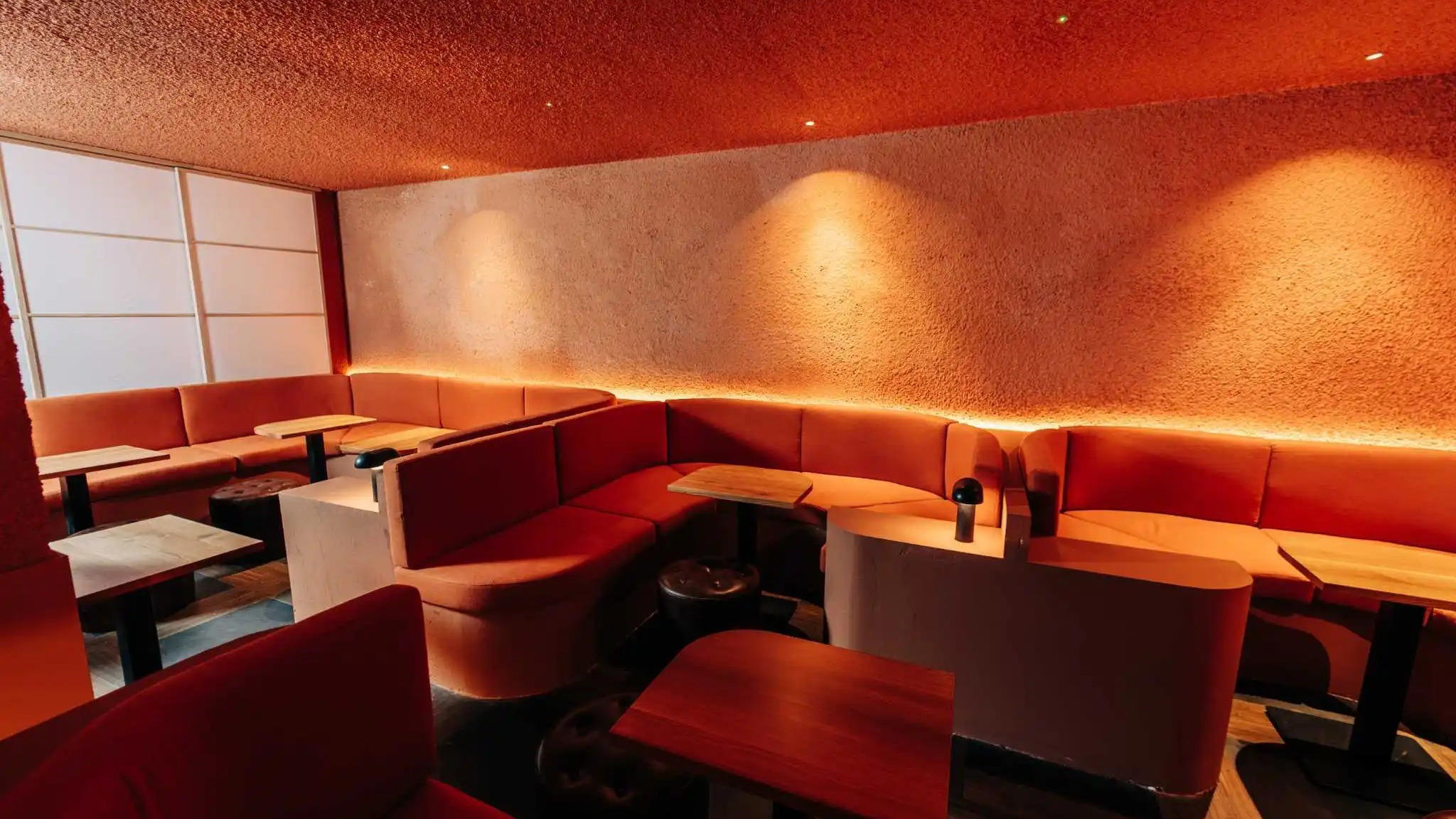
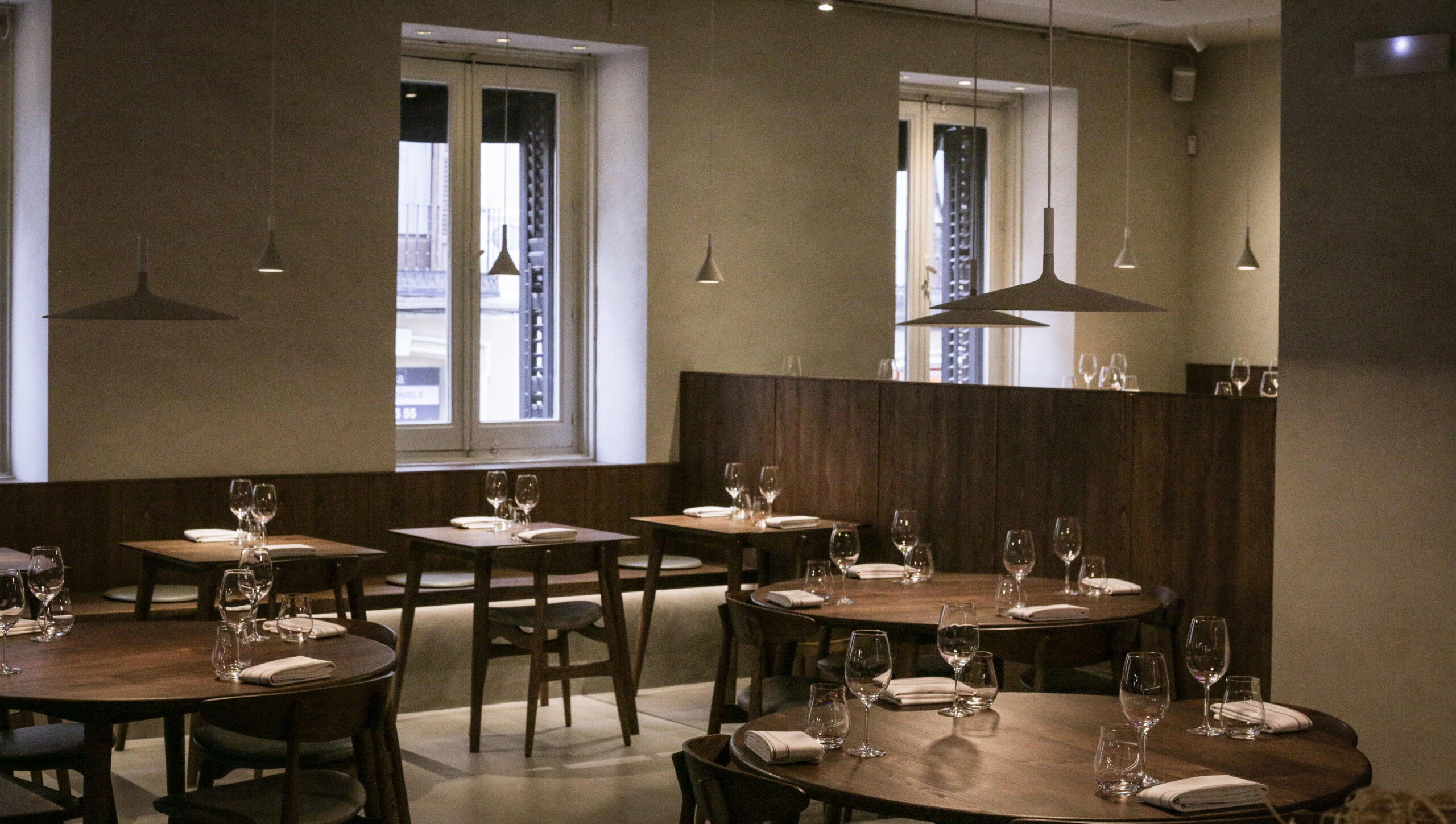
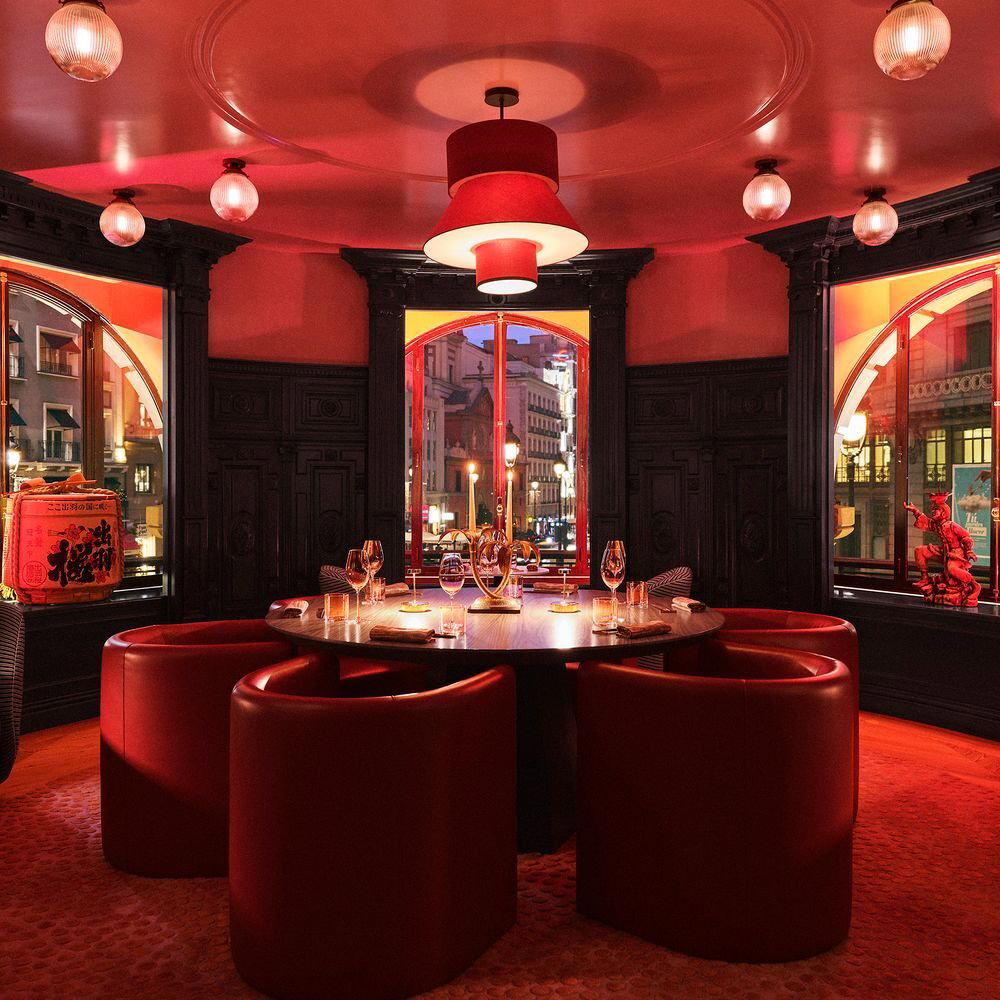
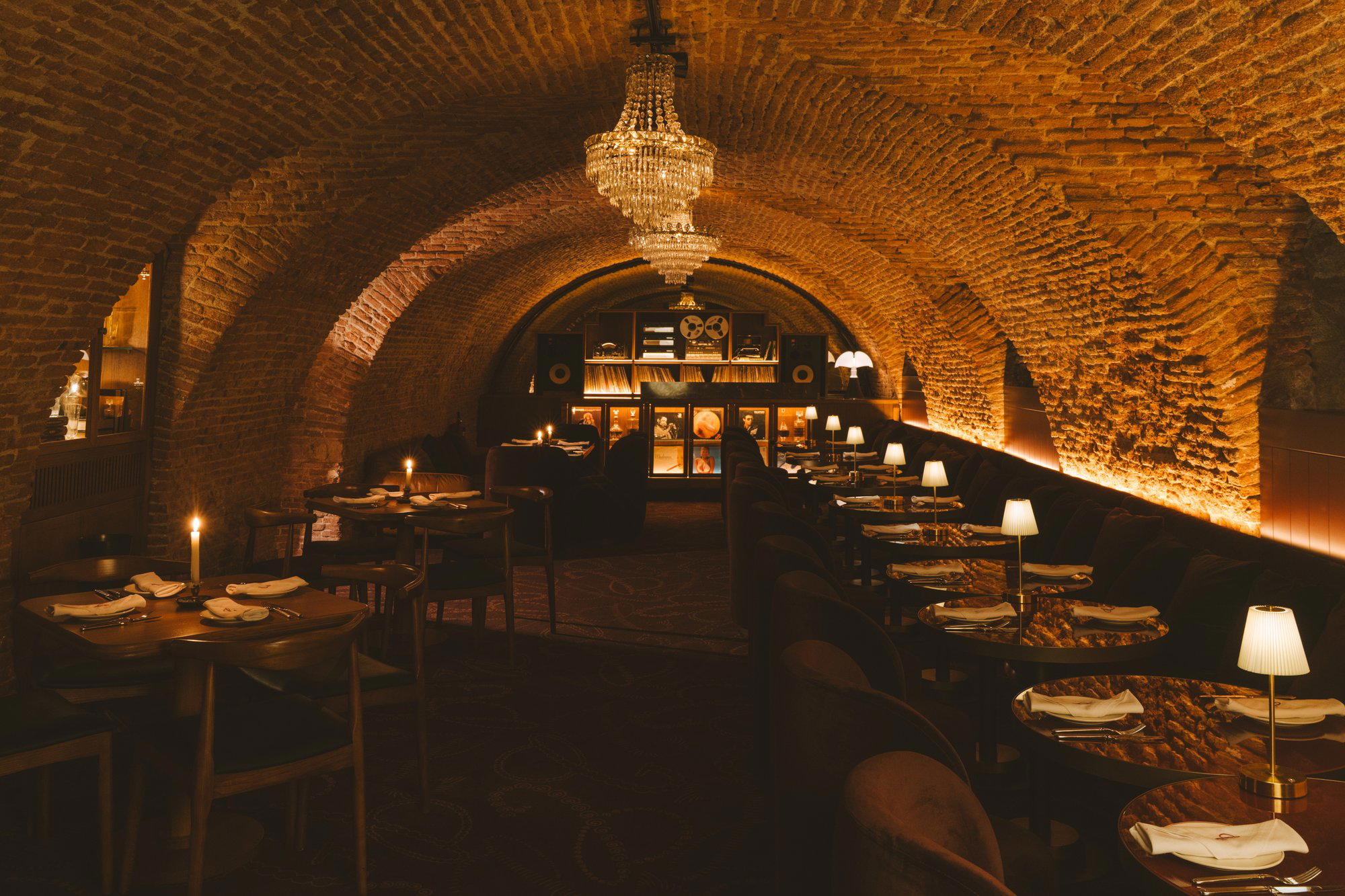
Casual and lively with cool vibes, cozy setting, open kitchen, though some note it can be cold.