

Star Wine List · White Guide Nordic Restaurants - Very Fine Level
Our verdict
Happolati at St. Olavs Plass sits at an unusual intersection in Oslo's restaurant scene: Asian culinary technique applied to Scandinavian ingredients, producing a format that has earned consecutive Star Wine List top rankings every year from 2020 through 2025. The wine program has become a reference point among Oslo's serious dining addresses, while the cooking draws from two distinct traditions without fully belonging to either.

Pearl is the En Primeur Club membership app, where members save venues, book tables and use the concierge.
The menu
What to order
- Crispy Pigs Ear with Ramson Crème
- Dumplings
- Bao dessert
Where Two Culinary Traditions Share a Room
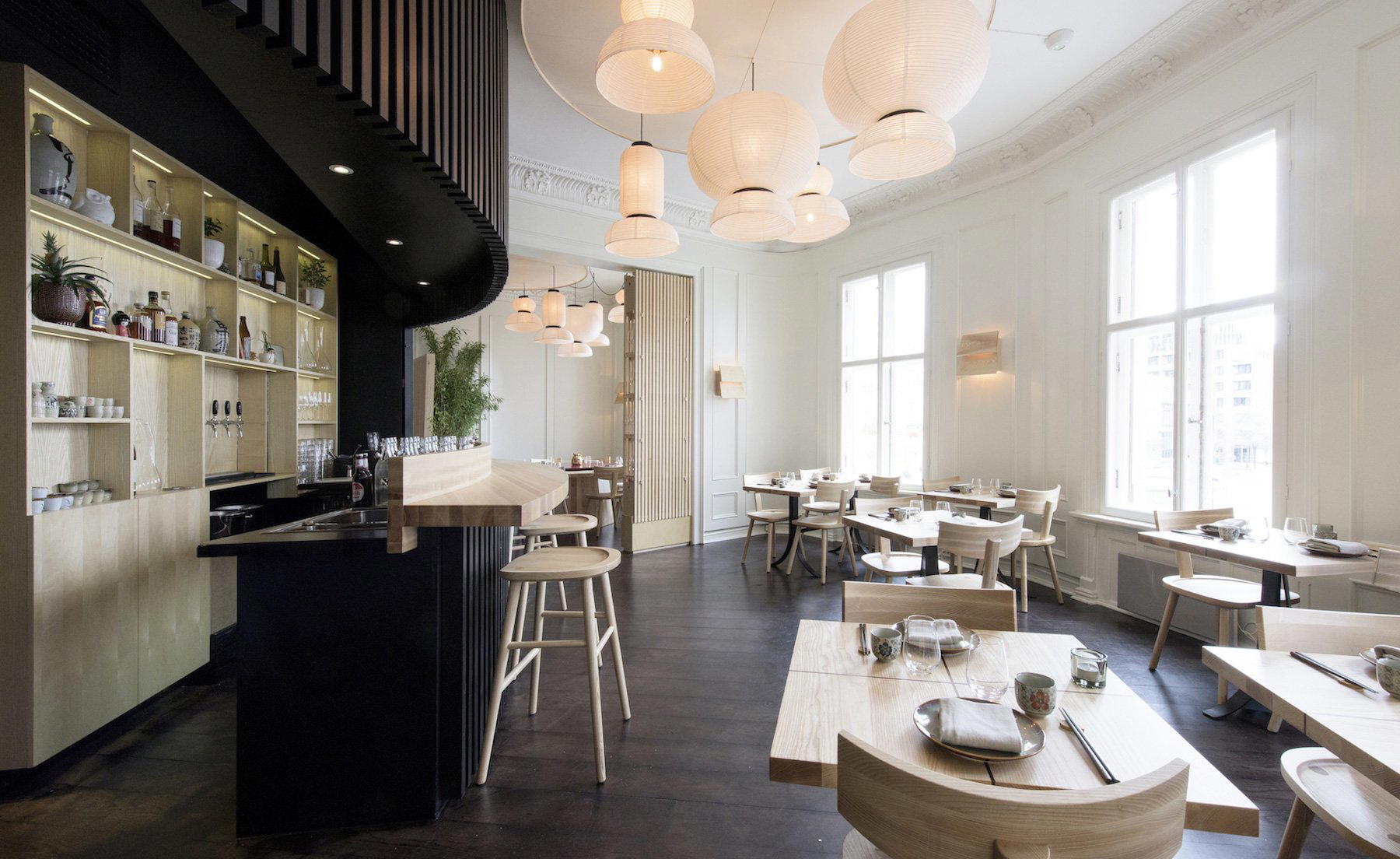
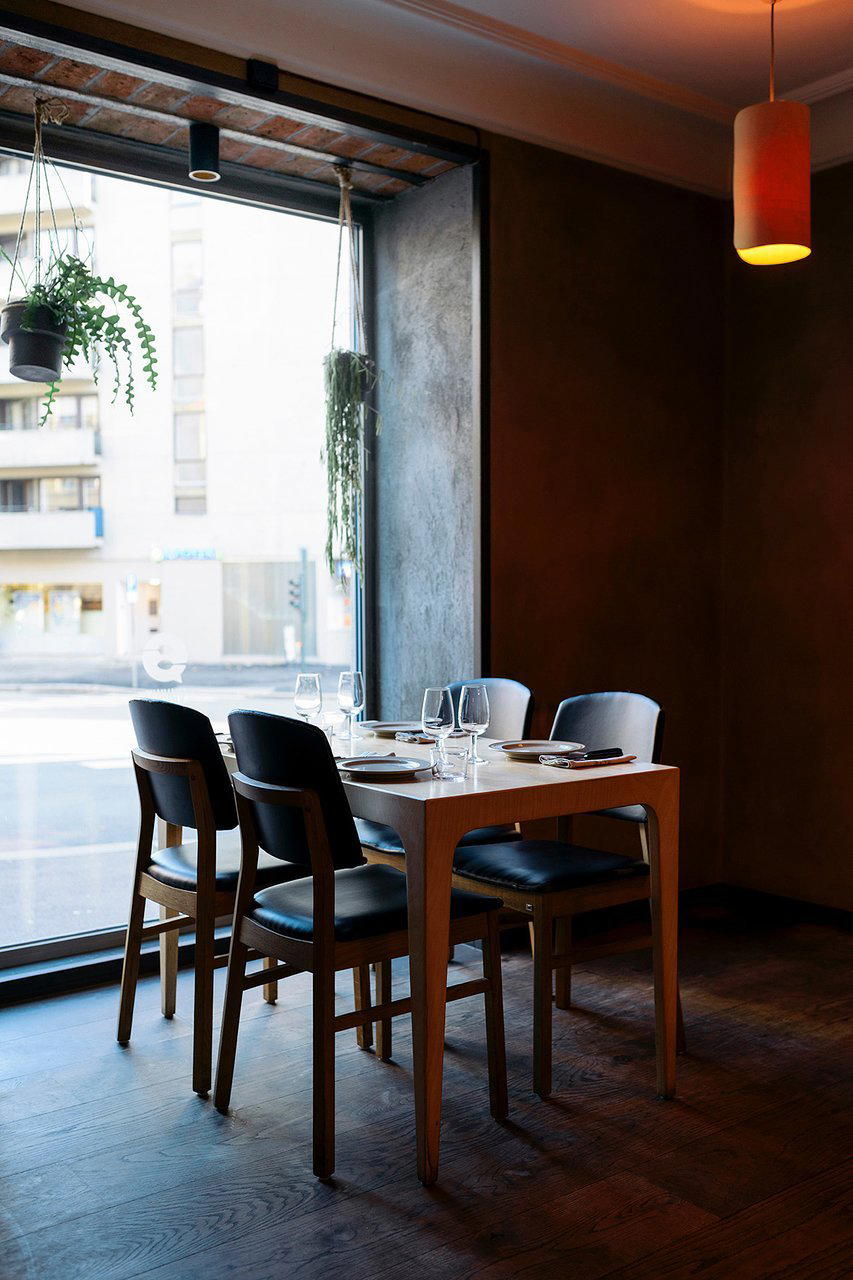
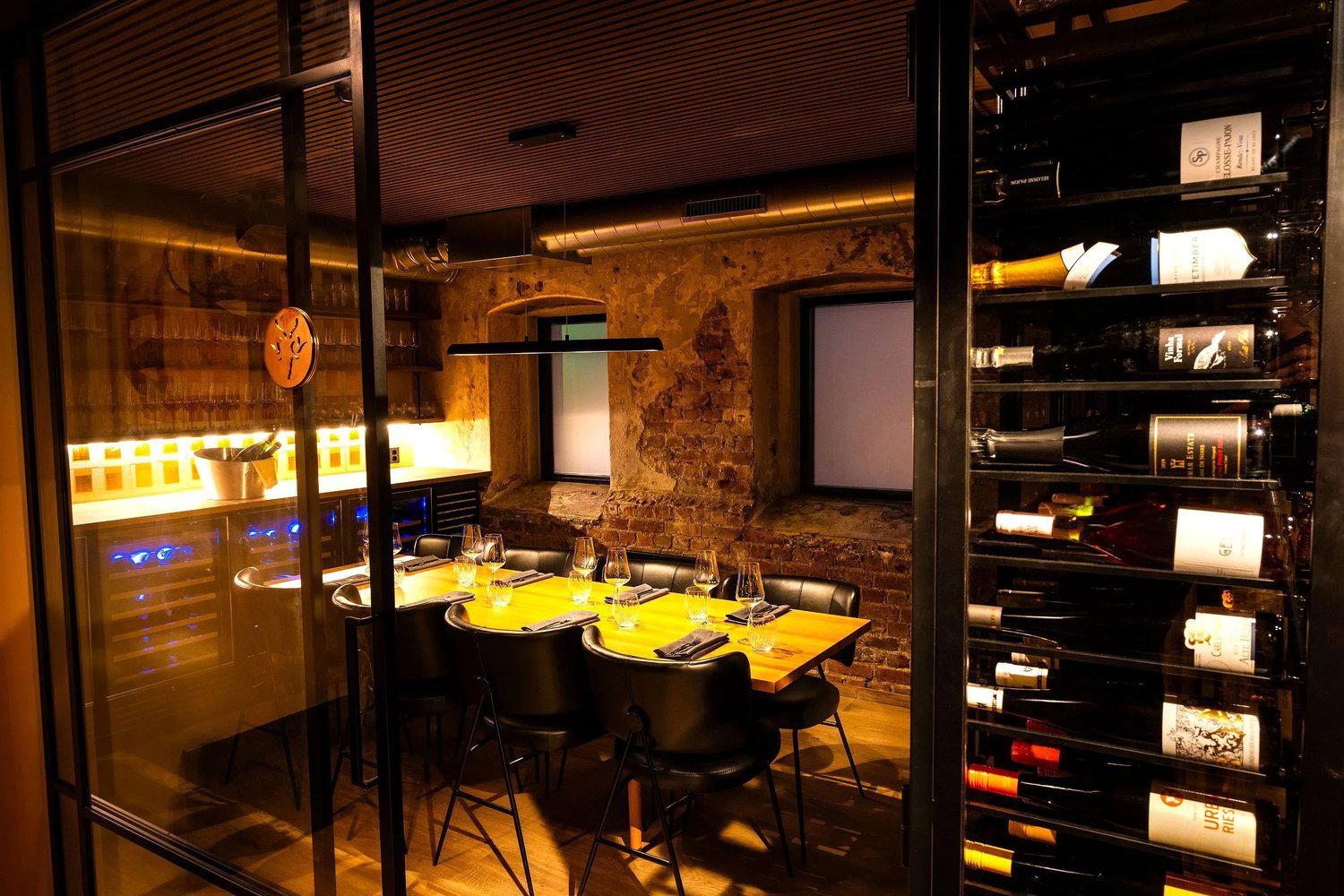
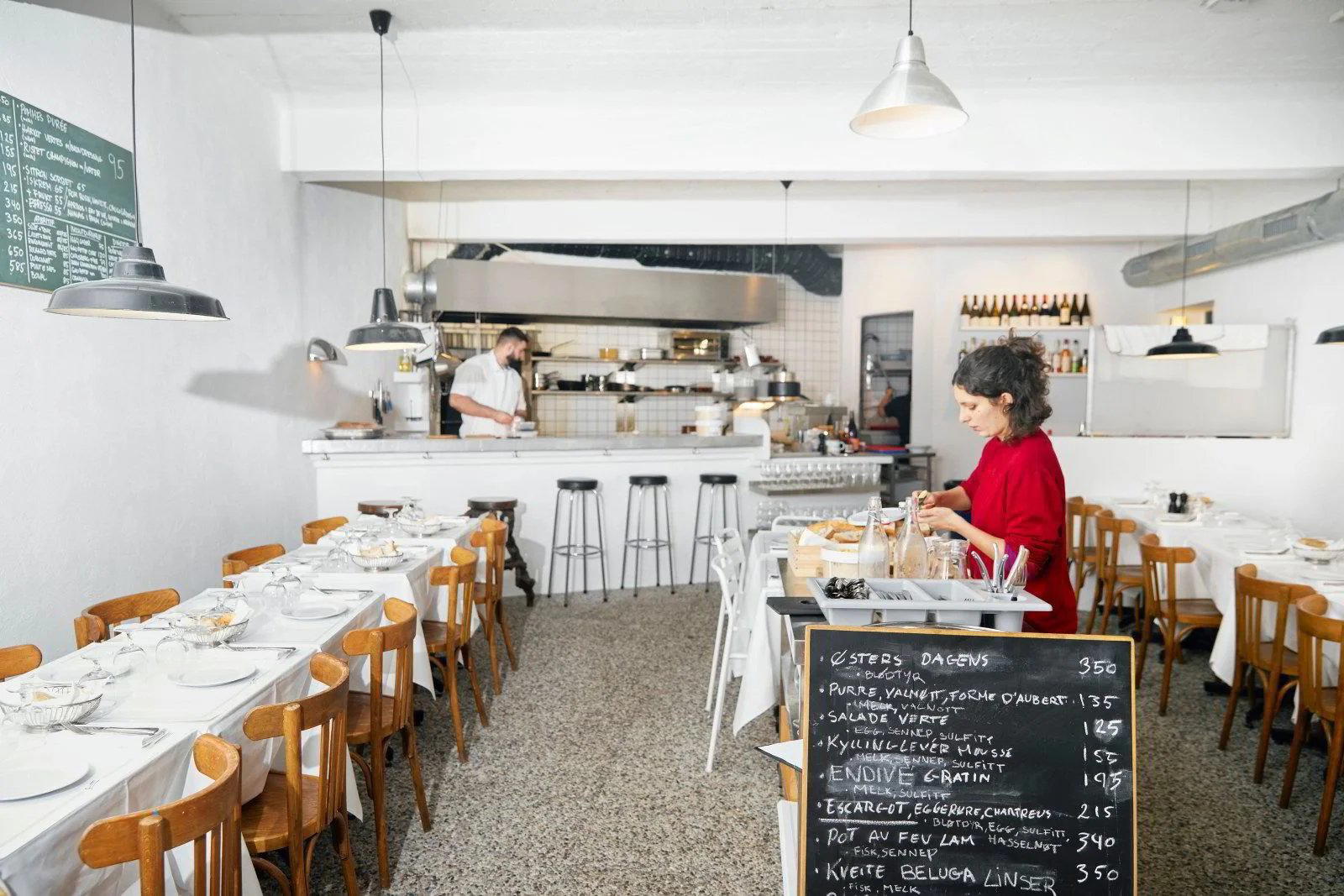
The first signal at Happolati, on St. Olavs Plass in central Oslo, is visual disorientation of a productive kind. The interior reads as Asian, then Scandinavian, then refuses to settle. That ambiguity is not a design accident: it signals a kitchen that operates at the intersection of East Asian technique and Nordic produce, a combination that positions Happolati outside the main lanes of Oslo's dining scene and closer to a small international cohort of restaurants treating cross-cultural cooking as a structural premise rather than a garnish.
Oslo has spent the last fifteen years building a reputation largely on the New Nordic template, with addresses like Maaemo and Kontrast anchoring the city's fine-dining identity around foraged ingredients, hyperlocal sourcing, and restrained Nordic aesthetics. Happolati operates on the same Scandinavian ingredient base but applies imported methods from East Asian cooking traditions, producing a format that doesn't slot neatly into the New Nordic category. That distinction matters when you're choosing where to eat: this is not another iteration of the same Nordic story.
The Technique-Ingredient Dynamic
The broader conversation in serious cooking over the past decade has circled the question of what happens when non-Western technique meets Western produce. In some cities, the result is fusion in the pejorative sense, surface-level borrowing that flattens both traditions. The more interesting version, practiced at a handful of places globally, treats technique as genuinely transferable and asks what a Japanese or Korean or Southeast Asian approach reveals about a Norwegian ingredient that a classical French or Nordic lens would not. Happolati appears to operate in that second register, using Asian frameworks not as decoration but as a different way of reading the same Nordic pantry.
This is the same tension that animates restaurants in other contexts. Le Bernardin in New York City built its entire identity around French technique applied to Atlantic seafood. Emeril's in New Orleans worked the other direction, pressing Creole tradition through fine-dining structure. The common thread is that imported methodology reshapes what local ingredients can say. At Happolati, the Nordic larder, with its emphasis on preserved fish, cold-climate vegetables, and foraged aromatics, is apparently the raw material for a conversation conducted partly in an Asian culinary language. The result sits closer to this international frame of reference than to what you'd expect walking into a conventional Oslo tasting-menu room.
The Wine Program as a Primary Text
Happolati's most documented and verifiable strength is its wine list. Star Wine List, which rates and ranks wine programs at restaurants across Europe, has placed Happolati in its leading three Oslo rankings every single year from 2020 through 2025, including the number-one position in 2020, 2021, 2022, 2023, and 2025. That is not the record of a wine list that coasts on a good opening selection: sustained top-of-list recognition over five consecutive years requires active curation, coherent structural thinking, and the kind of ongoing investment that most restaurants redirect toward kitchen budgets.
In the context of Oslo dining, a wine program of this documented caliber functions as a primary draw rather than a supporting element. The city's serious wine culture has grown significantly alongside its restaurant scene, and addresses with genuine list depth have become a distinct dining category. Happolati sits at the top of that tier locally, its wine credentials more documented and consistent than those of most addresses in Norway. For a table where wine is as important as the plate, this is the relevant data point.
For broader reference on the Norwegian dining scene, addresses like RE-NAA in Stavanger, FAGN in Trondheim, and Under in Lindesnes define the wider range of serious Norwegian cooking outside Oslo, while Gaptrast in Bergen, Iris in Rosendal, and Boen Gård in Tveit extend the map further. Happolati's wine recognition is distinctive even in that national company.
Where Happolati Sits in Oslo's Dining Tier
Oslo's restaurant scene has stratified clearly. At the leading sits the extended-tasting-menu tier anchored by Maaemo's three Michelin stars and Kontrast's sustained Nordic-produce focus. Below that, a mid-fine-dining band of creative restaurants, including Hot Shop and Bar Amour, has grown more interesting in recent years. Mon Oncle holds down the French-influenced end of the mid-market.
That niche matters for the reader making a dining decision. If your priority is a deep expression of New Nordic cooking in a formal tasting format, Maaemo or Kontrast are the reference points. If you want a creative address operating at a different angle on the same Scandinavian raw material, with a wine program that has earned external validation year after year, Happolati presents a different and specific case.
Practical Notes for Planning
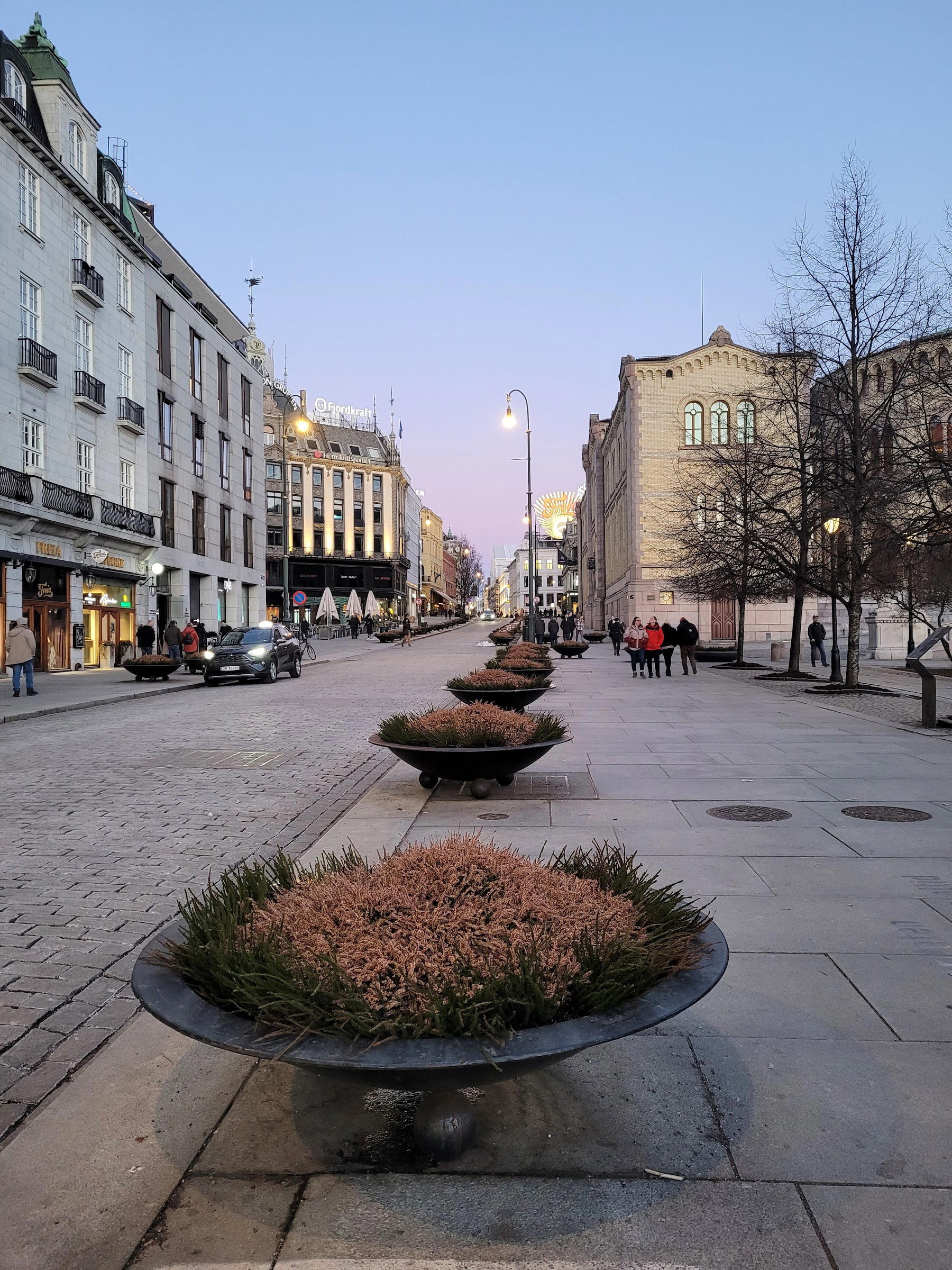
Happolati is located at St. Olavs Plass 2, 0165 Oslo, in the St. Hanshaugen district, within walking distance of central Oslo. Given the wine program's consistent high-profile recognition, booking ahead is advisable, particularly for weekend evenings when the combination of food and wine draws a full room. Direct booking through the restaurant's own channels is the standard approach for addresses of this type in Oslo; checking the restaurant's current website for availability and any menu changes before your visit is the safest way to confirm current format and pricing. For further context on Oslo's dining, drinking, and hotel options, see our full Oslo restaurants guide, Oslo bars guide, Oslo hotels guide, Oslo wineries guide, and Oslo experiences guide.
Frequently asked questions
What's Happolati known for in terms of accolades?
Happolati has received recognition including: When entering this restaurant in central Oslo, you immediately think that it has to be something Asian, but the interiors also give promises of something Scandinavian. Both are true: the menus – both...; Star Wine List #1 (2025); Star Wine ….
Where exactly is Happolati?
Happolati is located at St. Olavs Plass 2, 0165 Oslo, Norway, Oslo.
What's the signature dish at Happolati?
The kitchen's documented identity, however, is built around applying Asian culinary technique to Scandinavian produce, a combination the Star Wine List panel has consistently recognized since 2020 as part of what makes Happolati worth a seat. Expect that framing to shape every plate.
What's the best way to book Happolati?
Happolati is located at St. Olavs Plass 2, 0165 Oslo. A restaurant that has held a Star Wine List number-one Oslo ranking consecutively from 2020 through 2025 draws a committed regular crowd, so booking ahead rather than walking in is the practical approach.
What is Happolati known for?
Happolati is known in Oslo for two things operating simultaneously: a kitchen format that places Asian technique alongside Scandinavian ingredients, and a wine program that Star Wine List has ranked at or near the top in Oslo every year from 2020 to 2025, including the number-one position in 2025. The combination gives the restaurant a profile distinct from both the extended-tasting-menu tier and straightforward natural wine bars.
Can Happolati handle vegetarian requests?
Oslo's serious dining tier, particularly restaurants with the wine program depth Happolati has demonstrated, generally builds flexibility into service, but it is worth confirming directly with the restaurant at St. Olavs Plass 2 before visiting.
At-a-Glance Comparison
| Venue | Cuisine | Price | Awards | Notes |
|---|---|---|---|---|
| HappolatiThis venue (the venue you are viewing) | Nordic-Asian Fusion | $50–100 | Star Wine List · White Guide Nordic Restaurants - Very Fine Level | Not listed |
| Maaemo | New Nordic Fine Dining | $300–500 | 3 Michelin Stars · World's 50 Best #47 | New Nordic, Modern Cuisine |
| Kontrast | Modern Nordic Fine Dining | $200–300 | 2 Michelin Stars · La Liste Top Restaurants | New Nordic, Scandinavian |
| Hot Shop | Modern Nordic Tasting Menu | $100–150 | 1 Michelin Star · Star Wine List | New Nordic, Modern Cuisine |
| Statholdergaarden | Classic Norwegian-French Fine Dining | $200–300 | 1 Michelin Star · La Liste Top Restaurants | Modern European, Classic Cuisine |
| Arakataka | Modern Nordic | $50–100 | Michelin Plate · Star Wine List | Not listed |
Recognition history
Dated appearances from independent guides and award organizations, with the underlying list record or original source where available.
Star Wine List
Star Wine List
White Guide Nordic Restaurants - Very Fine Level
White Guide
Full recognition history (8 entries)
Star Wine List
Star Wine List
Star Wine List
Star Wine List
Star Wine List
Star Wine List
Star Wine List
Star Wine List
Star Wine List
Star Wine List
Star Wine List
Star Wine List
Continue exploring
More in Oslo
Restaurants in Oslo
All restaurants in Oslo →
Bars in Oslo
All bars in Oslo →

Details
- Modern
- Trendy
- Cozy
- Minimalist
- Date Night
- Special Occasion
- Group Dining
- Open Kitchen
- Sake Program
- Craft Cocktails
- Local Sourcing
- Street Scene
- Tasting Menu
- A La Carte
- Small Plates
- Sake
- Wine Pairings
- Vegetarian Friendly
- Gluten Free Options
Current opening hours
- Monday
- Closed
- Tuesday
- 4–11 PM
- Wednesday
- 4–11 PM
- Thursday
- 4–11 PM
- Friday
- 4–11 PM
- Saturday
- 4–11 PM
- Sunday
- Closed
Hours can change for holidays and private events. Last verified .
Light-filled space with Asian-inspired Nordic design featuring pine screens, wood finishes, origami lamps, and a casual yet elegant Japandi vibe.