Habesha Restaurant operates in Berbera, a Gulf of Aden port city where Somali culinary traditions carry the weight of centuries of trade-route history. Dining here means engaging with a food culture shaped by Arab, Ethiopian, and East African influences long before those fusions became fashionable elsewhere. Booking details and hours are best confirmed locally, as the restaurant operates within Berbera's evolving hospitality infrastructure.
 Discover on Pearl
Pearl is the En Primeur Club membership app — saves, bookings, and concierge access live there. Same editors, same standards.
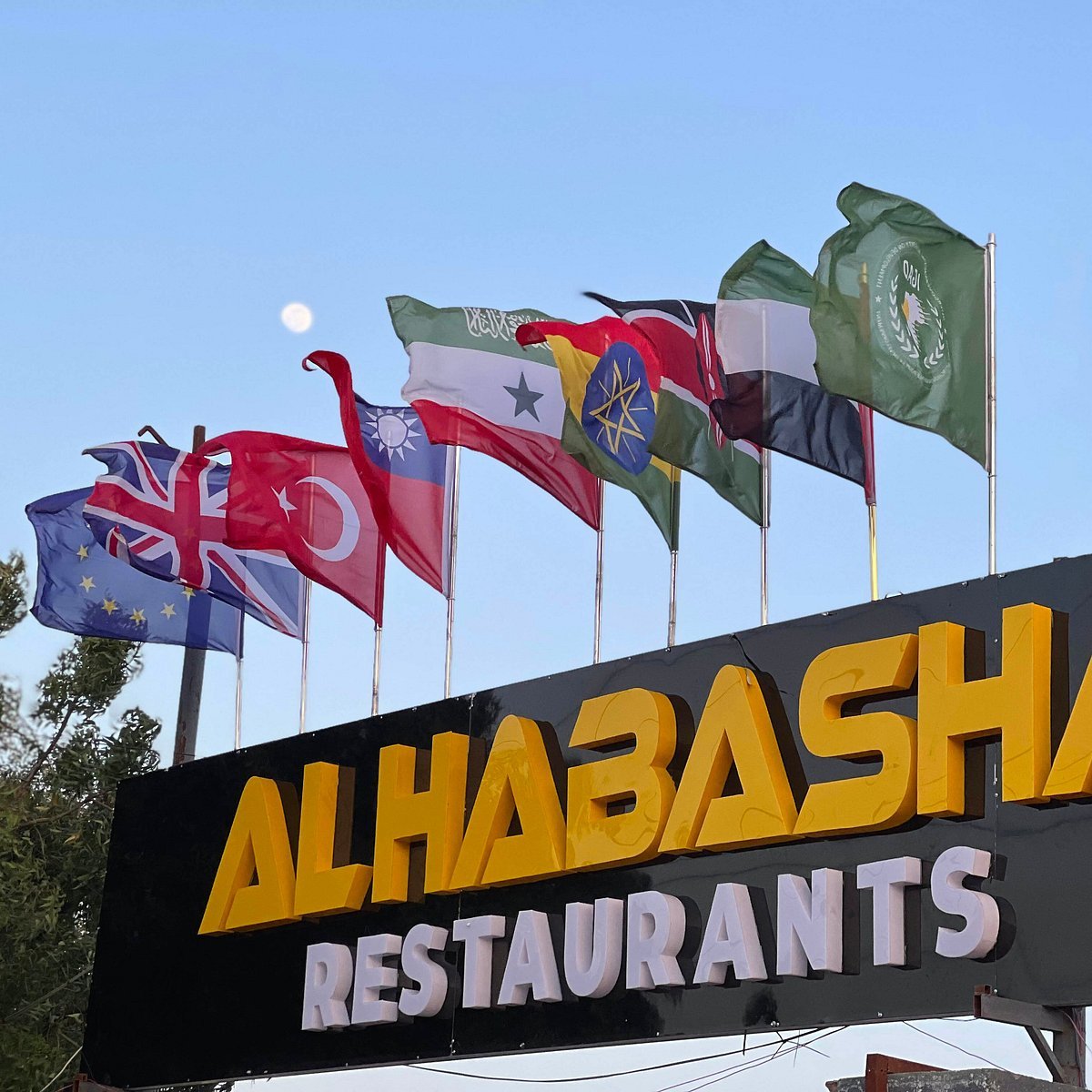
Berbera's Dining Scene and Where Habesha Fits
Berbera sits on the Gulf of Aden in the Woqooyi Galbeed region of Somalia, a port city whose identity has been shaped by maritime trade for well over a millennium. Frankincense, livestock, and salt once moved through this harbour en route to Arabia and beyond, and the culinary residue of those exchanges remains visible in the food served across the city today. The cooking here does not announce itself with the glossy apparatus of branded fine dining; it communicates through spice ratios, through the specific weight of a stew, through the way injera or flatbread functions as utensil and vessel simultaneously. Habesha Restaurant is one of the addresses that operates inside that tradition.
For context on how Berbera's restaurants compare and what else is worth your time in the city, see our full Berbera restaurants guide. The closest peer reference on the ground is Al-Xayaat, which operates within the same city and the same broad culinary register.
The Cultural Framework Behind the Cuisine
The name Habesha is itself a geographic and cultural signal. In the Horn of Africa, the term historically refers to the highland peoples of Ethiopia and Eritrea, and a restaurant carrying that name in a Somali port city positions itself at an interesting intersection: the crossover zone where Somali, Ethiopian, and broader East African food traditions share vocabulary. This is a region where the lines between national cuisines are more porous than political borders suggest. Berbera's own food history reflects that porosity directly.
Ethiopian and Eritrean dining traditions built around communal platters, fermented injera, and slow-braised wats have influenced coastal Somali cooking in ways that parallel how North African spice routes shaped the food of port cities on the Red Sea. At Habesha, that cross-cultural inheritance is the operating premise, not a marketing angle. The broader Horn of Africa culinary tradition has attracted growing international attention in recent years, with Ethiopian restaurants appearing in serious dining guides from London to Los Angeles. What Berbera offers is that same tradition closer to its source geography, without the translation layer.
It is worth understanding how different this culinary register is from the technically formalized fine dining documented at venues like Le Bernardin in New York City, Alinea in Chicago, or Arpège in Paris. Those venues operate inside systems of verification, from Michelin stars to 50 Best rankings, that simply do not yet apply to Berbera's restaurant infrastructure. Comparison venues like Atomix in New York City, Lazy Bear in San Francisco, or Atelier Crenn in San Francisco belong to a tier defined by tasting menus, reservations made months in advance, and formal critical infrastructure. Habesha operates in a fundamentally different register, and that difference is not a deficit; it is a different category of dining experience entirely.
The Physical Setting and Dining Character
Berbera's urban character is defined by its relationship to the sea and to heat. The city's low-rise architecture, its proximity to the Gulf of Aden, and the quality of light in the late afternoon create a sensory environment that has no equivalent in the climates where most formal restaurant culture has been codified. Dining in Berbera is necessarily calibrated to that environment: the pace is slower, the formats are more communal, and the social function of a meal is weighted differently than in a European capital or an East Asian dining city.
Habesha, operating within that context, functions as a place where the meal is structured around sharing rather than individual plating. Horn of Africa dining formats have always prioritized the communal platter, and that format carries cultural meaning beyond mere table logistics. It reflects hospitality norms, family structures, and a philosophy of eating that predates the single-portion restaurant model by centuries. Visitors arriving with expectations calibrated against venues like Amber in Hong Kong or Alain Ducasse at Louis XV in Monte Carlo will need to recalibrate both expectations and vocabulary before they sit down.
Somaliland's Broader Restaurant Context
Berbera and the wider Somaliland region represent an emerging hospitality story. The port city has attracted increasing development interest, and the restaurant sector, while still operating with limited formal infrastructure, is beginning to see new investment. Addresses like Mega Plaza in Hargeysa illustrate how the regional capital is developing its own dining offer. Berbera, historically oriented toward trade rather than tourism, has a more compact restaurant scene, but one that reflects genuine local food culture rather than hospitality designed primarily for foreign visitors.
For comparison, the kind of credential-driven fine dining visible at Aponiente in El Puerto de Santa María, Arzak in San Sebastián, or Aqua in Wolfsburg depends on decades of formal culinary institution-building, critic networks, and international press infrastructure. Somaliland's food scene is at a different point in that developmental arc. That is not a criticism; it is simply where the region sits, and for visitors interested in food cultures before they become formalized and mediated, that position has its own value. Restaurants like Alléno Paris au Pavillon Ledoyen or Atelier Moessmer Norbert Niederkofler in Brunico represent the formalized end of the spectrum; Habesha in Berbera represents something less codified but no less rooted.
Planning Your Visit
Practical information for Habesha is limited in public records. Phone numbers, hours, a website, and a formal booking system are not available in verified data at the time of writing, and visitors should treat that as a logistical reality rather than a red flag. In Berbera, as in much of Somaliland, restaurant visits are typically arranged through local contacts, guesthouse recommendations, or direct in-person inquiry. Arriving early in the evening aligns with Horn of Africa dining rhythms, where the main meal often occurs before the intensity of evening heat peaks. Dress is casual by regional norms, and there are no documented formal requirements. Pricing has not been formally recorded, but the broader context of Berbera's economy places this category of restaurant well below the price thresholds associated with venues like 8½ Otto e Mezzo Bombana in Hong Kong or Emeril's in New Orleans.
Budget Reality Check
A fast peer set for context, pulled from similar venues in our database.
| Venue | Price | Awards | Notes |
|---|---|---|---|
| Habesha Restaurant | This venue | ||
| Al-Xayaat | |||
| Mega Plaza |
Continue exploring
More in Berbera
Restaurants in Berbera
Browse all →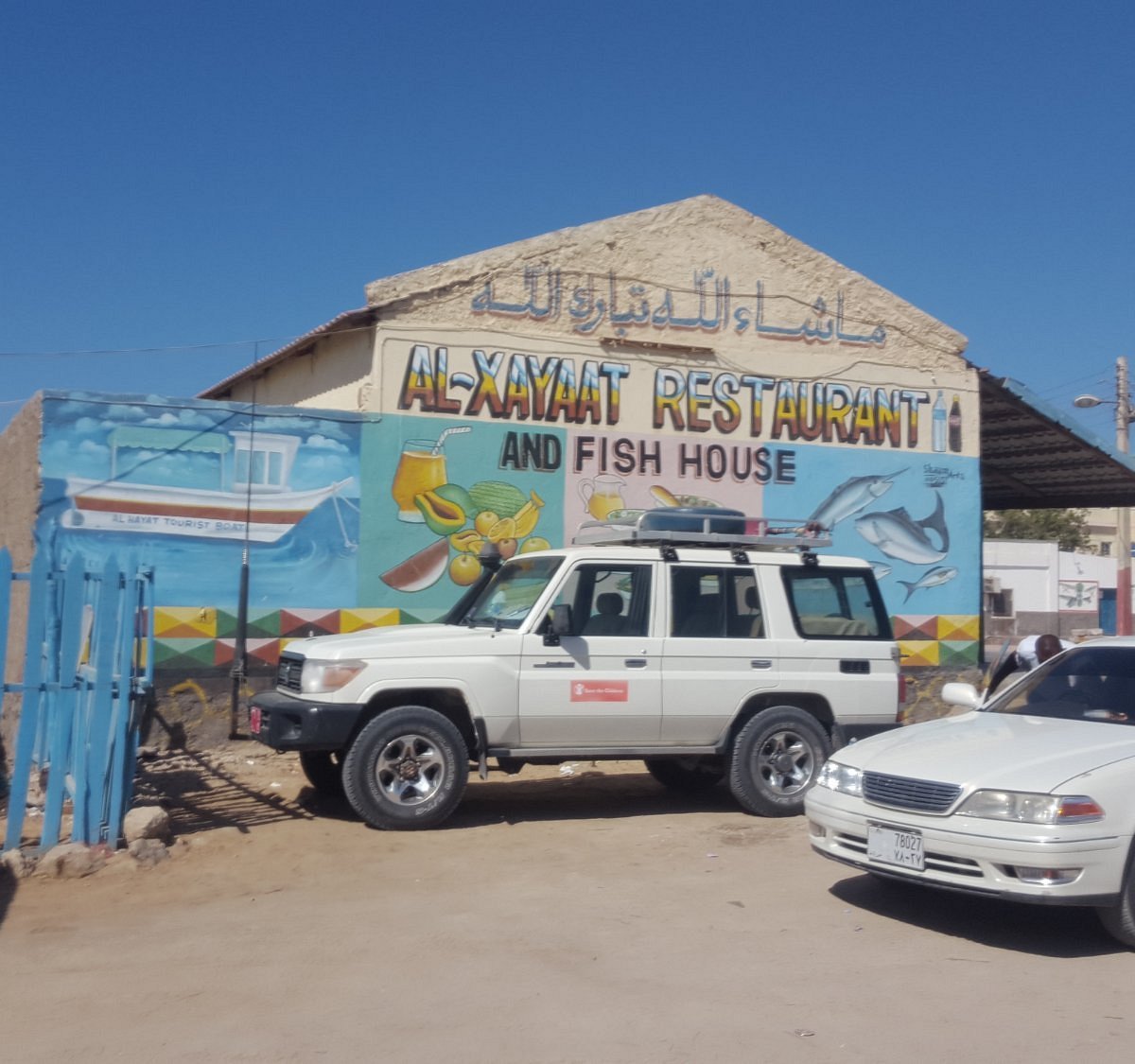
At a Glance
- Lively
- Casual Hangout
- Group Dining
Warm and lively atmosphere with local interactions during peak hours.