Al-Xayaat sits in Berbera, a port city where the Gulf of Aden has shaped eating habits for centuries. Dining here connects to one of the Horn of Africa's most direct relationships between coastal sourcing and the plate, with the Red Sea trade routes still visible in the spice profiles and preparation methods that define the local table. For travellers reaching Somaliland, this is where that culinary geography becomes concrete.
 Discover on Pearl
Pearl is the En Primeur Club membership app — saves, bookings, and concierge access live there. Same editors, same standards.
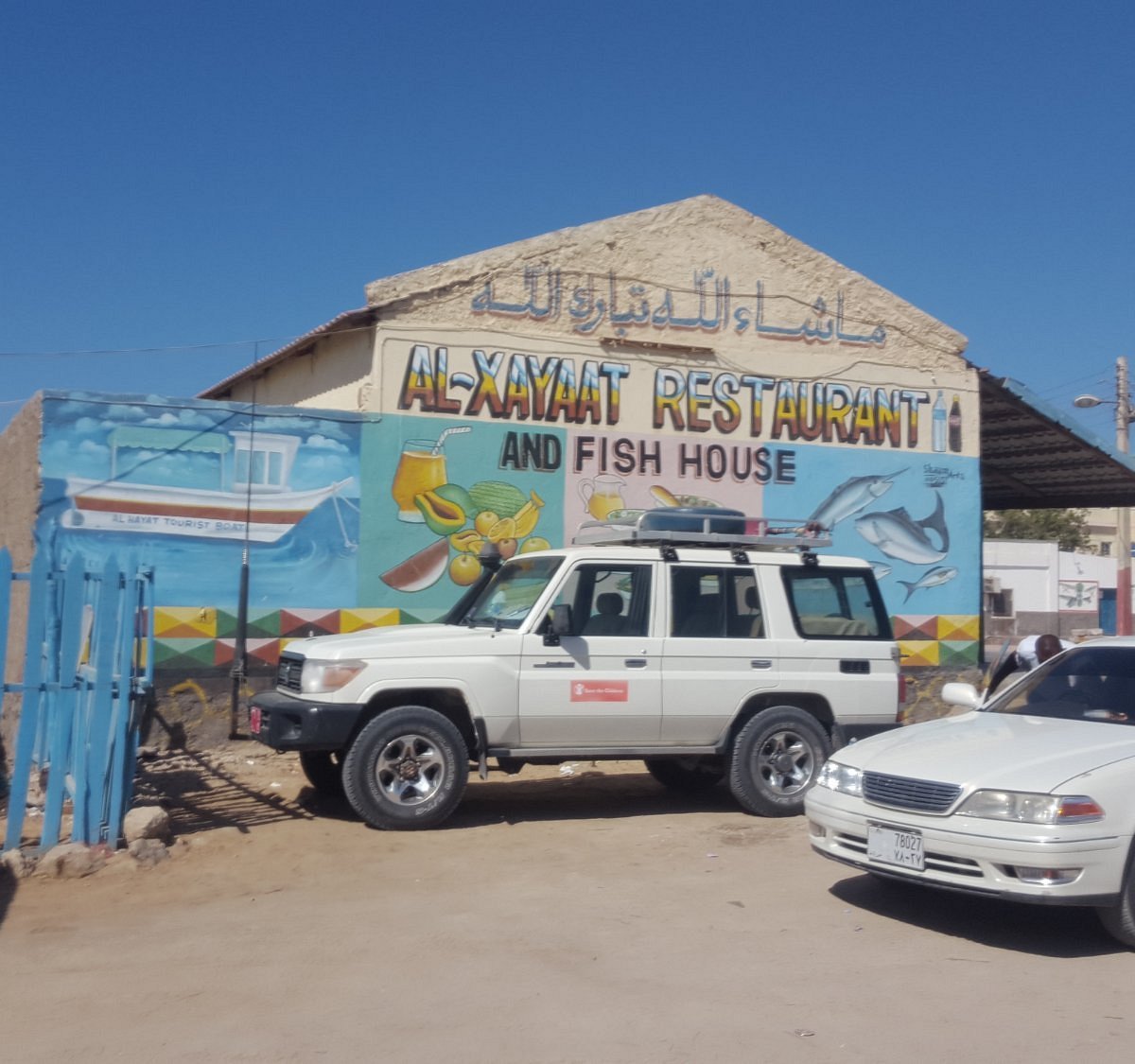
Where the Gulf of Aden Meets the Plate
Berbera sits on one of the most historically loaded coastlines in East Africa. For centuries, the port was a transit point for frankincense, livestock, and dried fish moving between the Horn of Africa and the Arabian Peninsula. That geography left a permanent imprint on the city's food culture: the spice profiles here lean toward cardamom, cumin, and dried lime in ways that trace directly to the dhow trade routes that connected this shore to Aden, Muscat, and beyond. Al-Xayaat operates within that tradition, in a city where ingredient sourcing is not a marketing decision but a structural fact of where you are.
The Gulf of Aden is not a decorative backdrop in Berbera. It is the primary protein supply. Locally caught fish, including species such as tuna, grouper, and hammour, move through the port and into kitchens on a timeline measured in hours rather than days. In the broader context of East African coastal dining, this kind of proximity between the catch and the kitchen is increasingly rare. At the institutional end of global seafood-focused dining, establishments like Le Bernardin in New York City or Aponiente in El Puerto de Santa María have built their reputations partly on controlling the sourcing chain. In Berbera, that control is a geographic given rather than an engineered supply relationship.
The Sourcing Logic Behind Coastal Somali Cooking
Understanding what arrives on the table in a Berbera restaurant requires understanding the city's dual role as a commercial port and a fishing community. The livestock trade that made Berbera significant historically also shaped the meat side of the local diet: goat and camel are the default proteins inland, while the coast adds the fish layer that distinguishes Berbera from cities further from the water. This is not fusion in any contrived sense. It is the natural result of a population sitting at the intersection of pastoral and maritime supply chains.
Somali coastal cooking in this region typically involves preparations that preserve the integrity of the ingredient: grilling over charcoal, slow braising with aromatic spices, and rice dishes that absorb the cooking liquids of meat or fish. The xalwo, a dense sesame and cardamom confection that functions as a ceremonial sweet across Somaliland, appears in Berbera in versions that reflect local spice access through the port. These are not reconstructed heritage dishes. They are continuous practices, relatively unchanged by the tourism or fine-dining pressures that have altered coastal cooking in more visited regions of East Africa.
The comparison with dining in better-documented cities is instructive. At Arpège in Paris, the ingredient-first philosophy is built into a conscious fine-dining framework with Michelin recognition and tasting menu architecture. In Berbera, the same principle, that what grows or swims nearby should determine what you eat, operates without that institutional scaffolding. The result is cooking that is harder to locate in travel guides precisely because it does not translate easily into the formats those guides reward.
Berbera's Place in Somaliland's Emerging Visitor Circuit
Somaliland has seen a cautious increase in independent and specialist travel over the past decade, driven partly by improved infrastructure and partly by travellers seeking East African destinations outside the established Kenya-Tanzania-Ethiopia circuit. Berbera, with its colonial-era architecture, its beach on the Gulf of Aden, and its functioning deep-water port, sits at the edge of that emerging visitor pattern. The airport received investment in recent years following a port development agreement, and direct access from Gulf cities has become more practical for travellers already in the region.
Within Berbera's restaurant scene, the options remain limited compared to the capital, Hargeysa. Habesha Restaurant represents another point of reference in the local dining circuit, and taken together these establishments define what exists for visitors eating in the city. For context on how the wider Somaliland dining scene compares, Mega Plaza in Hargeysa gives a useful sense of what the capital offers at a more developed level of hospitality infrastructure.
Travellers arriving from cities where dining programmes are anchored by structured awards systems, the kind of recognition that frames restaurants like Atomix in New York City, Alinea in Chicago, or Atelier Crenn in San Francisco, will find Berbera operates outside all of those frameworks entirely. There are no Michelin inspectors working in Somaliland, no 50 Best regional coverage, no formal press circuit. This absence does not indicate a lack of culinary substance. It indicates that the international critical infrastructure has not reached here, which is a different thing.
Planning a Meal in Berbera
Practical information about specific restaurants in Berbera is difficult to verify through remote channels. No phone numbers or websites are reliably documented for Al-Xayaat through the sources available to EP Club, and operating hours are leading confirmed on the ground or through accommodation in the city. This is not unusual for Berbera's dining circuit, where the rhythm of the market, the port schedule, and the Somali calendar all influence when and how kitchens operate. Visitors travelling during Ramadan should expect significantly adjusted hours and availability across all food establishments.
The currency in Somaliland is the Somaliland shilling, though US dollars are widely accepted in commercial contexts. Prices at local restaurants sit well below what comparable coastal dining would cost in neighbouring Ethiopia or Djibouti, reflecting both the local economy and the limited tourism premium that exists at this stage of Berbera's development as a visitor destination.
For broader context on what to eat and where across the city, our full Berbera restaurants guide maps the available options against neighbourhood and format.
How It Stacks Up
These are the closest comparables we have in our database for quick context.
| Venue | Cuisine | Price | Awards | Notes |
|---|---|---|---|---|
| Al-Xayaat | This venue | |||
| Habesha Restaurant | ||||
| Mega Plaza |
Continue exploring
More in Berbera
Restaurants in Berbera
Browse all →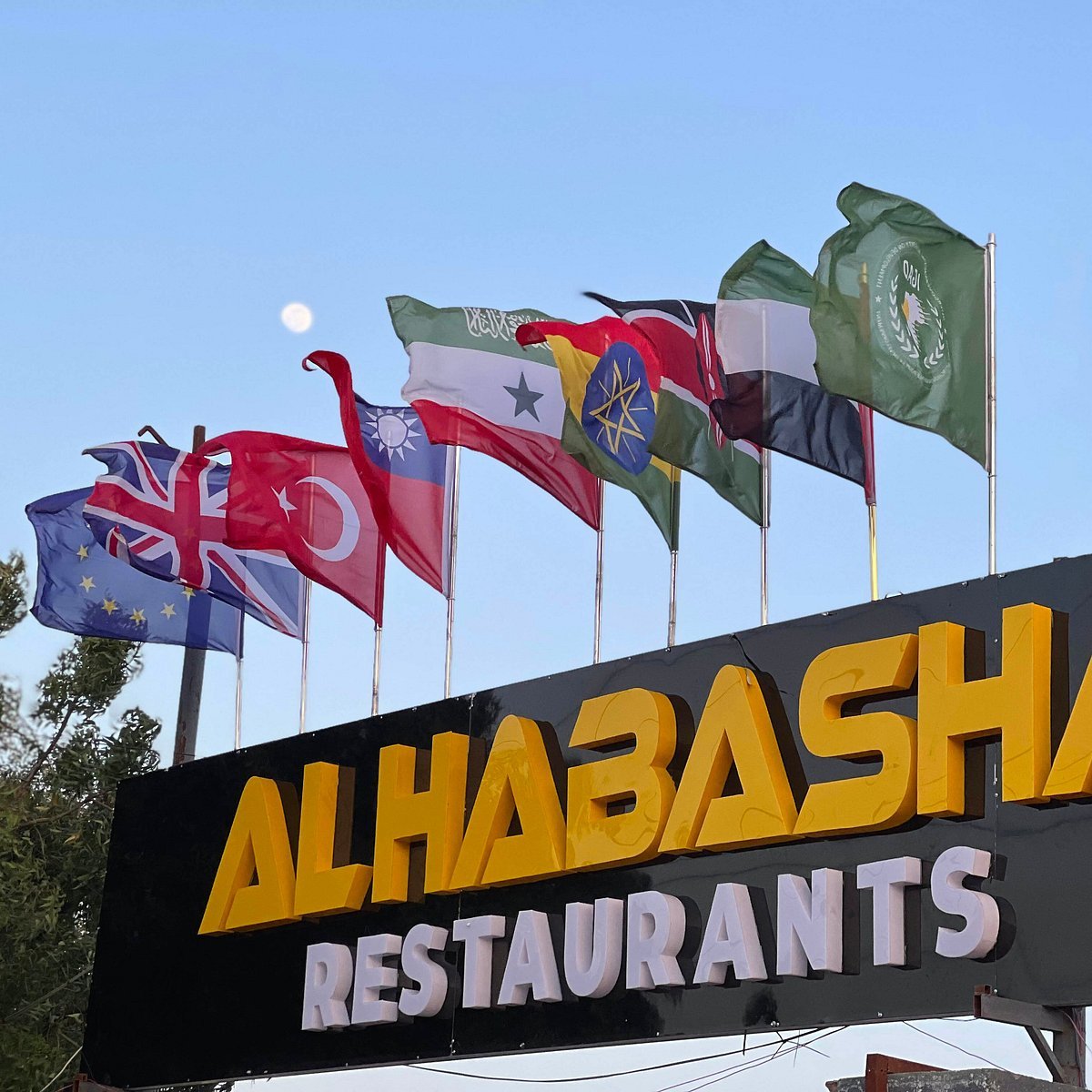
At a Glance
- Rustic
- Scenic
- Casual
- Casual Hangout
- Group Dining
- Waterfront
- Standalone
- Local Sourcing
- Sustainable Seafood
- Waterfront
Humble, rustic setting by the sea with natural lighting; casual atmosphere frequented by local diners. Basic furnishings with views of the harbor and shipwrecks, though reviewers note the presence of flies can detract from the dining experience.