
Tabelog 100 #48
Our verdict
Matsuzaka Kaizu Honten belongs to Matsusaka’s beef-first dining culture, where sukiyaki, yakiniku, and steak are not interchangeable formats but different arguments about fat, heat, and provenance. Its Tabelog 100 - Hot Pot - 2024 selection places it in the serious hot-pot tier, with private-room dining giving the meal a more contained, ceremonial rhythm than a counter or grill room.

Pearl is the En Primeur Club membership app, where members save venues, book tables and use the concierge.
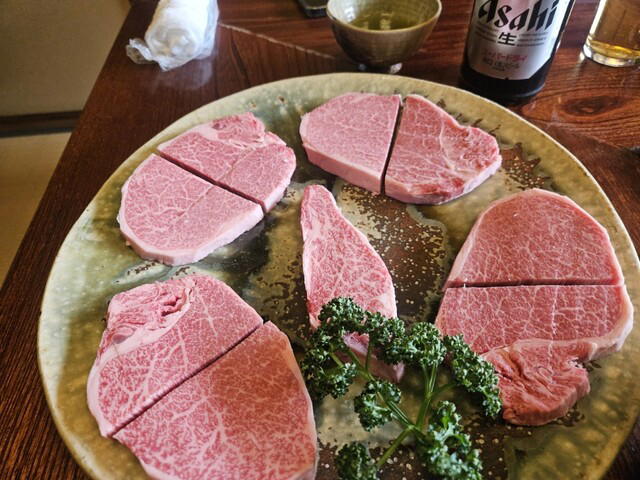
The menu
What to order
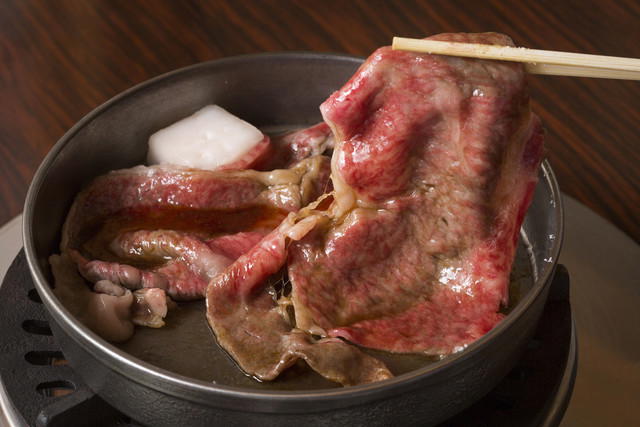
- Matsusaka beef sukiyaki
- Matsusaka beef yakiniku
- Matsusaka beef steak
The approach to a meal in Matsusaka changes the register before the first course begins. This is not the city dining-room model of tight counters and rapid turnover; the mood is quieter, more deliberate, and built around giving the main event room to define the experience. In a beef-focused city, that matters. Matsusaka’s dining culture is less about spectacle than controlled heat, patient service, and the confidence that a clear format can carry the argument.
Matsusaka sits inside Japan’s broader wagyu conversation with a reputation tied to marbling, regional identity, and long-running dining traditions. The city’s serious restaurants tend to divide along format lines: sukiyaki for sweetness and broth, yakiniku for direct grilling, steak for a cleaner reading of fat and texture. Matsuzaka Kaizu Honten works across those categories, and its inclusion in Tabelog 100 - Hot Pot - 2024 points to the sukiyaki and hot-pot side as the critical lens through which to read the place.
Why Matsusaka changes the logic of sukiyaki
Sukiyaki is often misunderstood by visitors as a simple luxury dish: beef, sugar, soy, heat. In Matsusaka, the format is more revealing. The cooking liquid, the cut, and the pacing all expose whether the meal has enough balance to hold its shape against sweetness. The city’s better sukiyaki rooms are not chasing novelty; they are protecting a regional grammar that depends on restraint. Too much sauce and the beef disappears. Too little heat control and the fat turns heavy.
That is where the format becomes the story rather than a footnote. Matsusaka built its name around beef culture, and the dining rooms around the city have developed styles that foreground richness without asking the kitchen to perform acrobatics. Compared with a broader Japanese hot-pot house, a Matsusaka specialist has a narrower brief and a higher burden: the meal succeeds or fails on product quality and the discipline of the cooking format.
The Tabelog 100 - Hot Pot - 2024 recognition is useful because it places the restaurant in a national conversation about sukiyaki and shabu-shabu rather than only a local dining circuit. It is not a Michelin-style star system, and it should not be read as one, but it signals that the restaurant is being judged within a specialist category where product quality, format clarity, and repeat local appeal carry weight.
A composed setting suits a city where beef is treated with formality
A more composed meal changes the social tempo. It removes the need to treat dinner as a quick stop and makes the table feel closer to a family occasion or business meal, which suits Matsusaka’s dining culture. The setting is not merely a comfort feature; it reflects how this style of meal is often consumed in Japan, with the conversation given as much space as the pot.
Within Matsusaka, the comparison set is unusually concentrated. Gyugin Honten sits within the same serious beef-dining conversation, while other Matsusaka dining rooms show how many ways the city can frame the same core ingredient. Some lean more casual, some more formal, some more grill-driven. The point is not to collect beef meals indiscriminately, but to choose the format that matches the occasion.
For travelers building a food-led itinerary, Matsusaka rewards focus. A sukiyaki meal here belongs in a different slot from a yakiniku lunch or steak dinner, and doubling up can flatten the distinctions. The smarter move is to map formats across the stay: one room for hot pot, one for direct heat, and one simpler local stop if time allows. For broader planning, Our full Matsusaka restaurants guide gives the city context beyond beef alone.
How to place it in a Matsusaka itinerary
Matsuzaka Kaizu Honten is better read as a destination meal than a casual add-on. Its Matsusaka setting and hot-pot recognition make it suited to travelers who want the city’s beef-focused dining culture in a composed, traditional format rather than a fast grill session. The category also makes sense for groups, because sukiyaki naturally creates a shared table without turning the meal into a tasting-menu performance.
Regional planning matters in Mie. Matsusaka is often folded into trips that also include Ise, Toba, or Nagoya, so the meal works better when the city is given its own window rather than treated as a quick detour. The local geography favors advance planning, especially for travelers moving between rail legs, hotel check-in, and a full meal. For stay logistics, use Our full Matsusaka hotels guide; for after-dinner context, Our full Matsusaka bars guide is more useful than expecting a large late-night scene.
The verdict is simple: choose this Matsusaka restaurant when the purpose of the meal is sukiyaki and hot pot in a beef-focused city, not when the brief is speed, experimentation, or a broad modern Japanese menu. The recognition, format, and city context all point in the same direction.
Further reading can help separate regional dining from broader Japan itineraries: Our full Matsusaka wineries guide, Our full Matsusaka experiences guide, and other city guides to dining, bars, cafes, and casual restaurants in Japan and beyond.
Frequently asked questions
Can I bring kids to Matsuzaka Kaizu Honten?
The available details do not specify a children’s policy. Families should treat it as a focused Matsusaka meal and confirm practical arrangements directly with the restaurant.
What kind of setting is Matsuzaka Kaizu Honten?
It is a Matsusaka restaurant associated with sukiyaki, yakiniku, and steak, and it was selected for Tabelog 100 Hot Pot 2024.
Is Matsuzaka Kaizu Honten expensive?
Pricing at Matsuzaka Kaizu Honten is listed as Dinner: JPY 8,000 - JPY 9,999; Lunch: JPY 8,000 - JPY 9,999.
When is Matsuzaka Kaizu Honten open?
Published hours are not provided here. Check directly with the restaurant before planning the meal.
How do I find Matsuzaka Kaizu Honten?
Matsuzaka Kaizu Honten is located in Matsusaka.
Quick Comparison
Comparable venues by cuisine and price in the same metro.
| Venue | Cuisine | Price | Awards | Notes |
|---|---|---|---|---|
| Matsuzaka Kaizu HontenThis venue (the venue you are viewing) | Traditional Matsusaka beef sukiyaki & yakiniku | $50–100 | Tabelog 100 #48 | Not listed |
| Gyugin Honten | Matsusaka beef sukiyaki & hotpot | $50–100 | Tabelog 100 #72 | Uomachi |
| Yoshokuya Gyugin | Yoshoku-style Matsusaka beef | $20–30 | Tabelog 100 #45 | Uomachi |
| Shibousai Kitagawa | Creative Chinese-Japanese Farmhouse Dining | $200–300 | Not listed | Isederacho |
| Issho Bin Honten | Matsusaka Beef Yakiniku | $30–50 | Tabelog 100 #93 | : Matsusaka |
| 和田金 | Matsusaka Beef Japanese | Not listed | Tabelog Bronze #508 | Matsusaka |
Recognition history
Dated appearances from independent guides and award organizations, with the underlying list record or original source where available.
Tabelog 100 #48 · No. 48
Tabelog · Tabelog 100 - Hot Pot - 2024
Continue exploring
More in Matsusaka
Details
- Elegant
- Scenic
- Romantic
- Quiet
- Classic
- Intimate
- Special Occasion
- Celebration
- Date Night
- Business Dinner
- Group Dining
- Family
- Garden
- Courtyard
- Private Dining
- Standalone
- Design Destination
- Local Sourcing
- Garden
- Set Menu
- A La Carte
Current opening hours
- Monday
- 11:30 AM–7:30 PM
- Tuesday
- Closed
- Wednesday
- Closed
- Thursday
- 11:30 AM–7:30 PM
- Friday
- 11:30 AM–7:30 PM
- Saturday
- 11:30 AM–7:30 PM
- Sunday
- 11:30 AM–7:30 PM
Hours can change for holidays and private events. Hours as of .
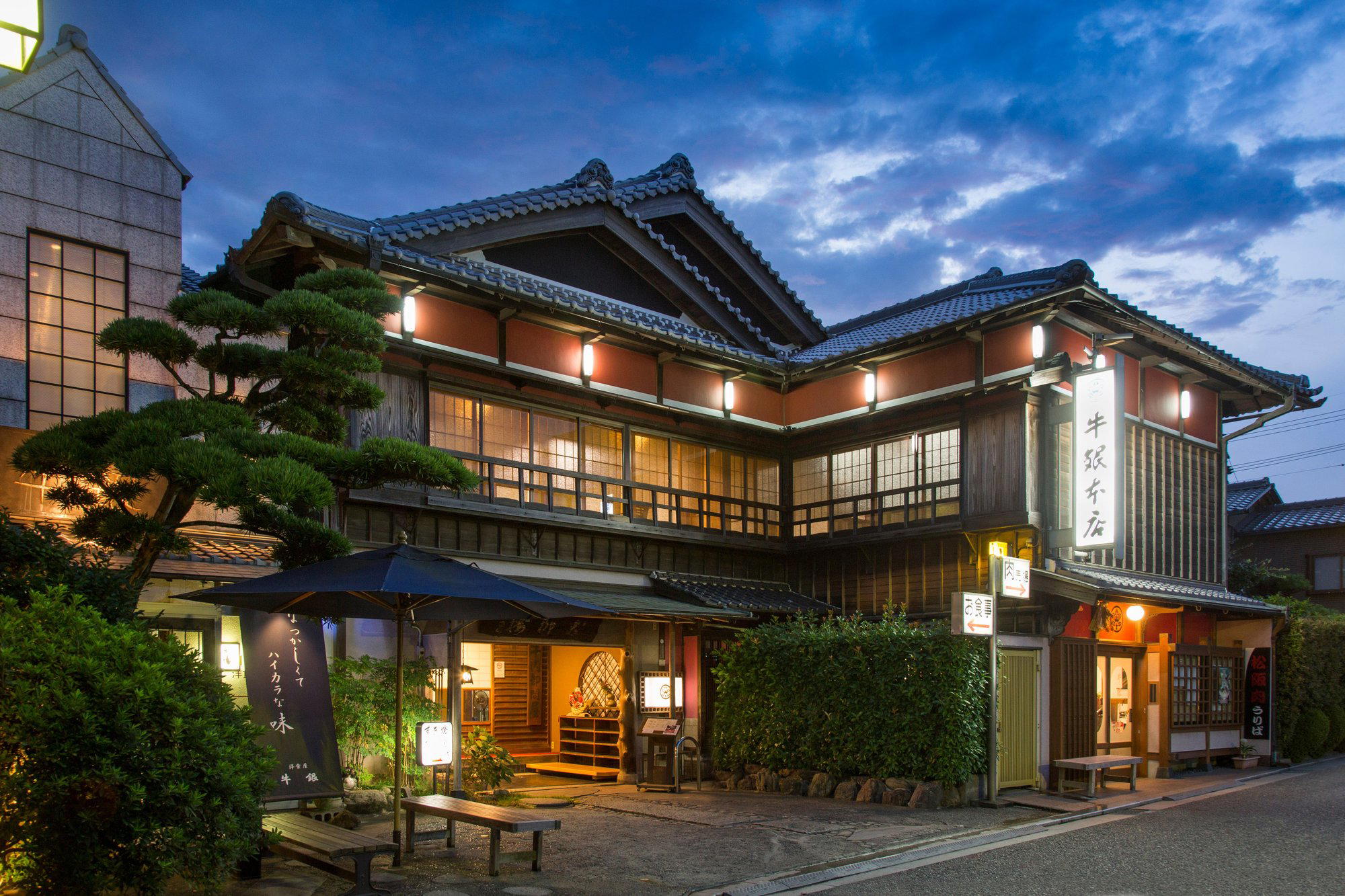
Refined and tranquil, with fully private tatami-style rooms converted to chairs, views of a beautifully maintained garden and waterfall, and a quiet, special-occasion atmosphere that feels like an elegant traditional residence.