Gusto Giusto serves classic Northern Italian cooking with organic, local sourcing; quiet, leisurely dinner pacing suits a planned evening.
Pearl is the En Primeur Club membership app — saves, bookings, and concierge access live there. Same editors, same standards.
- Address
- Jernbanegade 19, 4000 Roskilde, Denmark
- Phone
- +4540141498
- Website
- gustogiusto.dk
- Directions
- Get directions
 Saves & bookings on Pearl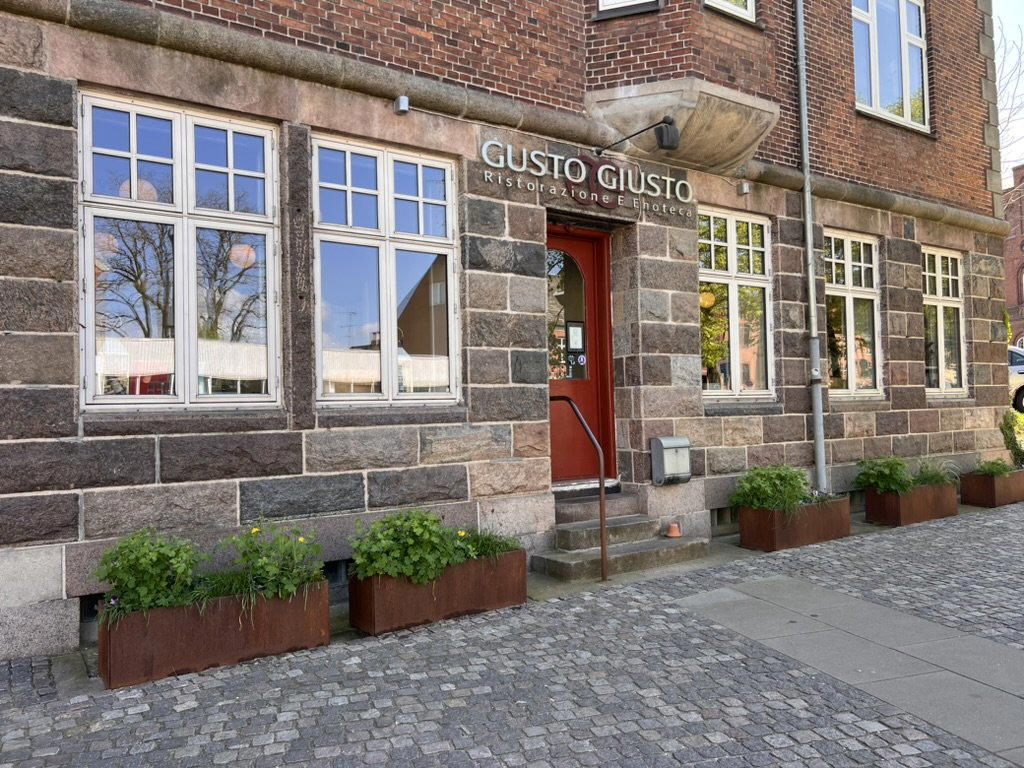
Where Roskilde Keeps Its Seriousness About Wine
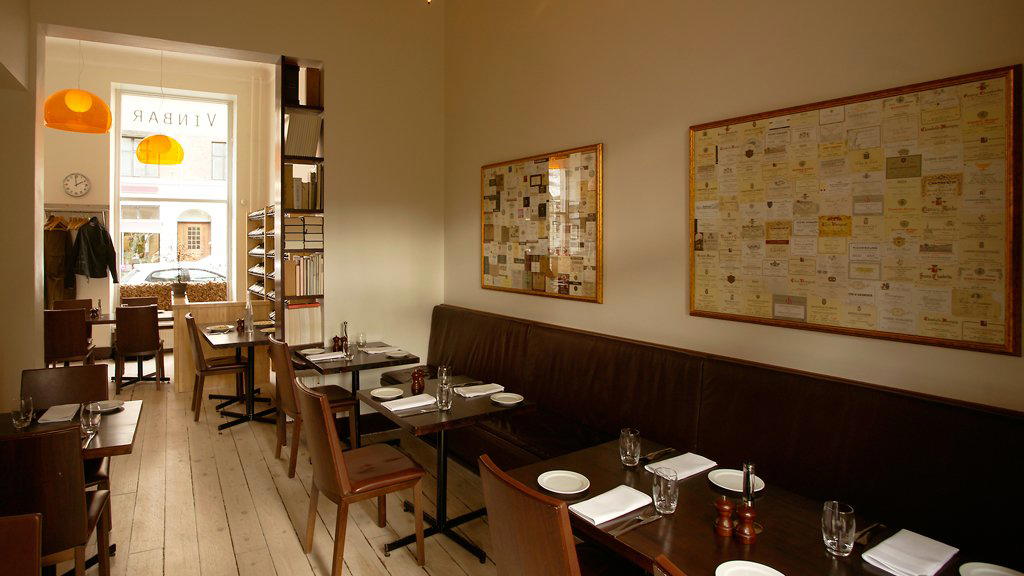
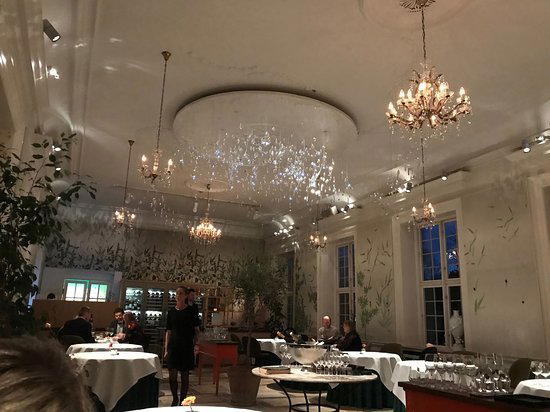
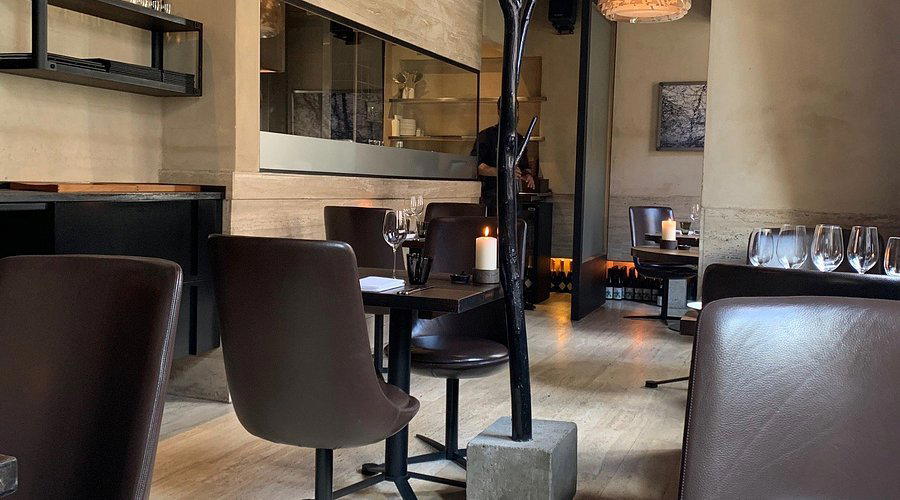
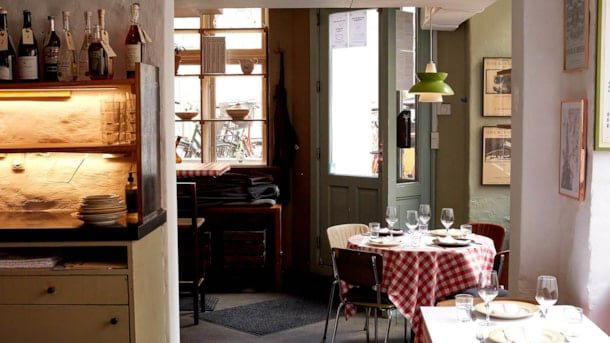
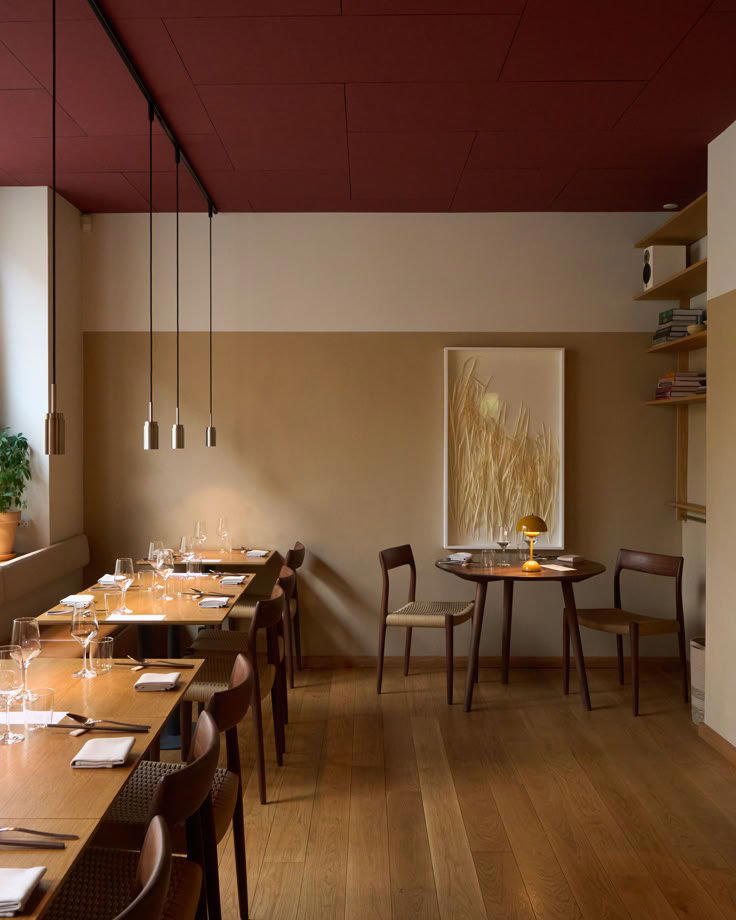
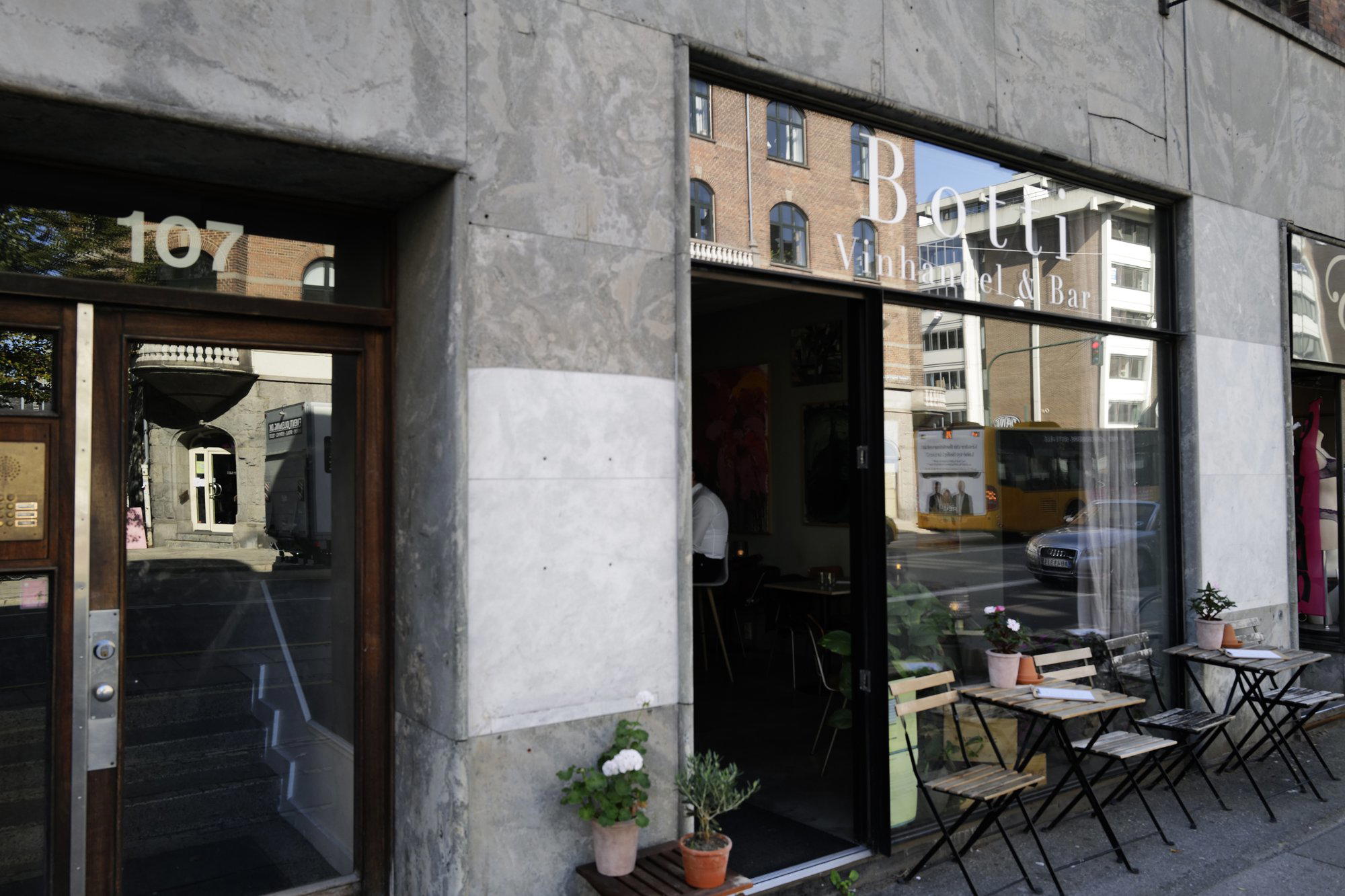
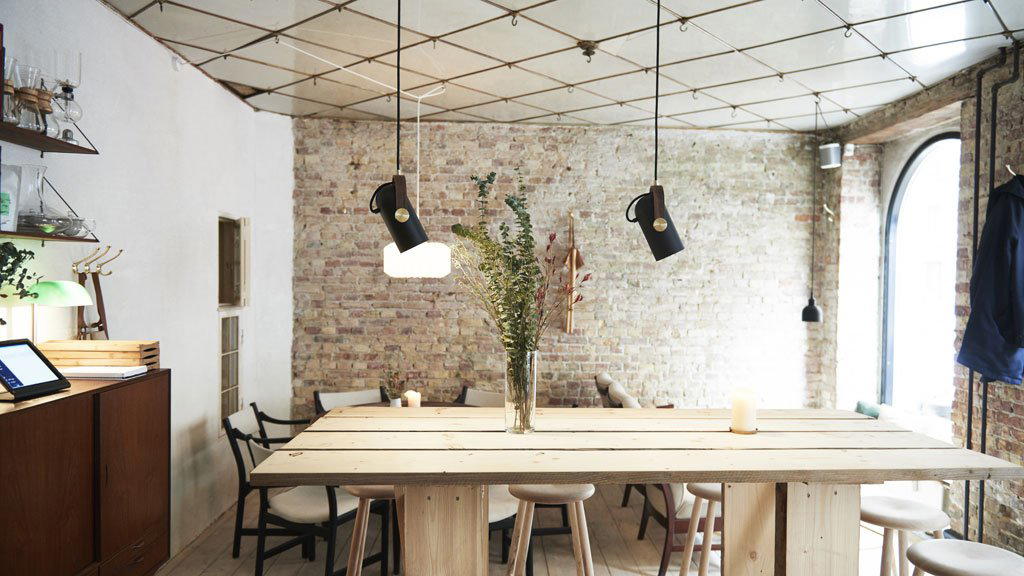
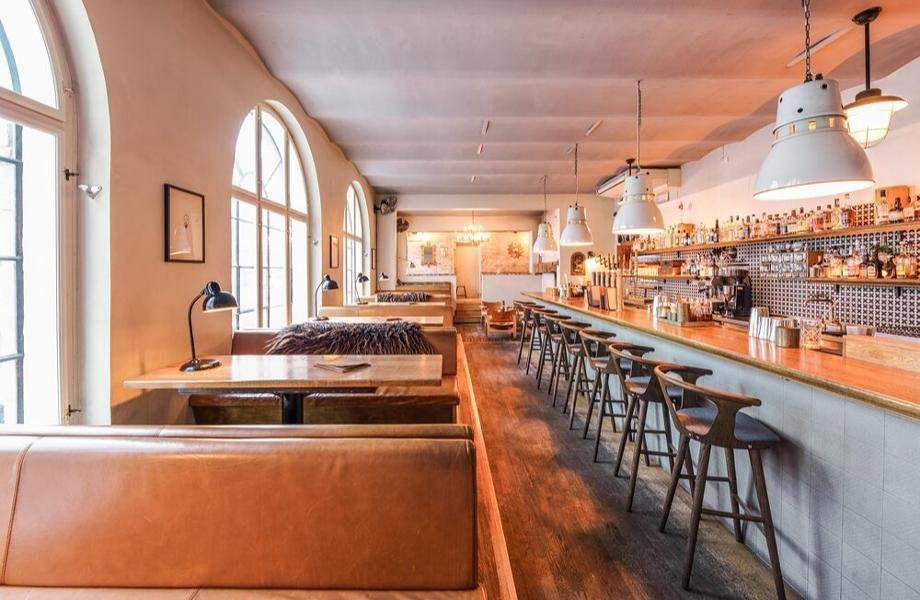
Jernbanegade runs close to Roskilde's rail station, a street that functions as a practical artery through a city more often discussed for its Viking Ship Museum and summer festival than for its dining scene. The building at number 19 houses Gusto Giusto, a name that signals Italian framing before you reach the door. Inside, the room reads as the kind of space where someone has made considered decisions about what matters: the floor, the light, the table spacing. Nothing announces itself. That restraint, in a provincial Danish city, carries editorial weight of its own.
Roskilde sits roughly thirty kilometres west of Copenhagen, close enough that residents can access the capital's restaurant density on a weekday evening, which means a local venue earns its loyalty through something other than proximity. The city's food scene is modest in volume but contains a genuine spread of reference points, from Aji Sushi and An No for Asian formats to Basilico and Bella Capri representing Mediterranean traditions. Against that backdrop, a venue with an Italian name that takes wine seriously occupies a niche that is less crowded than it appears.
The Wine Argument: Curation in a Small City
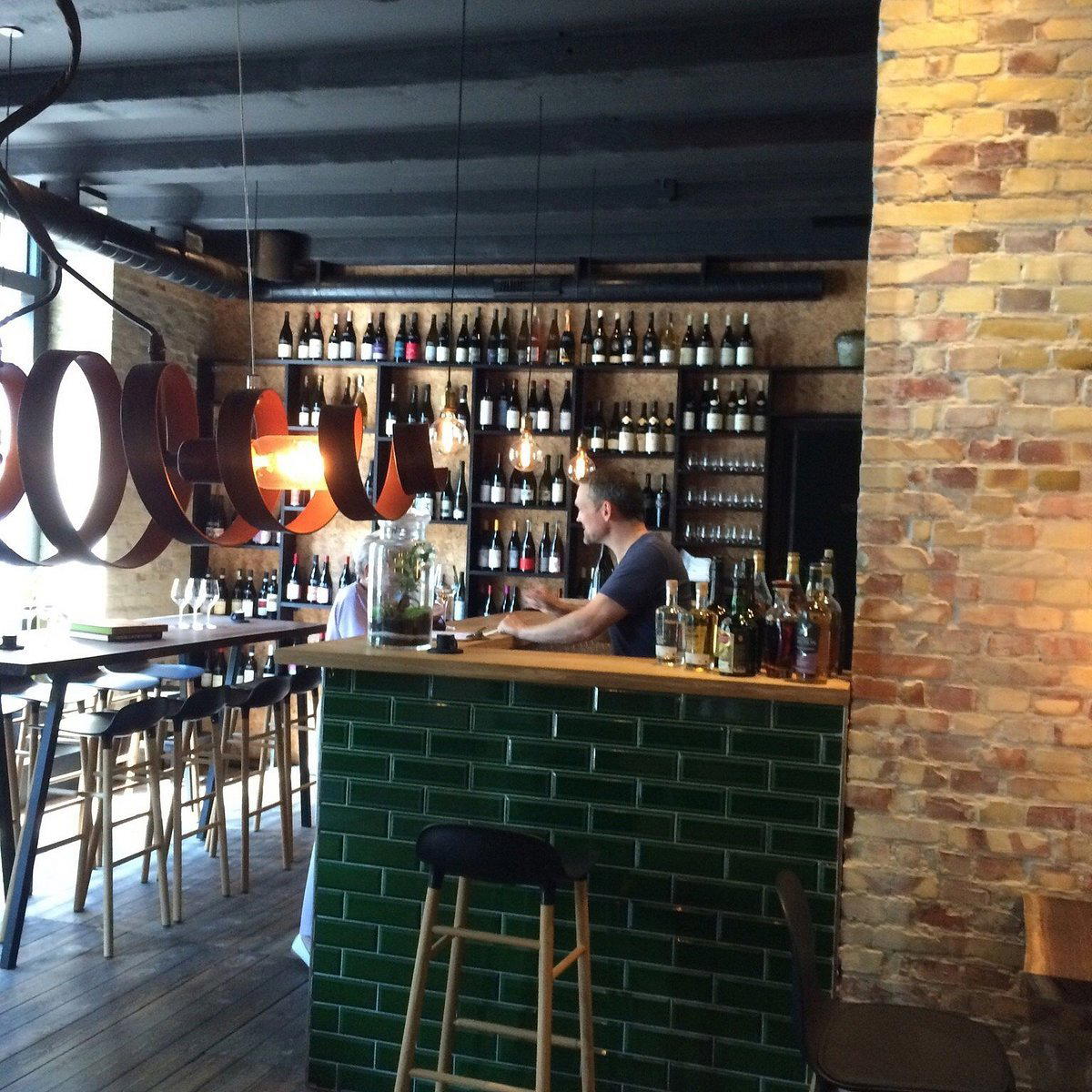
The editorial angle at Gusto Giusto is most clearly read through how Italian-named restaurants in smaller European cities handle their wine programs. The low-effort version of this format leans on a recognisable northern Italian list: a few Barolos, some entry-level Soaves, a Chianti or two selected by a regional importer with standard markups. The more committed version treats the list as a curatorial statement, one that reflects an understanding of Italian regional wine geography rather than simply its marketing hierarchy.
Italy's wine map is among the more geographically fragmented in the world: more than 350 authorised varieties across twenty regions, with quality signals ranging from well-understood denomination structures (Barolo, Brunello, Amarone) to producer-level reputations that bypass appellation rules entirely, as the Super Tuscans demonstrated from the 1970s onward. A restaurant operating under an Italian identity in Denmark has access to importers who cover this range; the question is always one of selection depth and the staff knowledge to navigate it with guests. The name Gusto Giusto, which translates approximately as the right taste or correct flavour, suggests an intention to take such decisions seriously.
For diners travelling from Copenhagen who have access to the wine programs at Geranium in Copenhagen or Jordnær in Gentofte, the comparison is less about size than about approach. Those Michelin-decorated programs in the capital operate at price points and formats that reflect a different competitive tier. A well-curated provincial Italian list operates on a different logic: accessibility, value within a regional frame, and the ability to guide a guest who is not necessarily a wine specialist toward something that makes the food work better. That is a different skill from assembling a trophy cellar, and a harder one to execute consistently.
Italian Food Traditions in a Scandinavian Room
The broader pattern across Denmark's non-Copenhagen dining scene is instructive. Venues at Frederikshøj in Aarhus, Alimentum in Aalborg, and ARO in Odense anchor the regional fine-dining argument through Nordic frameworks. Venues like Henne Kirkeby Kro in Henne, Dragsholm Slot Gourmet in Hørve, and Frederiksminde in Præstø pursue destination-format identities tied to specific landscapes. Domæne in Herning and LYST in Vejle extend that pattern further west. What these venues share is a commitment to a defined identity. Italian restaurants operating in this same provincial tier succeed when they apply the same discipline to sourcing and menu architecture that their Nordic counterparts apply to local ingredient politics.
The Italian kitchen's relationship with seasonality is often underexplained in northern European contexts. The tradition of eating asparagus only when the Veneto's white season permits it, or of treating white truffle from Alba as a calendar event rather than a permanent menu fixture, maps more naturally onto Scandinavian ingredient consciousness than most commentators acknowledge. A restaurant that understands this connection can build a program that feels genuinely rooted rather than imported.
Roskilde as a Dining Destination
Roskilde's position in the wider Danish touring circuit is underappreciated. The city holds UNESCO World Heritage status for its cathedral, the burial church of Danish monarchs, which draws a culturally oriented visitor who is not primarily motivated by food but is often open to a serious meal if one is legible and accessible. The Viking Ship Museum adds a second draw. Together these attract visitors who arrive with some time and are looking for lunch or dinner that reflects local seriousness rather than tourist convenience.
For that visitor, and for the Roskilde resident who has grown up watching the capital absorb all the dining investment, a venue with genuine Italian identity and a thoughtful approach to wine fills a gap that Bash Burger and Grill and the city's casual formats are not designed to address. The comparison is not competitive in a zero-sum sense; these venues serve different moments in the same person's week.
Roskilde is accessible by regional train from Copenhagen Central in under thirty minutes, which makes it a viable evening destination for capital residents looking for a meal outside the city's pricing pressure. The address on Jernbanegade places Gusto Giusto within walking distance of the station, removing the logistical friction that often discourages train-based dining trips. That proximity is a structural advantage in a city where restaurant density remains low relative to Copenhagen.
The relevant comparison set for a venue of this type in a provincial Danish city is not the Michelin-decorated rooms of the capital. It is the mid-tier Italian restaurant in a similarly sized European city that has decided to take wine seriously. That decision, when executed properly, shifts the experience from a neighbourhood convenience into something worth travelling to. The challenge for any such venue is that the signals which distinguish serious curation from surface-level selection are not immediately visible at the door. They emerge through conversation at the table, through the specificity of recommendations, and through whether the list reflects a point of view or merely a purchasing relationship with a single distributor.
For context on what serious wine programs look like in dining rooms operating at different price points and formats, the wine lists at Le Bernardin in New York City and Atomix in New York City represent the upper end of what curatorial ambition produces at scale. Provincial Italian formats are not competing in that tier, but the underlying logic, that a wine list should be edited by someone who has tasted more than they list, applies across formats.
Planning Your Visit
The restaurant is located at Jernbanegade 19 in central Roskilde, a short walk from the railway station that connects to Copenhagen in under thirty minutes by regional service. Confirm current hours and reservation availability directly with the venue before visiting, particularly if you are travelling from outside the city. The address and Italian framing suggest a format suited to a relaxed dinner rather than a hurried lunch stop, and the wine focus rewards visitors who have time to engage with a list rather than defaulting to a house pour. Roskilde's restaurant scene is compact enough that an evening in the city naturally clusters around one or two venues; pairing a visit to the restaurant with time at the Cathedral quarter or the waterfront makes for a self-contained programme.
- burrata with candied tomatoes
- squid carpaccio
- salmon ravioli
- papardelle cingliali
- halibut
- veal filet
Comparable Spots, Quickly
Comparable venues nearby, for context on price, style, and recognition.
| Venue | Cuisine | Price | Notes |
|---|---|---|---|
| Gusto GiustoThis venue — the venue you are viewing | Classic Northern Italian with Organic Focus | $$$$ | Not listed |
| Snekken | Italian Trattoria with Scandinavian Influences | $$ | Roskilde Harbor |
| That's Amore | Traditional Italian Pizza and Pasta | $$ | central Roskilde |
| Vikingernes Spisehus | Danish Pizza & Burgers | $ | Roskilde |
| Golden Gate Burger | American Burgers & Fast Food | $$ | Roskilde |
| Basilico | Italian Pizza and Pasta | $ | central Roskilde |
At a Glance
- Intimate
- Elegant
- Classic
- Quiet
- Date Night
- Special Occasion
- Family
- Standalone
- Organic
- Local Sourcing
- Sustainable
Current opening hours
- Monday
- Closed
- Tuesday
- 5–9 PM
- Wednesday
- 5–9 PM
- Thursday
- 5–9 PM
- Friday
- 5–9 PM
- Saturday
- 5–9 PM
- Sunday
- Closed
Hours can change for holidays and private events. Last verified .
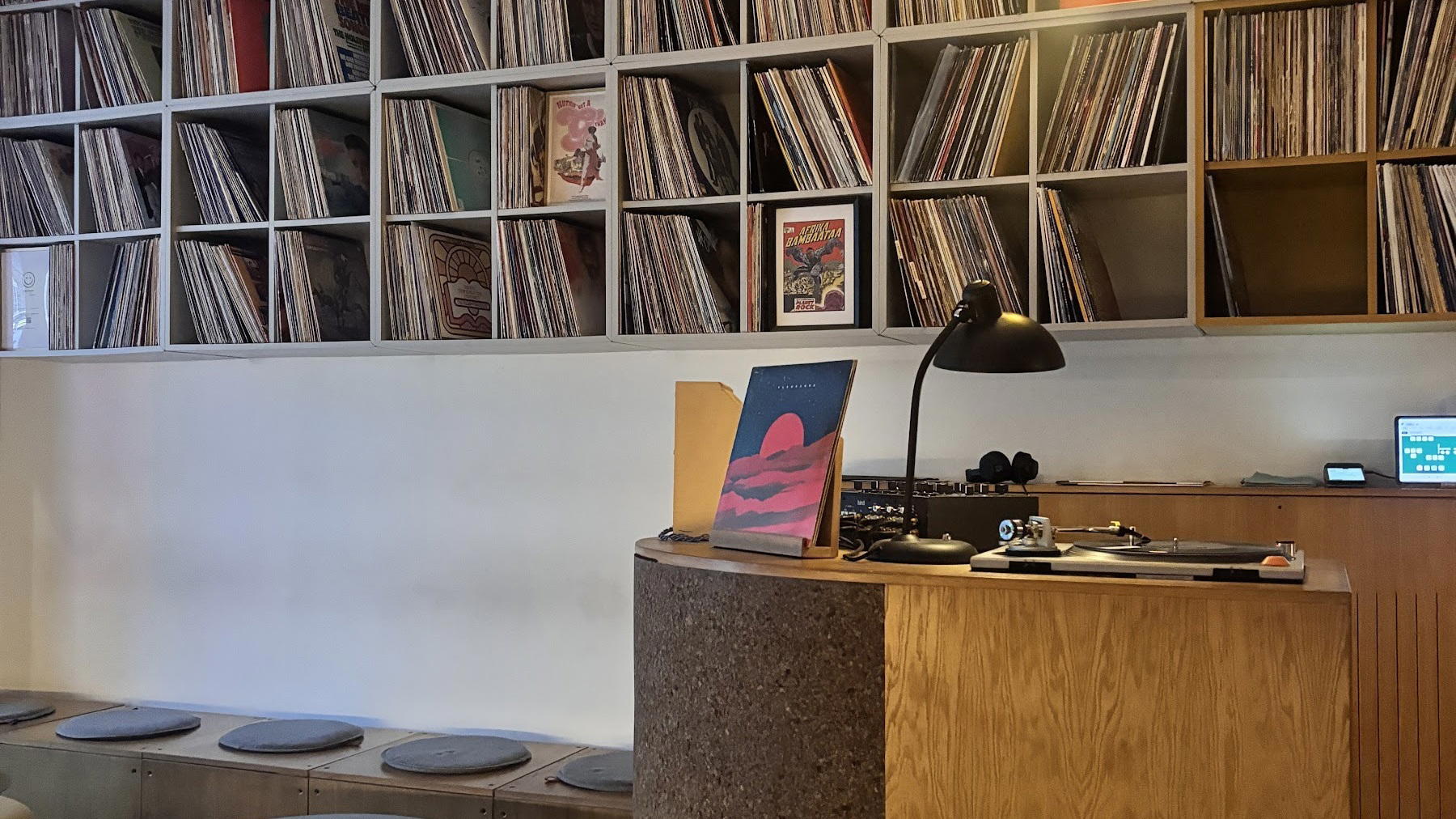
Warm, authentic, and intimate atmosphere with homemade Italian-Danish cuisine in a quiet, non-noisy setting that feels far removed from casual pizza establishments.