Gustav occupies a measured position in Frankfurt's fine dining circuit, drawing comparison to the city's most considered rooms for its address on Reuterweg in the Westend district. Where many Frankfurt restaurants trade in volume and visibility, Gustav operates at a quieter register, making it a reference point for those who read a dining room's architecture as seriously as its menu.
Pearl is the En Primeur Club membership app — saves, bookings, and concierge access live there. Same editors, same standards.
- Address
- 60323, Reuterweg 57, 60323 Frankfurt am Main, Germany
- Phone
- +496974745252
- Website
- sommerfeld-frankfurt.de
- Directions
- Get directions
 Saves & bookings on Pearl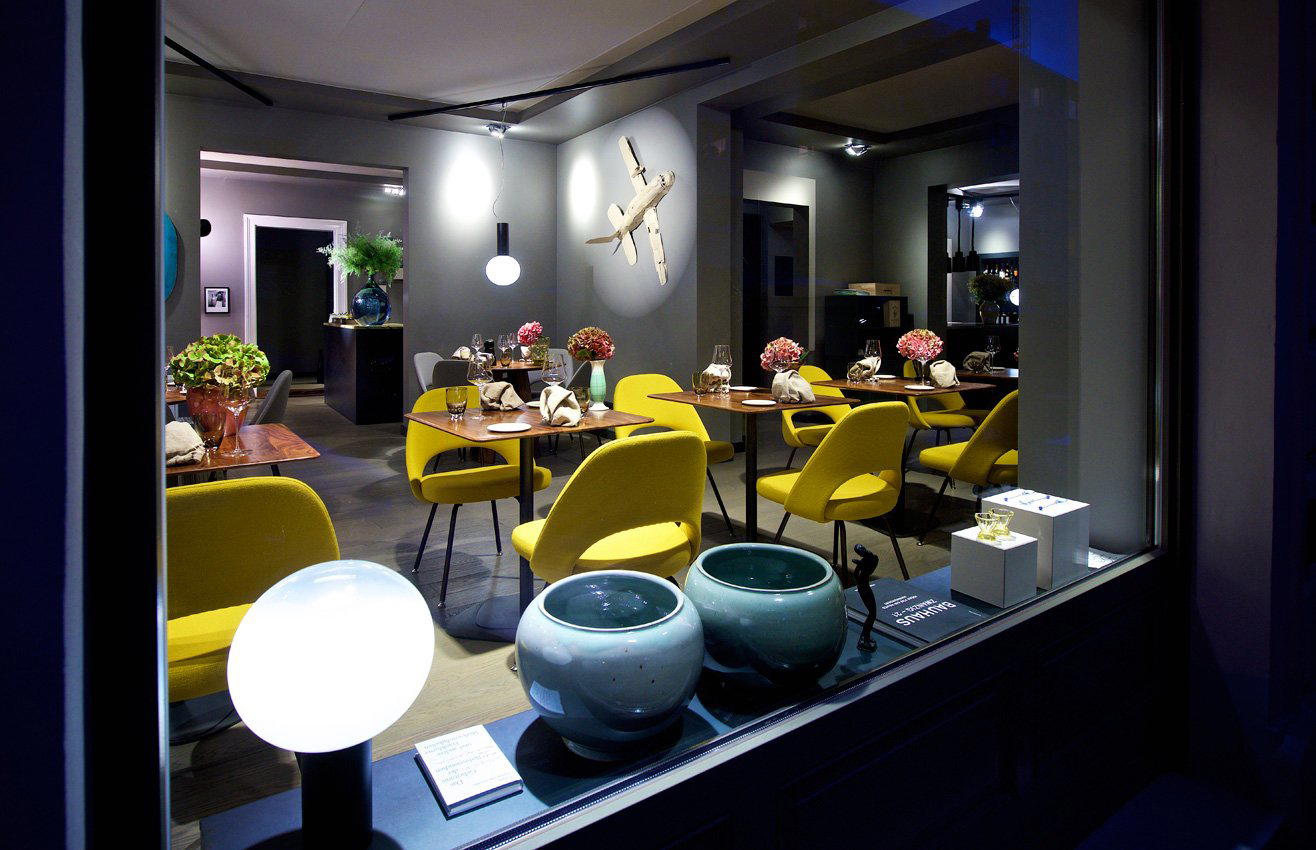
A Room That Sets the Terms
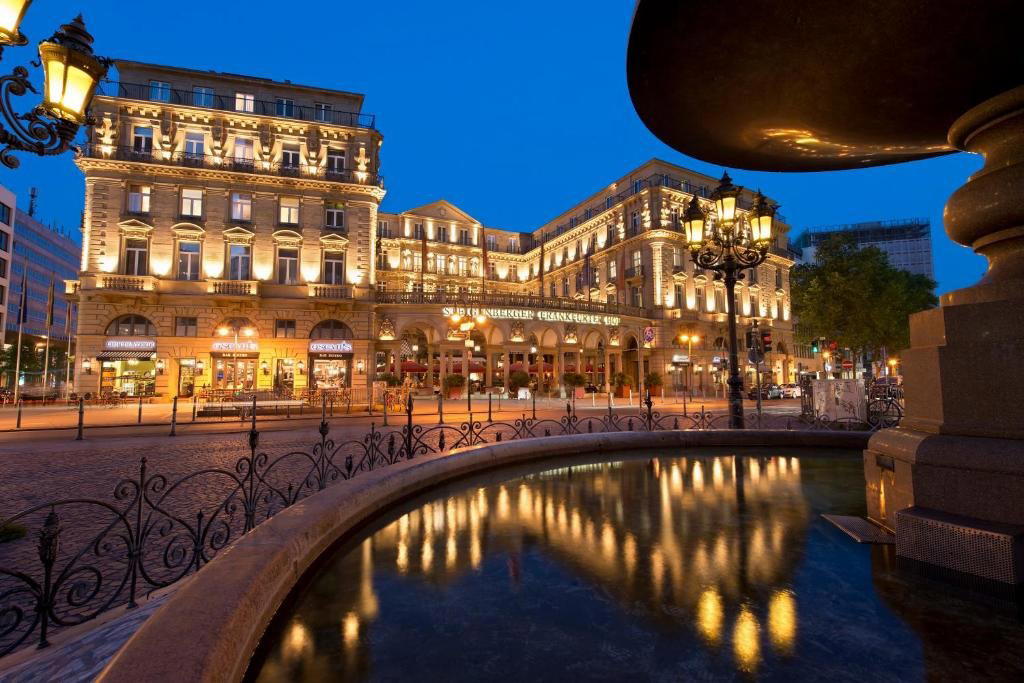
Reuterweg runs through a part of town where Gründerzeit facades give way to specialist galleries and quieter residential streets, and it is here, at number 57, that Gustav occupies its address. In a city where many serious restaurants default to either the corporate-neutral hotel dining room or the aggressively minimal chef-table format, spaces that earn their character through architectural considered restraint are less common than the scene's reputation might suggest.
That architectural register matters in Frankfurt more than in most German cities. As home to the European Central Bank and a dense concentration of financial services, Frankfurt has historically attracted restaurant investment oriented toward expense-account reliability. The rooms that push against that grain tend to attract a different kind of attention, drawing guests who treat the dining environment as part of the proposition rather than background noise.
Frankfurt's Fine Dining Geography
To understand where Gustav sits, it helps to map the broader Frankfurt fine dining picture. The city's upper tier is not deep by the standards of Munich or Hamburg, but it is coherent. Venues like Allgaiers Restaurant and Ariston represent the more formally structured end of the local offer, while addresses such as ALEJANDRO'S and Ambassel demonstrate that the city has appetite for formats that sit outside the classical European template. atm by Deli&Grape occupies a further niche, pointing toward wine-led programming. Gustav occupies its own position within this set, defined by the consistency of its spatial and culinary proposition.
That positioning matters because Frankfurt diners at the upper end of the market are not short of options in nearby cities. Germany's awarded restaurant circuit extends across the country, with Aqua in Wolfsburg, JAN in Munich, and Schwarzwaldstube in Baiersbronn representing the kind of multi-star benchmarks against which any ambitious room is implicitly measured. Closer to Frankfurt, Vendôme in Bergisch Gladbach and Victor's Fine Dining by Christian Bau in Perl set a high bar for what the German fine dining circuit expects from a room operating at serious intent. A venue in Frankfurt that draws guests who might otherwise travel to those destinations is making a meaningful claim.
The Design Argument
German fine dining has undergone a significant spatial shift over the past decade. The heavy drapes and silver service formality that defined the category through the 1990s gave way first to stripped-back minimalism, then to a more layered approach: materials with texture, lighting designed to work at table level rather than for general illumination, seating that prioritises extended stays over efficient turnover. This evolution is visible across the country's leading rooms, from ES:SENZ in Grassau to Waldhotel Sonnora in Dreis, and it reflects a broader understanding that the physical environment is not a neutral container but an active participant in how food is received.
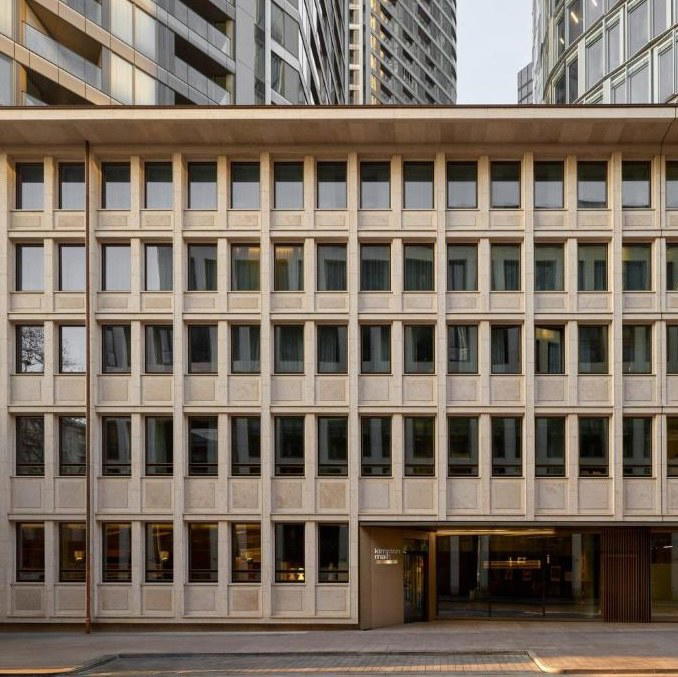
For a Westend address like Gustav's, the design question is particularly pointed. The neighbourhood's built fabric offers character that purpose-built restaurant spaces in newer developments cannot replicate: ceiling heights, window proportions, and material textures that carry their own history. Rooms that work with rather than against that fabric tend to create environments with a density of atmosphere that more uniformly designed spaces struggle to achieve. The address itself carries an inherent promise.
The Broader German Context
Frankfurt's place in Germany's restaurant hierarchy is sometimes underestimated. The city lacks the concentrated critical mass of starred addresses that Munich has built, and it does not carry Berlin's cultural magnetism for international food media. What Frankfurt has instead is a dining public with high disposable income, sustained exposure to international food cultures through the banking community, and a local scene that has been quietly building depth across multiple price tiers. Venues like Restaurant Haerlin in Hamburg and Schanz in Piesport show what sustained ambition looks like at the German level; Frankfurt has the audience to support comparable seriousness, and Westend in particular provides the residential density of the right demographic to sustain a room operating at Gustav's apparent register.
International comparison is also worth making. The wave of precision-focused tasting menus that have reshaped fine dining globally, represented at its most ambitious end by rooms like Le Bernardin in New York City and Atomix in New York City, has filtered into the German market in adapted forms. German fine dining's current moment is defined by a negotiation between classical French technique, regional identity, and the kind of conceptual rigour that CODA Dessert Dining in Berlin has taken to its logical extreme. Where a Westend restaurant sits on that spectrum is one of the more interesting questions the city's scene currently raises.
Planning a Visit
Gustav's address on Reuterweg 57 in the 60323 postal district places it in walkable reach of the Westend's main axes and within easy distance of Frankfurt's U-Bahn network, with Holzhausenstraße station providing a direct approach from the city centre. For guests arriving from further afield, Frankfurt Airport's direct rail connections make same-day arrivals viable. As with any room in this tier of the Frankfurt market, confirming reservations directly and in advance is the practical baseline; the city's financial calendar creates demand spikes around ECB meeting weeks and major trade fair periods, when availability across the upper tier tightens noticeably.
The Essentials
Comparable venues nearby, for context on price, style, and recognition.
| Venue | Cuisine | Price | Notes |
|---|---|---|---|
| GustavThis venue — the venue you are viewing | Not listed | $$$ | Not listed |
| Brasserie du Sud | Sachsenhausen, Classic French Brasserie | $$$ | Not listed |
| Lazuli | Not listed | $$$ | Roemerberg, Mediterranean Small Plates & Craft Cocktails |
| Burbank | Roemerberg, Californian-Pan-Asian Fusion | $$$ | Not listed |
| Gerbermühle | Not listed | $$$ | Im Teller, Modern German with International Influences |
| Allgaiers Restaurant | Goethehaus, French-inspired German | $$$ | Not listed |
Continue exploring
More in Frankfurt
Restaurants in Frankfurt
Browse all →
Bars in Frankfurt
Browse all →
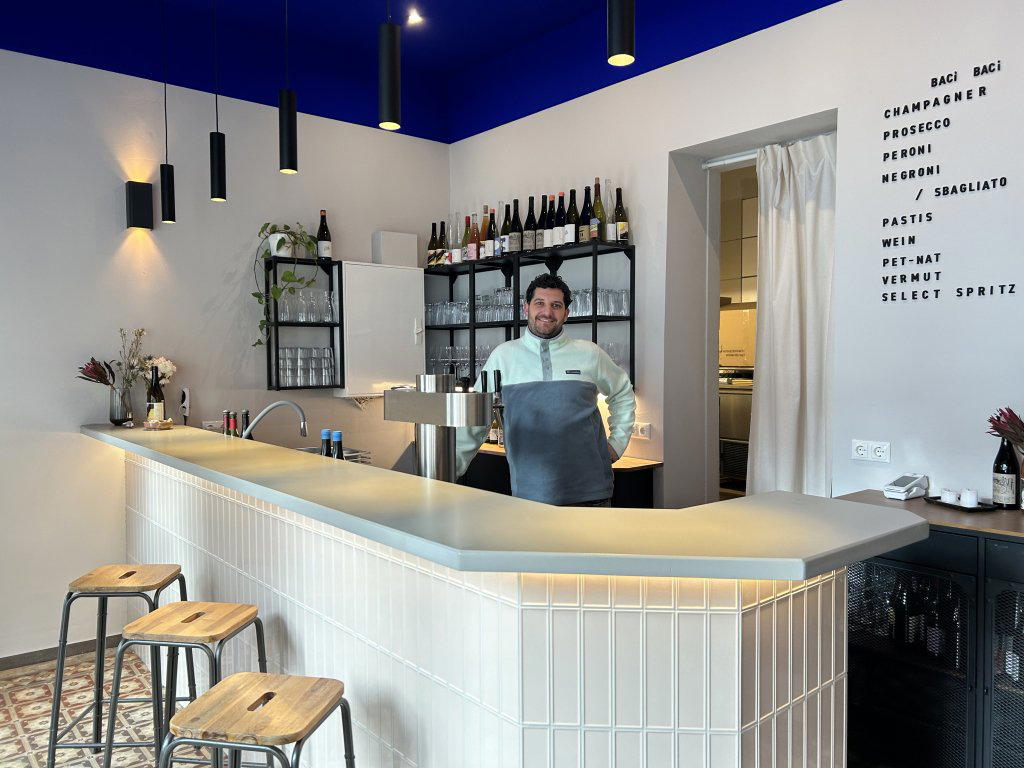

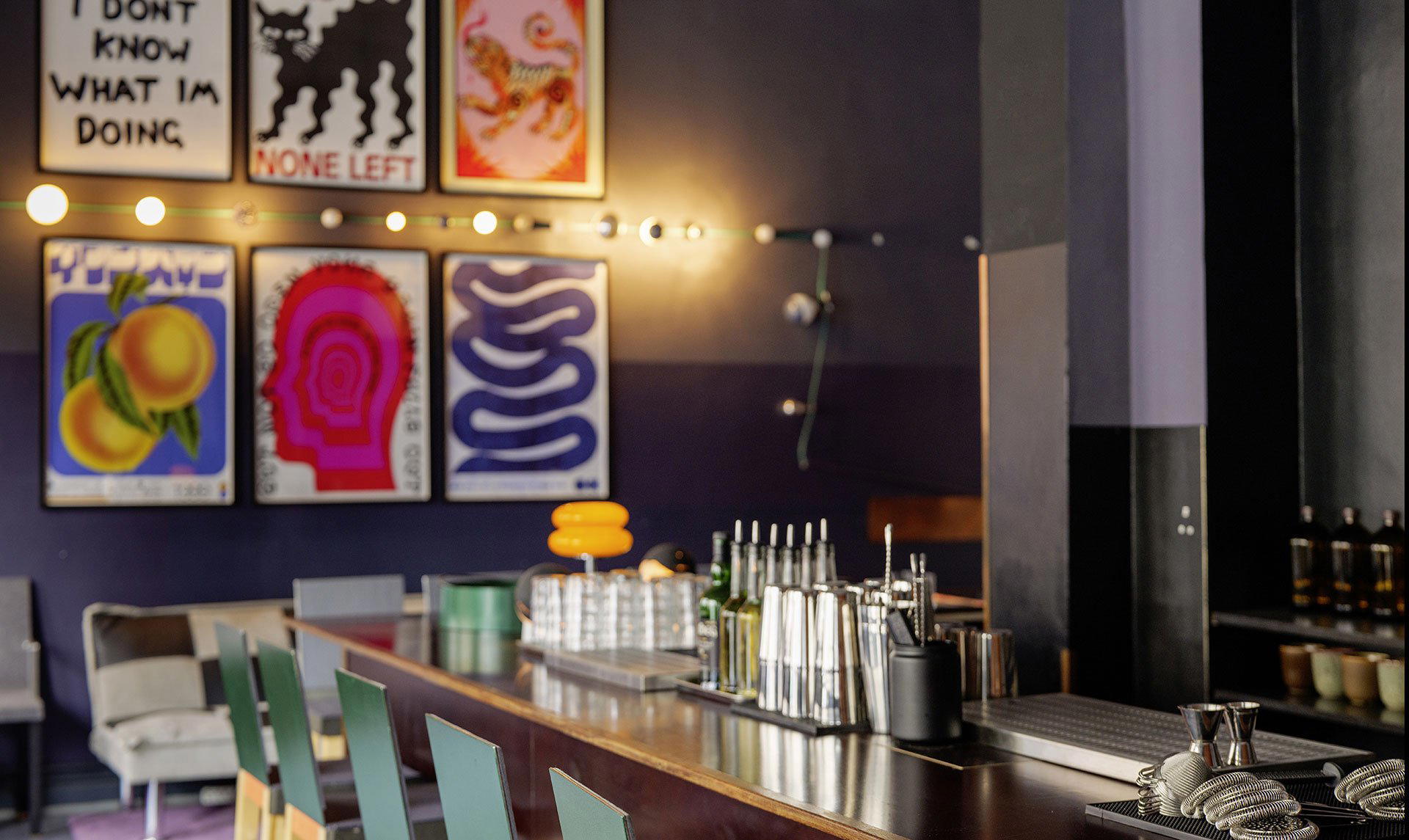
Hotels in Frankfurt
Browse all →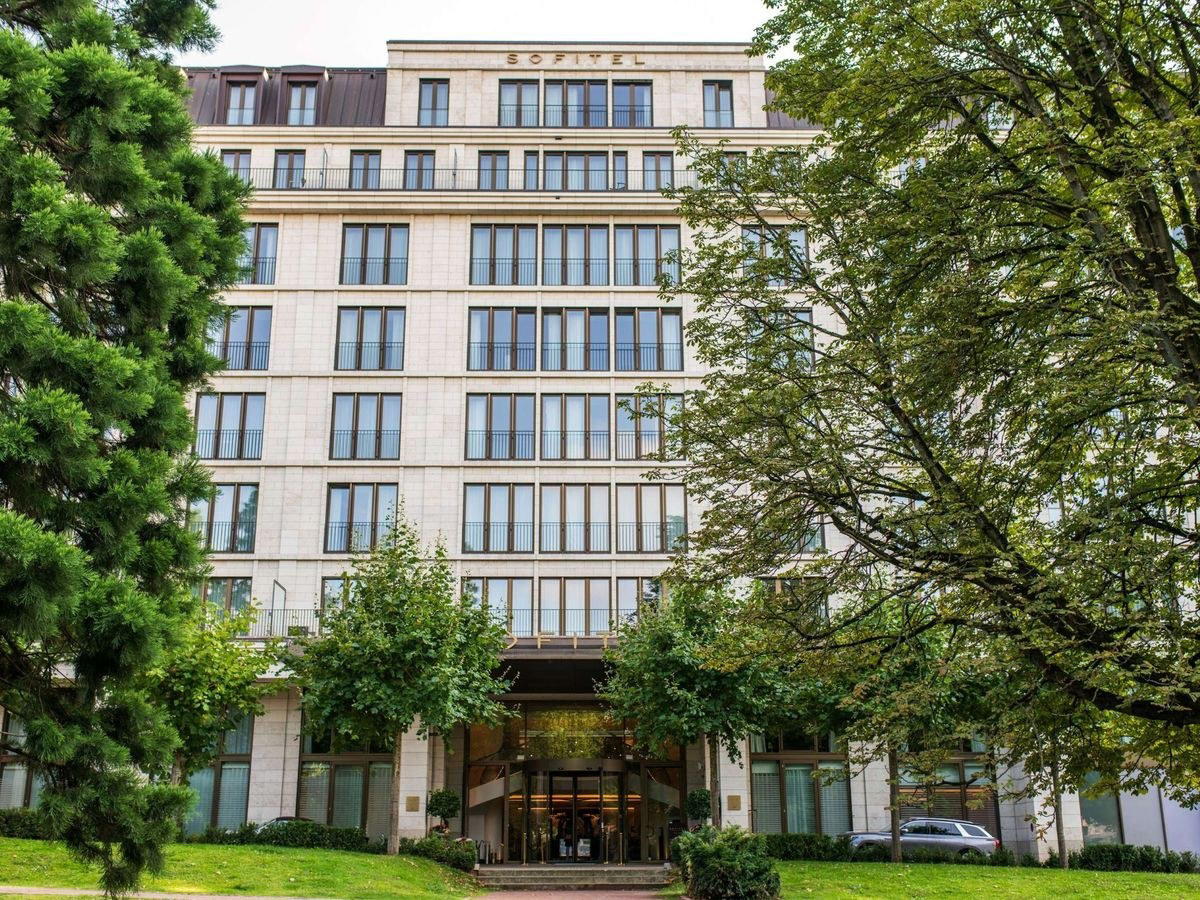
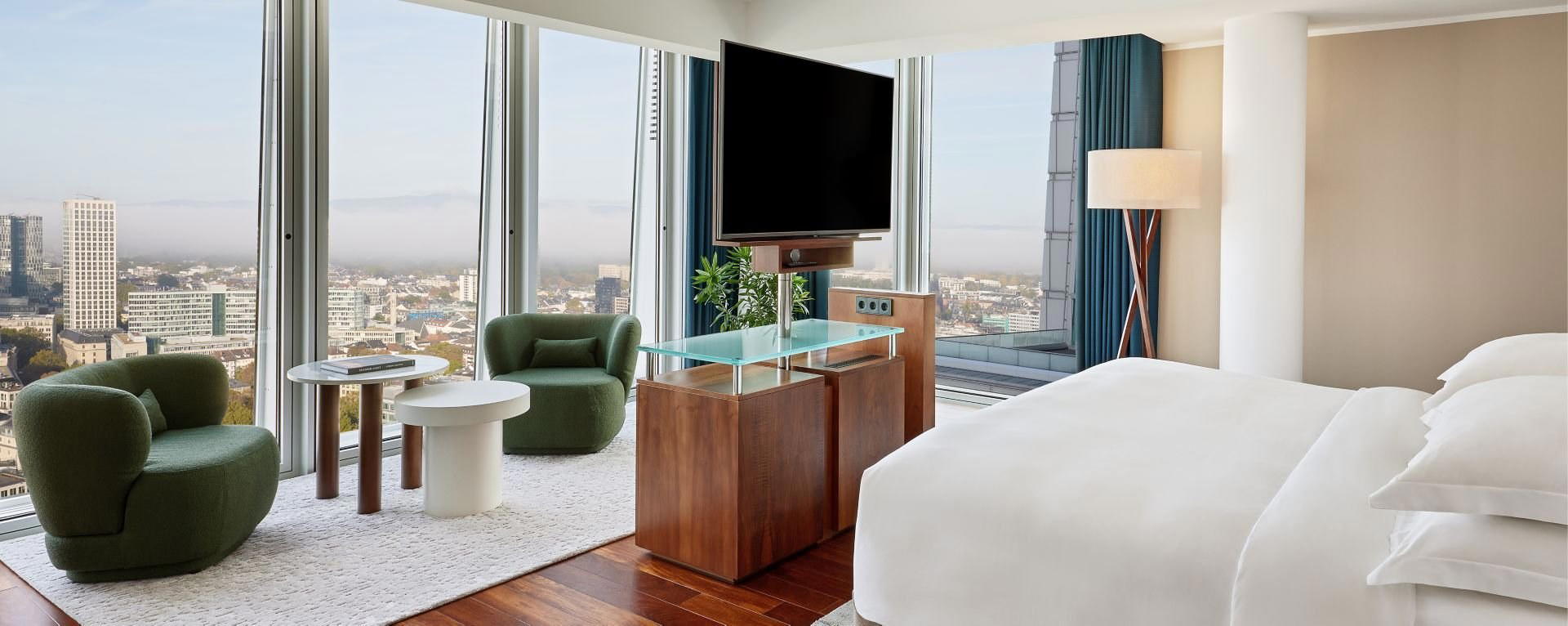

At a Glance
- Modern
- Elegant
- Sophisticated
- Intimate
- Date Night
- Special Occasion
- Business Dinner
- Open Kitchen
- Extensive Wine List
- Local Sourcing
- Organic
- Street Scene
Current opening hours
- Monday
- Closed
- Tuesday
- 6:30–11:30 PM
- Wednesday
- 6:30–11:30 PM
- Thursday
- 6:30–11:30 PM
- Friday
- 12–2 PM, 7–11:30 PM
- Saturday
- Closed
- Sunday
- Closed
Hours can change for holidays and private events. Last verified .
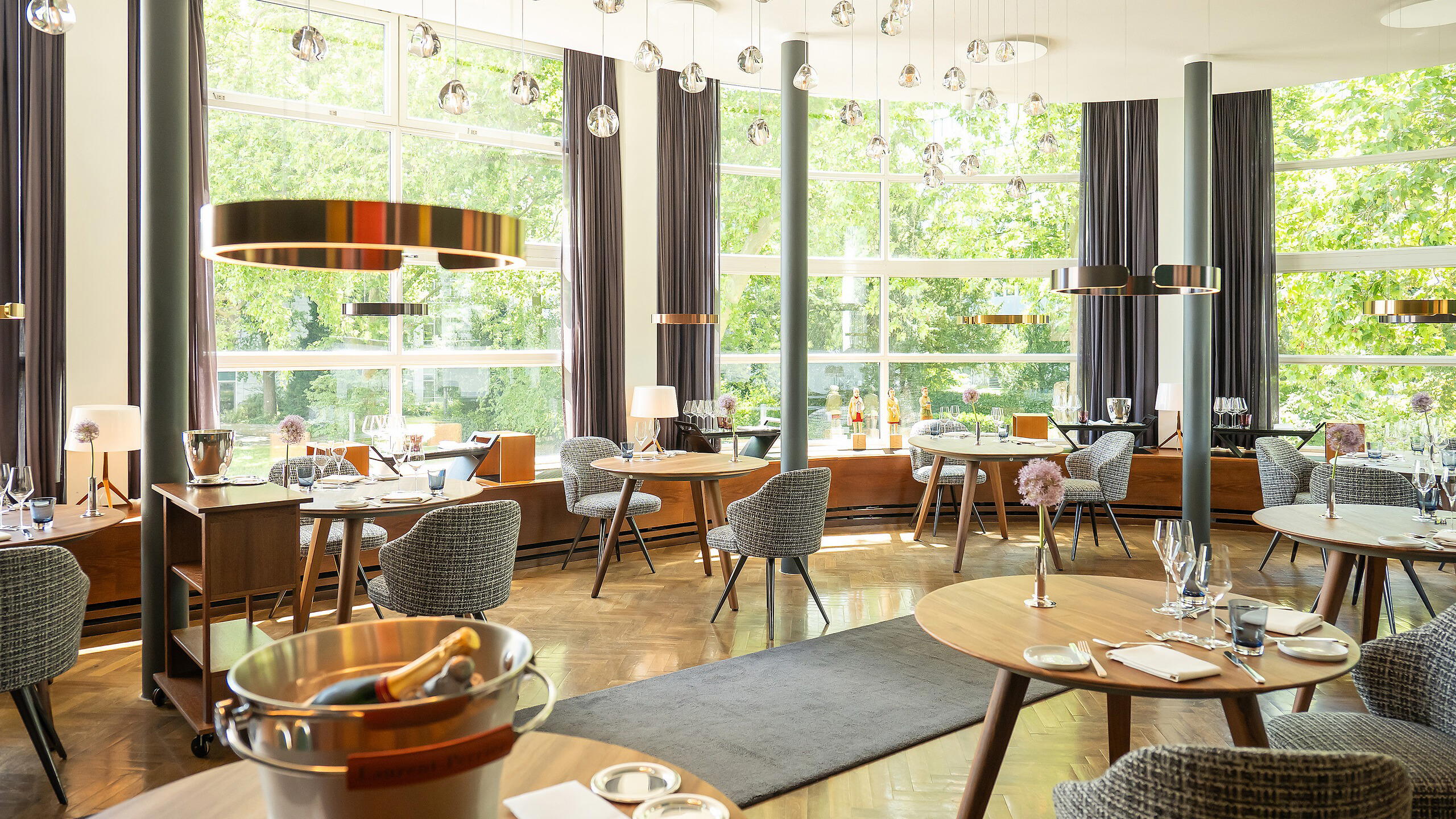
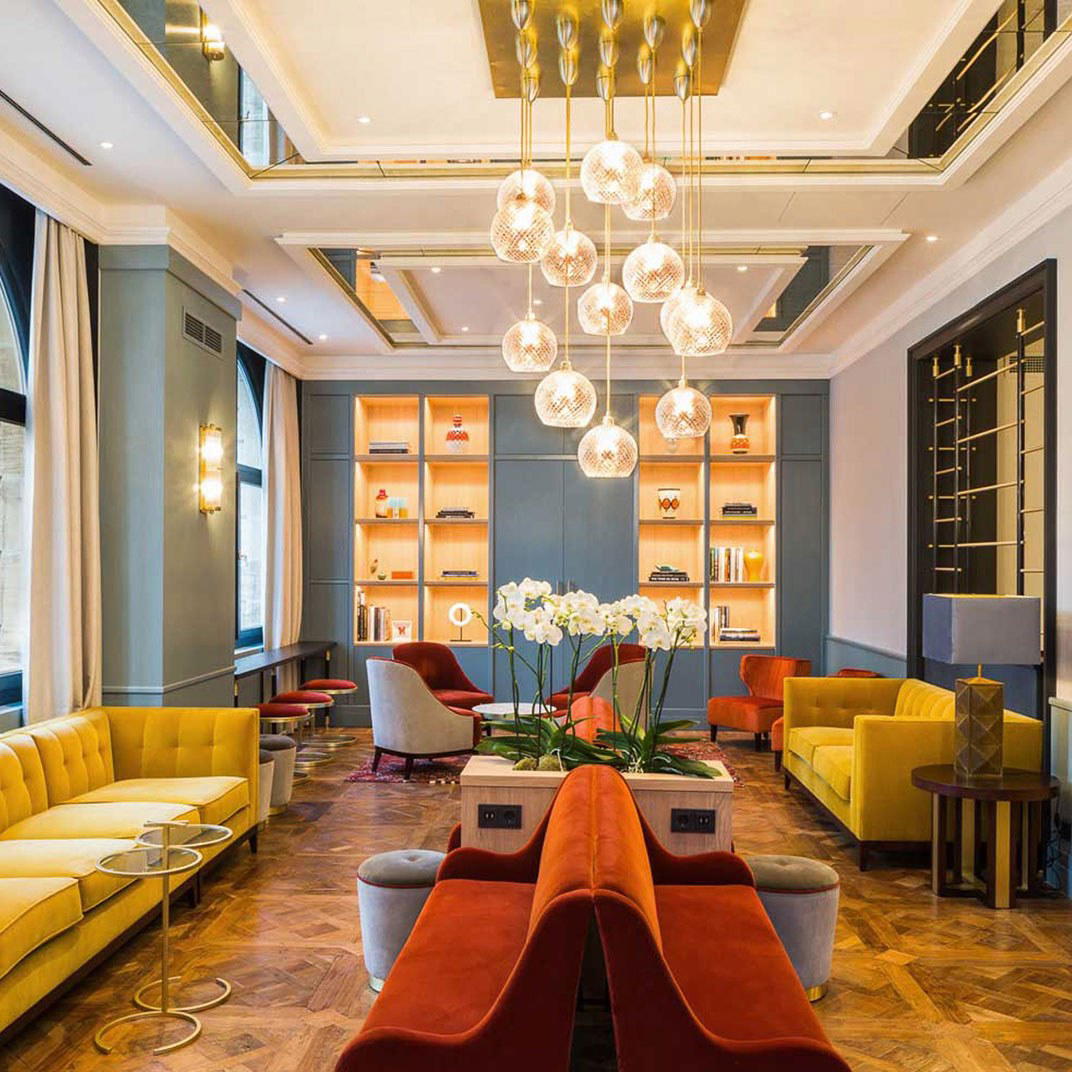
Stylish, sleek modern interior with Bauhaus-inspired forms, colorful unconventional art by young Frankfurt artists on dark grey walls, relaxed yet concentrated atmosphere with floor-to-ceiling windows.