Our verdict
The address places it within a competitive dining corridor where the format and menu architecture matter more than location alone. A reference point for those working through Porto's mid-to-upper dining tier.

Pearl is the En Primeur Club membership app — saves, bookings, and concierge access live there. Same editors, same standards.
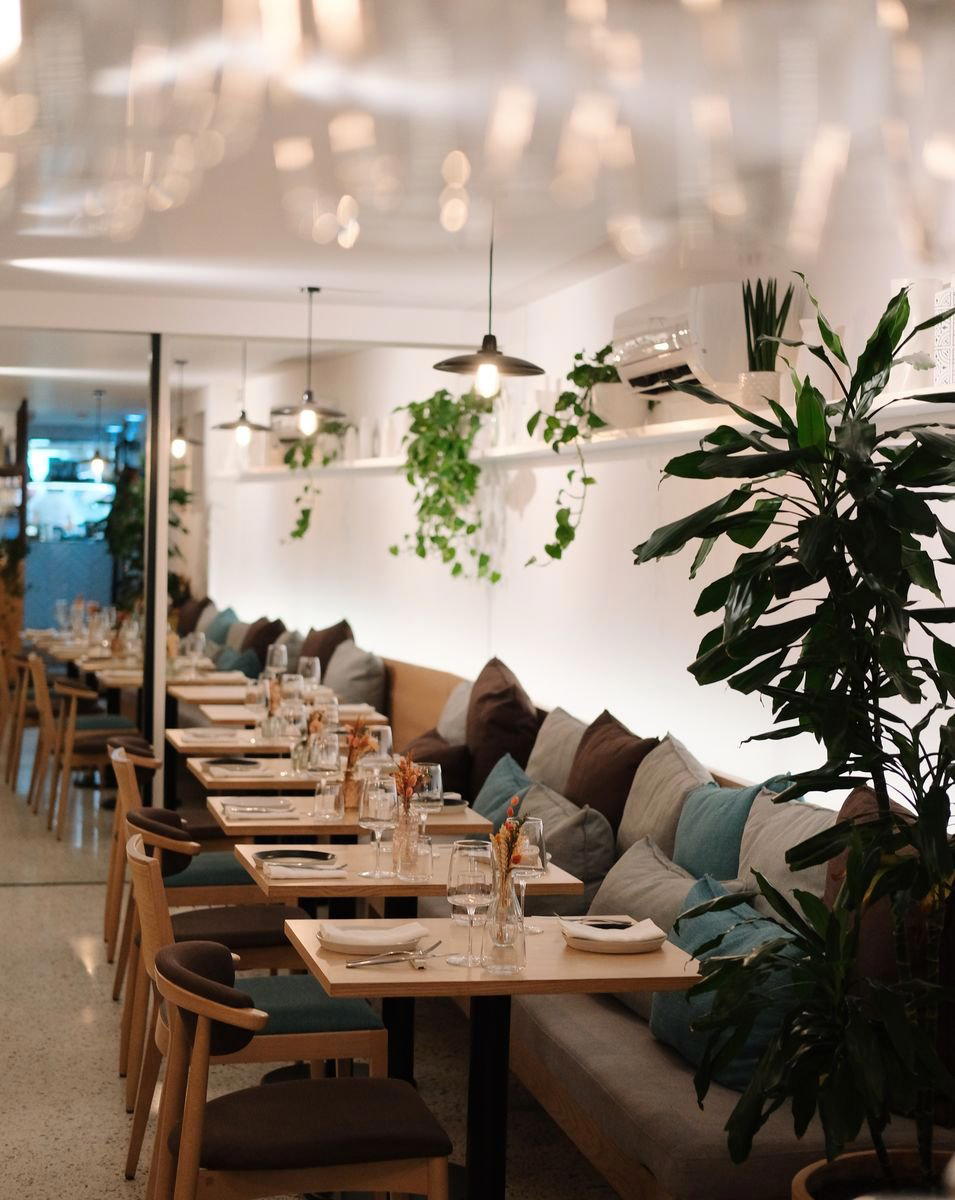
Understanding where Gruta fits in Porto's dining map requires a quick account of how that map has changed. Over the past decade, the city's fine dining tier consolidated around a set of tasting-menu formats, most of them operating in the €€€€ bracket: Antiqvvm in its hilltop setting above the Douro, Euskalduna Studio with its progressive Portuguese counter format, Blind operating a no-choice tasting sequence, and Le Monument and Vila Foz in the western residential quarters. Gruta operates within this broader movement but from a central-city address that most of its peers have vacated in favour of more atmospheric or architecturally distinctive settings.
What the Menu Structure Reveals
In Portuguese fine dining, the menu is frequently a positioning document as much as a list of dishes. The tasting menu in this context functions as a commitment device: it signals technical ambition, a chef-led narrative, and a kitchen confident enough to remove choice from the equation.
Addresses that retain or return to à la carte formats make a different argument. They position flexibility as a form of hospitality rather than a concession to the market. It also allows a kitchen to rotate dishes more responsively, anchoring around seasonal Portuguese produce without the structural commitment of a fixed sequence. The venue data available for Gruta does not confirm its specific format, but the address and its position in Porto's mid-to-upper tier suggest this is the operative tension the kitchen works within.
Porto's Atlantic Portuguese Cooking and What It Demands
Porto's culinary identity is built on a different set of references than Lisbon's. The city's proximity to the Atlantic and the Douro basin, its historic working-class food culture, and its long association with bacalhau (salt cod, prepared in more local variations than any other Portuguese city) mean that any serious restaurant here operates in dialogue with a deeply embedded local register. The city's leading tables have handled this dialogue in different ways: some have treated traditional ingredients as raw material for technical transformation, others have maintained more direct lines to the tripe, offal, and fish preparations that define Tripeiro cooking. Neither approach is neutral. The menu architecture of any Porto restaurant encodes a position on this question, whether the kitchen acknowledges it or not.
This is the context in which Porto's newer addresses are read by local diners, who have a lower tolerance for imported aesthetic frameworks applied to local produce than visitors might assume. Comparison venues in the city's upper tier, The Yeatman in Vila Nova de Gaia across the river, or A Cozinha in Guimarães slightly further north, each handle this tension differently, and their reputations reflect how local diners have assessed that handling over time. The award infrastructure now extends well beyond Lisbon: Il Gallo d'Oro in Funchal, Bon Bon in Lagoa, Al Sud in Lagos, and A Ver Tavira in Tavira in the Algarve all carry recognition, reflecting a national scene with genuine depth. In this context, Porto's dining tier is not a provincial second to Lisbon but a distinct culinary region with its own logic and its own competitive markers.
For international visitors accustomed to dining in cities like New York, where technically ambitious restaurants such as Le Bernardin or Atomix set expectations around format discipline and ingredient sourcing, Porto's upper-mid tier offers a different kind of engagement. The price register is lower, the ingredient provenance is often tighter (the Atlantic coast and northern Portuguese smallholders supply kitchens directly), and the absence of a global luxury overlay tends to produce more direct, less theatrical cooking. The central address makes it one of the more accessible restaurants in Porto's upper-mid tier without the need for a taxi to the western residential quarters or the hilltop settings favoured by some peers. For a fuller picture of Porto's dining options across formats and price tiers, see our full Porto restaurants guide.
Frequently asked questions
Is Gruta good for families?
Rua de Santa Catarina 447 sits in Porto's main commercial corridor, an area that sees a broad cross-section of visitors throughout the day. A mid-to-upper tier restaurant at this address is generally oriented toward a composed dining experience rather than a casual family setting.
What should I expect atmosphere-wise at Gruta?
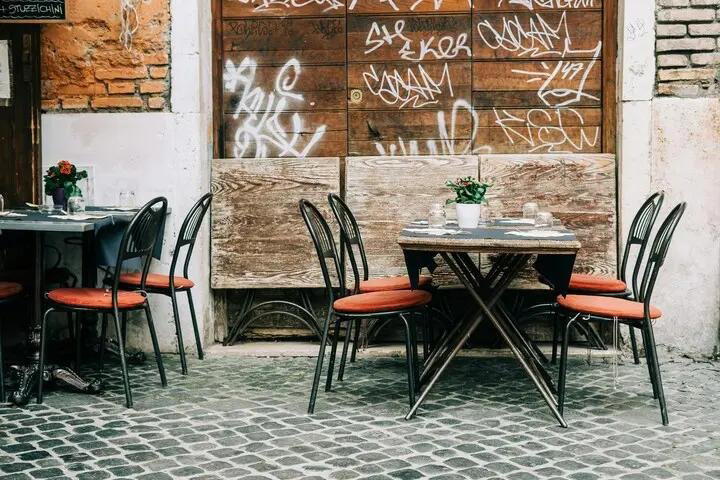
The address on Rua de Santa Catarina places Gruta in Porto's retail and commercial spine rather than in the riverside Ribeira district or the hilltop miradouro neighbourhoods where many of the city's more atmospheric restaurants operate. That central position brings foot traffic and accessibility but a different ambient register than Porto's more secluded dining rooms. The specific interior format has not been confirmed in EP Club's data.
How does Gruta fit into Porto's broader Portuguese restaurant scene?
Porto has attracted increasing international critical attention since the mid-2010s, with Michelin expanding its engagement across Portugal's northern cities during that period. Gruta operates at a central Rua de Santa Catarina address, placing it within a city whose cooking identity is built on Atlantic seafood and Douro basin produce rather than Lisbon's southern and plains-facing references. The venue's specific position within Porto's restaurant tier is best assessed once cuisine type and any formal recognition are confirmed.
What should I order at Gruta?
EP Club does not hold confirmed menu details for Gruta. Porto's upper-mid tier kitchens generally anchor their cooking in Atlantic seafood and Douro basin produce, with bacalhau preparations and local shellfish appearing across the bracket. Checking Gruta's current menu directly before visiting will give a clearer picture of what the kitchen is running.
Where is Gruta in Porto?
Gruta is located at R. de Santa Catarina 447, 4000-452 Porto, Portugal, Porto.
Do they take walk-ins at Gruta?
The central location on Rua de Santa Catarina, near Bolhão metro station, makes Gruta more physically accessible than Porto's destination-dining addresses further from the city centre. Walk-in availability depends on the size of the room and demand on any given night, neither of which EP Club has confirmed data on. Booking ahead is the lower-risk approach, particularly for evening service.
What makes Gruta worth seeking out?
Gruta's position at Rua de Santa Catarina 447 puts a mid-to-upper tier Porto kitchen within straightforward reach of the Bolhão market area and the city's main transit connections, without requiring a taxi to the periphery. Porto's serious dining scene has expanded considerably since the mid-2010s, and a restaurant at this address sits within a city that now draws sustained international critical attention. The specific case for Gruta over its peers becomes clearer once menu and format details are confirmed.
Reputation First
Comparable venues nearby, for context on price, style, and recognition.
| Venue | Cuisine | Price | Notes |
|---|---|---|---|
| GrutaThis venue — the venue you are viewing | Modern Portuguese-Brazilian Seafood | $30–50 | Not listed |
| Terreiro | Traditional Portuguese Seafood | $20–30 | S Nicolau |
| Uma Marisqueira (Ze Bota) - A Seafood Resturant | Traditional Portuguese Seafood | $20–30 | Vitória |
| Bacalhau | Traditional Portuguese Codfish | $10–20 | S Nicolau |
| Zé Bota | Traditional Portuguese Seafood | $20–30 | Vitória |
| Iguarias De Hanói | Traditional Vietnamese | $10–20 | Cedofeita |
Continue exploring
More in Porto
Restaurants in Porto
All restaurants in Porto →
Bars in Porto
All bars in Porto →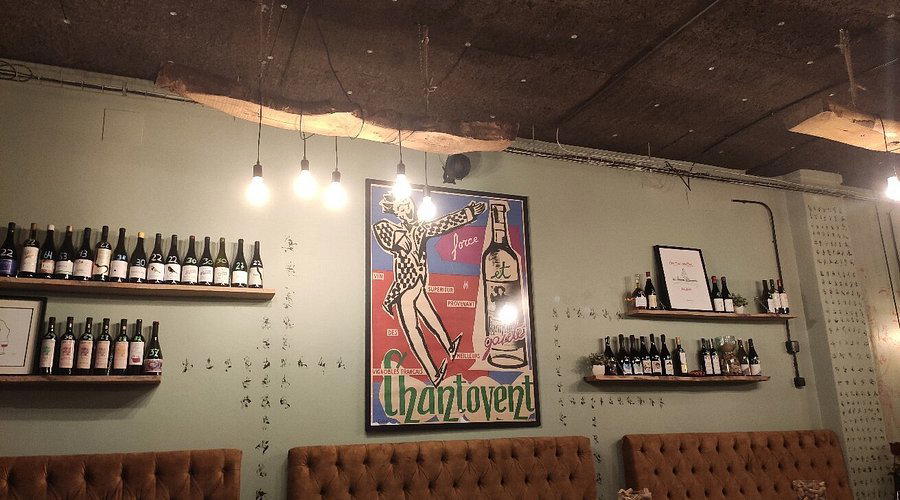

Details
- Cozy
- Intimate
- Date Night
- Special Occasion
- Extensive Wine List
- Local Sourcing
- Sustainable Seafood
- A La Carte
- Wine
- Vegetarian Friendly
- Vegan Options
- Gluten Free Options
Current opening hours
- Monday
- 6–10 PM
- Tuesday
- 6–10 PM
- Wednesday
- 6–10 PM
- Thursday
- 6–10 PM
- Friday
- 6–10 PM
- Saturday
- 6–10 PM
- Sunday
- 6–10 PM
Hours can change for holidays and private events. Last verified .
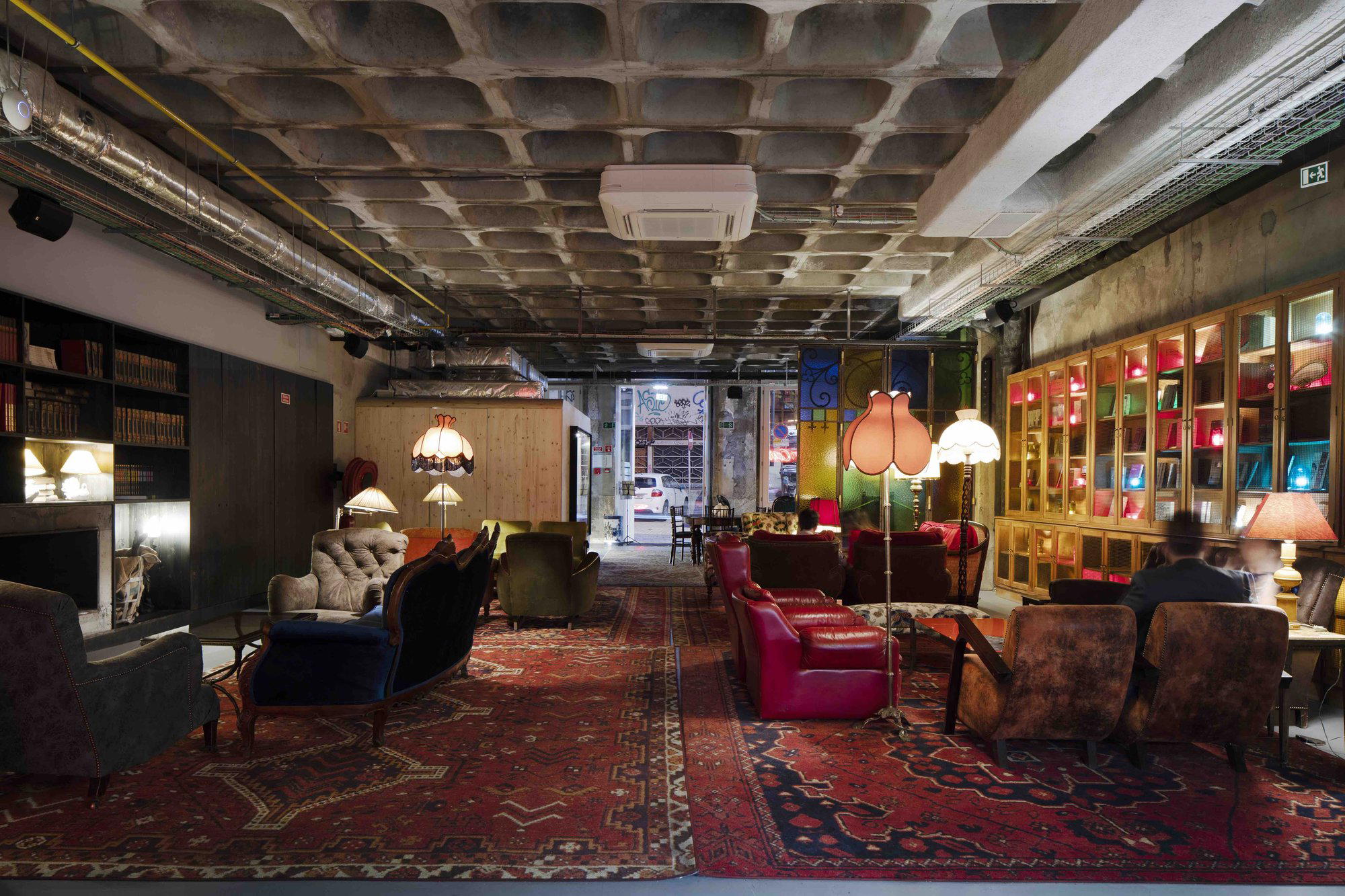
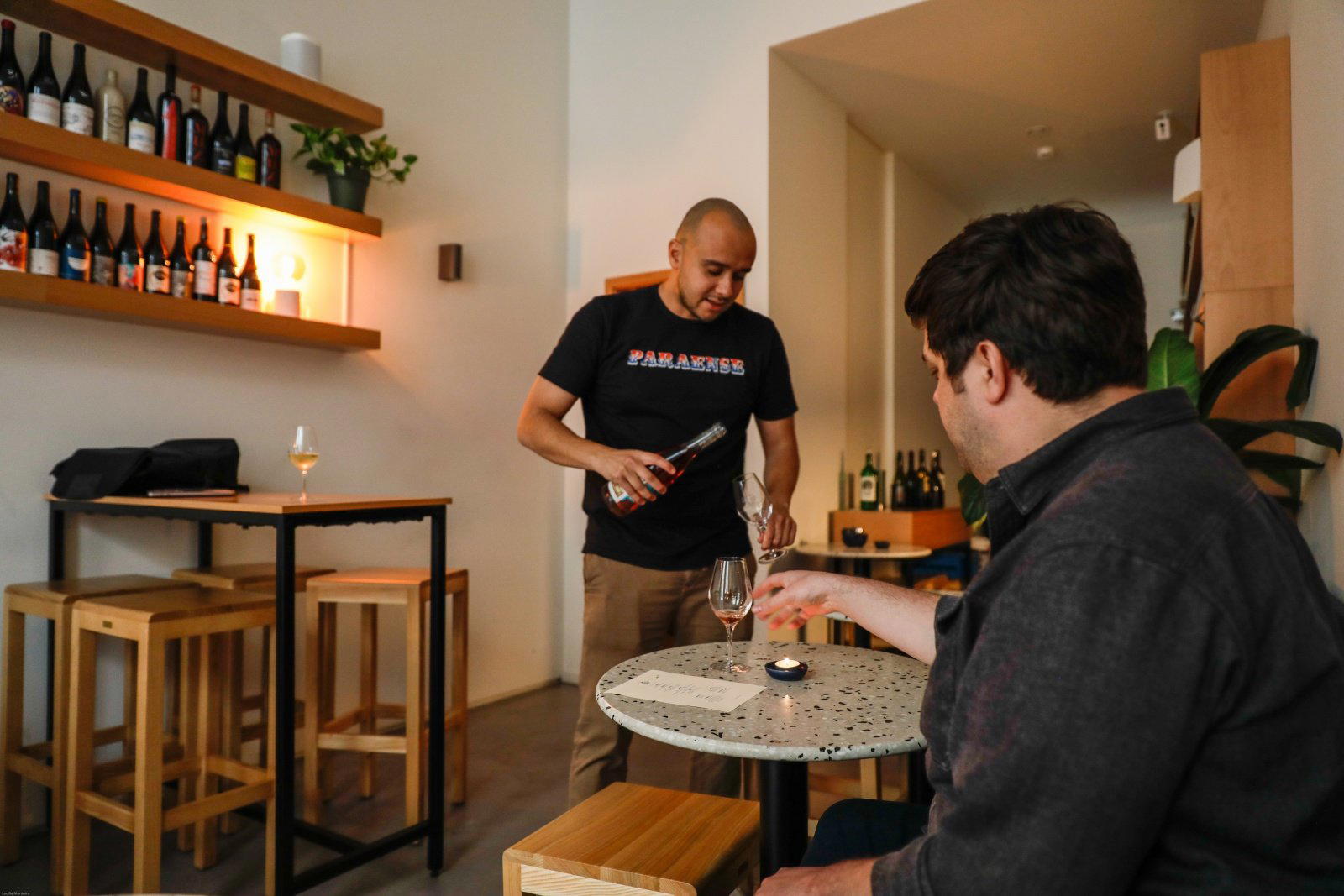
Cozy, warm, minimalist, and welcoming with comfortable lighting and charming decor.