A Travessa do Carmo address in central Porto, Uma Marisqueira (Zé Bota) operates in the city's long tradition of neighbourhood seafood houses where the fish, not the décor, does the talking. Porto's marisqueiras occupy a distinct tier below the tasting-menu circuit, and Zé Bota is a frequently cited name within that category. Plan your visit around an early arrival and a flexible afternoon.
Pearl is the En Primeur Club membership app — saves, bookings, and concierge access live there. Same editors, same standards.
- Address
- Tv. do Carmo 16, 4050-165 Porto, Portugal
- Phone
- +351 920 057 820
- Directions
- Get directions
 Saves & bookings on Pearl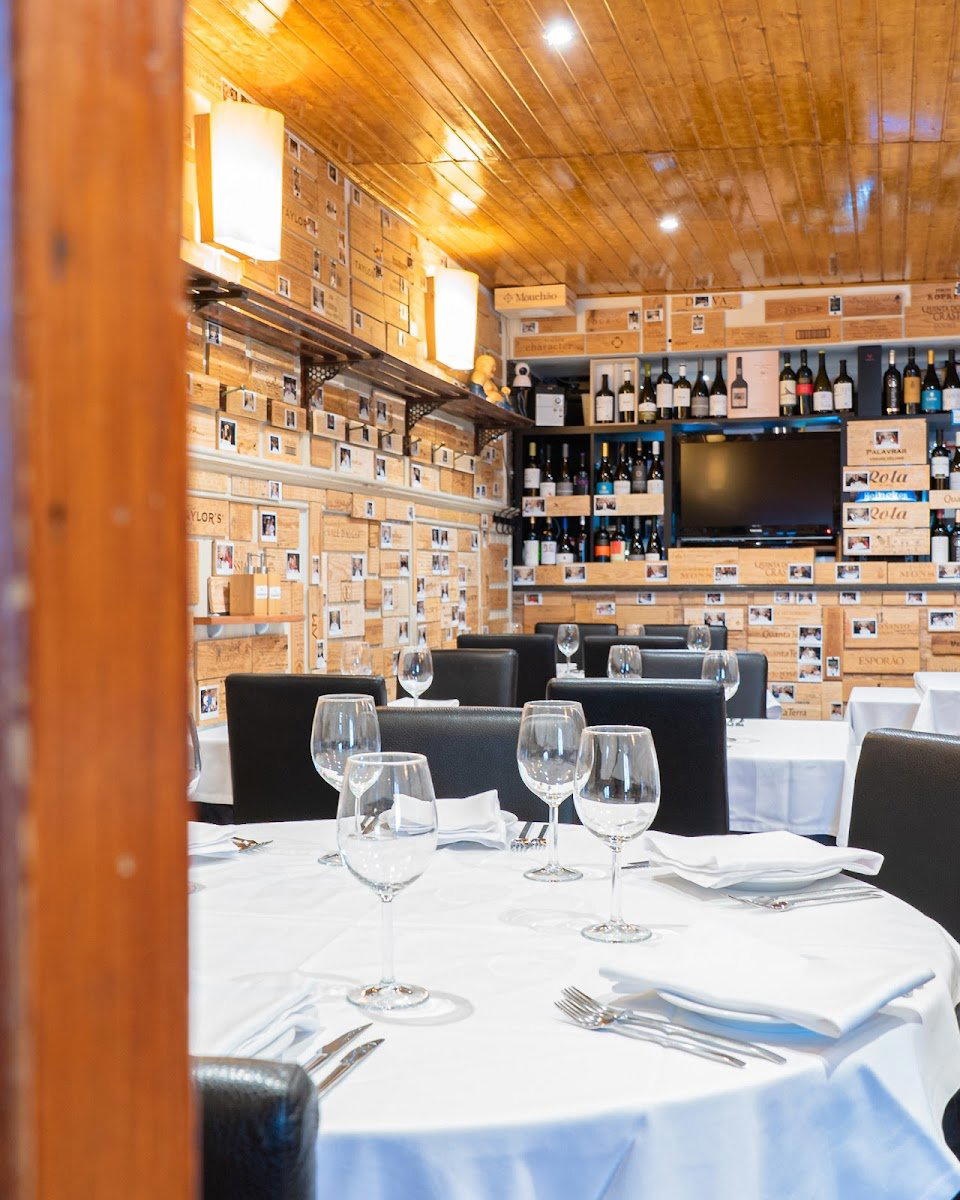
Porto's Marisqueira Tradition and Where Zé Bota Sits Within It
Porto has two distinct dining registers. One runs through the tasting-menu restaurants, places like Euskalduna Studio, Antiqvvm, and Blind, where a fixed sequence at a premium price point defines the experience. The other runs through the city's marisqueiras: informal seafood houses where whole fish, shellfish by the kilo, and house wine by the carafe are the grammar of the meal. Uma Marisqueira (Zé Bota), at Travessa do Carmo 16, is a traditional Portuguese seafood restaurant in Porto and belongs firmly to the second register.
The marisqueira format is one of the more honest dining traditions in Iberia. There is no tasting menu, no amuse-bouche, no sommelier commentary. The kitchen's job is to source well and interfere minimally; the diner's job is to eat slowly and order more. Porto's better seafood houses have held this format through decades when other cities chased trends, and that consistency is exactly what draws visitors who have already worked through the formal end of the city's restaurant scene. Zé Bota is one of the names that comes up repeatedly in that context.
The Approach: Travessa do Carmo and What to Expect on Arrival
Travessa do Carmo is a short street in central Porto, close enough to the Carmo church and the tourist circuit to be accessible, but just removed enough that the clientele skews local during peak lunch hours. The physical environment here signals the same thing the format does: this is a working restaurant, not a stage set. Tables are close. The room fills quickly. The kitchen is present in the sounds and smells that reach the dining area in the way that only open or semi-open kitchen setups allow.
Arriving early matters. Walk-in access is possible, but the window between the doors opening and the room filling is shorter than most visitors expect, particularly at weekend lunch. This is a category-wide pattern across Porto's neighbourhood seafood houses, and Zé Bota is no exception.
Planning the Visit: The Booking Question
The editorial angle that matters most for a place like Zé Bota is logistical, because the gap between wanting to eat here and actually eating here is narrower in theory than in practice. Porto's informal seafood houses reward early planning and flexibility.
At the marisqueira level, the approach is different: telephone contact when possible, early arrival as a fallback, and flexibility on timing.
Portugal's broader fine dining circuit, Belcanto in Lisbon, Vila Joya in Albufeira, Casa de Chá da Boa Nova in Leça da Palmeira, The Yeatman in Vila Nova de Gaia, operates on entirely different booking logic. Zé Bota sits outside that system by format and by intent, which is part of its appeal to diners who have already navigated the formal tier.
The Seafood Tradition That Frames the Menu
Portugal's relationship with seafood is structural rather than fashionable. The country's Atlantic coastline, combined with a fishing culture that predates the republic, means that the raw material arriving in Porto's seafood kitchens is genuinely good. Marisqueiras at the level of Zé Bota work within a tradition where the sourcing decisions, what arrived, what looks leading today, shape the day's offering more than any printed menu does. This is not improvisation; it is a format built around quality and availability rather than around a fixed repertoire.
That tradition places Zé Bota in a different comparison set from Portugal's coast-facing destination restaurants. Ocean in Porches, Fortaleza do Guincho in Cascais, Al Sud in Lagos, and Gusto by Heinz Beck in Almancil are all working within fine dining frameworks where the seafood is a vehicle for technique. At a marisqueira, the seafood is the destination. The comparison that holds internationally is closer to the neighbourhood fish restaurants of coastal Brittany or the no-reservations shellfish bars of San Sebastián's old quarter, places where format compression is a feature, not a limitation.
Zé Bota in Porto's Broader Restaurant Map
Porto's dining scene has broadened considerably over the past decade. The tasting-menu tier has grown, Euskalduna Studio and Antiqvvm represent the city's most ambitious end, while the middle market has also expanded with international and fusion concepts. The marisqueira tier has remained largely stable in format, which means places like Zé Bota are doing something adjacent to what Le Bernardin in New York and Lazy Bear in San Francisco are doing at the opposite end of the formality spectrum: holding a clear point of view against category pressure. The difference is that Zé Bota's point of view is expressed through informality and access rather than through structure and price.
For visitors building a Porto itinerary across multiple days, the practical read is this: book the tasting-menu rooms first, because those lead times are real. Then plan the marisqueira visit for the second or third day, with an early arrival strategy and no fixed expectations about table size or seating duration. The rhythm of the meal, unhurried, course-shaped by what the kitchen has rather than what a menu promised, is the experience.
Other Portuguese seafood contexts worth cross-referencing when planning a wider trip: Il Gallo d'Oro in Funchal and Ó Balcão in Santarém both show how differently Portuguese kitchens can frame local produce when the format shifts away from the informal register.
Quick Comparison
Comparable venues nearby, for context on price, style, and recognition.
| Venue | Cuisine | Price | Notes |
|---|---|---|---|
| Uma Marisqueira (Ze Bota) - A Seafood ResturantThis venue — the venue you are viewing | Traditional Portuguese Seafood | $$ | Not listed |
| Antunes | Traditional Portuguese | $$ | Santo Ildefonso |
| Bacalhau | Traditional Portuguese Codfish | $$ | S Nicolau |
| A Regaleira | Traditional Portuguese - Home of Original Francesinha | $$ | Santo Ildefonso |
| Nabos da Púcara | Portuguese Petiscos | $$ | Vitória |
| A Cozinha do Manel | Traditional Portuguese | $$ | Bonfim |
Continue exploring
More in Porto
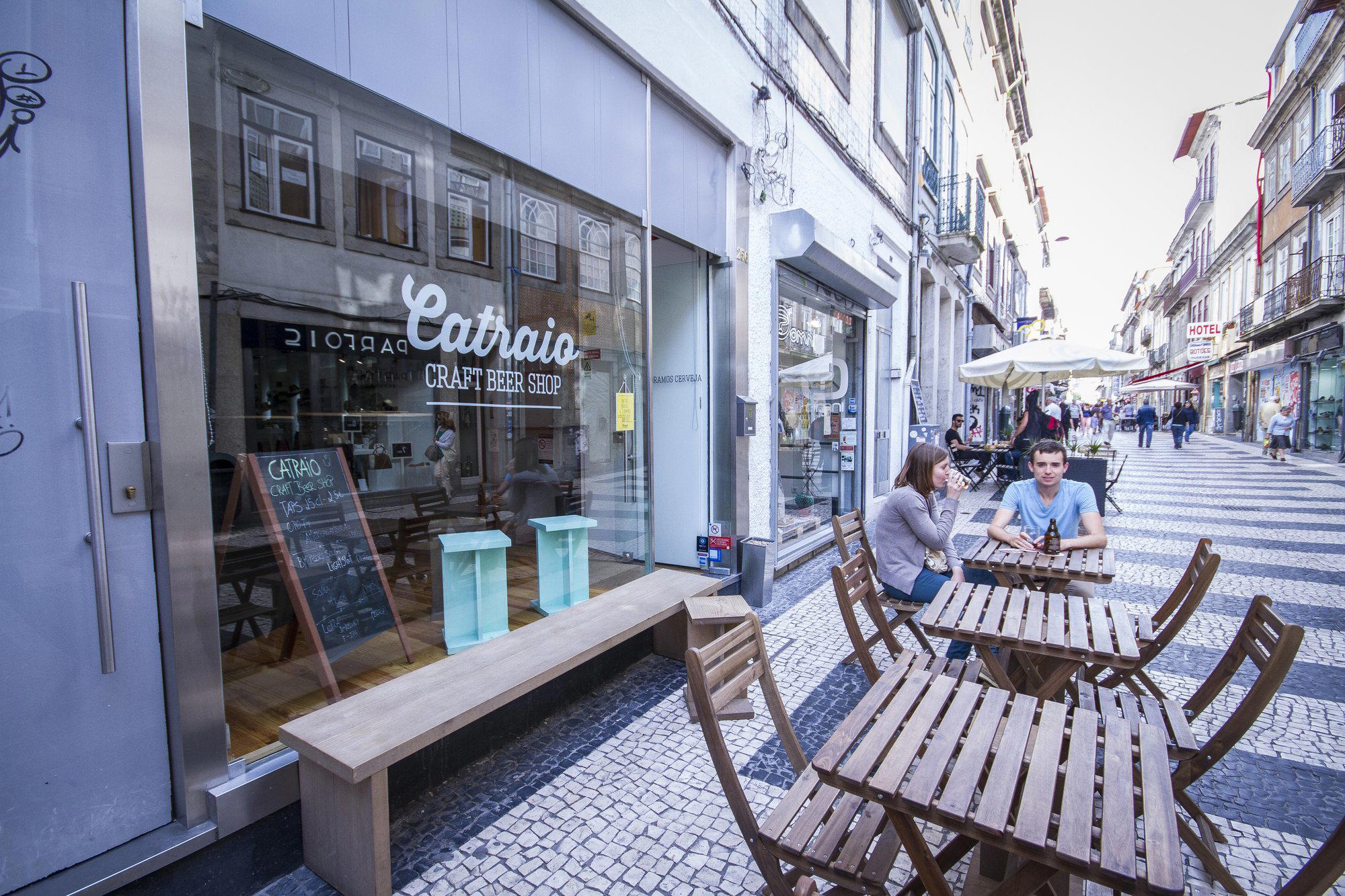
Restaurants in Porto
Browse all →
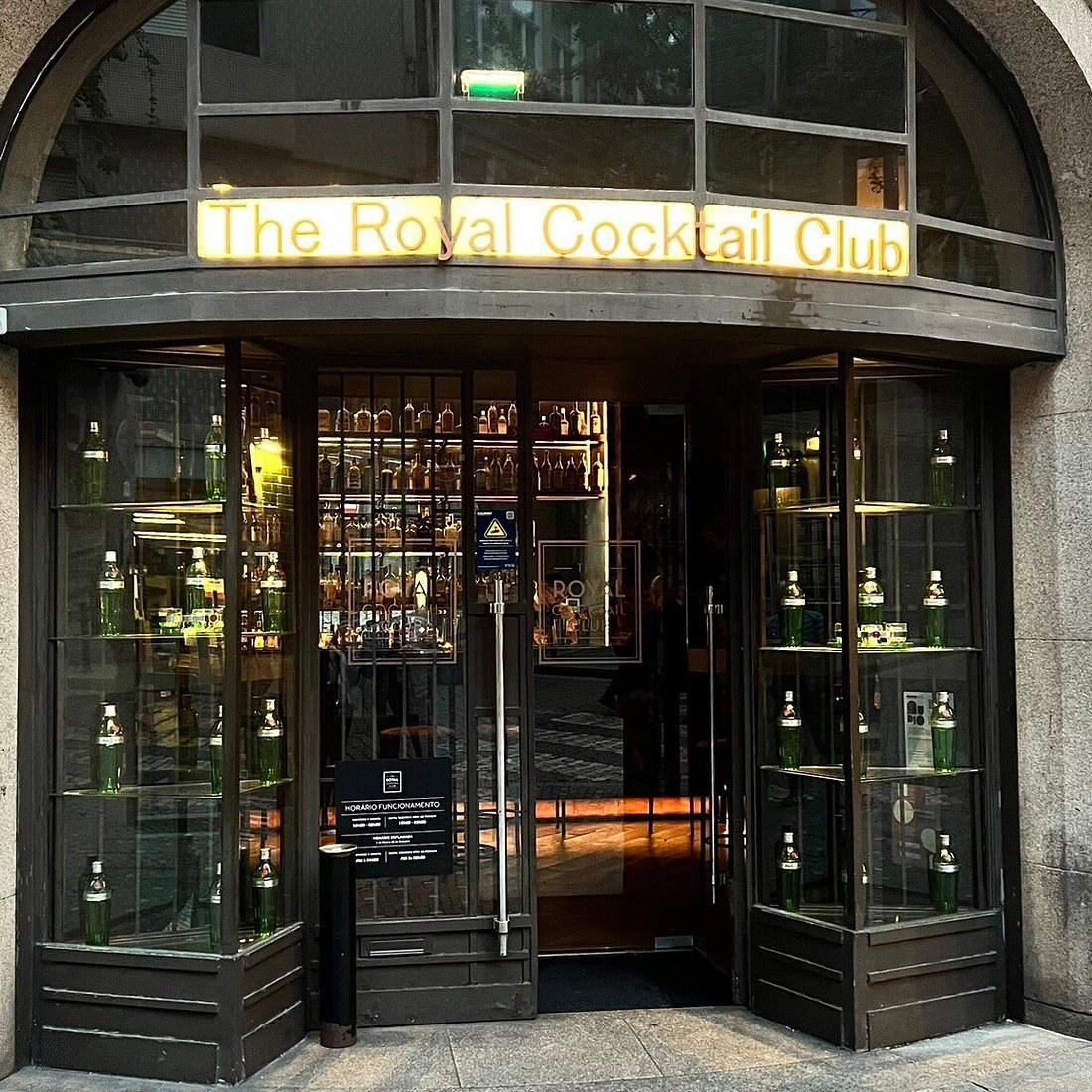
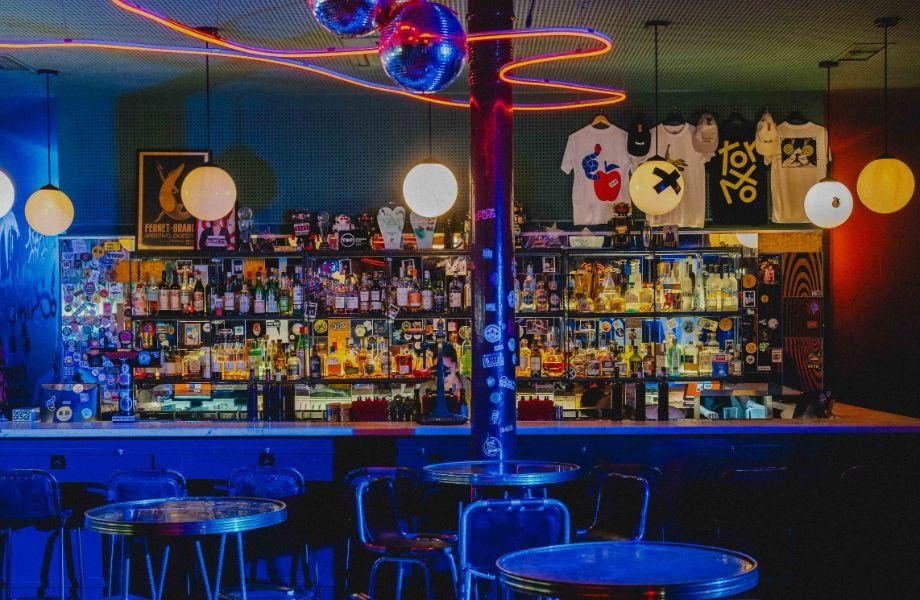
Bars in Porto
Browse all →
Hotels in Porto
Browse all →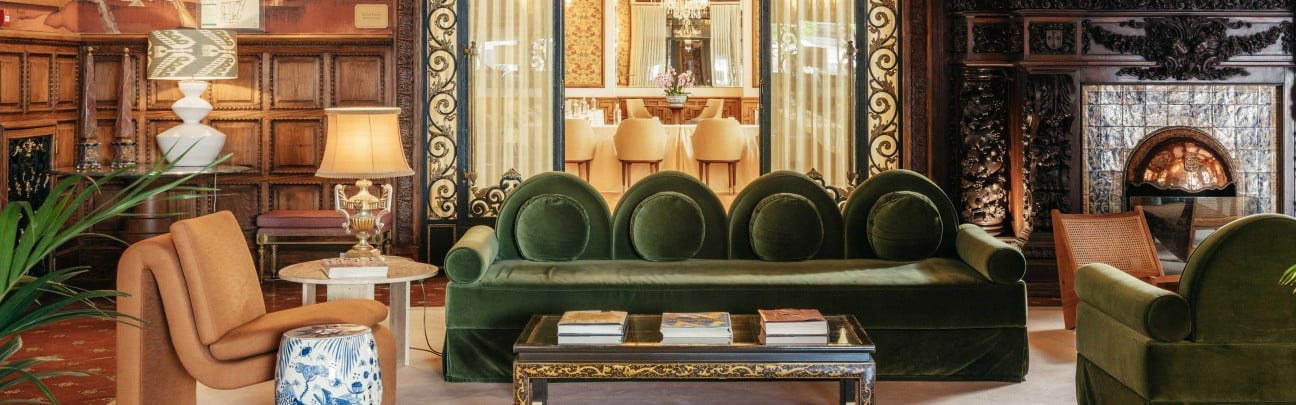
At a Glance
- Cozy
- Intimate
- Classic
- Date Night
- Special Occasion
- Historic Building
- Extensive Wine List
Current opening hours
- Monday
- 12–10:30 PM
- Tuesday
- Closed
- Wednesday
- 12–10 PM
- Thursday
- 12–10 PM
- Friday
- 12–10 PM
- Saturday
- 12–10 PM
- Sunday
- 12–10 PM
Hours can change for holidays and private events. Last verified .
Cozy and intimate with spectacular decoration, charming atmosphere, and walls adorned with wine crates.