Grill Sanka Tei

Tabelog 100 #14
Our verdict
Grill Sanka Tei brings yoshoku into Kakamigahara’s everyday dining conversation rather than treating it as nostalgia. The draw is Japanese-style Western cooking at a modest price tier, backed by selection for Tabelog’s 2025 Yoshoku EAST 100 and a small 28-seat room that suits families, solo diners, and low-key meals.

Pearl is the En Primeur Club membership app, where members save venues, book tables and use the concierge.
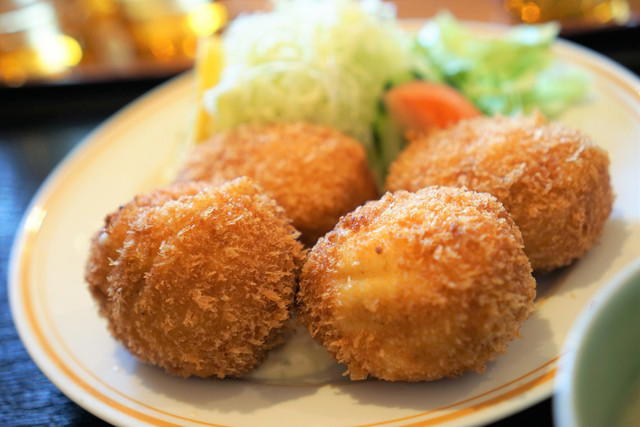
The approach to a recognized yoshoku restaurant in Kakamigahara is rarely theatrical. The point is scale of expectation: a local meal, cooking that reads through a familiar category, and a menu tradition built around Western forms absorbed into Japanese routine. Grill Sanka Tei belongs to that lineage, where the pleasure is not luxury coding but the confidence of a genre that has been localized for generations.
Yoshoku is often misunderstood by visitors as a lighter category than kaiseki, sushi, or tempura. In practice, it asks a different set of questions. How does a restaurant handle sauce, rice, frying, grilled dishes, and portioning when the reference points are European but the eating rhythm is Japanese? In regional cities such as Kakamigahara, the answer can be more revealing than in tourist-heavy districts: diners need value, consistency, and a format that works for weekday meals as much as planned outings.
Yoshoku in Gifu works when the kitchen respects ordinary ingredients
The ingredient question matters here because yoshoku depends less on rarity than on control. A strong version of the genre is measured in the balance of starch, sauce, protein, and heat, not in imported prestige. That is why a modestly priced restaurant can carry serious dining value in Japan: the craft sits in preparation and repetition. Grill Sanka Tei’s 2025 Tabelog Hyakumeiten recognition places it within a category where everyday Western-Japanese cooking is judged on its own terms, rather than against luxury tasting menus.
That distinction is useful for travelers building a food itinerary through Kakamigahara. This is not a city where every meal needs to chase ceremony. A sharper plan pairs genre-specific stops: yoshoku here, ramen at Ramen Nageyari, then a wider read through other Kakamigahara dining. The comparison is not about hierarchy. It is about how regional Japanese dining often rewards specialization at approachable prices, especially when the format is focused enough for a kitchen to repeat its strengths daily.
Within the supplied competitive frame, Grill Sanka Tei is best read as a practical Kakamigahara yoshoku choice rather than as a special-occasion display. Its listed budget is Dinner: JPY 1,000 - JPY 1,999; Lunch: JPY 1,000 - JPY 1,999. That makes the editorial point clear: recognized within a specific culinary category, but priced for repeat local use.
A small room changes how yoshoku is read
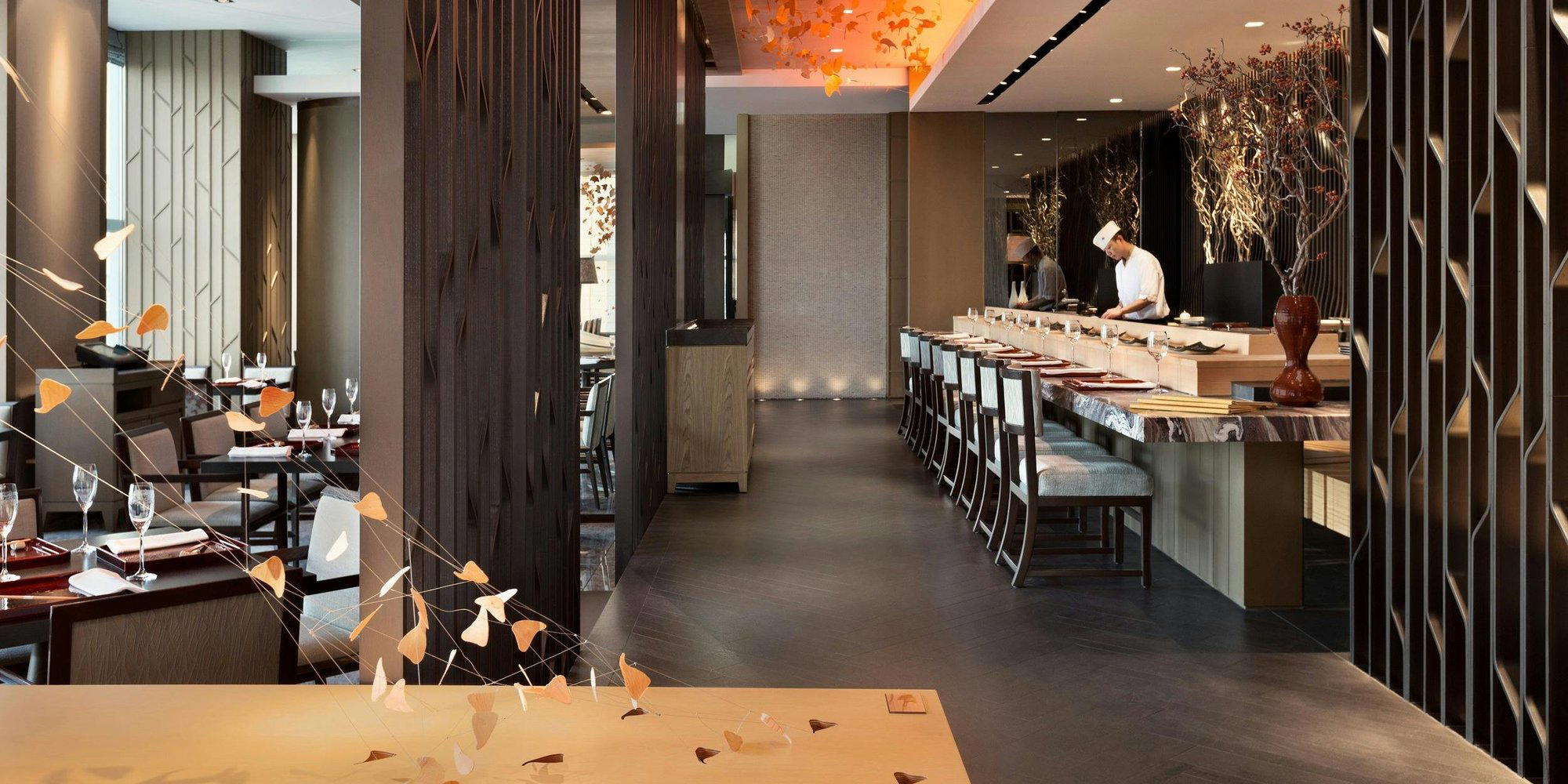
The setting matters because yoshoku is often at its strongest when the experience feels close to everyday eating rather than staged around it. A local restaurant format can support solo meals, family meals, and small-group dining without asking every visit to become an event. That structure also explains why Grill Sanka Tei reads differently from more destination-led dining rooms. The audience can be broader, more practical, and more local in spirit.
That everyday quality is part of the category’s appeal. In Japan, approachable does not automatically mean casual in the careless sense; it often means a kitchen and room designed around predictable pacing, familiar dishes, and food that crosses generations. Yoshoku has long served that role. It borrows from Western technique, but it lands on the table as Japanese comfort: rice-friendly, sauce-led, and legible across age groups.
Recognition from Tabelog Hyakumeiten in 2025 gives the place a trust signal without changing its category. This is not a chef-biography restaurant, and the absence of a named chef in the supplied details is not a weakness for this kind of meal. The more relevant editorial point is that Japanese regional dining often privileges the shop over the individual author. The craft is embedded in the operation, the regular clientele, and the discipline of familiar dishes executed within a tight price band.
How to place it in a Kakamigahara itinerary
Kakamigahara rewards travelers who look beyond a single meal slot. Dining can be treated as part of a broader city day, with practical planning handled through local accommodation, unnamed drinking options, regional references, and local programming through Our full Kakamigahara experiences guide. The value of a yoshoku stop is that it anchors the day without forcing the rest of the schedule to orbit around dinner.
Travelers comparing Japanese comfort formats across cities will see the same broader pattern elsewhere: focused kitchens, everyday dining rooms, and regional restaurants that build identity through repetition rather than spectacle. Grill Sanka Tei fits that pattern in Kakamigahara. Its value is not in a long list of decorative claims, but in being a recognized yoshoku address with a clear category and an approachable budget.
The editorial case for Grill Sanka Tei is compact: a recognized yoshoku address in Kakamigahara, working at a price level that keeps the cuisine close to its everyday roots. For travelers who already understand that Japan’s regional food culture is often strongest away from spectacle, this is the kind of stop that explains a city through lunch or dinner rather than through decoration.
Frequently asked questions
Is Grill Sanka Tei okay with children?
The supplied venue details do not specify a children policy. It is best understood as a yoshoku restaurant in Kakamigahara with an approachable listed lunch and dinner budget.
Is Grill Sanka Tei better for a quiet night or a lively one?
It reads more as an everyday yoshoku meal than a nightlife outing. The focus is on Japanese-style Western cuisine in Kakamigahara rather than on bar or club energy.
Is Grill Sanka Tei more mid-range or high-end?
Pricing at Grill Sanka Tei is listed as Dinner: JPY 1,000 - JPY 1,999; Lunch: JPY 1,000 - JPY 1,999.
What are the operating hours at Grill Sanka Tei?
Specific operating hours are not provided in the supplied venue details. Check directly before planning a visit.
Where is Grill Sanka Tei located?
Kakamigahara.
What is Grill Sanka Tei known for?
It has 2025 Tabelog Hyakumeiten recognition for Yoshoku, Japanese-style Western cuisine. The listed score is 3.61, and the budget is Dinner: JPY 1,000 - JPY 1,999; Lunch: JPY 1,000 - JPY 1,999.
Quick Comparison
Comparable venues by cuisine and price in the same metro.
| Venue | Cuisine | Price | Awards | Notes |
|---|---|---|---|---|
| Grill Sanka TeiThis venue (the venue you are viewing) | Yoshoku (Japanese-style Western cuisine) | $10–20 | Tabelog 100 #14 | Not listed |
| Ramen Nageyari | Pork & seafood ramen and tsukemen shop | $10–20 | Tabelog 100 #69 | Not listed |
| Japanese Ramen Tomita (日本の中華そば富田) | Japanese Ramen and Tsukemen | $10–20 | Not listed | Narita |
| Kumasotei | Traditional Satsuma Cuisine | Not listed | Not listed | Higashi Sengoku-cho |
| やまざと | Traditional Japanese Soba | Not listed | Not listed | 西祖谷山村 |
| Ide Shoten (井出商店) | Wakayama-style ramen (chuka soba) | $1–10 | Tabelog 100 #59 | Tanakamachi |
Recognition history
Dated appearances from independent guides and award organizations, with the underlying list record or original source where available.
Tabelog 100 #14 · No. 14
Tabelog · Tabelog 100 - Yoshoku - EAST - 2025
Continue exploring
More in Kakamigahara
Restaurants in Kakamigahara
All restaurants in Kakamigahara →
Details
- Cozy
- Classic
- Family
- Solo
- Casual Hangout
- Group Dining
- Standalone
- A La Carte
- Set Menu
- Counter Dining
Current opening hours
- Monday
- Closed
- Tuesday
- Closed
- Wednesday
- 11:30 AM–2 PM, 5–9 PM
- Thursday
- 11:30 AM–2 PM, 5–9 PM
- Friday
- 11:30 AM–2 PM, 5–9 PM
- Saturday
- 11:30 AM–2 PM, 5–9 PM
- Sunday
- 11:30 AM–2 PM, 5–9 PM
Hours can change for holidays and private events. Hours as of .
Small and relaxed with counter and table seating, non‑smoking and family‑friendly, giving the feel of a cozy neighborhood Western-style restaurant tucked in a residential house setting.