Ramen Nageyari

Tabelog 100 #69
Our verdict
Ramen Nageyari gives Kakamigahara a serious noodle address rather than a casual footnote between Gifu and Nagoya. Its Tabelog Ramen EAST “Tabelog 100” selections, including 2025, place it in the regional conversation for ramen and tsukemen, while the modest price band keeps the experience grounded in the everyday logic of Japanese noodle culture.

Pearl is the En Primeur Club membership app, where members save venues, book tables and use the concierge.
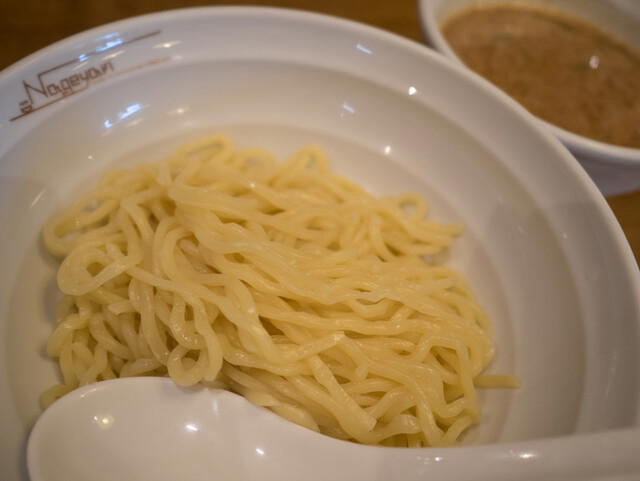
The menu
What to order
- Pork & seafood tsukemen
- Seafood–tonkotsu ramen
- Grilled chashu ramen
Approach Ramen Nageyari in Kakamigahara and the ramen grammar changes before the bowl arrives: this is not framed as a spectacle-first dining room, but as a local noodle stop on the city’s everyday map. That matters. Regional ramen shops in Japan often earn loyalty through repetition rather than theatre, and Ramen Nageyari belongs to that school, where the short decision tree around ramen or tsukemen does more work than elaborate ceremony.
Kakamigahara is close enough to larger food conversations for ramen trends to matter, but the appeal here should be read through a settled local identity rather than novelty for its own sake. For travellers using our full Kakamigahara restaurants guide, the point is not to treat ramen here as a quick add-on. A Tabelog score of 3.70 and inclusion in a 2025 Tabelog Hyakumeiten ramen selection signal a shop that has cleared a higher regional bar than ordinary local popularity.
Tsukemen and ramen in a Kakamigahara setting, not a Tokyo imitation
The useful way to read this restaurant is through format. Tsukemen, dipping noodles, asks a kitchen to separate noodle texture from broth intensity; ramen asks for integration in the bowl. A shop listing both categories is making a claim about noodle handling as much as soup. Without naming specific dishes that are not listed, the category itself tells the reader what to look for: firmness, temperature control, and broth concentration carry more weight than decorative assumptions.
Ingredient sourcing is often discussed too loosely in ramen writing. What can be said with confidence here is more structural: regional ramen depends on procurement systems that can support repeatable soup, noodles, tare, and garnish day after day at an accessible price. At Ramen Nageyari, both lunch and dinner sit in the JPY 1,000 to JPY 1,999 band, which places pressure on consistency rather than luxury signalling. In that tier, value comes from balance and execution, not rare ingredients announced for prestige.
The comparison within Kakamigahara is instructive. Grill Sanka Tei occupies a similar price band but belongs to a different dining rhythm, more general meal-house than noodle specialist. That contrast helps define the choice: ramen here is a focused format, built for a narrow set of decisions and a faster cadence. Travellers who usually chase tasting menus should recalibrate; in Japan, serious craft can sit inside a modest bill and a short meal.
The format rewards diners who read specialist noodle shops well
The format matters more than it first appears: ramen and tsukemen create two parallel experiences. Ramen is about the integration of noodles and soup in one bowl, while tsukemen puts greater emphasis on the relationship between noodle texture and dipping broth. The important point is not luxury seating or elaborate service, but the way the shop’s listed categories concentrate attention on noodles, broth, and the rhythm of a specialist meal.
This is also where the Kakamigahara location makes editorial sense. A ramen stop outside the most obvious big-city dining circuits changes the mood of the meal. The absence of destination-dining theatre gives the food a local-destination character: people come for noodles, not for a scene built around spectacle. For travellers, that means planning the visit as part of Kakamigahara rather than assuming the patterns of a large-city station arcade or hotel restaurant.
Recognition gives the shop a wider frame. Its 2025 Tabelog Hyakumeiten recognition and 3.70 score should not be read as luxury-award language. They are more useful as evidence that Ramen Nageyari has attracted attention in a category where diners are quick to move on when broth, noodles, or service rhythm slips.
How to place it within a wider Kakamigahara itinerary
Ramen Nageyari is a strong fit for travellers who want one meal in Kakamigahara to express local dining habits rather than destination-dining ceremony. Planning across categories helps when a noodle stop is part of a wider visit. Pair restaurant research with our full Kakamigahara hotels guide, our full Kakamigahara bars guide, our full Kakamigahara wineries guide, and our full Kakamigahara experiences guide if the meal is part of a broader stay.
The editorial verdict is simple: come for a disciplined regional ramen experience, not for luxury theatre. The 2025 recognition and focused noodle categories make it a credible stop for ramen-literate travellers, while the price tier keeps it close to the everyday culture that gives ramen its force in Japan.
Further reading across
- Other Japanese dining rooms for travellers comparing regional food stops
- Other city restaurants for readers building a broader Japan itinerary
- Other cafes and casual venues across Japan
- Other regional dining guides
- Other casual dining guides in Japan
- Other specialist noodle and counter-style formats
- Other traditional dining rooms in Japan
- Other restaurants for regional itinerary planning
- Other casual restaurants in Japanese cities
- Other dining options for broader travel planning
- Other bars for international comparison
- Other casual food stops for international comparison
Frequently asked questions
Is Ramen Nageyari a family-friendly restaurant?
Ramen Nageyari is a ramen and tsukemen shop in Kakamigahara. The confirmed public details here are its noodle categories, price band, Tabelog score, and 2025 recognition; check the venue's official channels for the latest suitability details before visiting with children or a group.
What is the atmosphere like at Ramen Nageyari?
Expect a focused ramen and tsukemen experience rather than formal dining. With a Tabelog score of 3.70 and 2025 Tabelog Hyakumeiten recognition, the appeal is best understood through noodle execution, broth concentration, and the efficient rhythm of a specialist ramen shop.
What's the pricing like at Ramen Nageyari?
Pricing at Ramen Nageyari is listed as Dinner: JPY 1,000 - JPY 1,999; Lunch: JPY 1,000 - JPY 1,999.
What days is Ramen Nageyari closed?
Confirmed closing-day and opening-hour details are not provided here. Check the venue's official channels or current listings before visiting Ramen Nageyari.
Where is Ramen Nageyari located?
Kakamigahara.
How It Stacks Up
Comparable venues by cuisine and price in the same metro.
| Venue | Cuisine | Price | Awards | Notes |
|---|---|---|---|---|
| Ramen NageyariThis venue (the venue you are viewing) | Pork & seafood ramen and tsukemen shop | $10–20 | Tabelog 100 #69 | Not listed |
| Grill Sanka Tei | Yoshoku (Japanese-style Western cuisine) | $10–20 | Tabelog 100 #14 | Kakamigahara |
| O Dashi to Ginshari Chuka Soba Nito | Ramen & chuka soba near Nagoya Station | $1–10 | Tabelog 100 #47 | Nakamura |
| Chuka Soba Ueda Seimen Ten | Japanese Ramen | $1–10 | Tabelog 100 #85 | Naka |
| Sapporo Ramen Ezo Men Rock Shinsakae ten | Sapporo-style Ramen | $10–20 | Tabelog 100 #79 | Naka |
| Fujimi Tei Honten | Kourai-style tonkotsu ramen | $10–20 | Tabelog 100 #36 | Naka |
Recognition history
Dated appearances from independent guides and award organizations, with the underlying list record or original source where available.
Tabelog 100 #69 · No. 69
Tabelog · Tabelog 100 - Ramen - EAST - 2025
Continue exploring
More in Kakamigahara
Restaurants in Kakamigahara
All restaurants in Kakamigahara →




Details
- Cozy
- Casual
- Solo
- Casual Hangout
- Family
- After Work
- Group Dining
- Standalone
- A La Carte
- Counter Dining
Current opening hours
- Monday
- 11 AM–2 PM, 5:45–8:45 PM
- Tuesday
- Closed
- Wednesday
- Closed
- Thursday
- 11 AM–2 PM, 5:45–8:45 PM
- Friday
- 11 AM–2 PM, 5:45–8:45 PM
- Saturday
- 11 AM–2 PM, 5:45–8:45 PM
- Sunday
- 11 AM–2 PM, 5:45–8:45 PM
Hours can change for holidays and private events. Hours as of .
A compact, no-frills neighborhood ramen joint on a busy road, with functional counter-style seating, simple decor, and a casual, lively atmosphere focused squarely on efficient service and hearty bowls rather than design.