Green New American Vegetarian
On North 7th Street in Phoenix's Midtown corridor, Green New American Vegetarian occupies a niche that the city's dining scene has been building toward for years: ingredient-driven, technique-conscious cooking that dispenses with meat without replacing it with novelty. The kitchen draws on Arizona's agricultural calendar and applies methods borrowed from American fine dining to produce a menu grounded in place rather than trend.
Pearl is the En Primeur Club membership app — saves, bookings, and concierge access live there. Same editors, same standards.
- Address
- 2022 N 7th St, Phoenix, AZ 85006
- Phone
- +16022581870
- Website
- greenvegetarian.com
- Directions
- Get directions
 Saves & bookings on Pearl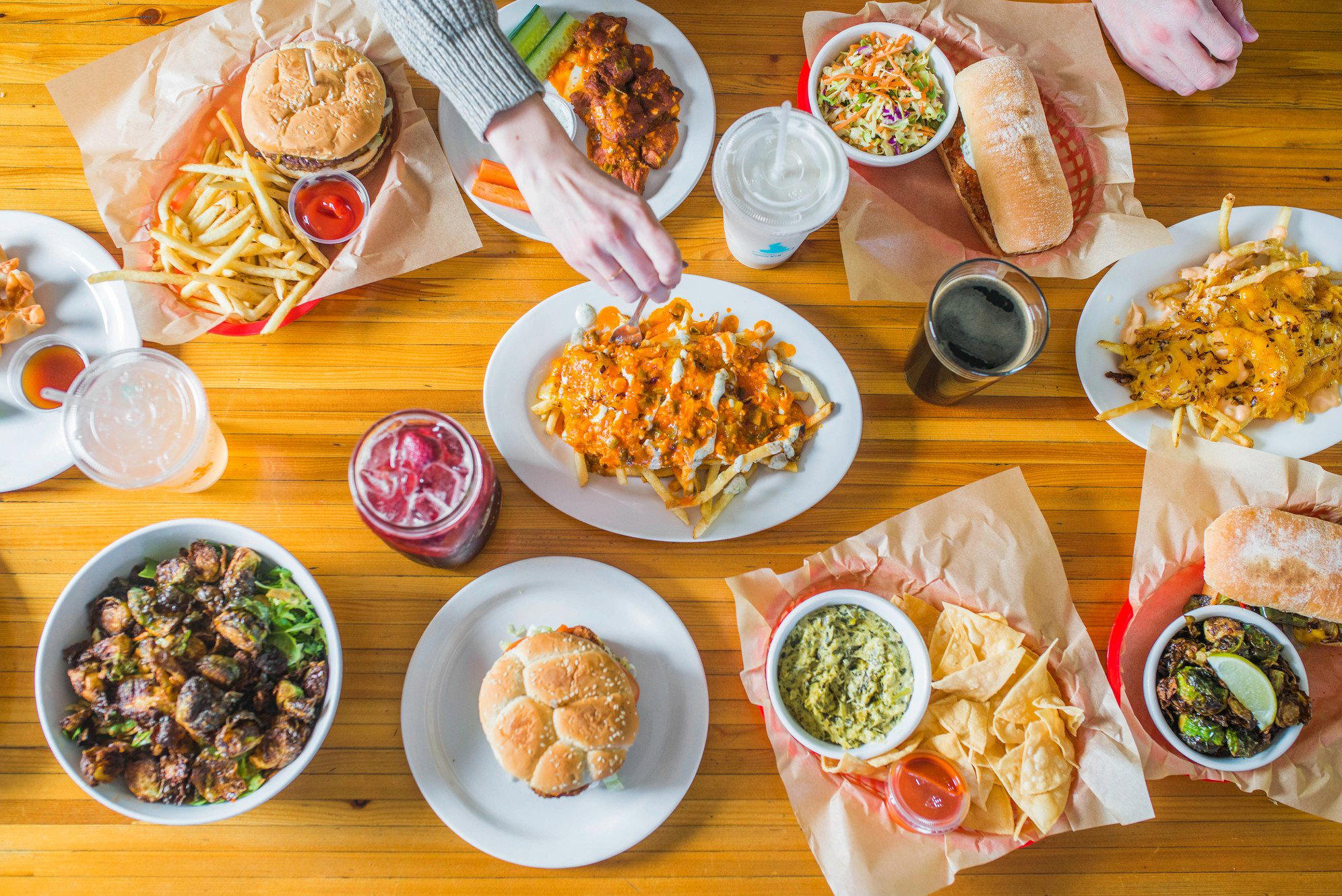
North 7th Street and the Vegetable-Forward Turn in Phoenix Dining
Phoenix's dining identity has long been shaped by its proximity to Sonoran agriculture, the cattle traditions of the Southwest, and a desert growing season that runs contrary to most of the continental United States. Winter here is prime time for cool-weather greens and root vegetables; summer pushes toward heat-tolerant chiles, squash, and corn. Any kitchen serious about working with local product has to reckon with that calendar rather than ignore it. Green New American Vegetarian is a Phoenix restaurant at 2022 N 7th St in Midtown, serving Vegan New American Comfort Food with a casual, walk-in-friendly format.
That framing matters because vegetarian restaurants in American cities have historically occupied two camps. One is the health-forward café, where the absence of meat is the point and the cooking is organized around dietary philosophy rather than flavor ambition. The other is the upscale vegetable-driven tasting menu, often tethered to a farm or a named chef with classical training. Green sits somewhere between those poles, in the territory that the broader New American movement has been moving toward since at least the early 2010s, when kitchens from Blue Hill at Stone Barns in Tarrytown to Single Thread Farm in Healdsburg began treating vegetables not as accompaniments but as the structural center of a serious plate.
What New American Technique Looks Like Without the Protein
The phrase "New American" has covered a lot of ground since it emerged in the 1980s, absorbing influences from French technique, regional American ingredients, and successive waves of Asian and Latin American culinary migration. At its most coherent, it describes a kitchen that thinks in terms of season and region first, then applies whatever technical vocabulary leading serves those ingredients. For a vegetable-forward kitchen, that approach is not a limitation but a clarification of purpose.
Restaurants like Alinea in Chicago or Lazy Bear in San Francisco have demonstrated how far technical ambition can stretch when the kitchen is committed to a specific vision. The same logic applies at a smaller scale: disciplined method applied to Arizona-sourced produce yields results that generic vegetarian menus, built around imported ingredients and safe substitutions, simply cannot match. The intersection of imported technique and indigenous product is where this category of cooking becomes genuinely interesting rather than merely virtuous.
Phoenix's position within the Southwest gives a kitchen like this specific advantages. The Maricopa County agricultural belt and the broader Arizona produce network include citrus, dates, tepary beans, Pima cotton seed oil, and heirloom corn varieties tied to Indigenous farming traditions that predate Anglo settlement by centuries. A kitchen paying attention to that supply has access to ingredients that a comparable restaurant in, say, Chicago or New York would source from far greater distances, often at the cost of freshness and connection to place. For context on how Phoenix's dining scene integrates those Sonoran traditions across different cuisines, the work at Bacanora on the Mexican Sonoran side and Vincent Guerithault on Camelback on the French Southwestern side illustrate how the same regional pantry gets interpreted across different cooking traditions.
The Midtown Address and What It Signals
North 7th Street has become one of Phoenix's more interesting corridors for independent restaurants precisely because it sits between the tourist-facing density of downtown and the residential sprawl further north. The street hosts a range of formats and price points, from Pane Bianco's focused sandwich operation to neighborhood spots that serve the surrounding grid of mid-century residential blocks. It is not a destination dining strip in the way that, say, Scottsdale's Old Town presents itself, which means the restaurants that work here tend to rely on repeat local custom rather than tourist traffic.
For a vegetarian restaurant, that neighborhood positioning is useful. The clientele arriving on a Tuesday evening is not looking for spectacle; they are looking for a kitchen they can trust across multiple visits, through different seasons, with a menu that changes as the growing season shifts. That kind of relationship between restaurant and regular is harder to build in a high-turnover destination zone, and it tends to produce better cooking over time because the kitchen is accountable to guests who notice when something has changed.
Vegetable-Driven Cooking in the National Conversation
Green's positioning in Phoenix connects to a broader national conversation about what serious vegetarian cooking looks like when it is not organized around imitation. The restaurants that have moved this category forward, from Providence in Los Angeles on the seafood-centric end to The French Laundry in Napa's famous vegetarian tasting menu option, share a commitment to treating the ingredient as the destination rather than the format as the novelty. Atomix in New York City and Le Bernardin in New York City demonstrate how technique-led kitchens can reframe entire categories of ingredients by applying rigorous method rather than relying on the ingredient's inherent appeal.
At the regional level, the comparison that matters most for Green is not the national fine dining tier but the adjacent Phoenix restaurants that share an interest in local sourcing and disciplined cooking. Lom Wong's Thai kitchen and the comfort-food end of the spectrum represented by 5 & Diner illustrate how wide the range runs on a single street or in a single neighborhood. Green occupies the end of that range where technique and sourcing are the primary criteria, and where the absence of meat is a design choice rather than a default.
Planning Your Visit
Green New American Vegetarian is located at 2022 N 7th St, Phoenix, AZ 85006, in the Midtown corridor. The address is accessible by car with street parking available along 7th Street, and the neighborhood is served by Valley Metro bus lines for those arriving without a vehicle. Phoenix's cooler months, running from October through April, align with the peak of the local growing season for cool-weather vegetables, which makes that window the period when a kitchen drawing on Arizona agriculture is likely working with the widest range of ingredients. Summer visits are entirely viable but the menu logic shifts with the heat-tolerant crops that define Arizona's warmer months.
City Peers
Comparable venues nearby, for context on price, style, and recognition.
| Venue | Cuisine | Price | Notes |
|---|---|---|---|
| Green New American VegetarianThis venue — the venue you are viewing | Vegan New American Comfort Food | $$ | Not listed |
| Lydia's Kitchen & Market | Dining | $$ | Midtown Phoenix |
| Hearsay | American Casual Dining | $$ | Biltmore Villas |
| El Bravo | Traditional Sonoran Mexican | $$ | Sunnyslope |
| Caffe Boa | Creative Italian Bistro | $$ | Parkside |
| Pita Jungle | Healthy Mediterranean | $$ | Roosevelt Row |






At a Glance
- Trendy
- Cozy
- Modern
- Casual Hangout
- Organic
Current opening hours
- Monday
- 11 AM–9 PM
- Tuesday
- 11 AM–9 PM
- Wednesday
- 11 AM–9 PM
- Thursday
- 11 AM–9 PM
- Friday
- 11 AM–9 PM
- Saturday
- 11 AM–9 PM
- Sunday
- Closed
Hours can change for holidays and private events. Last verified .
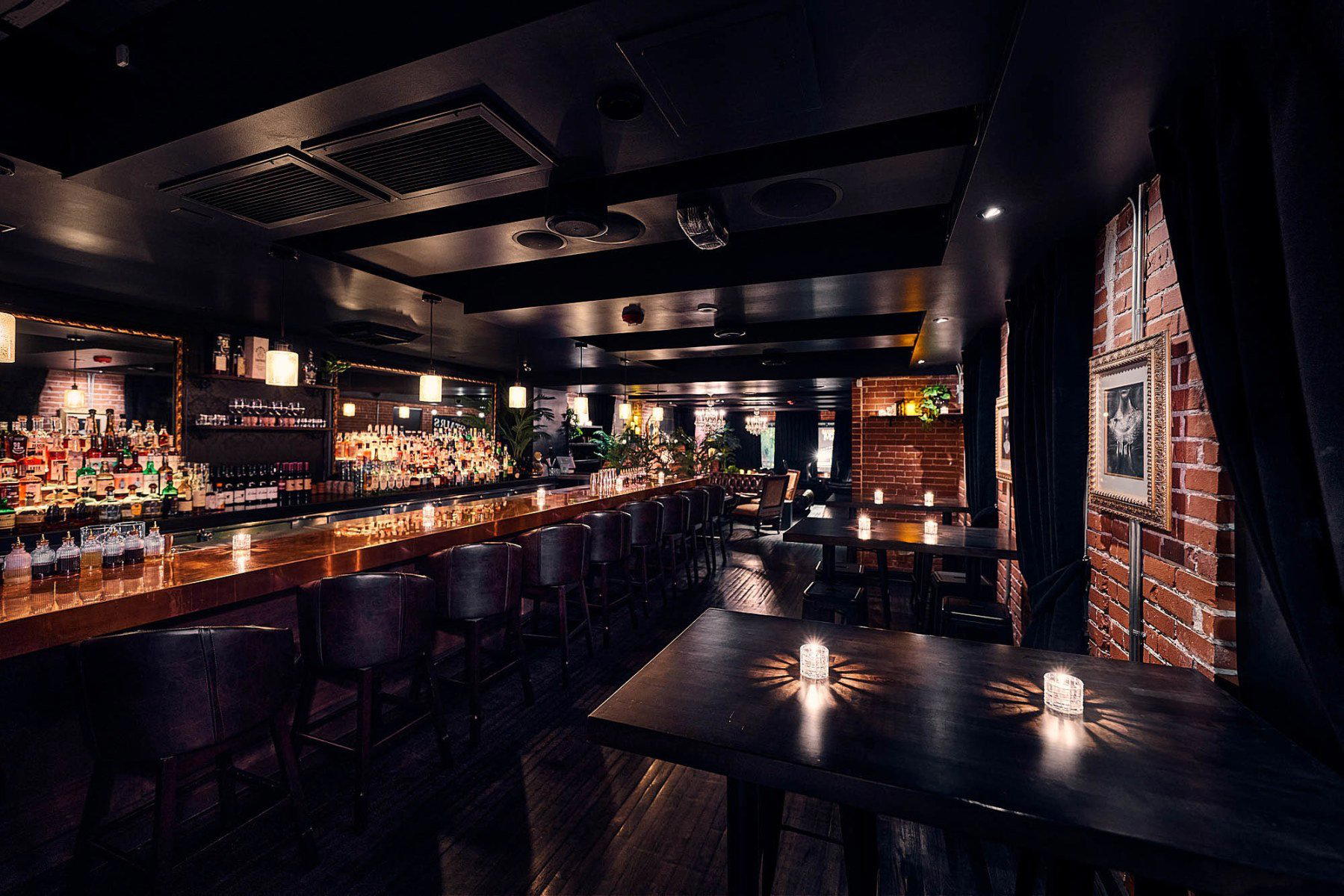
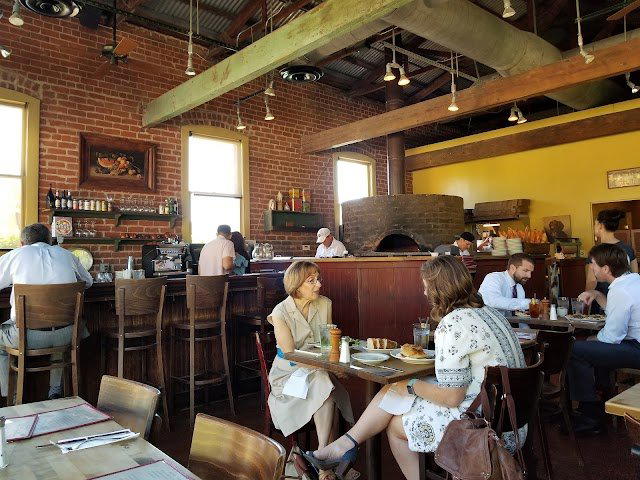
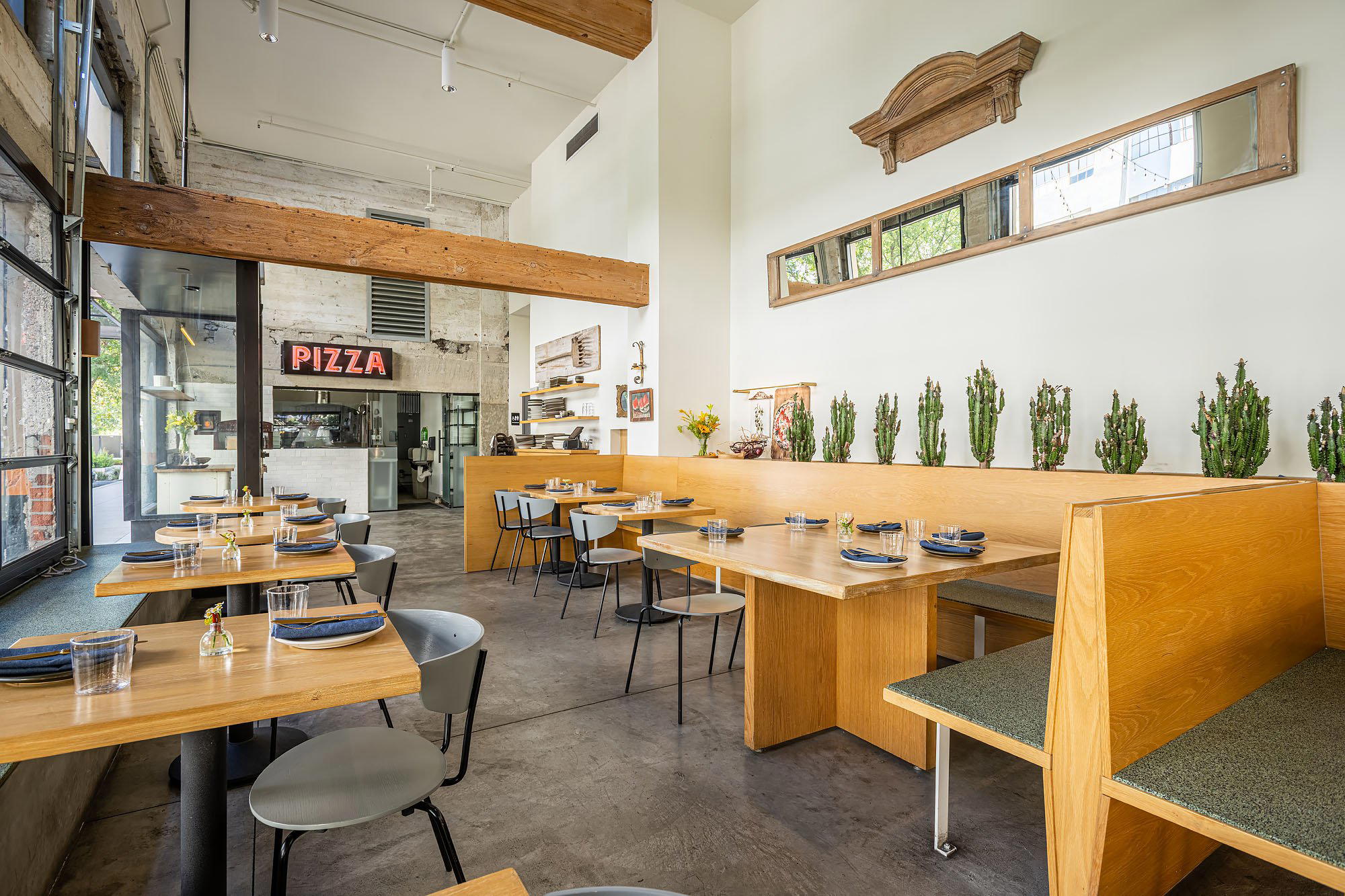
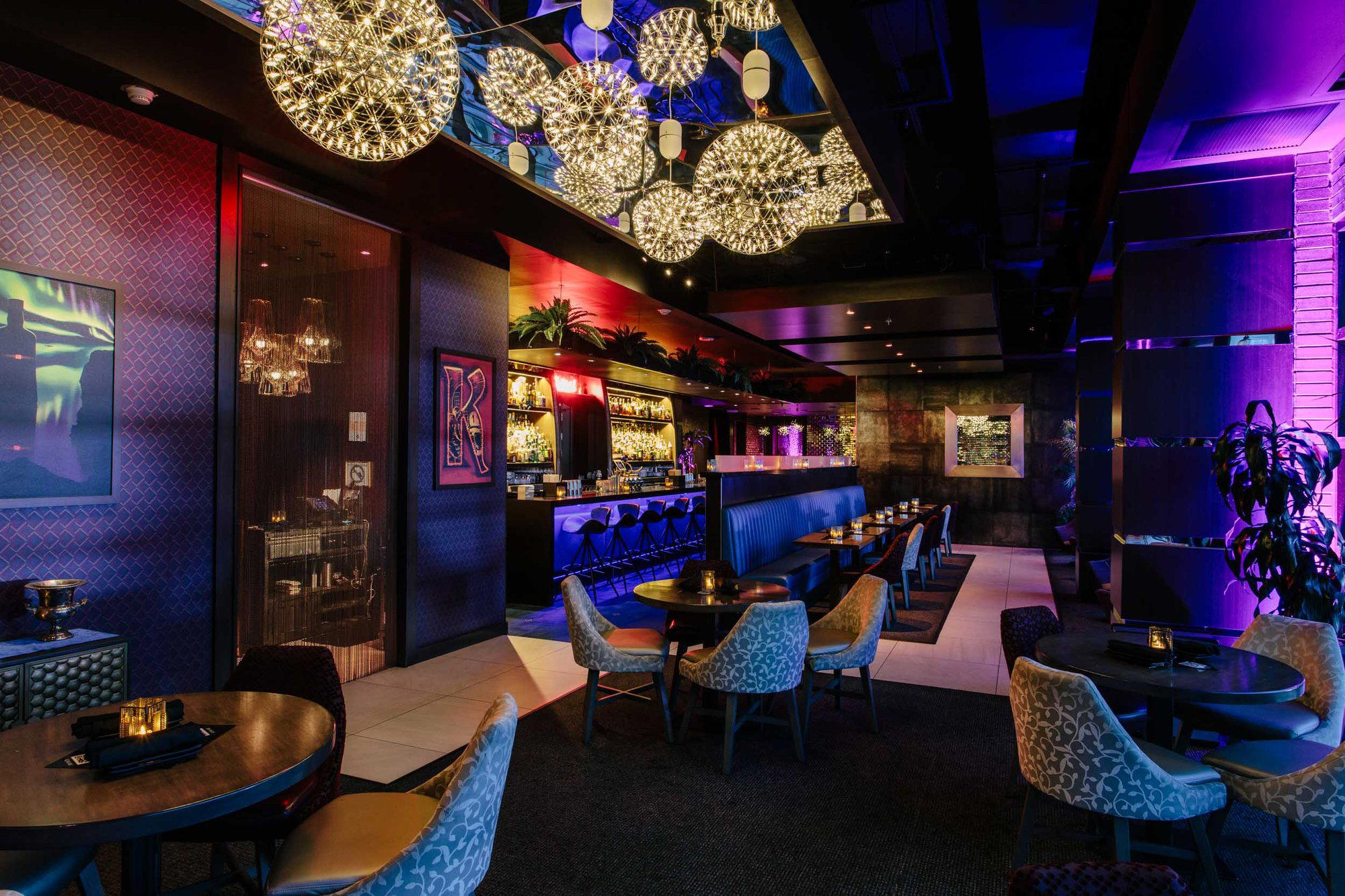
Colorful atmosphere with artsy decor creating a lively and welcoming vibe.